What African-Led Digital Health Requires from European Partners

Ota Akhigbe

African digital health is entering a new phase; one defined less by proving innovation and more by scaling what already works. As partnerships between Africa and Europe continue to evolve, the opportunity lies in moving beyond short-term pilots toward long-term, system-integrated solutions. Drawing on practical experience from across the continent, this article explores how more intentional partnership design can unlock sustainable impact at scale.

African digital health has gradually moved beyond pilots. The next stage is partnering to scale what already works.  Across the continent, the challenge is no longer proving that digital solutions can improve health outcomes. That case has been made repeatedly. The real test now is whether partnerships, particularly with European institutions, are structured to sustain and scale impact over time.

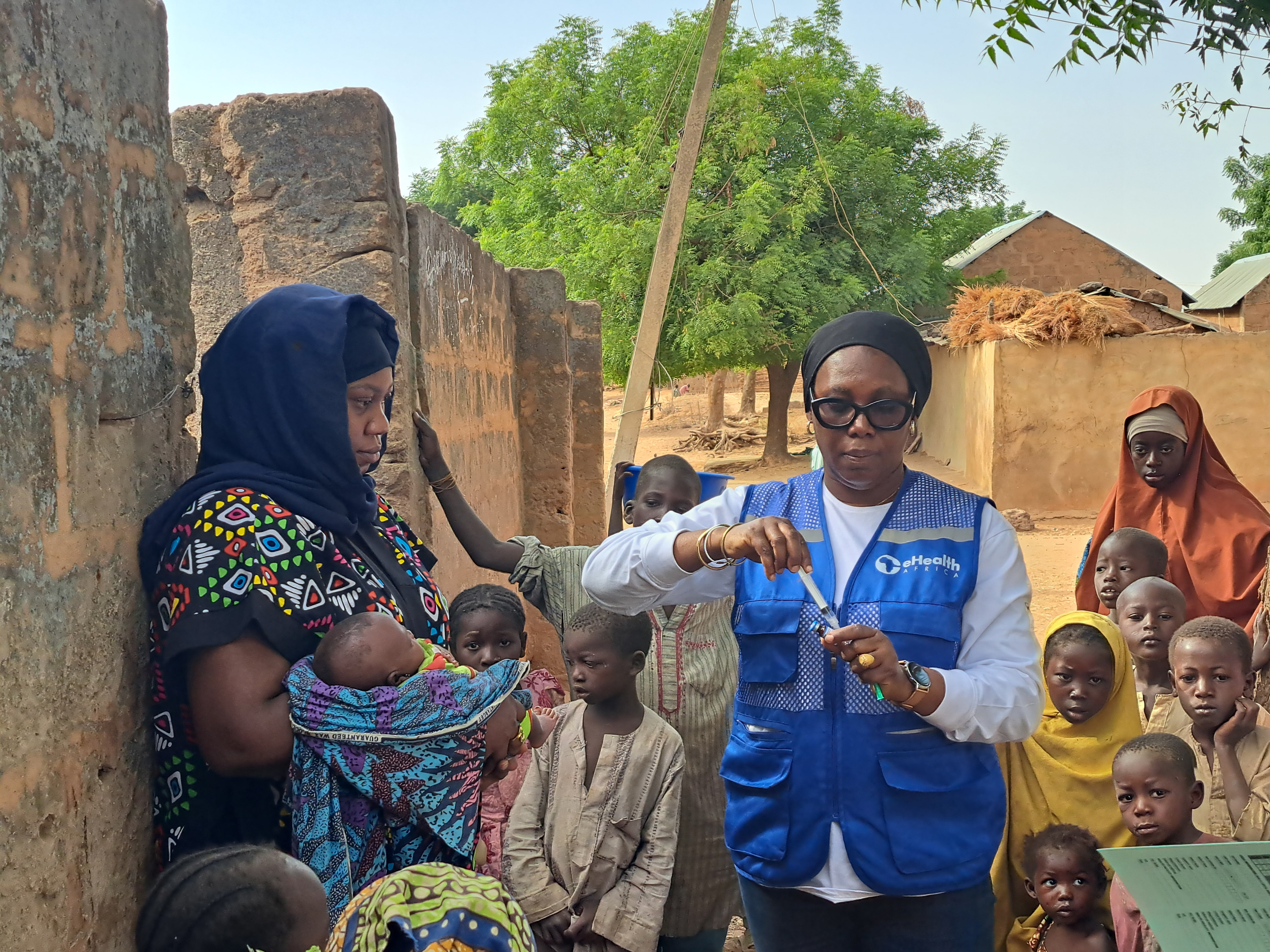
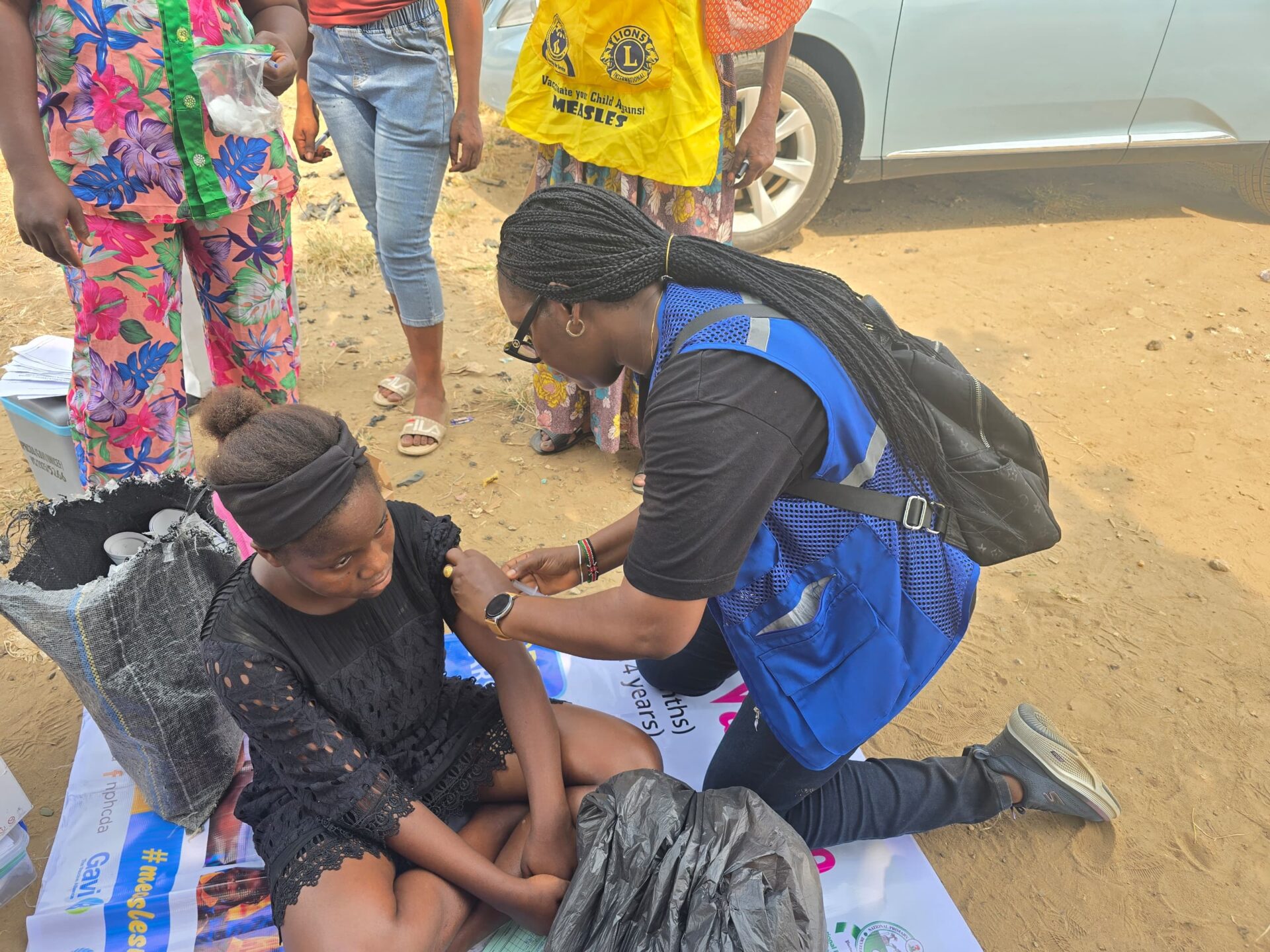
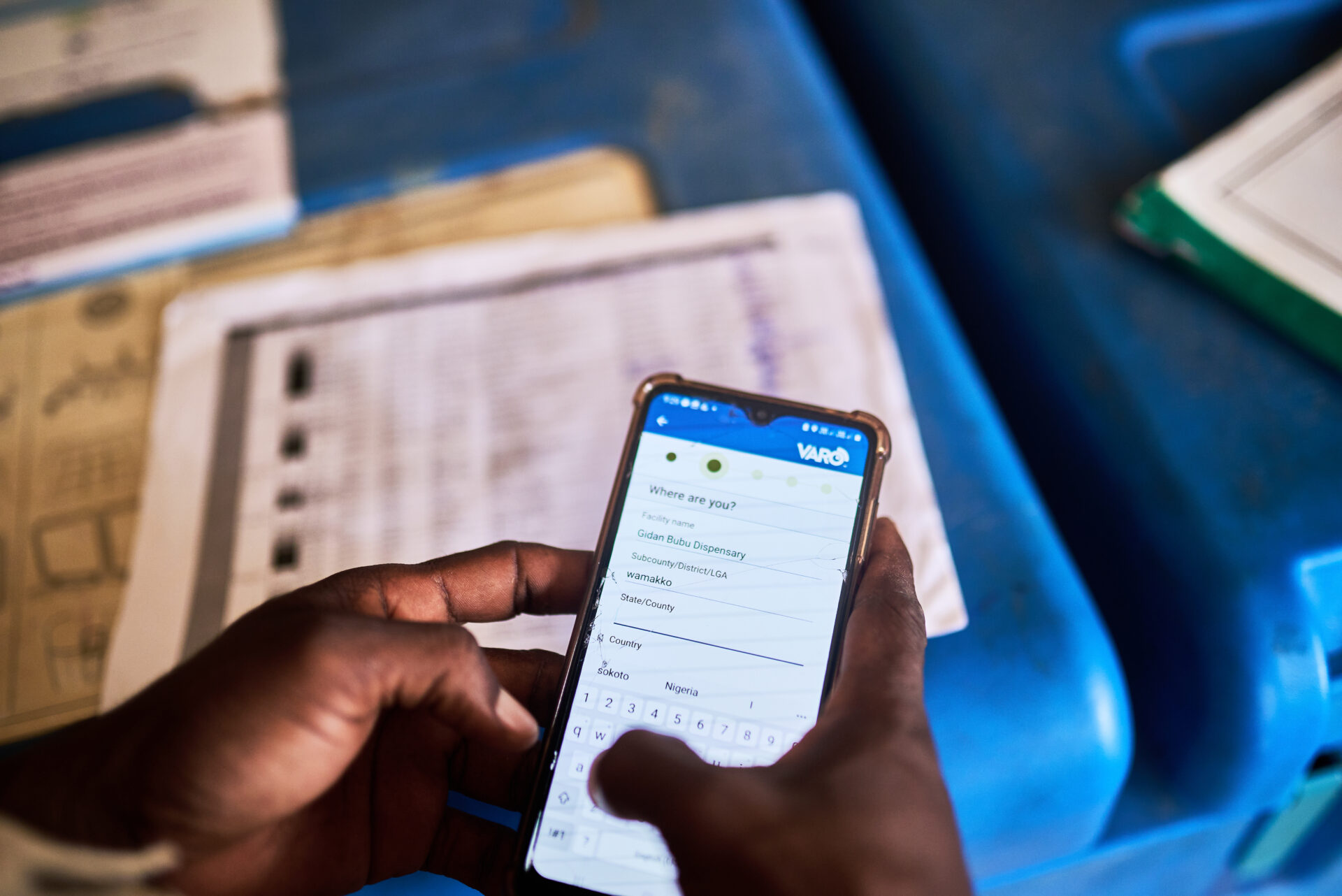
At eHealth Africa, our experience offers a clear view of what is possible when digital innovation is embedded within systems, not treated as an experiment. In 2025, our microplanning and monitoring tools, including Planfeld and the Geospatial Tracking System (GTS), supported immunization efforts across more than 500,000 settlements, more than doubling the reach from the previous year. Behind that number is a simple but powerful shift: health workers using trusted data to find and reach missed children. The result was over 20 million children immunized.

We have seen the same pattern in supply chain management. With digital tools designed to monitor vaccine potency and distribution in real time, more than 5 million doses were delivered to over 300 primary healthcare facilities. These are not isolated successes; they are the outcome of sustained investment in systems that work under real conditions.

And yet, across Africa, many promising solutions never reach this level of scale. A handful of these solutions are still evolving from pilot phases while others are at varying degrees of integration into national and subnational systems. This may have contributed to the well-known ‘graveyard of pilots’ narrative.  Thus, the next phase of Africa–Europe digital health will depend more on building the pathways that enable what already works to scale..

Three areas stand out where partnerships can evolve;

First, an important area of focus is the shift from short-term funding to long-term system investment. Digital health solutions may struggle to mature within the lifespan of a typical pilot cycle. They require sustained financing that supports not only deployment, but also integration, maintenance, and local capacity. Encouragingly, recent collaboration between the European Union and the World Health Organization to advance digital health transformation in Africa signals a move in this direction. The priority now is to deepen these models into long-term, co-owned commitments.

Second, greater emphasis on co-creation can help move beyond more top-down approaches. The most effective solutions are those built within the context they serve, aligned with national priorities, shaped by local expertise, and accountable to local institutions. Partnerships that treat African organizations as equal architects are more likely to produce outcomes that endure. Localisation is not a process choice. It is a power decision with who designs the tool, who owns the data, who keeps the institutional knowledge after the project closes. Partnerships that get those answers right are co-created. Partnerships that do not are using co-creation as language for inherited hierarchies. The alignment between African Union and European Union health priorities, particularly around health security and primary care, demonstrates what is possible when this balance is achieved.

Third, scaling proven solutions will be central to the next phase. Africa’s strength in innovation is well established; the priority now is strengthening the mechanisms that enable what works to expand to national and regional scale. Following demonstrated success, Nigeria’s Federal Ministry of Health has approved the national adoption of eHealth Africa’s Climate Health Vulnerability Assessment Tool (CHAT). This is a practical example of how locally developed tools, once validated, can be integrated into public systems and expanded for broader impact. Replicating and adapting such models will deliver far greater value than repeatedly starting from zero.

These shifts are not theoretical; they are operational choices. They determine whether digital health investments translate into sustained outcomes or remain isolated successes.

Africa’s role in global health innovation has fundamentally changed. The continent is no longer defined by gaps, but by its growing capacity to design, test, and deliver solutions at scale. What is required now is a partnership model that matches that reality, one built on shared priorities, mutual accountability, and long-term commitment.

The opportunity before Africa and Europe is not to prove that digital health works. It is to scale what works, on the terms of the people who built it.

Ota Akhigbe is the Director of Partnerships and Programs at eHealth Africa, where she leads partnership strategy and external positioning for the organisation’s work across digital health, climate-health integration, and health system strengthening. She works at the intersection of African-led implementation and global health financing, and convenes funders, implementers, and policymakers across the Africa-Europe corridor. She is the co-curator of the AidEx Geneva 2026 headline panel on the future of humanitarian aid and a regular voice at global health convening.

eHealth Africa (eHA) is a nonprofit advancing stronger health systems across 26 African countries through locally driven, data-powered solutions. With over 15 years of experience, the organization has built scalable technology and operational platforms tailored to the continent’s public health challenges, while fostering collaboration to accelerate innovation and impact.

From Maps to Decisions: How eHealth Africa and Bayero University Are Strengthening Geospatial Capacity in Kano

By Azeez-Ayodele Fatimah Ayotemitide

In a rural community in Kano, health workers may know that children are missing routine immunization, but without knowing exactly where those children live, response efforts can remain slow and incomplete.

Teams may understand what is happening, but not always where it is happening, where gaps persist, or how to respond with precision. In public health, that missing layer matters. Disease outbreaks spread across locations, and immunisation gaps often emerge in specific settlements. Without spatial intelligence, even strong data may fall short of driving effective action.

This challenge is not unique to Kano. Across many health systems, data is collected routinely but is not always translated into practical decisions that improve service delivery.

This reality informed the need for a Geospatial Curriculum for Health Professionals, a competency-based learning programme designed to help health workers apply geospatial tools to planning, surveillance, emergency response, and resource allocation.

Building Long-Term Geospatial Capacity

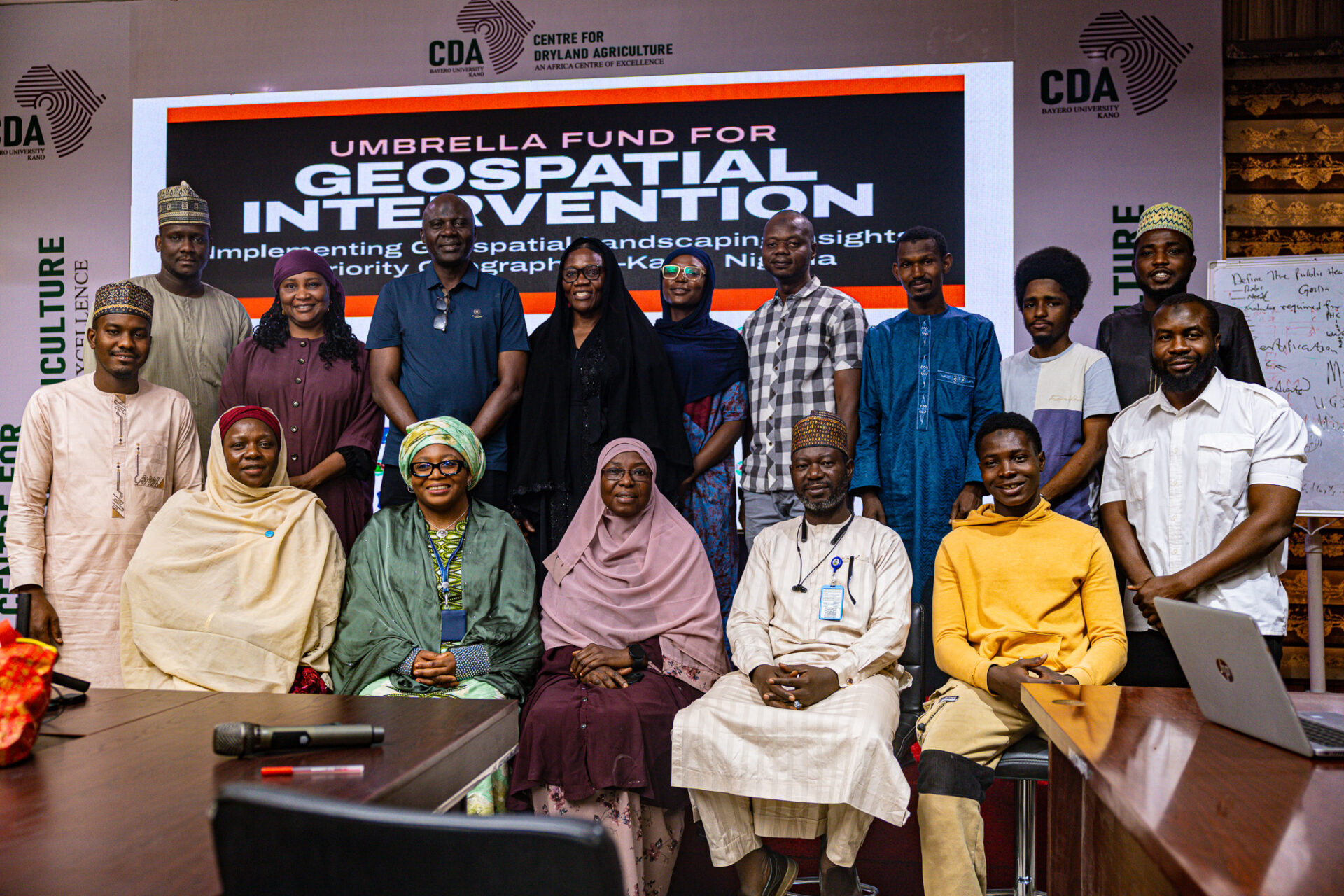
Across Nigeria, geospatial training has often happened in fragments, delivered through isolated programmes tied to short-term project cycles and rarely embedded into the institutions that shape long-term workforce development. eHealth Africa worked with Bayero University Kano’s Centre for Dryland Agriculture (CDA) to co-develop a competency-based curriculum that can outlast a single project. 

Supported by the Umbrella Fund, the collaboration aims to embed geospatial learning within academic and professional systems that can continue producing skilled public health workers over time.

eHealth Africa and Bayero University Kano piloted the first delivery of the curriculum, training 41 participants across the Basic, Intermediate, and Advanced certification tracks. The pilot brought together health professionals from government institutions and partner organisations for hands-on training in practical geospatial tools and workflows.

Victor Idakwo, Associate Manager, GIS & Data Analytics at eHealth Africa, explained: “Before this time, we had geospatial learning and training done in silos. That informed the project itself to have a standardised curriculum formulated and training handled by an accredited university in Nigeria. Instead of having training across different organisations, all the organisations can now come to a single place to receive the training.”

For Bayero University, the same shift is central. As Professor Murtala Mohammed Badamasi, Deputy Director at the Centre for Dryland Agriculture, noted: “Bayero University was willing to institutionalise this particular curriculum. We developed the curriculum together, co-designing and developing it together. And then we are now institutionalising it as part and parcel of the courses that will be run by the Centre for Dryland Agriculture.”

A curriculum designed for how health systems actually work

The Geospatial Curriculum for Health Professionals was intentionally designed around the realities of public health operations. It is a health-focused programme built around the decisions health workers make every day. 

The curriculum includes 11 modules delivered across three certification levels: Basic, Intermediate, and Advanced, and aligns learning to the different tiers of the health system, from primary healthcare and ward-level functions to local government and state-level planning. Participants learn practical tools, including the Global Positioning System (GPS) data collection, Quantum Geographic Information System (QGIS), digital data collection platforms, spatial analysis, and map use for routine decision-making.

The design also reflects the cross-sector nature of public health. Comfort Audu, Project Manager at eHealth Africa, noted during the pilot: “The initiative is timely as it has brought together participants from various Ministries, departments”, “and Agencies like NAFDAC, Veterinary, digital Health, Environment, and Food and Drugs, which forms the new trend of One Health.”

Early signs of operational relevance

What makes this work especially promising is how quickly participants began connecting geospatial tools to real health system needs. For some, the value was in replacing manual, paper-heavy processes with more efficient digital methods. For others, it was in seeing how tools like QGIS could strengthen immunisation tracking, campaign planning, and service coverage analysis.

Kasim Ibrahim of the National Agency for Food and Drug Administration and Control (NAFDAC), who joined the Basic class, described the training as an entry point into a new way of working: “Before this programme, I had zero idea. The only thing I used partially was Google Maps.” 

After the training, he said, “It has significantly shown me that with these tools, we can get better data and enhance field activities. Before now, we used analogue methods, paper and pen, which are prone to many errors.”

Building beyond the pilot

The long-term success of this initiative will not be measured only by the number of people trained in a single cohort. It will be measured by whether geospatial capacity becomes embedded in routine health system functions and whether institutions can continue producing that capacity over time.

That is why the partnership with Bayero University remains central. The Memorandum of Agreement signals a shared commitment to creating an institutional home for this work, one that can support curriculum refinement, future cohorts, and broader adoption over time.

This is how systems change begins: not with isolated moments of learning, but with structures that make learning durable.

Professor Murtala Mohammed Badamasi captured the logic clearly: “Partnership allows for synergy in terms of collaboration and the delivery of practice. This is where the partnership between non-governmental organisations and academia allows for the cross-fertilization of ideas.”

The long-term value of geospatial learning lies not only in collecting more data, but in helping health workers use that data more effectively. By moving geospatial training beyond short-term workshops and embedding it within an institutional framework, eHealth Africa and Bayero University are helping strengthen a workforce that can make more informed, location-driven public health decisions. Ultimately, stronger health systems depend not only on information but on the ability to turn information into action.

Invisible Communities Become Visible

By Tijesu Ojumu

In public health, what is not counted is often not served.

Across many underserved and hard-to-reach areas, entire settlements can remain functionally invisible to healthcare systems, not because people are absent, but because the systems designed to reach them lack accurate visibility into where they are, how they move, and what services they can access.

The consequences are significant.
– Children are missed during immunization campaigns.
– Disease surveillance gaps widen.
– Healthcare resources are distributed unevenly.
– Emergency responses become slower and less precise.
– Communities already facing geographic or socioeconomic barriers become even more disconnected from essential services.

In many cases, the challenge is not willingness to serve these populations.It is the absence of reliable operational data. This is why GIS mapping, settlement enumeration, and digital microplanning have become increasingly important components of resilient health systems. Before healthcare services can effectively reach vulnerable populations, health systems first need a clearer understanding of where people are located and what barriers exist between communities and care delivery.

Making Invisible Communities Visible
Traditional maps do not always reflect the realities of population movement, informal settlements, nomadic communities, changing environmental conditions, or rapidly expanding rural populations.
As a result, health teams may plan interventions around incomplete assumptions, outdated settlement lists, or limited geographic visibility.

Digital enumeration and GIS-supported mapping help address this challenge by creating more accurate population visibility and operational planning systems. Through field enumeration activities, health teams can identify previously undocumented settlements, validate population estimates, map access routes, and improve understanding of community distribution patterns. GIS tools then transform this information into actionable planning intelligence.

Instead of relying solely on static reports, teams can visualize service gaps geographically, optimize team movement, identify high-risk or underserved areas, and improve allocation of resources during campaigns and routine healthcare delivery. The result is not simply better maps. It is better decision-making.

Strengthening Immunization and Public Health Delivery
The impact of improved geographic visibility becomes especially clear during immunization campaigns and outbreak response efforts.

When settlements are missed during microplanning, children are often missed during vaccination activities. This creates vulnerabilities not only for individual communities but also for broader public health systems attempting to reduce the spread of vaccine-preventable diseases. By integrating GIS mapping and digital microplanning into immunization operations, health teams can improve settlement tracking, monitor field activities more effectively, and identify areas requiring rapid follow-up.

Recent enumeration and immunization support activities across northern Nigeria demonstrated how digital tools and geospatial visibility can improve operational oversight across thousands of settlements and multiple Local Government Areas. These approaches help reduce duplication, improve accountability, and strengthen confidence that interventions are reaching intended populations.

More importantly, they support a shift from generalized planning to evidence-based service delivery.

From Data Collection to System
Strengthening Data alone does not strengthen health systems. What matters is whether systems can translate data into coordinated action. This is where digital microplanning becomes essential.

Microplanning allows health teams to move beyond broad operational assumptions by using localized data to guide staffing, logistics, transportation planning, outreach scheduling, supervision structures, and resource deployment.

When integrated effectively, digital microplanning can help answer practical operational questions like:
– Which settlements remain underserved?
– Which routes create delays for field teams?
– Where are coverage gaps most likely to occur?
– Which communities require additional mobilization efforts?
– How can supervisors monitor field performance more effectively?

By improving operational precision, these systems contribute to more equitable healthcare access, particularly for populations that are geographically isolated or historically underserved. Importantly, they also reduce inefficiencies that place additional strain on already stretched healthcare systems.

Equity Begins With Visibility
Healthcare equity is often discussed in terms of funding, infrastructure, workforce capacity, or medical access. But equity also depends on visibility. Communities that are absent from planning systems are more likely to experience delayed services, weaker health outcomes, and lower inclusion in public health interventions.

Visibility creates the foundation for inclusion. When health systems know where people are, understand their realities, and can respond with greater precision, service delivery becomes more equitable and more effective.

This is why for us at eHealth Africa, strengthening health systems includes supporting the digital infrastructure, geospatial intelligence, and operational coordination mechanisms that improve healthcare delivery across vulnerable populations.

We strongly believe resilient public health systems are not built only in urban centers or policy discussions. They are built when even the most difficult-to-reach communities become visible enough to be served consistently, intentionally, and effectively.

Give to Gain: Turning Gender Equity into Stronger, More Resilient Health Systems

By Azeez-Ayodele Fatimah Ayotemitide

Across Nigeria’s health sector, women are often at the center of care delivery, yet far fewer are represented where critical decisions are made. From health policy to programme leadership, many of the systems shaping women’s health outcomes continue to operate without enough women in positions of influence.

The result is a gap between lived realities and decision-making, where issues affecting women and children are too often addressed without the leadership and perspectives of those most affected.

These were some of the issues explored during eHealth Africa’s 40th Insights Webinar, Give to Gain: Advancing Women’s Rights and Capacities for Sustainable Impact. Beyond advocacy, the conversation focused on what it takes to build systems where women are not only included but supported to lead, influence decisions, and improve health outcomes within their communities.

Giving Beyond Charity

For participants, “giving” extended far beyond financial support. Augustina Okpechi, Project and Communications Lead at KSH Foundation, described it as sharing time, expertise, opportunities, and access in ways that help other women grow and succeed.

Hannatu Balarabe Saidu, Project Manager for the Girl Child Programme at Maina and Kids Children Foundation, emphasized the importance of sustaining that support across generations. “The real work is reinforcing what women have always done, giving back to the very communities and younger girls who shaped them. No one reaches where they are without a woman behind them,” she said. “The task is to keep that chain alive”.

From Individual Effort to Systemic Change

Individual giving matters, but the panel was clear: systems determine scale. Nuzo Eziechi, Senior Manager, Talent and Performance Management at eHealth Africa, was blunt about the gap many organisations still face. While many women enter the workforce, significantly fewer progress into leadership positions.

She called it the “broken rung” and stressed that closing it requires more than mentorship. It demands sponsorship, deliberate leadership pipelines, and policies that reflect real life.

At eHealth Africa, these conversations are supported by deliberate workplace policies and representation goals. Women currently make up 33.3% of the workforce and 34.7% of leadership roles across the organisation.

The organisation backs these numbers with practical measures, which include flexible work arrangements, remote options, and adjusted hours for mothers returning from maternity leave. These measures help create an environment where women are better supported to balance professional growth and family responsibilities.

Making Equity Measurable and Sustainable

Another major focus of the discussion was accountability.

Nuzo emphasised treating gender equity as an organisational performance issue, not just a social goal. “Without data, equity conversations remain abstract,” she said. She stressed that organisations must measure representation, progression, pay equity, and retention, and respond intentionally to the gaps the data reveals.

Hannatu added that real change in communities requires long-term commitment: sustained funding, working through (not around) local leaders, continued education, and patience. Sustainable change, she noted, often takes years and requires consistent investment across generations.

The Way Forward

The conversation left a clear challenge: investing in women is not separate from building stronger health systems. When women are fully equipped, fully included, and fully heard, the gains are never limited to women alone. They strengthen health systems,  institutions, communities, societies, and economies.

The discussion reinforced a broader truth: stronger and more resilient health systems cannot be built without intentionally investing in women’s leadership, participation, and opportunities.\n\nThrough the Insights Learning Forum (ILF), eHealth Africa continues to create spaces for conversations that connect ideas to practical action and long-term systems change.

The challenge now is moving beyond intention and building the structures, policies, and opportunities that allow gender equity to become sustainable and measurable.

What does it mean to “stand with science”? 

Joyce Shinyi

World Health Day 2026 was marked globally under the theme “Together for Health. Stand with Science.” Across platforms, governments, organisations, and health advocates highlighted the importance of science, collaboration, and innovation in shaping the future of global health.  Key stakeholders emphasised the importance of evidence, collaboration, and the future of global health. 

Yet supporting science requires more than advocacy alone. It also requires investment in the infrastructure that allows science to function effectively.

In Africa, that gap between what we celebrate and what we actually invest in shows up in delayed results, missed outbreaks, and diseases that spread further than they should. To stand with science is to recognise that advocacy and infrastructure are two sides of the same coin; one makes the promise while the other delivers it.

Where it all begins: The Lab

In public health, we often prioritise what is visible: the clinic, the bedside, and the treatment. But effective healthcare begins long before treatment is provided.. Before a healthcare provider can treat an illness, they have to know what they are fighting, and before a government can mobilise a response, a scientist has to confirm the threat. Laboratories remain one of the most critical, yet underfunded, components of many health systems.

A 2023 Africa CDC survey found that 85% of African countries cited inconsistent laboratory supplies as their primary challenge to diagnostic capacity, followed by inadequate infrastructure (45%) and limited government funding (43%). In 2023 alone, Africa recorded 180 public health emergencies, 90% of which were infectious diseases. Without functional and well-equipped laboratories, responses to public health emergencies are significantly weakened. 

Take polio, for example; most people assume it is essentially a solved problem, but the truth is, it is not. Between January 2023 and June 2024, 74 circulating vaccine-derived poliovirus outbreaks were confirmed across 39 countries, predominantly in Africa, resulting in 672 confirmed cases of paralysis, most of them children under five.

These outbreaks persist not because solutions do not exist, but because the infrastructure required to deploy those solutions consistently is still inadequate in many settings.

Speaking during a high-level radio programme to commemorate World Health Day, eHealth Africa’s deputy director of partnerships and programs, Dr David Akpan, emphasised that science is a discovery that produces consistent results through laboratories, which can be replicated and given wider application. 

He said, “For any aspect of digital health to succeed, everyone in the population must have access to the necessary digital and physical infrastructure. This, no doubt, includes functional laboratories.”

Citing recent examples, Dr David reflected on the response to the COVID-19 pandemic, saying, “The rapid response was only possible because laboratories were equipped and ready to generate actionable evidence.”

In a similar vein, the World Health Organisation (WHO) emphasises that interrupting transmission requires timely responses. A timely response often depends on how quickly samples can reach laboratories with the equipment needed to analyse them. This is because, if a sample has to cross borders just to be read, then the response is already too late. 

Moving beyond the hashtags

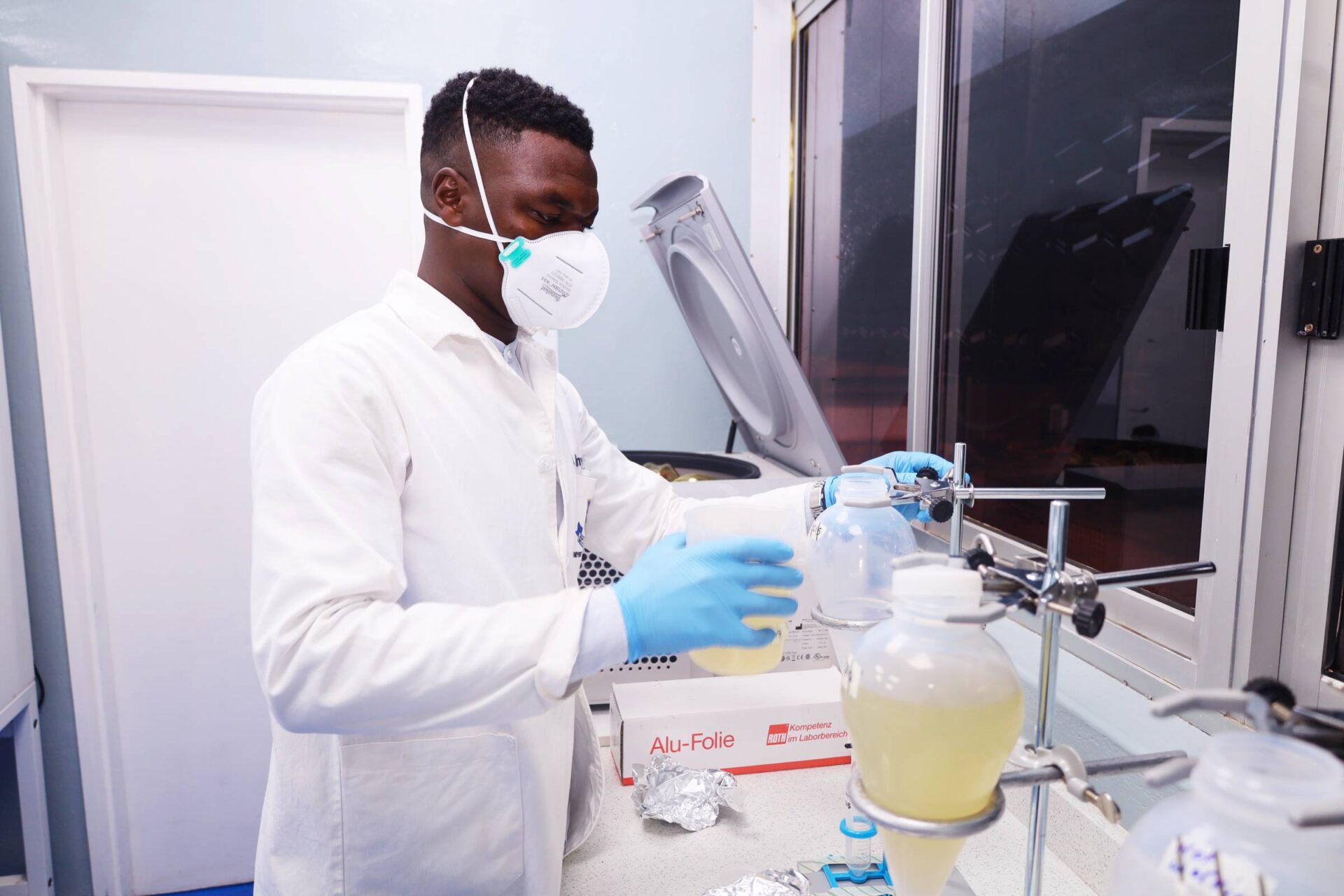
Organisations like eHealth Africa understand the importance of both advocacy and implementation. This informs the driving force behind eHealth Africa’s  Laboratory Infrastructure and Procurement Strengthening (LIPS) intervention. With funding from the Gates Foundation and in coordination with the World Health Organisation Regional Office for Africa (WHO AFRO), eHealth Africa is supporting 16 laboratories in 15 countries across Africa, with 9 labs already completed and handed over. 

Across countries in sub-Saharan Africa, we have renovated and commissioned laboratories, not because it is the most visible work but because we believe that to strengthen health systems, we must first strengthen their foundation: the lab. Advocacy must ultimately translate into practical investments that strengthen health systems. 

Research published in PLOS Global Public Health puts it plainly: for Africa to achieve diagnostic self-sufficiency, countries need targeted investment in their own laboratory infrastructure. Diagnostic self-sufficiency is the condition that makes surveillance, response, containment, and eradication work.

Evidence in Action: The UTH Virology Lab, Zambia

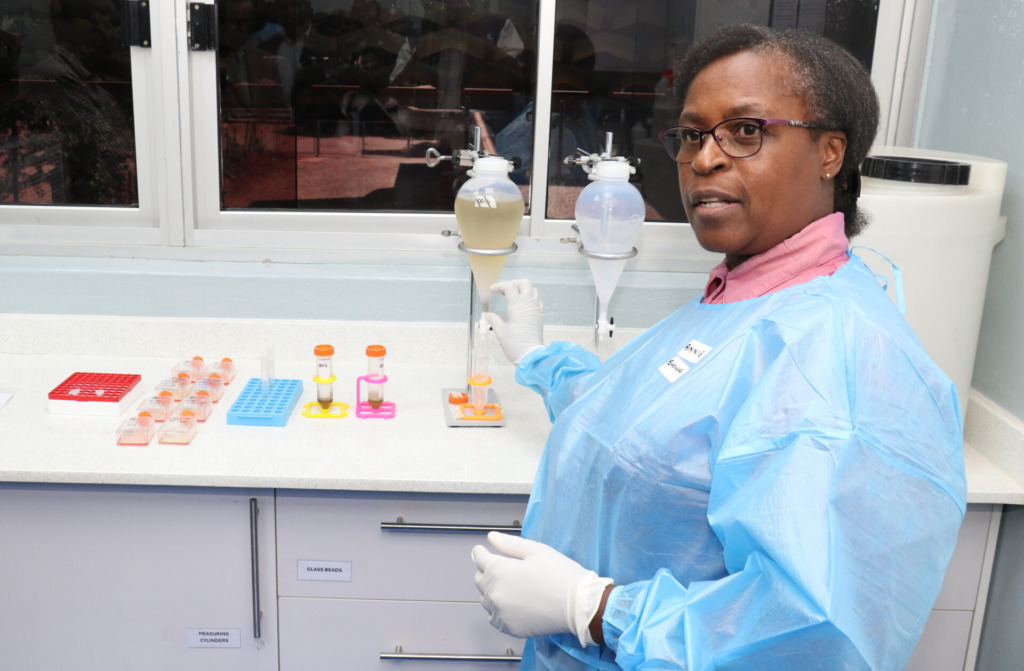
To stand with science is to build. In April 2026, the WHO Regional Office for Africa (WHO AFRO), in collaboration with eHealth Africa and the Zambian Ministry of Health, officially handed over the upgraded Virology Laboratory at the University Teaching Hospital (UTH) in Lusaka. We transformed a single-story facility into a state-of-the-art, two-storey building; we added 23 new units, including specialised sequencing labs, environmental surveillance rooms, and advanced ICT infrastructure. This lab is now equipped to conduct genomic sequencing in-country, ensuring that when poliovirus or other pathogens are detected, Zambia has the “diagnostic self-sufficiency” to respond immediately, without waiting for samples to cross borders.

As the momentum of World Health Day 2026 recedes and the public conversation shifts, the global health community must confront a difficult question: “What have we done to show that we stand with science?”

“Standing with science” means investing in the systems that allow scientific evidence to translate into timely public health action. It means strengthening laboratories, improving diagnostic capacity, and ensuring that countries can respond quickly and effectively when outbreaks occur.

How Digital Maps Are Helping Lagos Reach Every Child with Vaccines

Moshood Isah

On vaccination days in Lagos, reaching every child is never simple. In communities surrounded by water, crowded by informal settlements, and rapidly expanding neighborhoods, frontline health workers often spend days trying to identify where eligible children live.

For more than 17 years, Olubukola Grace Obasa has worked to ensure children in her community do not miss life-saving vaccines. As Chief Nursing Officer at Ijede Primary Healthcare Centre and Ward Focal Person for Oke Oyinbo Ward in Ikorodu, she understands how easily entire settlements can be overlooked during immunization campaigns.

With almost her entire career dedicated to saving lives through immunization interventions, Olubukola not just leads the collection of potent vaccines but also ensures proper immunization of children. Identifying zero-dose communities and planning vaccination campaigns often required days of manual work.

Most importantly, Olubukola tries to make use of all available resources to ensure proper data collection for campaign planning and post-campaign evaluation. Planning for an immunization campaign can be a herculean task for her. In most cases, it takes close to a week of working with community mobilisers, Routine Immunization officers, and other key stakeholders to manually identify locations where eligible children can be found.

One major challenge was working with people unfamiliar with the community. “For instance, someone deployed from another area to support micro-planning may struggle to work effectively because they do not fully understand the local settlements,” Olubukola said. “With manual walkthroughs, some hard-to-reach areas can still be missed, no matter how thorough the process is.”

For Olubukola, the biggest concern was not just the workload, but the possibility of leaving children behind. “With manual walkthroughs, no matter how thorough you try to be, some areas, especially hard-to-reach locations, may still be missed,” she said.

That challenge began to change in November 2025 when eHealth Africa, in partnership with UNICEF, introduced digital micro-planning tools across selected LGAs in Lagos.

Using eHealth Africa’s GIS-enabled planning platform, PlanFeld, health teams were able to map settlements more accurately and identify zero-dose and under-immunized communities that could previously be overlooked during manual planning. The system was piloted in Lagos Mainland, Ikorodu, Kosofe, and Alimosho LGAs, where difficult terrain, dense settlements, and rapidly changing communities often make vaccination planning more challenging.

The new approach was quickly put to the test during the statewide Measles-Rubella (MR) campaign conducted from January 27 to February 5, 2026, targeting children aged 9 months to 14 years.

According to Olubukola, the digital planning process helped teams capture settlements more accurately and improved confidence in the data used for vaccine allocation. “Previously, we relied on estimates. We might expect to vaccinate 20 or 30 children in a location, but with this new system, we now have figures that match what we find on the ground,” she said.

She explained that the system also improved vaccine distribution by helping teams allocate doses more accurately based on population size. “We avoid allocating too few vaccines to densely populated areas or too many to smaller settlements. Overall, it makes the process more efficient and cost-effective,” she added.

Beyond planning, the digital tools also improved field supervision. GIS-enabled trackers allowed supervisors to monitor vaccination teams remotely and confirm that teams remained within their assigned coverage areas. “Previously, it was difficult to know if participants had moved outside their designated areas, but with trackers, this is now visible,” Olubukola said.

Similar experiences were reported in Kosofe LGA, where health workers also relied on digital maps and Daily Implementation Plans generated through PlanFeld to identify missed settlements and improve vaccination coverage.

According to Nurse Shote Emmanuella, Ward Focal Person for Orile-Oworo Primary Healthcare Centre in Kosofe LGA, the maps helped teams review daily progress and revisit locations that could not initially be reached. “If we couldn’t find a settlement because a school was unavailable or inaccessible, we planned to return the next day. The maps helped us track those missed areas and ensure no settlement was skipped,” she said.

In some cases, the maps also revealed communities that health workers did not realize extended beyond their usual coverage assumptions. “In one settlement, I initially thought there were only two or three churches. But the maps showed that the area extended further than we thought. We discovered more churches in places we would have otherwise missed and were able to vaccinate more children there,” Shote said.

For frontline health workers, the digital tools also strengthened accountability during campaign implementation. “When people know they are being tracked, they tend to be more accountable in their work. It encourages them to properly cover all assigned areas,” she added.

For health workers like Olubukola and Shote, digital micro-planning is doing more than improving logistics. It is helping ensure that children in hard-to-reach and underserved communities are not missed during immunization campaigns, regardless of where they live.

The “Spatial Blind Spot” in Global Health

Oyindamola Fashogbon

In global health, data drives decisions. But in public health emergencies, data without location context is difficult to act on. For decades, one of the biggest challenges in disease surveillance has not been the absence of information, but the inability to clearly identify where risks are emerging and where interventions are needed most.

In many health systems, surveillance reports may arrive on time, but without geographic context, response teams still struggle to identify which communities are most at risk and where resources should be prioritized.

 When decision-makers cannot visualize exactly where a risk is emerging, resources are distributed broadly and inefficiently rather than aimed surgically. In the high-stakes environment of an outbreak, location is the ultimate variable for risk, vulnerability, and priority. When outbreaks spread across hard-to-reach or underserved communities, delays in identifying affected locations can slow coordination, stretch limited resources, and increase vulnerability for already at-risk populations.

Intervention: Geospatial Intelligence as an Operational Core

eHealth Africa (eHA) is helping public health teams move beyond static reporting toward real-time operational intelligence. We are integrating geospatial intelligence into the day-to-day operations of Public Health Emergency Operations Centers (EOCs).

Rather than using maps only for retrospective reporting, eHA supports the use of dynamic geospatial dashboards within the daily workflow of health officials and emergency coordination teams.

This integrated approach brings surveillance data, logistics tracking, and partner coordination into a shared operational view that supports faster and more informed decision-making.

This is the centerpiece of our Public Health Emergency Management (PHEM) 2026-2028 Strategy, specifically our pillar on Strengthening Data Systems and Epidemic Intelligence.

Key Components of the Intervention:

  • Real-Time Surveillance Layers: Combining epidemiological trends with population and infrastructure data to identify high-risk areas more quickly.
  • Integrated EOC Dashboards: Providing Technical Working Groups with a shared operational picture to support coordinated decision-making in real time.
  • Predictive Logistics Mapping: Tracking facility readiness and supply gaps to improve the delivery of critical supplies to underserved communities.

Evidence: Intelligence in Motion

The impact of geospatial integration can be seen in how the Emergency Operations Centers we support coordinate surveillance, logistics, and response activities more efficiently.

“By placing visual intelligence at the center of the workflow, we eliminate the ‘he-said, she-said’ of coordination. Everyone sees the same map, speaks the same language, and moves toward the same goal.”- Abuja EOC Manager

By operationalizing this data, eHealth Africa has observed improved coordination and faster visibility into emerging risks through the use of geospatially enabled systems.

When uncertainty is replaced by clarity, the entire system accelerates. Our internal benchmarks indicate that geospatial integration allows for:

  • Infant-stage risk spotting: Identifying anomalies before they scale into outbreaks.
  • Zero-waste logistics: Visible “gaps” on the map ensure partners no longer duplicate efforts or overlook remote settlements.

From Reactive Reporting to Coordinated Intelligence

Traditional public health systems often rely on fragmented reporting processes, making it difficult to identify emerging risks and coordinate responses effectively and quickly. By integrating geospatial intelligence into Emergency Operations Centers, eHA is helping shift outbreak response toward more predictive surveillance, coordinated operations, and targeted resource deployment.

This transition enables health teams to:

  • move from reactive reporting to proactive monitoring,
  • improve coordination across partners and agencies,
  • identify service and supply gaps more quickly,
  • and support faster decision-making during outbreaks.

Why It Matters: System-Level Impact

This is more than a technical upgrade; it represents a shift toward faster, evidence-informed public health decision-making. By turning coordinates into clarity, eHealth Africa is shifting the public health landscape from reactive firefighting to predictive coordination.

Strengthening epidemic intelligence through geospatial systems ensures that national and subnational teams can interoperate seamlessly. At the system level, this reduces the cost of response, minimizes the duration of outbreaks, and most importantly, saves lives by reaching the most vulnerable populations with surgical precision.

The Bottom Line: Geography is the ultimate language of coordination. At eHealth Africa, we are using that language to turn data into decisions and decisions into a healthier future for all.