World Health Day 2026 was marked globally under the theme “Together for Health. Stand with Science.” Across platforms, governments, organisations, and health advocates highlighted the importance of science, collaboration, and innovation in shaping the future of global health. Key stakeholders emphasised the importance of evidence, collaboration, and the future of global health.
Yet supporting science requires more than advocacy alone. It also requires investment in the infrastructure that allows science to function effectively.
In Africa, that gap between what we celebrate and what we actually invest in shows up in delayed results, missed outbreaks, and diseases that spread further than they should. To stand with science is to recognise that advocacy and infrastructure are two sides of the same coin; one makes the promise while the other delivers it.
Where it all begins: The Lab
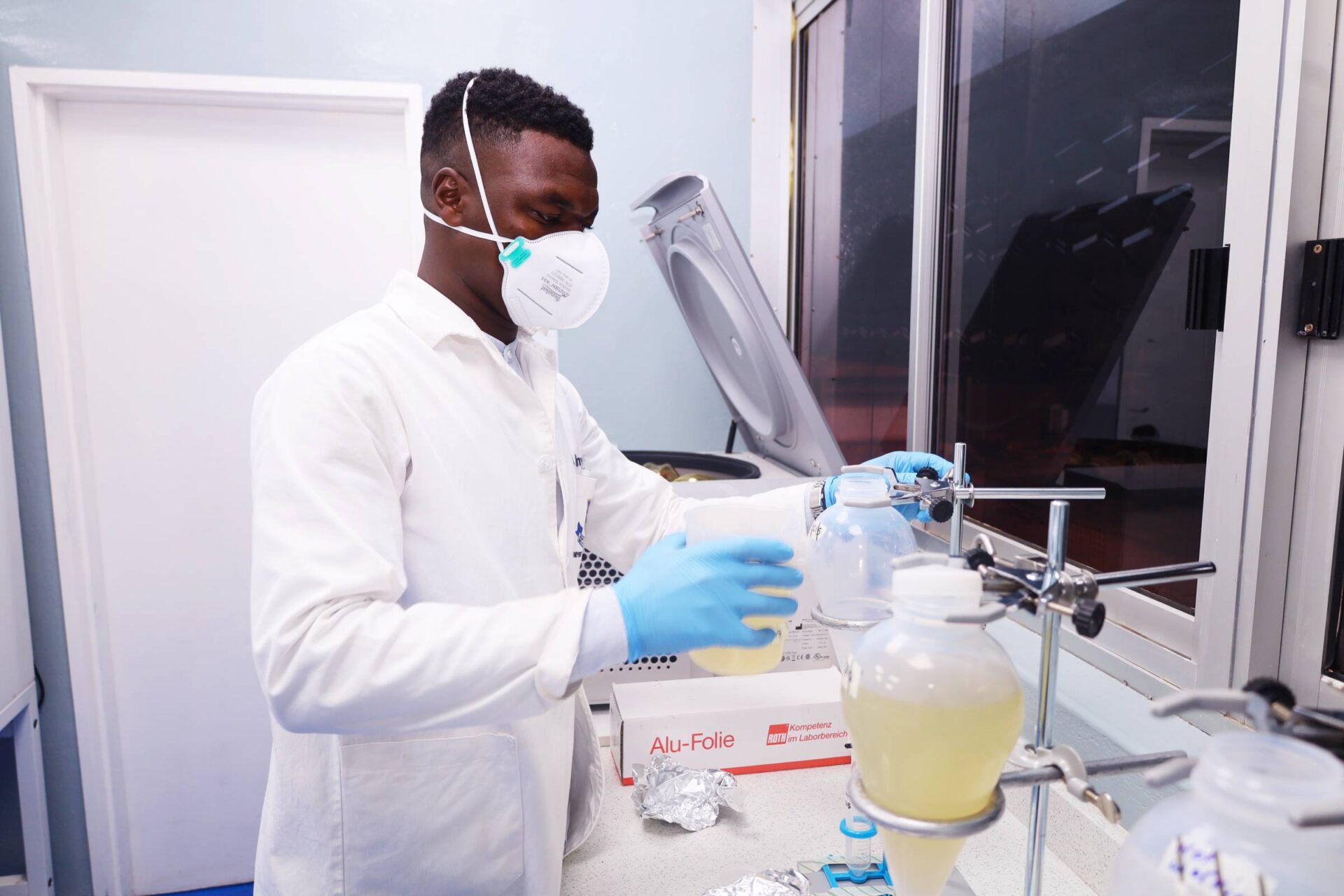
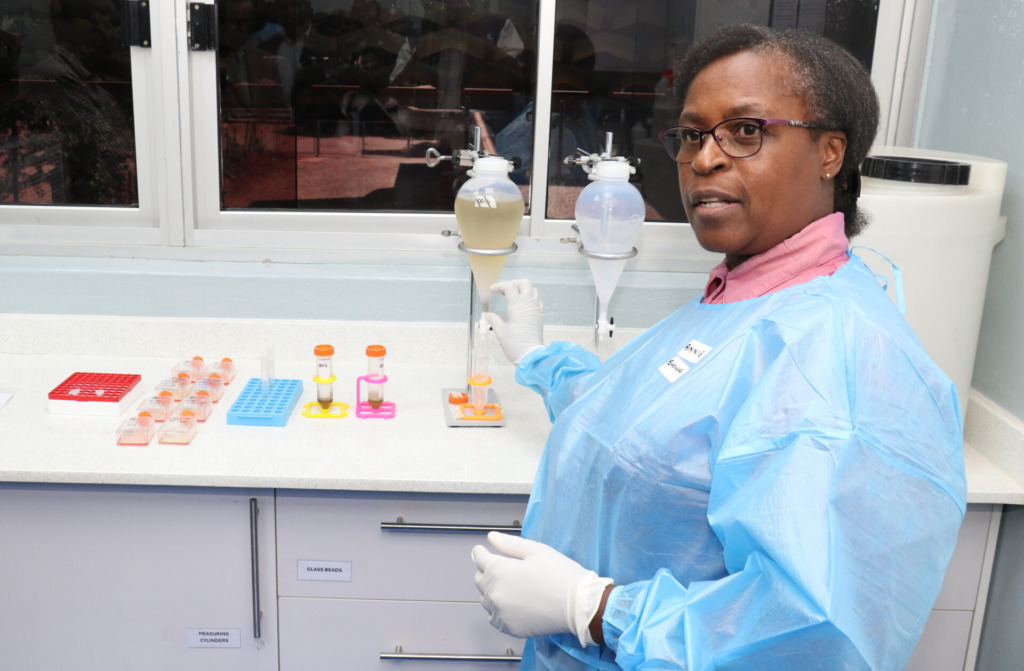
In public health, we often prioritise what is visible: the clinic, the bedside, and the treatment. But effective healthcare begins long before treatment is provided.. Before a healthcare provider can treat an illness, they have to know what they are fighting, and before a government can mobilise a response, a scientist has to confirm the threat. Laboratories remain one of the most critical, yet underfunded, components of many health systems.
A 2023 Africa CDC survey found that 85% of African countries cited inconsistent laboratory supplies as their primary challenge to diagnostic capacity, followed by inadequate infrastructure (45%) and limited government funding (43%). In 2023 alone, Africa recorded 180 public health emergencies, 90% of which were infectious diseases. Without functional and well-equipped laboratories, responses to public health emergencies are significantly weakened.
Take polio, for example; most people assume it is essentially a solved problem, but the truth is, it is not. Between January 2023 and June 2024, 74 circulating vaccine-derived poliovirus outbreaks were confirmed across 39 countries, predominantly in Africa, resulting in 672 confirmed cases of paralysis, most of them children under five.
These outbreaks persist not because solutions do not exist, but because the infrastructure required to deploy those solutions consistently is still inadequate in many settings.
Speaking during a high-level radio programme to commemorate World Health Day, eHealth Africa’s deputy director of partnerships and programs, Dr David Akpan, emphasised that science is a discovery that produces consistent results through laboratories, which can be replicated and given wider application.
He said, “For any aspect of digital health to succeed, everyone in the population must have access to the necessary digital and physical infrastructure. This, no doubt, includes functional laboratories.”
Citing recent examples, Dr David reflected on the response to the COVID-19 pandemic, saying, “The rapid response was only possible because laboratories were equipped and ready to generate actionable evidence.”
In a similar vein, the World Health Organisation (WHO) emphasises that interrupting transmission requires timely responses. A timely response often depends on how quickly samples can reach laboratories with the equipment needed to analyse them. This is because, if a sample has to cross borders just to be read, then the response is already too late.
Moving beyond the hashtags
Organisations like eHealth Africa understand the importance of both advocacy and implementation. This informs the driving force behind eHealth Africa’s Laboratory Infrastructure and Procurement Strengthening (LIPS) intervention. With funding from the Gates Foundation and in coordination with the World Health Organisation Regional Office for Africa (WHO AFRO), eHealth Africa is supporting 16 laboratories in 15 countries across Africa, with 9 labs already completed and handed over.
Across countries in sub-Saharan Africa, we have renovated and commissioned laboratories, not because it is the most visible work but because we believe that to strengthen health systems, we must first strengthen their foundation: the lab. Advocacy must ultimately translate into practical investments that strengthen health systems.
Research published in PLOS Global Public Health puts it plainly: for Africa to achieve diagnostic self-sufficiency, countries need targeted investment in their own laboratory infrastructure. Diagnostic self-sufficiency is the condition that makes surveillance, response, containment, and eradication work.
Evidence in Action: The UTH Virology Lab, Zambia
To stand with science is to build. In April 2026, the WHO Regional Office for Africa (WHO AFRO), in collaboration with eHealth Africa and the Zambian Ministry of Health, officially handed over the upgraded Virology Laboratory at the University Teaching Hospital (UTH) in Lusaka. We transformed a single-story facility into a state-of-the-art, two-storey building; we added 23 new units, including specialised sequencing labs, environmental surveillance rooms, and advanced ICT infrastructure. This lab is now equipped to conduct genomic sequencing in-country, ensuring that when poliovirus or other pathogens are detected, Zambia has the “diagnostic self-sufficiency” to respond immediately, without waiting for samples to cross borders.
As the momentum of World Health Day 2026 recedes and the public conversation shifts, the global health community must confront a difficult question: “What have we done to show that we stand with science?”
“Standing with science” means investing in the systems that allow scientific evidence to translate into timely public health action. It means strengthening laboratories, improving diagnostic capacity, and ensuring that countries can respond quickly and effectively when outbreaks occur.