June 2, 2026
How eHealth Africa’s All-Female Internship Cohort is Shaping Women Leaders
In many parts of Nigeria, young women undergo the tough journey of academic turbulence and graduate with strong academic training, full of ambition and a desire. While graduation and National Service are seen as major achievements, it is indeed the beginning of another herculean voyage into the professional world.
However, economic empowerment remains a major challenge for many women, who are more likely to face systemic barriers such as unequal pay, limited access to leadership opportunities, and the undervaluation of their work. As revealed by the World Health Organization, while women make up nearly 70% of the global health workforce, they occupy only about 25% of leadership roles. As a matter of fact, over 21 million Nigerian women are financially excluded, often relying on informal savings or borrowing from family and friends.
It is within this context that the eHealth Africa Group positioned its 2025/2026 goal to empower economic prosperity and create equitable opportunities for women and vulnerable populations. As one of the Group’s implementing entities, eHealth Africa (eHA) is advancing this goal through targeted initiatives designed to bridge the gap between potential and opportunity. This birthed the All-Female Internship Cohort.
This internship provides important opportunities for mentorship and practical skills in the field of public Healthcare while elevating economic empowerment opportunities. The organization took intentional steps to create opportunities within its procurement processes to encourage women to participate and succeed in doing business with the organization. So far, the journey has been similar for all the interns who are transitioning into bigger opportunities in the public healthcare systems.
For Deborah Ayeni, a Public Health Science graduate placed in the Programs Delivery team within the Disease Prevention and Monitoring Unit, the biggest lesson has been the difference between theory and real-world execution.
“You may read in theory about steps to follow in project management, but in practice, things do not always work exactly as described in textbooks or videos. This has taught me that practical experience is very important and always outweighs theory,” she said. This not only provides an opportunity to build a career but also opens the door to bigger opportunities for employment and financial inclusion.
Deborah also highlighted the intentional design of the cohort. Seeing an all-female cohort made her feel that eHealth Africa is deliberately creating opportunities for women and actively working toward inclusion, especially in economic indices. “It was inspiring and encouraging to see this level of commitment,” she added.
Isioma Cynthia Ozoene interns with the Project Support Unit. She joined the cohort, eager to build real-world skills in project coordination. She found exactly the hands-on experience she was looking for, supported by guidance yet allowing plenty of independence. “My team members are there to guide me, but they still give me room to carry out tasks by myself, with not much hand-holding,” she explained.
Being part of an all-female internship cohort has significantly contributed to interns’ economic empowerment, especially via exposure to other ambitious women, which has strengthened their mindset around financial independence and career growth.
Isioma added that, “It has encouraged me to be more intentional about building a sustainable career and positioning myself for opportunities that improve my earning potential.”
Looking ahead, Isioma aims to build on this foundation by pursuing opportunities in project management and development practice, while continuing to grow through continuous learning, mentorship, and hands-on experience.
Precious Richard, an Actuarial Science graduate working with the Business Development team, has strengthened her skills in data organisation, research, adaptability, and time management. She has learned how to balance multiple responsibilities while meeting deadlines in a structured, high-performing environment.
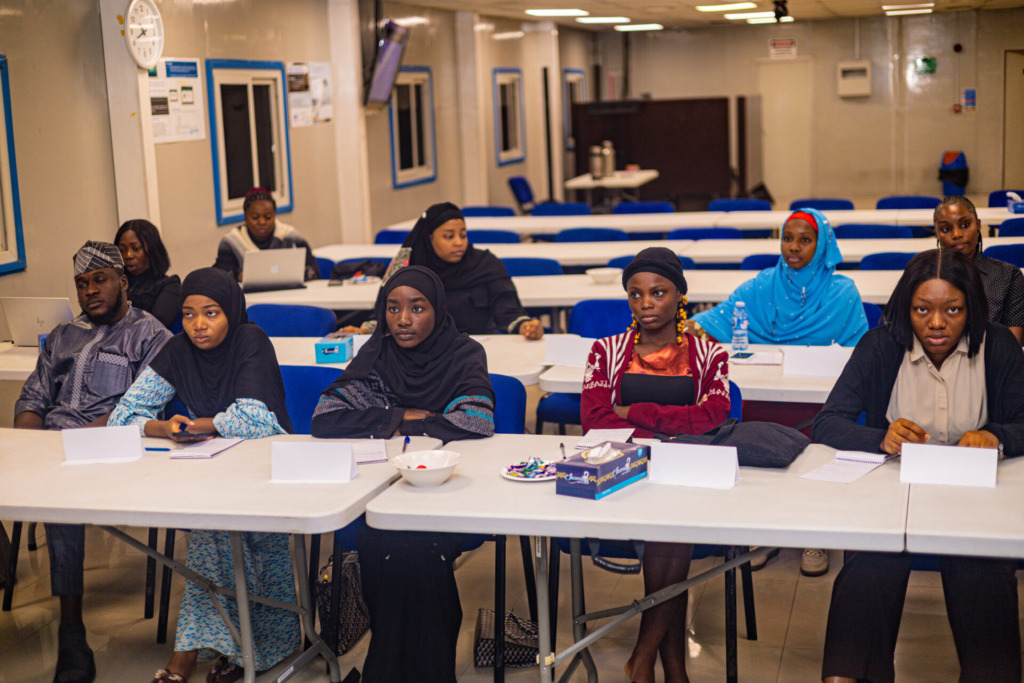
Reflecting on the cohort, she shared,“Being part of this all-female internship cohort has been an inspiring experience. It has taught me how the organisation is committed to gender equity and creating opportunities for women to thrive professionally. It has also strengthened my confidence and made me feel proud of being part of the organisation.”
Clever Rebecca, works in the Impact Measurement Department. Her role involves data analysis, qualitative and quantitative analysis, report writing, and data visualisation. She joined the programme expecting to gain more skills in areas where she wanted to grow. As she explained, “I did not know R programming before, and I was not familiar with Google tools for qualitative analysis. Now, I am learning them here. That was one of my expectations, and it has been met.”
Sharing her thoughts on the all-female cohort, she remarked, “It makes me feel that the organization is thoughtful and mindful of women.”
Across every directorate and office, the same themes emerge: growth, resilience, and discovery. As part of this all-female cohort, we are not only gaining technical skills, but we are also building the confidence and professional foundation needed to contribute meaningfully to public health and development across Africa.
Working within the Communications Department has been particularly transformative. It has shifted my perspective on communication from a supporting role to a strategic function, one that connects impactful work to the communities it is meant to serve.
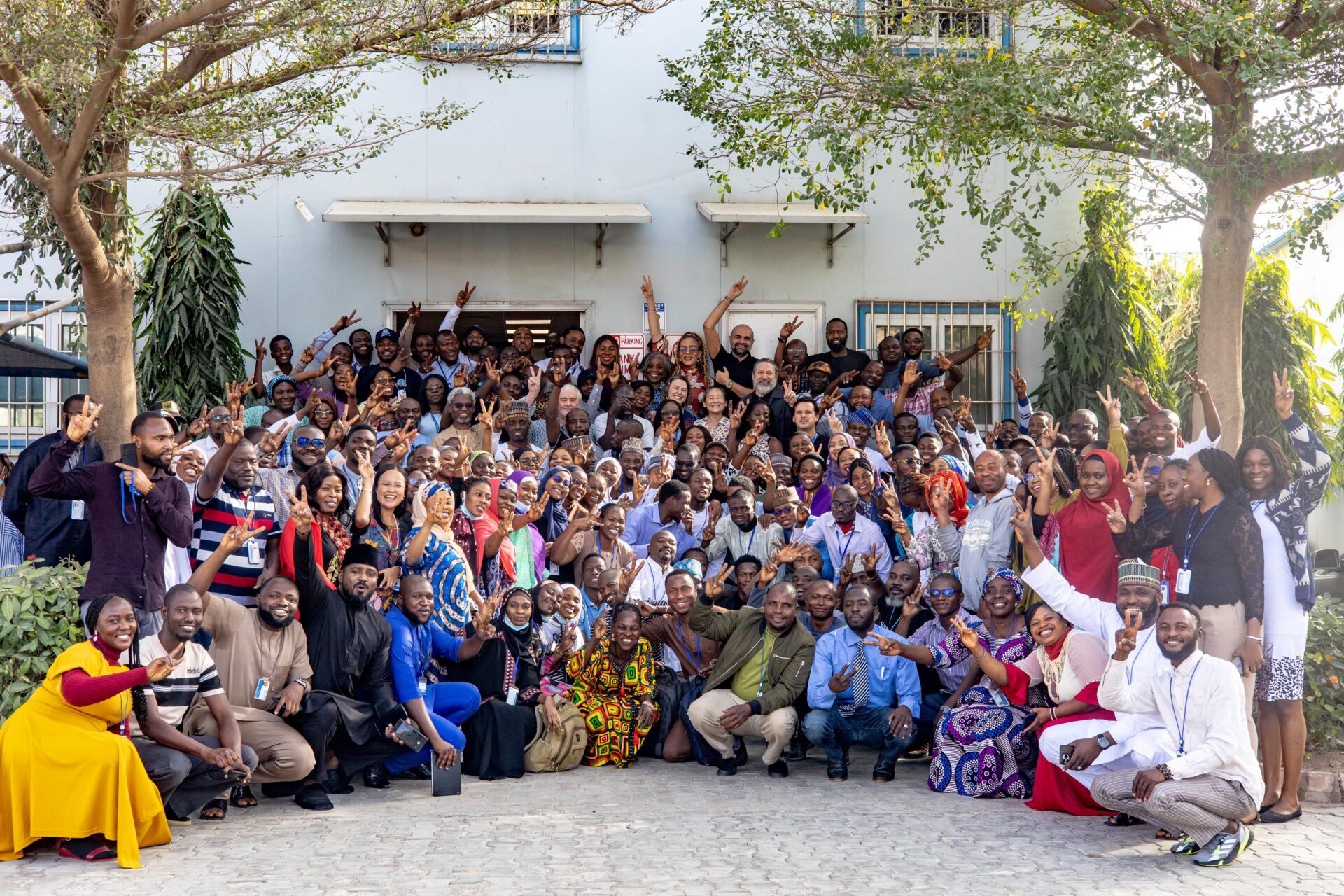
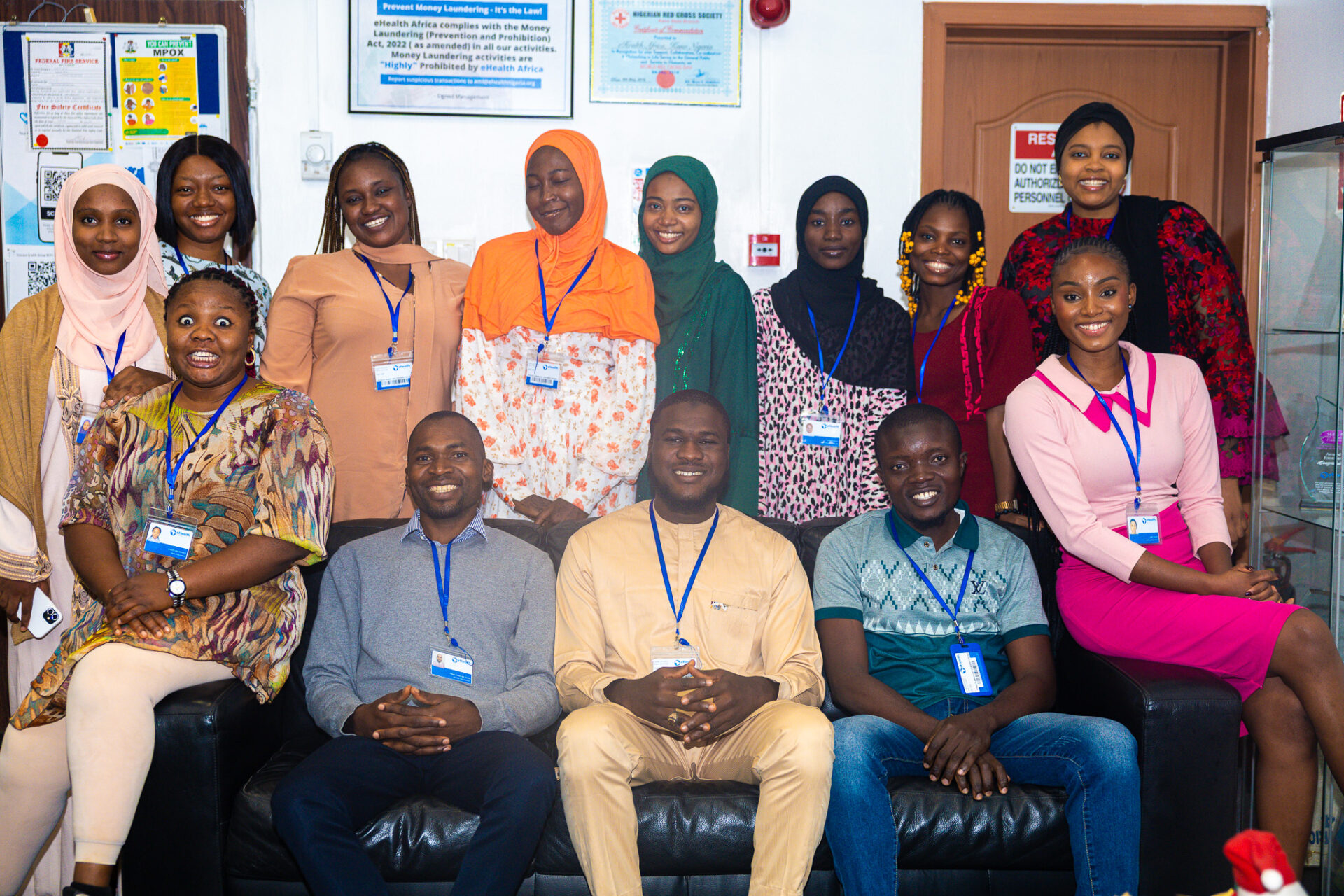
Thus, for the 17 participants and me, that transformation has unfolded over the past six months. The program spans multiple directorates and has placed us across the Kano and Abuja offices as well as the Emergency Operations Centers (EOCs). Each of us has been given real responsibilities that continue to shape how we understand our roles and contributions to stronger health systems.
One of the most defining parts of this journey for me has been stepping into hands-on tasks that pushed me beyond my comfort zone.
Through these experiences, I have begun to see the Communications Department not just as a support function, but as a powerful bridge between the work being done and the people it is meant to reach.
The All-Female Internship Cohort is a clear example of how the eHealth Africa Group’s broader goal is being translated into action. By creating structured pathways for young women to gain experience, build confidence, and access professional networks, the initiative is addressing both workforce gaps and economic inclusion. It is a deliberate investment in the next generation of female leaders. By equipping young women with real-world experience, mentorship, and opportunities, eHealth Africa is helping to shape a more inclusive, skilled, and resilient workforce; one that will drive lasting impact in the communities we serve.
Ultimately, this is not just about internships. It is about building a pipeline of skilled, confident women who are equipped to lead and economically empowered to contribute and drive lasting impact within public health systems and beyond.