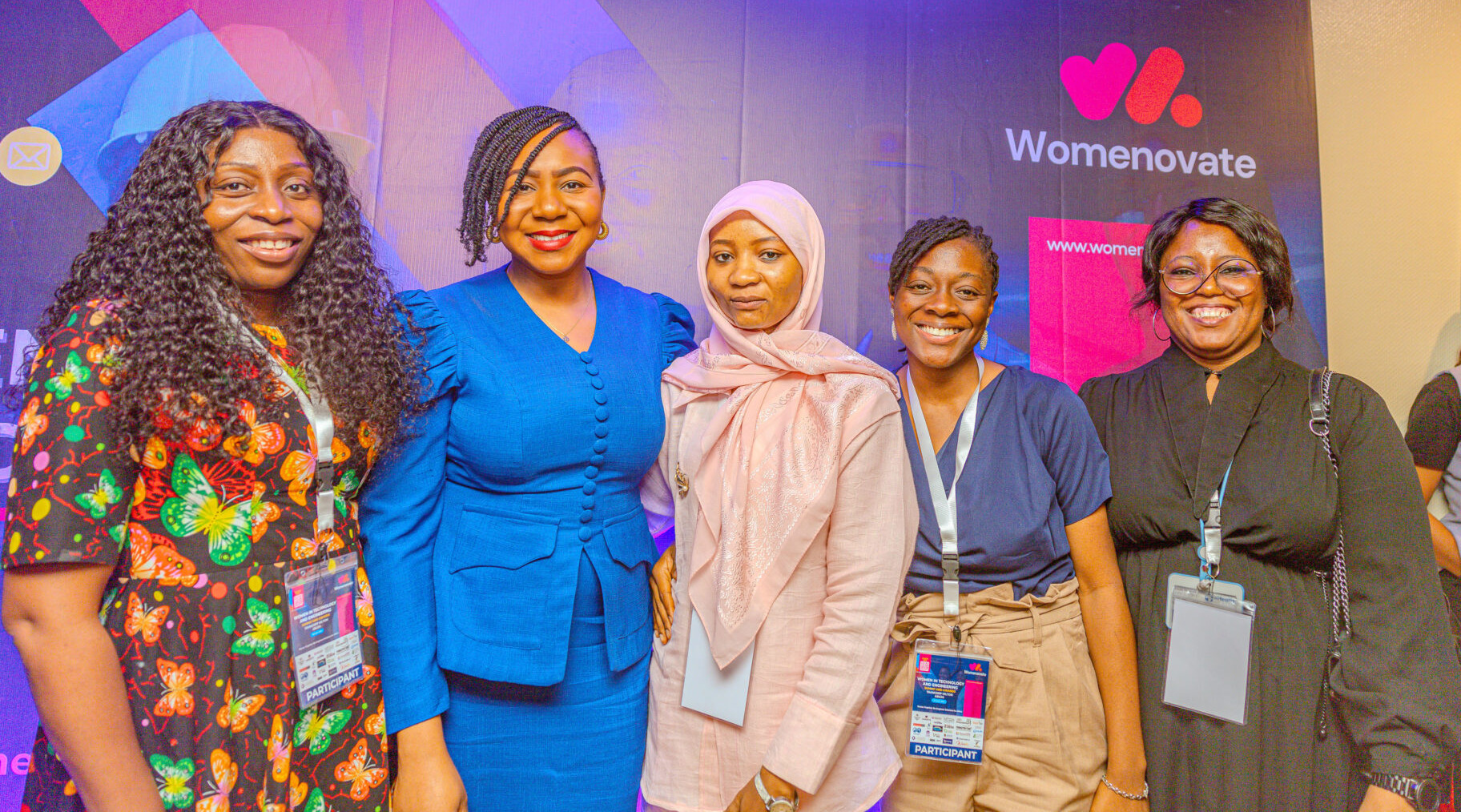
Investing in Women, Strengthening Health Systems: How eHealth Africa Builds a Culture Where Female Leaders Thrive

Joyce Shinyi

Across Africa, women are often the first point of contact in healthcare, serving as community health workers, nurses, caregivers, and public health practitioners. Yet when critical decisions about health systems are made, women remain significantly underrepresented in leadership. This disconnect has consequences. When the people closest to community realities are missing from decision-making tables, health programmes risk overlooking important perspectives that influence trust, access, and effectiveness.

Women make up 70% of the health workforce, yet they hold just 25% of senior roles. This leadership gap directly weakens public health. When women are underrepresented in leadership, programs often miss important perspectives on the needs of women, children, and local communities. Decision-making becomes less inclusive, community trust becomes harder to build, and health interventions tend to be less effective and responsive. 

However, eHealth Africa (eHA) is actively changing this narrative.  At eHealth Africa, inclusion is treated as a strategic investment rather than a standalone initiative. The organisation has intentionally created pathways that help women enter, grow, and lead across technical, operational, and leadership roles.

These pathways include gender-conscious recruitment practices, leadership development opportunities, mentorship programmes, flexible work arrangements, and family-friendly policies designed to support long-term career growth.

One of the women who has experienced this growth firsthand is Fozia Ahmad Malik, Director of People & Operations at eHealth Africa.

Her journey illustrates how intentional investment in talent can create leadership opportunities for women while strengthening organisational capacity. She joined eHA in 2018 as a Finance Manager. Through targeted support and clear pathways, she climbed to Senior Manager, transitioned to lead Grants Management, became Deputy Director, and today leads our entire People & Operations directorate as the Director.

Looking back on her experience, Fozia attributes much of her growth to a workplace culture that prioritises inclusion and professional development. She says, “From day one, I’ve felt a deep culture of respect and inclusion. Even as a brown woman working in another country, I’ve always felt seen, supported, and treated equally. That’s why I’m especially grateful for my journey at eHealth Africa.”  She also highlights how practical support enables women to sustain their careers, noting that flexible work arrangements have been a game-changer because they create space for women to juggle their many responsibilities without guilt. 

These intentional efforts are translating into measurable progress. Women currently represent 33.3% of eHealth Africa’s workforce and 34.7% of leadership positions, demonstrating that women are advancing into decision-making roles at a rate that exceeds their overall workforce representation. Beyond the numbers, women who grow within the organisation tend to stay longer, take on greater responsibilities, and bring valuable insights that improve the quality of the organisation’s work.

For eHealth Africa, increasing women’s representation in leadership is not simply about workplace equity. Diverse leadership teams bring broader perspectives to programme design, community engagement, and operational decision-making. These perspectives help ensure that health interventions are better aligned with the realities of the communities they serve, particularly in areas such as maternal health, nutrition, immunisation, and community-based health programmes.

eHealth Africa continues to invest in inclusive initiatives, expanding mentorship and opportunities for women, using data to guide improvements, and creating an environment where women can thrive in leadership. Real and lasting progress will require collective commitment across governments, NGOs, and the private sector to dismantle structural barriers and outdated cultural norms.

At eHealth Africa, investing in women leaders is central to our mission. By empowering women to rise and lead, we build stronger, more resilient teams that deliver better health outcomes and create a deeper impact for the communities we serve. Building stronger health systems requires more than technology, funding, or infrastructure. It also requires leadership that reflects the communities those systems serve. By investing in women’s growth and leadership today, eHealth Africa is helping build a more inclusive, resilient, and responsive public health future across Africa.
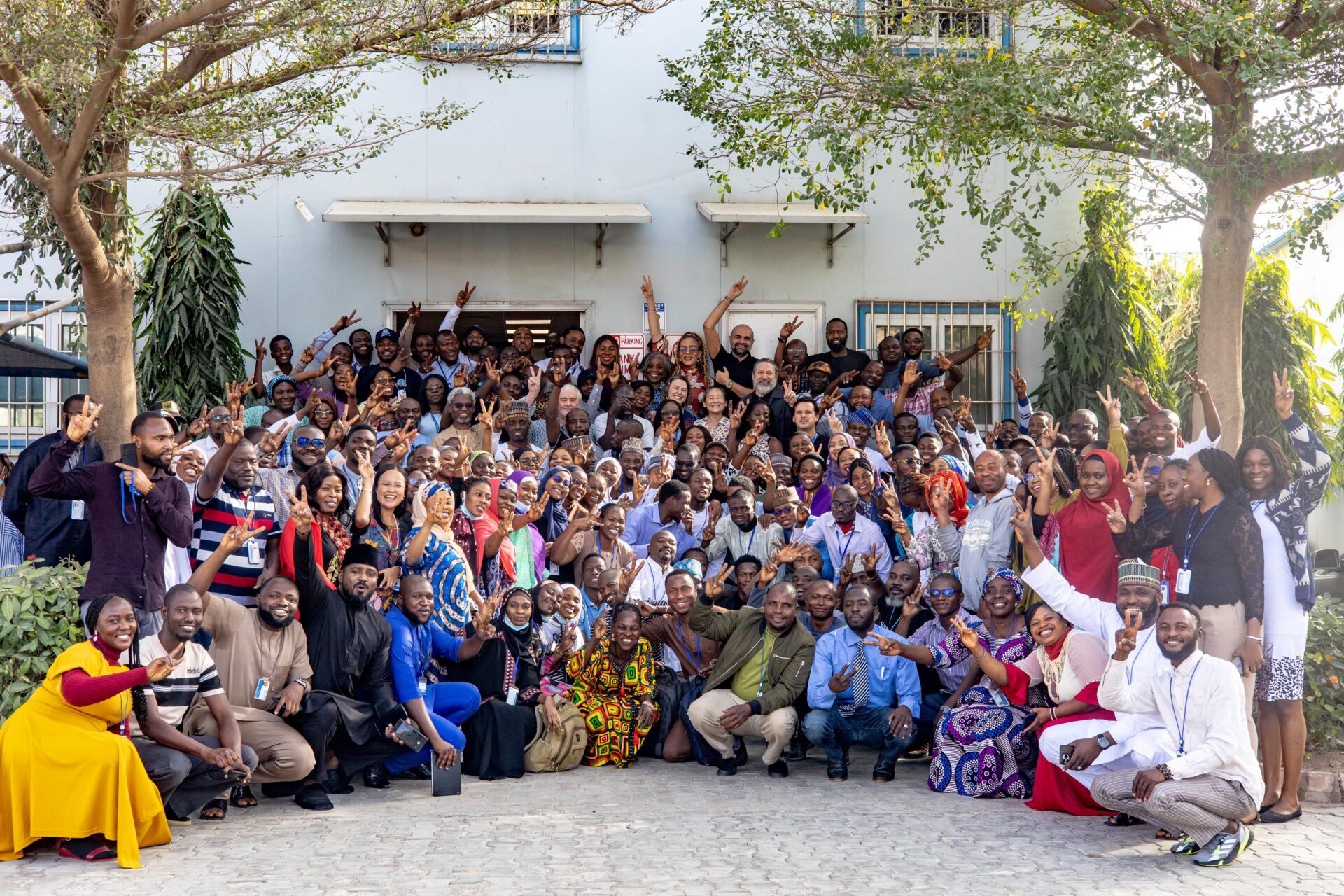
Building Talent and Careers in eHealth Africa

Joyce Shinyi

Across Africa, organisations are competing for skilled talent, but attracting talent is only half the challenge. Retaining and developing that talent is often where organisations struggle. In public health, the consequences extend beyond the workplace. When experienced professionals leave, programmes lose continuity, institutional knowledge disappears, and the communities those programmes serve can feel the impact.

As recently as 2022, only 21% of nonprofits had a formal retention strategy in place. The result is a familiar cycle: organisations invest heavily in recruiting talent only to lose employees to environments that offer clearer opportunities for growth.

For organisations working to strengthen health systems, this challenge is particularly significant. Sustainable impact depends not only on funding, technology, or partnerships, but also on the people responsible for delivering programmes, supporting governments, coordinating stakeholders, and ensuring operational excellence.

At eHealth Africa (eHA), talent development is viewed as a strategic investment. Rather than waiting for employees to leave before responding, the organisation has intentionally created pathways for growth through cross-functional mobility, structured performance management, leadership development, managerial accountability, and a workplace culture that encourages continuous learning.

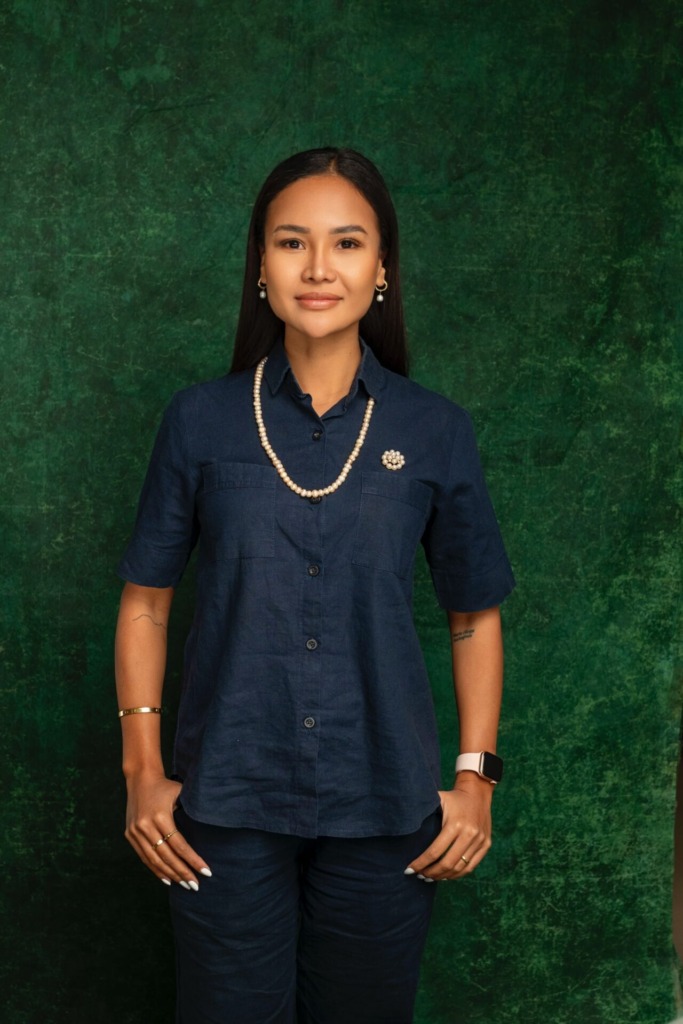
Few stories illustrate this approach better than Dena Lu’s career journey at eHealth Africa.

Dena joined the organisation in 2017 as a coordinator in the operations department after leaving a career in Nigeria’s oil and gas sector, which she felt did not align with her passion or sense of purpose. What began as a career transition soon became a journey of continuous growth and leadership development.

Over the years, Dena took on increasingly complex responsibilities across the organisation. She served as Senior Operations Manager at EHA Clinics, supporting the organisation’s expansion efforts, before moving into Programme Delivery as Project Support Unit (PSU) Manager. Today, she serves as Chief of Staff within eHealth Africa’s Executive Management team.

Her progression reflects more than individual career advancement. It demonstrates how investing in internal talent helps organisations retain institutional knowledge, strengthen leadership capacity, and improve operational effectiveness.

During her tenure as PSU Manager, Dena led several initiatives that strengthened organisational systems and improved how teams worked across eHealth Africa. She spearheaded the establishment of standard operating procedures for both the Project Support Unit and Knowledge Management functions, helping create greater consistency and accountability across project management processes.

She also played a key role in strengthening governance and compliance practices across teams. Under her leadership, the PSU evolved from being viewed primarily as a logistical support function to becoming a strategic partner that promoted project quality, compliance, and continuous improvement across the organisation.

Recognising the need for stronger project visibility and coordination, Dena championed improvements to the organisation’s use of Asana. Through platform automation enhancements, refresher trainings, and the promotion of internal Asana champions, she helped increase adoption across teams and improve task monitoring and collaboration.

Her team also introduced more effective performance indicators to track success and strengthened project documentation practices through the creation of monitoring tools that enabled teams to quickly identify missing project management documents and access key project resources. These improvements enhanced oversight, increased efficiency, and boosted confidence among teams supporting projects across the organisation.

The impact of these efforts extended beyond processes. Through successful coordination of high-profile initiatives, improved stakeholder engagement, and stronger cross-directorate collaboration, the PSU earned recognition from senior leadership and colleagues across the organisation for its contribution to operational excellence.

For Dena, however, growth was never solely about promotions or professional achievements.

Everything I’ve achieved in my career today is because of eHealth Africa,” she says. “Each step of that journey was made possible because eHA recognises potential and provides growth opportunities. When you work hard, stay honest, and are intentional about what you do, people notice and support you.”

Equally important was a culture that viewed learning as part of growth.

I’m not perfect; I’ve made mistakes along the way, but this organisation gives room to learn, to improve, and to make things right.”

Beyond professional development, Dena found something equally valuable: a sense of belonging.

What has truly kept me at eHealth Africa all these years is the people and the culture,” she explains. “Working with people and being part of a community has always been something that truly fulfils me.”

She points to the relationships built through team activities, informal interactions, and shared experiences as an important part of what makes the workplace unique.

It’s not just all about work,” she adds. “We strike a great balance. We are serious when it’s time to work, but we also make sure to enjoy ourselves when it’s time to relax.

This culture of growth and belonging has earned recognition beyond the organisation itself. For four consecutive years, eHealth Africa has been certified as one of the Best Places to Work, receiving particularly strong ratings in learning and development, talent strategy, and career growth.

The certification is based on a rigorous methodology that includes independent HR audits and employee surveys, reflecting measurable employee experiences and workplace practices.

Executive Director Atef Fawaz attributes the recognition to a deliberate organisational commitment.

Being recertified as one of the best places to work is not a mere coincidence but a reflection of our consistent intentionality in creating a workspace that inspires people to make a meaningful impact across communities.”

For eHealth Africa, investing in talent is not separate from its mission of strengthening health systems and improving outcomes for underserved communities. The two are deeply connected.

Employees who grow in capability and confidence are better equipped to strengthen governance systems, improve programme delivery, support government partners, coordinate complex initiatives, and respond effectively to emerging challenges. In turn, stronger teams create stronger institutions, and stronger institutions are better positioned to deliver lasting impact.

As organisations across Africa grapple with talent retention and workforce development challenges, the question is no longer simply what they are building in communities, but also what they are building in their people.

Strong health systems depend on strong institutions, and strong institutions depend on people who are given opportunities to grow. By investing in talent development, career mobility, and supportive workplace cultures, eHealth Africa is not only building careers; it is strengthening the capacity required to improve lives and advance public health outcomes across Africa.

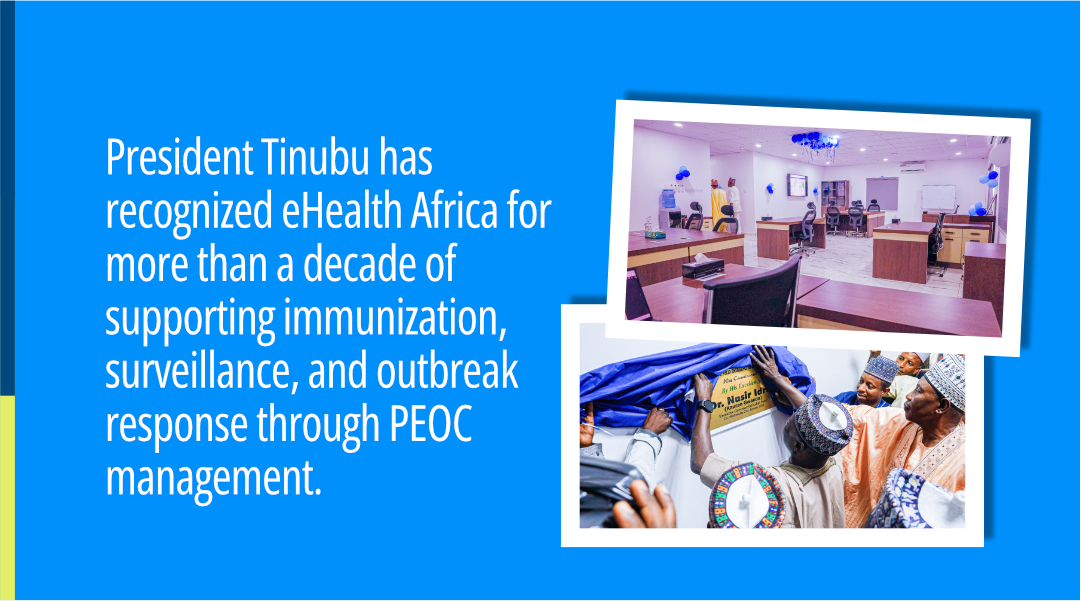
PEOC Upgrade: Nigerian President Commends eHealth Africa, Partners for Strengthening Immunization, Outbreak Response

President Bola Ahmed Tinubu has commended eHealth Africa and other partners for their role in strengthening immunization, disease surveillance, and outbreak response in Nigeria. This followed the commissioning of upgraded Polio Emergency Operations Centres (PEOCs) in Kano, Katsina, and Sokoto states.

The President gave the commendation during the nationwide commissioning of health infrastructure projects across the country’s six geopolitical zones as part of activities marking the third anniversary of his administration.

The three upgraded centres, originally established in 2013 with support from the Gates Foundation and managed by eHealth Africa, were expanded, renovated, and re-equipped to improve coordination of immunization programmes, disease surveillance, and emergency outbreak response at the state level.

The Kano PEOC is located at the Muhammad Abdullahi Wase Specialist Hospital, Nassarawa, while the Katsina centre is situated within the premises of the State Primary Health Care Development Agency. The Sokoto PEOC is housed at the Epidemiology Unit of the Specialist Hospital along Sultan Abubakar Road.

The centres were initially established to support Nigeria’s polio eradication efforts but have evolved into critical public health coordination hubs supporting routine immunization, disease surveillance, emergency preparedness, and response to disease outbreaks.

President Tinubu, while inaugurating the projects, acknowledged the contributions of eHealth Africa and other development partners like the World Bank and the Gates Foundation to strengthening Nigeria’s healthcare system.

In a press statement signed by the Special Adviser to the President on Information and Strategy, Bayo Onanuga, and released after the commissioning, the President said the investments were aimed at ensuring that Nigerians have access to quality healthcare services regardless of their location.

The President commended the Coordinating Minister of Health and Social Welfare, the management of NEMSAS, the National Primary Health Care Development Agency, the World Bank, the Gates Foundation, eHealth Africa, the state governors, and the federal teaching hospitals that delivered the projects.

The President also commissioned several other health projects across the country, including the National Emergency Medical Service and Ambulance System (NEMSAS) Emergency Response Fleet, a new specialist complex at the Federal Medical Centre, Jabi, Abuja, a Mental Health and Drug Rehabilitation Centre in Maiduguri, and a new immunization supply chain hub in Lagos.

Health sector stakeholders have described the PEOCs as one of the key pillars supporting Nigeria’s public health architecture, particularly in the areas of immunization coverage, disease surveillance, and emergency response coordination.

Over the years, eHealth Africa has worked with government and development partners to deploy data-driven solutions and technology systems that support disease control programmes and strengthen health systems across Nigeria and other African countries.

The commissioning of the upgraded centres will enhance coordination among health agencies and improve the country’s ability to detect and respond to outbreaks while supporting efforts to increase routine immunization coverage in vulnerable communities.

Read full Presidential Press Statement 

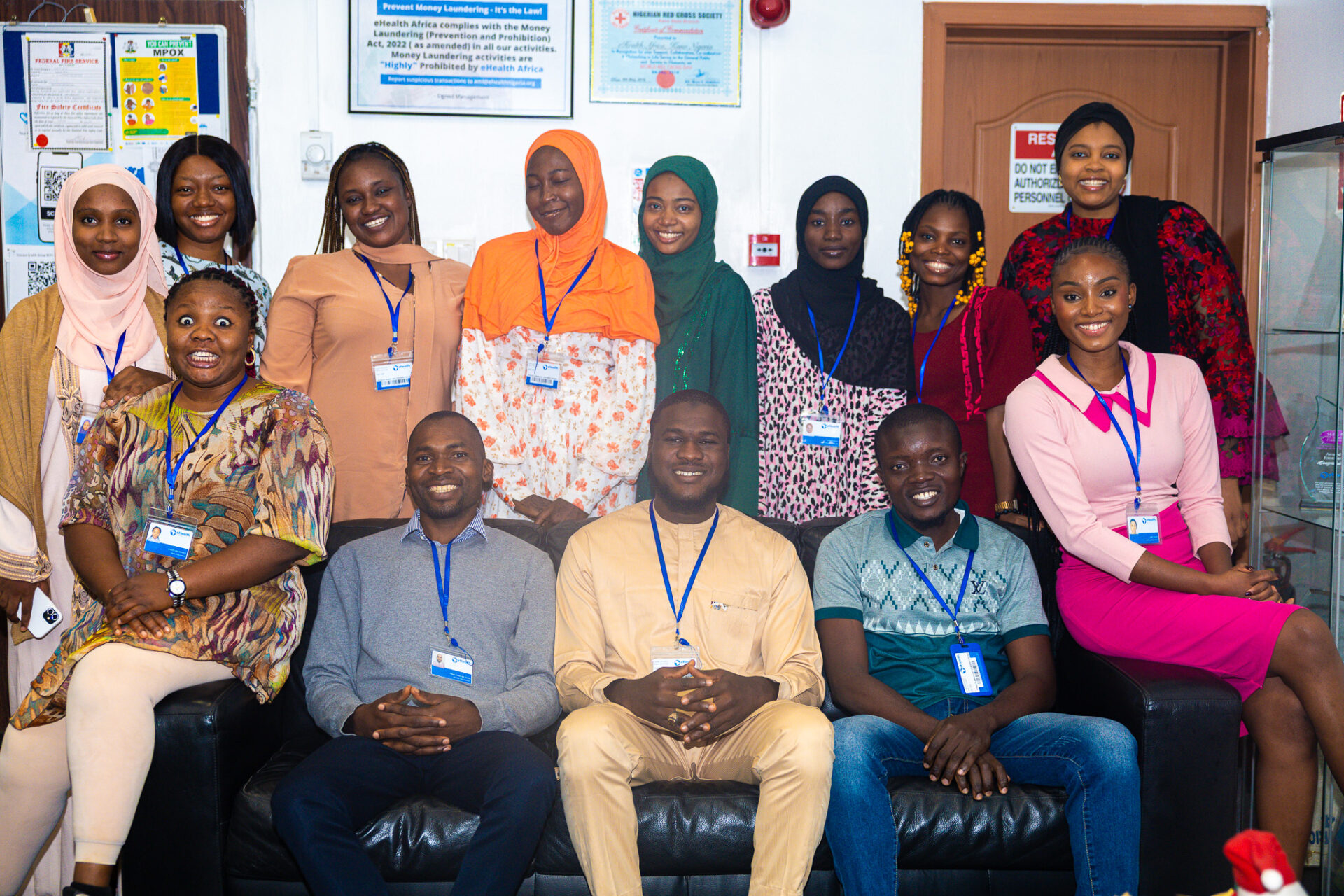
How eHealth Africa’s All-Female Internship Cohort is Shaping Women Leaders

Janet Jacob

In many parts of Nigeria, young women undergo the tough journey of academic turbulence and graduate with strong academic training, full of ambition and a desire. While graduation and National Service are seen as major achievements, it is indeed the beginning of another herculean voyage into the professional world. 

However, economic empowerment remains a major challenge for many women, who are more likely to face systemic barriers such as unequal pay, limited access to leadership opportunities, and the undervaluation of their work. As revealed by the World Health Organization, while women make up nearly 70% of the global health workforce, they occupy only about 25% of leadership roles.  As a matter of fact, over 21 million Nigerian women are financially excluded, often relying on informal savings or borrowing from family and friends.

It is within this context that the eHealth Africa Group positioned its 2025/2026 goal to empower economic prosperity and create equitable opportunities for women and vulnerable populations. As one of the Group’s implementing entities, eHealth Africa (eHA) is advancing this goal through targeted initiatives designed to bridge the gap between potential and opportunity. This birthed the All-Female Internship Cohort. 

This internship provides important opportunities for mentorship and practical skills in the field of public Healthcare while elevating economic empowerment opportunities. The organization took intentional steps to create opportunities within its procurement processes to encourage women to participate and succeed in doing business with the organization. So far, the journey has been similar for all the interns who are transitioning into bigger opportunities in the public healthcare systems. 

For Deborah Ayeni, a Public Health Science graduate placed in the Programs Delivery team within the Disease Prevention and Monitoring Unit, the biggest lesson has been the difference between theory and real-world execution.

You may read in theory about steps to follow in project management, but in practice, things do not always work exactly as described in textbooks or videos. This has taught me that practical experience is very important and always outweighs theory,” she said. This not only provides an opportunity to build a career but also opens the door to bigger opportunities for employment and financial inclusion.

Deborah also highlighted the intentional design of the cohort. Seeing an all-female cohort made her feel that eHealth Africa is deliberately creating opportunities for women and actively working toward inclusion, especially in economic indices. “It was inspiring and encouraging to see this level of commitment,” she added.

Isioma Cynthia Ozoene interns with the Project Support Unit. She joined the cohort, eager to build real-world skills in project coordination. She found exactly the hands-on experience she was looking for, supported by guidance yet allowing plenty of independence.  “My team members are there to guide me, but they still give me room to carry out tasks by myself, with not much hand-holding,” she explained.

Being part of an all-female internship cohort has significantly contributed to interns’ economic empowerment, especially via exposure to other ambitious women, which has strengthened their mindset around financial independence and career growth. 

Isioma added that, “It has encouraged me to be more intentional about building a sustainable career and positioning myself for opportunities that improve my earning potential.”

Looking ahead, Isioma aims to build on this foundation by pursuing opportunities in project management and development practice, while continuing to grow through continuous learning, mentorship, and hands-on experience.

Precious Richard, an Actuarial Science graduate working with the Business Development team, has strengthened her skills in data organisation, research, adaptability, and time management. She has learned how to balance multiple responsibilities while meeting deadlines in a structured, high-performing environment. 

Reflecting on the cohort, she shared,“Being part of this all-female internship cohort has been an inspiring experience. It has taught me how the organisation is committed to gender equity and creating opportunities for women to thrive professionally. It has also strengthened my confidence and made me feel proud of being part of the organisation.”

Clever Rebecca, works in the Impact Measurement Department. Her role involves data analysis, qualitative and quantitative analysis, report writing, and data visualisation. She joined the programme expecting to gain more skills in areas where she wanted to grow. As she explained, “I did not know R programming before, and I was not familiar with Google tools for qualitative analysis. Now, I am learning them here. That was one of my expectations, and it has been met.”

Sharing her thoughts on the all-female cohort, she remarked, “It makes me feel that the organization is thoughtful and mindful of women.”

Across every directorate and office, the same themes emerge: growth, resilience, and discovery. As part of this all-female cohort, we are not only gaining technical skills, but we are also building the confidence and professional foundation needed to contribute meaningfully to public health and development across Africa.

Working within the Communications Department has been particularly transformative. It has shifted my perspective on communication from a supporting role to a strategic function, one that connects impactful work to the communities it is meant to serve.

Thus, for the 17 participants and me, that transformation has unfolded over the past six months. The program spans multiple directorates and has placed us across the Kano and Abuja offices as well as the Emergency Operations Centers (EOCs). Each of us has been given real responsibilities that continue to shape how we understand our roles and contributions to stronger health systems.

One of the most defining parts of this journey for me has been stepping into hands-on tasks that pushed me beyond my comfort zone. 

Through these experiences, I have begun to see the Communications Department not just as a support function, but as a powerful bridge between the work being done and the people it is meant to reach.

The All-Female Internship Cohort is a clear example of how the eHealth Africa Group’s broader goal is being translated into action. By creating structured pathways for young women to gain experience, build confidence, and access professional networks, the initiative is addressing both workforce gaps and economic inclusion. It is a deliberate investment in the next generation of female leaders. By equipping young women with real-world experience, mentorship, and opportunities, eHealth Africa is helping to shape a more inclusive, skilled, and resilient workforce; one that will drive lasting impact in the communities we serve.

Ultimately, this is not just about internships. It is about building a pipeline of skilled, confident women who are equipped to lead and economically empowered to contribute and drive lasting impact within public health systems and beyond.