Give to Gain: Turning Gender Equity into Stronger, More Resilient Health Systems

By Azeez-Ayodele Fatimah Ayotemitide

Across Nigeria’s health sector, women are often at the center of care delivery, yet far fewer are represented where critical decisions are made. From health policy to programme leadership, many of the systems shaping women’s health outcomes continue to operate without enough women in positions of influence.

The result is a gap between lived realities and decision-making, where issues affecting women and children are too often addressed without the leadership and perspectives of those most affected.

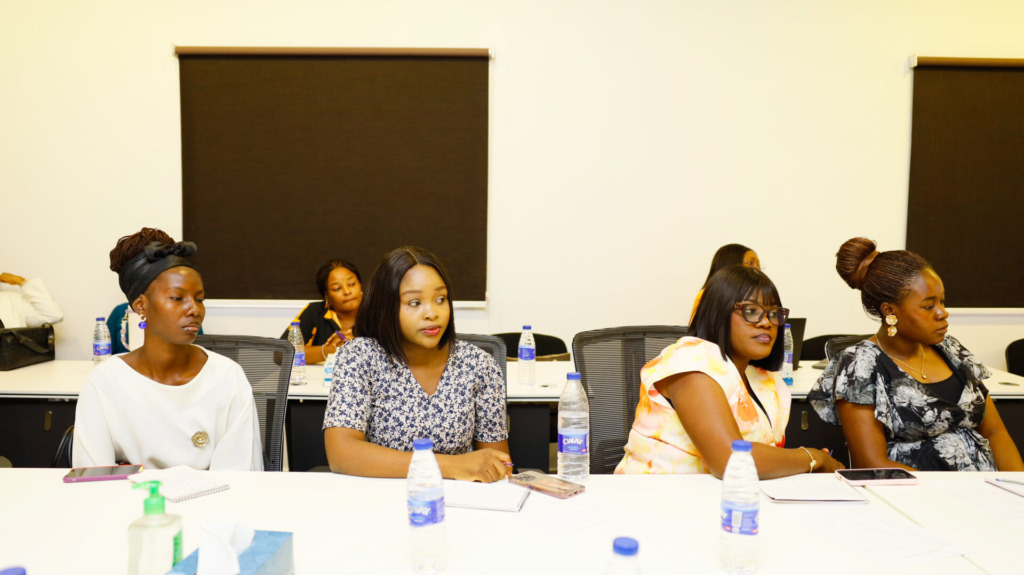
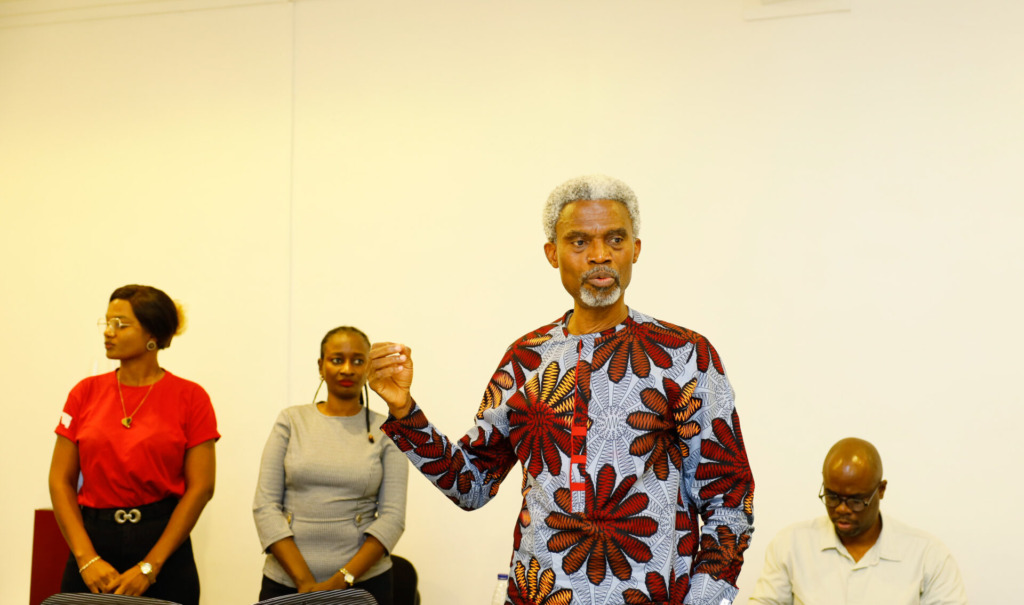
These were some of the issues explored during eHealth Africa’s 40th Insights Webinar, Give to Gain: Advancing Women’s Rights and Capacities for Sustainable Impact. Beyond advocacy, the conversation focused on what it takes to build systems where women are not only included but supported to lead, influence decisions, and improve health outcomes within their communities.

Giving Beyond Charity

For participants, “giving” extended far beyond financial support. Augustina Okpechi, Project and Communications Lead at KSH Foundation, described it as sharing time, expertise, opportunities, and access in ways that help other women grow and succeed.

Hannatu Balarabe Saidu, Project Manager for the Girl Child Programme at Maina and Kids Children Foundation, emphasized the importance of sustaining that support across generations. “The real work is reinforcing what women have always done, giving back to the very communities and younger girls who shaped them. No one reaches where they are without a woman behind them,” she said. “The task is to keep that chain alive”.

From Individual Effort to Systemic Change

Individual giving matters, but the panel was clear: systems determine scale. Nuzo Eziechi, Senior Manager, Talent and Performance Management at eHealth Africa, was blunt about the gap many organisations still face. While many women enter the workforce, significantly fewer progress into leadership positions.

She called it the “broken rung” and stressed that closing it requires more than mentorship. It demands sponsorship, deliberate leadership pipelines, and policies that reflect real life.

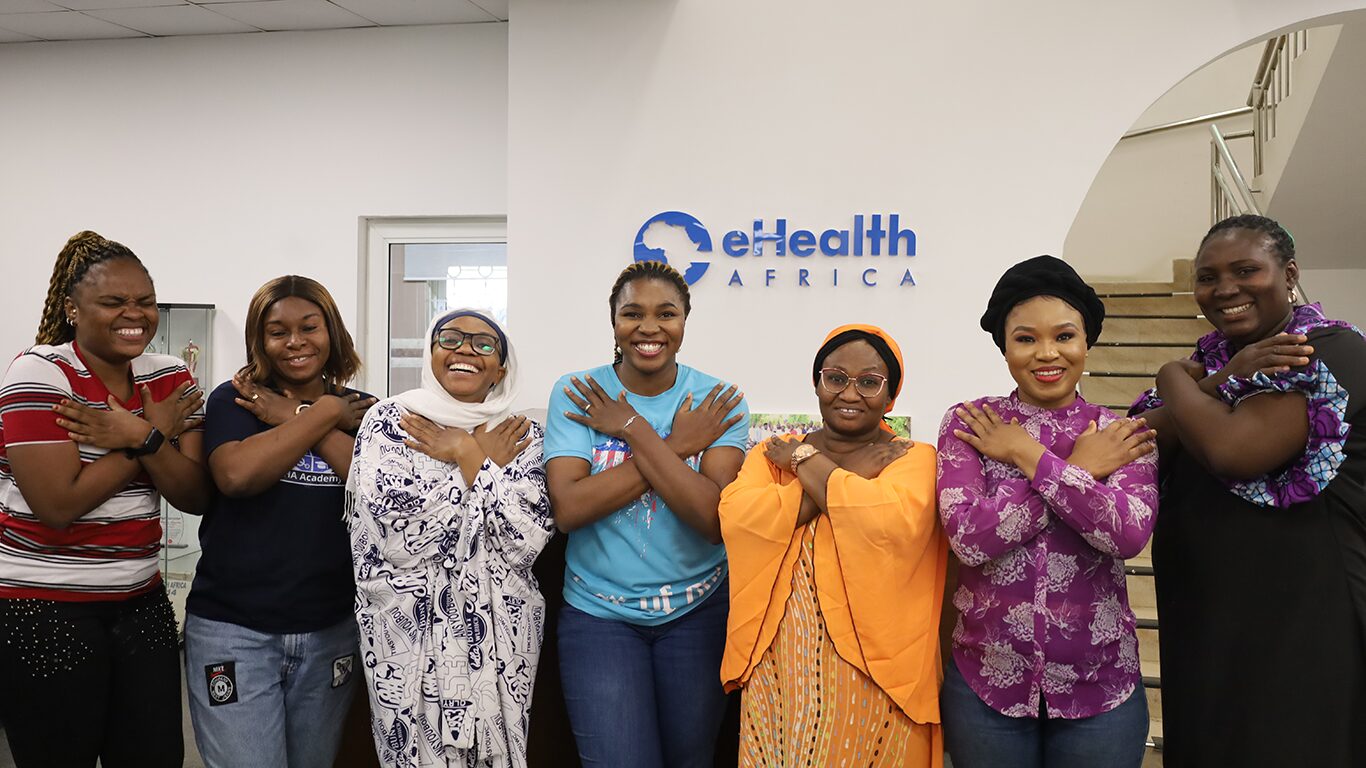
At eHealth Africa, these conversations are supported by deliberate workplace policies and representation goals. Women currently make up 33.3% of the workforce and 34.7% of leadership roles across the organisation.

The organisation backs these numbers with practical measures, which include flexible work arrangements, remote options, and adjusted hours for mothers returning from maternity leave. These measures help create an environment where women are better supported to balance professional growth and family responsibilities.

Making Equity Measurable and Sustainable

Another major focus of the discussion was accountability.

Nuzo emphasised treating gender equity as an organisational performance issue, not just a social goal. “Without data, equity conversations remain abstract,” she said. She stressed that organisations must measure representation, progression, pay equity, and retention, and respond intentionally to the gaps the data reveals.

Hannatu added that real change in communities requires long-term commitment: sustained funding, working through (not around) local leaders, continued education, and patience. Sustainable change, she noted, often takes years and requires consistent investment across generations.

The Way Forward

The conversation left a clear challenge: investing in women is not separate from building stronger health systems. When women are fully equipped, fully included, and fully heard, the gains are never limited to women alone. They strengthen health systems,  institutions, communities, societies, and economies.

The discussion reinforced a broader truth: stronger and more resilient health systems cannot be built without intentionally investing in women’s leadership, participation, and opportunities.\n\nThrough the Insights Learning Forum (ILF), eHealth Africa continues to create spaces for conversations that connect ideas to practical action and long-term systems change.

The challenge now is moving beyond intention and building the structures, policies, and opportunities that allow gender equity to become sustainable and measurable.

How eHealth Africa Is Empowering Women Entrepreneurs to Drive Community Impact

Moshood Isah 

Generally, venturing into any kind of business comes with huge risks and the fear of the unknown regarding its potential success or failure. It becomes even more difficult when a woman is setting up a business in a competitive and mostly male-dominated environment.

Women largely depend on their savings, as the United Nations recently revealed that only about 23% of women-owned businesses in Nigeria can access formal credit, while nearly 80% rely on personal savings to start and sustain their ventures.

This is the biggest fear of Grace Mark, a female business owner in Northeastern Nigeria. “When I started my business, my biggest fear was that I was investing in something that might not succeed because I lacked connections and financial support,” she said. “I was worried because I didn’t know anyone who could support my small business. I began reaching out to different organizations, and eHealth Africa was one of them. At the time, I believed that if you didn’t know someone within an organization, your company wouldn’t even be considered.” The story of Grace changed for the better after her first encounter with eHealth Africa.

Recognizing that women are often among the most underserved groups in many communities, both in Africa and globally, the Board and Management of the EHA Group the parent platform for eHealth Africa, EHA Clinic, and eHA Impact Ventures took deliberate steps to empower women by encouraging and supporting female business owners and vendors.

According to eHealth Africa’s Director of Finance and Administration, Dr. Ben Igbinosa, the organization took intentional steps to create opportunities within its procurement processes to encourage women to participate and succeed in doing business with the organization. He said, “This is in line with the Group’s broader vision of ensuring underserved communities live healthy and prosperous lives.

As revealed by Dr. Ben, before this initiative, less than 20 percent of eHealth Africa’s vendors were women. To address this imbalance, the organization set a target that 30 percent of procurement opportunities within the single-quotation threshold should go to women. Aside from prioritizing women-owned businesses, one of the strategies eHealth Africa deployed was organizing training sessions to help women understand how to do business with the organization, which follows international standards. “Once vendors understand how to work with us, they can easily work with other organizations in the development sector as well,” Dr. Ben added.

The training bridges critical gaps in how business is conducted and, by extension, opens up bigger opportunities. Many women in local communities operate informal businesses. They engage in small-scale trading without registering their businesses or meeting formal requirements.

However, Dr. Ben said, “To work with organizations like eHealth Africa, vendors must meet certain legal and operational standards. For example, businesses must be registered with the Corporate Affairs Commission (CAC) and must have a Tax Identification Number (TIN). These requirements ensure that vendors operate legitimate businesses.”

Beyond registration, we also trained them on procurement processes, how to respond to a Request for Quotation (RFQ), how quotations are evaluated, and what organizations look for when selecting vendors.” These include competitive pricing, product quality, and the ability to deliver on time.

The idea is simple: if they meet these standards, they can continue to receive business opportunities, grow their enterprises, and become economically empowered. Importantly, this has been the case with vendors like Grace Mark, who secured her business opportunity with eHealth Africa by taking basic steps.

One key lesson Grace learned from the training is transparency and fairness. “Vendors are given equal opportunities to quote, regardless of whether they know anyone in the organization,” she said.

In fact, eHealth Africa was the first organization I supplied to after starting my business. I had assumed that connections were necessary to secure contracts, but my encounter with eHealth Africa changed that perspective completely,” Grace added.

Another businesswoman, Ngozi, corroborated this, saying, “During the training conducted by eHealth Africa, they explained that they aim to empower women and even give slight preference when awarding contracts if quotations are similar.” Ngozi revealed that the training has made it easier and more effective to deal with other clients. “For example, when working with other clients, I insist on having a Purchase Order (PO) before proceeding. It helps me make the best moves at the right time and manage other clients effectively,” she said.

The impact is indeed immense, as women continue to become economically and intellectually empowered. Dr. Ben also revealed that one of the many women who participated in the program “eventually secured a contract worth about ₦22 million with us. She successfully delivered the contract and later secured another contract worth about ₦52 million.”

The intention is not to exclude men but to deliberately create opportunities for women who have historically been underrepresented. The goal is to gradually build capacity and ensure women can confidently compete in the broader procurement space. When women are economically empowered, they support their families, educate their children, and contribute to the stability of their communities. This is because economic empowerment reduces poverty, improves household welfare, and can even help reduce social problems such as crime or exploitation.

#DigitALL: 4 Compelling Reasons to Bridge the Digital Gender Gap in Health

By Judith Owoicho

The theme for international women’s day 2023 has a clear and loud message for all. It says DigitALL: it is a call for inclusion, a call for a world where innovation and technology can be used by more women and for the needs of more women and girls.

Technology has certainly improved the quality of lives and opened doors to opportunities for many around the world. In healthcare, the rapid transformation of healthcare delivery has offered a range of solutions to improve access to healthcare, reduce costs, and improve health outcomes, but not without ushering in a fresh stream of inequality, especially across gender lines. 

Despite the potential and adoption of digital health technologies, it is often limited by gender-based disparities in access, use, and benefits. The effects of this inequality are far-reaching, but primarily it has led to a limited understanding of the healthcare needs of women and other marginalized groups. Achieving gender equity in digital health practice has never been this urgent. Here are 4 reasons we must achieve gender equity in digital health.

1. Innovations tailored to the needs of women

It is not uncommon to see digital health tools and innovations developed with no single woman in the room. This can often leave gaps either out of ignorance or just simply failing to see the priority. Research reveals that most digital tools were typically designed for the universal user: a middle-class male. This shows itself in devices that do not fit well on female bodies or that targeted options like menstrual tracking options not initially included in the smartwatch design.

Women have unique health needs and often experience a range of health issues that are specific to their gender, including menstrual health, reproductive health, and menopause. With more women in these rooms, we can ensure that the needs of women are taken into consideration.

2. Economic growth and productivity

Building digital skills in women and girls can create a path to the labor market through internships, apprenticeships, and job placement programs. The eHA academy has added the all-female cohort to their software development and network engineering training academy so that more young women at the early stages of their career can adopt software development/ design skills. The academy sends them off to internships after the training, creating pathways to economic prosperity.  Ensuring that women and girls have equal access to and use of digital technologies — mobile phones, computers, and the internet — is central to their economic and social empowerment and inclusive economic recovery.

3. Reduced disparities in access to healthcare for women

Gender bias is a pervasive problem in healthcare, including in the digital health sector. Without addressing this bias, we risk further driving existing disparities in healthcare access and outcomes. Studies have shown that women use more online health and medical information than men. This could suggest If more women have digital skills, it could reduce disparities in access to healthcare for women. Acquiring digital skills will enable them to access information and resources related to healthcare through the internet and they can be better informed and able to take more control of their own health and make informed decisions.

4. Increasing workforce diversity

 Achieving gender equity in digital health practice can promote fairness and equal opportunities in the workplace. This will also help increase diversity in the workforce. Promoting the participation of women in digital health will introduce new perspectives and ideas to the field, ultimately leading to better outcomes for patients. By improving health outcomes and increasing workforce diversity, we can create a more productive and inclusive healthcare sector.

We realize that many factors, including social norms, poverty, access to electricity, illiteracy, and even more, are at the intersection of this unevenness in digital skills distribution. But as we move farther into the digital future, we must all collaborate and start from where we are to leave no woman or girl behind. 

On this International Women’s Day, we call on collaboration from the government, private sector, and civil society organizations to DigitALL. Let’s move from imagining a gender-equal world free of bias, stereotypes, and discrimination to living in it.