April 30, 2026
How eHealth Africa Is Empowering Women Entrepreneurs to Drive Community Impact
Generally, venturing into any kind of business comes with huge risks and the fear of the unknown regarding its potential success or failure. It becomes even more difficult when a woman is setting up a business in a competitive and mostly male-dominated environment.
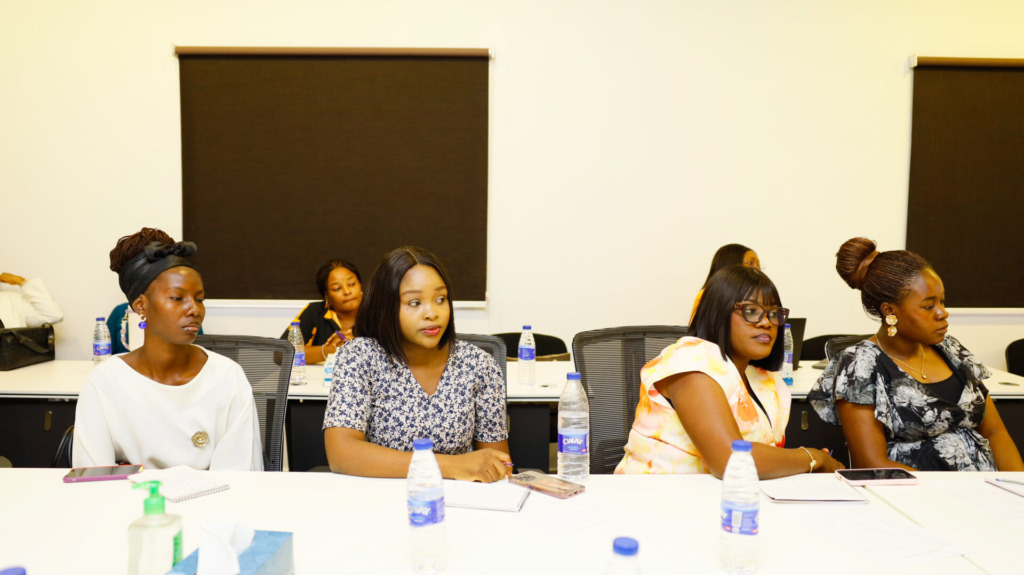
Women largely depend on their savings, as the United Nations recently revealed that only about 23% of women-owned businesses in Nigeria can access formal credit, while nearly 80% rely on personal savings to start and sustain their ventures.
This is the biggest fear of Grace Mark, a female business owner in Northeastern Nigeria. “When I started my business, my biggest fear was that I was investing in something that might not succeed because I lacked connections and financial support,” she said. “I was worried because I didn’t know anyone who could support my small business. I began reaching out to different organizations, and eHealth Africa was one of them. At the time, I believed that if you didn’t know someone within an organization, your company wouldn’t even be considered.” The story of Grace changed for the better after her first encounter with eHealth Africa.
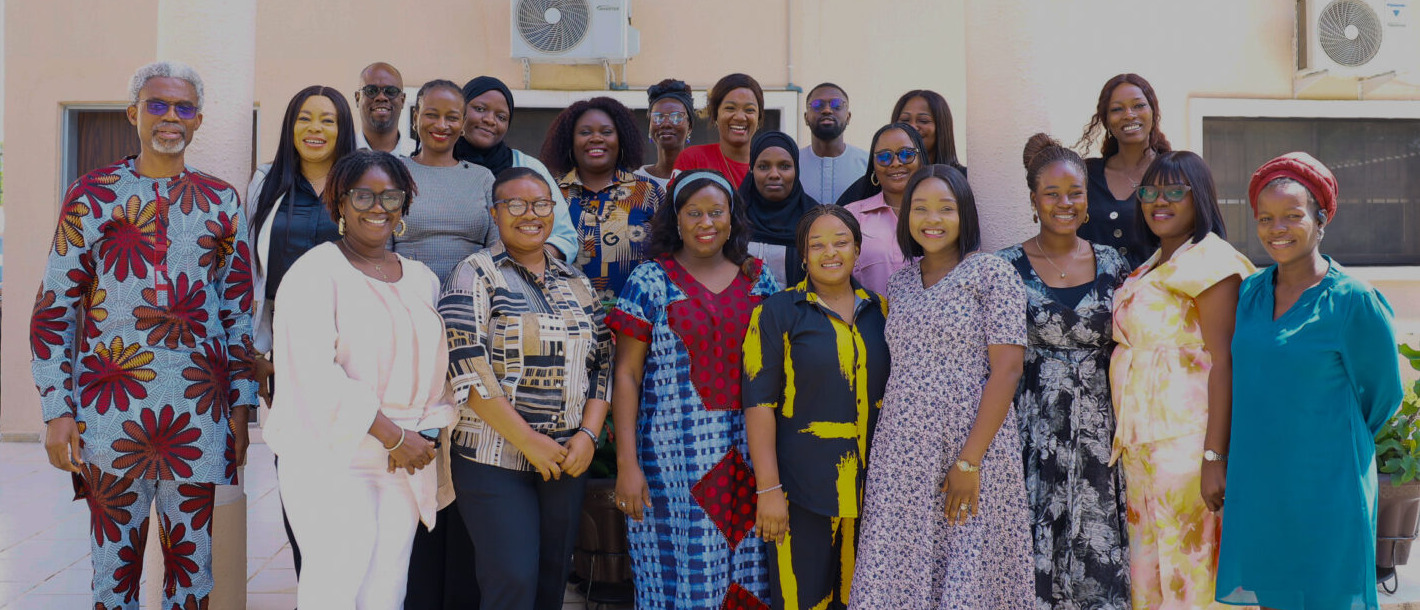
Recognizing that women are often among the most underserved groups in many communities, both in Africa and globally, the Board and Management of the EHA Group the parent platform for eHealth Africa, EHA Clinic, and eHA Impact Ventures took deliberate steps to empower women by encouraging and supporting female business owners and vendors.
According to eHealth Africa’s Director of Finance and Administration, Dr. Ben Igbinosa, the organization took intentional steps to create opportunities within its procurement processes to encourage women to participate and succeed in doing business with the organization. He said, “This is in line with the Group’s broader vision of ensuring underserved communities live healthy and prosperous lives.”
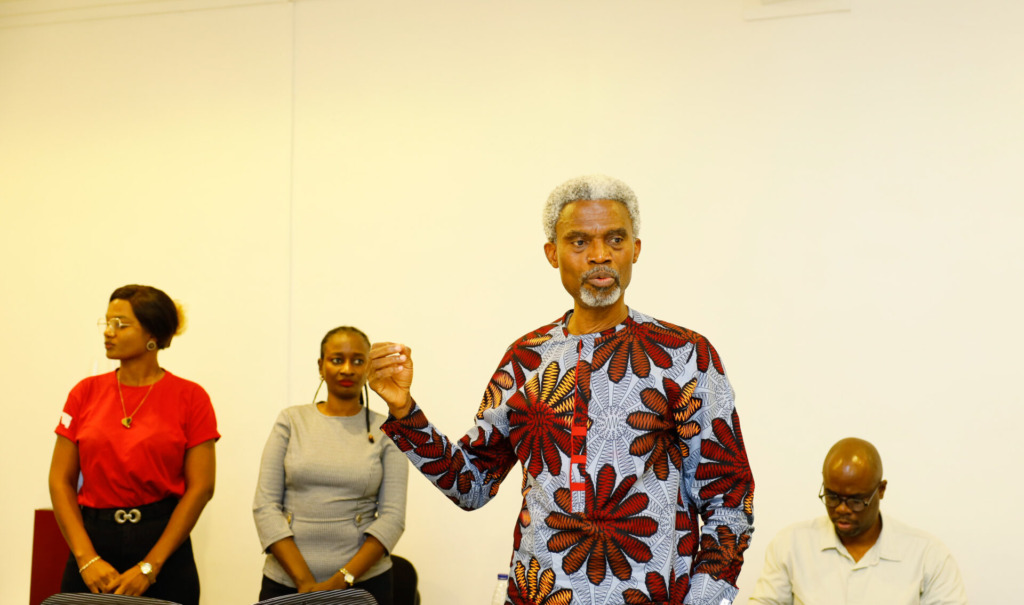
As revealed by Dr. Ben, before this initiative, less than 20 percent of eHealth Africa’s vendors were women. To address this imbalance, the organization set a target that 30 percent of procurement opportunities within the single-quotation threshold should go to women. Aside from prioritizing women-owned businesses, one of the strategies eHealth Africa deployed was organizing training sessions to help women understand how to do business with the organization, which follows international standards. “Once vendors understand how to work with us, they can easily work with other organizations in the development sector as well,” Dr. Ben added.
The training bridges critical gaps in how business is conducted and, by extension, opens up bigger opportunities. Many women in local communities operate informal businesses. They engage in small-scale trading without registering their businesses or meeting formal requirements.
However, Dr. Ben said, “To work with organizations like eHealth Africa, vendors must meet certain legal and operational standards. For example, businesses must be registered with the Corporate Affairs Commission (CAC) and must have a Tax Identification Number (TIN). These requirements ensure that vendors operate legitimate businesses.”
“Beyond registration, we also trained them on procurement processes, how to respond to a Request for Quotation (RFQ), how quotations are evaluated, and what organizations look for when selecting vendors.” These include competitive pricing, product quality, and the ability to deliver on time.
The idea is simple: if they meet these standards, they can continue to receive business opportunities, grow their enterprises, and become economically empowered. Importantly, this has been the case with vendors like Grace Mark, who secured her business opportunity with eHealth Africa by taking basic steps.
One key lesson Grace learned from the training is transparency and fairness. “Vendors are given equal opportunities to quote, regardless of whether they know anyone in the organization,” she said.
“In fact, eHealth Africa was the first organization I supplied to after starting my business. I had assumed that connections were necessary to secure contracts, but my encounter with eHealth Africa changed that perspective completely,” Grace added.

Another businesswoman, Ngozi, corroborated this, saying, “During the training conducted by eHealth Africa, they explained that they aim to empower women and even give slight preference when awarding contracts if quotations are similar.” Ngozi revealed that the training has made it easier and more effective to deal with other clients. “For example, when working with other clients, I insist on having a Purchase Order (PO) before proceeding. It helps me make the best moves at the right time and manage other clients effectively,” she said.
The impact is indeed immense, as women continue to become economically and intellectually empowered. Dr. Ben also revealed that one of the many women who participated in the program “eventually secured a contract worth about ₦22 million with us. She successfully delivered the contract and later secured another contract worth about ₦52 million.”
The intention is not to exclude men but to deliberately create opportunities for women who have historically been underrepresented. The goal is to gradually build capacity and ensure women can confidently compete in the broader procurement space. When women are economically empowered, they support their families, educate their children, and contribute to the stability of their communities. This is because economic empowerment reduces poverty, improves household welfare, and can even help reduce social problems such as crime or exploitation.