April 29, 2026
Frontline Workers Confront Polio Threats With Quiet Sacrifice and Digital Tools
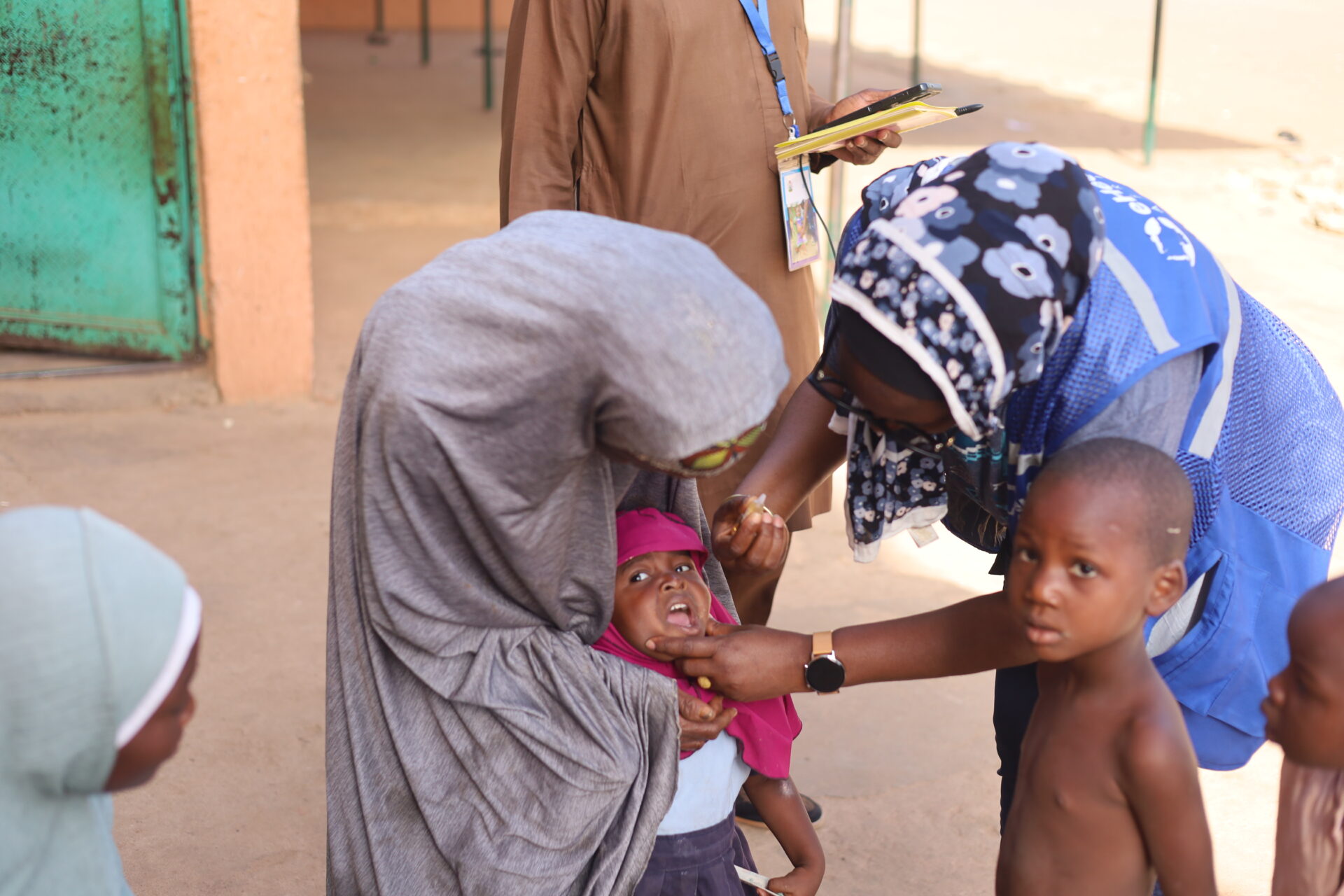
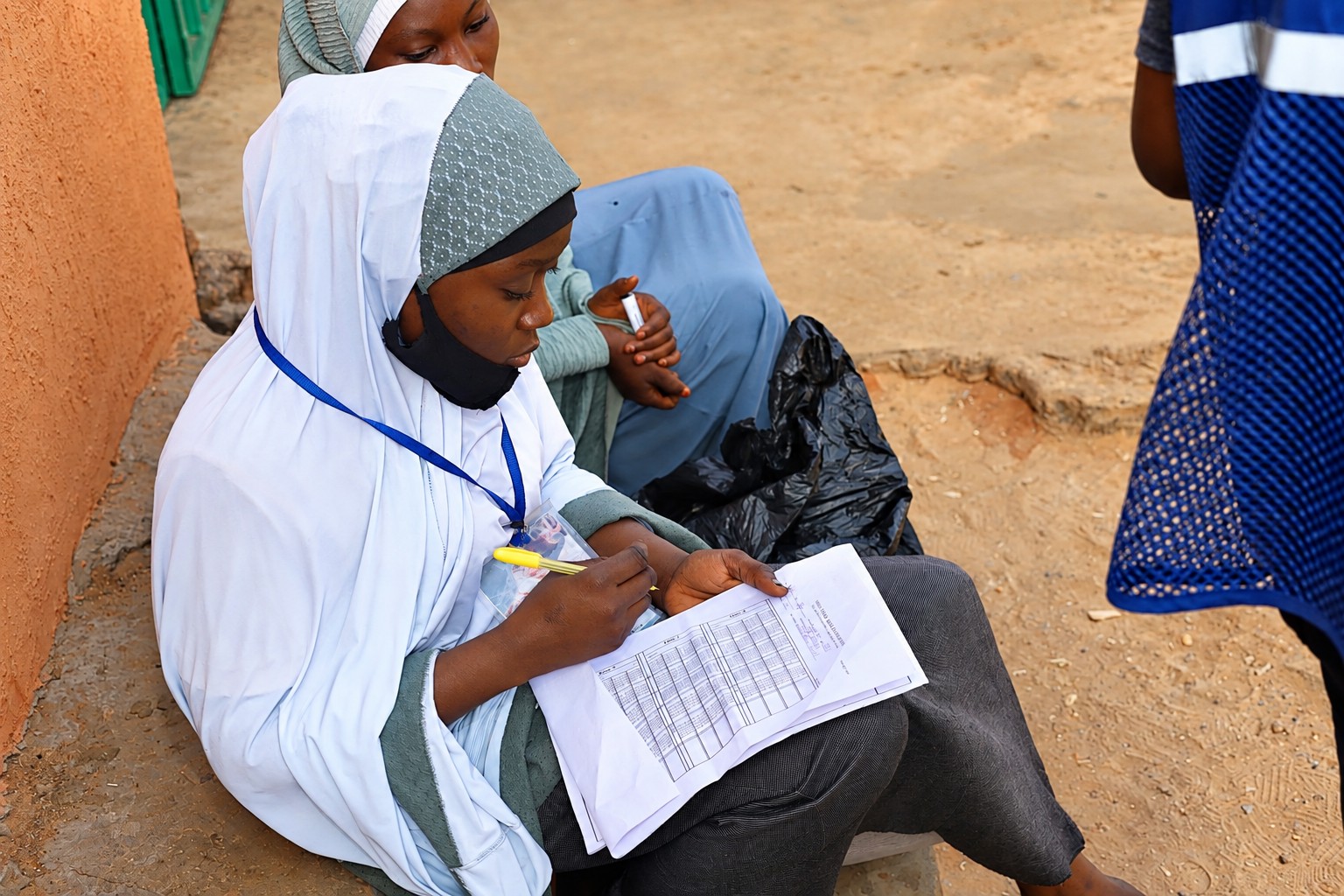
For frontline vaccinators, reaching every child often means trekking long distances across difficult terrain and in harsh weather conditions.
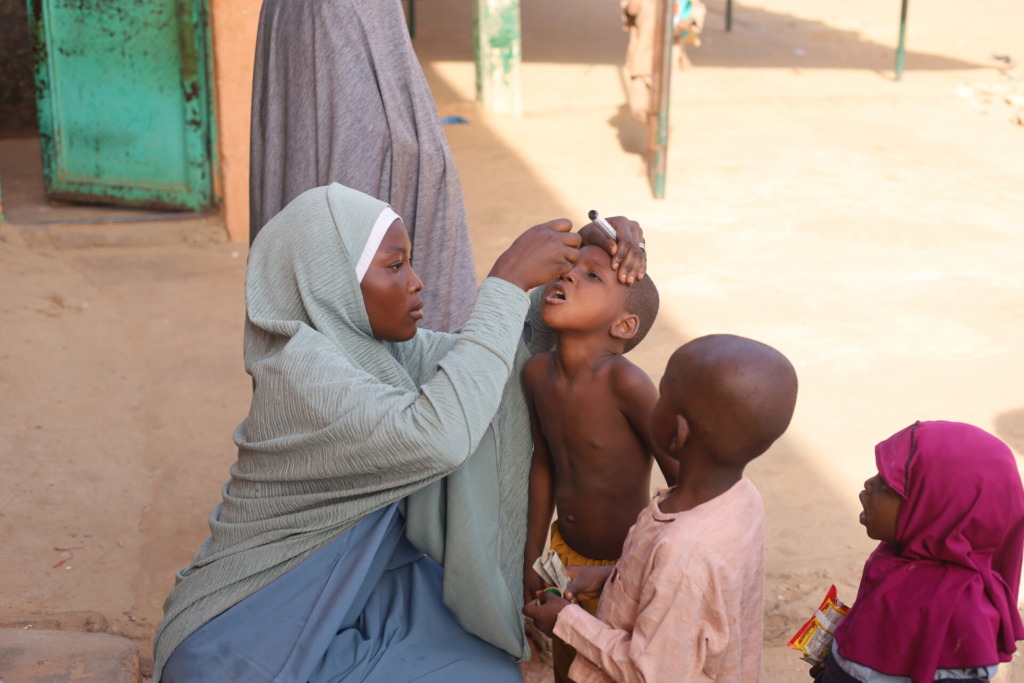
Vaccination campaigns in the remotest of communities are definitely a herculean task. Doing so during Ramadan or the Lenten fasting period, under harsh weather conditions, is a very important and necessary sacrifice aimed at confronting polio threats and protecting children through life-saving vaccines.
“The life-saving impact and the importance of saving children across communities indeed trounces any difficulty or hardship experienced during the process”. This is the general response of vaccinators and supervisors during the just concluded vaccination campaign in Kebbi and neighboring Sokoto and Zamfara states.
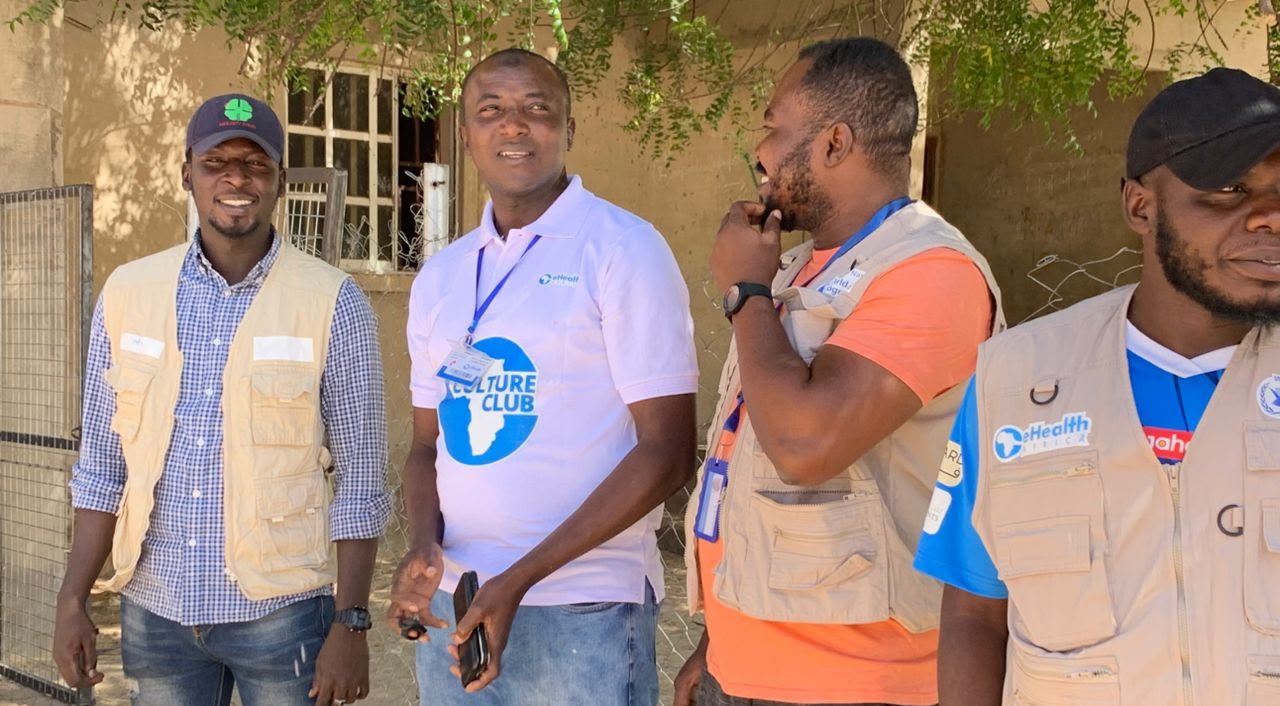
eHealth Africa’s Kebbi state coordinator, Habib Salako, despite spiritual obligations of the fasting season, effectively plans, implements, and monitors vaccination campaigns, which remain a crucial obligation. “My responsibility as State Coordinator is to coordinate the activities of public health programs, including deployment of Geospatial Tracking Systems and Advocacy Communication and Social Mobilization (ACSM).” he said. Habib also leads the development of digital micro-plans, printing and distribution of guide maps, and supports the state in Routine Immunization services and any other public health service delivery components.
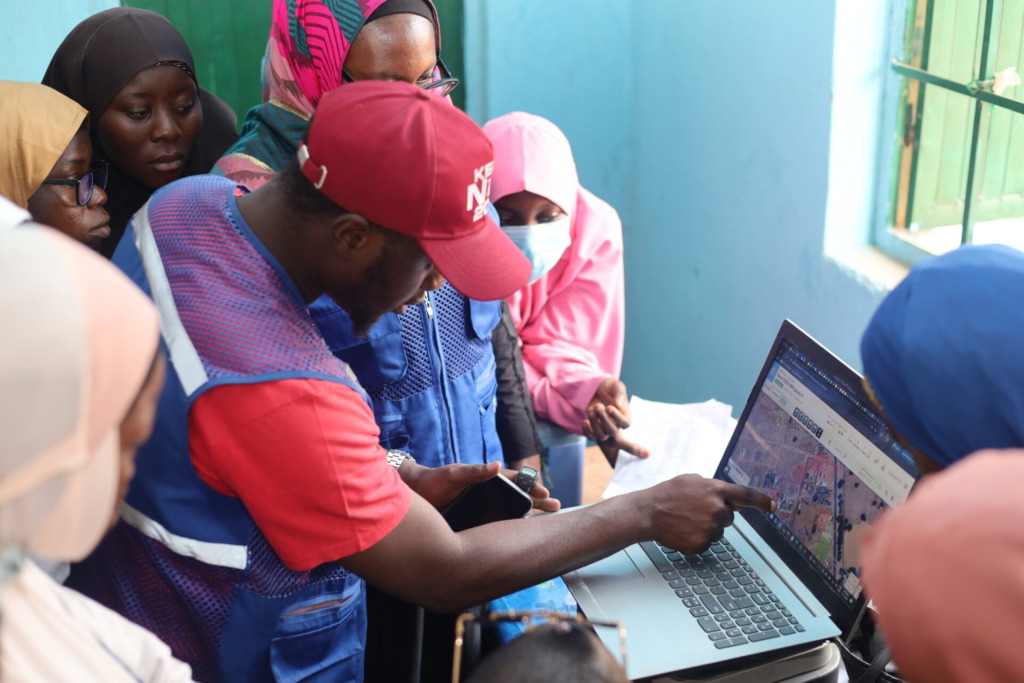
For Habib, leading vaccination campaigns in his state is a service to humanity. He said, “The joy of seeing children vaccinated is immense because when a child is vaccinated, we boost their immune system and help prevent future diseases. That is the biggest reward and motivation to continue despite stress.”
Beyond vaccination, Habib and his team of Local Government Area Coordinators engage in social mobilization and awareness campaigns, working with traditional and religious leaders, schools, parent-teacher associations, youth groups, women’s groups, Community-Based Organizations, and other stakeholders. The goal, according to him, is to ensure quality healthcare delivery, even in the most remote and, many times, in security-compromised locations.
The case is the same with Rabiu Sani, who supports public health campaigns in Birnin Kebbi Local Government as the coordinator of his LGA. Despite working in difficult and sometimes security-compromised terrain, Rabiu also endured the challenge of convincing non-compliant caregivers to accept vaccines for their children.
“Despite these challenges, we do our best to ensure that eligible children are immunized,”, he said. Rabiu showered encomiums on all vaccinators going house to house to administer life-saving vaccines to protect children, saying no monetary compensation can match the effort they put in. “I ask them to continue; their reward will come from God”, he added.
The Ramadan/Lent Vaccination campaign was necessitated by the recent discovery of Circulating Variant Poliovirus type 3 (cVPV3) in Aliero Local Government of Kebbi state. The state is highly vulnerable due to its multiple borders, across LGAs, state boundaries, and international borders, which allow people to move in and out freely. This is why Kebbi State, in particular, continues to experience these variants.
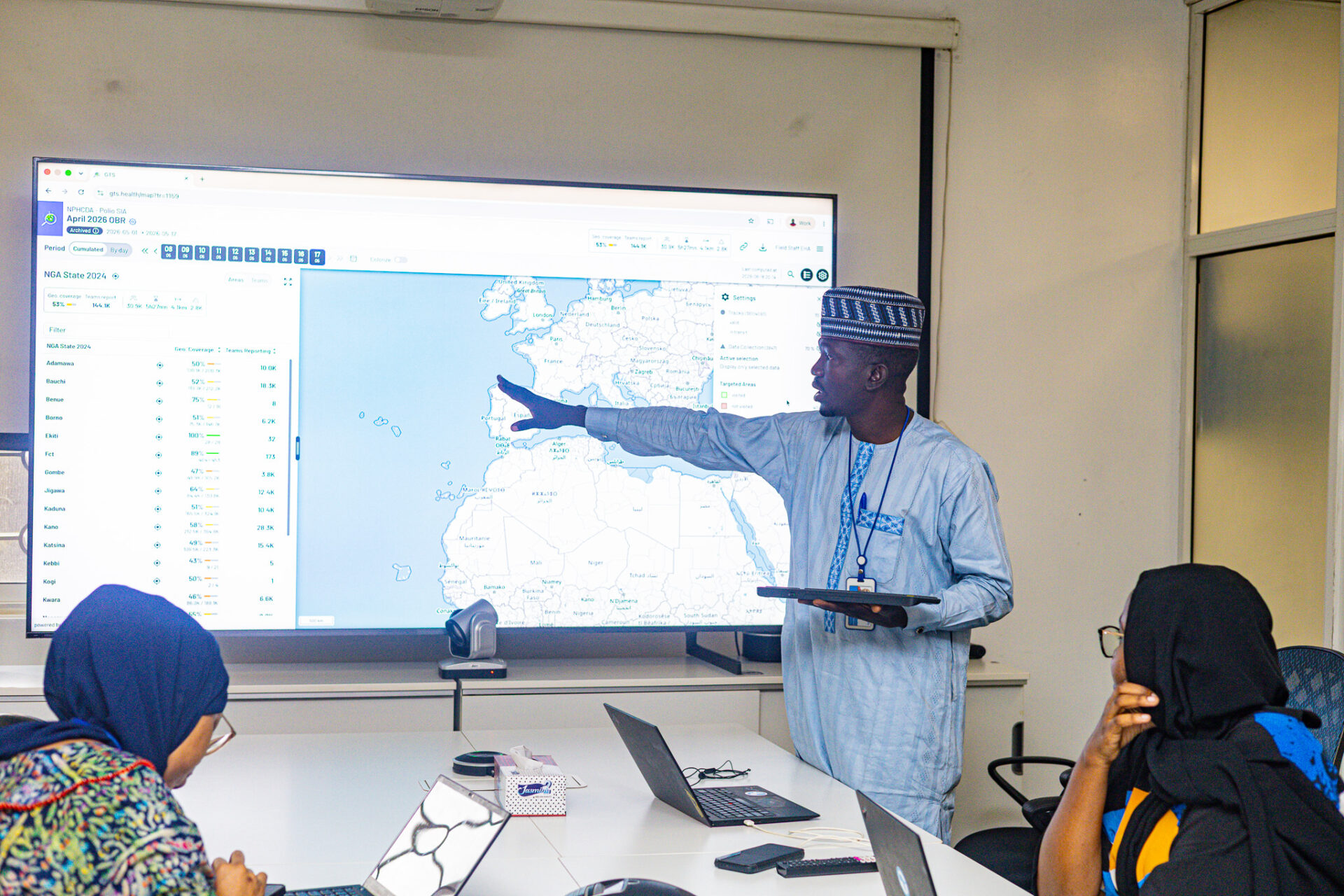
For this reason, both the state and the country, through the polio program, intentionally selected this period to conduct the campaign at this time. The campaign was implemented across three states: Kebbi, Sokoto, and Zamfara. To ensure the vaccination campaign process is seamless, data-driven, and efficient, eHealth Africa has successfully led the transition from paper-based micro-planning to digitised platforms using PlanFeld, eHealth Africa’s in-house digital solution.
According to the project manager, Comfort Audu, PlanFeld depends largely on Geographic Information System-enabled data, which is the master list of settlements containing several attributes. She said, “eHealth Africa ensures data from across all settlements are clean and accurate via proper validation”. “Once the data is ready, we generate a micro-plan, daily implementation plans, ward guide maps, and maps for teams to implement immunisation campaigns across the states”, she added.
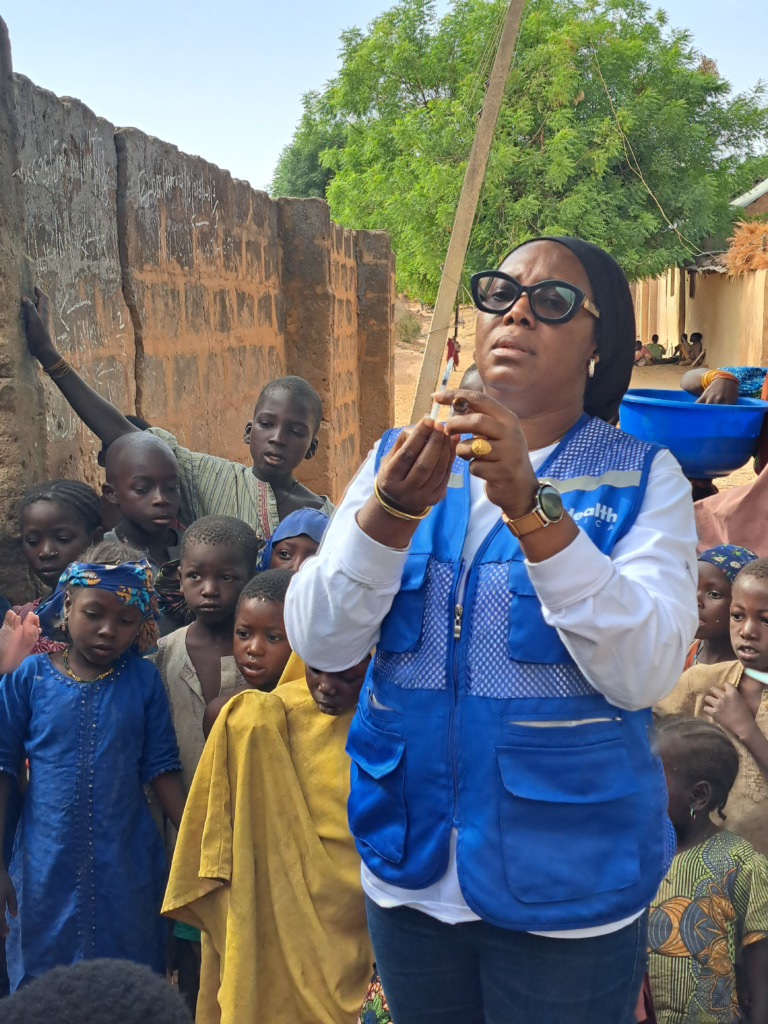
While a micro-plan is basically a practical guide that directs vaccination team members on where to go and what to do during campaigns, the Daily Implementation Plan (DIP) serves as a day-to-day roadmap. “It helps teams decide their movements based on settlement characteristics, the number of working days, and the specific areas to be covered”, she said
Thus, during the difficult period of the vaccination campaign during fasting, proper vaccination planning, enhanced by Planfeld, rationalizes workload for teams. It also accounts for the logistics required to successfully carry out each day’s activities.
The general outcome of all this support is to ensure that the virus is curbed and that eligible children are reached, even in the last mile. This means vaccinating children in their households or at borders, including those found on the streets across Nigeria and neighboring countries, as border vaccinations are also being conducted.
Through these coordinated efforts, eHealth Africa continues to demonstrate leadership in the vaccination space, leveraging data-driven strategies, strong partnerships, and on-the-ground expertise to reach underserved populations and strengthen disease surveillance. This commitment not only supports the fight against polio but also reinforces resilient health systems capable of protecting every child, everywhere.