May 14, 2026
Give to Gain: Turning Gender Equity into Stronger, More Resilient Health Systems
By Azeez-Ayodele Fatimah Ayotemitide
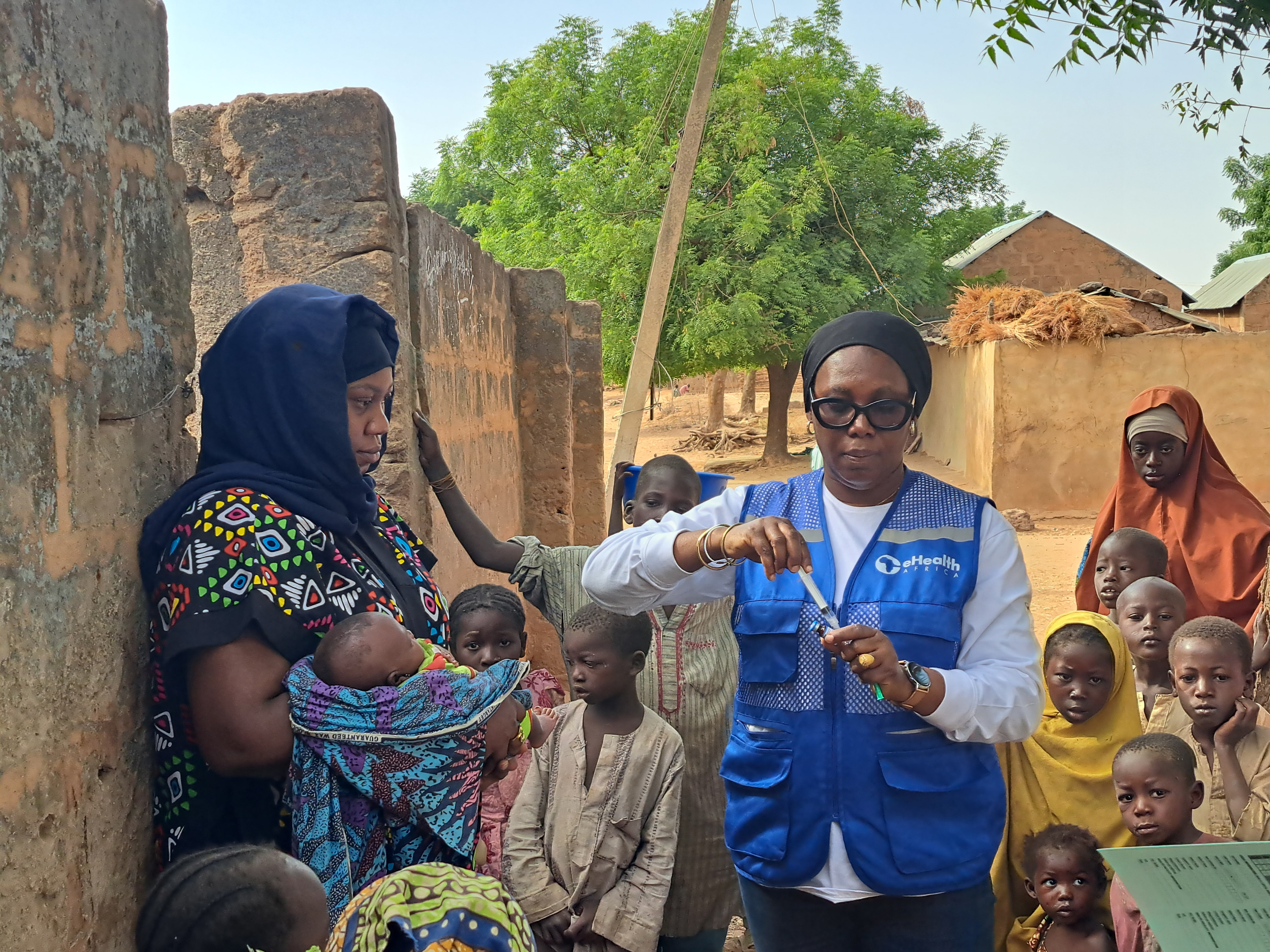
Across Nigeria’s health sector, women are often at the center of care delivery, yet far fewer are represented where critical decisions are made. From health policy to programme leadership, many of the systems shaping women’s health outcomes continue to operate without enough women in positions of influence.
The result is a gap between lived realities and decision-making, where issues affecting women and children are too often addressed without the leadership and perspectives of those most affected.
These were some of the issues explored during eHealth Africa’s 40th Insights Webinar, Give to Gain: Advancing Women’s Rights and Capacities for Sustainable Impact. Beyond advocacy, the conversation focused on what it takes to build systems where women are not only included but supported to lead, influence decisions, and improve health outcomes within their communities.
Giving Beyond Charity
For participants, “giving” extended far beyond financial support. Augustina Okpechi, Project and Communications Lead at KSH Foundation, described it as sharing time, expertise, opportunities, and access in ways that help other women grow and succeed.
Hannatu Balarabe Saidu, Project Manager for the Girl Child Programme at Maina and Kids Children Foundation, emphasized the importance of sustaining that support across generations. “The real work is reinforcing what women have always done, giving back to the very communities and younger girls who shaped them. No one reaches where they are without a woman behind them,” she said. “The task is to keep that chain alive”.
From Individual Effort to Systemic Change
Individual giving matters, but the panel was clear: systems determine scale. Nuzo Eziechi, Senior Manager, Talent and Performance Management at eHealth Africa, was blunt about the gap many organisations still face. While many women enter the workforce, significantly fewer progress into leadership positions.
She called it the “broken rung” and stressed that closing it requires more than mentorship. It demands sponsorship, deliberate leadership pipelines, and policies that reflect real life.
At eHealth Africa, these conversations are supported by deliberate workplace policies and representation goals. Women currently make up 33.3% of the workforce and 34.7% of leadership roles across the organisation.
The organisation backs these numbers with practical measures, which include flexible work arrangements, remote options, and adjusted hours for mothers returning from maternity leave. These measures help create an environment where women are better supported to balance professional growth and family responsibilities.
Making Equity Measurable and Sustainable
Another major focus of the discussion was accountability.
Nuzo emphasised treating gender equity as an organisational performance issue, not just a social goal. “Without data, equity conversations remain abstract,” she said. She stressed that organisations must measure representation, progression, pay equity, and retention, and respond intentionally to the gaps the data reveals.
Hannatu added that real change in communities requires long-term commitment: sustained funding, working through (not around) local leaders, continued education, and patience. Sustainable change, she noted, often takes years and requires consistent investment across generations.
The Way Forward
The conversation left a clear challenge: investing in women is not separate from building stronger health systems. When women are fully equipped, fully included, and fully heard, the gains are never limited to women alone. They strengthen health systems, institutions, communities, societies, and economies.
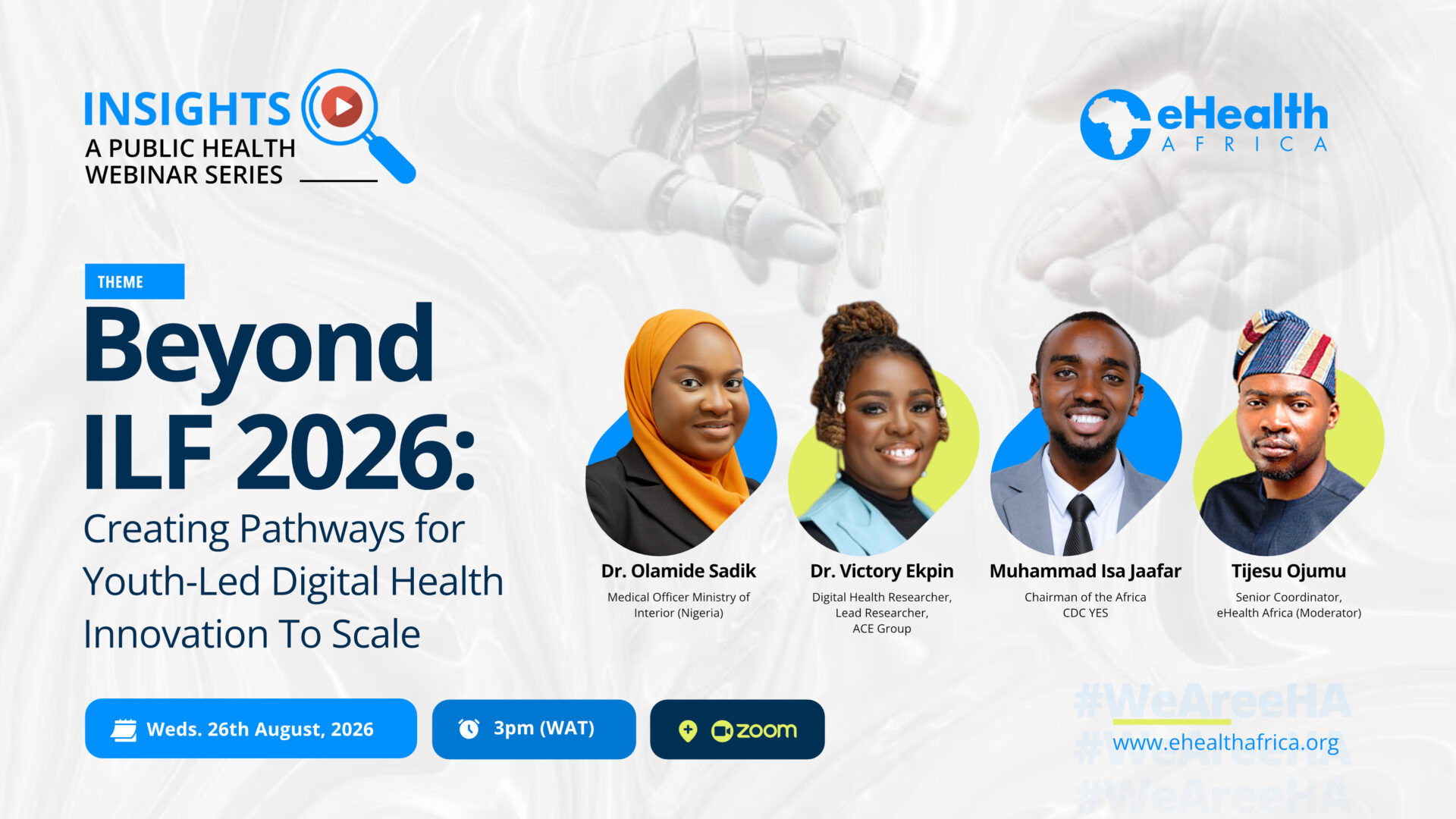
The discussion reinforced a broader truth: stronger and more resilient health systems cannot be built without intentionally investing in women’s leadership, participation, and opportunities.\n\nThrough the Insights Learning Forum (ILF), eHealth Africa continues to create spaces for conversations that connect ideas to practical action and long-term systems change.
The challenge now is moving beyond intention and building the structures, policies, and opportunities that allow gender equity to become sustainable and measurable.