May 13, 2026
How Digital Maps Are Helping Lagos Reach Every Child with Vaccines
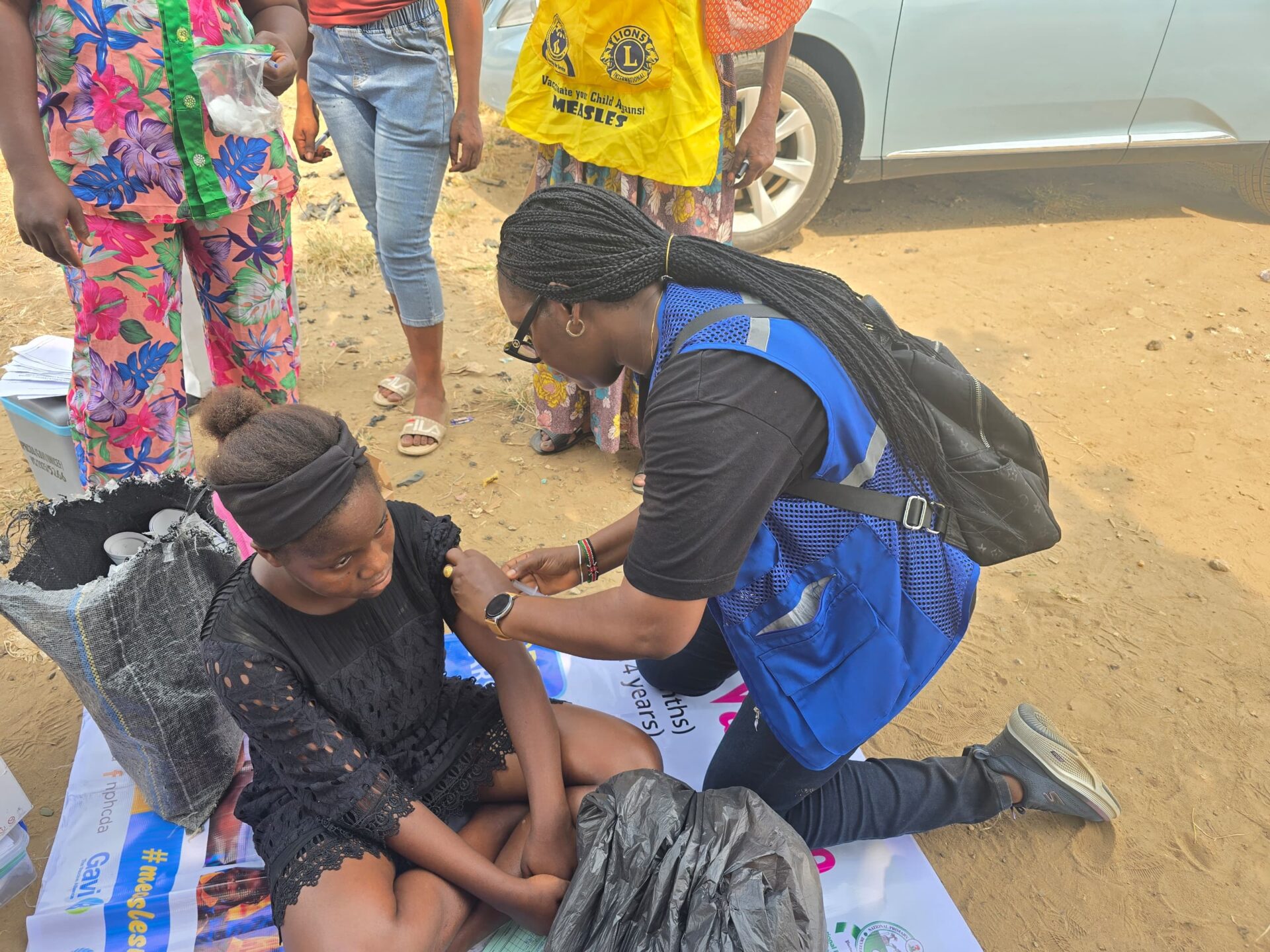

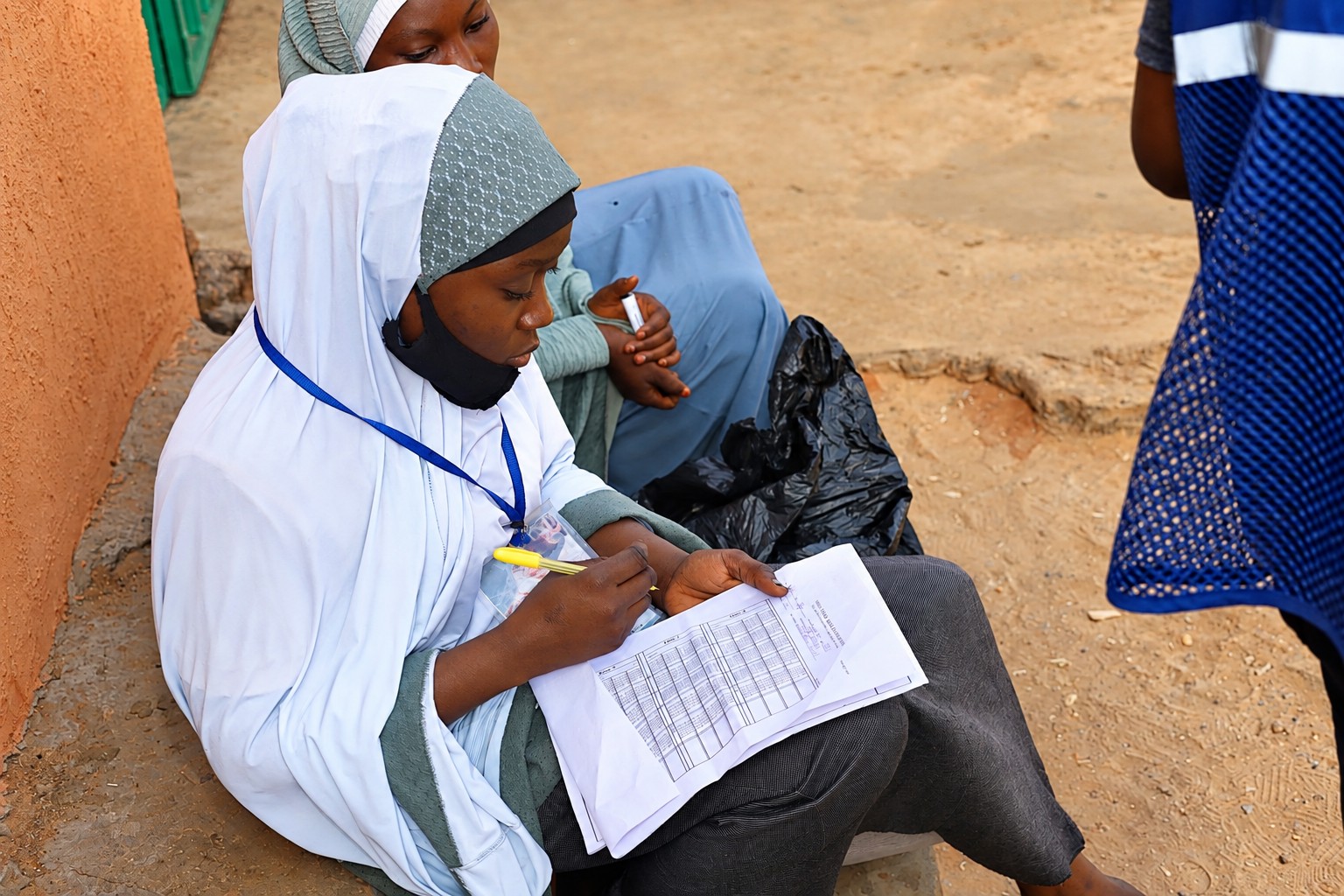
On vaccination days in Lagos, reaching every child is never simple. In communities surrounded by water, crowded by informal settlements, and rapidly expanding neighborhoods, frontline health workers often spend days trying to identify where eligible children live.
For more than 17 years, Olubukola Grace Obasa has worked to ensure children in her community do not miss life-saving vaccines. As Chief Nursing Officer at Ijede Primary Healthcare Centre and Ward Focal Person for Oke Oyinbo Ward in Ikorodu, she understands how easily entire settlements can be overlooked during immunization campaigns.
With almost her entire career dedicated to saving lives through immunization interventions, Olubukola not just leads the collection of potent vaccines but also ensures proper immunization of children. Identifying zero-dose communities and planning vaccination campaigns often required days of manual work.
Most importantly, Olubukola tries to make use of all available resources to ensure proper data collection for campaign planning and post-campaign evaluation. Planning for an immunization campaign can be a herculean task for her. In most cases, it takes close to a week of working with community mobilisers, Routine Immunization officers, and other key stakeholders to manually identify locations where eligible children can be found.
One major challenge was working with people unfamiliar with the community. “For instance, someone deployed from another area to support micro-planning may struggle to work effectively because they do not fully understand the local settlements,” Olubukola said. “With manual walkthroughs, some hard-to-reach areas can still be missed, no matter how thorough the process is.”
For Olubukola, the biggest concern was not just the workload, but the possibility of leaving children behind. “With manual walkthroughs, no matter how thorough you try to be, some areas, especially hard-to-reach locations, may still be missed,” she said.
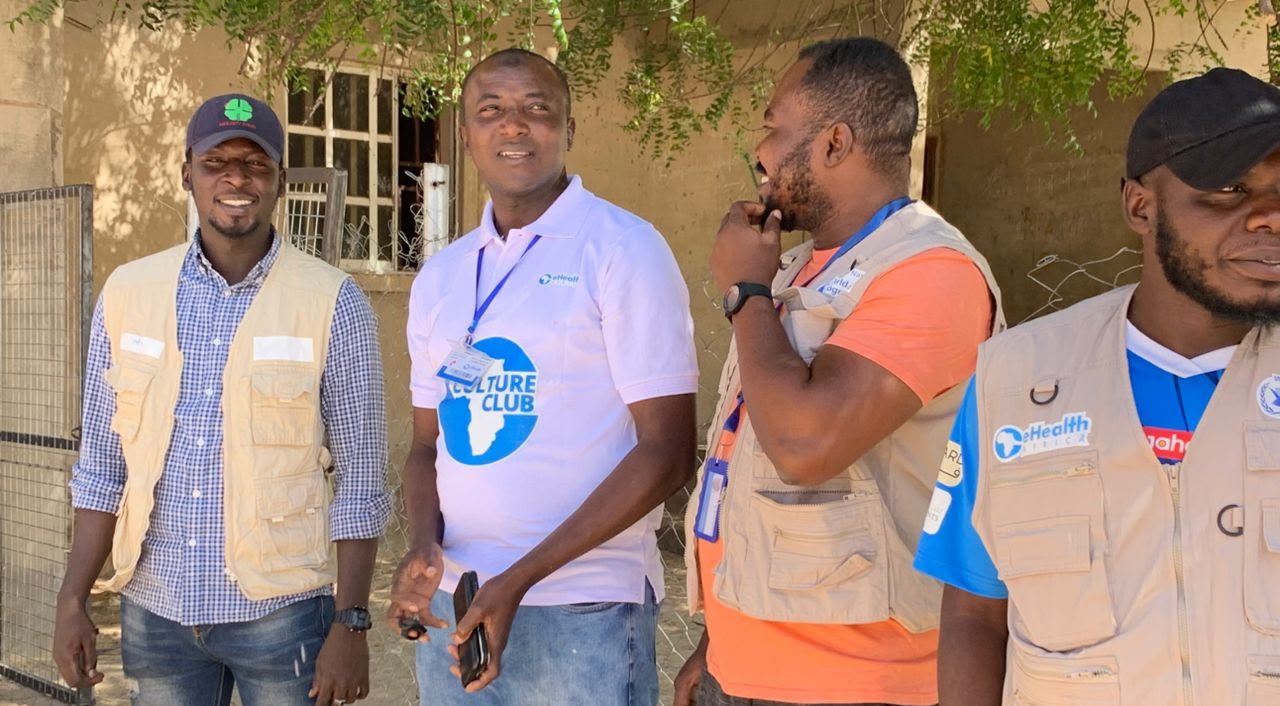
That challenge began to change in November 2025 when eHealth Africa, in partnership with UNICEF, introduced digital micro-planning tools across selected LGAs in Lagos.
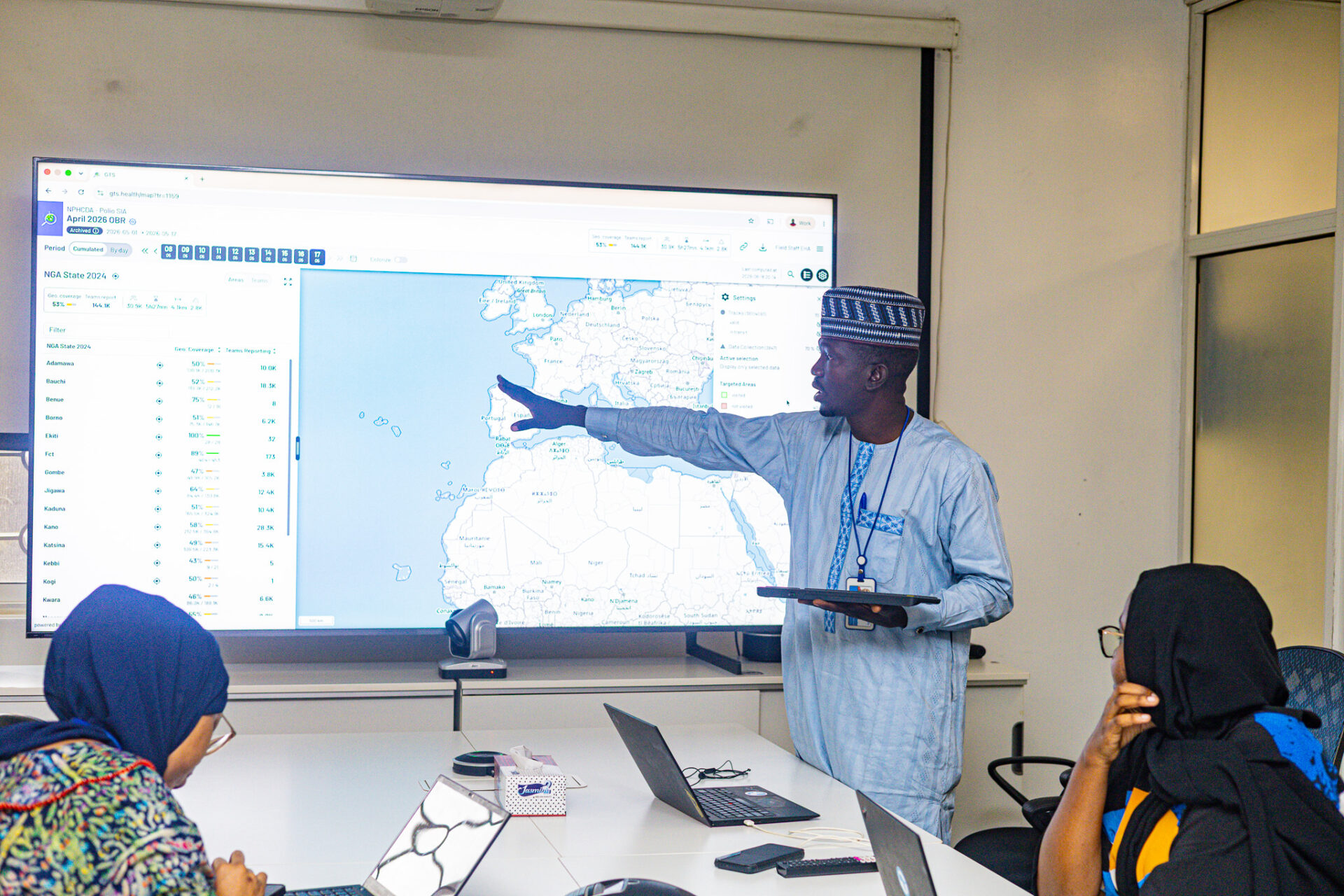
Using eHealth Africa’s GIS-enabled planning platform, PlanFeld, health teams were able to map settlements more accurately and identify zero-dose and under-immunized communities that could previously be overlooked during manual planning. The system was piloted in Lagos Mainland, Ikorodu, Kosofe, and Alimosho LGAs, where difficult terrain, dense settlements, and rapidly changing communities often make vaccination planning more challenging.
The new approach was quickly put to the test during the statewide Measles-Rubella (MR) campaign conducted from January 27 to February 5, 2026, targeting children aged 9 months to 14 years.
According to Olubukola, the digital planning process helped teams capture settlements more accurately and improved confidence in the data used for vaccine allocation. “Previously, we relied on estimates. We might expect to vaccinate 20 or 30 children in a location, but with this new system, we now have figures that match what we find on the ground,” she said.
She explained that the system also improved vaccine distribution by helping teams allocate doses more accurately based on population size. “We avoid allocating too few vaccines to densely populated areas or too many to smaller settlements. Overall, it makes the process more efficient and cost-effective,” she added.
Beyond planning, the digital tools also improved field supervision. GIS-enabled trackers allowed supervisors to monitor vaccination teams remotely and confirm that teams remained within their assigned coverage areas. “Previously, it was difficult to know if participants had moved outside their designated areas, but with trackers, this is now visible,” Olubukola said.
Similar experiences were reported in Kosofe LGA, where health workers also relied on digital maps and Daily Implementation Plans generated through PlanFeld to identify missed settlements and improve vaccination coverage.
According to Nurse Shote Emmanuella, Ward Focal Person for Orile-Oworo Primary Healthcare Centre in Kosofe LGA, the maps helped teams review daily progress and revisit locations that could not initially be reached. “If we couldn’t find a settlement because a school was unavailable or inaccessible, we planned to return the next day. The maps helped us track those missed areas and ensure no settlement was skipped,” she said.
In some cases, the maps also revealed communities that health workers did not realize extended beyond their usual coverage assumptions. “In one settlement, I initially thought there were only two or three churches. But the maps showed that the area extended further than we thought. We discovered more churches in places we would have otherwise missed and were able to vaccinate more children there,” Shote said.
For frontline health workers, the digital tools also strengthened accountability during campaign implementation. “When people know they are being tracked, they tend to be more accountable in their work. It encourages them to properly cover all assigned areas,” she added.
For health workers like Olubukola and Shote, digital micro-planning is doing more than improving logistics. It is helping ensure that children in hard-to-reach and underserved communities are not missed during immunization campaigns, regardless of where they live.