From Maps to Decisions: How eHealth Africa and Bayero University Are Strengthening Geospatial Capacity in Kano

By Azeez-Ayodele Fatimah Ayotemitide

In a rural community in Kano, health workers may know that children are missing routine immunization, but without knowing exactly where those children live, response efforts can remain slow and incomplete.

Teams may understand what is happening, but not always where it is happening, where gaps persist, or how to respond with precision. In public health, that missing layer matters. Disease outbreaks spread across locations, and immunisation gaps often emerge in specific settlements. Without spatial intelligence, even strong data may fall short of driving effective action.

This challenge is not unique to Kano. Across many health systems, data is collected routinely but is not always translated into practical decisions that improve service delivery.

This reality informed the need for a Geospatial Curriculum for Health Professionals, a competency-based learning programme designed to help health workers apply geospatial tools to planning, surveillance, emergency response, and resource allocation.

Building Long-Term Geospatial Capacity

Across Nigeria, geospatial training has often happened in fragments, delivered through isolated programmes tied to short-term project cycles and rarely embedded into the institutions that shape long-term workforce development. eHealth Africa worked with Bayero University Kano’s Centre for Dryland Agriculture (CDA) to co-develop a competency-based curriculum that can outlast a single project. 

Supported by the Umbrella Fund, the collaboration aims to embed geospatial learning within academic and professional systems that can continue producing skilled public health workers over time.

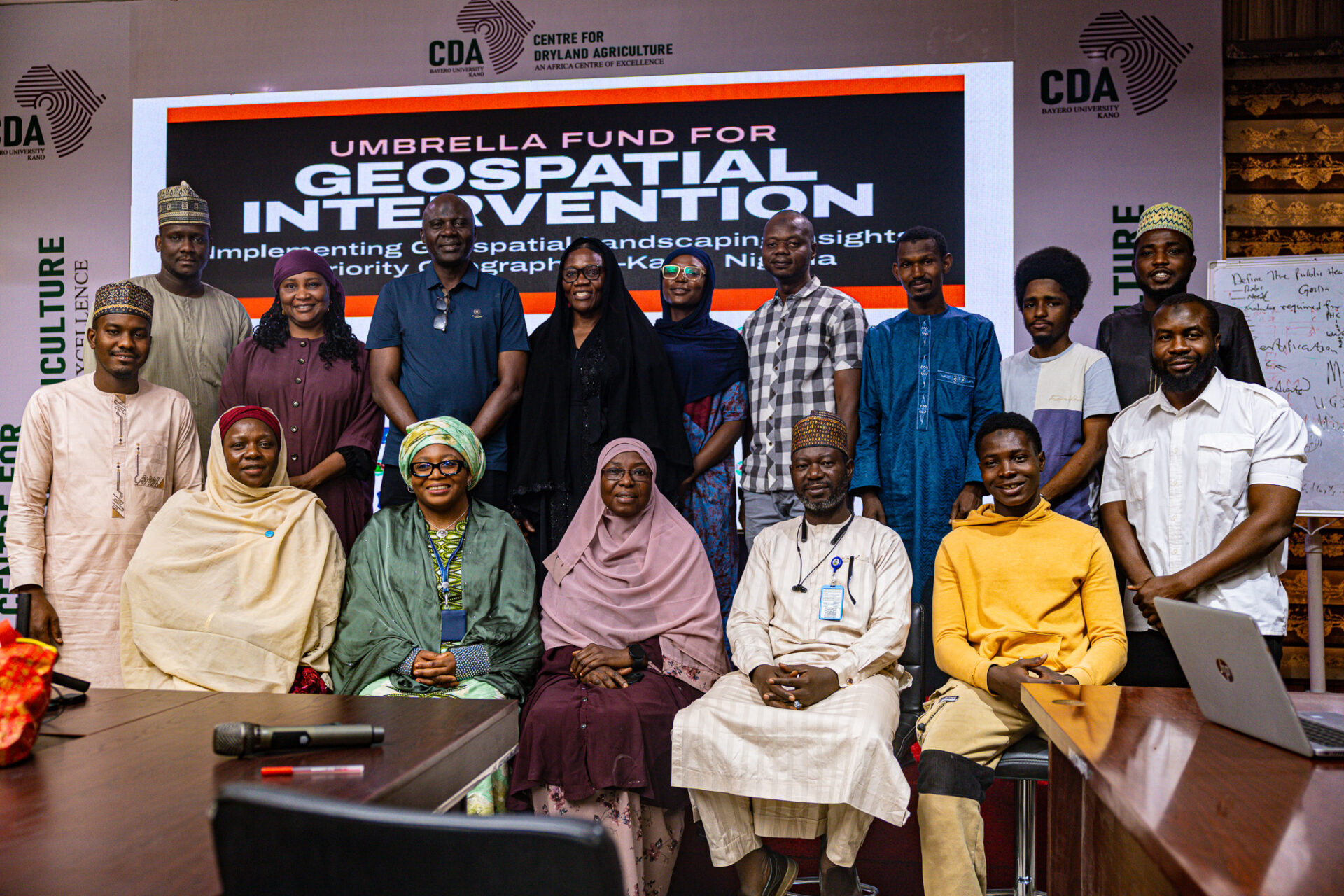
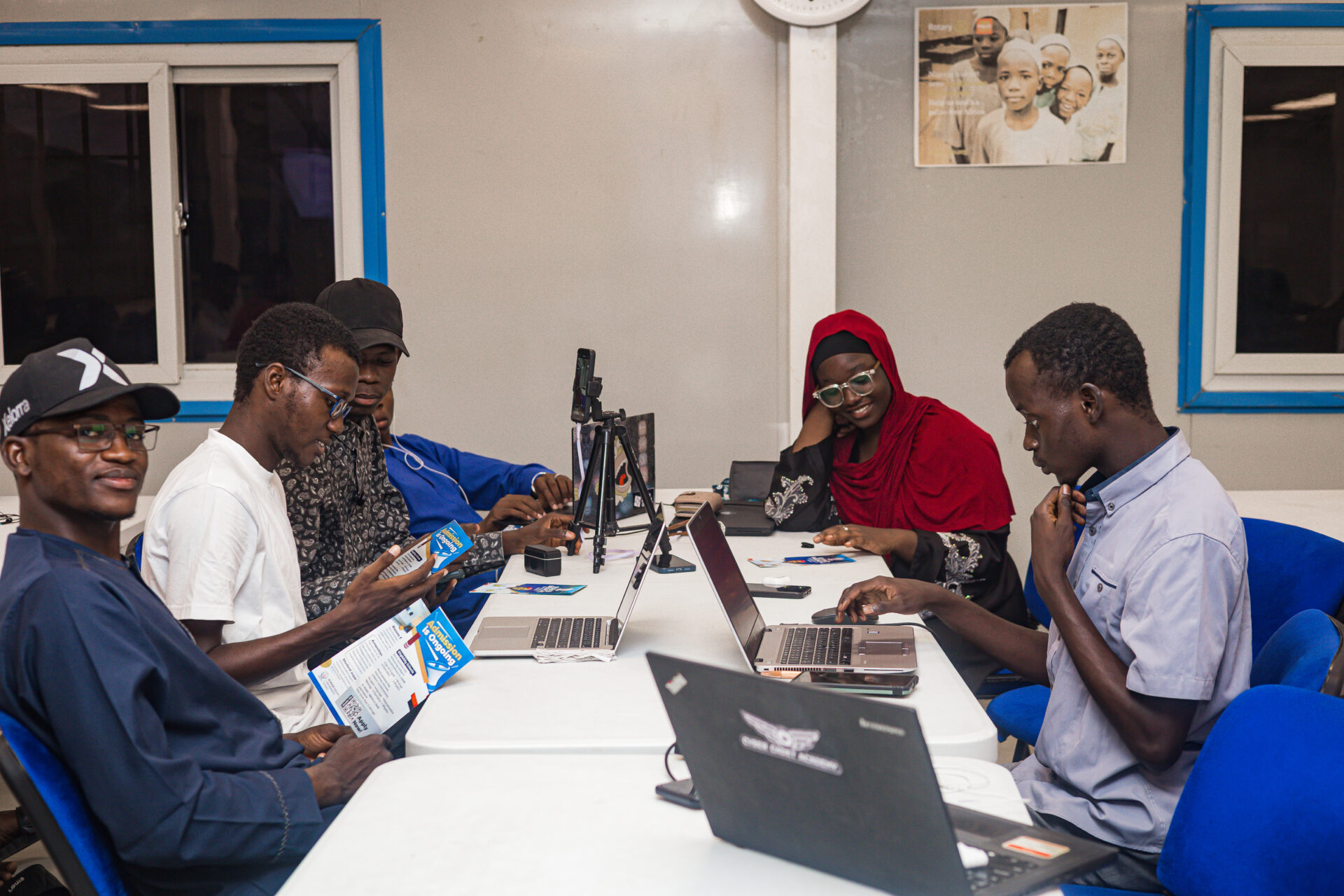
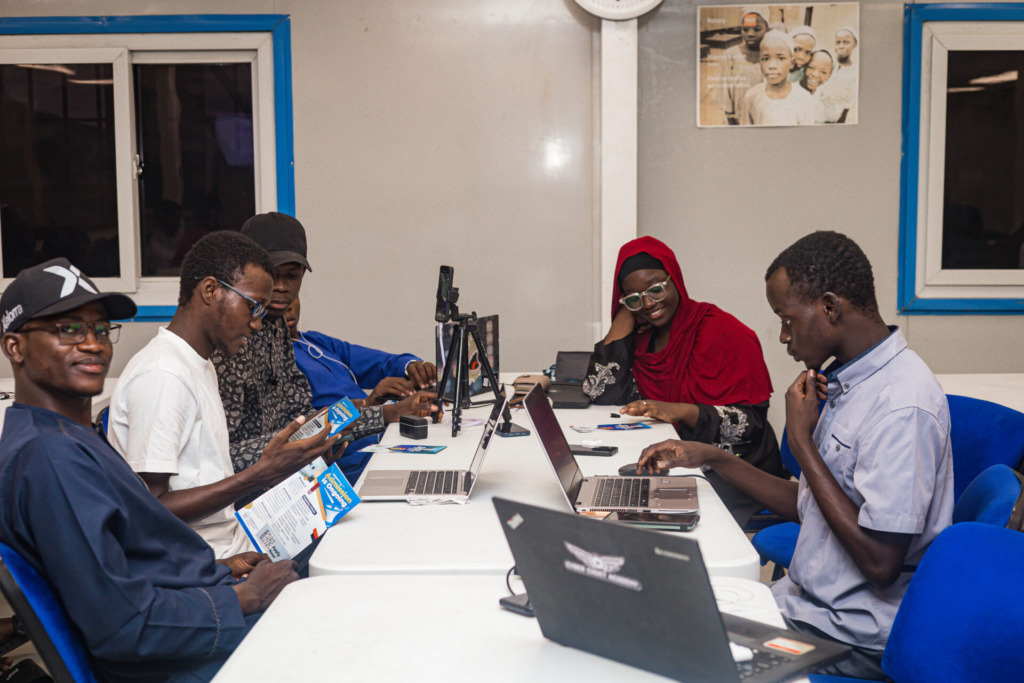
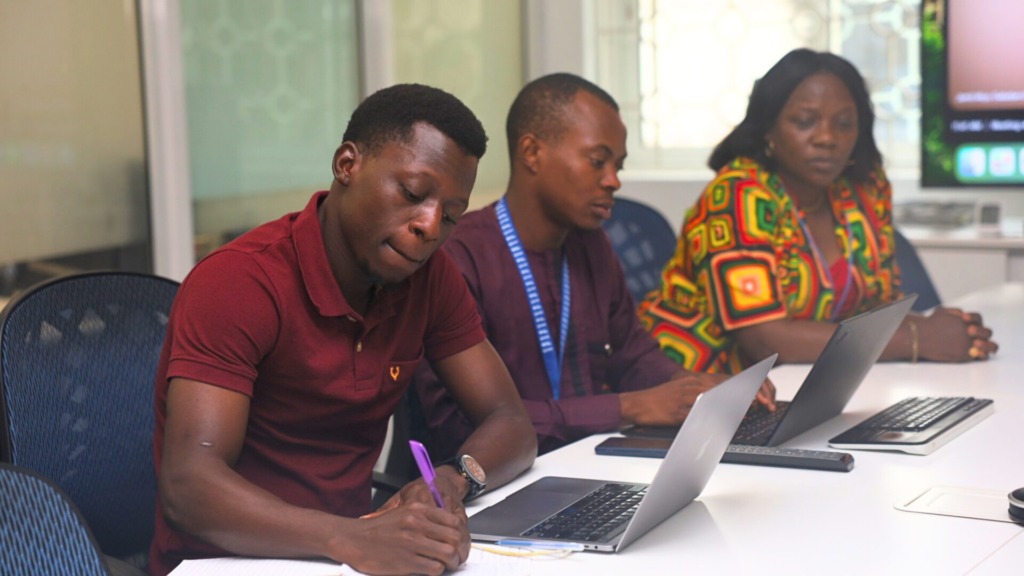
eHealth Africa and Bayero University Kano piloted the first delivery of the curriculum, training 41 participants across the Basic, Intermediate, and Advanced certification tracks. The pilot brought together health professionals from government institutions and partner organisations for hands-on training in practical geospatial tools and workflows.

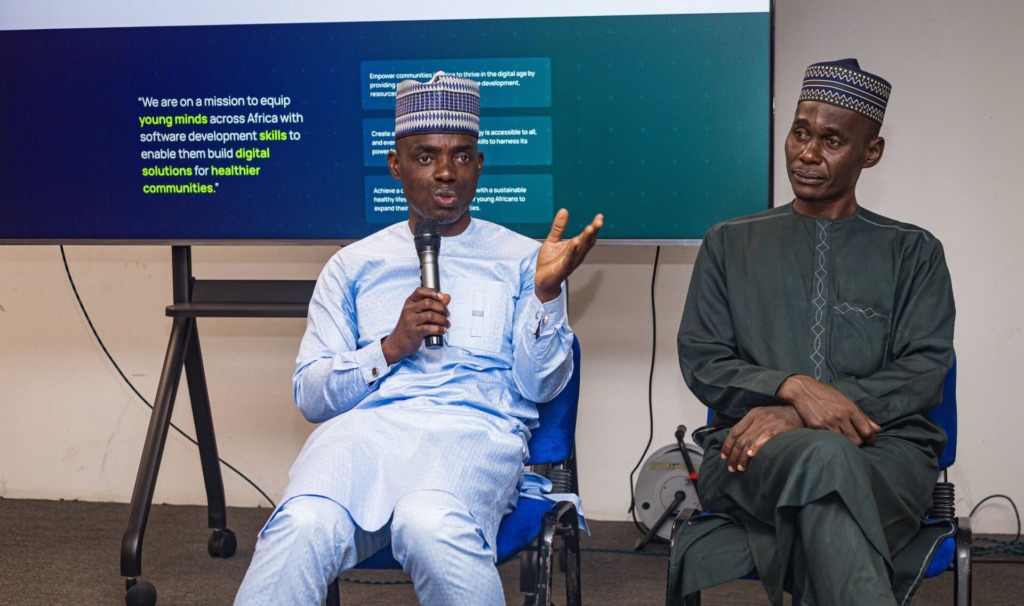
Victor Idakwo, Associate Manager, GIS & Data Analytics at eHealth Africa, explained: “Before this time, we had geospatial learning and training done in silos. That informed the project itself to have a standardised curriculum formulated and training handled by an accredited university in Nigeria. Instead of having training across different organisations, all the organisations can now come to a single place to receive the training.”

For Bayero University, the same shift is central. As Professor Murtala Mohammed Badamasi, Deputy Director at the Centre for Dryland Agriculture, noted: “Bayero University was willing to institutionalise this particular curriculum. We developed the curriculum together, co-designing and developing it together. And then we are now institutionalising it as part and parcel of the courses that will be run by the Centre for Dryland Agriculture.”

A curriculum designed for how health systems actually work

The Geospatial Curriculum for Health Professionals was intentionally designed around the realities of public health operations. It is a health-focused programme built around the decisions health workers make every day. 

The curriculum includes 11 modules delivered across three certification levels: Basic, Intermediate, and Advanced, and aligns learning to the different tiers of the health system, from primary healthcare and ward-level functions to local government and state-level planning. Participants learn practical tools, including the Global Positioning System (GPS) data collection, Quantum Geographic Information System (QGIS), digital data collection platforms, spatial analysis, and map use for routine decision-making.

The design also reflects the cross-sector nature of public health. Comfort Audu, Project Manager at eHealth Africa, noted during the pilot: “The initiative is timely as it has brought together participants from various Ministries, departments”, “and Agencies like NAFDAC, Veterinary, digital Health, Environment, and Food and Drugs, which forms the new trend of One Health.”

Early signs of operational relevance

What makes this work especially promising is how quickly participants began connecting geospatial tools to real health system needs. For some, the value was in replacing manual, paper-heavy processes with more efficient digital methods. For others, it was in seeing how tools like QGIS could strengthen immunisation tracking, campaign planning, and service coverage analysis.

Kasim Ibrahim of the National Agency for Food and Drug Administration and Control (NAFDAC), who joined the Basic class, described the training as an entry point into a new way of working: “Before this programme, I had zero idea. The only thing I used partially was Google Maps.” 

After the training, he said, “It has significantly shown me that with these tools, we can get better data and enhance field activities. Before now, we used analogue methods, paper and pen, which are prone to many errors.”

Building beyond the pilot

The long-term success of this initiative will not be measured only by the number of people trained in a single cohort. It will be measured by whether geospatial capacity becomes embedded in routine health system functions and whether institutions can continue producing that capacity over time.

That is why the partnership with Bayero University remains central. The Memorandum of Agreement signals a shared commitment to creating an institutional home for this work, one that can support curriculum refinement, future cohorts, and broader adoption over time.

This is how systems change begins: not with isolated moments of learning, but with structures that make learning durable.

Professor Murtala Mohammed Badamasi captured the logic clearly: “Partnership allows for synergy in terms of collaboration and the delivery of practice. This is where the partnership between non-governmental organisations and academia allows for the cross-fertilization of ideas.”

The long-term value of geospatial learning lies not only in collecting more data, but in helping health workers use that data more effectively. By moving geospatial training beyond short-term workshops and embedding it within an institutional framework, eHealth Africa and Bayero University are helping strengthen a workforce that can make more informed, location-driven public health decisions. Ultimately, stronger health systems depend not only on information but on the ability to turn information into action.

What does it mean to “stand with science”? 

Joyce Shinyi

World Health Day 2026 was marked globally under the theme “Together for Health. Stand with Science.” Across platforms, governments, organisations, and health advocates highlighted the importance of science, collaboration, and innovation in shaping the future of global health.  Key stakeholders emphasised the importance of evidence, collaboration, and the future of global health. 

Yet supporting science requires more than advocacy alone. It also requires investment in the infrastructure that allows science to function effectively.

In Africa, that gap between what we celebrate and what we actually invest in shows up in delayed results, missed outbreaks, and diseases that spread further than they should. To stand with science is to recognise that advocacy and infrastructure are two sides of the same coin; one makes the promise while the other delivers it.

Where it all begins: The Lab

In public health, we often prioritise what is visible: the clinic, the bedside, and the treatment. But effective healthcare begins long before treatment is provided.. Before a healthcare provider can treat an illness, they have to know what they are fighting, and before a government can mobilise a response, a scientist has to confirm the threat. Laboratories remain one of the most critical, yet underfunded, components of many health systems.

A 2023 Africa CDC survey found that 85% of African countries cited inconsistent laboratory supplies as their primary challenge to diagnostic capacity, followed by inadequate infrastructure (45%) and limited government funding (43%). In 2023 alone, Africa recorded 180 public health emergencies, 90% of which were infectious diseases. Without functional and well-equipped laboratories, responses to public health emergencies are significantly weakened. 

Take polio, for example; most people assume it is essentially a solved problem, but the truth is, it is not. Between January 2023 and June 2024, 74 circulating vaccine-derived poliovirus outbreaks were confirmed across 39 countries, predominantly in Africa, resulting in 672 confirmed cases of paralysis, most of them children under five.

These outbreaks persist not because solutions do not exist, but because the infrastructure required to deploy those solutions consistently is still inadequate in many settings.

Speaking during a high-level radio programme to commemorate World Health Day, eHealth Africa’s deputy director of partnerships and programs, Dr David Akpan, emphasised that science is a discovery that produces consistent results through laboratories, which can be replicated and given wider application. 

He said, “For any aspect of digital health to succeed, everyone in the population must have access to the necessary digital and physical infrastructure. This, no doubt, includes functional laboratories.”

Citing recent examples, Dr David reflected on the response to the COVID-19 pandemic, saying, “The rapid response was only possible because laboratories were equipped and ready to generate actionable evidence.”

In a similar vein, the World Health Organisation (WHO) emphasises that interrupting transmission requires timely responses. A timely response often depends on how quickly samples can reach laboratories with the equipment needed to analyse them. This is because, if a sample has to cross borders just to be read, then the response is already too late. 

Moving beyond the hashtags

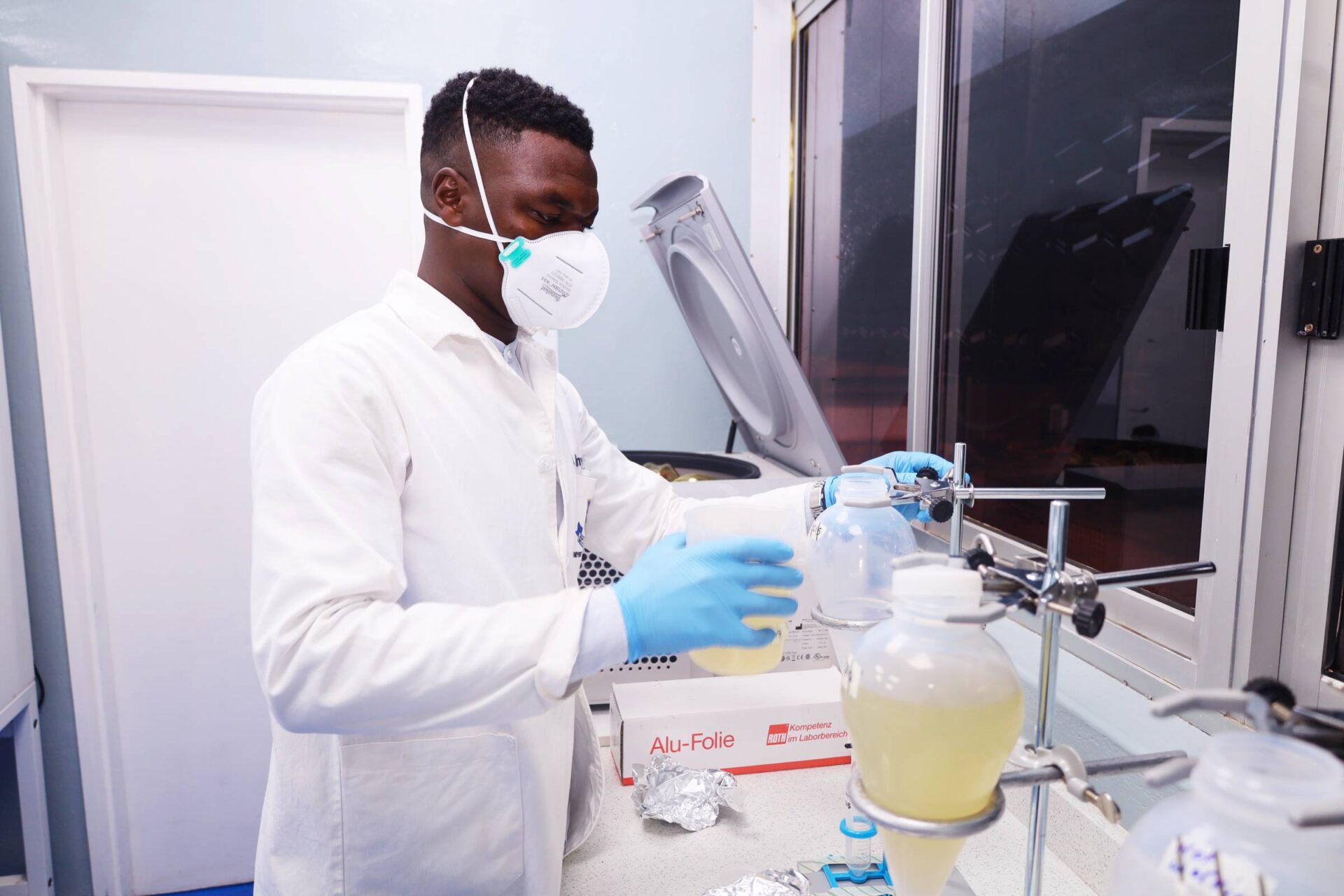
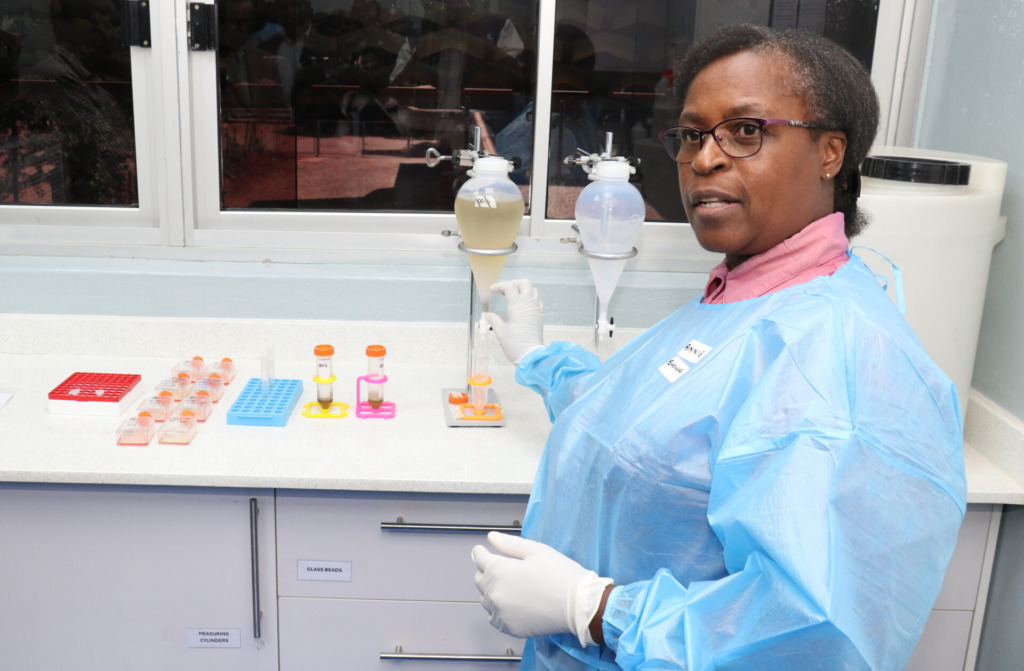
Organisations like eHealth Africa understand the importance of both advocacy and implementation. This informs the driving force behind eHealth Africa’s  Laboratory Infrastructure and Procurement Strengthening (LIPS) intervention. With funding from the Gates Foundation and in coordination with the World Health Organisation Regional Office for Africa (WHO AFRO), eHealth Africa is supporting 16 laboratories in 15 countries across Africa, with 9 labs already completed and handed over. 

Across countries in sub-Saharan Africa, we have renovated and commissioned laboratories, not because it is the most visible work but because we believe that to strengthen health systems, we must first strengthen their foundation: the lab. Advocacy must ultimately translate into practical investments that strengthen health systems. 

Research published in PLOS Global Public Health puts it plainly: for Africa to achieve diagnostic self-sufficiency, countries need targeted investment in their own laboratory infrastructure. Diagnostic self-sufficiency is the condition that makes surveillance, response, containment, and eradication work.

Evidence in Action: The UTH Virology Lab, Zambia

To stand with science is to build. In April 2026, the WHO Regional Office for Africa (WHO AFRO), in collaboration with eHealth Africa and the Zambian Ministry of Health, officially handed over the upgraded Virology Laboratory at the University Teaching Hospital (UTH) in Lusaka. We transformed a single-story facility into a state-of-the-art, two-storey building; we added 23 new units, including specialised sequencing labs, environmental surveillance rooms, and advanced ICT infrastructure. This lab is now equipped to conduct genomic sequencing in-country, ensuring that when poliovirus or other pathogens are detected, Zambia has the “diagnostic self-sufficiency” to respond immediately, without waiting for samples to cross borders.

As the momentum of World Health Day 2026 recedes and the public conversation shifts, the global health community must confront a difficult question: “What have we done to show that we stand with science?”

“Standing with science” means investing in the systems that allow scientific evidence to translate into timely public health action. It means strengthening laboratories, improving diagnostic capacity, and ensuring that countries can respond quickly and effectively when outbreaks occur.

How eHealth Africa and Desert Sky Exploration Are Driving Local Innovation with NASA Space Apps Challenge

Moshood Isah

More than half of the world’s population growth between now and 2050 will take place in Africa, where 1.3-billion people are expected to be born by mid-century.  This potential growth unfortunately doesn’t seem to match digital technological skills needed to ensure this growing population fulfills its potential. 

The ‘Africa’s Tech Skills Scarcity Revealed‘ report found that a lack of skills is having a negative effect on the continent’s digital transformation efforts. Organizations from Africa in this vein have continued to make concerted effort to bridge these gaps. In northern Nigeria, eHealth Africa and Desert Sky Exploration  are taking bold steps to provide platforms for young people through the NASA apps challenge

As part of its commitment to driving digital innovation across Africa, eHealth Africa (eHA) continues to champion this initiative as a strategic platform for empowering local talent and strengthening the innovation ecosystem in Kano State and across Nigeria. For the third consecutive year, eHA has proudly supported the NASA Space Apps Challenge; Kano State Chapter, not only by providing a digitally equipped facility but also by engaging digital experts to serve as chief judges for the challenge.

The global innovation event is regarded as the world’s largest annual hackathon, bringing together problem-solvers, developers, designers, and storytellers to create open-source solutions that address some of Earth’s most pressing challenges.

Speaking on the partnership between eHealth Africa and Desert Sky Exploration for the NASA Space Apps Challenge, the Deputy Director of Global Health Informatics, Abdulhamid Yahaya, said that supporting the challenge is a strategic investment in the future of local innovation. He noted that the event provides a global platform for young developers, data scientists, and creatives in Kano to work with real NASA data, apply digital tools, and co-create solutions with global relevance.

He explained, “By supporting this initiative, eHA helps to foster a culture of innovation that encourages data-driven thinking and collaborative problem-solving — building digital skills among youth and equipping them for future opportunities in technology, health, and development.”

According to him, “This intervention bridges global and local knowledge ecosystems, bringing world-class opportunities to communities that are often left out of global conversations.”

He added, “Similarly, by connecting participants with mentors, government stakeholders, academia, and the private sector, eHealth Africa helps create an ecosystem that sustains innovation beyond a single event.”

In a similar vein, the Local Lead for Kano State, Abdul Gumel, said the NASA Space Apps Challenge is “beyond just a competition; it is a catalyst that gives young people the opportunity to collaborate and develop innovative solutions that can be transformed into real-time, problem-solving products.”

According to him, “eHealth Africa’s partnership remains instrumental, especially in areas such as climate change, health, and other technologically driven sectors.”

Participants are mainly young, enthusiastic individuals, students and budding innovators who are ready to take bold steps toward change. One such participant is Aliyu Usman Bello, a Pharmacy student at Bayero University, Kano. Concerned about the devastation caused by floods in communities such as Mubi, Adamawa State, Aliyu and his team decided to work on a weather prediction system that could forecast conditions in advance.

He said, “We’re trying to build something that will last for five, ten, even twenty years — something that helps us understand how the climate and environmental landscape will evolve in the coming years and enables people to prepare for those changes in advance.”

Aliyu is excited about the networking opportunities and the chance to collaborate on innovative ideas with his team members and colleagues from other groups.

On her part, Odika Ayomide, a chemical engineer, expressed her excitement at being able to use NASA’s Space Apps open data to solve real-world problems.


She explained, “Our project focuses on identifying waste accumulation hotspots, improving coordination between communities and waste management agencies, and implementing efficient waste pickup systems.”

According to her, the goal is to make waste management smarter and more sustainable — helping cities stay cleaner while promoting community engagement and data-driven decision-making.

Looking ahead, Abdulhamid Yahaya noted that there will be post-event incubation and mentorship opportunities to support winning and promising teams through technical guidance, access to data, and coaching to refine and deploy their solutions. He added, “There is also the potential to connect innovators with funding opportunities and collaborators who can help scale their ideas into operational projects.”

The NASA Space Apps Challenge represents more than just an event — it is a movement of thinkers, builders, and changemakers united by curiosity and creativity. For eHealth Africa, being part of this journey reflects its broader commitment to empowering communities through data, innovation, and technology. As eHA continues to champion this initiative, the organization reaffirms its belief that when innovation is inclusive, local, and purpose-driven, the possibilities are limitless.

From Pears and Apples to Purpose: The Shared Journey of an Internship Cohort at eHealth Africa

Azeez-Ayodele Fatimah Ayotemitide

I have a confession: I came to eHealth Africa for the free pears and apples. It’s an honest truth I’ll carry with me. 

At my very first eHealth Africa program, I noticed the perks and thought, “Well,  that’s a nice little bonus.” But when the internship application opened a few months later, it presented itself as more than just a place with healthy snacks; it was a chance to practice my craft of visual storytelling, learn, and grow.

We are often taught that an internship is a brief foray into the professional world, a structured stepping stone where you mostly observe and assist. The reality of this internship, however, has been different. It has been a full-immersion experience that challenges the very notion of what building a career entails. Every project became a lesson in nuance, every challenge an opportunity to grow, and each of us has a story to tell. We came in as individuals, but we stand as a cohort, carrying forward the lessons that will define our professional journeys.

The Storytellers

My journey as a videographer quickly expanded as I was pushed to embody a communications professional. I learned that storytelling goes far beyond the lens, extending into the very essence of a project’s life and impact. With the Post Distribution Monitoring project (PDM), I wasn’t physically on the ground, but I lived the experience through my screen, watching the interviews and feeling the struggles of the enumerators. With SARMAAN (Safety and antimicrobial resistance of mass administration of azithromycin among children aged 1–11 months in Nigeria), I had the privilege of seeing the lives of the data collectors and partners unfold, both in the field and through the screen, learning to relay the impact in words and visuals that the world could see and understand. This is a story of living the mission firsthand, and I know it is a sentiment shared by my peers.

The Developers

For Abba Daniel, now an Associate, Software Developer with eHealth Africa, the program was a direct pipeline from learning to impact. He started out simply as  an attendee of the eHA Academy, but his passion and drive led him to this internship and onward into a full-fledged role. “The reality has been even better than I imagined,” he said, “I have actually been given the chance to work on meaningful tasks, collaborate with a supportive team, and contribute directly to real projects.” Abba’s journey does not end as a developer, he is also a mentor to the next cohort of the Academy, proving that the best way to learn is to teach.

The Detail-Oriented

For Abduljalal Usman, our Finance Intern, stepping into the Finance team came with surprises he hadn’t anticipated. The level of responsibility and trust placed in him went beyond his expectations. “I had the chance to work on meaningful tasks that contributed to ongoing projects rather than just observing from the sidelines.” He faced the challenge of handling complex and complicated financial documents, but with the support of his team, he learned to carefully review details and communicate for clarification, solidifying the crucial skill of attention to detail and accountability.

The Organizers

According to Hanifa Shuaib, our Program Delivery Intern, the program taught her that “meaningful impact often comes from teamwork and small, consistent contributions that add up to real change.” She actively participated in projects like SARMAAN II, supporting coordination and documentation. Hanifa credits her supervisors for helping her overcome the challenge of juggling multiple tasks by teaching her to prioritize and communicate her needs early.

A Shared Valuable Conclusion

This internship has been nothing short of transformative. We learned that public health and technology are not just concepts but living systems, rooted in people, stories, and innovation. 

For me, the greatest lesson was learning to listen to learn, not just to reply – value woven into the culture of eHealth Africa. Here, everyone matters, and standing still means falling behind. You must grow!

This is the true return on investment. Not just for us as interns, but for eHealth Africa and its partners. This journey turned us from learners into doers, ready to contribute to a healthier, more connected Africa. 

And to think, for me, it all started with free pears and apples.

Azeez-Ayodele Fatimah is a Communications Intern with eHealth Africa

5 Big Lessons from Insights Learning Forum 2025 

Moshood Isah

In 2024, the digital health industry attracted $10.1 billion in venture capital funding, a slight dip from $10.8 billion in 2023, yet still above the total raised in 2019. According to Rock Health’s latest Digital Health Funding Report, startups secured $1.8 billion in venture funding across 118 deals in Q4 2024 alone. 

Yet behind these big numbers lie smaller, more urgent stories like local clinics still running on paper, communities without reliable internet, and health workers who have never touched a digital dashboard. In many places, digital solutions remain dependent on external funding, raising hard questions about how long they can last.

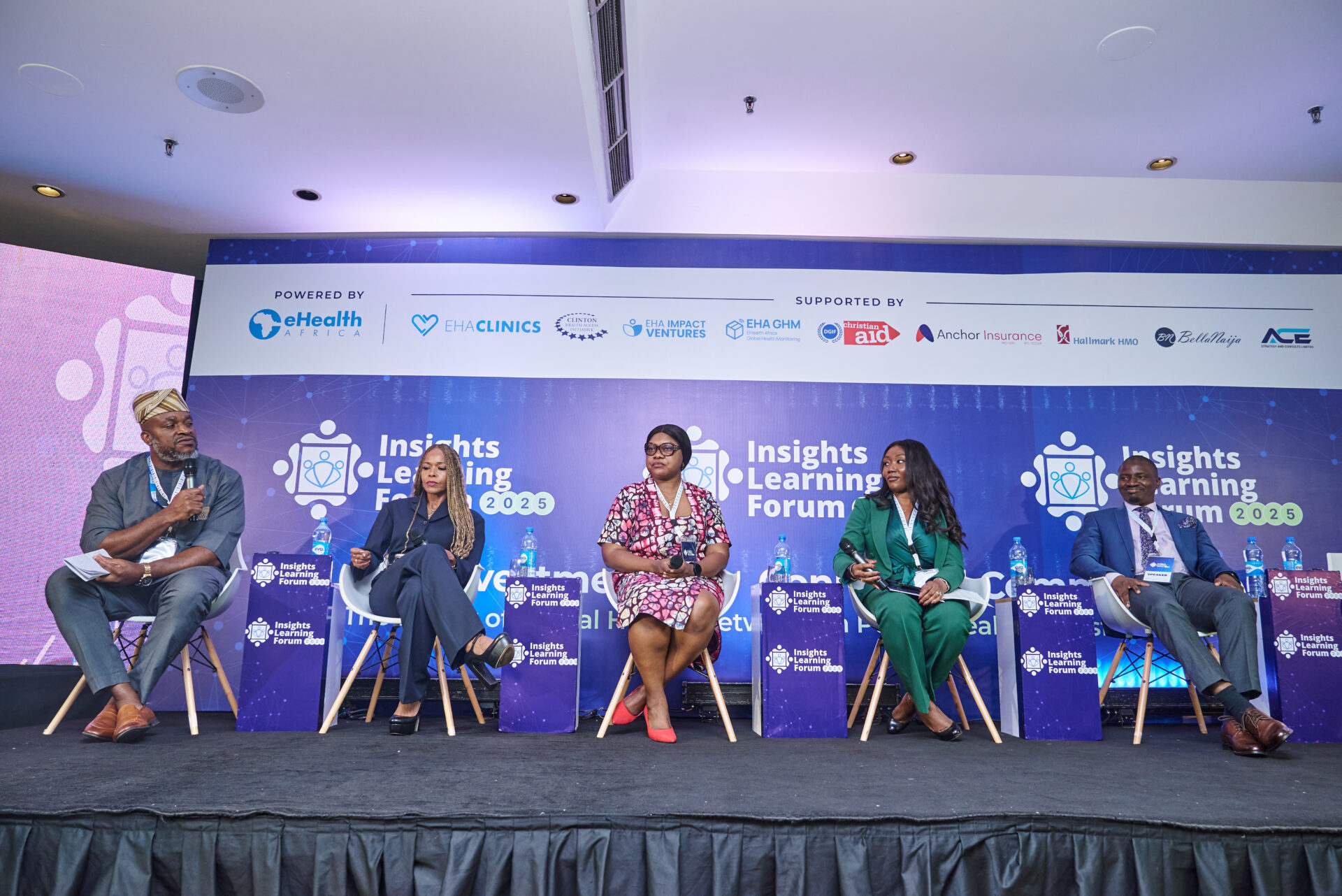
These realities and more shaped the discussions at the just-concluded Insights Learning Forum (ILF), where industry leaders, government officials, private sector stakeholders, and innovators gathered to discuss these challenges. From the robust conversations, here are my Top 5 Lessons from ILF 2025:

1-   Local Investment in Digital Health is Key to Sustainable Health Outcomes

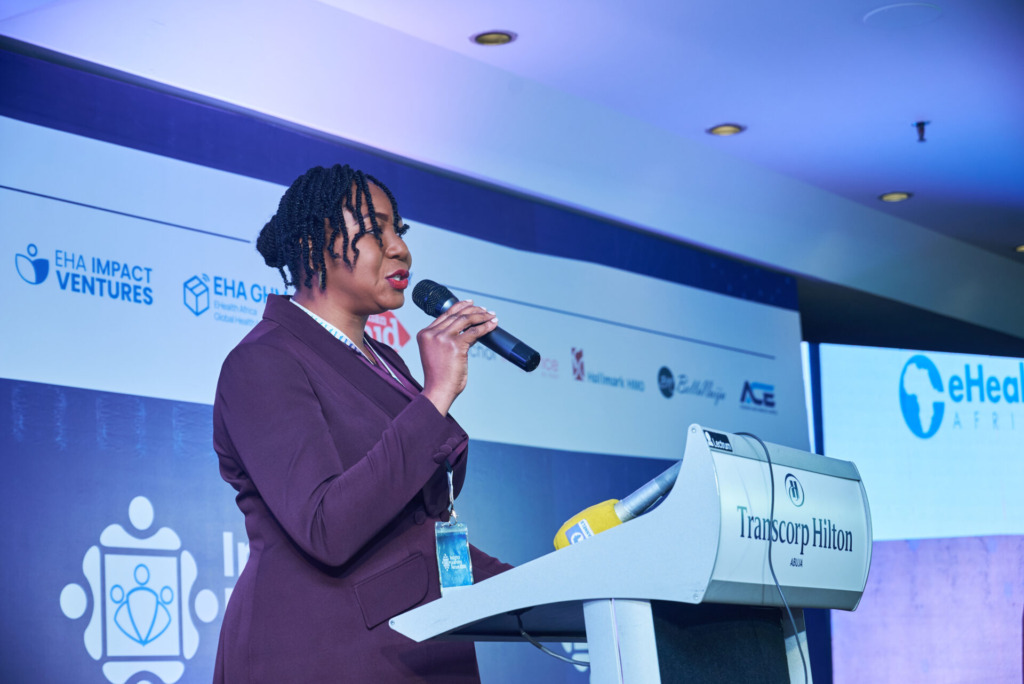
Ota Akhigbe giving an opening remark during ILF 2025

ILF put a spotlight on a critical challenge: the over-dependence on external funding for digital health interventions. In Nigeria, for example, up to 70% of digital health funding comes from external sources, while sustainable local funding streams remain scarce. This gap often leads to fragmented care, underutilized platforms, and persistent challenges in addressing local public health needs.

Ota Akhigbe, Director of Partnerships and Programs at eHealth Africa, framed the issue clearly: “Transformation does not begin with flashy tools or external funding but with local commitment and communities choosing to own their health future and backing that choice with investment.”

She stressed that investment is not just financial; it also means leadership, trust, and long-term commitment. Her call to action was clear: governments must integrate digital health into annual plans and budgets, adding: “Digital health is no longer a theory; it’s happening now”, she noted. We have platforms tracking vaccine delivery, flagging outbreaks, linking clinics to specialists, and delivering test results. The time has come to ensure these systems last.”

2-   Digital Solutions Must Match Local Realities and National Priorities

A recurring message from ILF was that digital health initiatives often fail to endure because they are not designed for the communities we serve. Without alignment to local contexts and national strategies, even well-funded projects risk becoming irrelevant.

Mories Atoki, CEO of African Business Coalition (ABC) Health, urged a shift in approach: “Let’s talk about what we want. Let’s speak up. Let’s help the public and private sectors understand how to work together. Let’s support innovation and knowledge sharing. We must collaborate more and align stakeholders with national priorities.”  The forum reinforced the need to scale digital solutions responsibly and in alignment with community needs.

3- Collaboration : Teamwork Makes the Health Work

ILF’s journey from a modest monthly webinar to a flagship industry event demonstrates the power of partnership.  As Atef Fawaz, Executive Director of eHealth Africa, noted: “ILF began as a simple webinar, and today, it’s grown through the strong commitment of our partners. We look forward to even greater collaboration aligned with government policies and national priorities.”

Dr. Gafar Alawode, CEO of Development Governance International (DGI Consult), echoed this sentiment: “We must adopt a multisectoral approach to digital health—where the government leads and the private sector supports—to build systems that truly serve the people. Digital optimization means delivering the right solution at the right place and time; a goal only possible through strong cross-sector partnerships.”

4 — State Must Rise to Challenge of Health in Fund and Leadership

Sustainable digital health requires more than donor grants, it demands decisive government leadership. Dr. Muntaqa Umar-Sadiq, National Coordinator of the Sector-Wide Coordinating Office-Programme Management Unit (SCO-PMU) for the Nigeria Health Sector Renewal Investment Initiative (NHSRII), emphasized this point saying, “The government has made digital health a key part of its unified health plan. We also have stakeholders present today who are dedicated to developing country-owned, locally led solutions that leverage innovation in both service delivery and health technology.” He noted that ongoing digital health discussions should build consensus and integrate the many fragmented initiatives currently operating in the country.

5- Sexual and Reproductive Health Rights (SRHR) Need Funding and Reforms

Gaps in sexual and reproductive health rights (SRHR) persist due to chronic underfunding, policy gaps, and cultural barriers. During a panel on “The Role of Digital Tools and Innovative Financing Models in Expanding Access to Sexual Reproductive Health Rights”, Charles Usie, Country Director at Plan International Nigeria, highlighted the imbalance: “We are dealing with an issue of unequal power. Women and girls do not have the same authority men enjoy. That’s why we have more condoms than sanitary pads because of who makes the decisions.” Panelists urged the government to prioritize tackling maternal mortality, teenage pregnancy, and gender-based violence, while also leveraging digital tools to improve access to reproductive health services.

A Call to Action

The Insights Learning Forum 2025 made it clear: sustainable digital health is not about technology alone, it’s about people, policy, and partnerships. From mobilizing local investment to designing context-specific solutions, from strengthening cross-sector collaboration to prioritizing women’s health, the path forward demands shared ownership. As participants agreed, digital health must move beyond pilot projects to become a resilient, integrated, and locally driven system, one that can stand the test of time.

How Digital Networks Are Reshaping Healthcare in Africa

Abdulhamid Yahaya

The recent and recurring outbreaks of diseases and other public health emergencies have undeniably strained healthcare systems, particularly across Africa. These challenges have not only necessitated thinking beyond traditional approaches but have also prompted the development of innovative pathways to ensure communities are better prepared and less vulnerable to such emergencies.
It is essential to note that digital networks are not only supporting healthcare delivery in Africa, but they are also fundamentally reshaping how public health interventions are conceived, designed, and implemented. It is no surprise that the African digital health market was valued at approximately US$3.8 billion in 2023 and is projected to reach US$16.6 billion by 2030. Indeed, these are not just figures; they represent real lives and communities being impacted and transformed by digital networks.

Increasing the adoption of digital health tools could lead to at least a 15% improvement in efficiency by 2030. This marks significant progress, even amid ongoing challenges such as digital inequity, limited local investments, and infrastructure gaps. Nevertheless, public health stakeholders continue to play their roles to ensure that even primary healthcare facilities in the remotest locations are being reached by the digital revolution currently reshaping the health sector.

This digital transformation has significantly improved access to healthcare through telemedicine and virtual consultations, reducing the risks associated with long travel distances and delays in reaching healthcare facilities. Beyond improving access, healthcare facilities themselves are receiving substantial boosts, especially in the areas of drug supply, vaccines, and essential goods. For instance, digital solutions like the Logistics Management Information System (LoMIS), deployed by eHealth Africa, have ensured the timely delivery of essential medicines and reduced stockouts. The deployment of this solution for vaccine distribution across over 300 Primary Healthcare facilities in Sokoto State has proven to be a game-changer.

In addition, digital medical records and health dashboards have significantly streamlined data management, enabling more efficient handling of patient information. This allows healthcare professionals to focus more on delivering quality care rather than being burdened by administrative tasks, while also enhancing clinical decision-making through real-time access to accurate data.

The digital health landscape has undeniably evolved into an interconnected web of systems that overcome geographical and socioeconomic barriers. By bringing care closer to underserved populations, it is transforming healthcare access for marginalized communities. A prime example is the use of Geographic Information Systems (GIS), which have been instrumental in mapping and identifying missed or hard-to-reach settlements. Over the years, this technology has played a crucial role in ensuring that children, regardless of location, receive life-saving vaccines, significantly improving immunization coverage in remote areas.

While technology and innovation are well recognized as enablers and indeed, key drivers of growth across sectors, their impact in health can only be sustained if solution developers, partners, and implementers fully understand and engage with local cultural, social, and regulatory contexts. Only then can digital health solutions be tailored to meet ground realities and deliver meaningful, lasting impact.

Over the last three years, eHealth Africa has consistently convened industry experts to drive discussions and chart pathways for digital health, data-driven solutions, and innovations in public health practice. The event, tagged Insights Learning Forum (ILF), has served as a platform for professionals in both the digital and public health sectors to share their experiences, insights, and innovative solutions.

A key takeaway from digital health discussions has been the need to ensure that solutions are community-driven and developed with local realities in mind. This insight informs the theme of the 2025 Insights Learning Forum:
“Local Investments for Connected Communities: The Power of Digital Health Networks in Public Health Transformation.The third edition of ILF, scheduled for 30th July 2025, will go beyond rhetoric, focusing on implementing strategies to ensure that communities remain at the heart of digital health interventions.

Abdulhamid Yahaya is the Deputy Director, Global Health Informatics at eHealth Africa. He has over 20 years of extensive expertise and experience in Information Technology (IT) operations, IT management, corporate policy and governance, information/cybersecurity, IT project deployment, health informatics, digital health solutions, corporate strategy, and strategic leadership.
Reflections on the One Health Conversation at ADHS 2025

Tijesu Ojumu

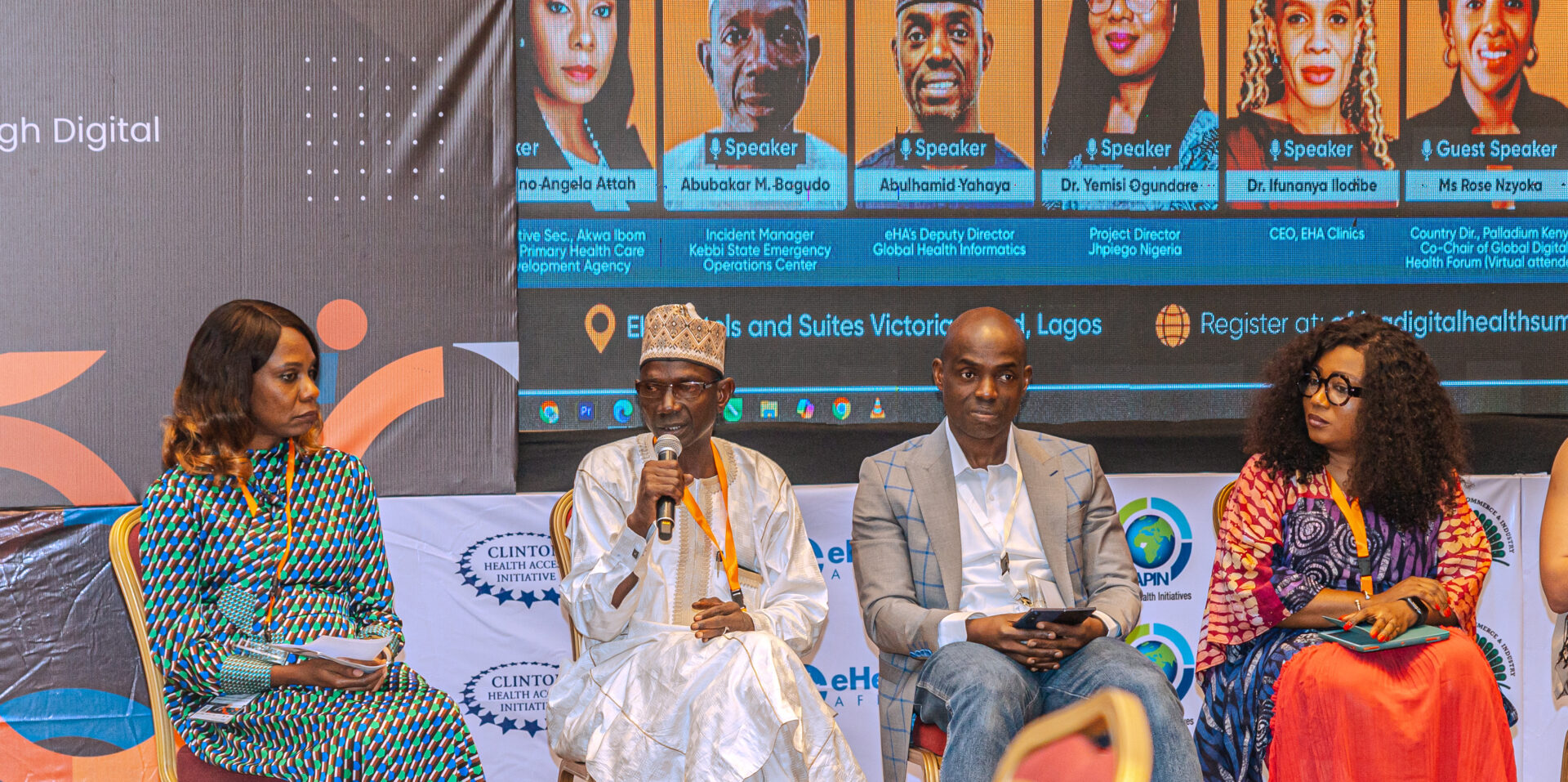
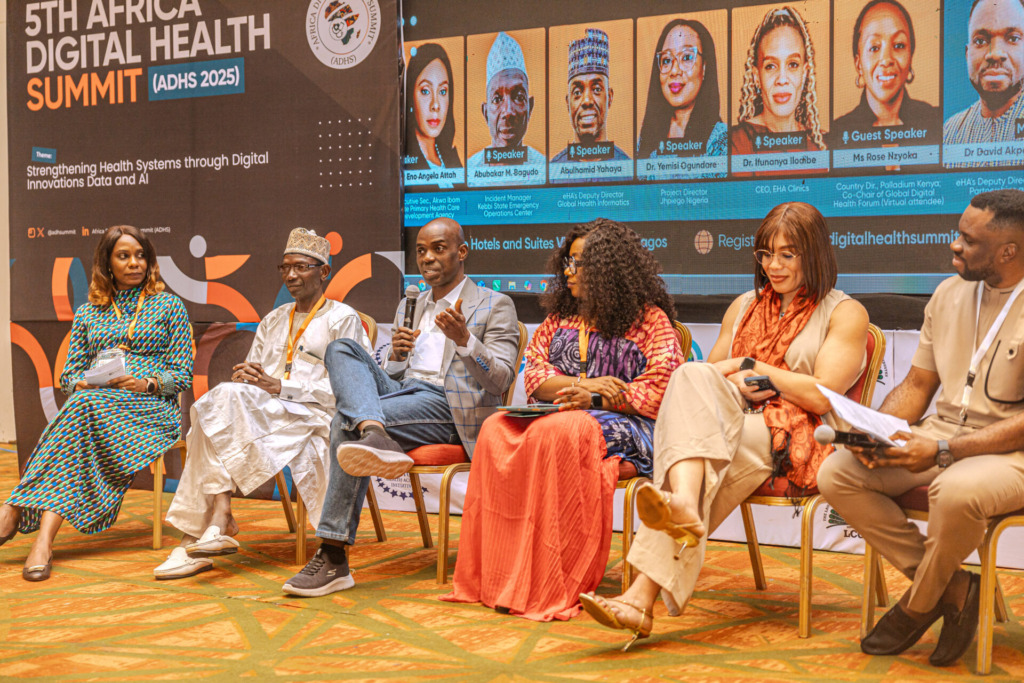
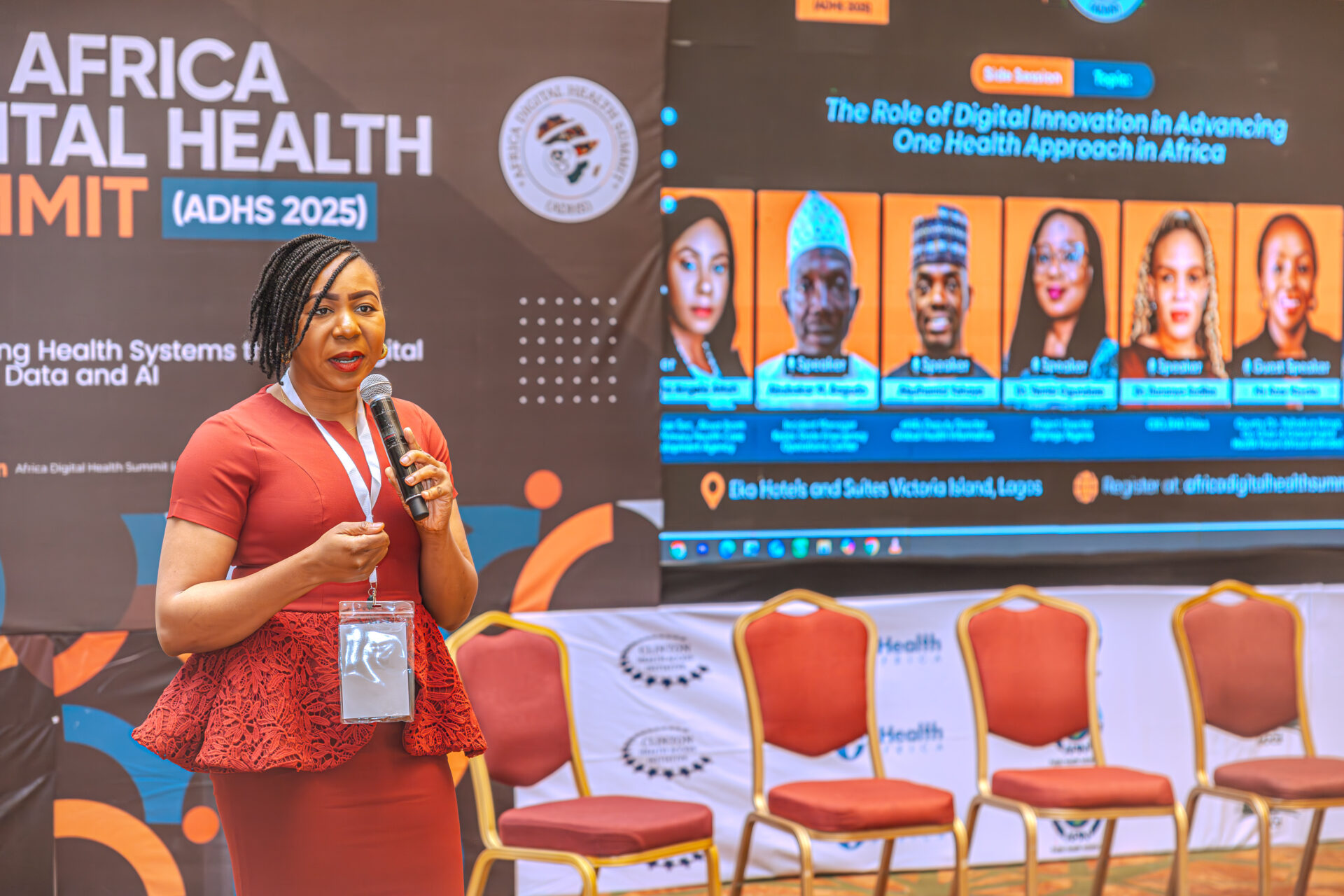
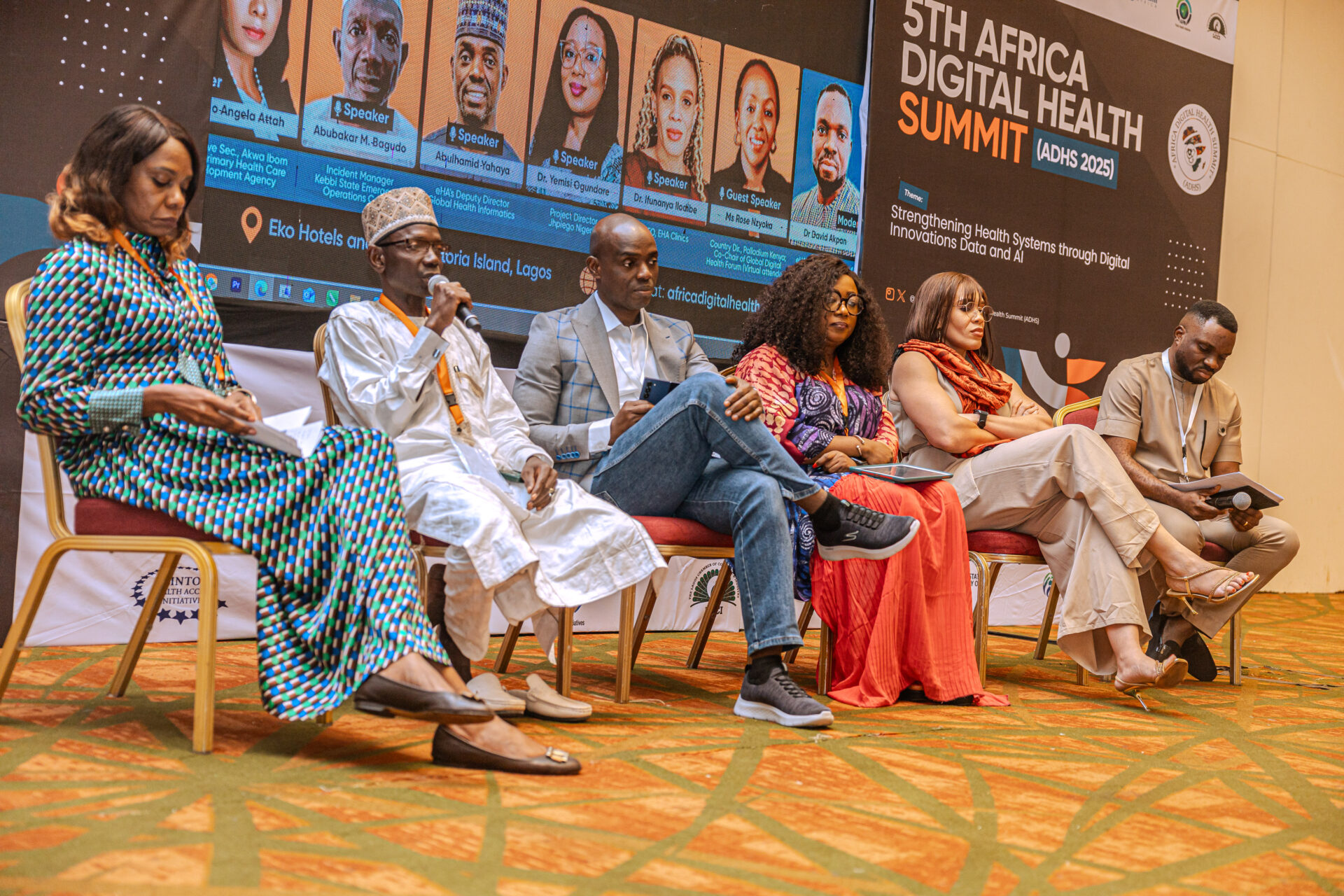
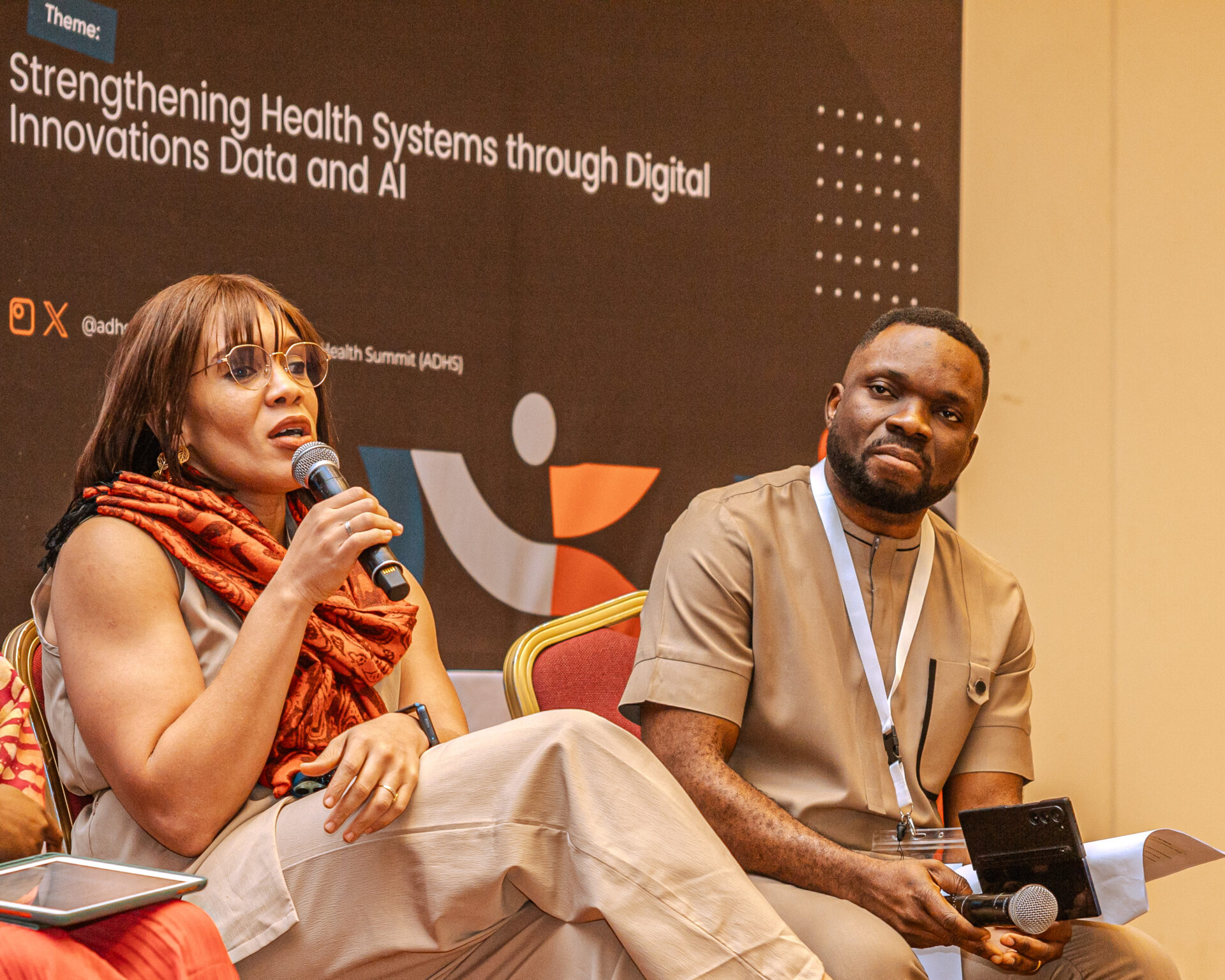
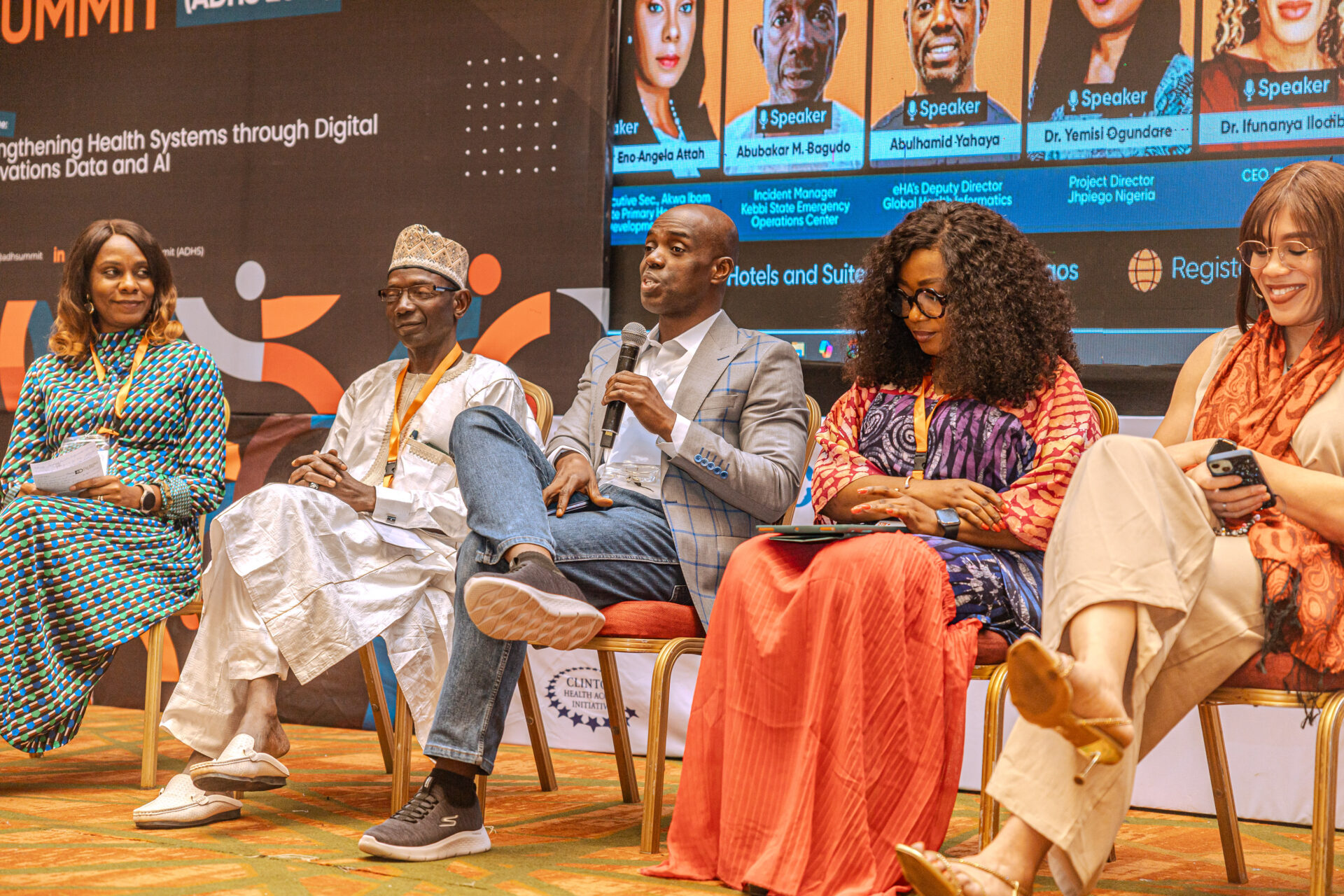
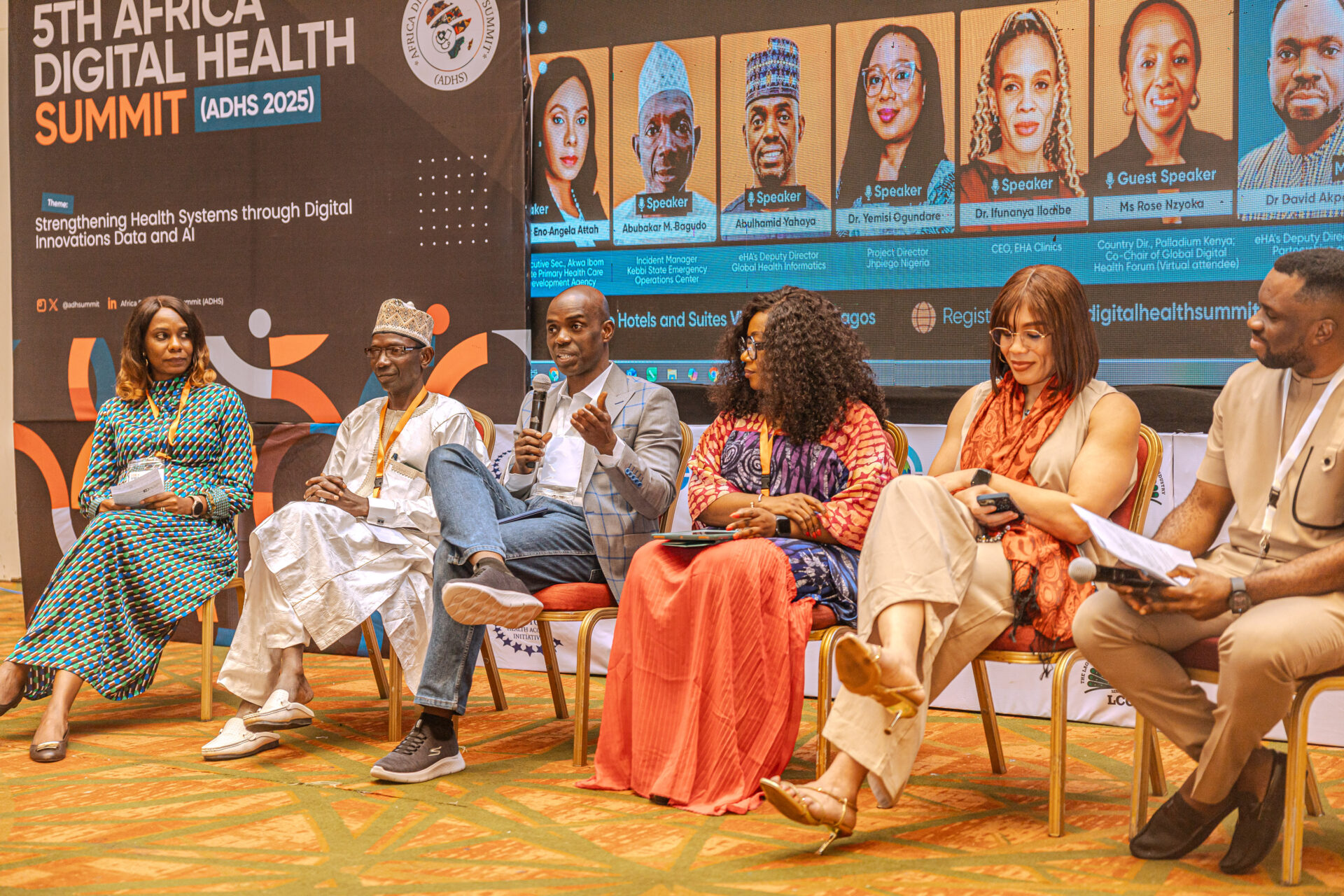
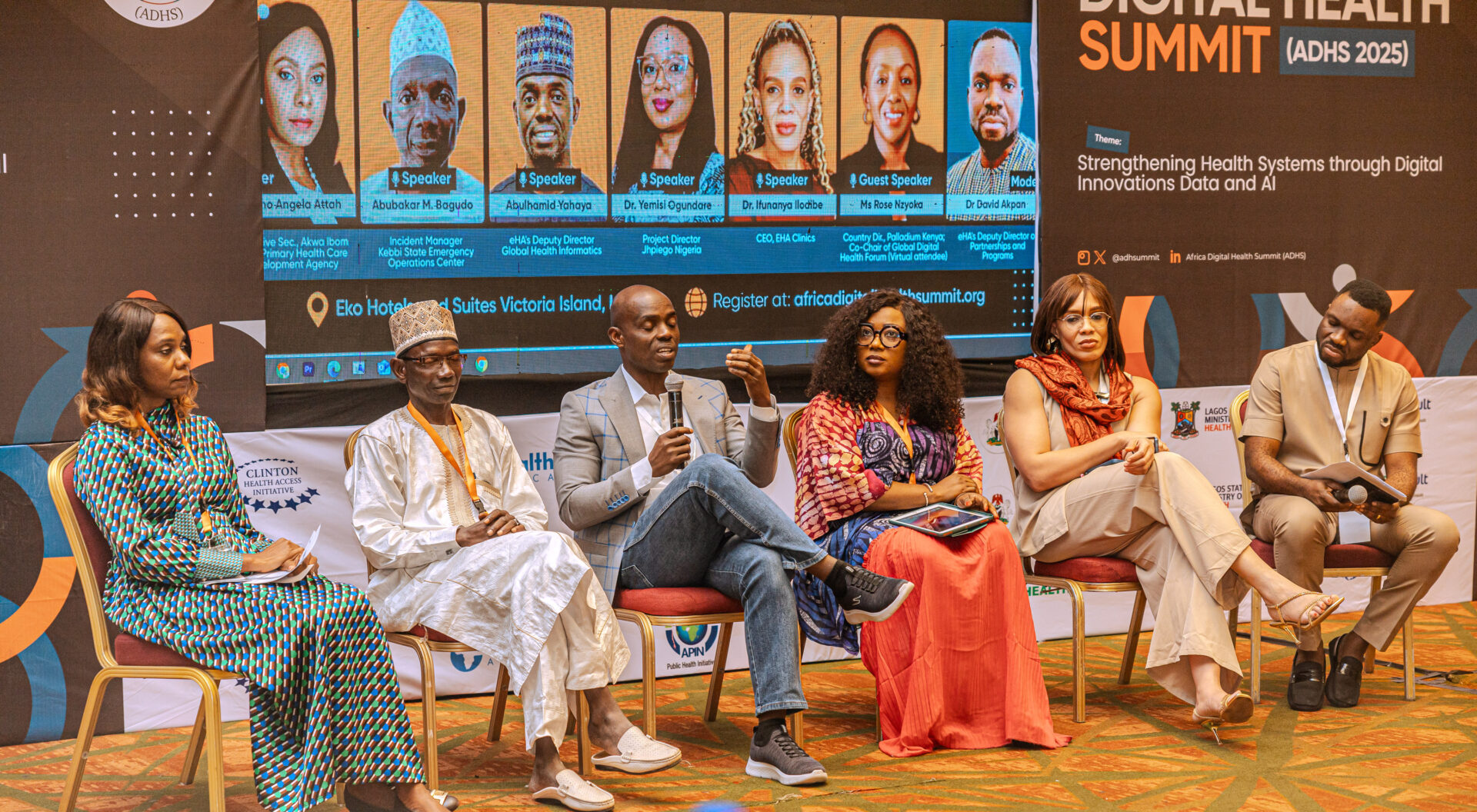
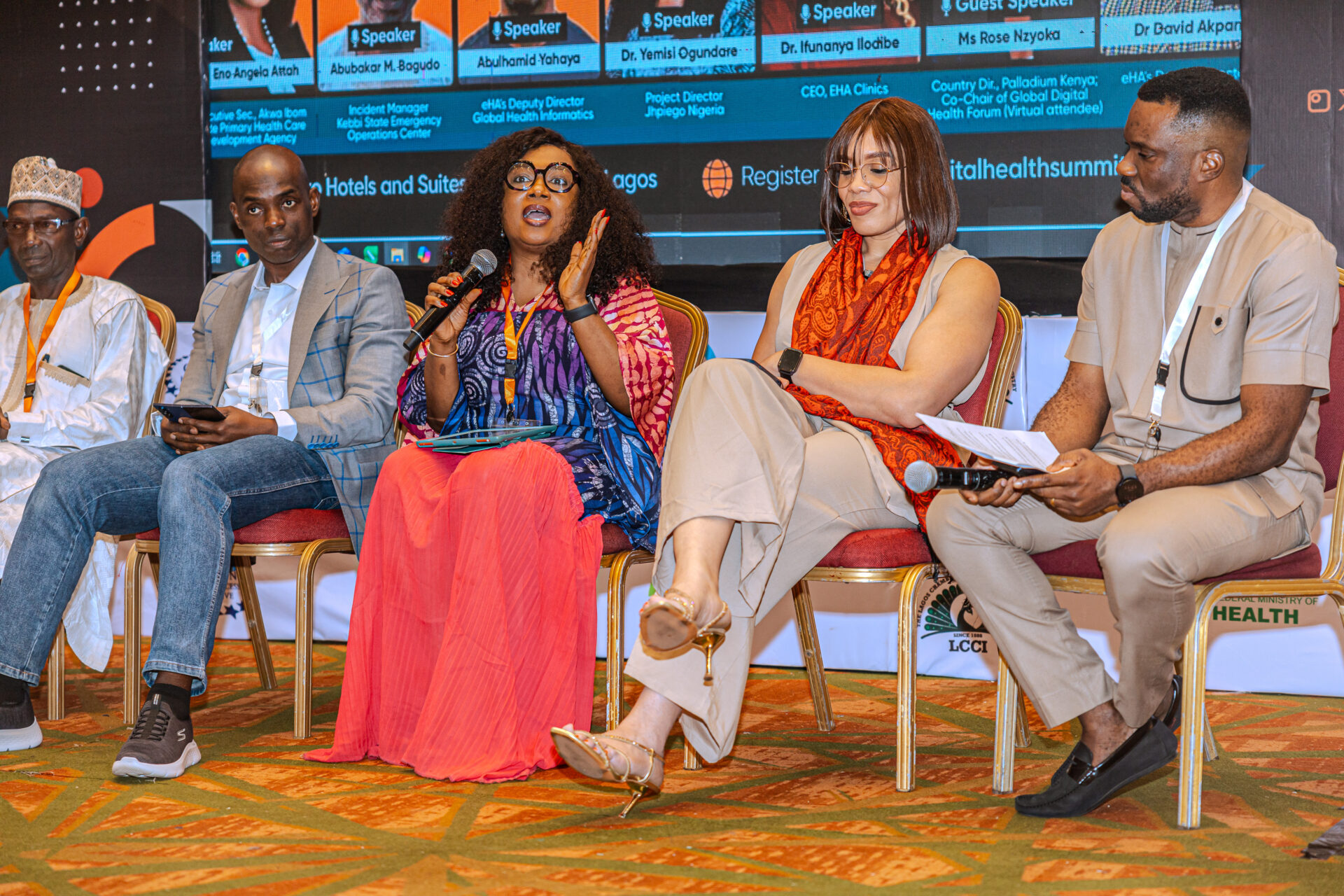
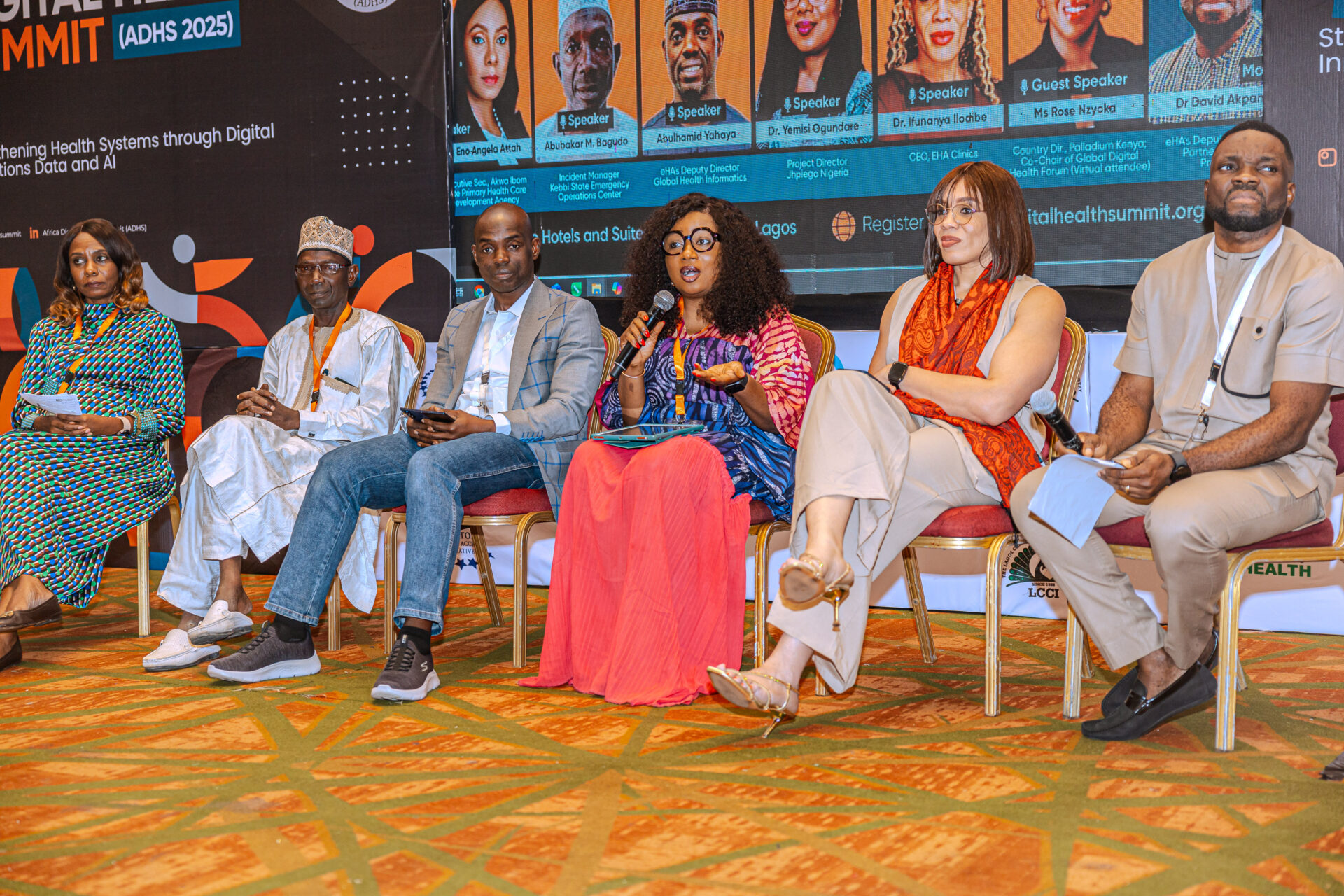
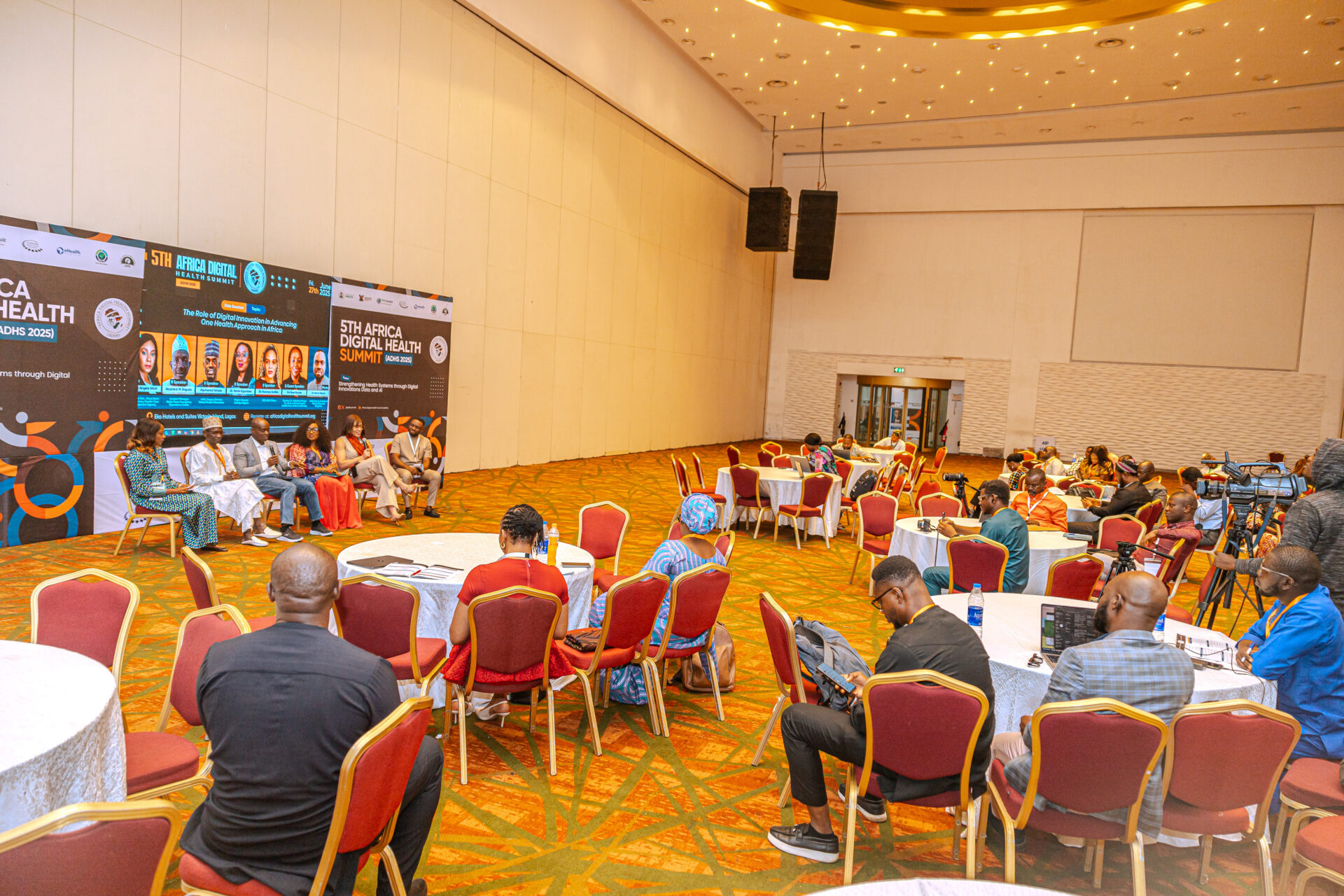
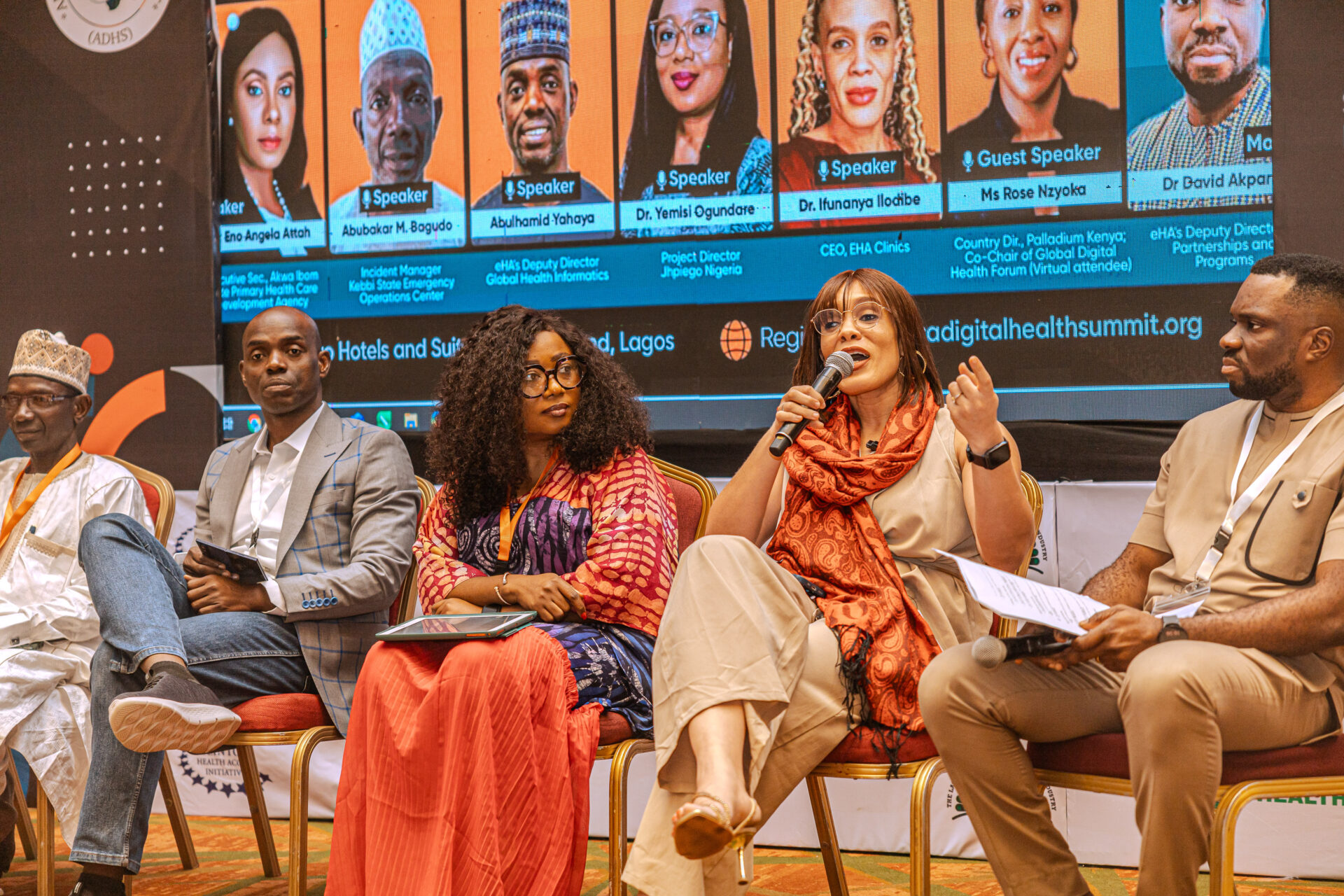
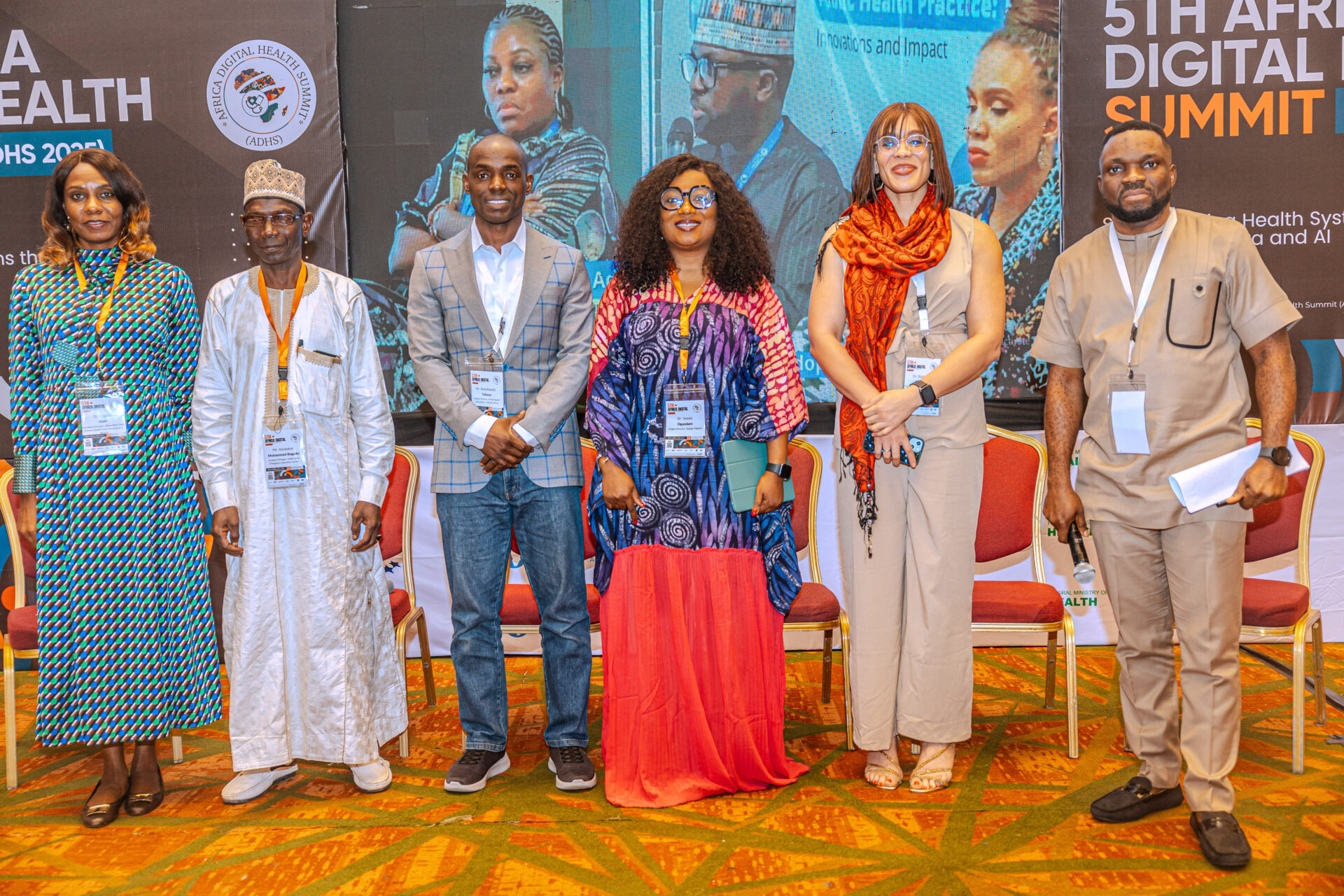
At the 2025 Africa Digital Health Summit (ADHS) in Lagos, eHealth Africa had the privilege of hosting a side session on a topic of growing urgency: The Role of Digital Innovation in Advancing One Health in Africa.

The session brought together health experts, environmental scientists, animal health professionals, and digital innovators for one clear purpose: to explore how a more connected, data-driven approach can strengthen our ability to predict, prevent, and respond to health threats that cross sectors and species.

The One Health approach recognizes that the health of people, animals, and the environment are deeply interconnected. In a continent where zoonotic diseases are common, food security is vulnerable to climate shifts, and health systems are often fragmented, a siloed approach simply doesn’t work. If we want to control disease outbreaks, we can’t wait until humans are affected. We have to monitor the animals, the environment, and the social systems surrounding them.

This is where digital innovation comes in.

At eHealth Africa, we’ve seen the value of tools like geospatial tracking systems for disease surveillance, digital microplanning platforms like Planfeld, and integrated data dashboards that offer real-time visibility into emerging health threats. But what truly stood out in the ADHS conversation was this: technology alone is not enough.

Speakers across the session emphasized that digital tools only work when they’re part of a broader ecosystem that includes trust, interoperability, local engagement, and strong multisectoral coordination. One of the key takeaways was the need to design systems that are inclusive—tools that work not just for human health, but also for veterinary services, environmental monitors, and community-based responders.

Several powerful insights emerged:

  • Data Quality & Ownership: Without high-quality, context-rich data that is owned and trusted by local actors, digital tools will never achieve their full potential.
  • Workforce Readiness: Intersectoral collaboration only works when human capacity is strengthened across the board. This includes training veterinarians, environmental scientists, and frontline health workers to engage with shared systems.
  • Inclusive Infrastructure: It’s not enough to have the tech; systems must be built to work across rural and urban settings, among both literate and non-literate populations, and in regions with limited internet connectivity.
  • Impact Beyond Tools: As one speaker noted, “Success is not a shiny new dashboard. Success is when an outbreak is stopped before it spreads.” That’s the standard we must hold innovation to.

For eHealth Africa, this session was not just about sharing our work—it was about listening, learning, and reinforcing our commitment to support African governments and partners with digital tools that make sense locally and can scale regionally.

This is why we are investing in interoperable systems, building relationships across sectors, and focusing on solutions that don’t just react to emergencies but build long-term resilience.

As we left the ADHS 2025 summit, one thing was clear: Africa doesn’t need more tech for tech’s sake. It needs systems that reflect our realities, connect our knowledge, and protect our communities.

The One Health approach offers a framework for that kind of transformation—and digital innovation, when done right, can help bring it to life.

Let’s build those systems together. To explore eHealth Africa’s One Health work and digital health partnerships, visit ehealthafrica.org or follow @eHealthAfrica across all social media channels.

Digital Surveillance in Action: How Geospatial Tools Are Strengthening Polio Response in Kebbi State

Tijesu Ojumu

eHealth Africa Program Manager, Disease Prevention and Monitoring presenting at the ADHS 2025

In northern Nigeria, where healthcare access is challenged by terrain, insecurity, and resource gaps, responding quickly to a disease outbreak can mean the difference between containment and catastrophe. That’s why innovative disease surveillance strategies are essential—and why eHealth Africa’s work in Kebbi State is setting a new standard.

At the 2025 Africa Digital Health Summit, eHealth Africa presented an abstract during the Scientific Session III titled “Applications of Geospatial Tracking Systems and Digital Microplanning Tools to Improve Polio Outbreak Response in Kebbi State, Nigeria.” The research, jointly authored by Abubakar Shehu, Comfort Audi, Dayo Akinleye, and Ruth Nkem, highlights a replicable model for how integrated digital tools can dramatically improve response times, accuracy, and community coverage.

Polio remains a persistent threat in parts of northern Nigeria, where complex geography, nomadic populations, and infrastructural limitations make it difficult to identify and reach all at-risk children. Traditional microplanning often relies on outdated or incomplete maps, leaving gaps in immunization coverage and exposing communities to preventable outbreaks.

That’s where geospatial tracking and digital microplanning come in.

In Kebbi, eHealth Africa deployed a suite of tools that included:

  • Geospatial mapping and tracking: Accurately plotting settlements, population clusters, and hard-to-reach areas using satellite data and field validation.
  • Digital microplanning via Planfeld: Replacing manual registers and static Excel sheets with dynamic dashboards that allowed health teams to plan campaigns based on real-time data.
  • Mobile-based feedback loops: Enabling vaccinators and supervisors to report field challenges instantly, improving accountability and mid-campaign adjustments.

The result? A notable increase in vaccination coverage, reduction in missed settlements, and better identification of high-risk zones. By layering population data, health facility readiness, and campaign performance onto interactive digital maps, the team in Kebbi could visualize gaps and reallocate resources with unprecedented speed and precision.

This was not just about technology—it was about coordination, capacity building, and data-informed action.

Key to the success of this approach was local ownership. Field teams were trained extensively to use the new tools, and state and LGA health officials were actively involved in planning sessions. This made the data more meaningful and the tools more sustainable.

What makes the Kebbi experience so powerful is its replicability. The lessons from this deployment can apply not just to polio, but to any outbreak-prone disease. Whether it’s cholera, measles, or Lassa fever, the ability to map, plan, and respond in real time is becoming a cornerstone of effective public health systems.

eHealth Africa’s work in Kebbi is a clear example of how digital innovation can bridge systemic gaps in the last mile. As outbreaks grow more complex and resources remain limited, Africa must invest in the kind of solutions that make every dose, every data point, and every decision count.

We’re proud of the team that led this work and grateful to all field workers, partners, and government agencies who made it possible.To learn more about eHealth Africa’s digital tools for outbreak response, visit ehealthafrica.org.

How eHealth Africa Is Shaping Health-Tech Conversations Across the Continent

Tijesu Ojumu

In boardrooms, conference halls, and digital health roundtables across Africa, the conversation is changing. It’s no longer just about deploying technology—it’s about designing systems that last, policies that enable, and innovations that scale. And eHealth Africa isn’t just in the room for these conversations. We’re helping shape them.

At a recent Stakeholder Alignment Workshop on Health-Tech Innovations for Advancing Universal Health Coverage, hosted by the leadership of the National Primary Healthcare Development Agency, Solina Centre for International Development and Research (SCIDaR) and the leaderships of CCHub, Salient Advisory, and the i3 team, eHealth Africa’s leadership was represented by the Director of Partnerships and Programs, Ota Akhigbe whose remarks emphasised that the future of health in Africa is about aligning innovation with national strategy, embedding it into real systems, and measuring what truly matters; equitable outcomes.

At the recently concluded Africa Digital Health Summit 2025, eHealth Africa Deputy Director, Programs and Partnerships- Dr. David Akpan co-chaired a session and what emerged was a refreshing reminder that innovation isn’t always about the newest, flashiest tools. As Dr. David put it, “Innovation can be as simple as improving an existing process. If it makes it easier, faster, more accessible—then it’s innovation that matters.”

This focus on relevance and usability is central to eHealth Africa’s mission. Over the years, we’ve deployed digital health solutions across West and Central Africa, but what has remained consistent is our belief in building tools with, not just for, health systems.

From supporting national campaigns with GIS and real-time dashboards, to co-developing platforms like Planfeld for microplanning and outbreak response, our work bridges the gap between field realities and digital opportunities.

Our presence at policy workshops, innovation forums, and high-level summits isn’t accidental. It reflects a shift in how eHealth Africa is viewed across the continent: not just as a technical partner, but as a thought partner. We bring field-tested experience, deep partnerships with governments, and a practical lens that balances ambition with implementation.

Why does this matter? Because Africa’s digital health future won’t be driven by theory alone. It will require influence. Influence that is earned through delivery. Influence that helps shape funding priorities, regulatory frameworks, and capacity development.

When we sit on panels, moderate discussions, or present research at summits like ADHS or ILF, we’re not there to just showcase tech. We’re there to advocate for approaches that work. To ask tough questions about inclusivity, equity, interoperability, and long-term system fit. To amplify the voices of field workers, innovators, and underrepresented communities.

And it’s working. More governments are requesting support not just to run programs, but to co-design policy blueprints. More funders are asking how to align their interventions with existing local infrastructure. More innovators are looking to us as conveners and collaborators.

The health-tech landscape in Africa is maturing. And eHealth Africa is proud to be part of the cohort helping define what comes next.

Because in the end, influence isn’t about the microphone—it’s about the message. And our message is clear: If we want systems that last, we must design them together.

To explore how eHealth Africa contributes to policy and partnership development in digital health, visit ehealthafrica.org or follow @eHealthAfrica.

Powering  Primary Healthcare Facilities with Renewable Energy Solutions

Fatima Ayomitide Azeez

Renewable Energy Solution at Daurawa PHC Kano

Primary Healthcare Centres (PHCs) are the frontline of Nigeria’s healthcare system, especially in rural and underserved areas. Yet, many of these facilities operate in darkness due to erratic power supply, severely compromising patient care, delaying emergencies, and rendering critical equipment useless. 

According to a report by Sustainable Energy for All (SEforALL), approximately 40% of PHCs across Nigeria lack reliable electricity access, forcing many to rely on costly and inconsistent alternatives such as generators. This persistent lack of power undermines everything from vaccine storage to safe deliveries, causing health workers to delay procedures, refer patients unnecessarily, or improvise under unsafe conditions. Consequently, communities lose faith in the healthcare system, and health outcomes deteriorate.

Thus in a bid to bridge this infrastructural gap, eHealth Africa with support from  United Nations International Children Emergency Fund (UNICEF) launched an ambitious intervention to solarize primary healthcare centers in 12 states across Nigeria.  

As a matter of fact, 28 facilities out of the planned 238 PHCs have already been equipped with sustainable renewable energy power systems. This is not just replacing  the  unreliable alternative sources like fuel-powered generators with clean, consistent energy, it goes a long way in bridging healthcare delivery while protecting the environment.

Speaking during the commissioning of one of the facilities in Kano, Toju Chibuzor Oghele, Project Manager for the Solarization project at eHealth Africa said, “We recognized that consistent power is the absolute backbone of effective primary healthcare,”. “This solarization initiative is a strategic investment in building resilient health systems from the ground up, ensuring that life-saving services are never interrupted by a lack of electricity. It directly translates to tangible improvements in child survival and routine immunization coverage across these communities.” , he added 

The renewed spirit is particularly evident among health workers on how critical this intervention is to general healthcare delivery in Primary Healthcare. At Jeli PHC, Kano State, Saleh Haruna, the public health official  In-Charge of the facility says he now looks forward to a future that was previously unimaginable.  He said, “by the grace of God, with this installation, we can finally go ahead and request equipment upgrade and procurement of some medical equipment that we do not have”

He added that the PHC  hasn’t been able to get facility upgrades over the years  but this renewable energy solution has opened doors to providing better healthcare services. “This signifies a leap from basic functionality to aspiring for comprehensive, upgraded care”, he said.

For Ilya Muhammad, a 52-year resident of Jeli, the change is deeply personal. Having witnessed the hospital’s prime and its subsequent decline, he now feels immense relief.  “I am just grateful that now we do not need to travel to far away medical facilities to get treated as we always did when emergencies occurred. If any of my family members fall sick now, straight to our neighborhood PHC.” The project has brought essential healthcare back to their doorstep, alleviating a significant burden.

Sani Umar, Assistant In-Charge at Kofa PHC, shares his revitalized outlook.  He said, ” with our PHC now solarized, I genuinely look forward to work. No more heat because we have a conducive working environment and our morale is at an all-time high now as we do not need to turn patients away anymore on the basis of lack of power supply.” 

These powerful testimonies showcase the tangible improvements in working conditions and the profound relief of being able to serve patients without the previous limitations. 

The  UNICEF delegation, who conducted an independent assessment of the installations, validated the functionality of the systems while gathering on-the-ground feedback from healthcare workers and communities. This evaluation successfully  verified the effectiveness of the renewable energy  systems, gauged their real-world impact on healthcare delivery, aligned stakeholders on future phases of the nationwide rollout, while  strengthening accountability for both partners and beneficiaries. 

The solarization effort is more than just a technical upgrade. It’s a strategic investment in health resilience. Through detailed assessments, tailored installations, and training of local health workers, each renewable energy  system is built to serve the specific needs of the facility. While this intervention is still in early stages, its promise is undeniable. Reliable electricity enables vaccine preservation, emergency night services, lab diagnostics, and safer deliveries. It boosts staff morale and rebuilds community trust.