| African digital health is entering a new phase; one defined less by proving innovation and more by scaling what already works. As partnerships between Africa and Europe continue to evolve, the opportunity lies in moving beyond short-term pilots toward long-term, system-integrated solutions. Drawing on practical experience from across the continent, this article explores how more intentional partnership design can unlock sustainable impact at scale. |
African digital health has gradually moved beyond pilots. The next stage is partnering to scale what already works. Across the continent, the challenge is no longer proving that digital solutions can improve health outcomes. That case has been made repeatedly. The real test now is whether partnerships, particularly with European institutions, are structured to sustain and scale impact over time.
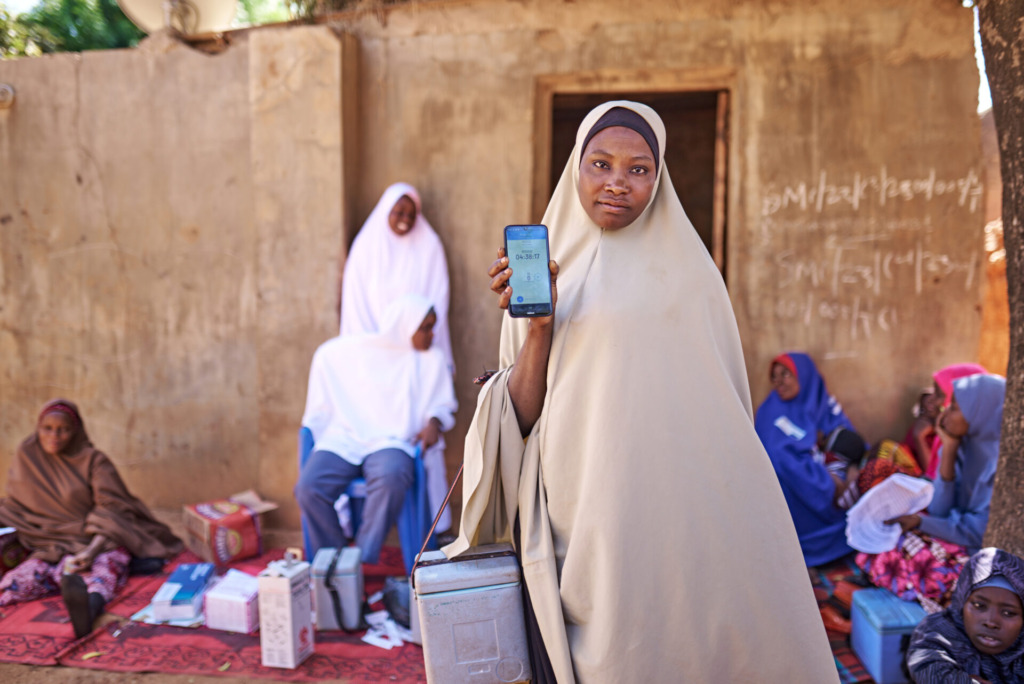
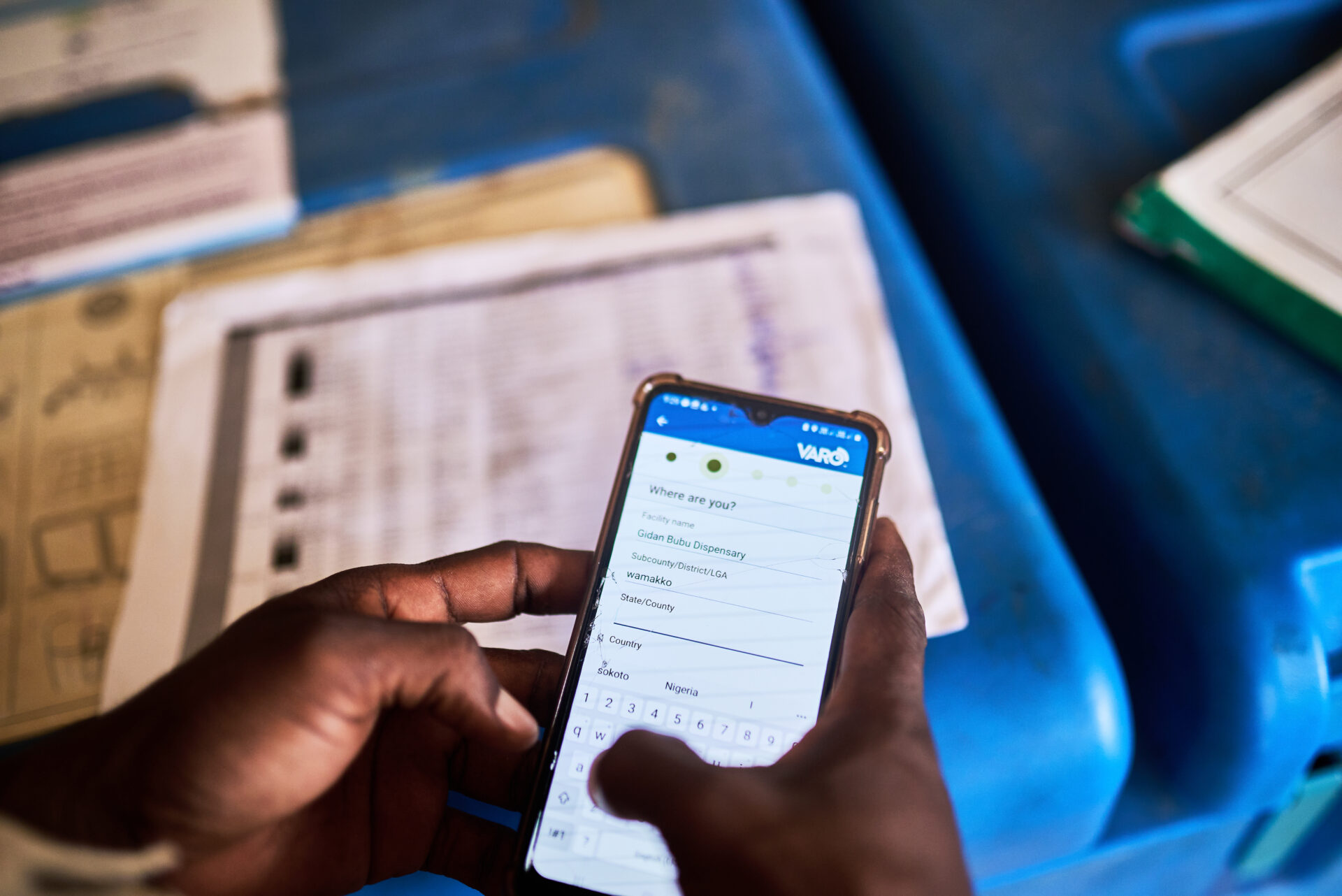
At eHealth Africa, our experience offers a clear view of what is possible when digital innovation is embedded within systems, not treated as an experiment. In 2025, our microplanning and monitoring tools, including Planfeld and the Geospatial Tracking System (GTS), supported immunization efforts across more than 500,000 settlements, more than doubling the reach from the previous year. Behind that number is a simple but powerful shift: health workers using trusted data to find and reach missed children. The result was over 20 million children immunized.
We have seen the same pattern in supply chain management. With digital tools designed to monitor vaccine potency and distribution in real time, more than 5 million doses were delivered to over 300 primary healthcare facilities. These are not isolated successes; they are the outcome of sustained investment in systems that work under real conditions.
And yet, across Africa, many promising solutions never reach this level of scale. A handful of these solutions are still evolving from pilot phases while others are at varying degrees of integration into national and subnational systems. This may have contributed to the well-known ‘graveyard of pilots’ narrative. Thus, the next phase of Africa–Europe digital health will depend more on building the pathways that enable what already works to scale..
Three areas stand out where partnerships can evolve;
First, an important area of focus is the shift from short-term funding to long-term system investment. Digital health solutions may struggle to mature within the lifespan of a typical pilot cycle. They require sustained financing that supports not only deployment, but also integration, maintenance, and local capacity. Encouragingly, recent collaboration between the European Union and the World Health Organization to advance digital health transformation in Africa signals a move in this direction. The priority now is to deepen these models into long-term, co-owned commitments.
Second, greater emphasis on co-creation can help move beyond more top-down approaches. The most effective solutions are those built within the context they serve, aligned with national priorities, shaped by local expertise, and accountable to local institutions. Partnerships that treat African organizations as equal architects are more likely to produce outcomes that endure. Localisation is not a process choice. It is a power decision with who designs the tool, who owns the data, who keeps the institutional knowledge after the project closes. Partnerships that get those answers right are co-created. Partnerships that do not are using co-creation as language for inherited hierarchies. The alignment between African Union and European Union health priorities, particularly around health security and primary care, demonstrates what is possible when this balance is achieved.
Third, scaling proven solutions will be central to the next phase. Africa’s strength in innovation is well established; the priority now is strengthening the mechanisms that enable what works to expand to national and regional scale. Following demonstrated success, Nigeria’s Federal Ministry of Health has approved the national adoption of eHealth Africa’s Climate Health Vulnerability Assessment Tool (CHAT). This is a practical example of how locally developed tools, once validated, can be integrated into public systems and expanded for broader impact. Replicating and adapting such models will deliver far greater value than repeatedly starting from zero.
These shifts are not theoretical; they are operational choices. They determine whether digital health investments translate into sustained outcomes or remain isolated successes.
Africa’s role in global health innovation has fundamentally changed. The continent is no longer defined by gaps, but by its growing capacity to design, test, and deliver solutions at scale. What is required now is a partnership model that matches that reality, one built on shared priorities, mutual accountability, and long-term commitment.
The opportunity before Africa and Europe is not to prove that digital health works. It is to scale what works, on the terms of the people who built it.
Ota Akhigbe is the Director of Partnerships and Programs at eHealth Africa, where she leads partnership strategy and external positioning for the organisation’s work across digital health, climate-health integration, and health system strengthening. She works at the intersection of African-led implementation and global health financing, and convenes funders, implementers, and policymakers across the Africa-Europe corridor. She is the co-curator of the AidEx Geneva 2026 headline panel on the future of humanitarian aid and a regular voice at global health convening.
| eHealth Africa (eHA) is a nonprofit advancing stronger health systems across 26 African countries through locally driven, data-powered solutions. With over 15 years of experience, the organization has built scalable technology and operational platforms tailored to the continent’s public health challenges, while fostering collaboration to accelerate innovation and impact. |