Beyond Access: Making Digital Health Work for Women and Girls

Fatimah Abdulazeez

For Mrs. Blessing, a plantain chips seller in an underserved community, managing her health was not always straightforward. She was living with high blood pressure and had limited information about antenatal care during pregnancy. Her story, shared by mDoc during the 2026 Insights Learning Forum (ILF), showed what can happen when the right information and support reach a woman at the right time.

Through mDoc’s Digital Mom Project, she received personalized self-care support, health tracking and timely guidance through AI-driven coaching, community engagement and health-system integration. According to mDoc, she did not miss her antenatal appointments and became more confident managing her blood pressure, nutrition and health decisions.
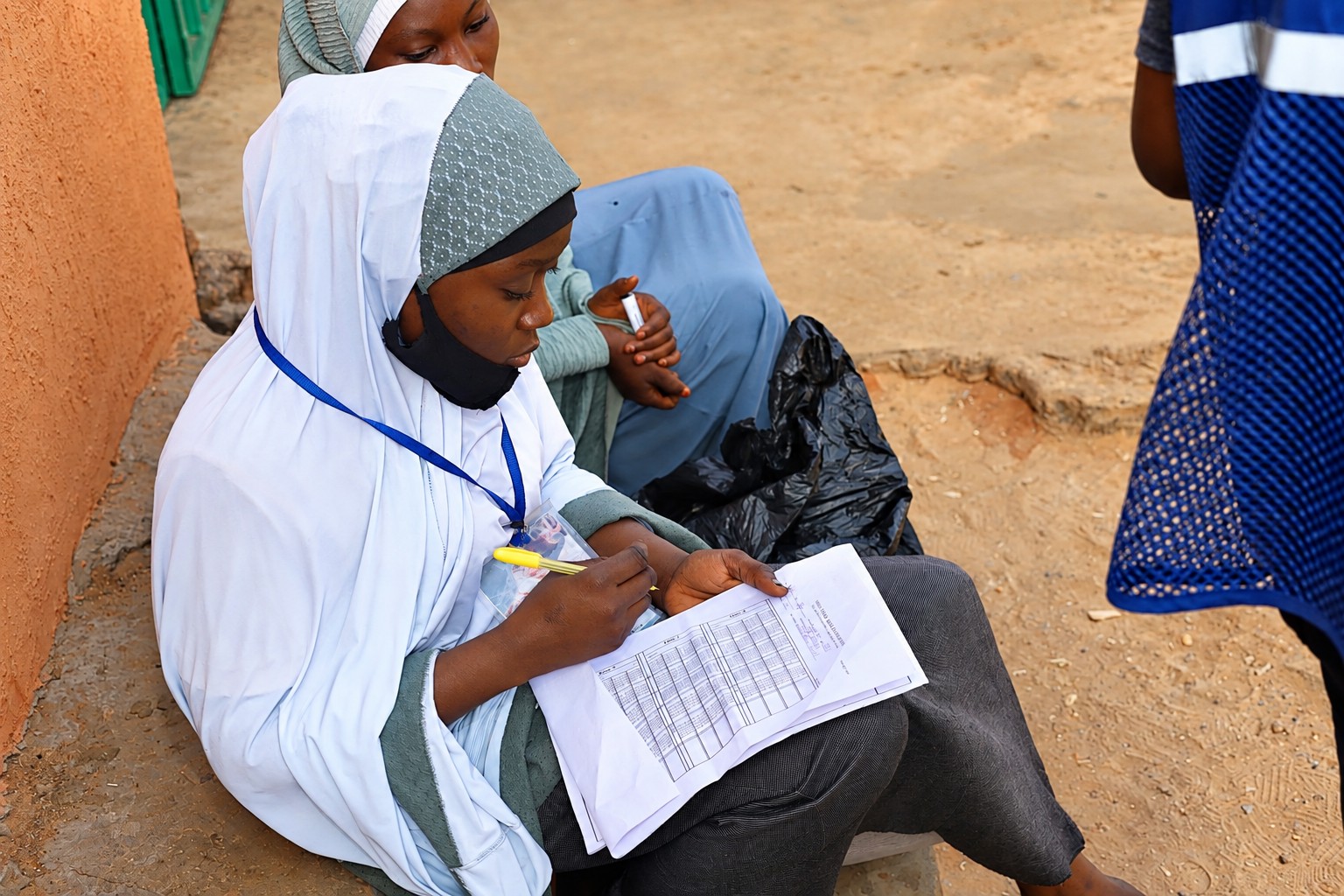
Her story reflects a much wider reality for women and girls around the world. Globally, 810 million women in low- and middle-income countries are still not using mobile internet, and more than two-thirds of them live in Sub-Saharan Africa and South Asia. For adolescent girls and young women, the gap is even sharper. UNICEF reports that in low-income countries, around 90% of girls and young women aged 15–24 are offline, compared with 78% of boys and young men.

That reality should shape how we talk about digital health for women and girls. Innovation is not inclusive simply because it exists online, sits inside an app, or travels through a mobile phone. The real test is whether it reaches women and girls in a form they can access, trust, and act on.

For many women and girls, exclusion is shaped not only by connectivity, but also by income, mobility, literacy, privacy, caregiving responsibilities, household power dynamics, and the quality of care available when they seek help. These realities can determine whether a digital solution is actually useful, even when the technology itself is available.

Safety is another important part of that picture. Dr. Kemi DaSilva-Ibru, Founder of the Women at Risk International Foundation (WARIF), warned that digital innovation can expose women to new forms of harm, including cyberstalking, online harassment, doxing, deepfakes, and misuse of personal information. “As we move forward with these digital innovations, we must recognize that these innovations come with digital harm,” she said.

Reaching women is therefore only one part of inclusion. Reaching them safely requires privacy safeguards, digital literacy, legal protection, and systems that can respond when harm occurs.

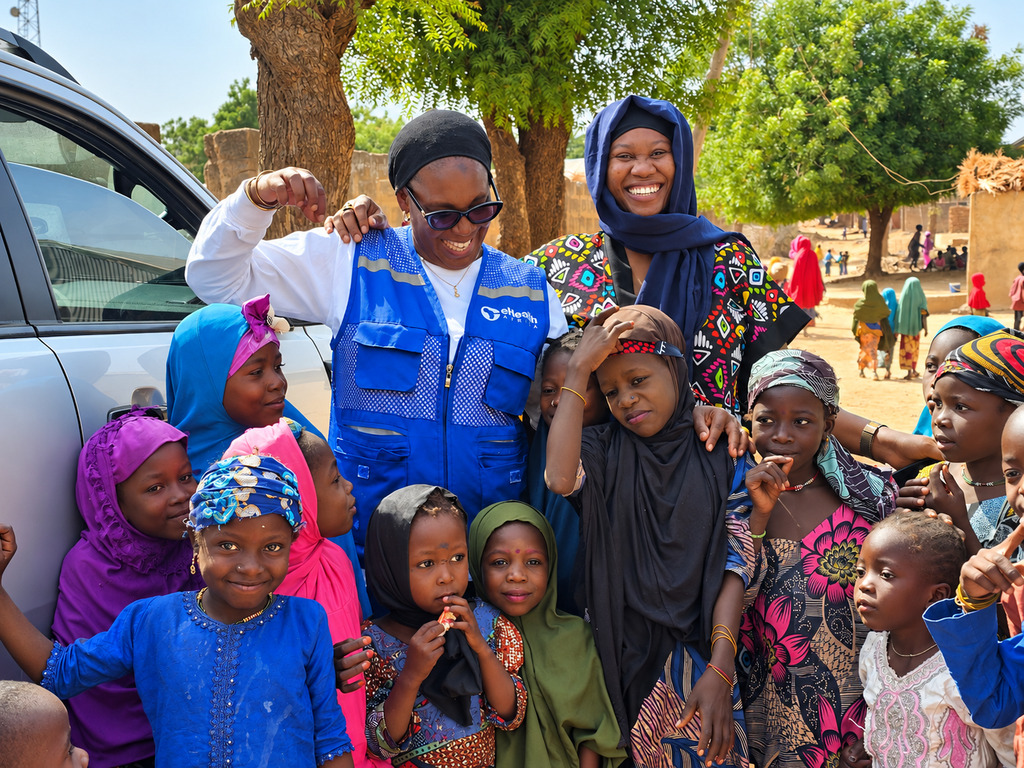
A similar systems approach is reflected in Jacaranda Health and eHealth Africa’s work on Promoting Mothers in Pregnancy and Postpartum Through SMS (PROMPTS) in Kano State. Rather than treating the platform as the intervention in itself, implementation has also focused on the systems women need around it: localized content, telecom integration, enrolment pathways, quality assurance, a user-support hub and health-trained call-centre agents. These foundations are designed to help women receive information that is locally relevant, reliable and supported by continued engagement.

This is what makes Mrs. Blessing’s story significant. The technology did not simply reach her; it was connected to continued guidance and support that helped her act on the information she received and make decisions about her health.

The real question is not simply whether women can be reached, but what changes because they are. Reach and engagement matter, but the deeper measure is whether women can use the information they receive to make better decisions, seek care, receive support, and experience better health.

That is the systems challenge at the heart of inclusive digital health. Technology can open the door, but what surrounds it determines whether women can walk through safely and benefit from what comes next. Digital health works best when access is connected to trust, protection, support, and clear pathways to care.

From Displaced Intern to Operations Associate: Gashau’s Inspiring Career Journey at eHealth Africa

By Moshood Isah and Joyce Shinyi

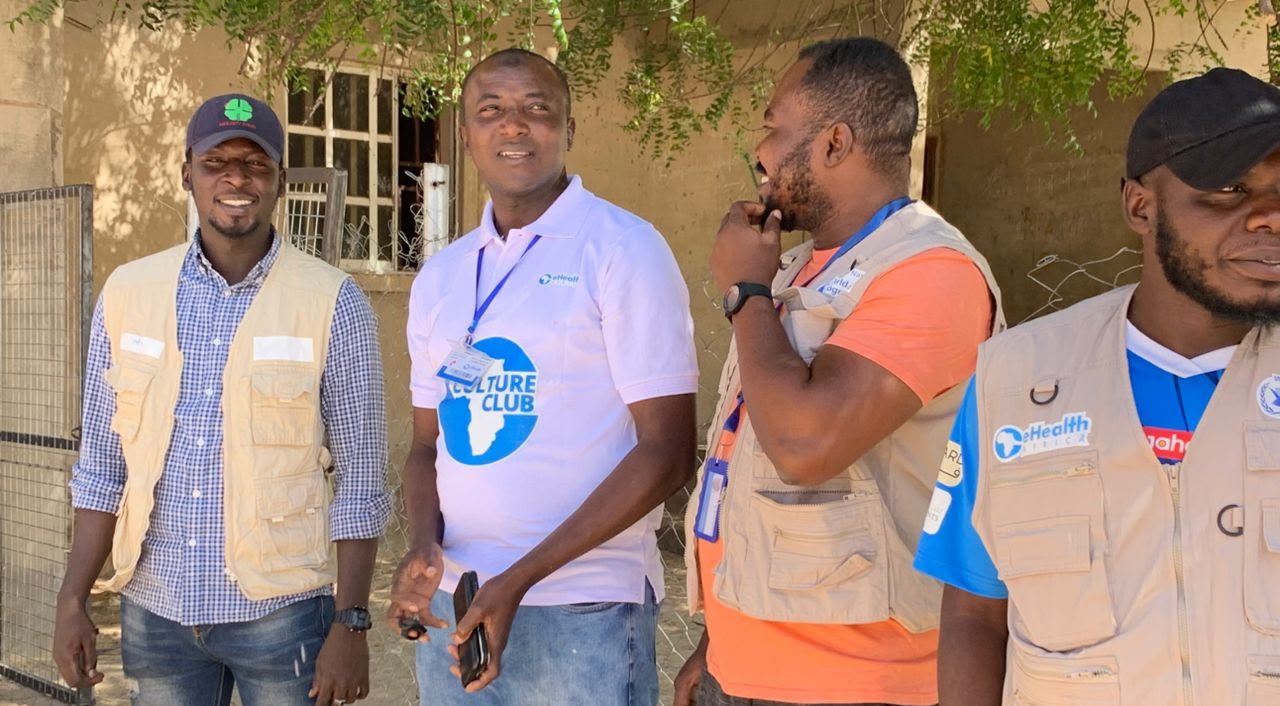
When Gashau Samndi joined eHealth Africa as an intern in Maiduguri in 2024, he expected the opportunity to be an important step in building his career. He could not have anticipated that, within the same period, severe flooding would force his family from their home and leave him searching for stability while trying to begin his professional journey.

The September 2024 floods that devastated parts of Maiduguri also affected Gashau’s family home, forcing the family to relocate. It was not his first experience of displacement. Years earlier, the Boko Haram insurgency had forced his family from their home and disrupted his education. 

This time, the upheaval came just as he was beginning his professional journey. With his family dispersed across different locations and many of their belongings lost, including some of his certificates, securing accommodation became an immediate concern.

 “My mother and sister were staying in a different location, my younger brothers were somewhere else, and I was in another location. It was devastating,” he recalled.

The crisis affected the entire family. Gashau’s mother, a pharmacist, continued supporting patients even as she dealt with the impact of the flooding herself. “My mother is a very strong woman,” he said. “During the emergency, she was also needed as a health worker.”

As his family navigated the emergency, Gashau faced another question: how could he continue his internship without a stable place to live?

That uncertainty eased when his then manager, Adekunle Areo, offered him accommodation at an eHealth Africa guesthouse in Maiduguri before Gashau had even formally asked for assistance.  “The organization did not only provide me with an opportunity,” Gashau said. “It protected me at a point when I needed protection. That support gave me stability when I needed it most. It meant I could continue working, learning, and developing without carrying the additional uncertainty of not having a place to stay.”

At the time, eHealth Africa had also introduced a cost-of-living adjustment (COLA) to help staff manage rising living costs. Gashau recalls that the support was extended to interns.

 “The cost-of-living adjustment was extended to interns as well, even though we were not full-time staff at the time,” he said.

Together, the accommodation and financial support gave Gashau greater stability to continue his internship while his family recovered from the flooding.

The accommodation remained available throughout his extended internship, providing stability as he rebuilt his personal and professional footing.

With greater stability came room to grow. What began as an internship developed into a longer professional journey as Gashau progressed from intern to consultant and eventually Operations Associate, taking on greater responsibilities along the way.

  “I transitioned to programs and supported WFP (World Food Programme) warehouse common storage in Dikwa LGA, Borno State. From there, I was transferred to Abuja, where I work with the Operations Department,” he said.

His work in Operations also gave him a clearer understanding of how the systems behind public health programs can determine whether interventions succeed.

 “If health workers cannot move safely, if equipment does not get where it needs to go, or if teams cannot travel and operate effectively, the program itself can be affected,” Gashau explained.

For Gashau, operations are no longer simply a support function. It was part of the infrastructure that enables public health teams to deliver. eHealth Africa also supported Gashau’s professional development through training courses such as Facility Management: Operations, Maintenance and Services, Risk Management: Hazard Identification and Risk Assessment, and many others, helping him build capabilities relevant to his transition into Operations.

 “eHealth Africa’s investment in my learning and development has been meaningful to me. It shows that the organization believes in you and is willing to invest in your growth,” he said.

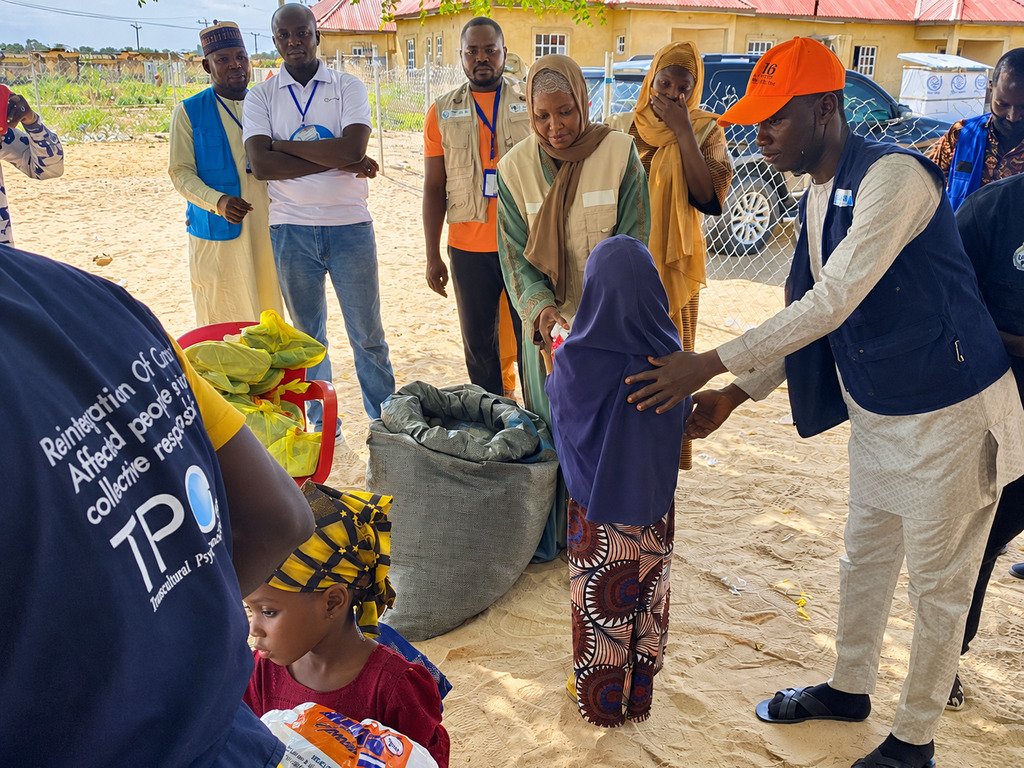
As his own situation stabilized, Gashau found himself helping communities affected by the same emergency that had displaced his family. He helped distribute non-food items to flood-affected victims at Gubio camp in Borno and also supported the supervision of the reconstruction and expansion of the Polio Lab at the University of Maiduguri Teaching Hospital, which was affected by the flood.

Today, Gashau works as an Operations Associate in Abuja, supporting the systems and logistics that enable eHealth Africa’s teams to deliver their work effectively. His journey from an intern navigating displacement in Maiduguri to a professional contributing to public health operations reflects both personal resilience and what can become possible when people have the stability and opportunity to grow.

Perhaps Gashau describes that journey best: “I went from someone who needed support to someone who was providing support.”

The Intelligence Behind Faster Outbreak Response: Turning Public Health Signals into Coordinated Action

Fatimah Abdulazeez

The difference between an early warning and a delayed response is rarely the absence of information. It is the system’s ability to detect a signal, verify it, interpret it, and act early enough to change the outcome. Outbreak preparedness therefore requires more than data collection. It depends on whether information can be turned into intelligence early enough to guide action.

Traditional surveillance remains essential, but it cannot carry the full burden alone. Public health threats may appear in routine reports, yet they can also emerge through community alerts, event-based surveillance, informal networks, or signals from the human–animal–environmental interface. A system that relies only on formal reporting risks missing the early warnings that sit outside its usual channels.

This is why the Africa Centres for Disease Control and Prevention (Africa CDC) identifies event-based surveillance as a key mechanism for early warning, risk assessment, and timely response. Early warning systems, event- and community-based surveillance, media scanning, laboratory reports, routine health data, and field intelligence can help public health actors notice signals earlier, test them against available evidence, and decide whether a response is needed. 

The approach also aligns with the World Health Organization Regional Office for Africa’s (WHO AFRO) Integrated Disease Surveillance and Response guidance, which stresses strengthening community-based surveillance for early detection and rapid response.

One example shared during the Insights Learning Forum (ILF) 2026 illustrated this in practice. A speaker described how an Ebola-related alert in Lagos was detected through an event-based surveillance platform rather than routine end-of-day reporting. While limited details were shared about the incident, the example underscored a critical point: earlier detection gives response teams a better chance to investigate, assess the risk, communicate appropriately, and act before the situation escalates.

The value of intelligence lies in shortening the distance between a signal and a decision. However, speed means little if the information is weak. Poor-quality, incomplete, or delayed data can delay verification, misdirect resources, weaken coordination, and slow action when time matters most. In emergencies, data quality is not a technical detail but part of the response itself.

Many outbreaks also sit at the intersection of human, animal, and environmental health, making it essential for public health intelligence to connect signals across sectors. A One Health approach, which considers these areas together rather than in isolation, helps decision-makers see not only what is happening, but where the risk may move next.

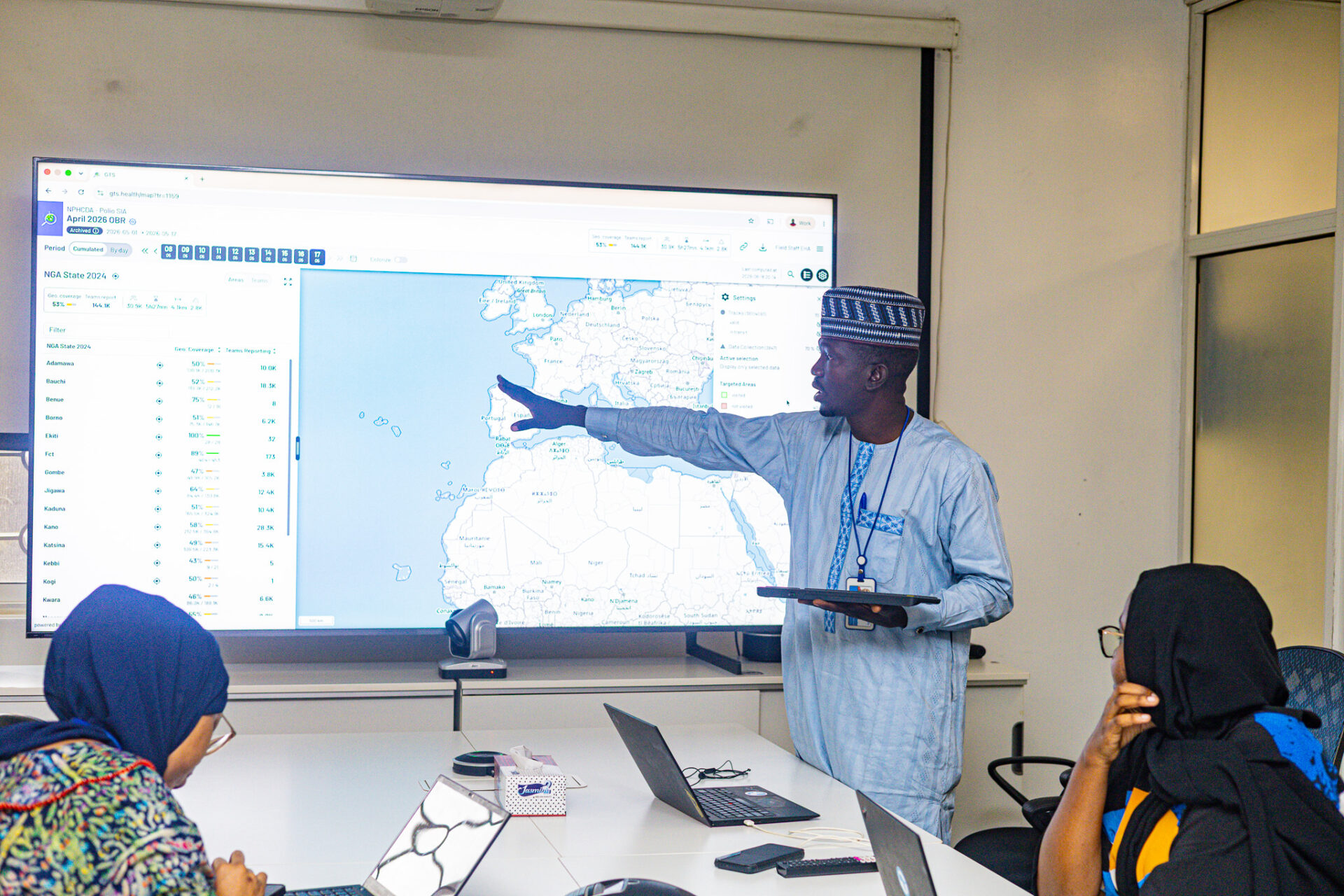
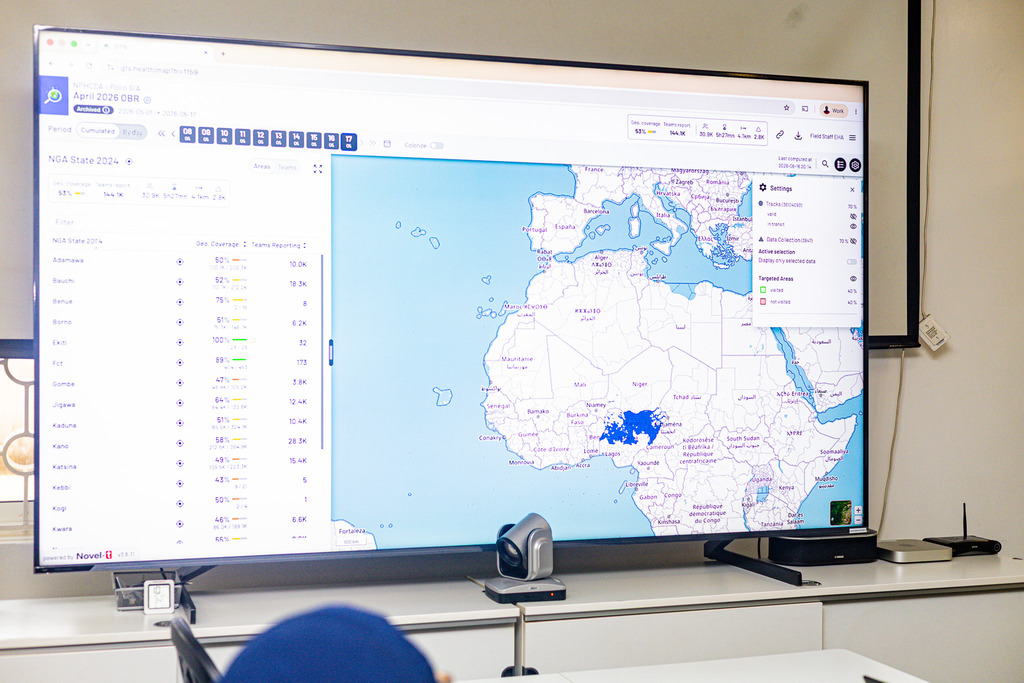
This is where technology matters, but not as a standalone solution. Digital tools can improve how data is collected, transmitted, analyzed, and visualized. They can support faster reporting, clearer alerts, and better decision-making. But technology must do more than introduce new platforms. It must strengthen the systems that allow governments and response actors to trust information, use it, and act on it.

A dashboard does not save lives on its own. An alert does not contain an outbreak by itself. A report does not become useful simply because it has been submitted. The real test is what happens next: who sees the signal, who verifies it, who decides what it means, who mobilizes the response, and how quickly action follows.

Public health intelligence must therefore move beyond collecting information. It must help countries see earlier, decide faster, and act before threats become harder to contain. For eHealth Africa, this connects directly to its work strengthening public health systems and supporting Emergency Operations Centers to turn timely information into better coordination, preparedness, and response.