October 9, 2026
Beyond Access: Making Digital Health Work for Women and Girls
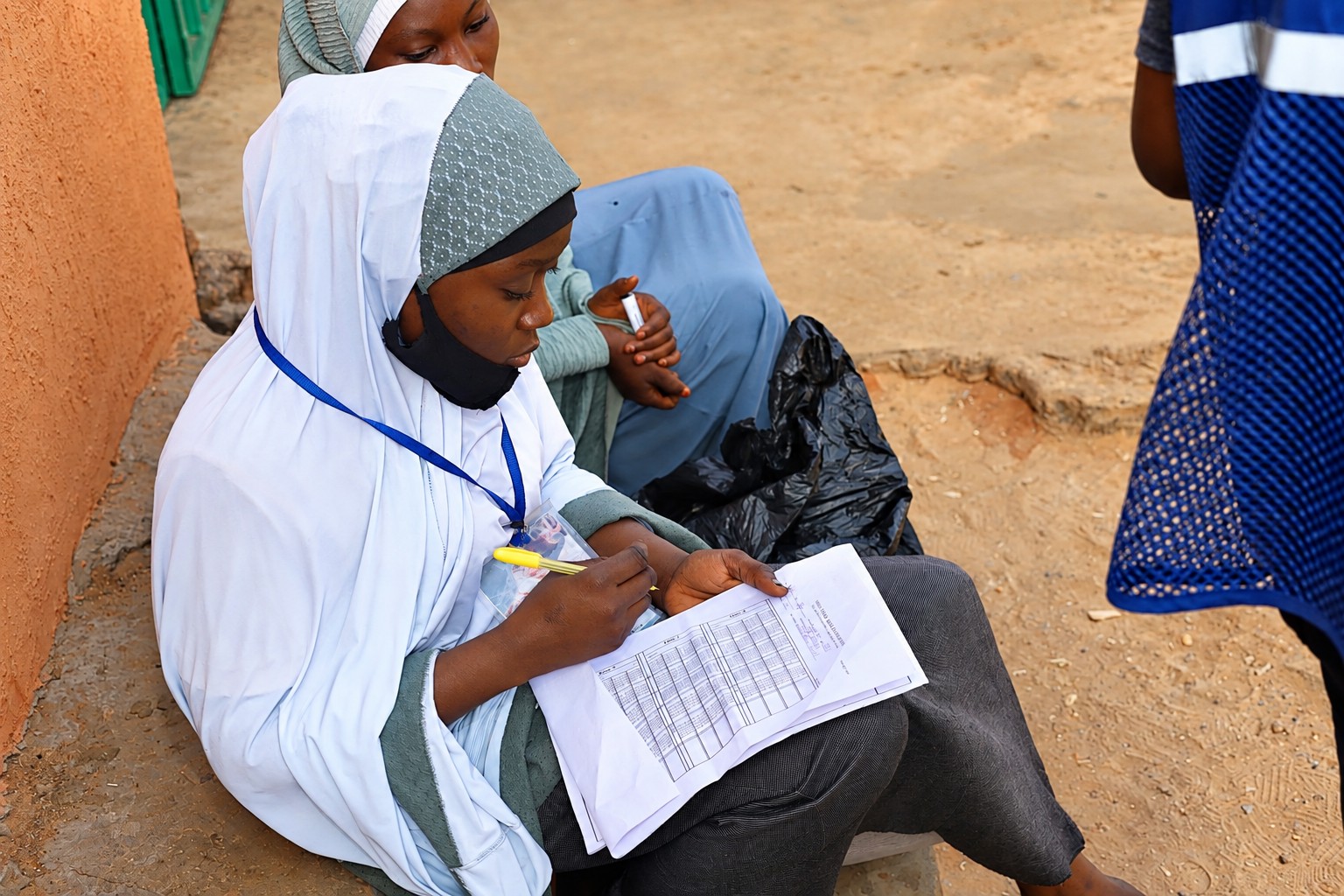
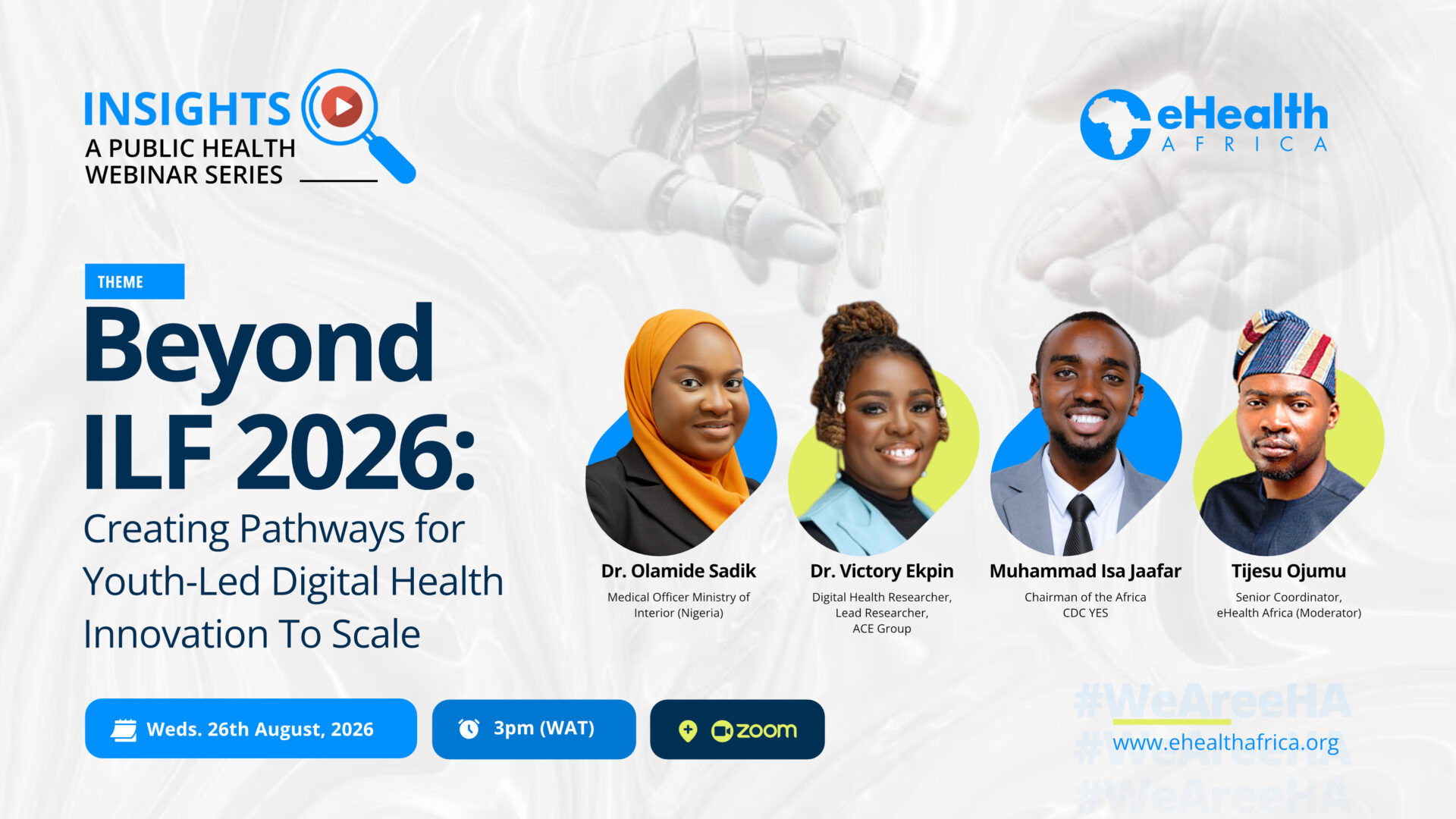
For Mrs. Blessing, a plantain chips seller in an underserved community, managing her health was not always straightforward. She was living with high blood pressure and had limited information about antenatal care during pregnancy. Her story, shared by mDoc during the 2026 Insights Learning Forum (ILF), showed what can happen when the right information and support reach a woman at the right time.
Through mDoc’s Digital Mom Project, she received personalized self-care support, health tracking and timely guidance through AI-driven coaching, community engagement and health-system integration. According to mDoc, she did not miss her antenatal appointments and became more confident managing her blood pressure, nutrition and health decisions.
Her story reflects a much wider reality for women and girls around the world. Globally, 810 million women in low- and middle-income countries are still not using mobile internet, and more than two-thirds of them live in Sub-Saharan Africa and South Asia. For adolescent girls and young women, the gap is even sharper. UNICEF reports that in low-income countries, around 90% of girls and young women aged 15–24 are offline, compared with 78% of boys and young men.
That reality should shape how we talk about digital health for women and girls. Innovation is not inclusive simply because it exists online, sits inside an app, or travels through a mobile phone. The real test is whether it reaches women and girls in a form they can access, trust, and act on.
For many women and girls, exclusion is shaped not only by connectivity, but also by income, mobility, literacy, privacy, caregiving responsibilities, household power dynamics, and the quality of care available when they seek help. These realities can determine whether a digital solution is actually useful, even when the technology itself is available.
Safety is another important part of that picture. Dr. Kemi DaSilva-Ibru, Founder of the Women at Risk International Foundation (WARIF), warned that digital innovation can expose women to new forms of harm, including cyberstalking, online harassment, doxing, deepfakes, and misuse of personal information. “As we move forward with these digital innovations, we must recognize that these innovations come with digital harm,” she said.
Reaching women is therefore only one part of inclusion. Reaching them safely requires privacy safeguards, digital literacy, legal protection, and systems that can respond when harm occurs.
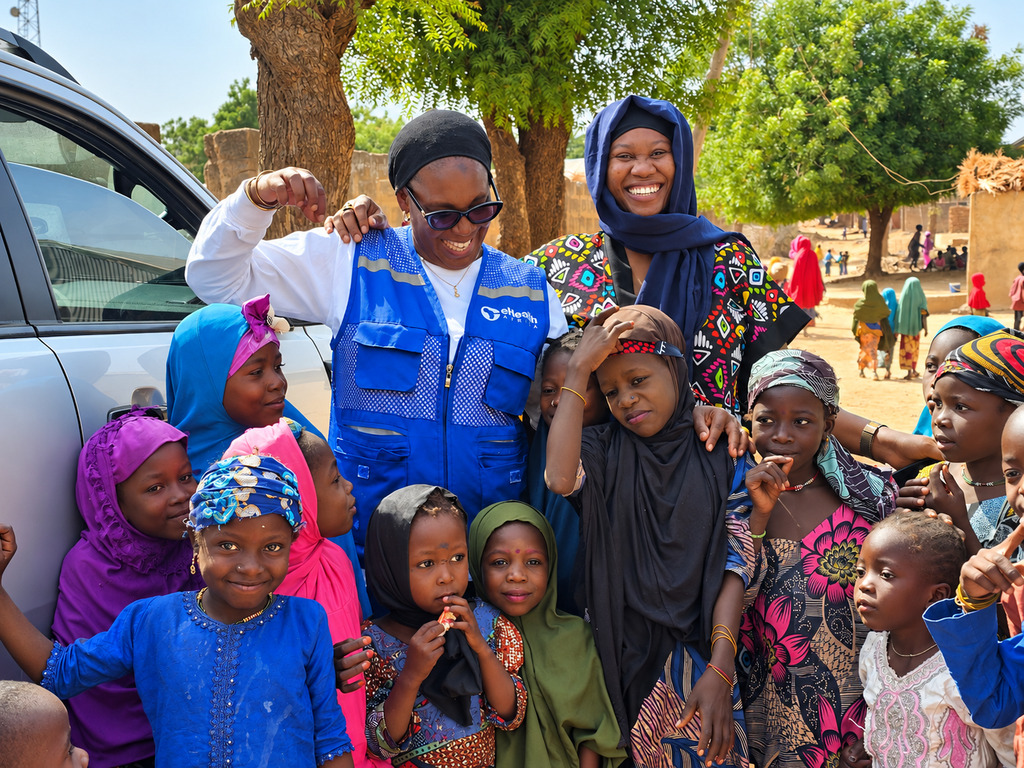
A similar systems approach is reflected in Jacaranda Health and eHealth Africa’s work on Promoting Mothers in Pregnancy and Postpartum Through SMS (PROMPTS) in Kano State. Rather than treating the platform as the intervention in itself, implementation has also focused on the systems women need around it: localized content, telecom integration, enrolment pathways, quality assurance, a user-support hub and health-trained call-centre agents. These foundations are designed to help women receive information that is locally relevant, reliable and supported by continued engagement.
This is what makes Mrs. Blessing’s story significant. The technology did not simply reach her; it was connected to continued guidance and support that helped her act on the information she received and make decisions about her health.
The real question is not simply whether women can be reached, but what changes because they are. Reach and engagement matter, but the deeper measure is whether women can use the information they receive to make better decisions, seek care, receive support, and experience better health.
That is the systems challenge at the heart of inclusive digital health. Technology can open the door, but what surrounds it determines whether women can walk through safely and benefit from what comes next. Digital health works best when access is connected to trust, protection, support, and clear pathways to care.