November 17, 2026
Renewable Energy Brings Ultrasound Scans, Dental Services to PHC in Kano Community
By Moshood Isah & Tijesu Ojumu
For years, pregnant women visiting Panshekara Primary Healthcare Centre in Kumbotso Local Government Area of Kano State could not access ultrasound scans at the facility. Unreliable electricity also disrupted laboratory investigations and other essential services, often forcing healthcare workers to refer patients elsewhere. Today, the facility provides ultrasound scans, dental care, and improved diagnostic services, supported by a more reliable source of electricity.
Panshekara’s experience reflects a broader challenge facing Nigeria’s primary healthcare system. According to the 2025 National Health Facility Survey by the National Bureau of Statistics (NBS), the availability of basic medical equipment stood at just 34.8% in primary health facilities. Combined with unreliable electricity, these infrastructure gaps continue to limit the services healthcare facilities can provide.
Umar A. Umar, a routine immunisation service provider at the facility, revealed that Panshekara PHC initially did not have an ultrasound scanning machine. This was largely because the facility lacked an adequate power supply to operate the machine and other essential medical equipment needed for effective healthcare delivery.
Consequently, patients, particularly pregnant women requiring ultrasound examinations, could not access these services at the facility. This exposed them to potential risks, as they often had to be referred to distant private facilities for examinations.
The situation was even more challenging because the facility paid up to ₦100,000 for electricity from the national grid but received an average of only three to five hours of power supply within 24 hours.
“There was no predictable schedule for when electricity would be available. We simply had to wait for the power supply to come on, and there was no guarantee of when it would be restored after an outage,” Umar said.
The facility initially depended on generators as an alternative power source, but they broke down due to excessive use and inadequate maintenance.
Umar explained, “This created serious challenges, particularly during emergencies. Sometimes, we needed electricity to attend to patients urgently, but neither the national grid nor the generator could provide power.”
In many cases, the facility had to refer patients elsewhere because it lacked reliable electricity to operate essential medical equipment.
The facility also experienced difficulties conducting certain laboratory tests due to unreliable electricity. “For example, when a patient presented with bleeding or suspected anaemia, it was difficult to assess their blood levels using equipment that required electricity,” Umar said.
As a routine immunisation officer, ensuring that vaccines are kept at the appropriate storage temperature remains a major concern for Umar. This was previously a significant challenge, while unreliable electricity also made the facility uncomfortable for caregivers and their children, particularly newborns.
“We usually had many mothers bringing their children for vaccination, but the environment was often very hot. The mothers would be sweating, and the children would become uncomfortable and cry because of the heat,” he said.
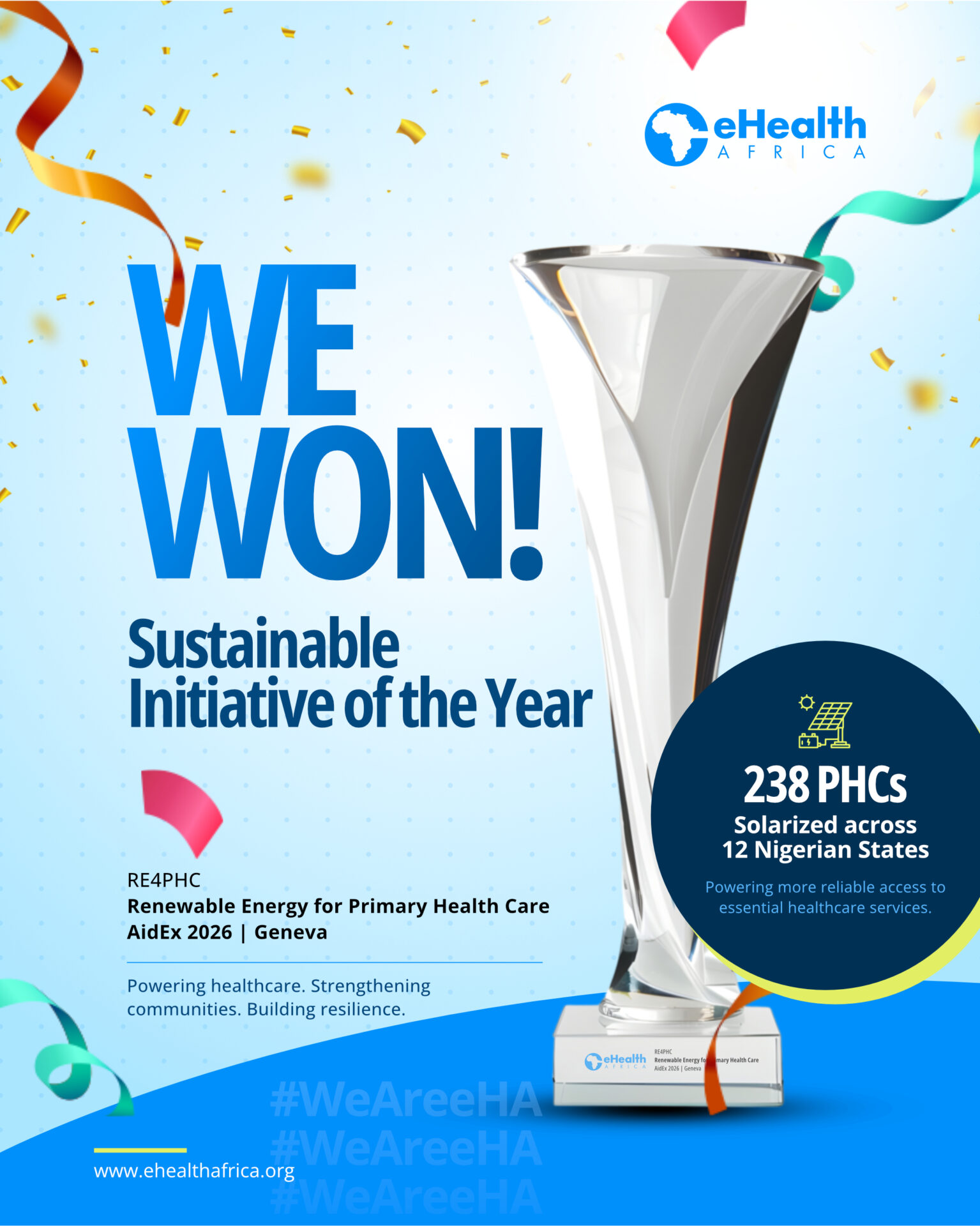
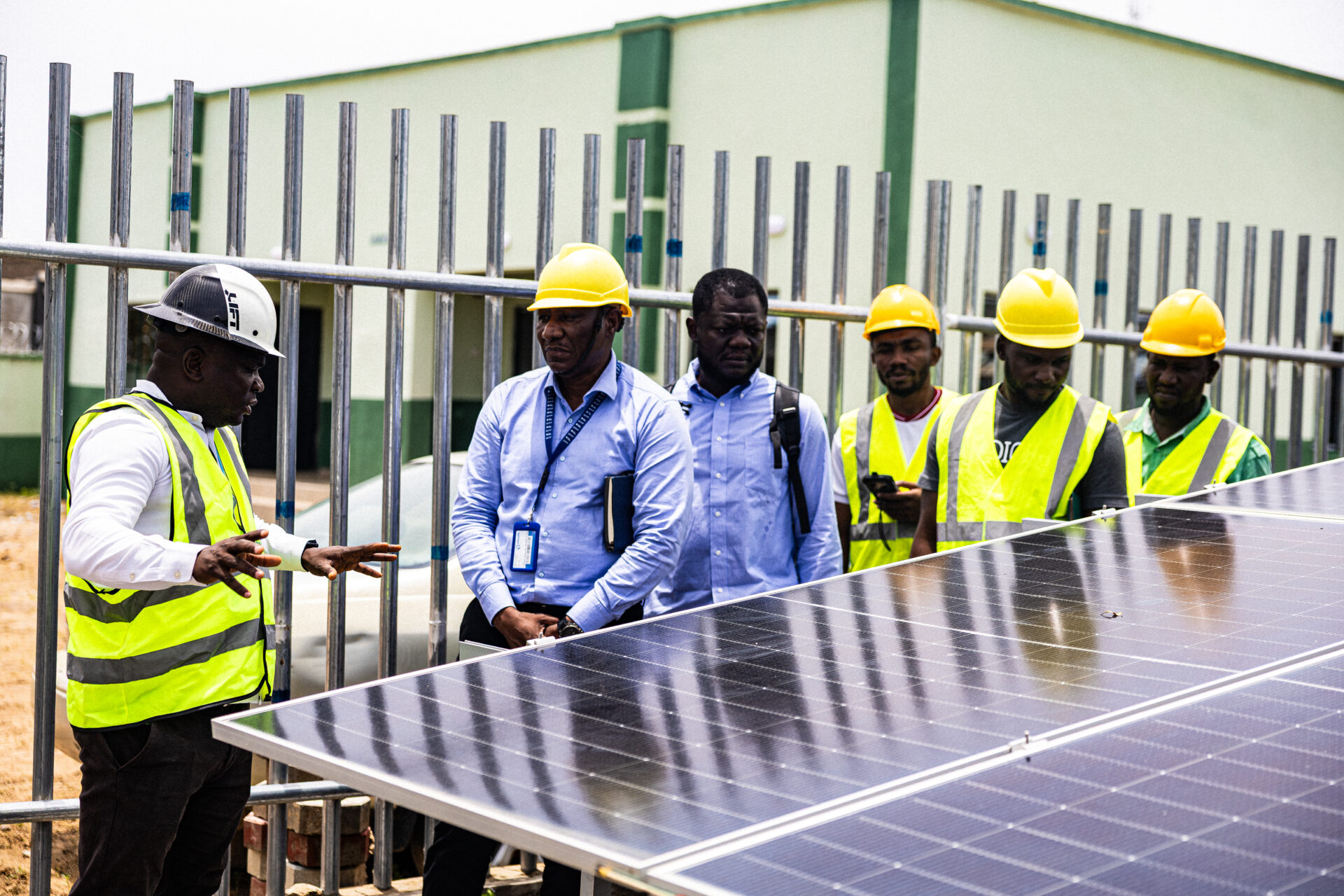
Located in a densely populated suburb of Kano State, Panshekara PHC serves a large population and receives patients referred from surrounding health facilities. It is one of 238 primary healthcare facilities across 12 Nigerian states solarized through the Renewable Energy for Primary Health Care (RE4PHC) initiative, funded by UNICEF and implemented by eHealth Africa with support from Gavi, the Vaccine Alliance, and government partners.
The intervention equips facilities with solar power systems designed to support essential services, including vaccine refrigeration, laboratory diagnostics, and maternal and child healthcare. Healthcare workers also receive training to support the maintenance and long-term functionality of the installations.
According to the project’s Technical Lead, Onche Ogbole, the initiative prioritizes facilities facing significant energy challenges, particularly those serving communities with high numbers of zero-dose children. In Kano State, 28 facilities were solarized under the intervention.
Since the installation, healthcare workers report improvements in service delivery, including greater reliability of immunization and antenatal care services. With electricity available beyond daylight hours, the facility is also better equipped to provide maternal healthcare and attend to deliveries at night.
Onche said, “We have also seen improvements in maternal and child healthcare, particularly because health workers can now attend to deliveries at night without worrying about electricity.”
According to Umar, reliable electricity has enabled Panshekara PHC to introduce services that were previously unavailable, including ultrasound scans and dental care. With a functional ultrasound machine, healthcare workers can now assess pregnant women, including those approaching delivery, and make more informed decisions about their care without routinely referring them elsewhere for scans.
The facility has also established a dental unit, expanding the range of services available to the community. “With the availability of reliable solar electricity, the facility now operates a dental unit equipped with a functional dental chair, which can only be found in a few facilities across the state, “ he said
The solar installation has also improved laboratory services and general healthcare delivery. Interestingly, rather than referring patients to other facilities, Panshekara PHC now receives patients referred from other PHCs for diagnostic services.
With a health post and another clinic located nearby, these facilities sometimes receive patients who require laboratory investigations but cannot conduct the tests because they lack reliable electricity or the necessary equipment.
Umar revealed that patients requiring Packed Cell Volume (PCV) tests to assess their blood levels are often referred to Panshekara PHC. “Similarly, when another facility suspects that a child has anaemia or sickle cell disease, the child may be referred to us for further testing,” he added.
Beyond clinical services, solar power has significantly improved the healthcare environment. The facility now has better lighting and ventilation, including functional fans, making it more comfortable for patients and healthcare workers.
When patients visit a facility and find a comfortable environment where services are delivered promptly, it builds their confidence and trust in the healthcare system.
With reliable electricity still unavailable in many primary healthcare facilities across Nigeria, Panshekara PHC demonstrates what becomes possible when essential health infrastructure is strengthened. Services that once required patients to travel elsewhere can now be accessed within the community, while healthcare workers are better equipped to deliver care when it is needed.
The experience also highlights the importance of expanding sustainable energy solutions to underserved facilities. Beyond improving working conditions, reliable electricity creates opportunities to introduce essential services, strengthen referral networks, and reduce the burden on facilities that currently serve patients from surrounding communities.
For Panshekara, the transformation goes beyond having electricity. It means bringing more essential healthcare services closer to the people who need them.
With only 38% of Nigeria’s approximately 30,000 Primary Healthcare Centres (PHCs) reported to have access to electricity, an estimated 18,600 facilities still lack electricity, while others may still experience unreliable power supply. Recognising the importance of renewable energy in healthcare delivery, stakeholders and community leaders have called on the government and development partners to extend similar interventions to more PHCs across the country.
Expanding these interventions would not only improve access to reliable healthcare services but also reduce the pressure on facilities such as Panshekara PHC, which currently serve communities beyond their immediate catchment areas.
Scaling up renewable energy solutions across more health facilities could significantly strengthen healthcare delivery, improve service quality, and ensure that more communities have access to essential healthcare services.