November 17, 2026
Beyond the Nets: How Post-Distribution Monitoring Is Strengthening Malaria Prevention in Bauchi State
By Moshood Isah & Tijesu Ojumu
In September 2026, the Bauchi State Government, supported by the Against Malaria Foundation (AMF), distributed over 4.8 million insecticide-treated nets across 20 LGAs, targeting 9.9 million residents. This followed the distribution of over 4.4 million nets in 2023 to strengthen malaria prevention. However, for families to benefit from this intervention, the nets must reach their intended households, remain available, and be used correctly and consistently. The impact of mosquito net distribution, therefore, goes beyond the number of nets delivered.
In fact, findings from the 2025 Nigeria Malaria Indicator Survey reveal that although 57.6% of households owned at least one insecticide-treated net, only 16% had sufficient nets to meet the recommended household coverage threshold. Similarly, just 37.7% of children under five slept under an insecticide-treated net the night before the survey.
These findings highlight an important gap between net ownership, adequate household coverage, and consistent use. While they do not necessarily point to shortcomings in distribution campaigns, they reinforce the need for household-level evidence to understand what happens after nets are delivered and identify opportunities to strengthen malaria prevention efforts.
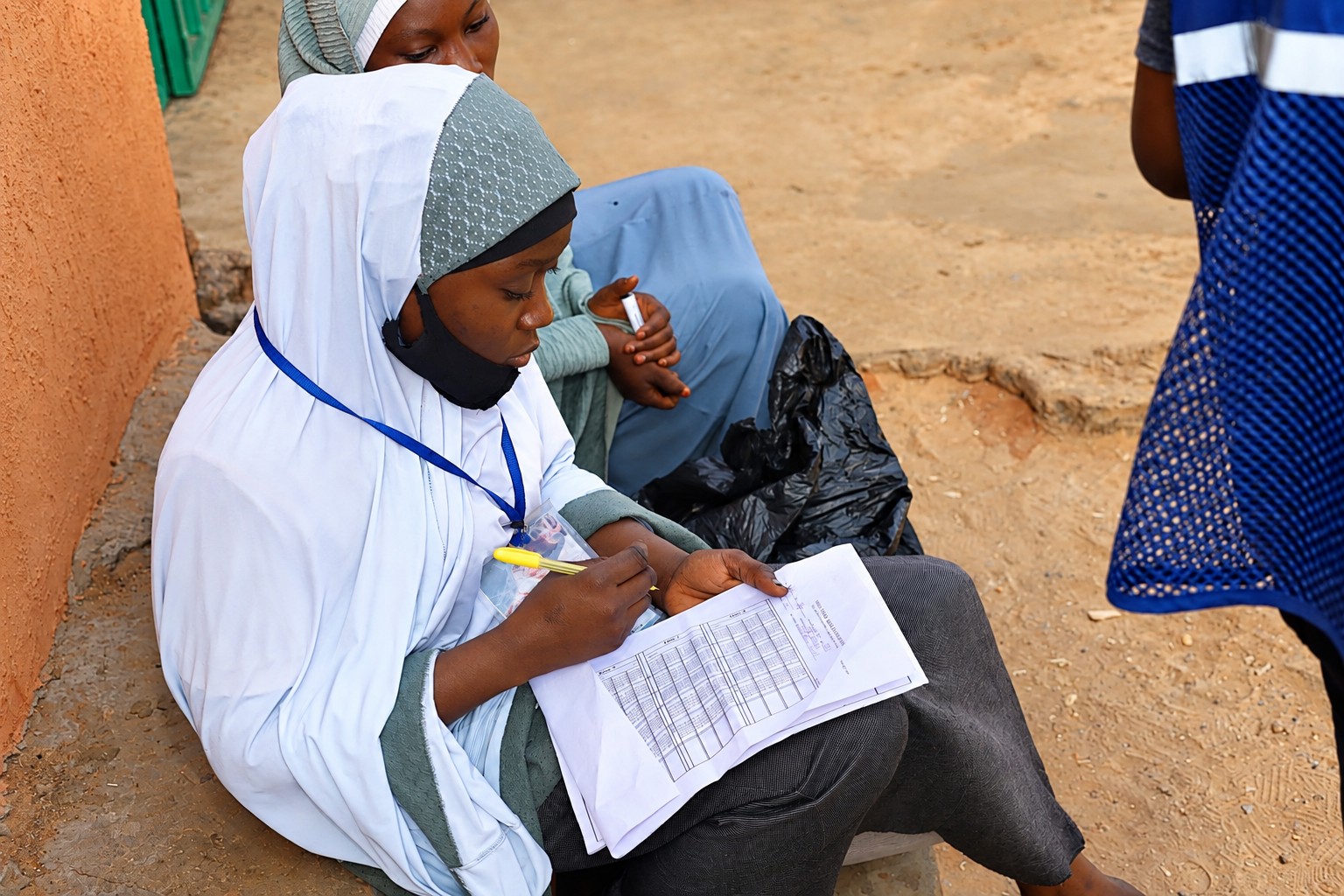
Distribution records provide important information on campaign coverage and the number of nets delivered. However, household-level post-distribution monitoring offers an opportunity to build a more complete picture of what happens after distribution. It provides critical insights into the availability of mosquito nets in households, the extent to which families consistently sleep under them, and the factors influencing their appropriate and sustained use.
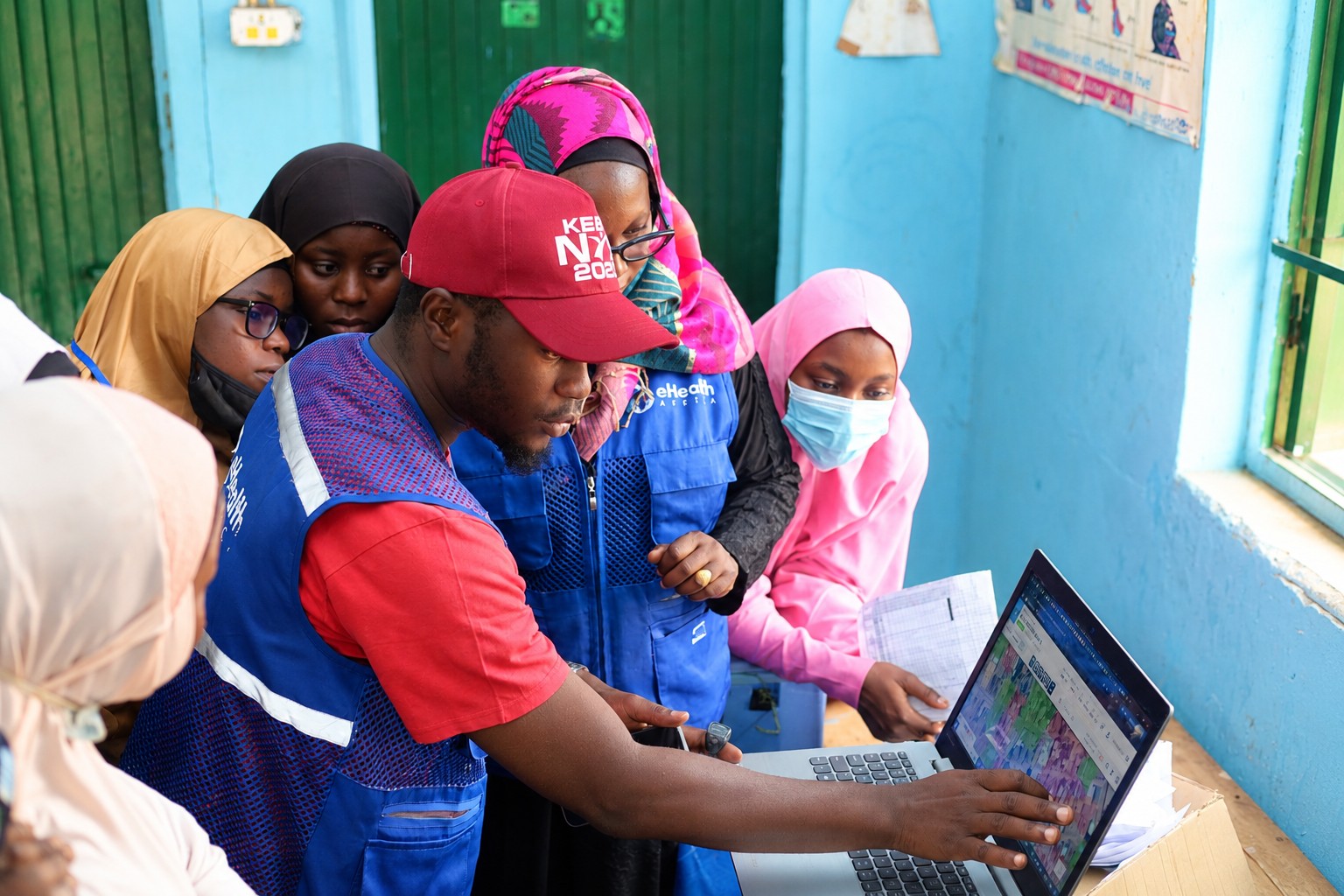
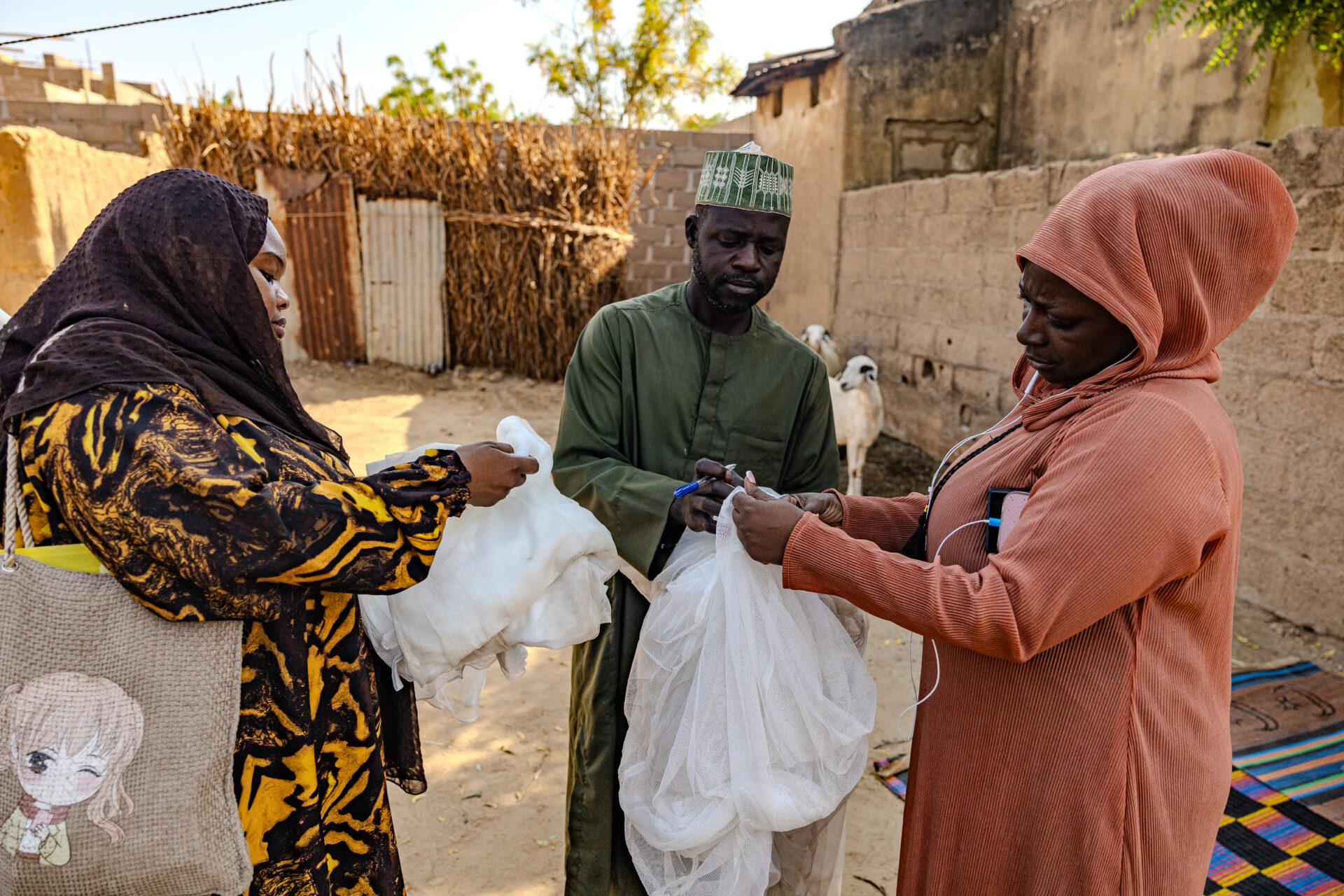
To bridge this evidence gap, eHealth Africa (eHA), with support from AMF, is conducting baseline Post-Distribution Monitoring (PDM-0) following the 2026 distribution campaign in Bauchi State. Unlike previous monitoring exercises conducted several months after distribution, PDM-0 provides an earlier opportunity to assess household access to nets, understand beneficiaries’ experiences, and identify barriers to consistent use.
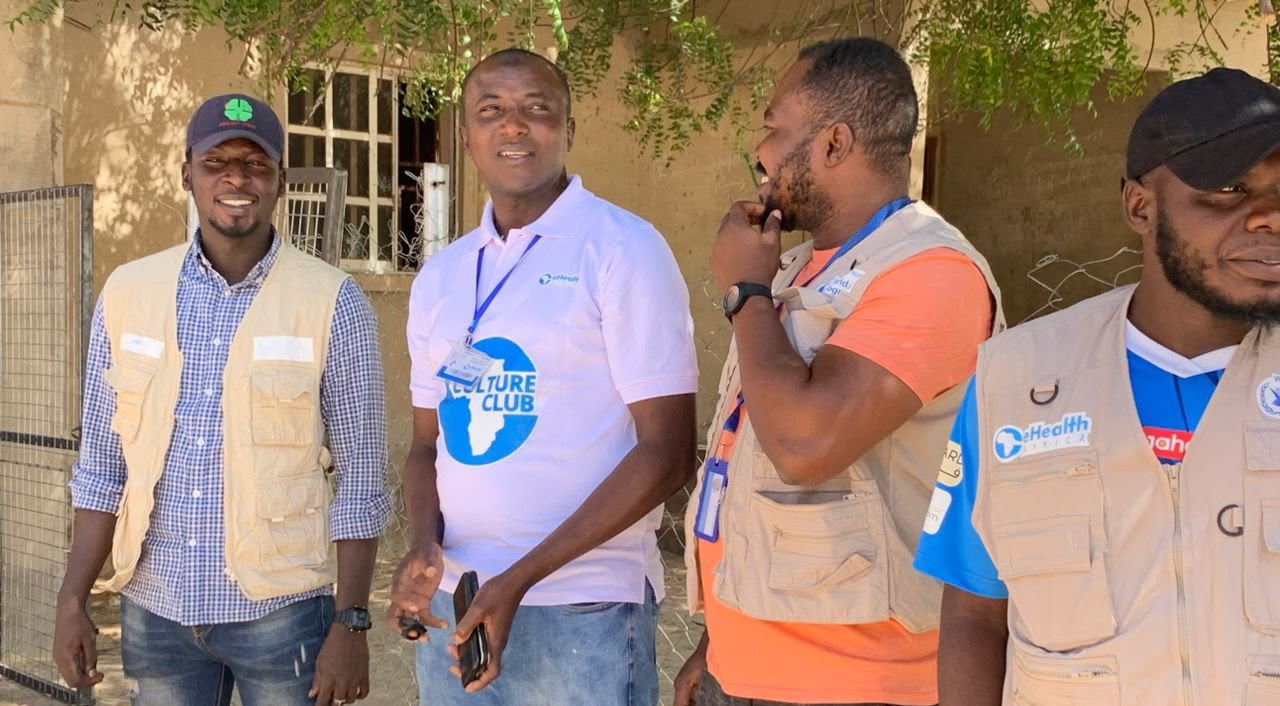
According to Project Manager Toju Chibuzor Ogele, the exercise also helps identify operational challenges, including difficulties reaching communities in security-compromised locations. These insights can provide the state and its partners with evidence to address emerging gaps and improve the planning and implementation of future campaigns.
Similarly, eHealth Africa’s Associate Manager, Impact Measurement, Ngodoo Akuto explained that PDM-0 offers an opportunity to assess whether the state has adopted different approaches and whether these changes have addressed previously identified gaps.
“For this round, we have also introduced qualitative questions that capture beneficiaries’ experiences, the distribution processes, and issues relating to net utilisation, including whether distributed nets are being used or sold,” she said.
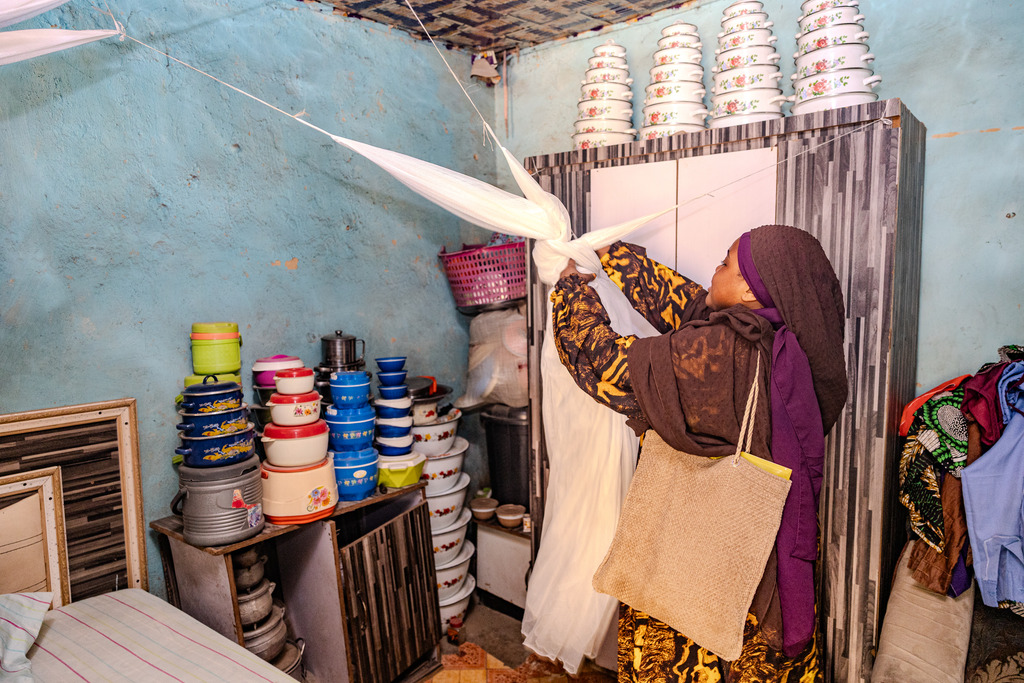
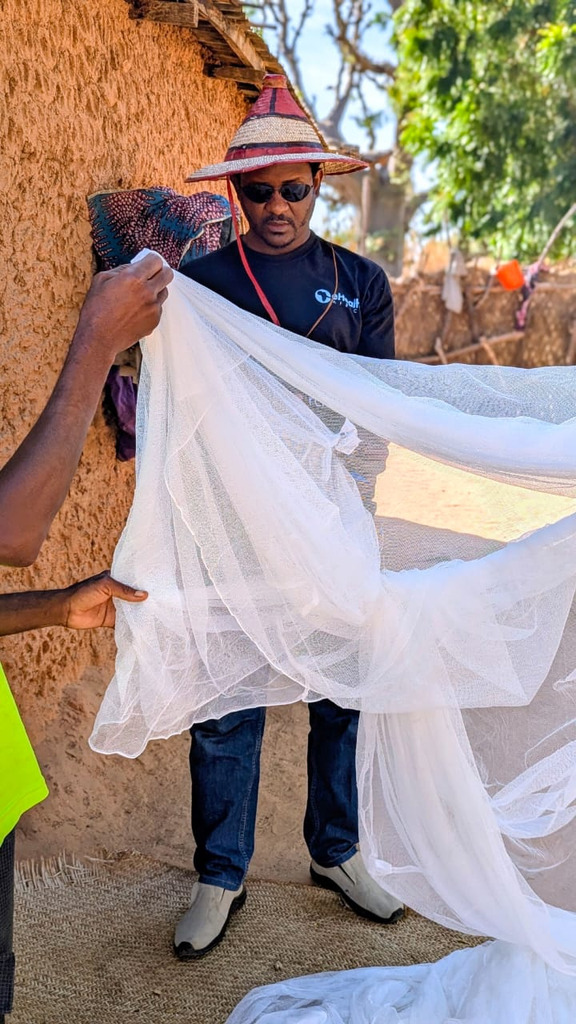
According to Toju, beyond assessing the presence, condition, and use of mosquito nets, the PDM team also encourages households to use them appropriately. “For instance, when we visit households and discover that the nets are not being used, we explain that the nets are safe and can help protect family members, particularly children under five, pregnant women, and older people,” he said.
Having managed three previous PDM exercises in Bauchi State, conducted nine, 18, and 27 months after the 2023 distribution campaign, Toju noted that one of the most important lessons learned is that social and behaviour change communication around net use should not be a one-off activity. “During an initial visit, we may discover that a household has received nets but has not hung them. However, during a follow-up visit, we sometimes find that the household has started hanging and using the nets,” he explained.
This, according to him, demonstrates the importance of sustaining behaviour change communication beyond the distribution campaign. “We believe that increased net utilisation can contribute to reducing malaria prevalence,” he added.
This emphasis on sustained community engagement was reinforced by the state’s Advocacy, Communication and Social Mobilisation Lead, Danazimi Haladu Mohammed, who explained that Bauchi State prioritised social and behaviour change communication to encourage consistent net use. “We conducted several advocacy and stakeholder engagement activities, reaching out to traditional leaders, security personnel, the Honourable Commissioner, the wife of the Executive Governor, and other key stakeholders,” he said.
Engagement with traditional institutions and other community gatekeepers was instrumental in advancing these efforts, encouraging community participation, and ensuring that stakeholders played their respective roles in supporting mobilisation. “Beyond traditional institutions, we engaged various media organisations, including electronic and print media. We organised phone-in programmes during which the Executive Director and I provided an overview of the campaign and gave members of the public opportunities to ask questions and seek clarification,” he added.
Beyond measuring net availability and use, the monitoring exercise is also capturing insights that distribution figures alone cannot reveal. Some beneficiaries reported that the newly distributed nets were softer, larger, and more comfortable than those received previously. While seemingly minor, such feedback offers important insights into the practical factors that may influence whether families consistently use their nets. For eHA and its partners, understanding these experiences is essential to ensuring that future interventions respond not only to coverage targets but also to the needs and preferences of households. These sustained malaria prevention efforts provide important context for the progress reported in Bauchi State. According to figures cited by state health authorities during the 2026 distribution campaign, malaria prevalence had declined from approximately 34% in previous years to 17.8% by the time of the latest distribution.
This reported decline provides encouraging context for Bauchi State’s broader malaria prevention efforts, although it cannot be attributed to mosquito net distribution or post-distribution monitoring alone. Rather than serving as evidence of PDM’s impact, it underscores the importance of continued investment in malaria prevention and reliable monitoring systems that help government institutions and partners understand what is working, identify remaining gaps, and make informed decisions.
Bauchi State’s experience reinforces an important lesson for malaria prevention: distributing mosquito nets is only the beginning. Understanding what happens after distribution is essential to ensuring that these investments translate into sustained protection for households.
Through post-distribution monitoring, eHealth Africa is helping bridge the gap between campaign implementation and evidence-based decision-making. The insights generated will be valuable not only for identifying gaps in net access and use, but also for informing future campaigns, strengthening community engagement, and supporting more responsive malaria prevention strategies.