October 23, 2026
Beyond the Numbers: How Digital Solutions Help Vaccination Campaigns Reach Millions of Children in Nigeria
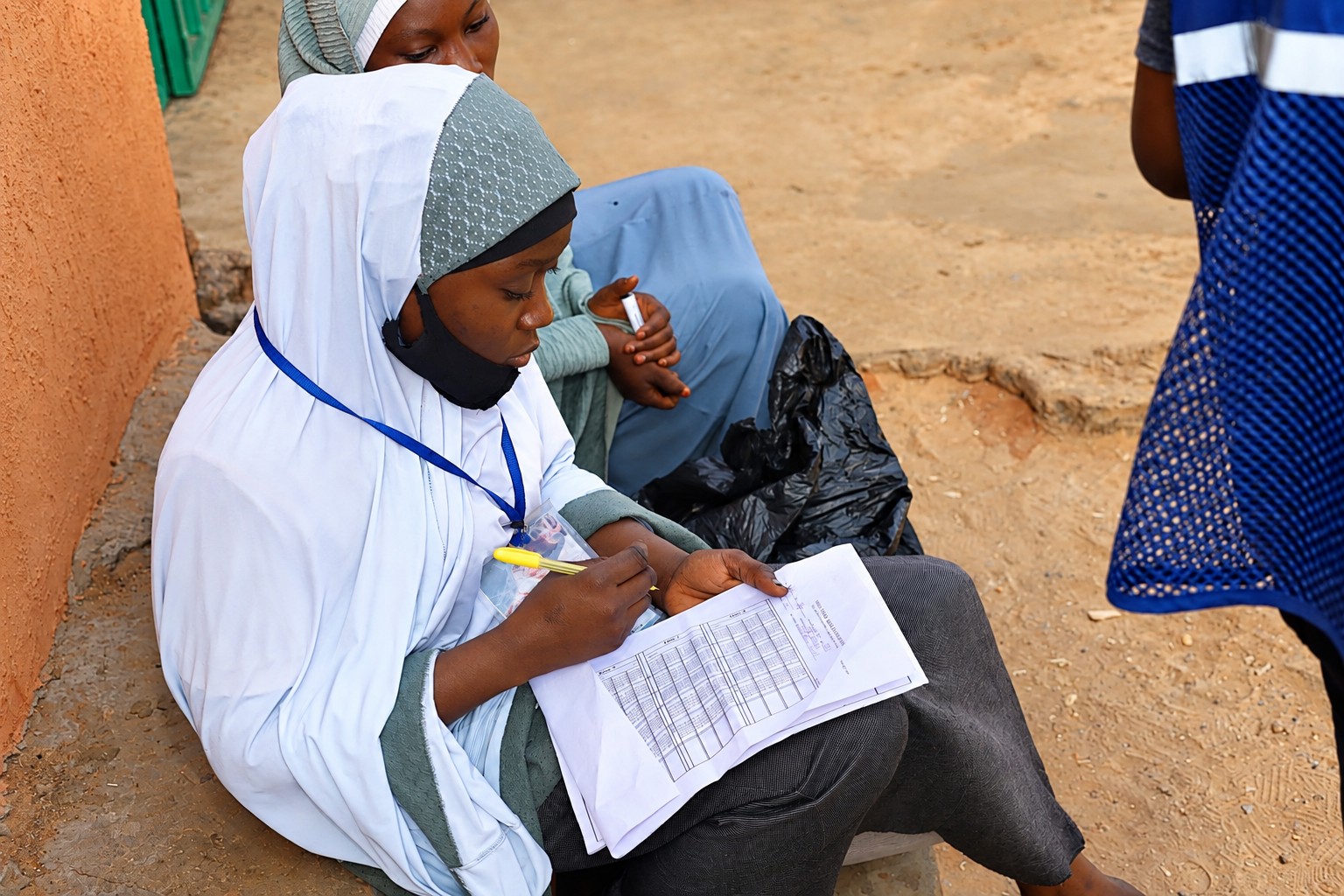
In its 2026 Mid-Year Impact Report, eHealth Africa highlighted how its support for polio vaccination campaigns contributed to reaching over 23 million children in the first half of the year. Behind this milestone are sustained efforts to identify hard-to-reach communities, improve campaign planning, and track vaccination teams, including in areas affected by insecurity.
Reaching communities affected by insecurity, difficult terrain, and systemic barriers remains a significant challenge. For many families, accessing essential health services can mean traveling several kilometers, sometimes across rivers, to reach the nearest health facility. Other communities may be cut off entirely or inadequately captured in service delivery plans, increasing the risk that children are missed during critical health interventions such as immunization.
For these children, the risk of contracting life-threatening, vaccine-preventable diseases is often shaped by circumstances beyond their control, including where they live and the security challenges affecting their communities.
In May 2026, UNICEF reported that an estimated 2.2 million children in Nigeria had missed immunization, highlighting persistent barriers such as misinformation, distance, and limited access to health services. Children living in urban slums, border communities, migrant settlements, riverine villages, and conflict-affected areas are particularly vulnerable to being missed.
Abubakar Shehu, who currently leads eHealth Africa’s Disease Prevention and Monitoring (DPM) interventions, corroborated this, saying, “People living close to a health facility can access immunization services directly at the facility. Those beyond two kilometers may be reached through outreach services, while communities beyond five kilometers may require mobile outreach.”
Beyond the difficulty of reaching these communities, planning immunization campaigns can be particularly tedious, especially when relying on traditional approaches to developing microplans and assigning vaccination teams to different locations. Before the introduction of digital tools, Nigeria’s immunization program relied heavily on existing community structures, particularly in northern Nigeria, to support campaign planning.
According to Abubakar, “Northern Nigeria has a well-organized traditional leadership structure that extends down to the community level. No matter how small a community is, it usually has a recognized leader who is connected to the broader traditional leadership system.”
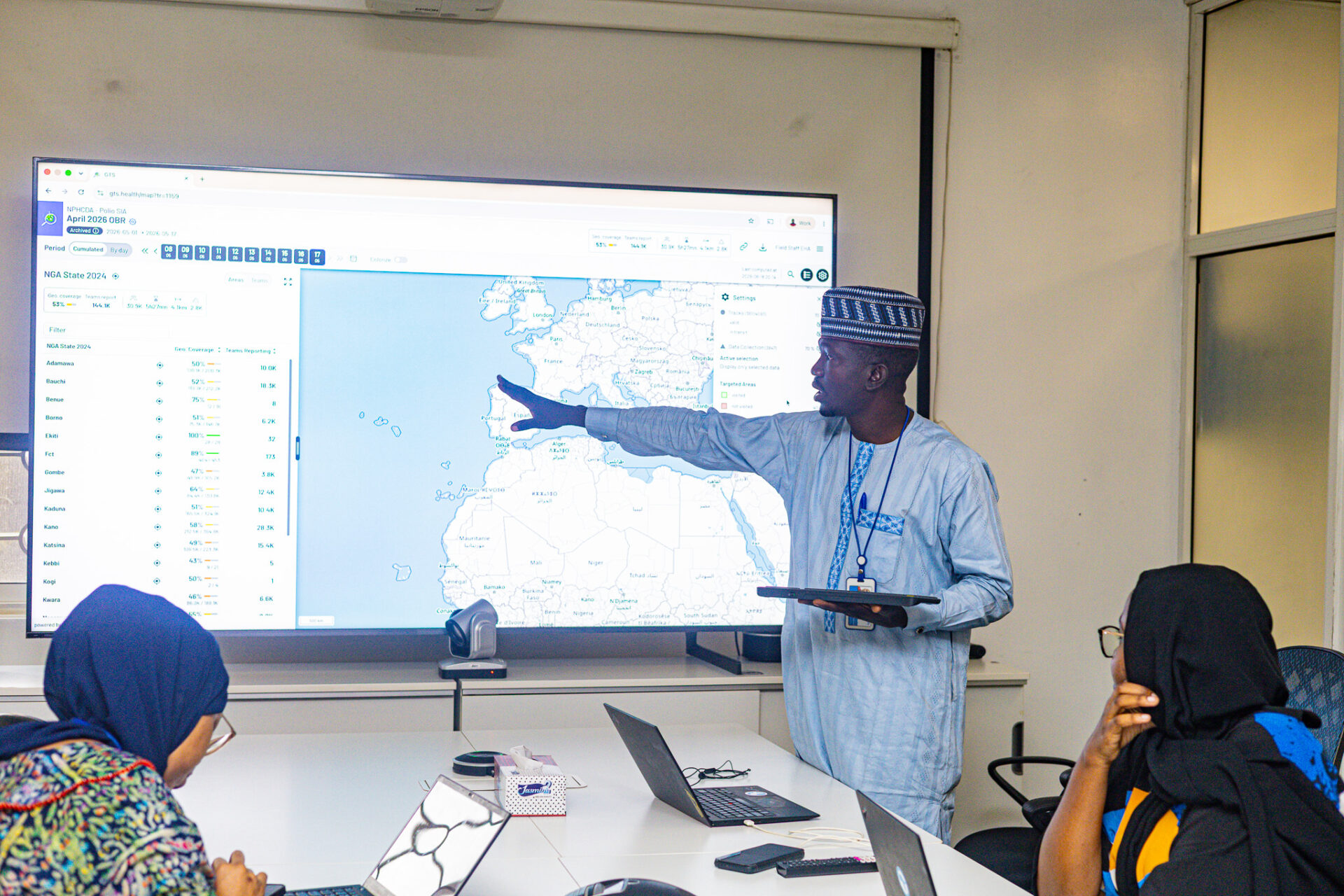
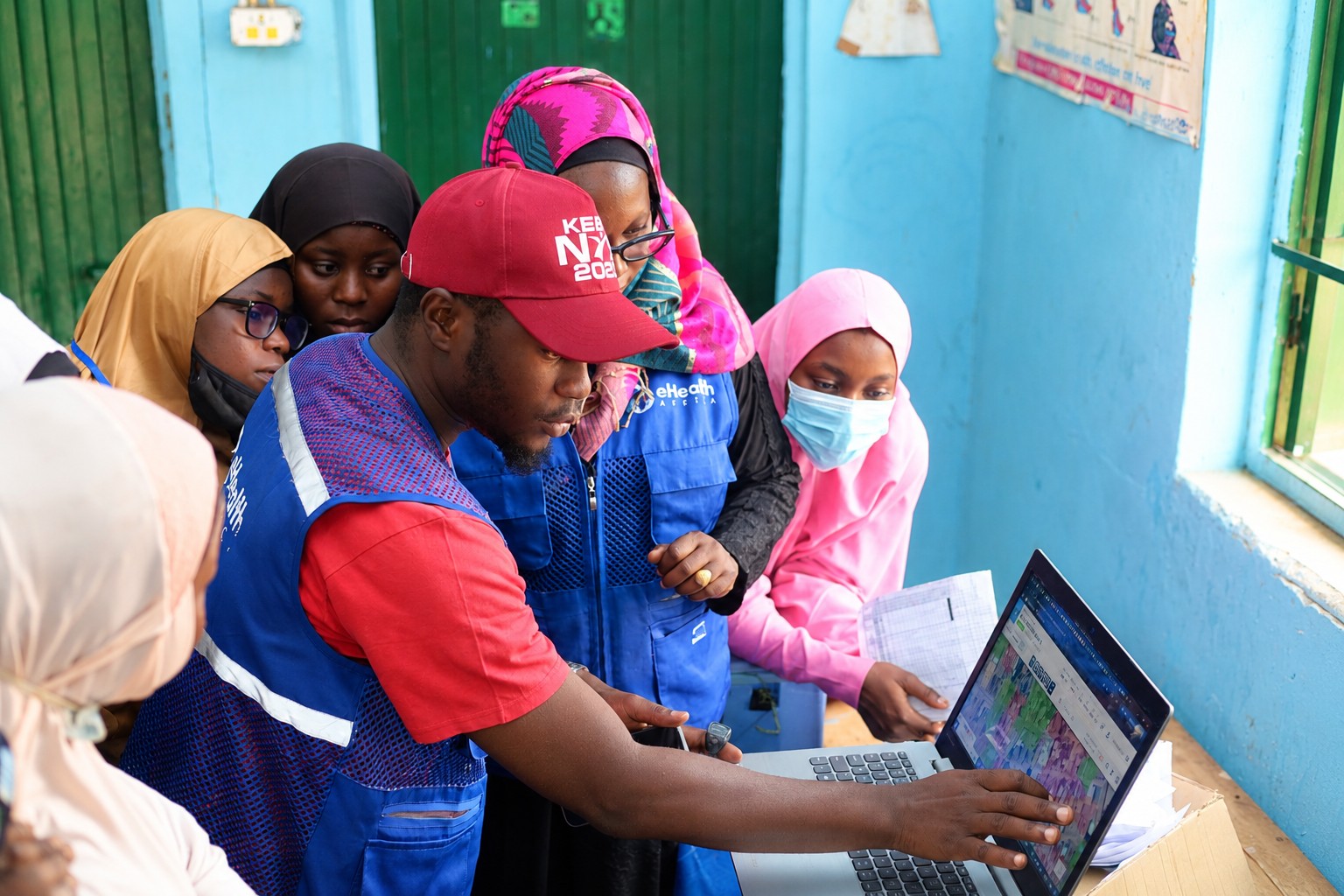
While these traditional structures remain essential to community engagement and campaign planning, digital solutions such as the Geospatial Tracking System (GTS) and PlanFeld are helping strengthen the accuracy of settlement data, improve planning, and increase visibility into vaccination campaign activities.
The strategic deployment of these digital health solutions is helping immunization programs identify and map communities, improve campaign planning, track vaccination teams, strengthen last-mile vaccine delivery, and ultimately reach more children, including those in hard-to-reach communities.
Speaking about how eHealth Africa has consistently supported polio immunization campaigns across northern Nigeria, Abubakar explained that the organization initially mapped communities in areas considered at high risk for polio transmission.
“We mapped these locations extensively, collecting data including the geolocation of settlements, habitation status, accessibility, and information about community leadership and public amenities such as schools, markets, churches, and mosques.”
This mapping provides detailed information that supports more accurate and efficient campaign planning. “With geospatial technology and GIS population modeling, we can generate more precise information to support planning.”
He explained that a settlement may administratively belong to a particular Local Government Area (LGA), but geographical barriers may make it difficult to access from within that LGA. Geospatial information can help identify an alternative route through neighboring LGAs, allowing vaccination teams to reach these settlements more easily.
“Geospatial technology has also helped us monitor vaccination activities and understand where vaccination teams have visited and where they have not,” he added.
The deployment of digital tools begins at the planning stage, with continuous data validation carried out in collaboration with relevant partners, community leaders, and local government officials to ensure settlement information remains accurate and up to date. This process is particularly important in determining whether settlements are inhabited, especially in areas affected by population displacement.
“A settlement may be inhabited today and deserted tomorrow because people have been displaced. Regular validation helps us understand where communities are and how best to plan to reach them,” Abubakar explained.
According to Abubakar, the validated settlement data is subsequently integrated into PlanFeld, a digital microplanning solution developed by eHealth Africa. By helping vaccination teams develop more accurate campaign plans, allocate workloads, and identify settlements to be covered, PlanFeld can reduce the time required for microplanning from days to minutes.
This was further emphasized by the Project Manager, Nnenna Ohaeri, who highlighted the transition from hand-drawn maps to GIS-based maps as another significant improvement.
“This allows us to more accurately identify settlements, including communities that might otherwise be missed,” Nnenna explained. “As vaccination teams are deployed, we can confirm that they are going to the correct settlements and help ensure that communities and children are not missed.”
The transition from manual planning to digital microplanning, supported by GIS-based maps, improved workload allocation, and more accurate monitoring of daily campaign activities, is helping vaccination teams identify and reach settlements that might otherwise be missed. These improvements also save time and help optimize limited resources within Nigeria’s healthcare system.
Beyond geospatial tracking and digital microplanning, eHealth Africa also supports immunization systems through Vaccine Direct Delivery (VDD) and the solarization of primary healthcare facilities. VDD supports the timely transportation of vaccines to last-mile health facilities under appropriate temperature conditions, while solarization provides reliable electricity for vaccine refrigerators, helping maintain cold-chain integrity and preserve vaccine potency.
Reaching over 23 million children through polio vaccination campaigns supported by eHealth Africa in the first half of 2026 demonstrates what coordinated, technology-enabled immunization efforts can achieve. Behind this milestone are the systems, partnerships, and frontline health workers making it possible to identify underserved communities, improve campaign planning, and track implementation. Ultimately, the value of these solutions goes beyond the numbers. It lies in helping ensure that where a child lives does not determine whether they can be reached with life-saving vaccines.