October 9, 2026
The Intelligence Behind Faster Outbreak Response: Turning Public Health Signals into Coordinated Action
Fatimah Abdulazeez
The difference between an early warning and a delayed response is rarely the absence of information. It is the system’s ability to detect a signal, verify it, interpret it, and act early enough to change the outcome. Outbreak preparedness therefore requires more than data collection. It depends on whether information can be turned into intelligence early enough to guide action.
Traditional surveillance remains essential, but it cannot carry the full burden alone. Public health threats may appear in routine reports, yet they can also emerge through community alerts, event-based surveillance, informal networks, or signals from the human–animal–environmental interface. A system that relies only on formal reporting risks missing the early warnings that sit outside its usual channels.
This is why the Africa Centres for Disease Control and Prevention (Africa CDC) identifies event-based surveillance as a key mechanism for early warning, risk assessment, and timely response. Early warning systems, event- and community-based surveillance, media scanning, laboratory reports, routine health data, and field intelligence can help public health actors notice signals earlier, test them against available evidence, and decide whether a response is needed.
The approach also aligns with the World Health Organization Regional Office for Africa’s (WHO AFRO) Integrated Disease Surveillance and Response guidance, which stresses strengthening community-based surveillance for early detection and rapid response.
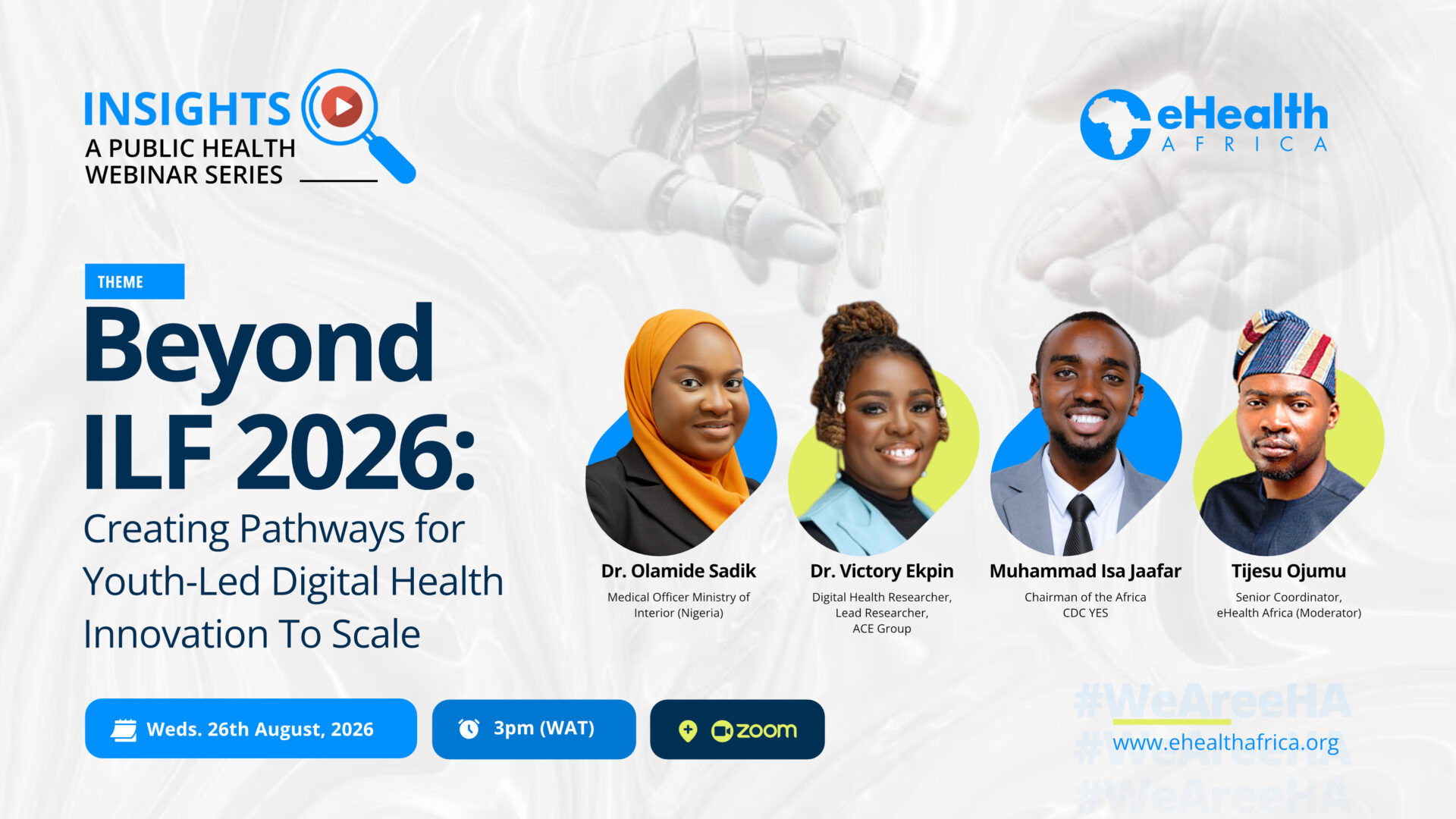
One example shared during the Insights Learning Forum (ILF) 2026 illustrated this in practice. A speaker described how an Ebola-related alert in Lagos was detected through an event-based surveillance platform rather than routine end-of-day reporting. While limited details were shared about the incident, the example underscored a critical point: earlier detection gives response teams a better chance to investigate, assess the risk, communicate appropriately, and act before the situation escalates.
The value of intelligence lies in shortening the distance between a signal and a decision. However, speed means little if the information is weak. Poor-quality, incomplete, or delayed data can delay verification, misdirect resources, weaken coordination, and slow action when time matters most. In emergencies, data quality is not a technical detail but part of the response itself.
Many outbreaks also sit at the intersection of human, animal, and environmental health, making it essential for public health intelligence to connect signals across sectors. A One Health approach, which considers these areas together rather than in isolation, helps decision-makers see not only what is happening, but where the risk may move next.
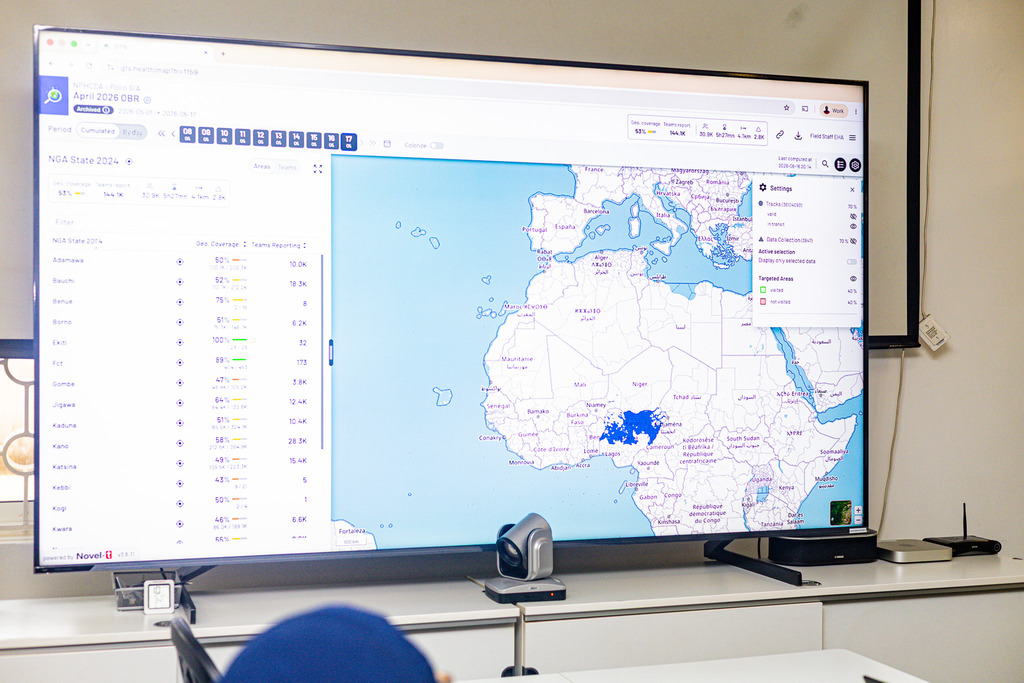
This is where technology matters, but not as a standalone solution. Digital tools can improve how data is collected, transmitted, analyzed, and visualized. They can support faster reporting, clearer alerts, and better decision-making. But technology must do more than introduce new platforms. It must strengthen the systems that allow governments and response actors to trust information, use it, and act on it.
A dashboard does not save lives on its own. An alert does not contain an outbreak by itself. A report does not become useful simply because it has been submitted. The real test is what happens next: who sees the signal, who verifies it, who decides what it means, who mobilizes the response, and how quickly action follows.
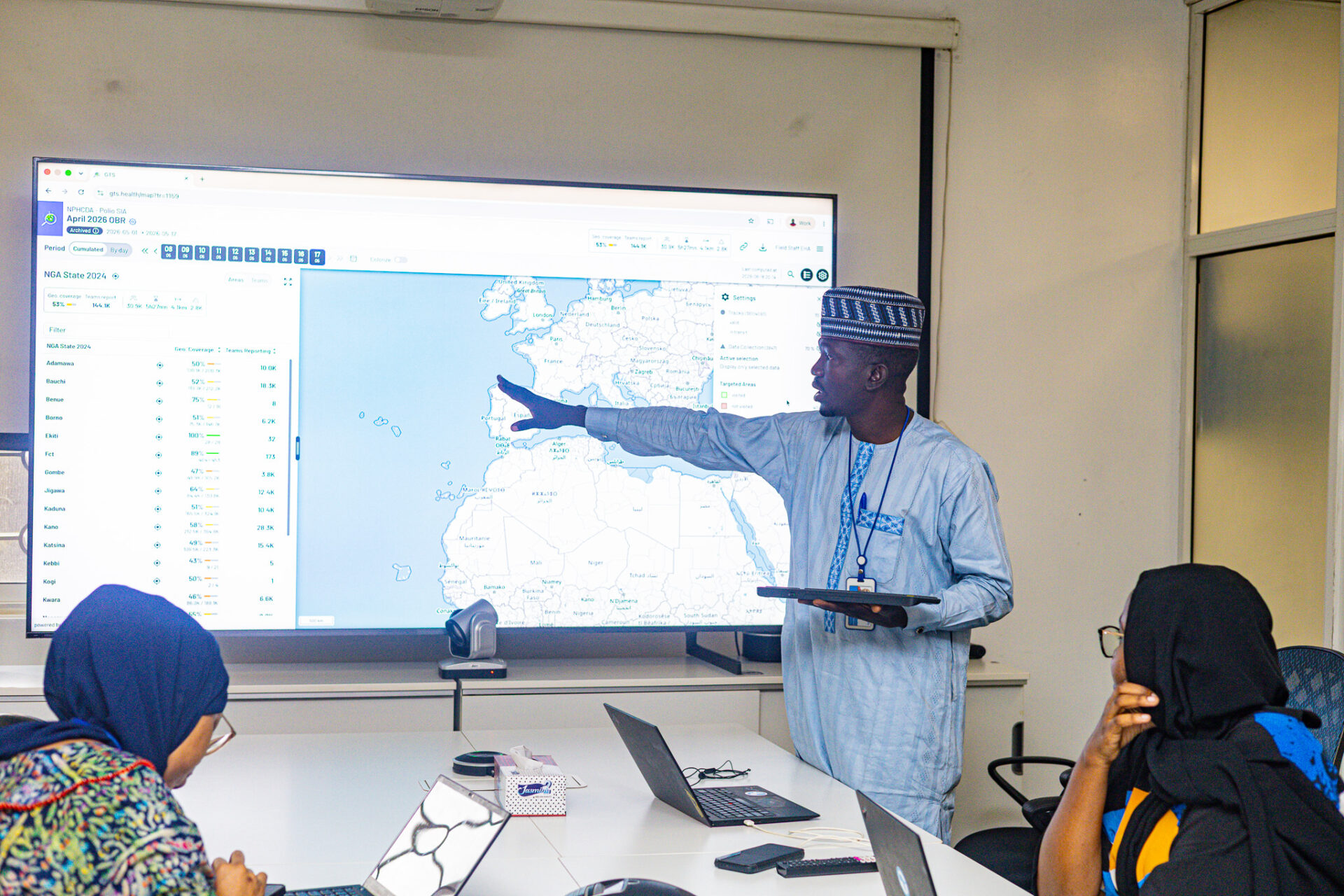
Public health intelligence must therefore move beyond collecting information. It must help countries see earlier, decide faster, and act before threats become harder to contain. For eHealth Africa, this connects directly to its work strengthening public health systems and supporting Emergency Operations Centers to turn timely information into better coordination, preparedness, and response.