Room to Grow: From the Driver’s Seat to Travel Coordination

Joyce Shinyi

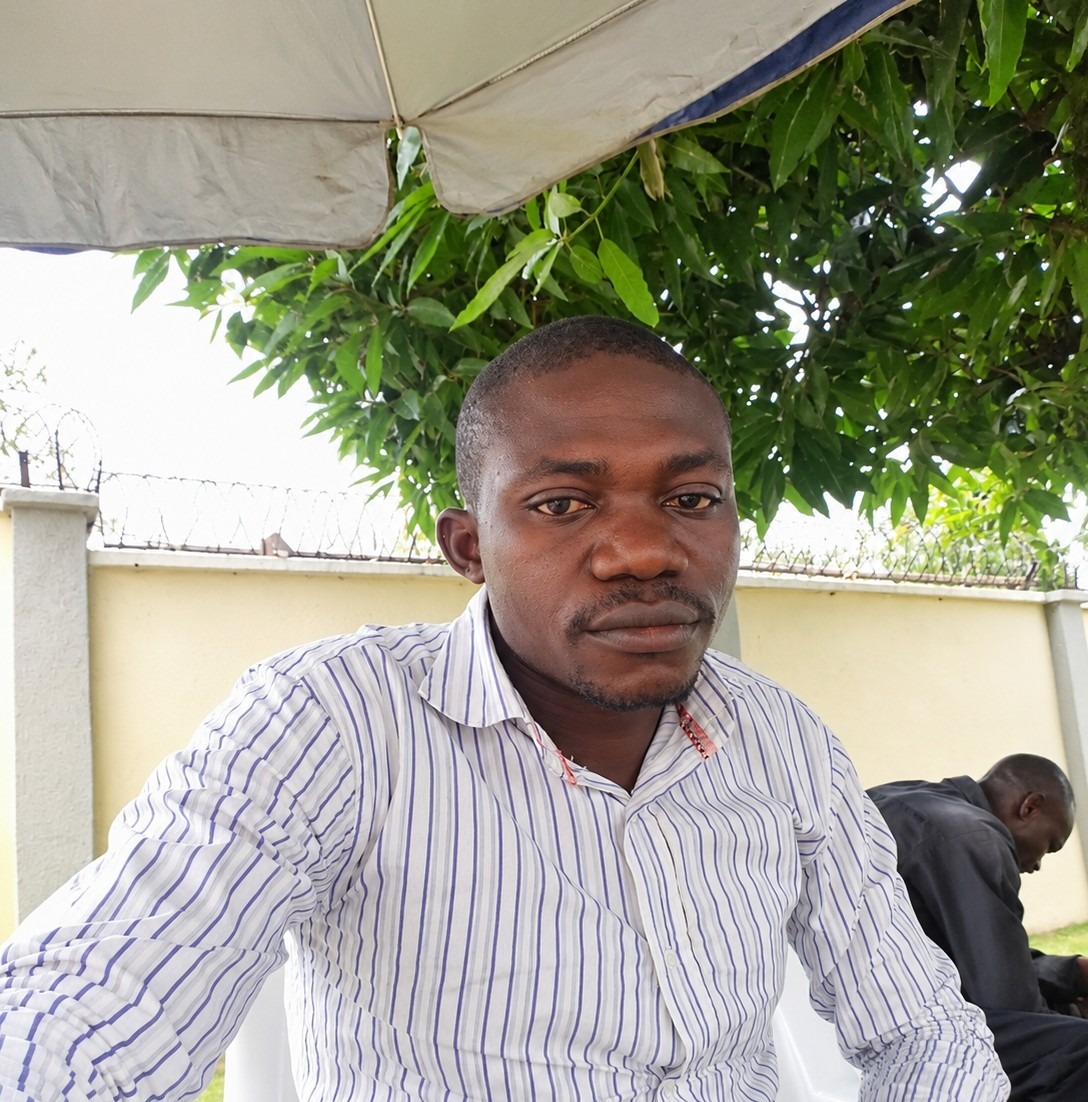
When Abdul Nuhu joined eHealth Africa as a driver, his responsibilities centered on getting colleagues safely and reliably to their destinations. Today, he coordinates travel arrangements that help those same colleagues carry out their assignments across different locations. His journey reflects how opportunities to learn, take on new responsibilities, and build on existing skills can open new paths for professional growth.

Working in the Operations Department taught Abdul the importance of punctuality, reliability, and providing dependable support. It also helped him understand how the work happening behind the scenes enables colleagues to carry out their assignments effectively.

His diligence, willingness to learn, and commitment to supporting colleagues opened an opportunity for him to take on new responsibilities as an Associate, Travels. The transition allowed him to build on his existing experience while developing new skills in travel coordination.

“eHA has allowed me to grow beyond my initial role and discover new possibilities for my career,” he says.

His responsibilities now include coordinating staff travel, booking flights and hotels, supporting visa applications and travel insurance arrangements, and ensuring compliance with organizational travel policies. By managing these arrangements, Abdul helps colleagues focus on their assignments without the added burden of coordinating travel logistics.

His experience has given him valuable perspective. He understands that travel coordination involves decisions that affect a person’s time, comfort, and ability to work. Proper planning and communication matter both before a journey begins and when circumstances change.

“My journey from driver to Associate, Travels has given me a greater understanding of our operations,” he explains. “It has helped me become more proactive, empathetic, and innovative in providing solutions.”

The transition has also brought new challenges. Urgent travel requests and unexpected changes require Abdul to think quickly, coordinate with different stakeholders, and find solutions under pressure. These experiences have strengthened his confidence, decision-making, and ability to respond to unexpected situations.

Reflecting on what the experience has taught him, Abdul says: “One thing I really appreciate about this role is that it has shown me that  going beyond my comfort zone is an important part of learning and becoming better at what I do.”

For Abdul, one of the most rewarding aspects of his growth is earning the trust of colleagues and supervisors who depend on him. Their positive feedback, particularly after he successfully handles urgent requests or unexpected changes in travel plans, reinforces the value of his contribution.

“I felt recognized when colleagues trusted me to handle important arrangements and relied on me to find solutions when challenges arose, and also when I was recognized during the all-staff meeting,” he says.

For Abdul, knowing that his support enables colleagues to focus on their assignments without worrying about travel logistics is particularly rewarding. While his work may not involve delivering health services directly, he understands that effective travel coordination helps keep programs and operations running smoothly. A delayed flight, missed connection, or poorly coordinated trip can affect important assignments. This understanding reinforces his commitment to accuracy, accountability, and timely communication.

Looking back on his journey, Abdul believes the most significant change has been in how he sees himself professionally.

“The biggest change in how I see myself professionally is that I have moved from seeing myself mainly as someone who provides operational support to seeing myself as a professional who can take initiative, solve problems, and contribute substantially to the organization’s success.”

Abdul’s journey is a reminder that professional growth does not always mean starting over. Sometimes, it begins with recognizing the value of existing skills and having the opportunity to apply them in new ways. From the driver’s seat to coordinating travel for colleagues, his experience demonstrates what becomes possible when individual commitment meets an environment that supports learning and growth.
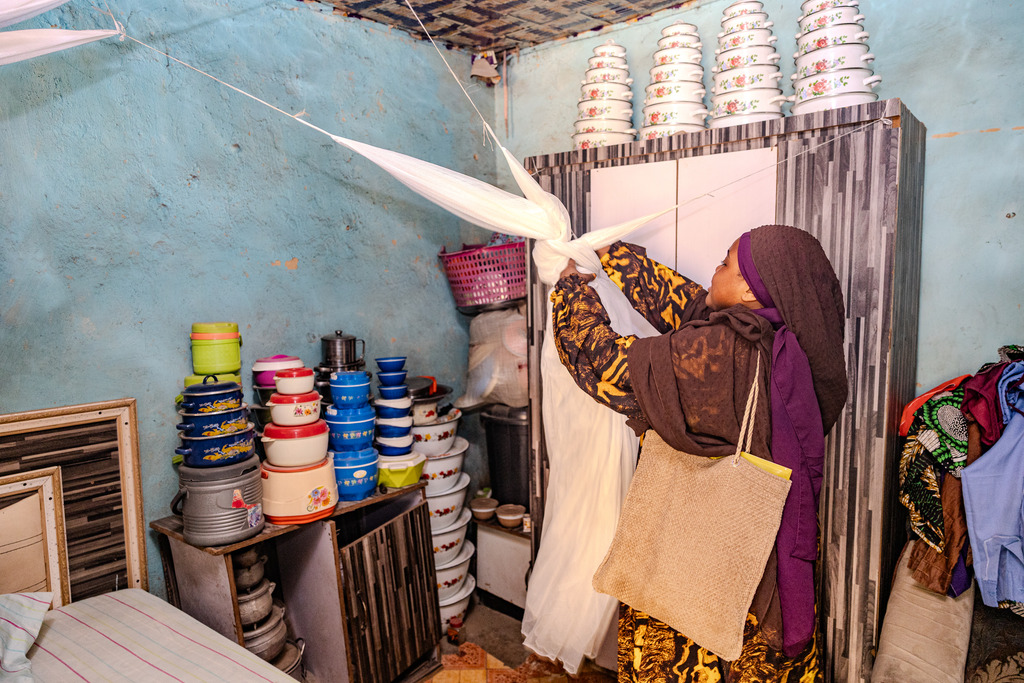
Beyond the Nets: How Post-Distribution Monitoring Is Strengthening Malaria Prevention in Bauchi State

By Moshood Isah & Tijesu Ojumu

In September 2026, the Bauchi State Government, supported by the Against Malaria Foundation (AMF), distributed over 4.8 million insecticide-treated nets across 20 LGAs, targeting 9.9 million residents. This followed the distribution of over 4.4 million nets in 2023 to strengthen malaria prevention. However, for families to benefit from this intervention, the nets must reach their intended households, remain available, and be used correctly and consistently. The impact of mosquito net distribution, therefore, goes beyond the number of nets delivered.

In fact, findings from the 2025 Nigeria Malaria Indicator Survey reveal that although 57.6% of households owned at least one insecticide-treated net, only 16% had sufficient nets to meet the recommended household coverage threshold. Similarly, just 37.7% of children under five slept under an insecticide-treated net the night before the survey.

These findings highlight an important gap between net ownership, adequate household coverage, and consistent use. While they do not necessarily point to shortcomings in distribution campaigns, they reinforce the need for household-level evidence to understand what happens after nets are delivered and identify opportunities to strengthen malaria prevention efforts.

Distribution records provide important information on campaign coverage and the number of nets delivered. However, household-level post-distribution monitoring offers an opportunity to build a more complete picture of what happens after distribution. It provides critical insights into the availability of mosquito nets in households, the extent to which families consistently sleep under them, and the factors influencing their appropriate and sustained use.

To bridge this evidence gap, eHealth Africa (eHA), with support from AMF, is conducting baseline Post-Distribution Monitoring (PDM-0) following the 2026 distribution campaign in Bauchi State. Unlike previous monitoring exercises conducted several months after distribution, PDM-0 provides an earlier opportunity to assess household access to nets, understand beneficiaries’ experiences, and identify barriers to consistent use.

According to Project Manager Toju Chibuzor Ogele, the exercise also helps identify operational challenges, including difficulties reaching communities in security-compromised locations. These insights can provide the state and its partners with evidence to address emerging gaps and improve the planning and implementation of future campaigns.

Similarly, eHealth Africa’s Associate Manager, Impact Measurement, Ngodoo Akuto explained that PDM-0 offers an opportunity to assess whether the state has adopted different approaches and whether these changes have addressed previously identified gaps.

“For this round, we have also introduced qualitative questions that capture beneficiaries’ experiences, the distribution processes, and issues relating to net utilisation, including whether distributed nets are being used or sold,” she said.

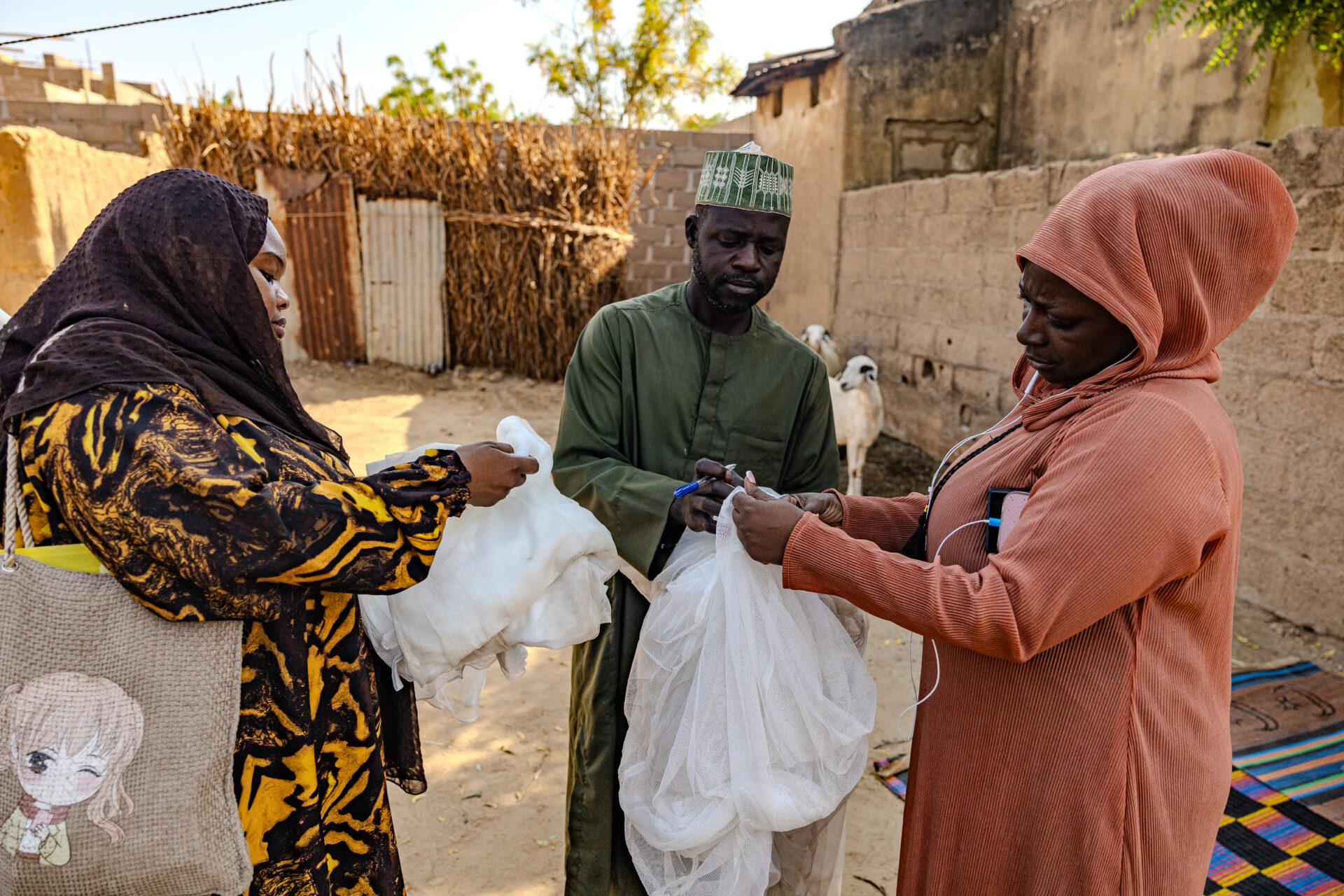
According to Toju, beyond assessing the presence, condition, and use of mosquito nets, the PDM team also encourages households to use them appropriately. “For instance, when we visit households and discover that the nets are not being used, we explain that the nets are safe and can help protect family members, particularly children under five, pregnant women, and older people,” he said.

Having managed three previous PDM exercises in Bauchi State, conducted nine, 18, and 27 months after the 2023 distribution campaign, Toju noted that one of the most important lessons learned is that social and behaviour change communication around net use should not be a one-off activity. “During an initial visit, we may discover that a household has received nets but has not hung them. However, during a follow-up visit, we sometimes find that the household has started hanging and using the nets,” he explained.

This, according to him, demonstrates the importance of sustaining behaviour change communication beyond the distribution campaign. “We believe that increased net utilisation can contribute to reducing malaria prevalence,” he added.

This emphasis on sustained community engagement was reinforced by the state’s Advocacy, Communication and Social Mobilisation Lead, Danazimi Haladu Mohammed, who explained that Bauchi State prioritised social and behaviour change communication to encourage consistent net use. “We conducted several advocacy and stakeholder engagement activities, reaching out to traditional leaders, security personnel, the Honourable Commissioner, the wife of the Executive Governor, and other key stakeholders,” he said.

Engagement with traditional institutions and other community gatekeepers was instrumental in advancing these efforts, encouraging community participation, and ensuring that stakeholders played their respective roles in supporting mobilisation. “Beyond traditional institutions, we engaged various media organisations, including electronic and print media. We organised phone-in programmes during which the Executive Director and I provided an overview of the campaign and gave members of the public opportunities to ask questions and seek clarification,” he added.

Beyond measuring net availability and use, the monitoring exercise is also capturing insights that distribution figures alone cannot reveal. Some beneficiaries reported that the newly distributed nets were softer, larger, and more comfortable than those received previously. While seemingly minor, such feedback offers important insights into the practical factors that may influence whether families consistently use their nets. For eHA and its partners, understanding these experiences is essential to ensuring that future interventions respond not only to coverage targets but also to the needs and preferences of households. These sustained malaria prevention efforts provide important context for the progress reported in Bauchi State. According to figures cited by state health authorities during the 2026 distribution campaign, malaria prevalence had declined from approximately 34% in previous years to 17.8% by the time of the latest distribution.

This reported decline provides encouraging context for Bauchi State’s broader malaria prevention efforts, although it cannot be attributed to mosquito net distribution or post-distribution monitoring alone. Rather than serving as evidence of PDM’s impact, it underscores the importance of continued investment in malaria prevention and reliable monitoring systems that help government institutions and partners understand what is working, identify remaining gaps, and make informed decisions.

Bauchi State’s experience reinforces an important lesson for malaria prevention: distributing mosquito nets is only the beginning. Understanding what happens after distribution is essential to ensuring that these investments translate into sustained protection for households.

Through post-distribution monitoring, eHealth Africa is helping bridge the gap between campaign implementation and evidence-based decision-making. The insights generated will be valuable not only for identifying gaps in net access and use, but also for informing future campaigns, strengthening community engagement, and supporting more responsive malaria prevention strategies.

Renewable Energy Brings Ultrasound Scans, Dental Services to PHC in Kano Community

By Moshood Isah & Tijesu Ojumu

For years, pregnant women visiting Panshekara Primary Healthcare Centre in Kumbotso Local Government Area of Kano State could not access ultrasound scans at the facility. Unreliable electricity also disrupted laboratory investigations and other essential services, often forcing healthcare workers to refer patients elsewhere. Today, the facility provides ultrasound scans, dental care, and improved diagnostic services, supported by a more reliable source of electricity.

Panshekara’s experience reflects a broader challenge facing Nigeria’s primary healthcare system. According to the 2025 National Health Facility Survey by the National Bureau of Statistics (NBS), the availability of basic medical equipment stood at just 34.8% in primary health facilities.  Combined with unreliable electricity, these infrastructure gaps continue to limit the services healthcare facilities can provide.

Umar A. Umar, a routine immunisation service provider at the facility, revealed that Panshekara PHC initially did not have an ultrasound scanning machine. This was largely because the facility lacked an adequate power supply to operate the machine and other essential medical equipment needed for effective healthcare delivery.

Consequently, patients, particularly pregnant women requiring ultrasound examinations, could not access these services at the facility. This exposed them to potential risks, as they often had to be referred to distant private facilities for examinations.

The situation was even more challenging because the facility paid up to ₦100,000 for electricity from the national grid but received an average of only three to five hours of power supply within 24 hours.

“There was no predictable schedule for when electricity would be available. We simply had to wait for the power supply to come on, and there was no guarantee of when it would be restored after an outage,” Umar said.

The facility initially depended on generators as an alternative power source, but they broke down due to excessive use and inadequate maintenance.

Umar explained, “This created serious challenges, particularly during emergencies. Sometimes, we needed electricity to attend to patients urgently, but neither the national grid nor the generator could provide power.”

In many cases, the facility had to refer patients elsewhere because it lacked reliable electricity to operate essential medical equipment.

The facility also experienced difficulties conducting certain laboratory tests due to unreliable electricity. “For example, when a patient presented with bleeding or suspected anaemia, it was difficult to assess their blood levels using equipment that required electricity,” Umar said.

As a routine immunisation officer, ensuring that vaccines are kept at the appropriate storage temperature remains a major concern for Umar. This was previously a significant challenge, while unreliable electricity also made the facility uncomfortable for caregivers and their children, particularly newborns.

“We usually had many mothers bringing their children for vaccination, but the environment was often very hot. The mothers would be sweating, and the children would become uncomfortable and cry because of the heat,” he said.

Located in a densely populated suburb of Kano State, Panshekara PHC serves a large population and receives patients referred from surrounding health facilities. It is one of 238 primary healthcare facilities across 12 Nigerian states solarized through the Renewable Energy for Primary Health Care (RE4PHC) initiative, funded by UNICEF and implemented by eHealth Africa with support from Gavi, the Vaccine Alliance, and government partners.

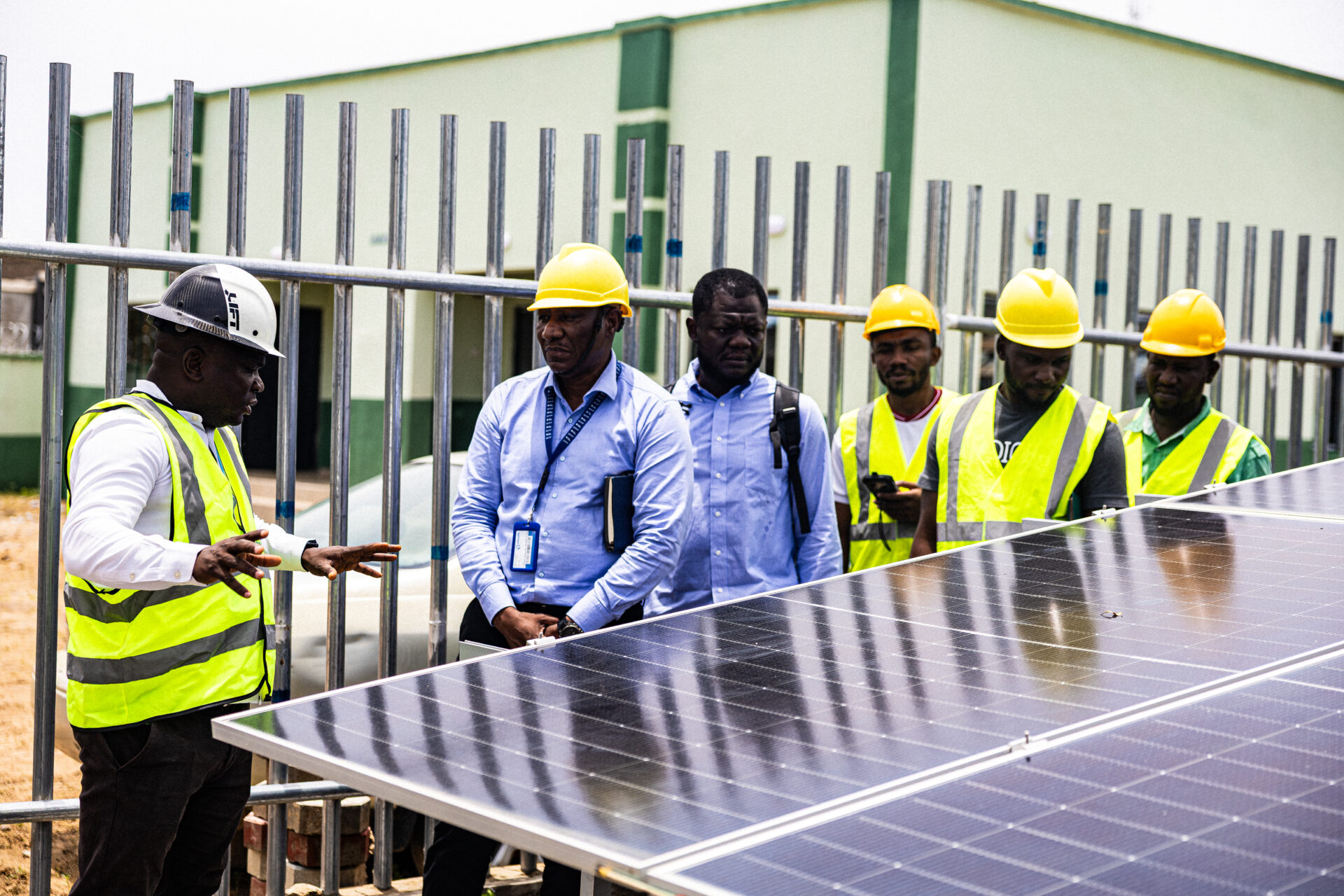
The intervention equips facilities with solar power systems designed to support essential services, including vaccine refrigeration, laboratory diagnostics, and maternal and child healthcare. Healthcare workers also receive training to support the maintenance and long-term functionality of the installations.

According to the project’s Technical Lead, Onche Ogbole, the initiative prioritizes facilities facing significant energy challenges, particularly those serving communities with high numbers of zero-dose children. In Kano State, 28 facilities were solarized under the intervention.

Since the installation, healthcare workers report improvements in service delivery, including greater reliability of immunization and antenatal care services. With electricity available beyond daylight hours, the facility is also better equipped to provide maternal healthcare and attend to deliveries at night.

Onche said, “We have also seen improvements in maternal and child healthcare, particularly because health workers can now attend to deliveries at night without worrying about electricity.”

According to Umar, reliable electricity has enabled Panshekara PHC to introduce services that were previously unavailable, including ultrasound scans and dental care. With a functional ultrasound machine, healthcare workers can now assess pregnant women, including those approaching delivery, and make more informed decisions about their care without routinely referring them elsewhere for scans.

The facility has also established a dental unit, expanding the range of services available to the community. “With the availability of reliable solar electricity, the facility now operates a dental unit equipped with a functional dental chair, which can only be found in a few facilities across the state, “ he said

The solar installation has also improved laboratory services and general healthcare delivery. Interestingly, rather than referring patients to other facilities, Panshekara PHC now receives patients referred from other PHCs for diagnostic services.

With a health post and another clinic located nearby, these facilities sometimes receive patients who require laboratory investigations but cannot conduct the tests because they lack reliable electricity or the necessary equipment.

Umar revealed that patients requiring Packed Cell Volume (PCV) tests to assess their blood levels are often referred to Panshekara PHC. “Similarly, when another facility suspects that a child has anaemia or sickle cell disease, the child may be referred to us for further testing,” he added.

Beyond clinical services, solar power has significantly improved the healthcare environment. The facility now has better lighting and ventilation, including functional fans, making it more comfortable for patients and healthcare workers.

When patients visit a facility and find a comfortable environment where services are delivered promptly, it builds their confidence and trust in the healthcare system.

With reliable electricity still unavailable in many primary healthcare facilities across Nigeria, Panshekara PHC demonstrates what becomes possible when essential health infrastructure is strengthened. Services that once required patients to travel elsewhere can now be accessed within the community, while healthcare workers are better equipped to deliver care when it is needed.

The experience also highlights the importance of expanding sustainable energy solutions to underserved facilities. Beyond improving working conditions, reliable electricity creates opportunities to introduce essential services, strengthen referral networks, and reduce the burden on facilities that currently serve patients from surrounding communities.

For Panshekara, the transformation goes beyond having electricity. It means bringing more essential healthcare services closer to the people who need them.

With only 38% of Nigeria’s approximately 30,000 Primary Healthcare Centres (PHCs) reported to have access to electricity, an estimated 18,600 facilities still lack electricity, while others may still experience unreliable power supply. Recognising the importance of renewable energy in healthcare delivery, stakeholders and community leaders have called on the government and development partners to extend similar interventions to more PHCs across the country.

Expanding these interventions would not only improve access to reliable healthcare services but also reduce the pressure on facilities such as Panshekara PHC, which currently serve communities beyond their immediate catchment areas.

Scaling up renewable energy solutions across more health facilities could significantly strengthen healthcare delivery, improve service quality, and ensure that more communities have access to essential healthcare services.