The Intelligence Behind Faster Outbreak Response: Turning Public Health Signals into Coordinated Action

Fatimah Abdulazeez

The difference between an early warning and a delayed response is rarely the absence of information. It is the system’s ability to detect a signal, verify it, interpret it, and act early enough to change the outcome. Outbreak preparedness therefore requires more than data collection. It depends on whether information can be turned into intelligence early enough to guide action.

Traditional surveillance remains essential, but it cannot carry the full burden alone. Public health threats may appear in routine reports, yet they can also emerge through community alerts, event-based surveillance, informal networks, or signals from the human–animal–environmental interface. A system that relies only on formal reporting risks missing the early warnings that sit outside its usual channels.

This is why the Africa Centres for Disease Control and Prevention (Africa CDC) identifies event-based surveillance as a key mechanism for early warning, risk assessment, and timely response. Early warning systems, event- and community-based surveillance, media scanning, laboratory reports, routine health data, and field intelligence can help public health actors notice signals earlier, test them against available evidence, and decide whether a response is needed. 

The approach also aligns with the World Health Organization Regional Office for Africa’s (WHO AFRO) Integrated Disease Surveillance and Response guidance, which stresses strengthening community-based surveillance for early detection and rapid response.

One example shared during the Insights Learning Forum (ILF) 2026 illustrated this in practice. A speaker described how an Ebola-related alert in Lagos was detected through an event-based surveillance platform rather than routine end-of-day reporting. While limited details were shared about the incident, the example underscored a critical point: earlier detection gives response teams a better chance to investigate, assess the risk, communicate appropriately, and act before the situation escalates.

The value of intelligence lies in shortening the distance between a signal and a decision. However, speed means little if the information is weak. Poor-quality, incomplete, or delayed data can delay verification, misdirect resources, weaken coordination, and slow action when time matters most. In emergencies, data quality is not a technical detail but part of the response itself.

Many outbreaks also sit at the intersection of human, animal, and environmental health, making it essential for public health intelligence to connect signals across sectors. A One Health approach, which considers these areas together rather than in isolation, helps decision-makers see not only what is happening, but where the risk may move next.

This is where technology matters, but not as a standalone solution. Digital tools can improve how data is collected, transmitted, analyzed, and visualized. They can support faster reporting, clearer alerts, and better decision-making. But technology must do more than introduce new platforms. It must strengthen the systems that allow governments and response actors to trust information, use it, and act on it.

A dashboard does not save lives on its own. An alert does not contain an outbreak by itself. A report does not become useful simply because it has been submitted. The real test is what happens next: who sees the signal, who verifies it, who decides what it means, who mobilizes the response, and how quickly action follows.

Public health intelligence must therefore move beyond collecting information. It must help countries see earlier, decide faster, and act before threats become harder to contain. For eHealth Africa, this connects directly to its work strengthening public health systems and supporting Emergency Operations Centers to turn timely information into better coordination, preparedness, and response.
Beyond Polio: Sustaining the Impact of Emergency Operations Centers Across Africa

By Moshood Isah

This year, the world commemorates another World Polio Day;  a significant occasion first marked in 1988 when the World Health Assembly committed to eradicating the poliovirus. That commitment led to the launch of the Global Polio Eradication Initiative (GPEI), underscoring the critical role of every stakeholder in public health in ensuring the virus is completely eradicated. One of the major interventions that has contributed to this fight, particularly across Africa, is the establishment of Polio Emergency Operations Centers (EOCs) and Control Rooms.

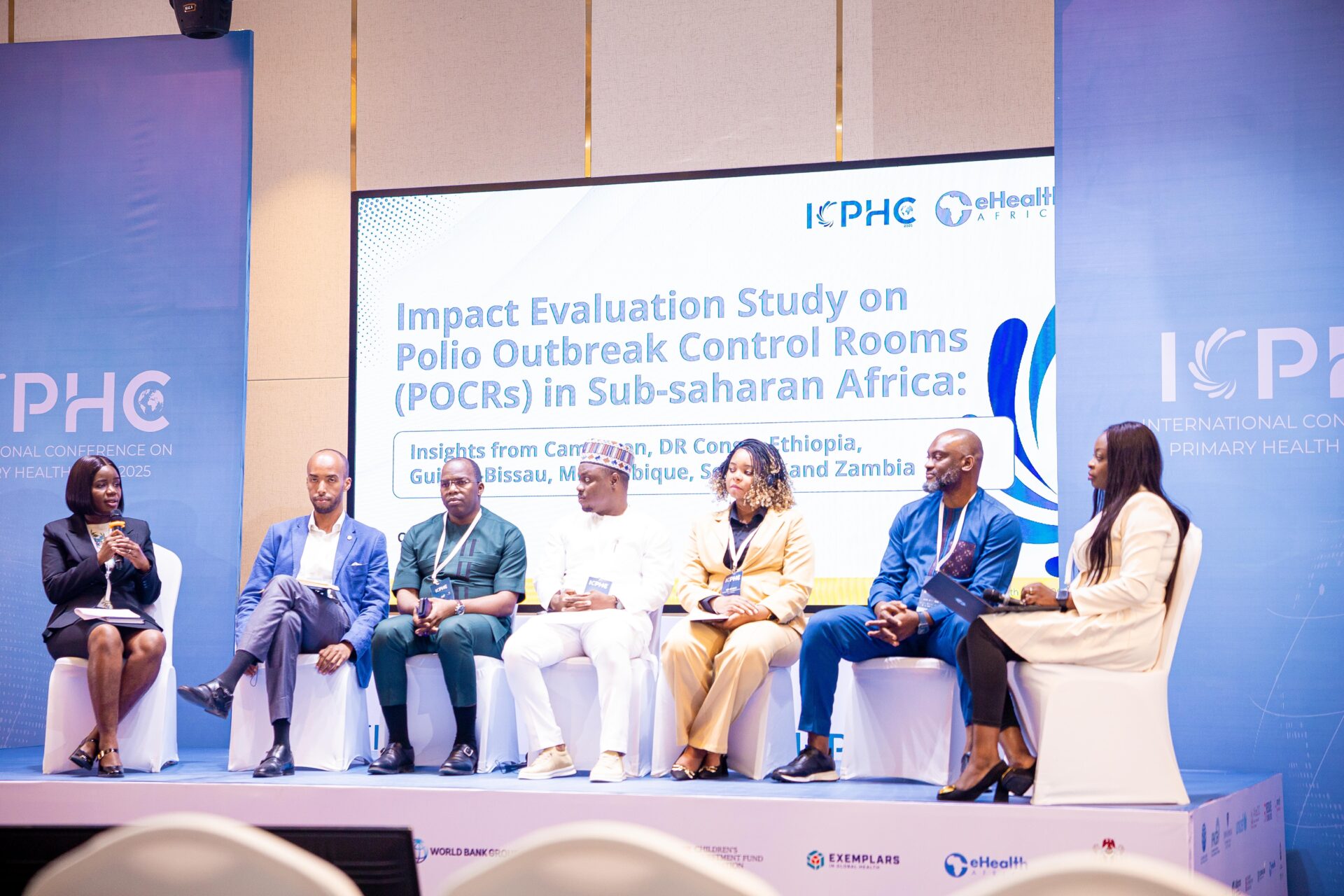
This bold step, led by eHealth Africa (eHA) with support from the Bill & Melinda Gates Foundation in 2020, sought to create centralized hubs that harness the strengths of multiple partners for coordinated responses; not only to polio but to wider public health emergencies. Over time, these hubs have expanded their mission, transforming how countries tackle broader vaccination challenges and strengthening ownership of routine immunization systems. The conversation on sustaining this impact came to the forefront at the recently concluded International Conference on Primary Health Care (ICPHC) held in Ethiopia.

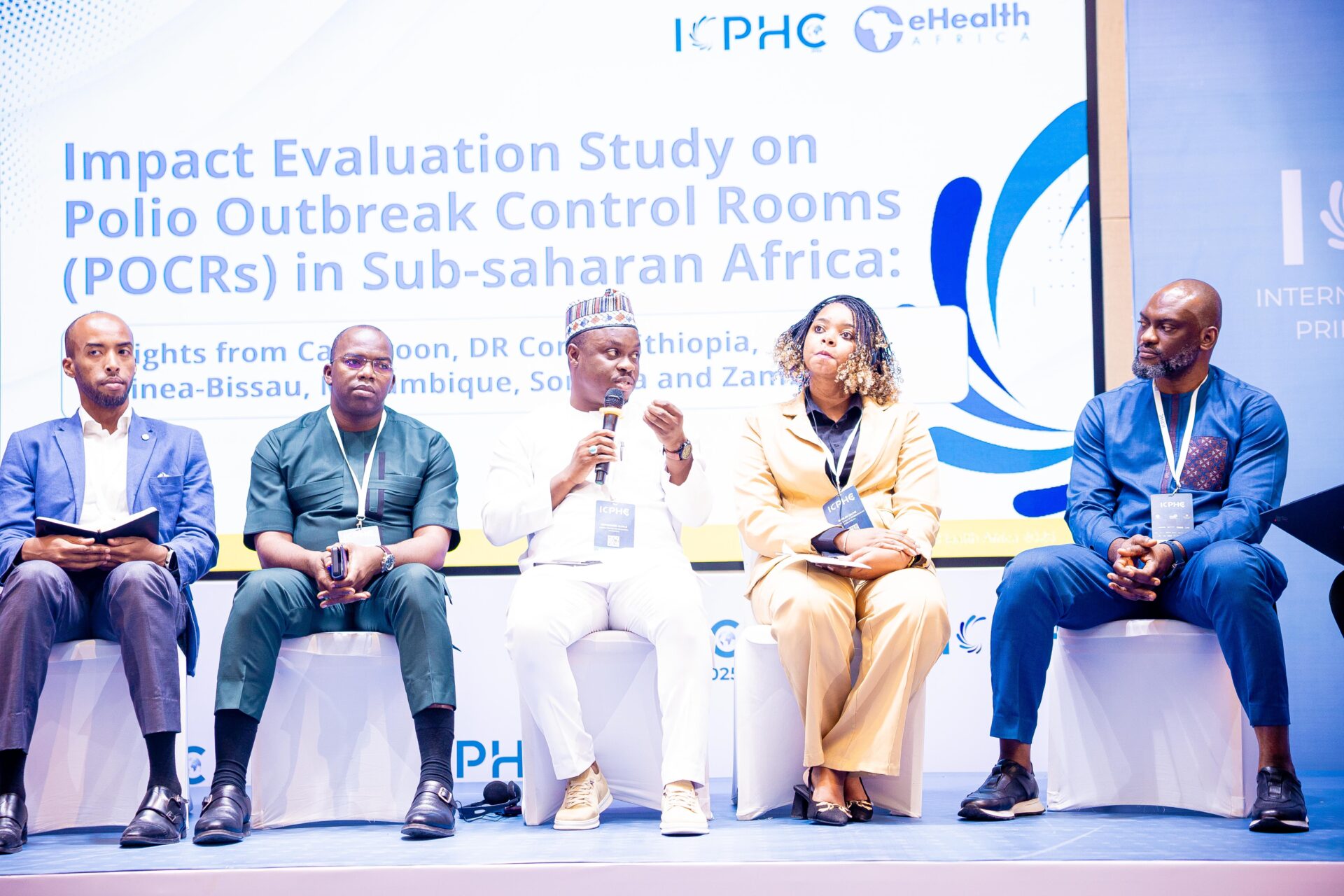
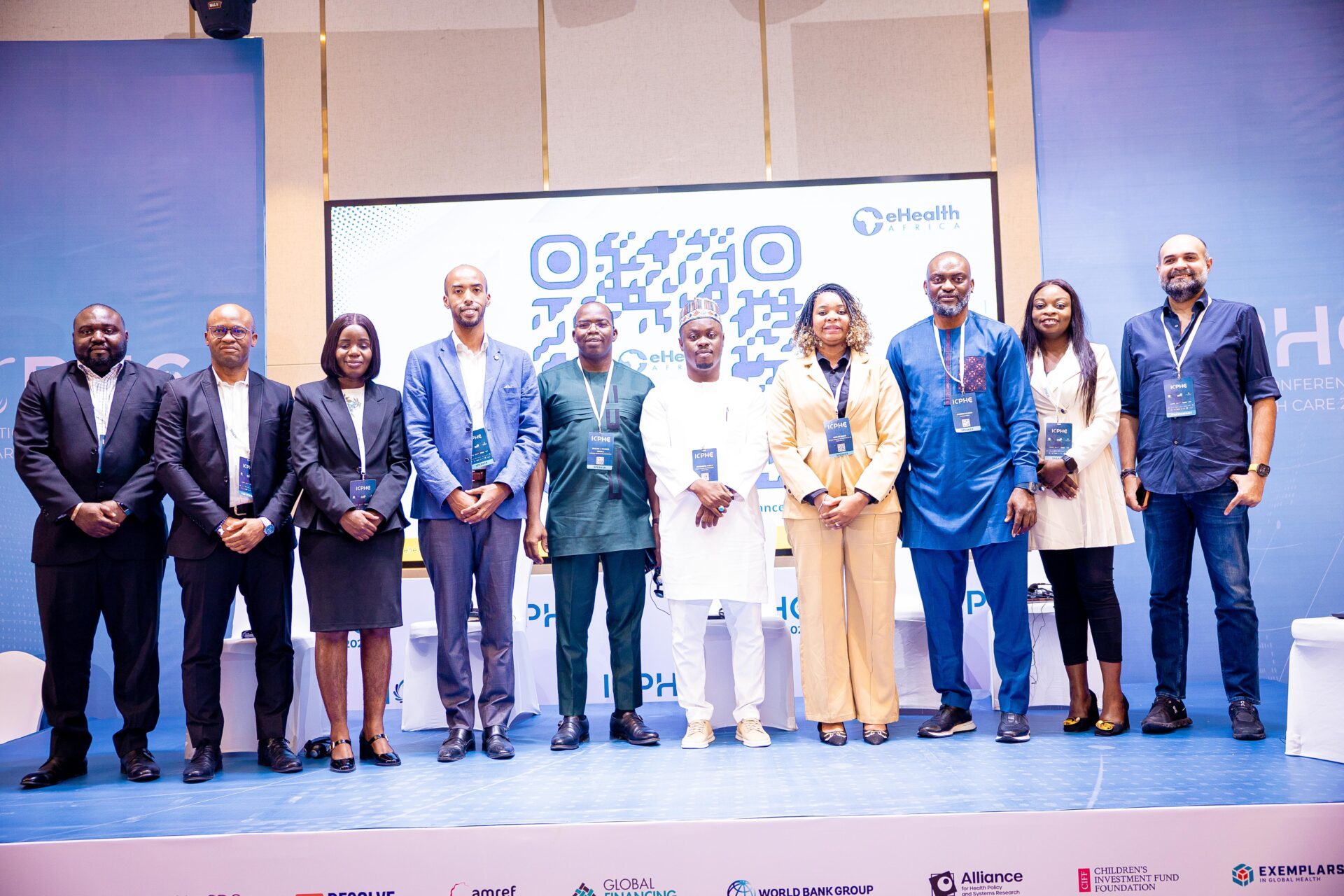
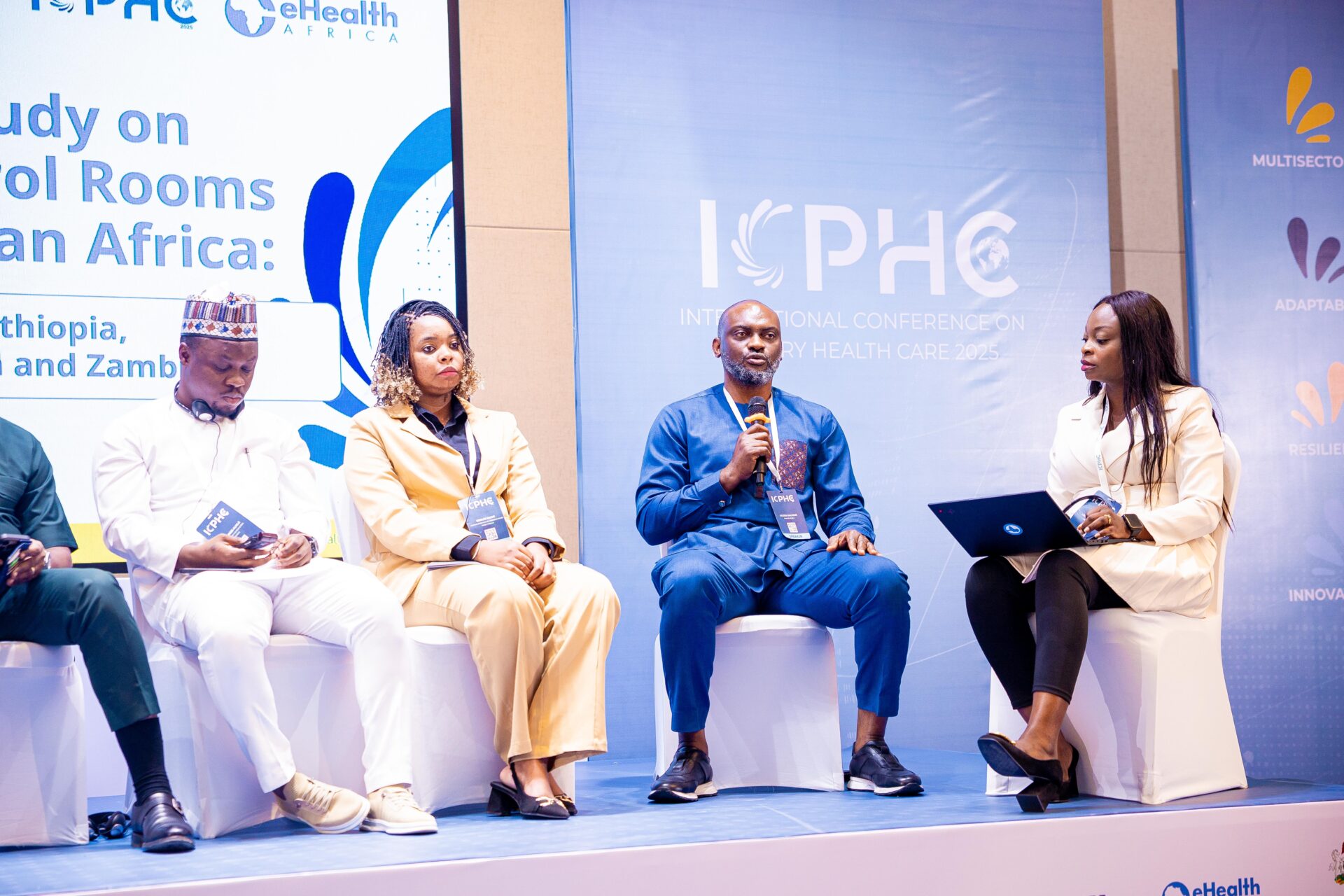
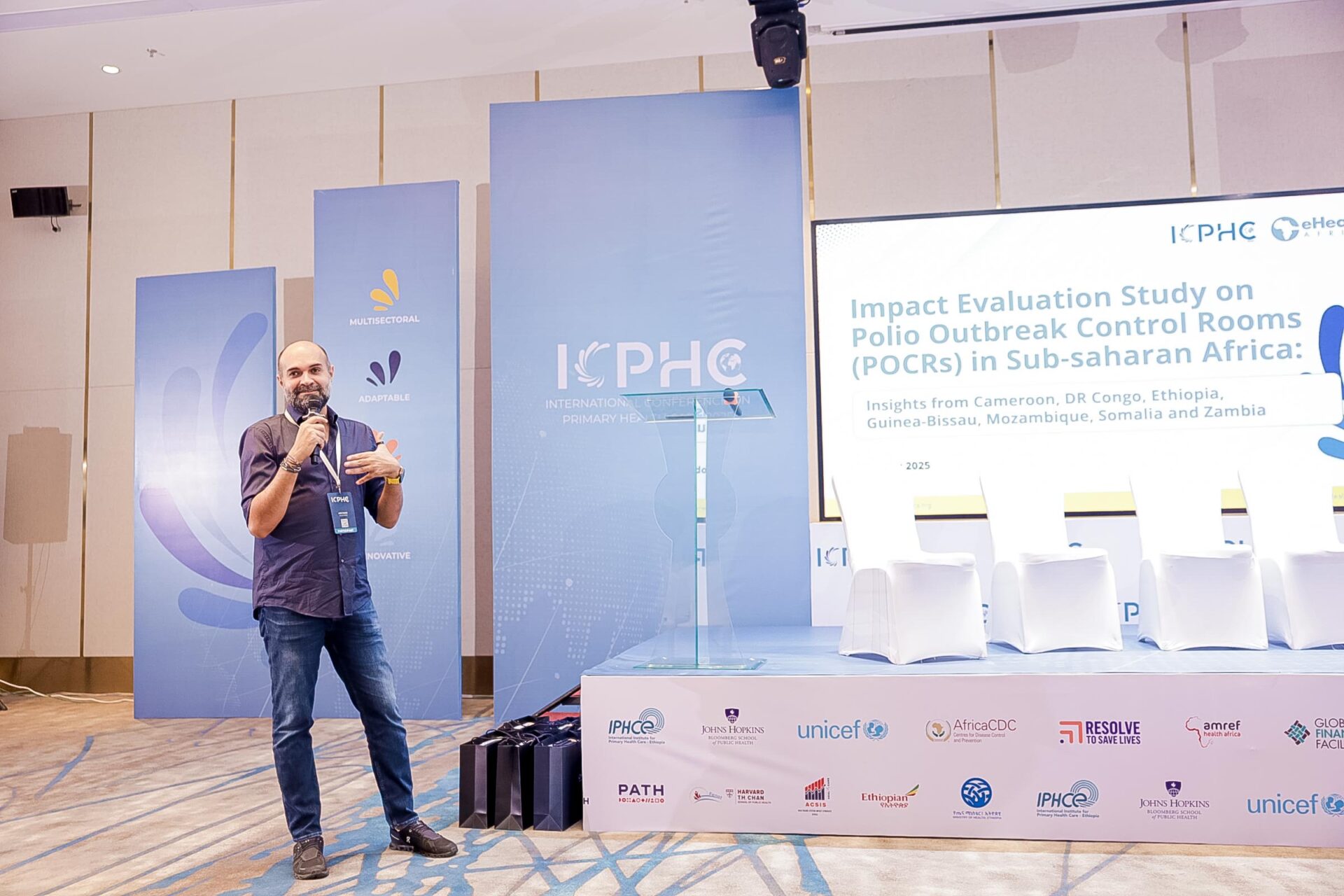
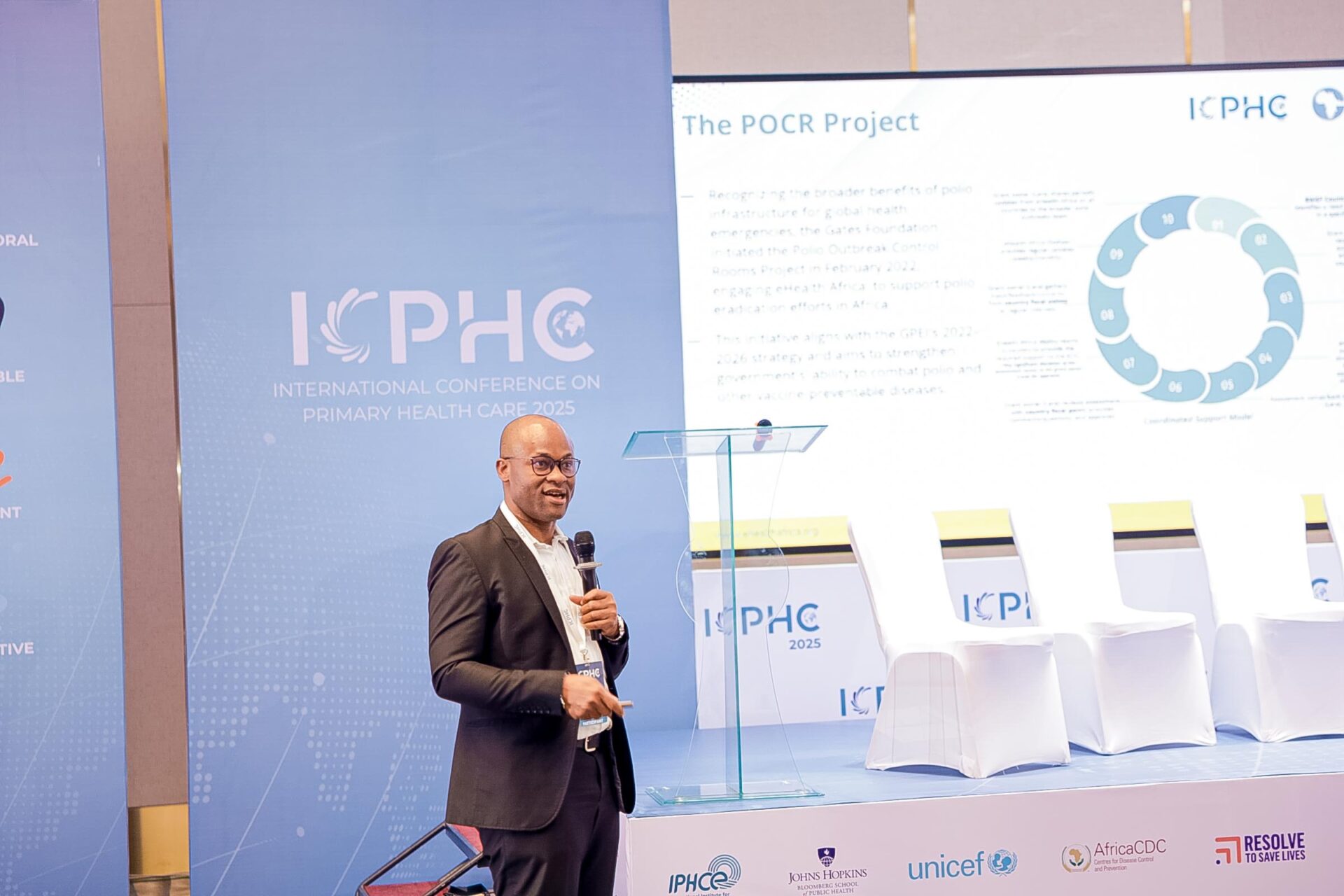
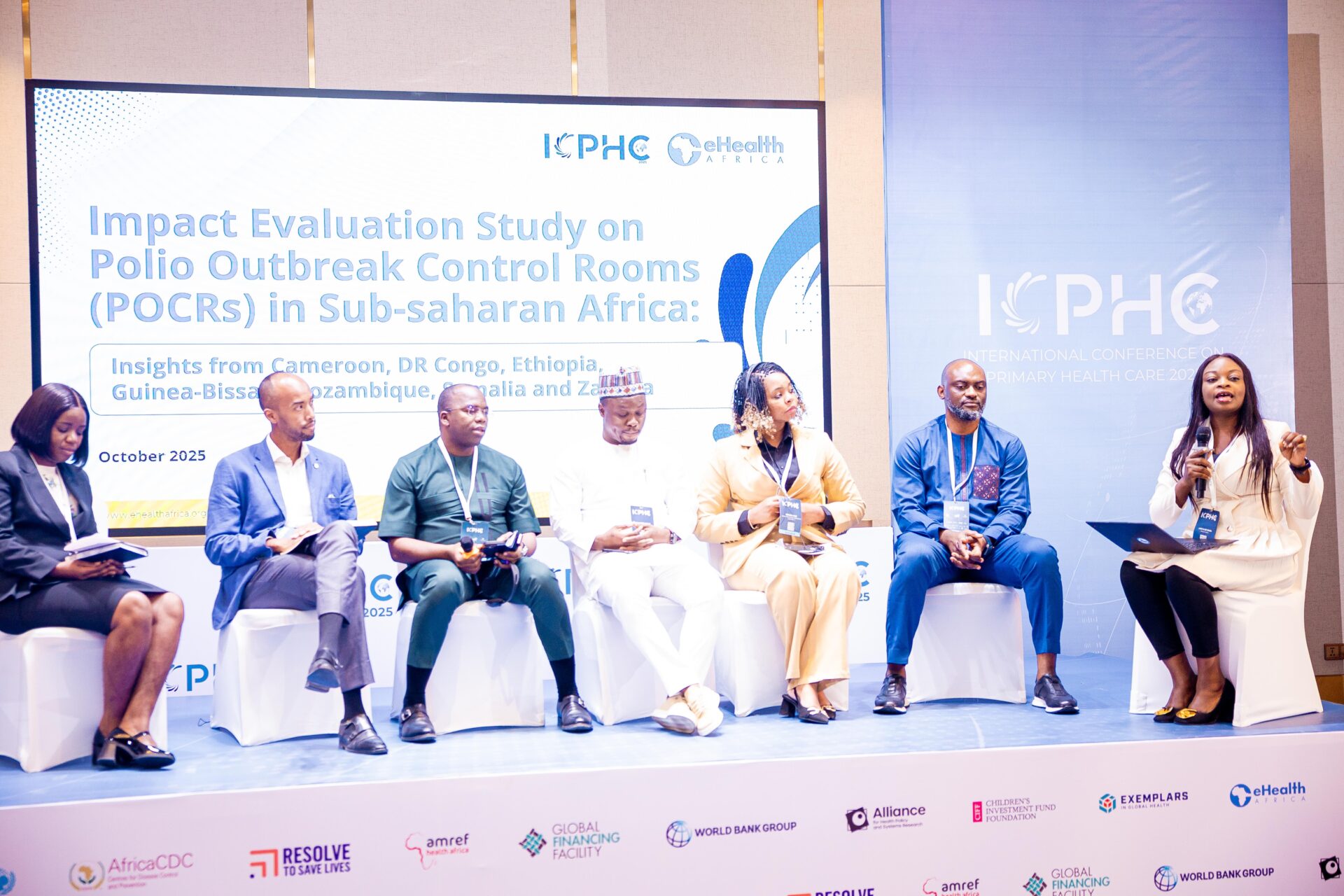
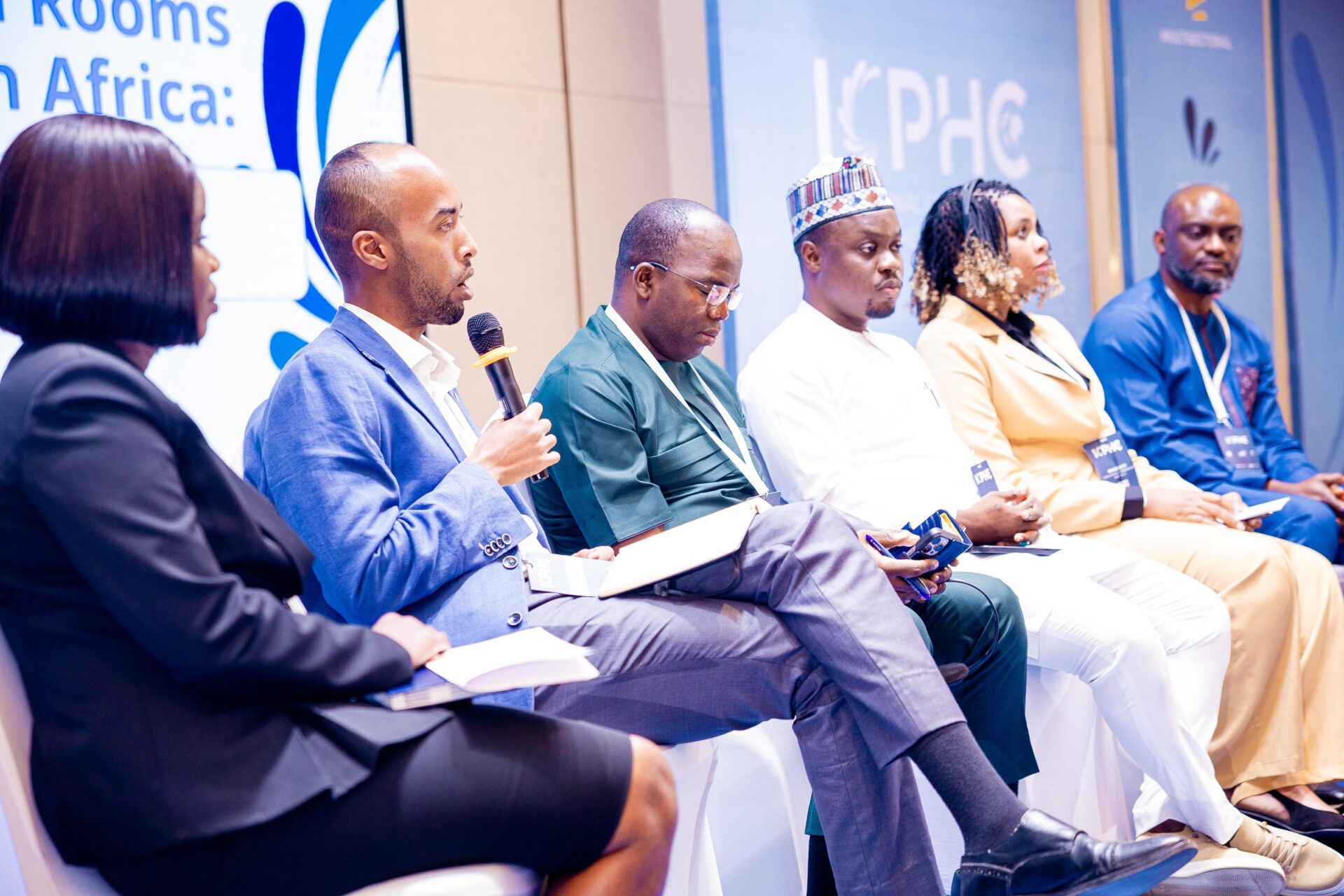
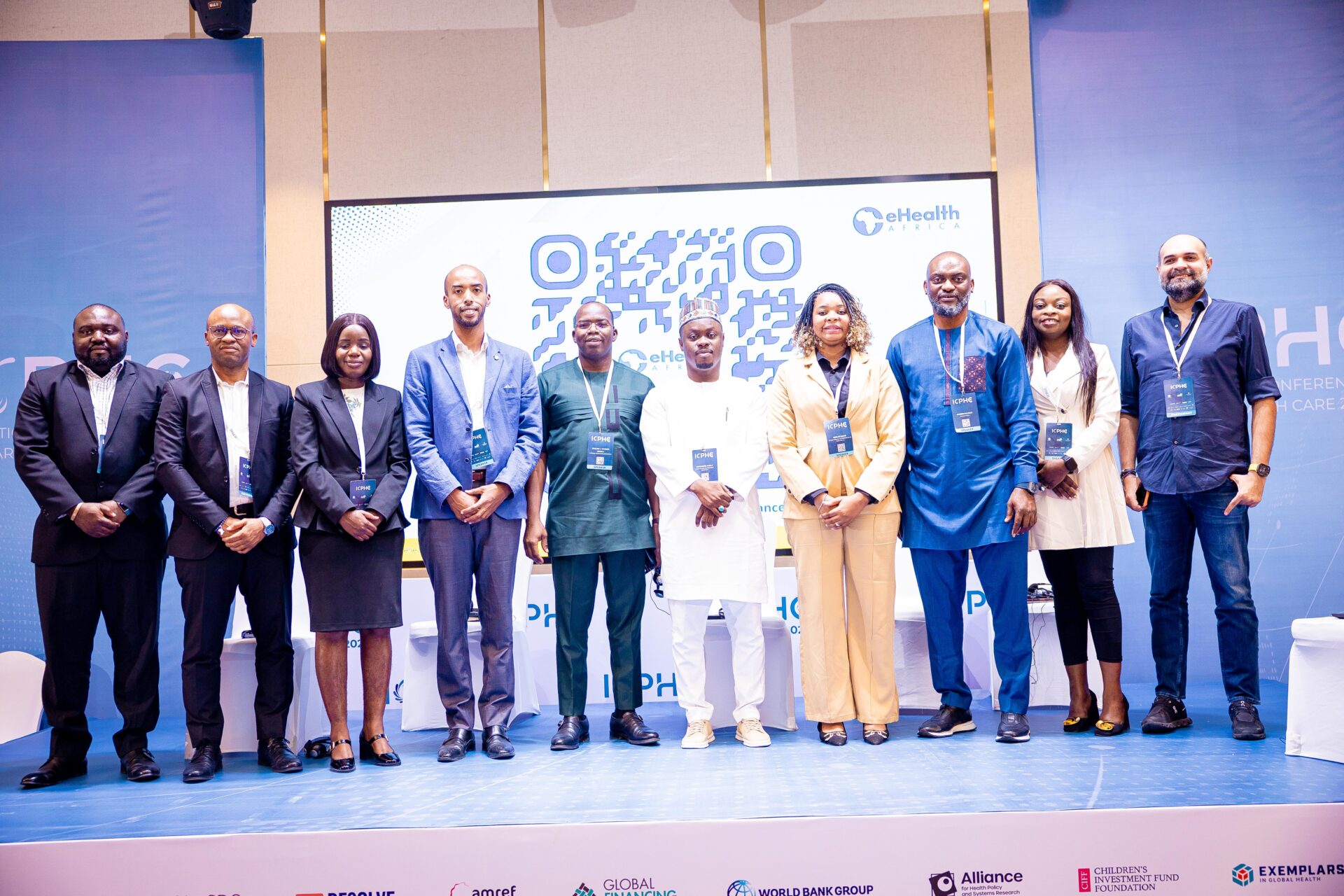
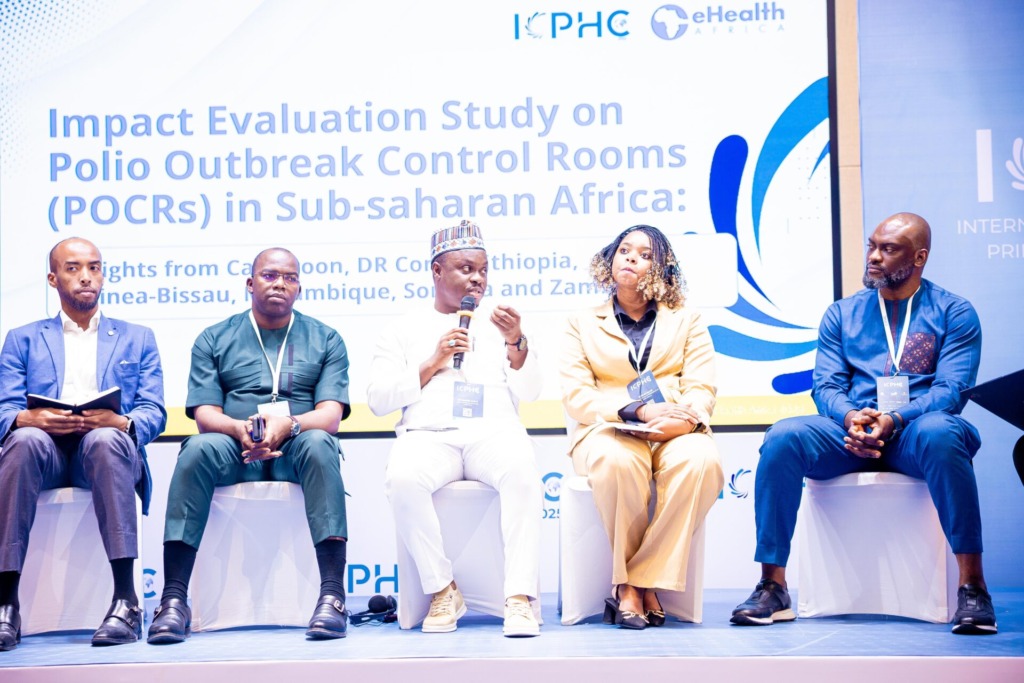
eHealth Africa seized the opportunity to convene a powerful panel session to present findings from its Cross-Country Impact Study of Polio Outbreak Control Rooms (POCRs) in Sub-Saharan Africa. Moderated by Loveth Metiboba, Senior Manager for Impact Measurement at eHealth Africa, the session provided empirical insights from key partners and users of the POCR model across Cameroon, DR Congo, Ethiopia, Guinea-Bissau, Mozambique, Somalia, and Zambia. The study, conducted by Clones House and the Busara Center for Behavioral Economics, revealed significant impacts and proposed critical steps for ensuring sustainability across Africa.

Opening the session, Atef Fawaz, Executive Director of eHealth Africa—and notably the project manager who initiated the establishment of EOCs in Nigeria and across Africa, reflected on the journey. “We’ve seen these EOCs grow over time, increasing their impact and expanding their purpose. They initially supported emergency response for polio but later played key roles during outbreaks of Ebola, measles, Lassa fever, COVID-19, and many others,” he said. He emphasized that the EOCs ensure collaboration over isolation: “Instead of everyone working in silos, the EOC brings people together to collaborate, innovate, and act toward one goal;solving problems.”

Presenting the study’s findings, Onochie Mokwunye, Research Consultant with Clones House, explained that the establishment of POCRs has revolutionized how countries detect, coordinate, and respond to outbreaks. “We found that POCRs didn’t just strengthen systems; they strengthened relationships, bridging the gap between data, decision-making, and real-world response,” he said.

His co-researcher, Dr. Mohammed M. Alhaji added that the success of POCRs stems from their ability to “build capability, create opportunity, and inspire motivation; the three essential ingredients for sustained behavior change.” He stressed that “infrastructure alone doesn’t drive change; it’s the people, their motivation, and shared sense of mission that make the difference.”

Reinforcing the need to look beyond polio, Kazeem Balogun, Deputy Director for Supply Chain Management at eHealth Africa, said, “EOCs must now evolve beyond polio; becoming engines of health security that strengthen primary health care and prepare nations for whatever comes next. The Polio Outbreak Control Rooms proved that when governments lead and partners align, every response becomes faster, smarter, and more accountable.”

From Cameroon, Dr. Shalom Ndoula, Permanent Secretary of the Expanded Program on Immunization, shared that the POCR model reduced the detection-to-response time from 75 days to just 30, thanks to structured coordination, real-time data use, and decentralized empowerment. A similar story came from Zambia, where Princess Lynettie Kayeye, a Coordinator at the Global Polio Eradication Initiative (GPEI) noted that “what started as a polio response tool has now strengthened our entire health system, introducing innovations like digital microplanning used across all ten provinces.”

In Mozambique, Benilde Conceição Salvador, Coordinator of the Public Health Emergency Operations Center in Tete, recalled how health coordination meetings once held in hotel rooms have been transformed. “Through the POCR, we’ve not only improved outbreak response but also used innovation to identify and vaccinate under-immunized children in our districts,” she said.

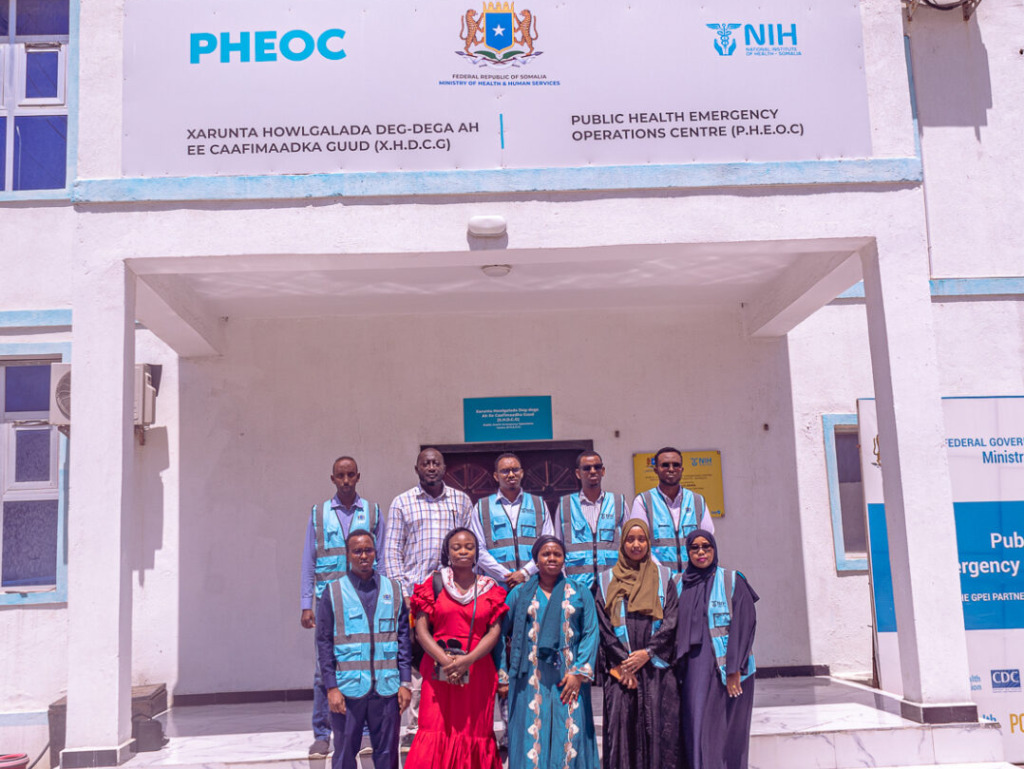
Somalia’s experience reflected resilience and renewal. Hassan Mohamed Ali, Director of Operations at the Somali National Health Professionals Council, explained, “Building seven EOCs across Somalia wasn’t just about infrastructure—it was about creating a foundation for resilience in one of the most fragile contexts in the world.”

Ultimately, beyond polio lies a broader story, one of collaboration, resilience, and shared systems that safeguard communities before crises strike. Preparedness, as this session highlighted, is not built in moments of crisis but in moments of coordination, learning, and trust. That is what truly makes health systems resilient.

Building a Healthier Future: eHealth Africa’s Reflections from the Sankalp Summit

By – Moshood Isah

With fewer than half of African startups surviving beyond their early years, the continent continues to grapple with challenges such as climate change, economic inequality, and limited access to resources, networks, and funding. Many innovative businesses struggle to secure the capital and mentorship needed for growth and sustainability.

A concerning trend reveals that 90% of startups fail within their first five years, a statistic particularly troubling for emerging entrepreneurs. According to Forbes, financial constraints, including running out of cash and failing to raise capital, are the primary reasons for these failures. Nigeria, for example, has over 3,360 startups but also holds the highest failure rate in Africa at 61%. Other contributing factors include inconsistent government policies, inadequate skills, limited access to funding, and high business registration costs.

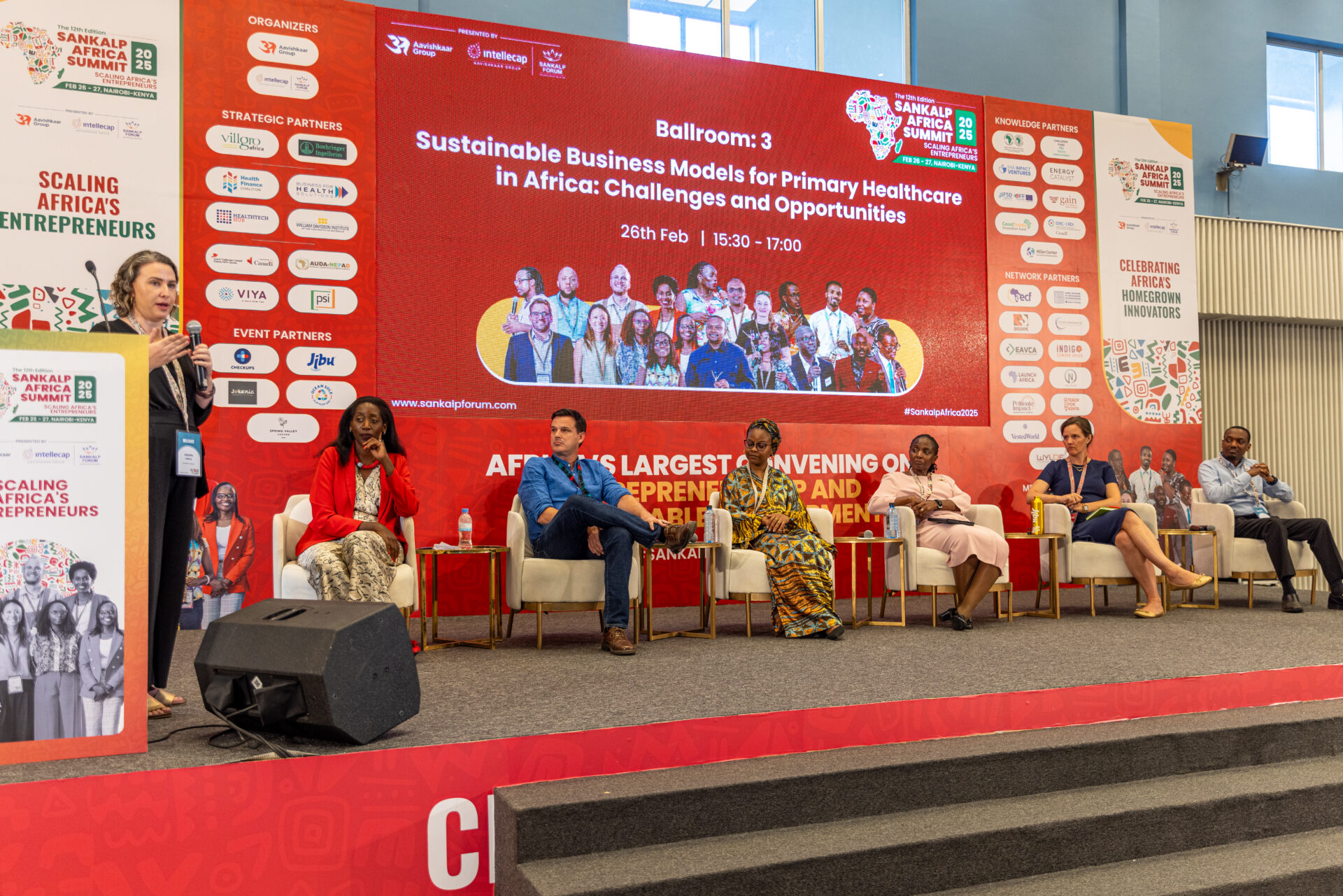
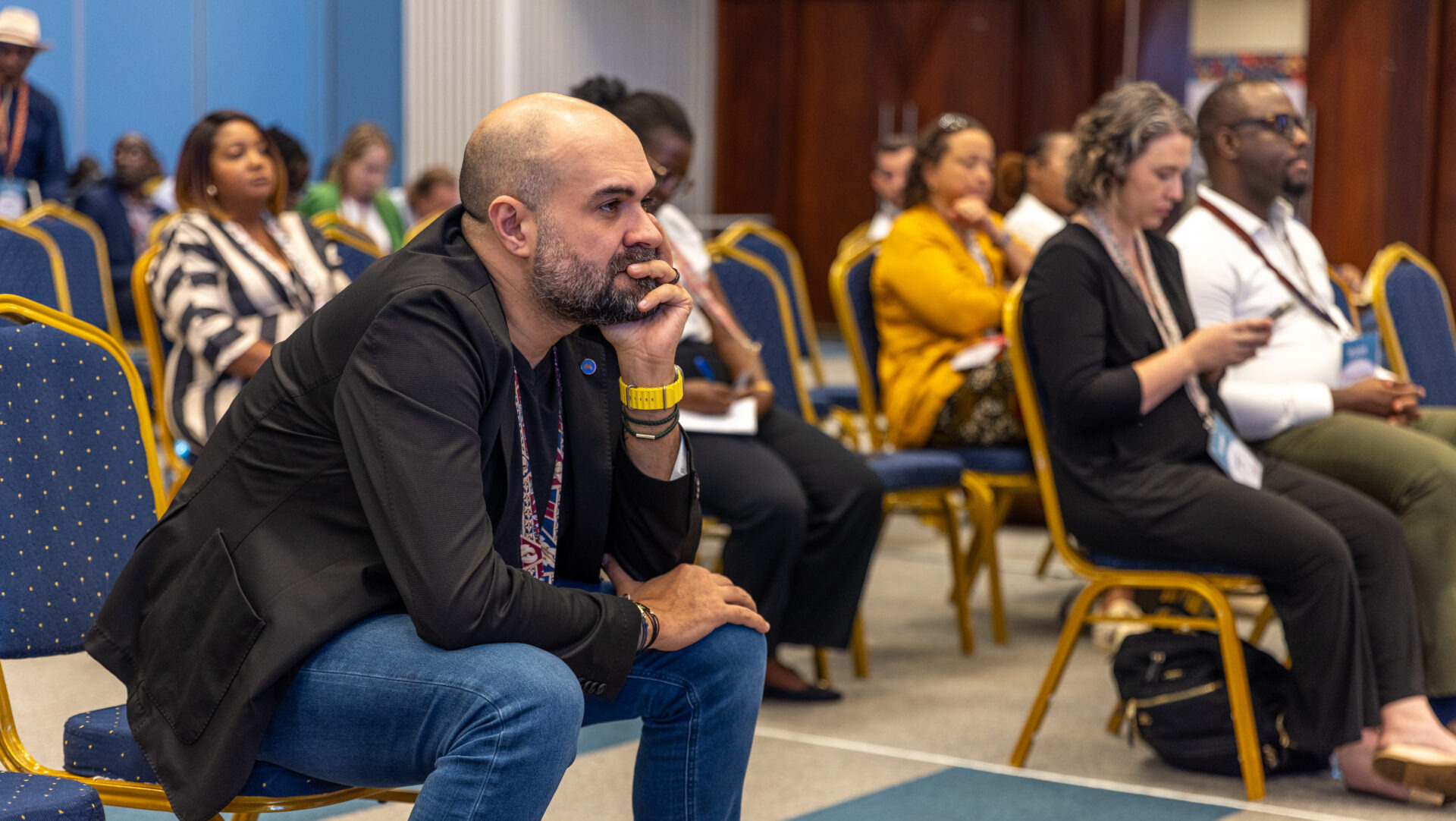
This challenge extends across various sectors, including healthcare. While the demand for affordable and accessible care continues to rise, business models that balance financial viability with social impact remain difficult to implement. Recognizing these challenges, eHealth Africa (EHA) participated in the recent Sankalp Summit, one of Africa’s largest convenings focused on entrepreneurship and sustainable development.

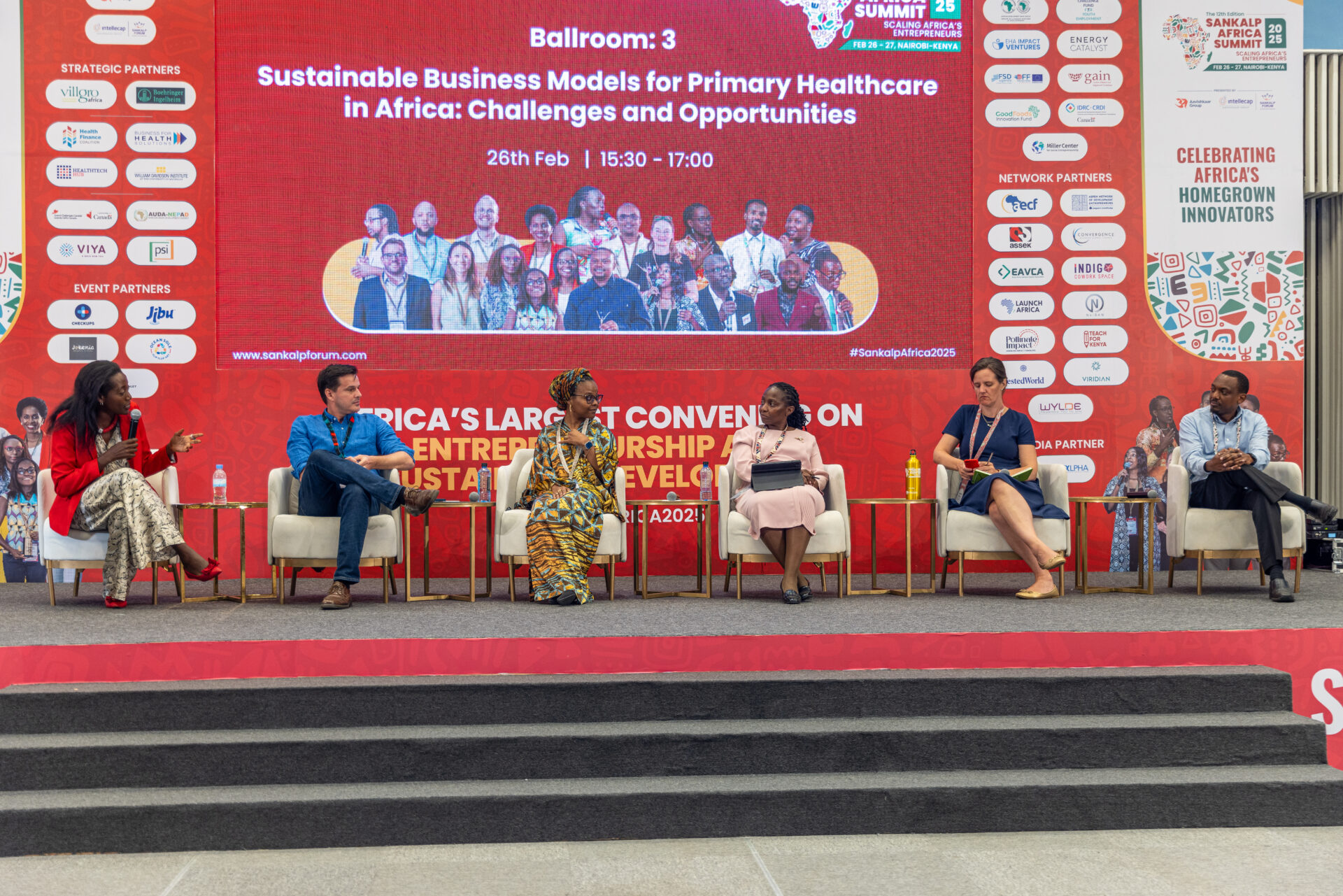
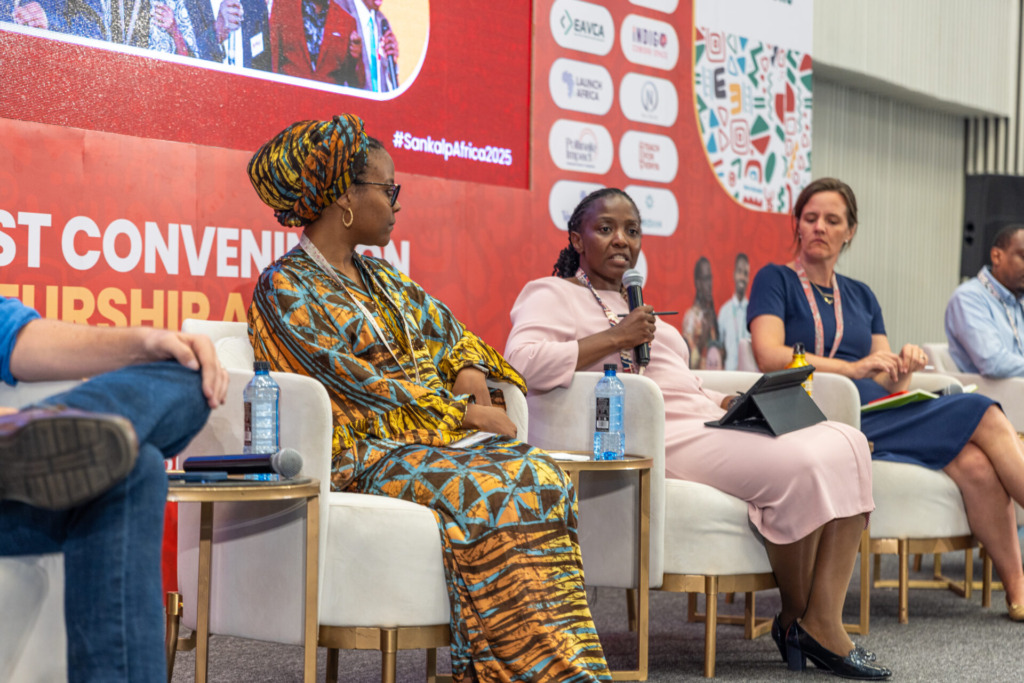
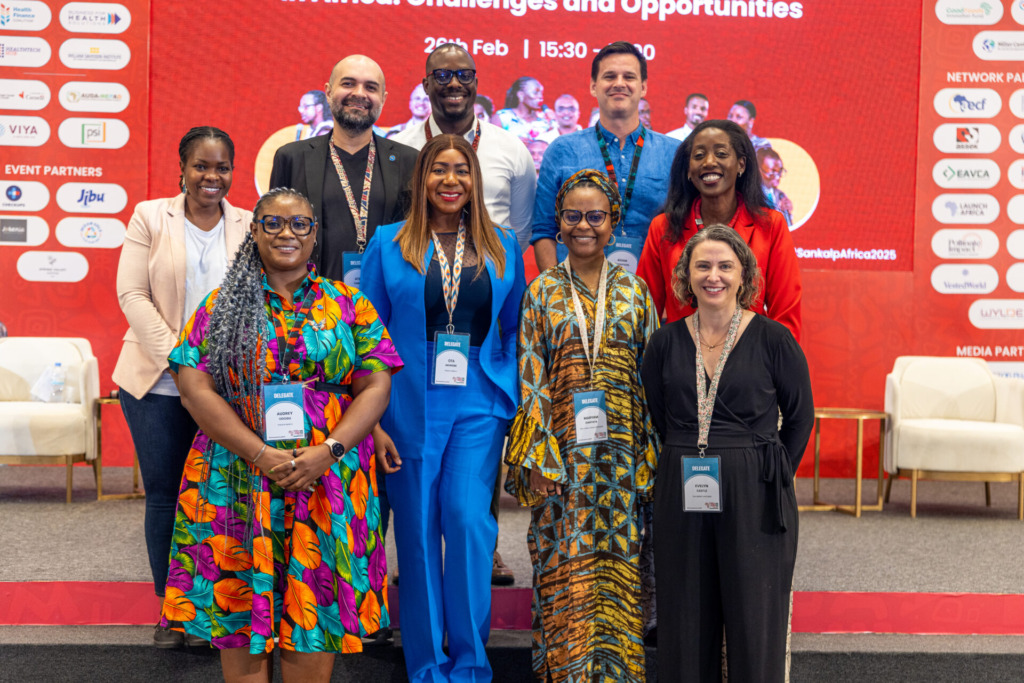
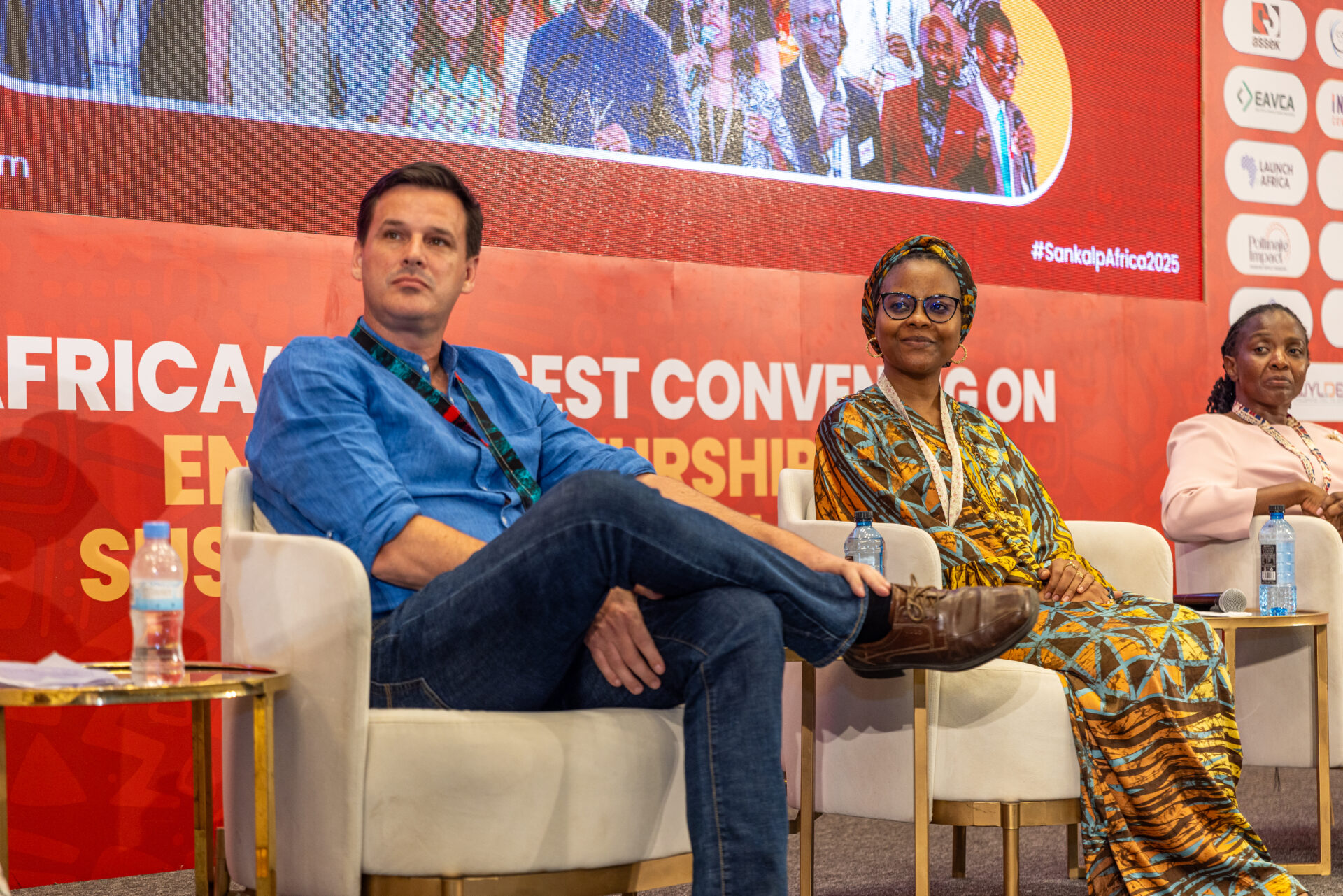
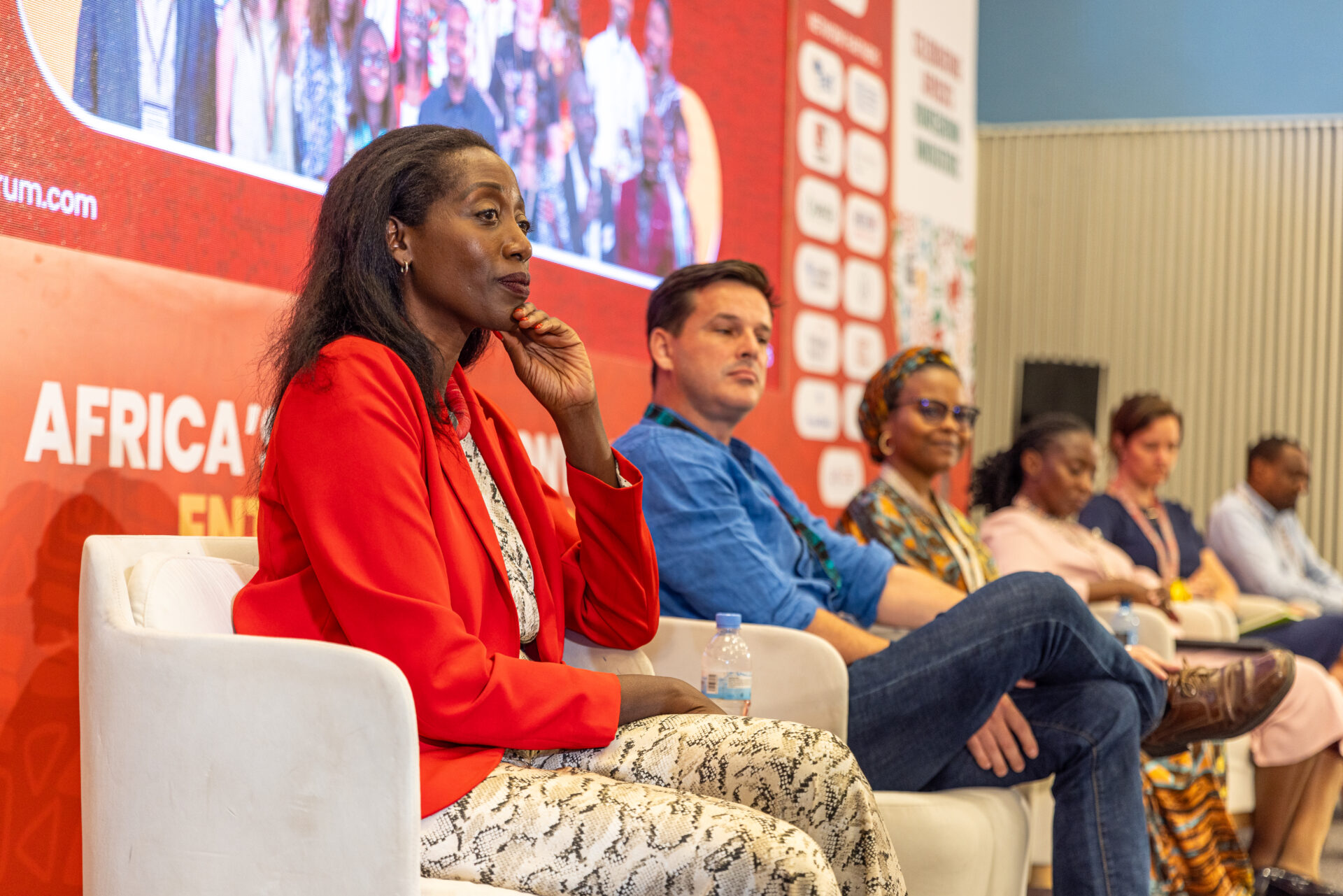
At the summit, EHA hosted a panel session titled “Sustainable Business Models for Primary Healthcare in Africa: Challenges and Opportunities.” Moderated by EHA Board Member Michelline Ntiru, the session brought together healthcare leaders to discuss key strategies for maintaining financial sustainability while expanding healthcare access. Discussions centered around lessons from successful scale-ups, the role of public-private partnerships, and innovative service delivery models.

Ahead of the session, EHA’s Executive Director, Atef Fawaz, emphasized the importance of summits like Sankalp in fostering investor partnerships, stating, “As an organization that has spent years working with governments and NGOs to improve health systems through data-driven solutions, conversations like these are crucial.” He further highlighted the organization’s vision for the coming years, adding, “We are intensifying efforts to transform healthcare, champion collaboration, and drive innovation to enhance economic prosperity. Events like Sankalp serve as motivation to scale our impact, particularly in underserved communities.”

Panelists explored various investment and funding challenges, recommending strategies to attract capital and ensure financial sustainability. The session also provided startups and investors with insights on navigating regulatory and operational barriers across different markets. After the discussion, EHA’s Director of Partnerships and Programs reflected on the event’s significance, stating, “We explored the intersection of cutting-edge technology, strategic investment, and collaborative partnerships—the very pillars of our vision. We are working across multiple countries and impacting millions of lives.”

She also emphasized the value of networking at the summit, sharing that “this platform connected us with organizations making real impact—from measuring social change to transforming food production and strengthening health systems. These conversations planted the seeds for future collaborations.” She reiterated that EHA is building a community of partners who align with the organization’s mission of better healthcare, women’s empowerment, innovation, tackling climate change, and strategic growth.

The event culminated with a significant announcement: EHA Impact Ventures (EIV) committed a $2 million equity investment in EHA Clinics, marking a pivotal step in strengthening sustainable and scalable primary healthcare models across Africa. This funding will support expansion efforts to reach more communities, technology-driven healthcare solutions, and innovative financing models like REACH, which provides community-based, membership-driven healthcare access.

According to EIV’s Chief Executive Officer, “This investment reflects a growing recognition of the need for flexible, long-term capital in the healthcare sector—balancing financial sustainability with impact.” This commitment reinforces EHA’s mission to transform healthcare accessibility, affordability, and efficiency across Africa, ensuring that innovative solutions continue to thrive.

As Africa’s healthcare ecosystem continues to evolve, EHA Group will continue to foster sustainable business models and strengthen partnerships to pave the way for a more resilient and inclusive future for healthcare and beyond.

World GIS Day: Underscoring the Impact of Geographic Information Systems in Public Health

– Atef Fawaz

About a fortnight ago, Chairman of the National Population Commission, Nasir Isa-Kwarra announced that this administration is set to launch a Geospatial data repository along with an Electronic Civil Registration and Vital Statistics System (ECRVS) as the country plans to conduct its first digital census. This is basically in a bid to ensure every part of the country is comprehensively covered as census has continued to prove to be an effective way to ensure equity in  allocation of resources.  This coming a few days before the annual celebration of the World Geographic Information Systems (GIS) day further reiterates the importance of GIS in virtually every sector of the Nigerian economy, especially public health. 

Recently, it seems a lot of experts who have dedicated their lives to designing and implementing digital innovations to solve critical world problems may have not received the appropriate accolades for their efforts. This may be partly due to the proliferation of digital technological solutions across various sectors with varying degrees of efficacy. Thus it is heartwarming to see that the theme of the 2023  World Geographic Information Systems (GIS) day is dedicated to celebrating the immense efforts made by GIS professionals to achieve sustainable impact in solving problems in the area of public health, security, environmental preservation, emergency response and disaster management, geospatial data management and other critical decision making process. 

While it looks simplistic to say GIS is basically the use of maps to inspire change but that’s how the system has consistently been deployed over the years to identify problems, develop solutions and track changes. Importantly, data from geospatial analysis has consistently proven to be instrumental in detecting  and responding  to public health emergencies and natural disasters. This can go a long way in determining where and when relief materials, medical support and even vaccines could be deployed. 

According to the World Health Organisation, by connecting maps, applications, data and people, GIS has the potential of  supporting countries and partners to make informed public health decisions faster and to extend the reach of geospatial information across the organization. For instance, while the world is gradually moving on from the COVID-19 pandemic, the role Geospatial tools played in equitable response to the pandemic cannot be downplayed.  The booming global availability of geospatial information according to – Karin Källander, Global Digital Health Lead, UNICEF, provided unprecedented opportunities that ensured the challenge of equitable distribution of COVID-19 vaccines is met. 

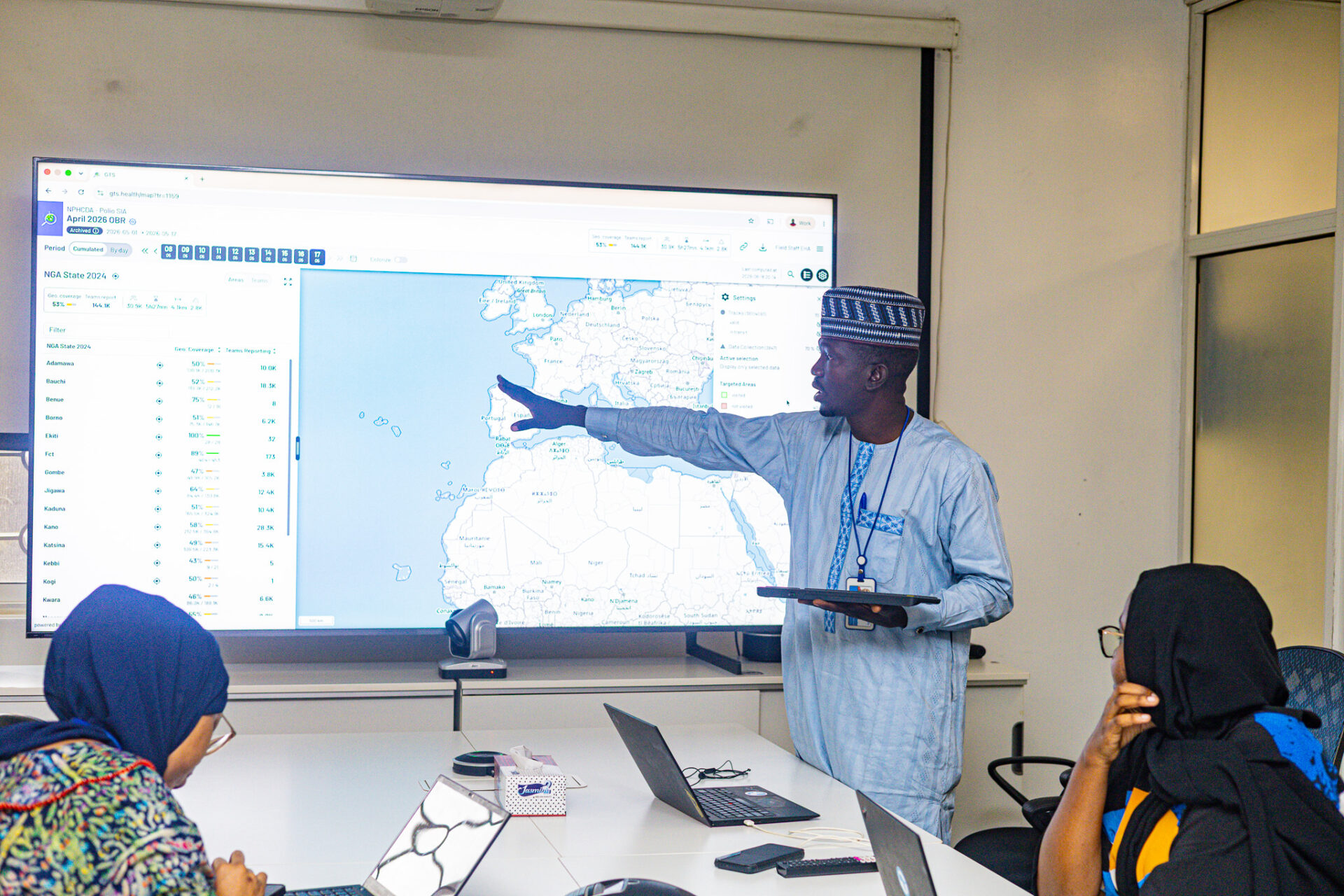
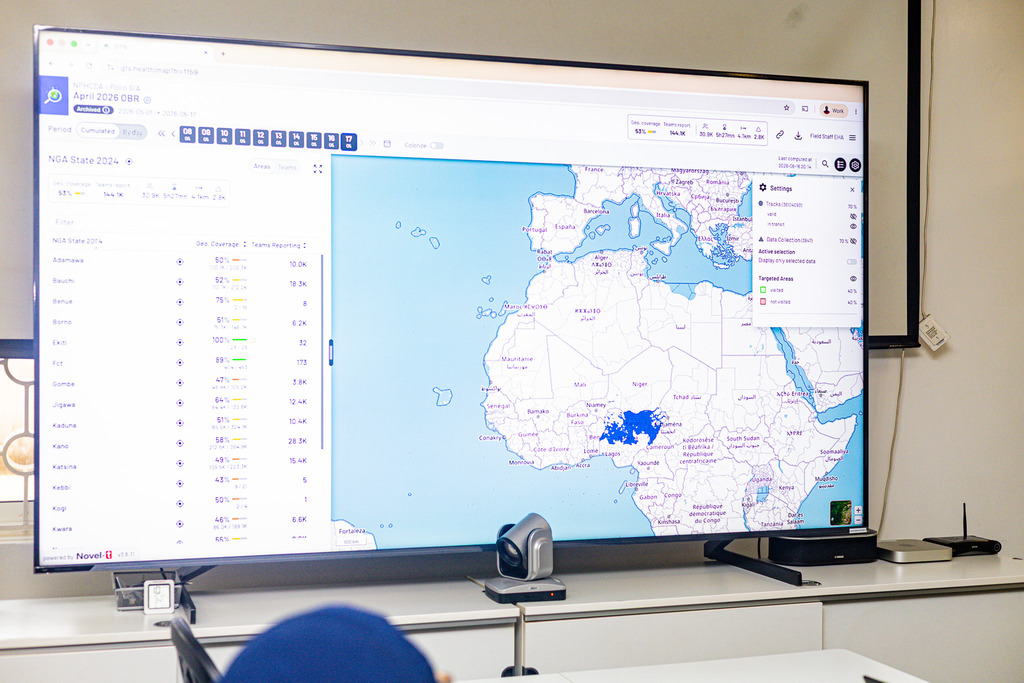
At National and regional level, organizations like ehealth Africa have consistently installed and deployed GIS tools most recently in the fight against polio in Nigeria. The team successfully provided equipment and human resources to support the tracking of Polio Special Intervention campaigns in northern Nigeria. These support to a large extent not just identify hard to reach rural locations that are yet to be covered during vaccination but also track vaccination personnel in the process. As a matter of fact, the use of GIS tools significantly contributed to the mantra of “leaving no one behind when it comes to vaccination and other health interventions. Thus it proves an adequate framework when it comes to equity, coverage and resource allocation. 

Similarly, in March 2012, the World Health Organization (WHO) issued a policy recommendation on Seasonal Malaria Chemoprevention (SMC); a new intervention against plasmodium falciparum malaria. The intervention deployed GIS to monitor the intermittent administration of a curative dose of antimalarial medicine to children at high risk of severe malaria living in areas with seasonal transmission, regardless of whether they are infected with malaria. While providing near real time updates on vaccination coverage, the GIS tracking system also flagged omitted households promoting accountability and transparency during and after  the intervention.

Over the years, GIS professionals have dusted the odds using a geographic approach in addressing unprecedented health challenges like Polio, Malaria, climate change, global warming and most recently, the  COVID-19 pandemic.  Beyond public healthcare interventions, Geospatial tools have been recommended as a critical solution for town planning, development of housing units, polling units location, and fight against insecurity amongst others.

In a nutshell, GIS provides an immense avenue to further amplify the success stories of GIS and importantly the professionals who consistently dedicate time and resources in developing digital solutions that can be tailored to provide context-specific insights.  It will thus be fascinating to see organizations like National Population Commission (NPC), Federal Capital Territory Administration (FCTA), the National Space Research and Development Agency (NASRDA), Jamitan Tech Nig. Ltd, the Environmental Systems Research Institute (Esri), and other critical Geographic Information Systems (GIS) Organizations and Societies collaborate to chart pathways of strengthening GIS and its prospect as the world host  World GIS day.

Atef Fawaz is the Executive Director of eHealth Africa. He is a Complex operations Management and ICT expert with experience in Humanitarian Response and Digital Health