Beyond Access: Making Digital Health Work for Women and Girls

Fatimah Abdulazeez

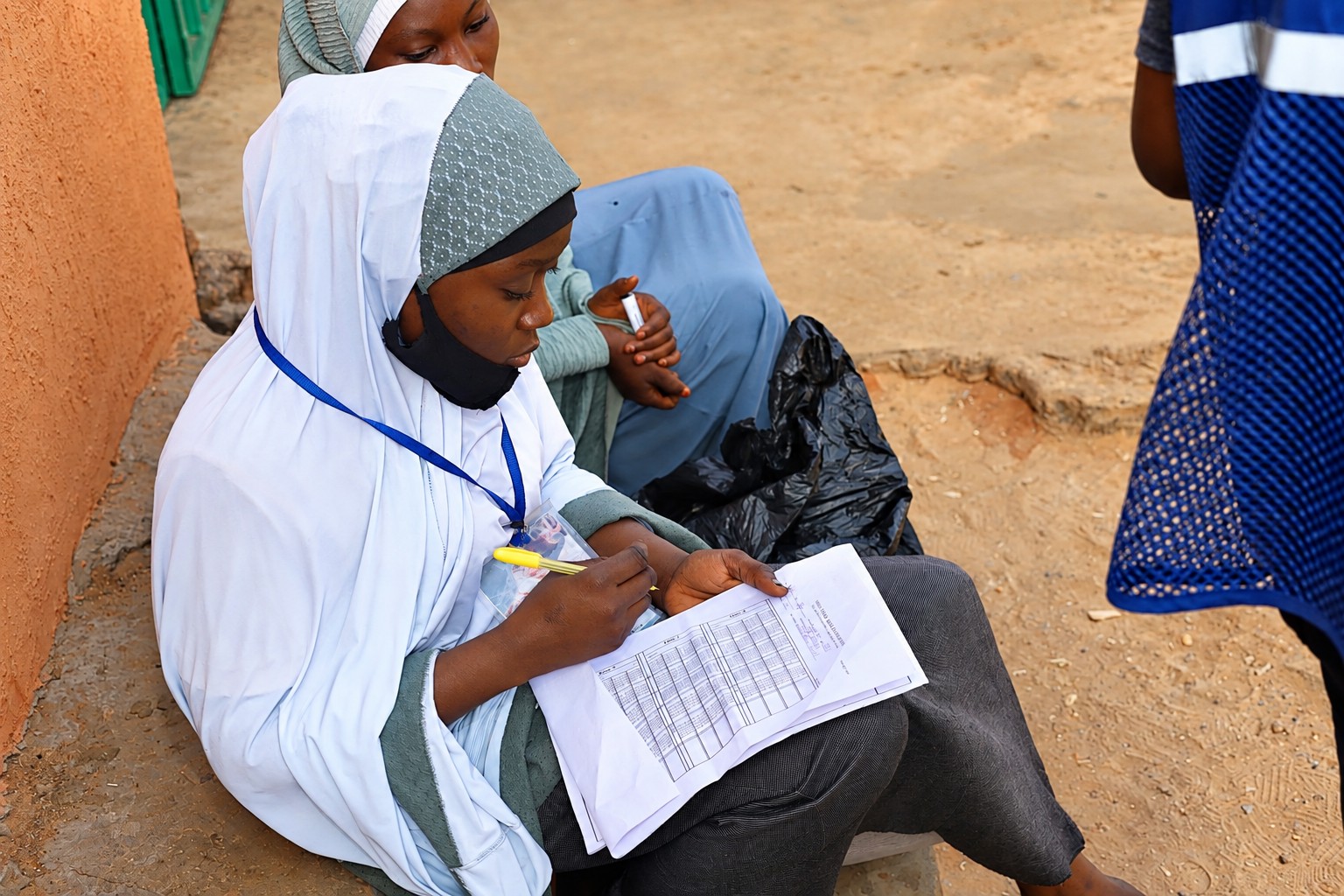
For Mrs. Blessing, a plantain chips seller in an underserved community, managing her health was not always straightforward. She was living with high blood pressure and had limited information about antenatal care during pregnancy. Her story, shared by mDoc during the 2026 Insights Learning Forum (ILF), showed what can happen when the right information and support reach a woman at the right time.

Through mDoc’s Digital Mom Project, she received personalized self-care support, health tracking and timely guidance through AI-driven coaching, community engagement and health-system integration. According to mDoc, she did not miss her antenatal appointments and became more confident managing her blood pressure, nutrition and health decisions.
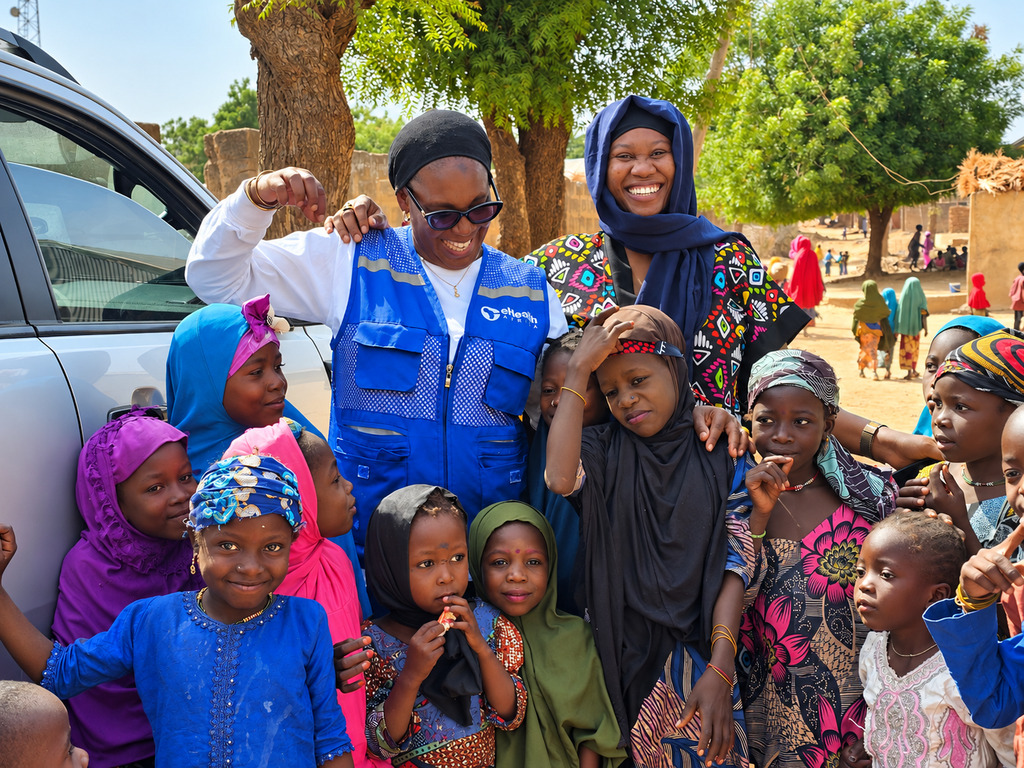
Her story reflects a much wider reality for women and girls around the world. Globally, 810 million women in low- and middle-income countries are still not using mobile internet, and more than two-thirds of them live in Sub-Saharan Africa and South Asia. For adolescent girls and young women, the gap is even sharper. UNICEF reports that in low-income countries, around 90% of girls and young women aged 15–24 are offline, compared with 78% of boys and young men.

That reality should shape how we talk about digital health for women and girls. Innovation is not inclusive simply because it exists online, sits inside an app, or travels through a mobile phone. The real test is whether it reaches women and girls in a form they can access, trust, and act on.

For many women and girls, exclusion is shaped not only by connectivity, but also by income, mobility, literacy, privacy, caregiving responsibilities, household power dynamics, and the quality of care available when they seek help. These realities can determine whether a digital solution is actually useful, even when the technology itself is available.

Safety is another important part of that picture. Dr. Kemi DaSilva-Ibru, Founder of the Women at Risk International Foundation (WARIF), warned that digital innovation can expose women to new forms of harm, including cyberstalking, online harassment, doxing, deepfakes, and misuse of personal information. “As we move forward with these digital innovations, we must recognize that these innovations come with digital harm,” she said.

Reaching women is therefore only one part of inclusion. Reaching them safely requires privacy safeguards, digital literacy, legal protection, and systems that can respond when harm occurs.

A similar systems approach is reflected in Jacaranda Health and eHealth Africa’s work on Promoting Mothers in Pregnancy and Postpartum Through SMS (PROMPTS) in Kano State. Rather than treating the platform as the intervention in itself, implementation has also focused on the systems women need around it: localized content, telecom integration, enrolment pathways, quality assurance, a user-support hub and health-trained call-centre agents. These foundations are designed to help women receive information that is locally relevant, reliable and supported by continued engagement.

This is what makes Mrs. Blessing’s story significant. The technology did not simply reach her; it was connected to continued guidance and support that helped her act on the information she received and make decisions about her health.

The real question is not simply whether women can be reached, but what changes because they are. Reach and engagement matter, but the deeper measure is whether women can use the information they receive to make better decisions, seek care, receive support, and experience better health.

That is the systems challenge at the heart of inclusive digital health. Technology can open the door, but what surrounds it determines whether women can walk through safely and benefit from what comes next. Digital health works best when access is connected to trust, protection, support, and clear pathways to care.
eHealth Africa’s Digital Innovation Takes Center Stage at the Africa Digital Health Summit (ADHS)

by Moshood Isah

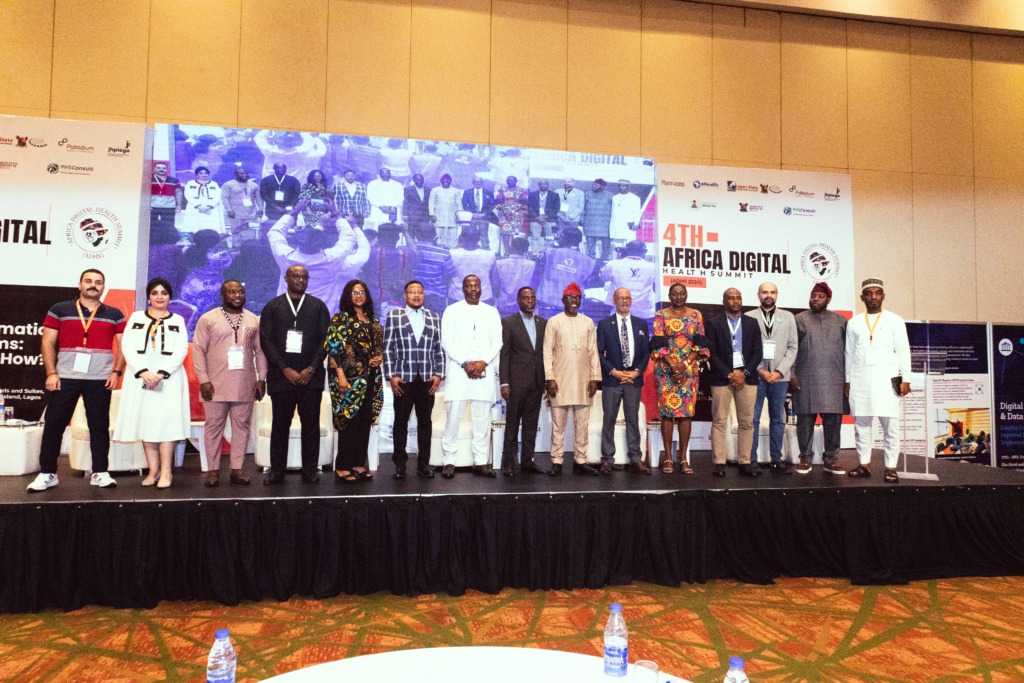
Nigeria and indeed the African region have continued to endure a series of public health emergencies, with the most recent being the cholera outbreak affecting more than 21 states. These and other issues necessitate engagement that brings stakeholders together to improve disease surveillance and response. One such engagement held recently was the Africa Digital Health Summit (ADHS). The summit is a platform for innovators, academics, entrepreneurs, researchers, regulators, policymakers, and development partners to share knowledge and experience in digital health across Africa.

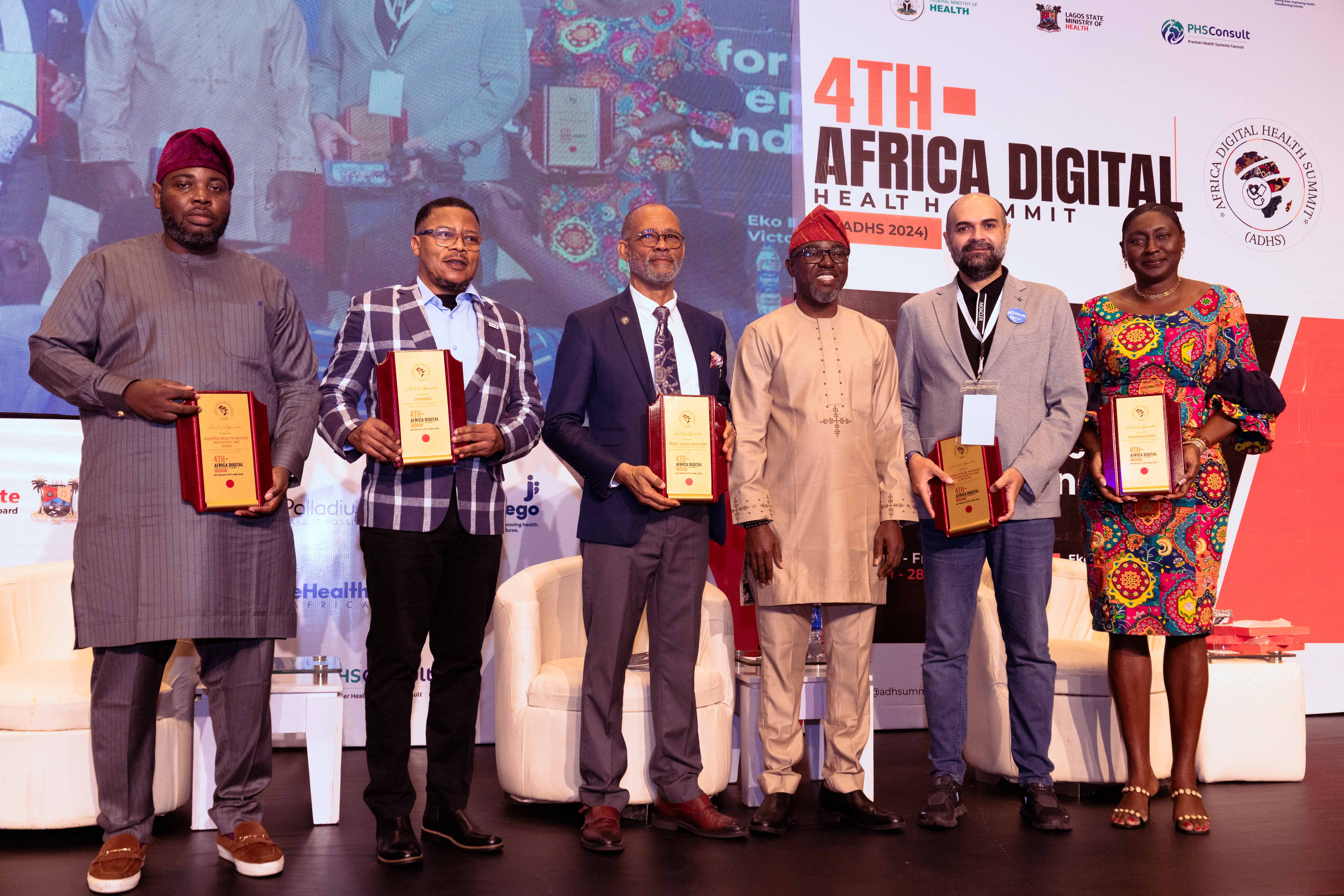
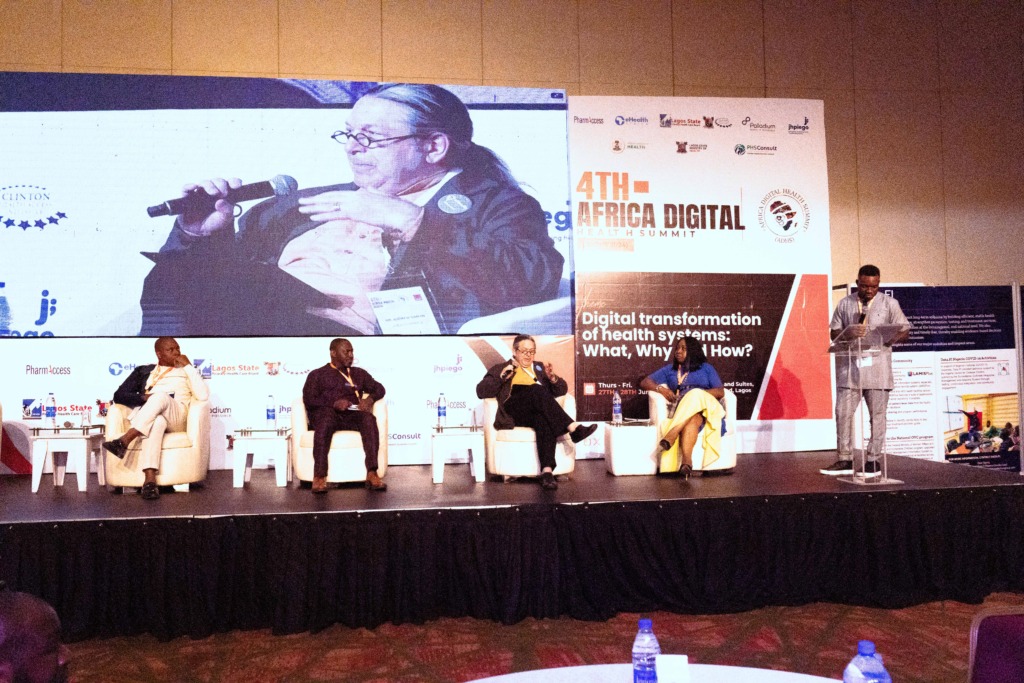
The 2024 edition of the summit, with the theme “Digital Transformation of Health Systems: What, Why, and How?”, featured industry experts from around the world. In the presence of the Honorable Minister of State for Health and Social Welfare, Dr. Tunji Alausa, and the Commissioner of Health in Lagos State, Prof. Akin Abayomi, eHealth Africa, and other organizations displayed crucial digital health solutions currently being used to address public health emergencies.

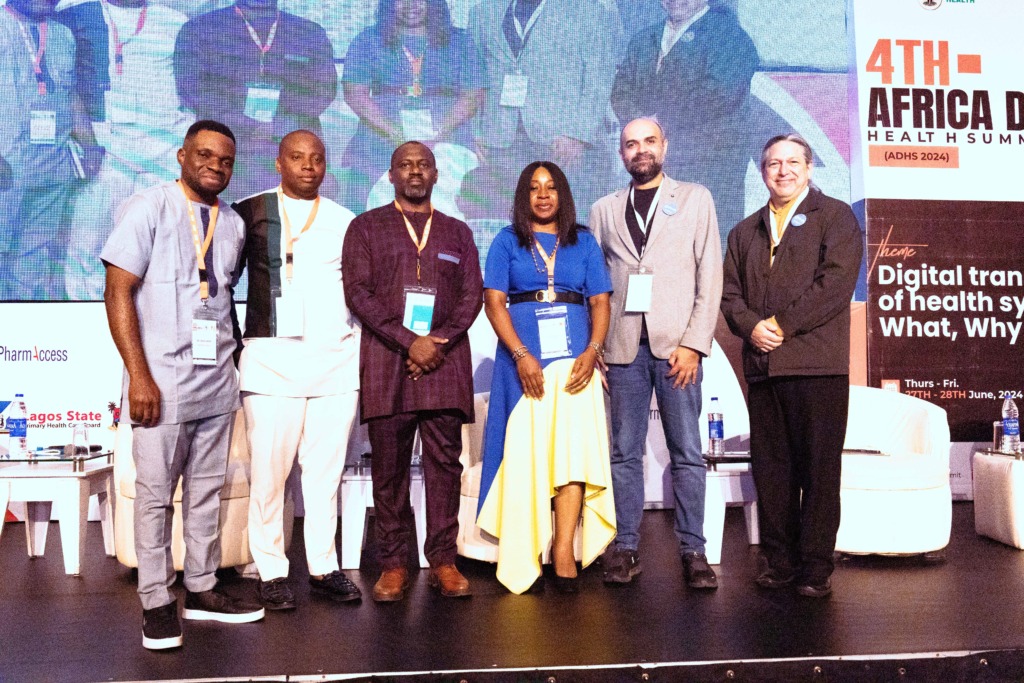
During the summit, eHealth Africa hosted a panel session where it discussed a series of digital innovations and how instrumental these solutions have been in public health and disease surveillance. The session, moderated by David Akpan, Deputy Director of Programs and Partnerships, featured Andrew Karlyn, a board member at eHealth Africa; Dr. Emmanuel Agogo, Director of Pandemic Threats at the Foundation for Innovative New Diagnostics (FIND); Dr. Monique Aaron Foster, Deputy Director of Programs at the Sierra Leone Division of Global Health Protection, Global Health Centers for Disease Control and Prevention; Dr. Ubong Okon, Deputy Director of Programs and Impact at eHealth Africa; and Motunrayo Bello, Chief Executive Officer of Womenovate.

In the words of Atef Fawaz, the Executive Director of eHealth Africa, after the session, “Digital innovation is the future of health and the world in general. If we want to avoid the next pandemic, we must build on existing digital solutions. Technology has helped in responding to health emergencies in the past, and it will help in the future.”

Another key highlight of the event was the technical session moderated by Kazeem Balogun, Program Manager at eHealth Africa, which featured the demonstration of Electronic Integrated Disease Surveillance and Response (eIDSR). As revealed by Deputy Director of Global Health Informatics and ICT Operations, Abdulhamid Yahaya, the eIDSR is an optimized system created to improve the flow of information within health systems. This allows accurate and early detection of disease outbreaks right from the communities to the highest level of intervention. According to Abdulhamid, “This is an opportunity to reignite and energize stakeholders to drive the utilization of the eIDSR solution to improve early detection of disease outbreaks in our communities.”

The demo session was preceded by a technical session on leveraging digital innovation to strengthen early warning systems for early detection of outbreaks using an ecosystem approach, led by Dr. Emmanuel Agogo. He explained the importance of effective data flow during disease surveillance and how it helps in developing early warning systems from the communities to health facilities, state, and national levels.

eHealth Africa team after a panel session at ADHS

While commending the insightful presentations, the Director of Programs and Partnerships at eHealth Africa, Ota Akhigbe, emphasized the need to consider all stakeholders playing an active role in promoting the early detection of disease outbreaks. She said the public sector is crucial in providing population data, while the private sector leverages its capabilities to develop innovative solutions and the academia contributes research to bring out learning points.

To reecho the words of Dr. Tunji Alausa, “Digital health innovation is no longer a luxury but a necessity.” Thus, conversations like this should remain at the forefront of national discourse. The conversation around digital health and the innovative use of digital technology in advancing public health cannot be overstated. In furtherance of this conversation, eHealth Africa is delighted to announce the second edition of the Insights Learning Forum, an annual event dedicated to advancing digital health in public health practice.

The 2024 edition of this high-level forum will be held on July 31st, 2024, at the Transcorp Hilton, Abuja with the theme “Digital Innovations in Public Health Practice: Innovations and Impact.”

Click here to learn more and register to attend.

Strengthening Blood Management Systems with Digital Tools

By Emmanuel Uko

Every month, eHealth Africa (eHA) convenes stakeholders and subject-matter experts on a fresh episode of the Insights Webinar for topical discussions, solutions and recommendations that improve public health and contribute to the attainment of SDG goal 3: good health and wellbeing for all. The aim is to share lessons learned across different areas of project implementation and to offer recommendations.

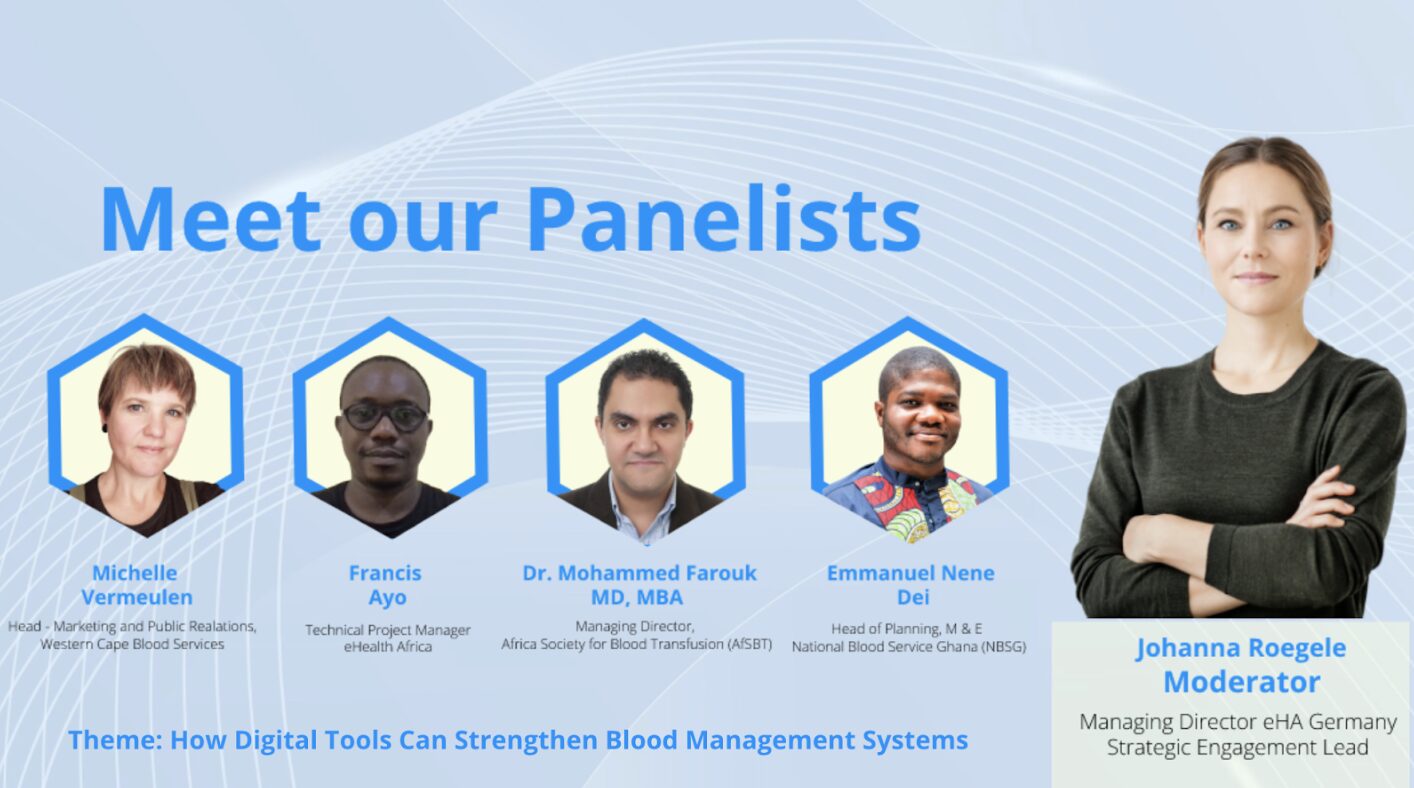
The 8th edition of the Insights webinar was focused on how digital tools can strengthen blood management systems. Alluding to the topic, one of the panelists, Dr. Mohammed Farouk (MD, MBA), Managing Director of the Africa Society for Blood Transfusion (AfSBT), said “Incorporation of technology and data-driven solutions makes the blood management value chain more seamless. Recruitment of donors is done with online questionnaires, after which the donor institution determines eligibility of the donor, then invites them to the donation center.” This process saves time and resources as donors are only invited on appointment, based on schedule.

Still on eligibility, Michelle Vermeulen, Head of Marketing & Public Relations at Western Cape Blood Services in South Africa outlines the criteria: “In order to be an eligible donor, criteria differ from country to country. However, generally, one must be between the ages of 16 and 75, weigh more than 50 kg, be healthy on the day of donation, without flu or symptoms of cold, and be leading a healthy sexual lifestyle.”

In addition, Emmanuel Nene Dei, Head of Planning, Monitoring and Evaluation at the National Blood Service, Ghana, further stated that “An eligibility quiz for prospective donors helps to shorten the recruitment process. Those not eligible are, with their consent, linked up with other healthcare facilities for quality healthcare, as necessary.” Francis Ayo, Technical Project Manager in the Informatics Department at eHealth Africa, added that “Integration of data-driven technology creates visibility, accountability and transparency, leading to appropriate decisions about quantity and types of blood products required at specific health facilities, while third-party logistics systems carry out the distribution and ensure supplies where needed.”

The webinar had 160 online participants from Canada, Ethiopia, Germany, Ghana, Guinea, Nigeria, Rwanda and Sierra Leone; and eHA’s live LinkedIn audience (eHealth Africa), had 1,441 viewers at the time of the webinar. eHA’s Strategic Engagement Lead / Senior Manager, in Berlin, Germany, Johanna Roegele, who has worked on the management of the blood supply chain observed that eHA and partners have modelled a system to ensure continual availability of blood products. She recommended that such models be replicated especially in other African countries.

From their vast experience, the panelists shared other lessons for effective blood supply chain management: donors prefer to be contacted with personalized messages (SMS, Whatsapp and emails) rather than general messages sent to everyone. Personalized messages enhance the likelihood of recurrent donations, especially for first-time donors. More so, social media and traditional media help create visibility for institutions and to attract donors. Digital interoperability between digital blood management information systems and testing machines reduces human error, speeds up testing time, increases accuracy, eliminates waste and averts silo functioning. In addition, drone-based delivery to hard-to-reach areas, saves more lives especially in emergencies.

Human-centered project design approach should be applied, taking into consideration inputs and needs of stakeholders and potential beneficiaries. In the data management process, privacy of clients is paramount while keeping appropriate databases updated for tracking and monitoring of trends in blood services.

eHA’s monthly Insights webinar is an opportunity to learn more about how experts are resolving public health issues with the use of digital technology and data-driven solutions, sharing both the solutions and the lessons in creating them for replication.