eHealth Africa Pilots Digital Innovation to Boost Planning of Public Health Campaigns

By Moshood Isah

One of the key lessons from the COVID-19 vaccine rollout, according to the World Health Organization, is that countries with effective plans fared better than those without. This principle applies broadly to every vaccination campaign and public healthcare intervention. Thus, the consistent effort to reach every settlement across Nigeria with vaccination and general public health services seems to be an unending journey. While the conventional challenges, especially in Northern Nigeria, revolve around vaccine hesitancy and insecurity, experience also reveals that a lack of accurate data for planning and resource allocation may be impacting on vaccination and public health campaigns.

A recent conversation with primary healthcare workers in Northern Nigeria revealed that a lack of accurate data remains a major reason why it is increasingly difficult to reach every settlement with vaccination activities. Additionally, the complex nature of micro-planning contributes significantly to this challenge. These healthcare workers, consisting of Local Government Area (LGA) and Ward Focal Persons responsible for planning vaccinations, revealed that it takes up to six days to manually develop a micro plan for health campaigns. Despite these efforts, the plans remain vulnerable to human errors, resulting in varying degrees of inaccuracy.

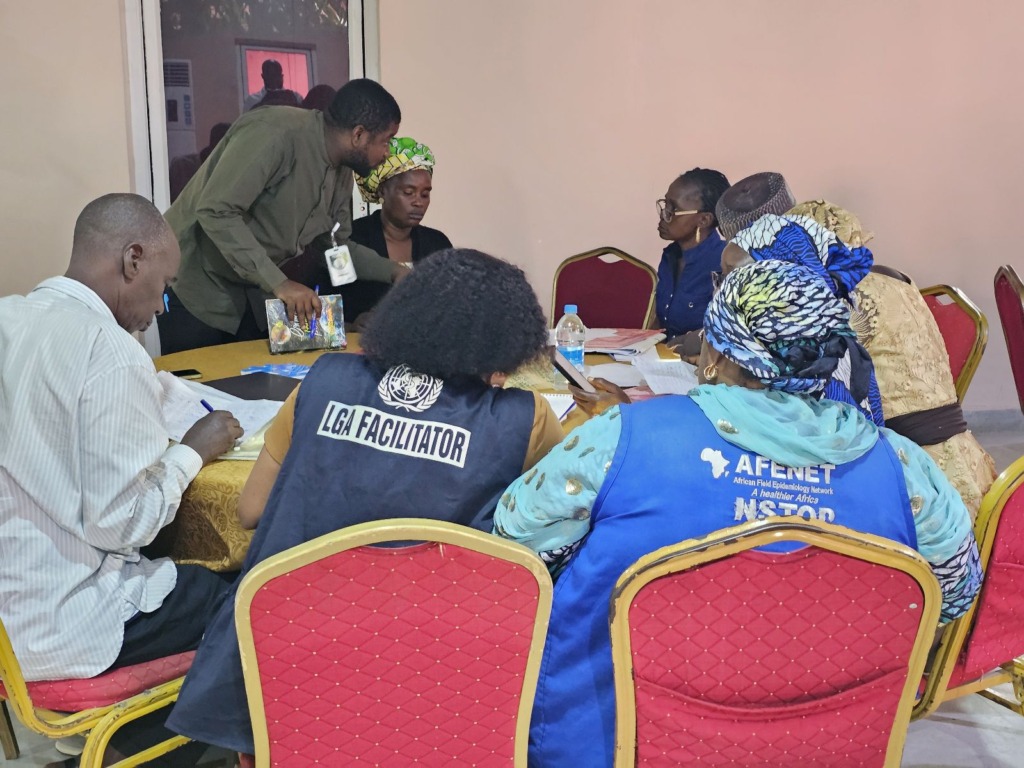
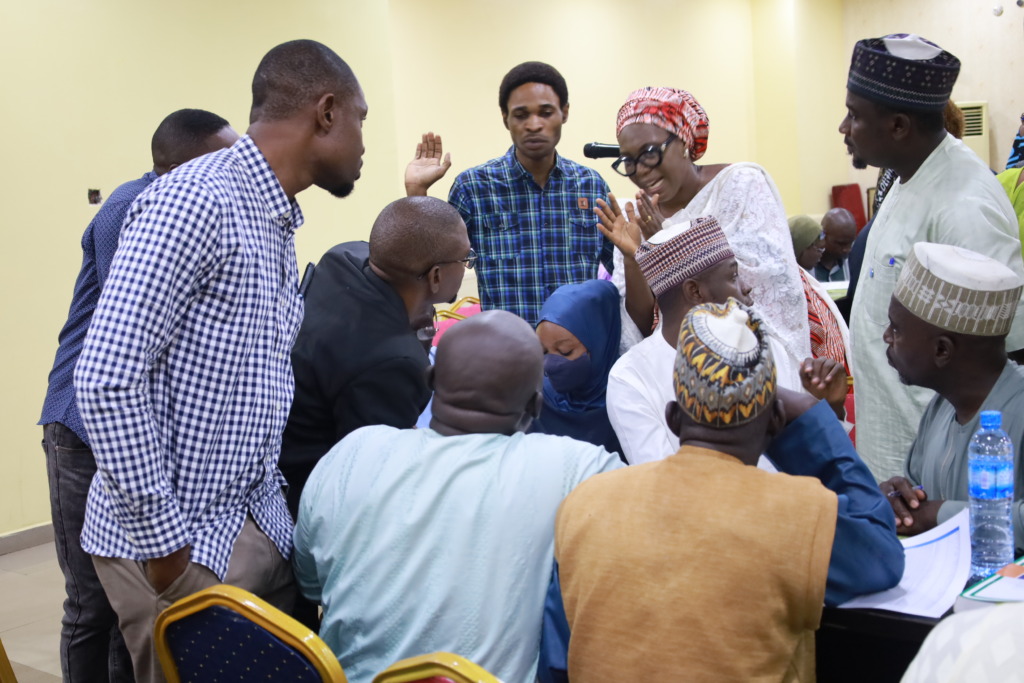
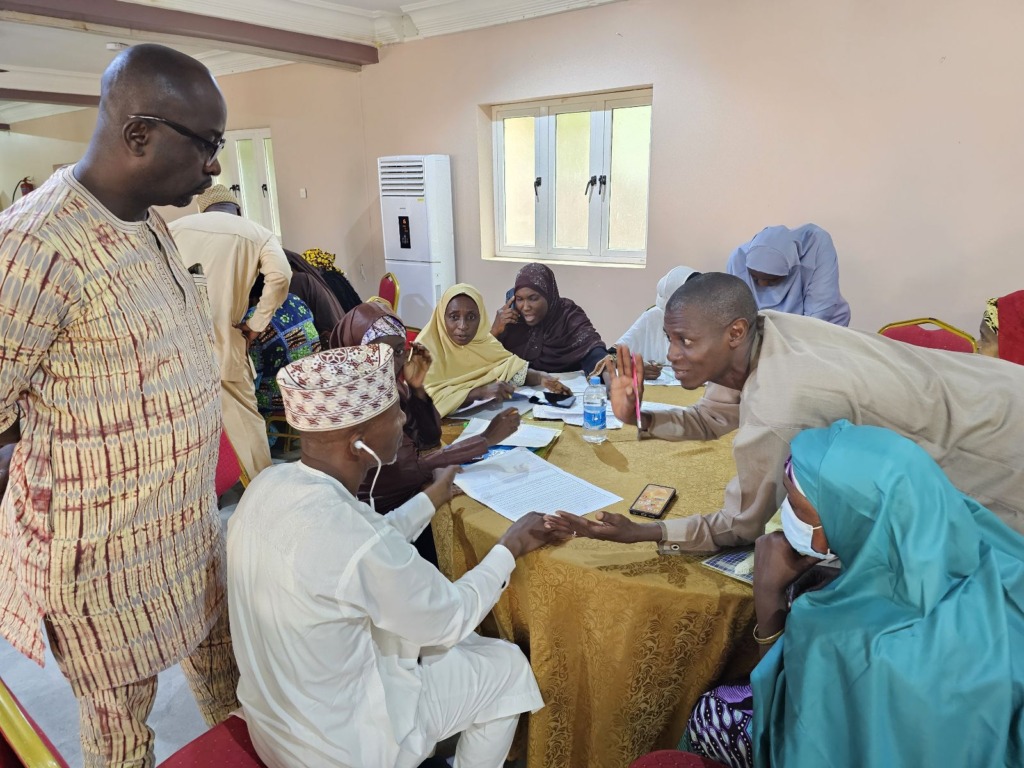
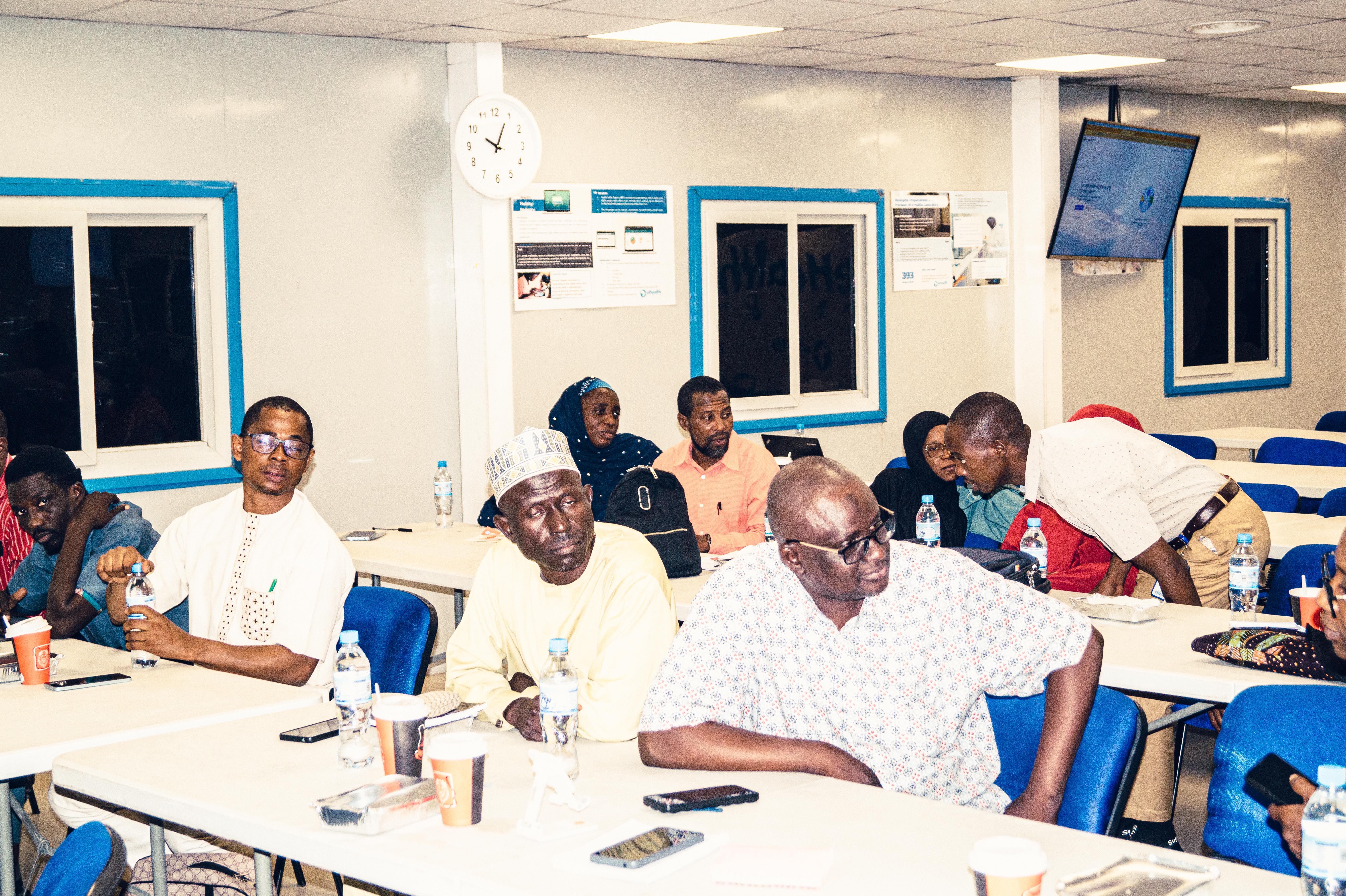
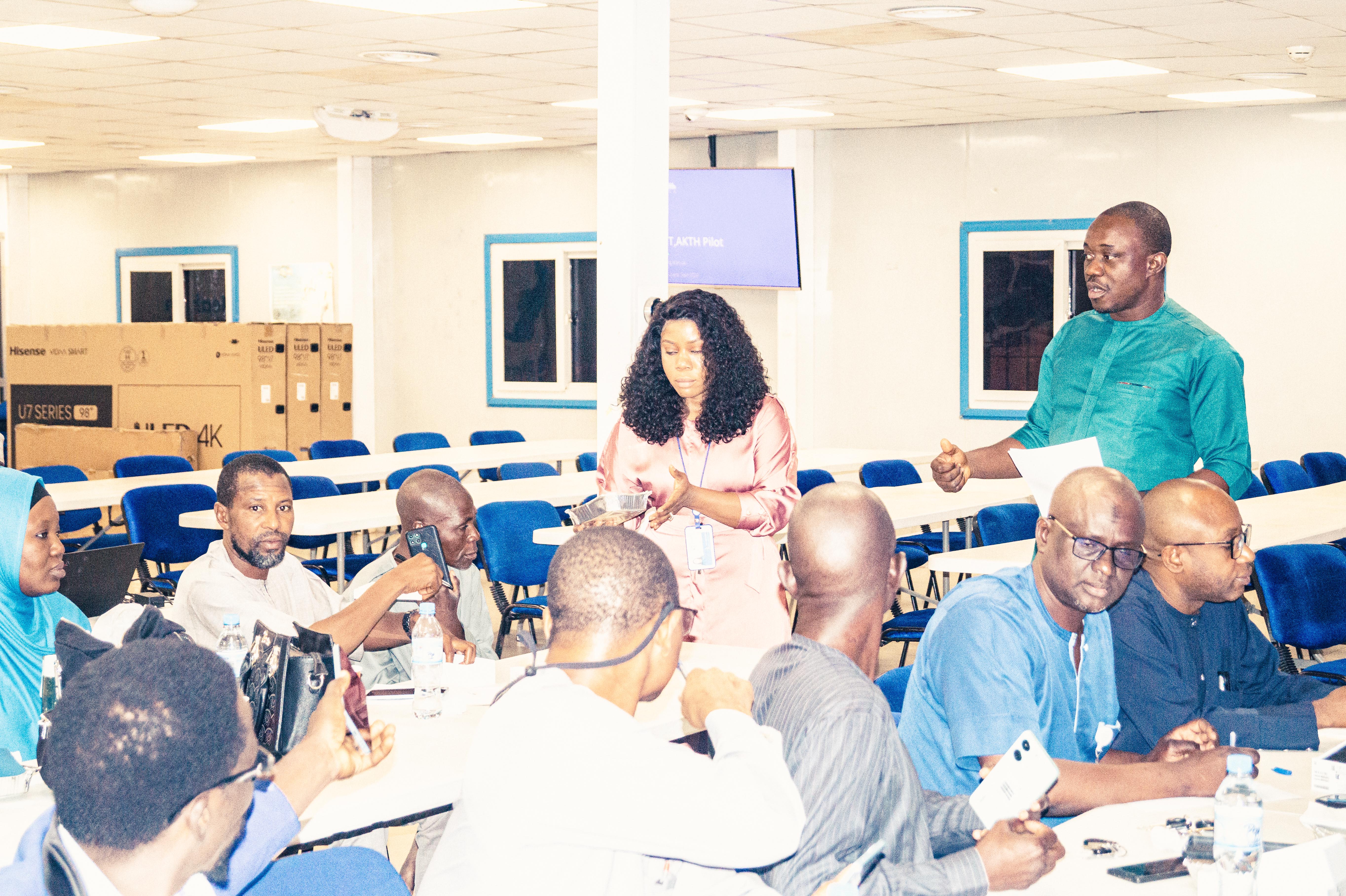
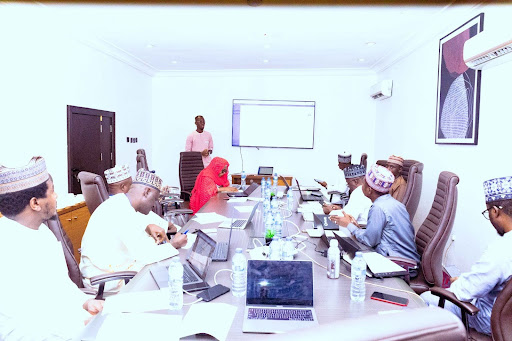
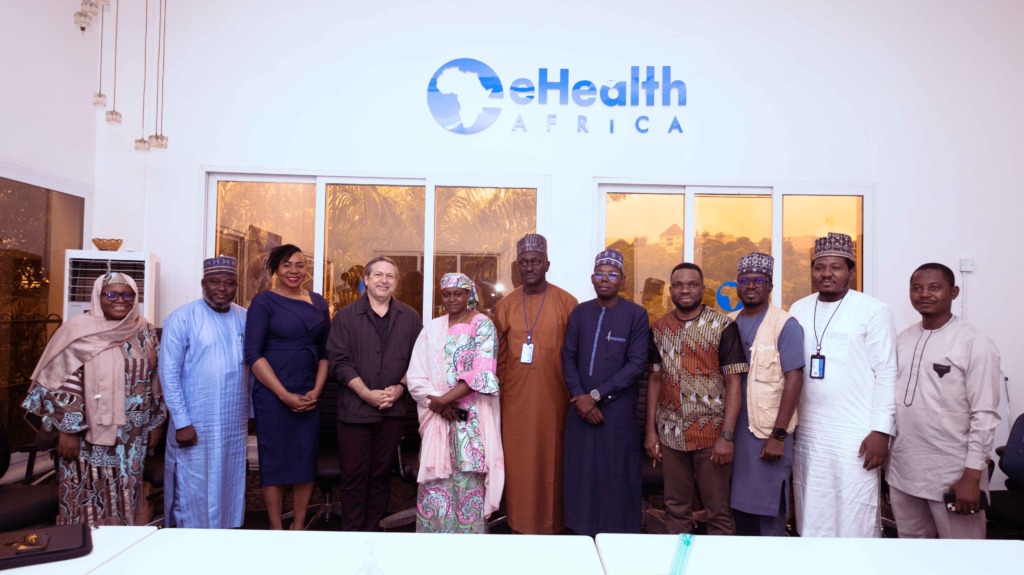
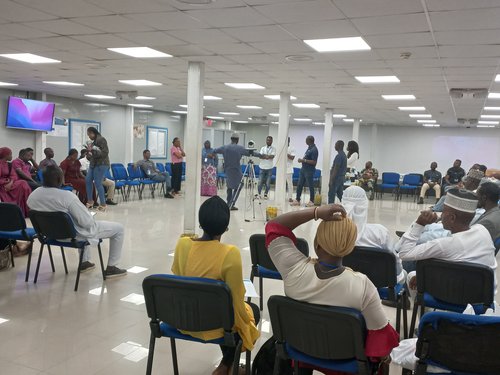
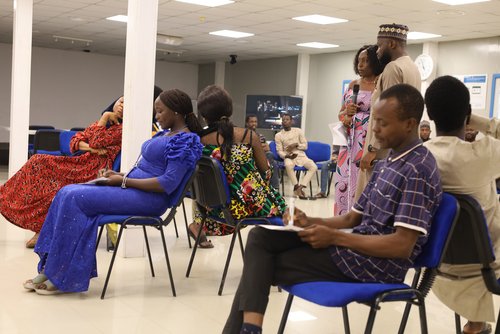
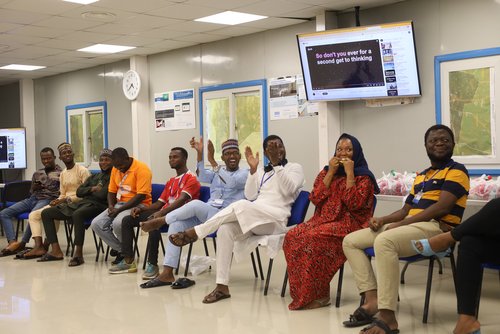
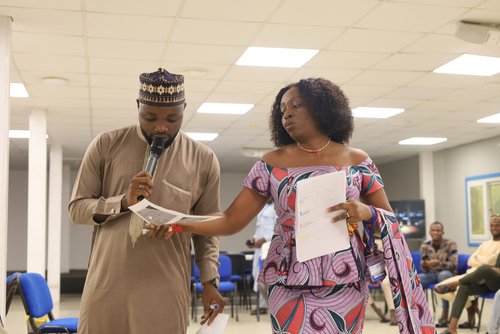
Primary healthcare workers and partners reviewing master list of settlement

According to the World Health Organization, good data is crucial for mass-vaccination campaigns. Keeping it real-time and relevant requires the right software and systems. Recognizing that digitized data helps in planning and monitoring vaccination campaigns, eHealth Africa designed the Planfeld solution to enhance the planning of vaccination campaigns and ensure every child has access to the polio vaccine and other routine immunization services. 

Kicking off the Planfeld pilot workshop in Kaduna State, eHealth Africa’s Program Manager, Abubakar Shehu, and his team introduced the innovative application to primary healthcare workers and stakeholders. The demonstration showcased how Planfeld can streamline the creation of accurate micro plans and monitor vaccination activities more efficiently.

During the workshop, Abubakar explained, “The Planfeld application will allow us to know the exact number of settlements we are targeting, the number of children in those areas, and the amount of vaccine required for the activity. Previously, developing a micro plan manually, especially for polio vaccination, took at least four days. Now, with this digital tool, it takes less than 30 minutes.” 

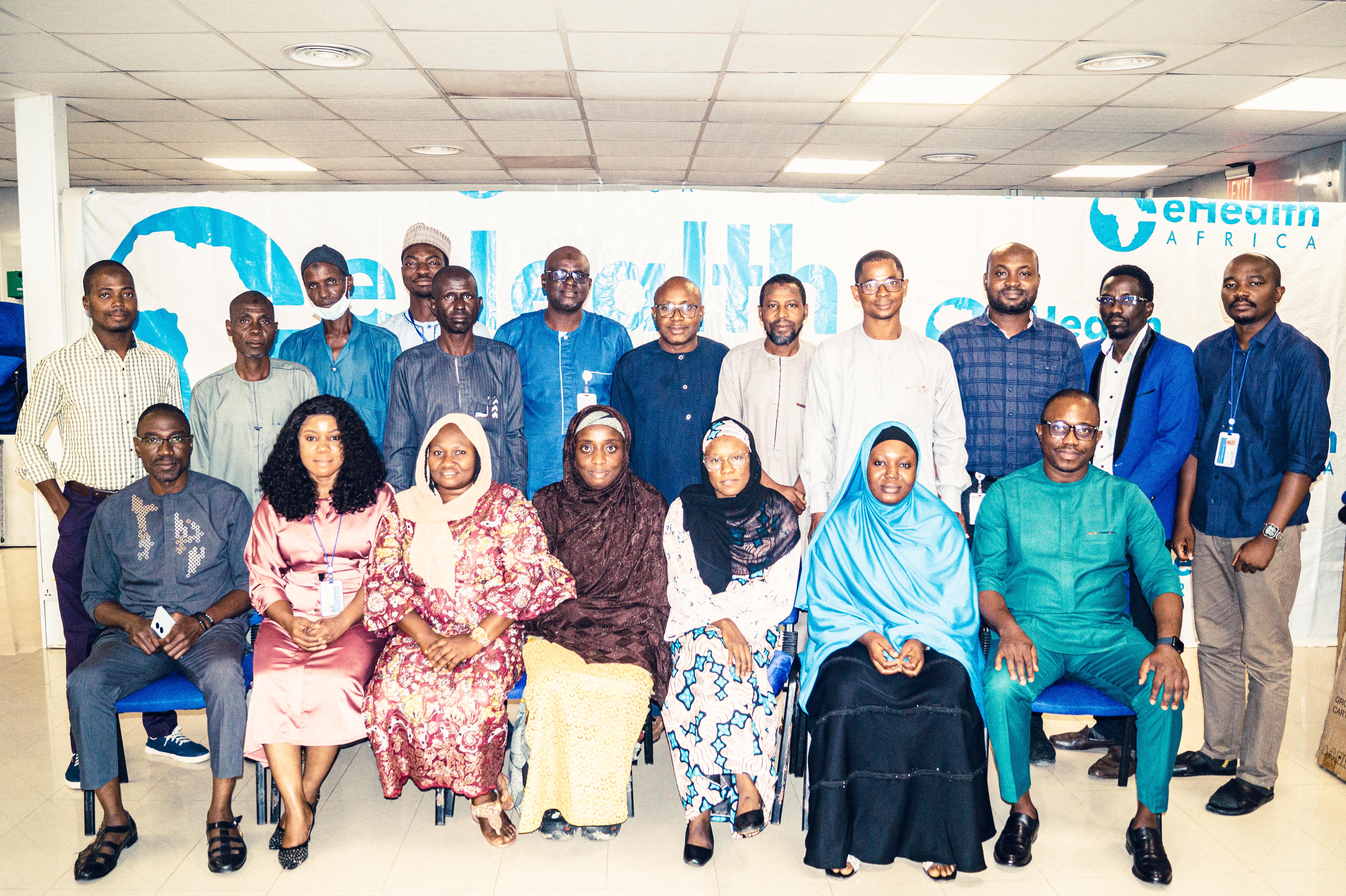
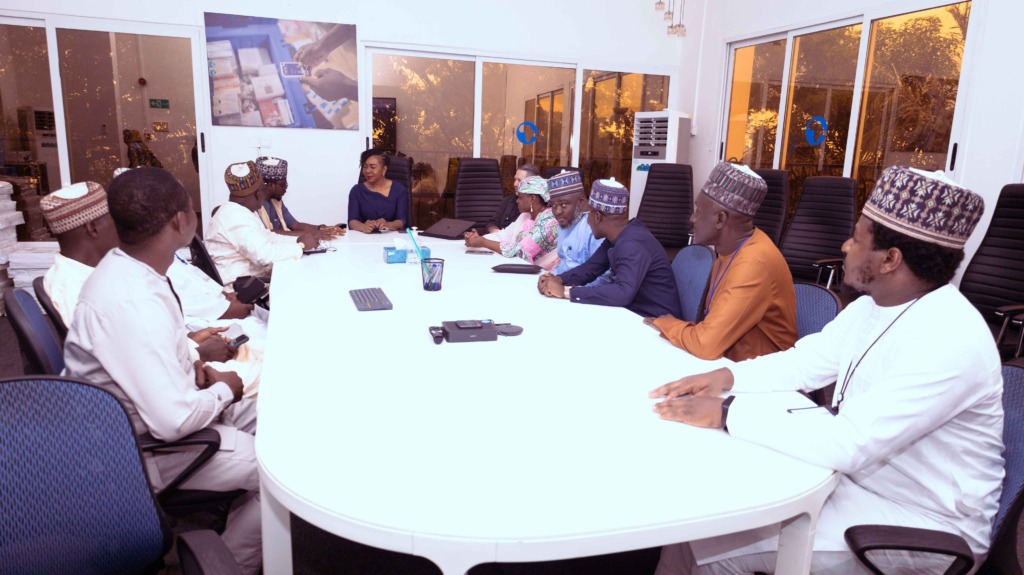
Primary healthcare workers and partners reviewing master list of settlement

He further emphasized that digitizing micro-planning will ensure that more settlements are reached with essential public health interventions. The pilot workshop, according to him, is being conducted in Kaduna, Niger, Katsina, Kebbi, Sokoto, and Zamfara states. While appreciating the National and State Primary Healthcare Development Agency (N/SPHCDA), he said the organization looks forward to comments and feedback on how to further optimize the Planfeld solution to revolutionize the planning and execution of vaccination efforts.

Dr. Abdullahi Musa Garba, the Incident Manager of the Polio Emergency Operations Center (EOC) at the Kaduna State Primary Healthcare Development Agency (SPHCDA), expressed optimism about the successful deployment of the Planfeld application in the state. He highlighted that the digitization process would significantly improve accuracy in immunization efforts for polio and other diseases, minimizing errors that were common with manual micro-planning.

“Manual micro-planning is a difficult and error-prone process,” Dr. Garba explained. “With the deployment of the digitized micro plan, the work will become much easier for the teams managing immunization.”

Mr. Victor Obagunlu Adeleke, the Kaduna State team lead for polio outbreak intervention with the SOLINA Center for International Development and Research, emphasized the time-saving benefits and improved resource allocation that come with micro-plan digitization. “The significant reduction in time and energy spent on developing the micro-plan, coupled with the fact that it’s not a capital-intensive project, makes it a much easier process,” he explained.

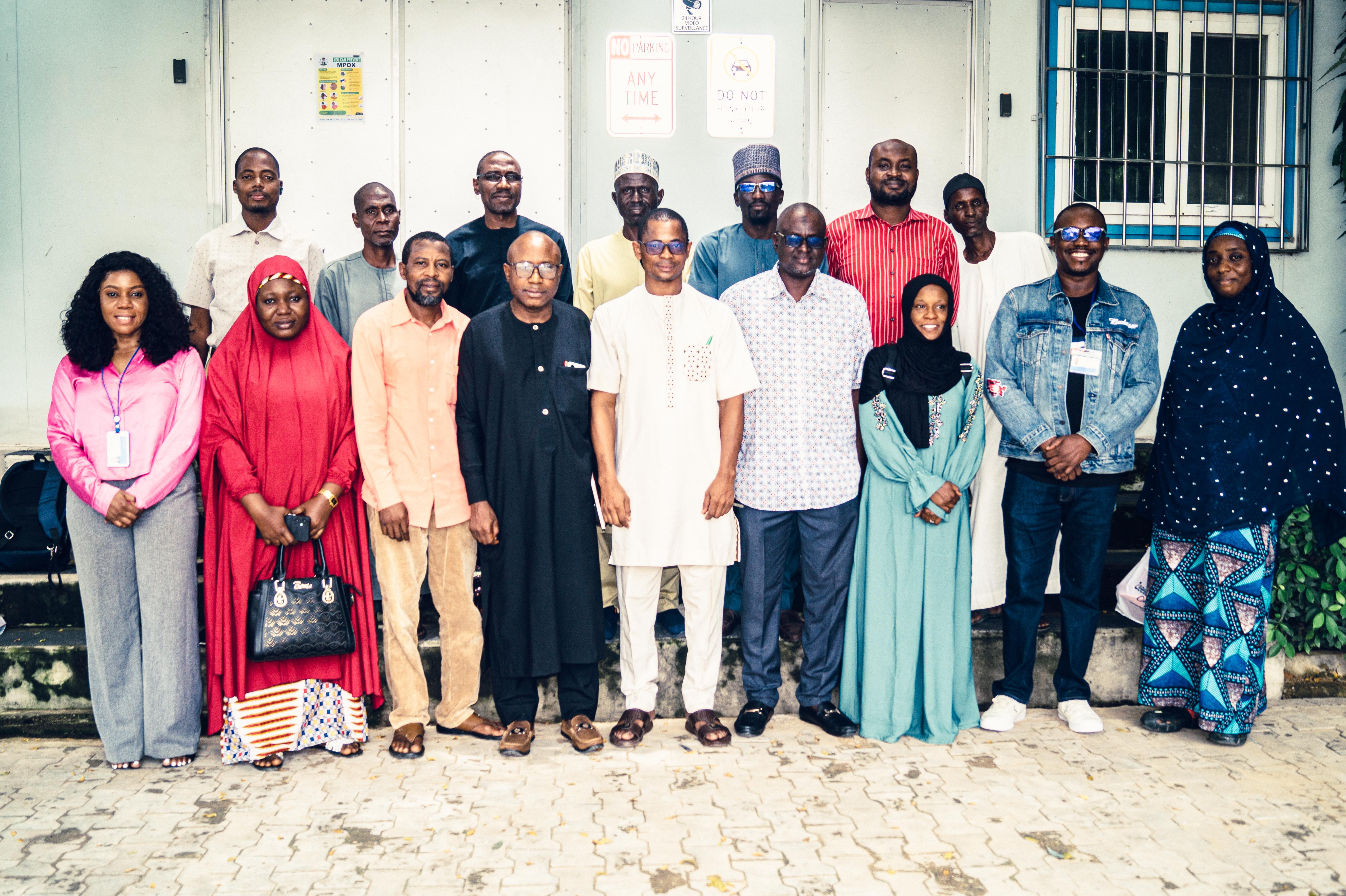
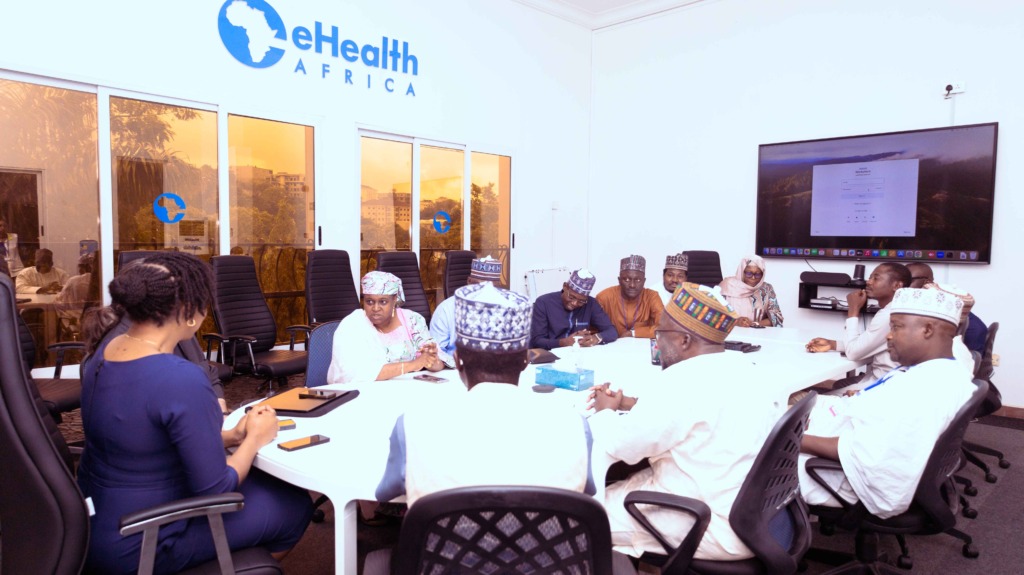
Primary Healthcare workers reviewing master list of settlement

He further highlighted that the traditional micro-plan development process—from the settlement to the ward, then to the Local Government Areas , and finally the state—requires considerable time to aggregate data across these levels. “With digitization, however, real-time analysis becomes possible,” Mr. Adeleke noted. “You can monitor data entry from the settlement or ward level and receive immediate feedback even at the state level.”

Microplanning is critically essential in the health sector. Thus, digitization of micro plans will enhance the capacity of the State and LGA team, facilitate a sustainable geodataba

A New Dawn in Blood Supply Management Championed by eHealth Africa

By Favour Oriaku

In times of crisis—whether it be a natural disaster, armed conflict, or a large-scale public health emergency—the demand for safe and quality-assured blood and blood products rises dramatically. Ensuring a steady supply of these life-saving resources is crucial to maintaining healthcare systems, saving lives, and preventing further destabilization in an already chaotic environment. Without adequate blood supplies, the consequences can be devastating.

According to the World Health Organization (WHO), safe blood saves lives and improves health, but millions of patients requiring transfusion do not have timely access to safe blood. Ensuring the availability of safe blood products is particularly crucial during emergencies. Globally, approximately 118.54 million blood donations are collected each year. However, managing this enormous volume of donations without a streamlined electronic process for collection and tracking can lead to serious challenges.

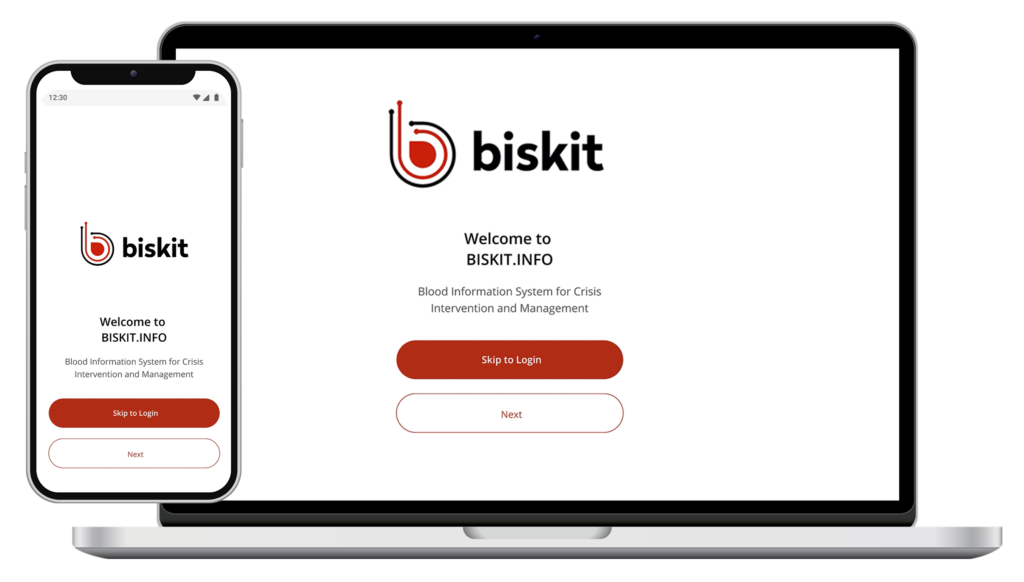
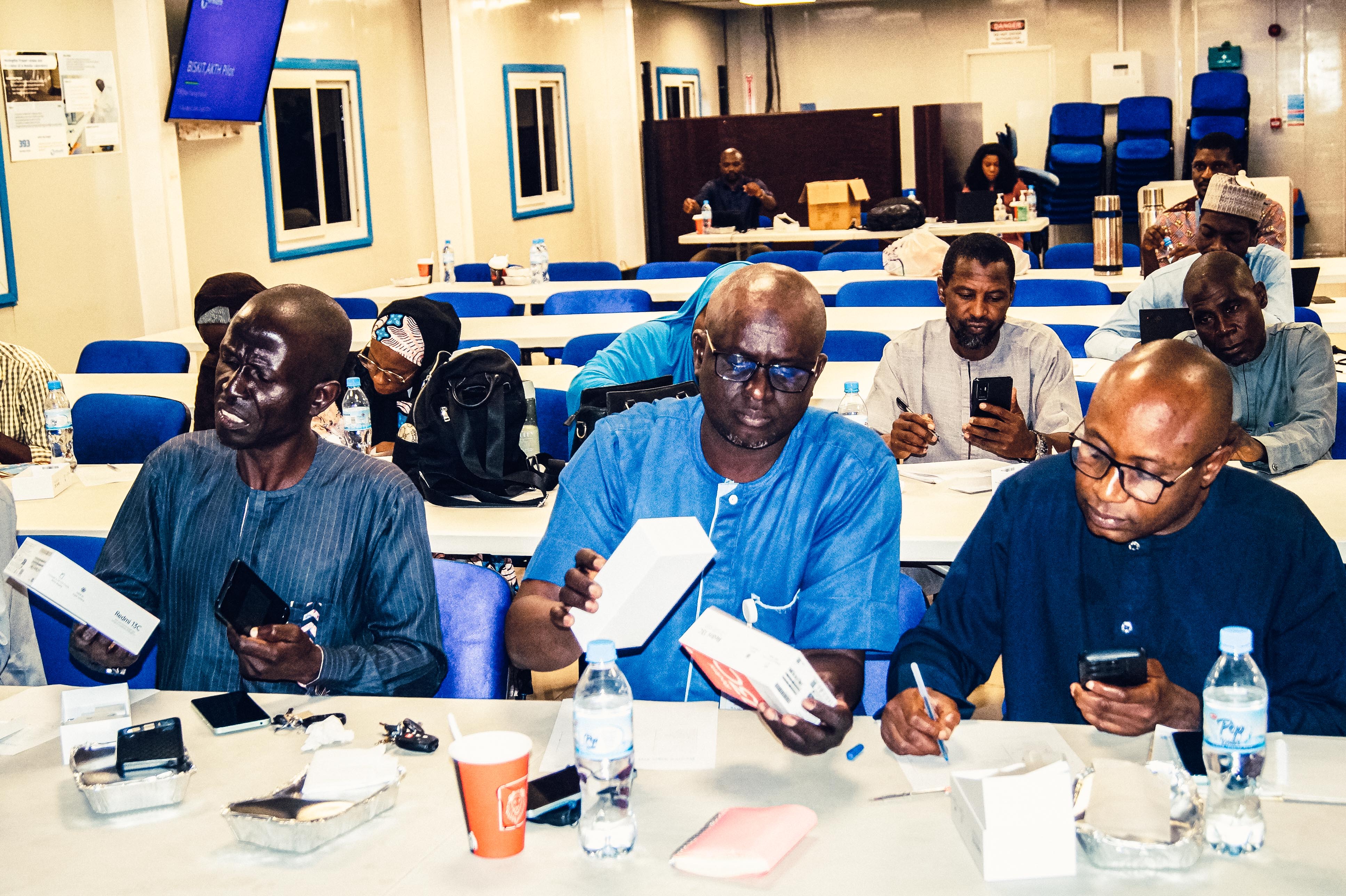
Recognizing the pressing need for innovation in blood supply systems, eHealth Africa, in partnership with the Aminu Kano Teaching Hospital (AKTH), has embarked on a groundbreaking initiative—the Blood Information System for Crisis Intervention and Management (BISKIT) AKTH Pilot Project. This project, supported by the eHealth Africa Board, aims to digitize and streamline the process of blood collection, management, and distribution, ensuring that safe blood is always available before, during, and after crises.

According to Francis Ayo, the project manager, “This groundbreaking initiative is exploring a key question: How can digital solutions help ensure a sufficient supply of safe and quality-assured blood and blood products before, during, and after a crisis? In an attempt to answer this question, eHealth Africa, in collaboration with other consortium partners, developed the Blood Information System for Crisis Intervention and Management (BISKIT) app.”

Empowering Healthcare Professionals through Training

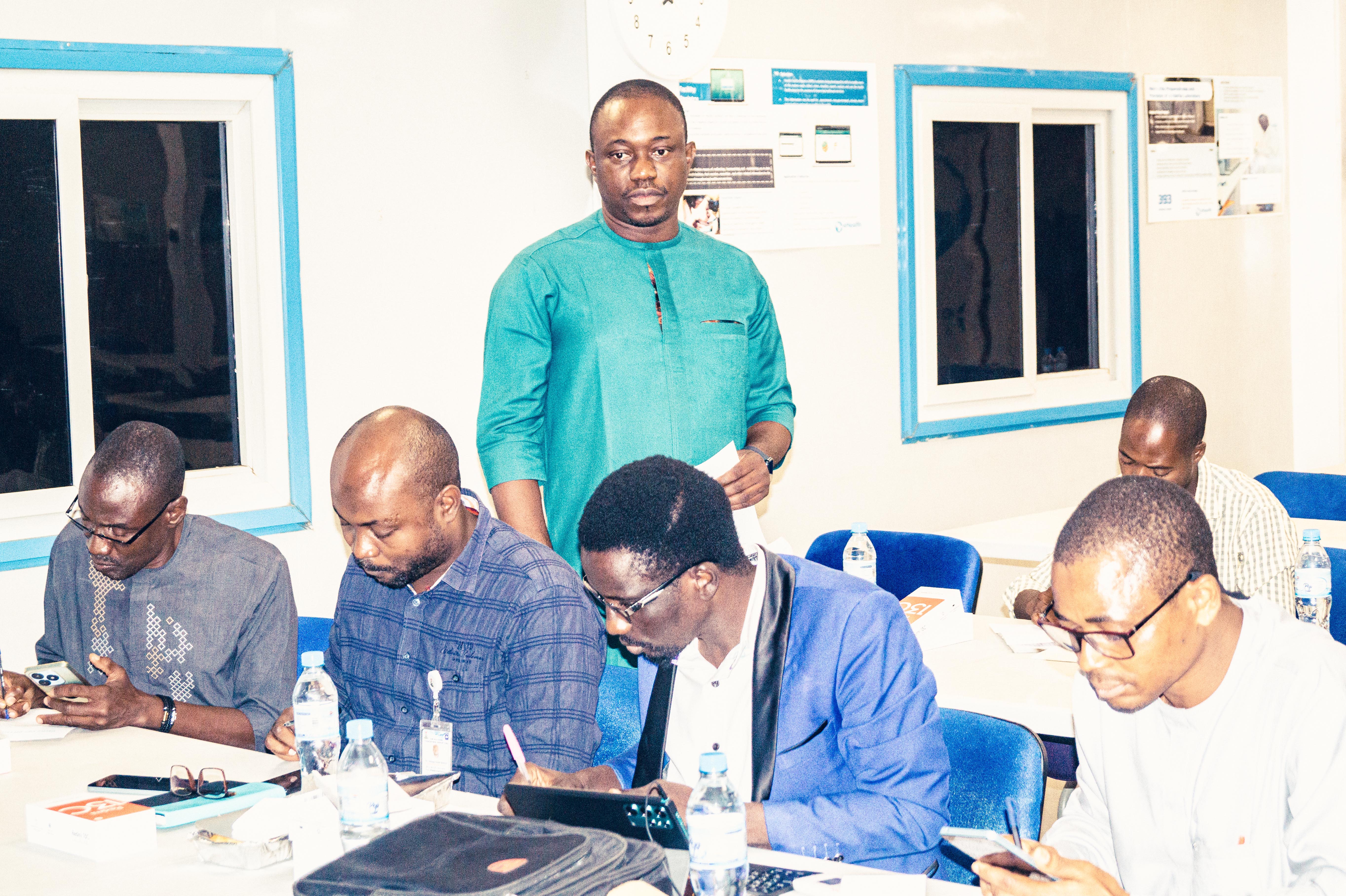
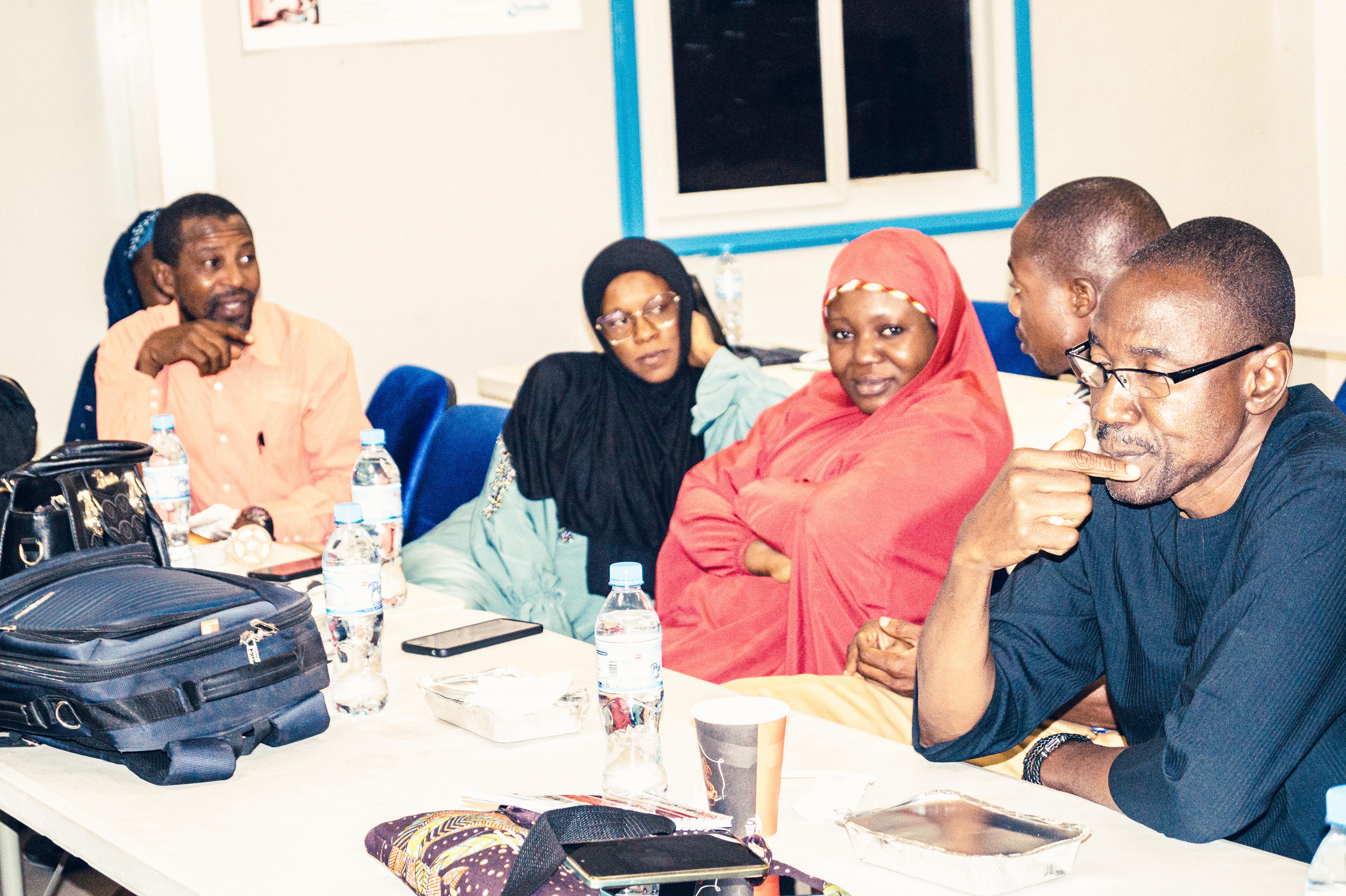
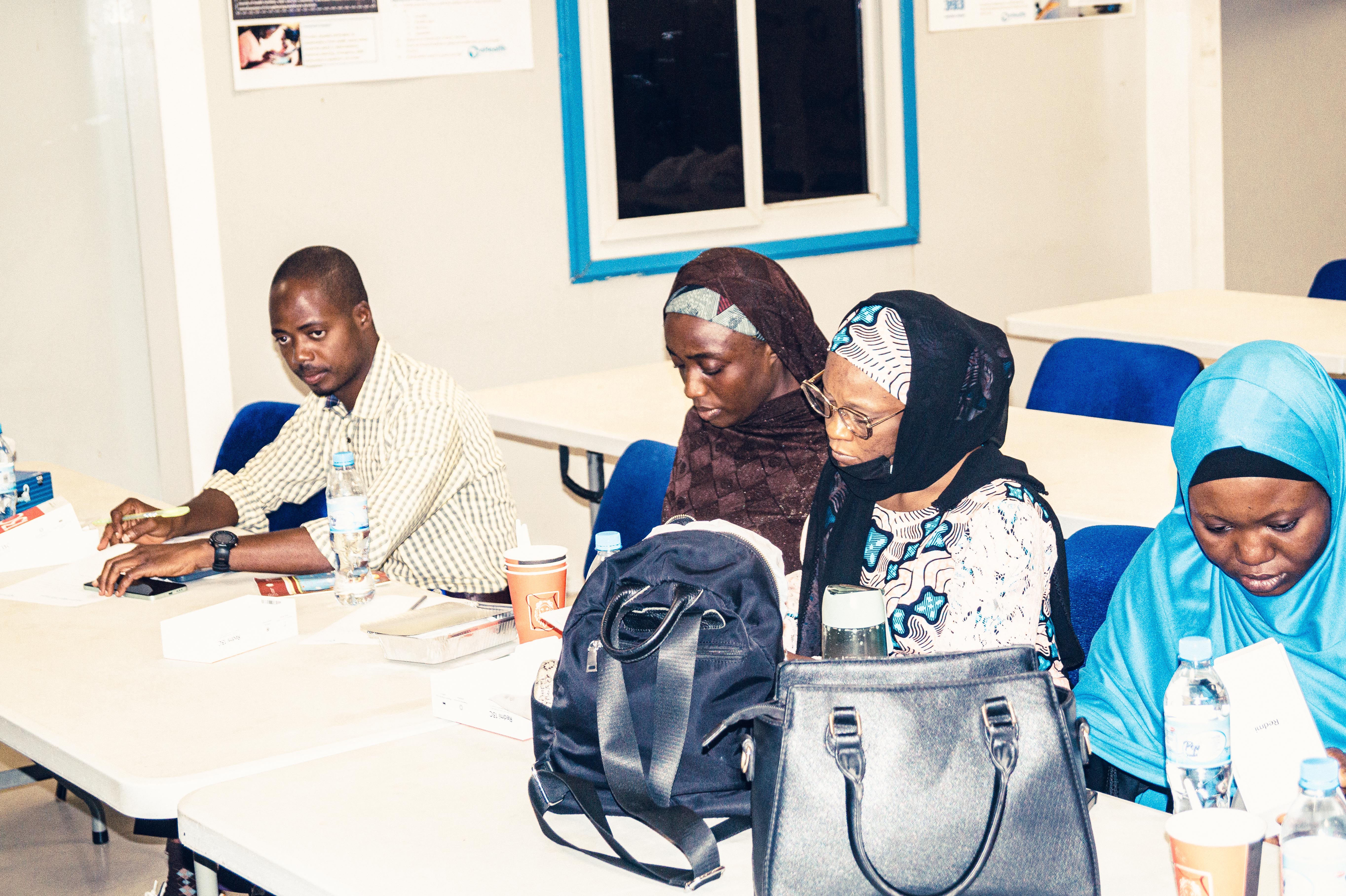
Last week, eHealth Africa successfully conducted a pilot training session for AKTH medical doctors, laboratory scientists, and other healthcare professionals. This training marked a pivotal moment in the project’s timeline, laying the foundation for the digital transformation of blood supply management in Northern Nigeria. The participants’ expertise and engagement were vital as they collectively embarked on a mission to strengthen the blood supply chain through cutting-edge technology.

The training, which focused on the BISKIT system, helped participants deepen their understanding of the app’s functionalities and their role in improving the safety and availability of blood. It also gave them the opportunity to explore the app’s potential for collecting, analyzing, and visualizing blood supply data to generate insights that can influence decision-making, policy advocacy, and long-term strategies in healthcare.

One participant, Dr. Yahaya Ibrahim, a medical doctor at AKTH, expressed his satisfaction with the BISKIT app: “The app is user-friendly and easy to navigate. I foresee it significantly improving access to safe blood during critical moments.” His reflection encapsulates the thoughtful work that went into developing the BISKIT app to meet the needs of healthcare providers on the front lines of crises.

Williams Isong Akpan, the Deputy Director of Medical Laboratory Services at AKTH, was impressed by how the system allowed for task-specific roles and completion sign-offs. He remarked, “What stood out for me during the training was the seamless sign-off after completing each task and the allotment of different roles in the BISKIT system. This shows that a lot of thought was given to streamlining the blood donation chain, ensuring efficiency.”

Similarly, Abimbola Ajayi, the Assistant Chief Medical Laboratory Scientist at AKTH, noted the potential impact on patient care. “The BISKIT app will definitely improve the turnaround time for patients receiving our services. Overall, it will enhance the effectiveness of our services, making us more responsive to patients’ needs.”

Looking to the Future

The successful pilot training is just the beginning. The official launch of the BISKIT application in Kano State is underway, and expectations are high for the role the app will play in modernizing blood supply systems. The potential to capture data on blood donors and health workers, analyze trends, and visualize key metrics offers healthcare providers powerful tools to not only respond effectively during crises but also prepare for them.

The BISKIT app is about more than just blood. It is about hope, preparedness, and the power of technology to save lives. With the combined efforts of eHealth Africa, AKTH, and other stakeholders, the future of blood supply management is brighter, safer, and more resilient.

As we look ahead, we are reminded of the words of Francis Ayo: “At the heart of every crisis is an opportunity to innovate, and the BISKIT app is one of those innovations that will change the way we think about blood supply management. The goal is simple but profound: to save lives.”

In a world where the unexpected is always around the corner, tools like the BISKIT app will ensure that when the next crisis comes, we are prepared to respond with speed, efficiency, and compassion.

This project will undoubtedly revolutionize blood supply management, not just in Kano but potentially across Nigeria and beyond. The commitment to innovation and resilience shown by all the stakeholders involved is a powerful testament to what can be achieved when technology meets healthcare.

Shaping the Future of Public Health: Key Takeaways from ILF 2024

By Favour Oriaku

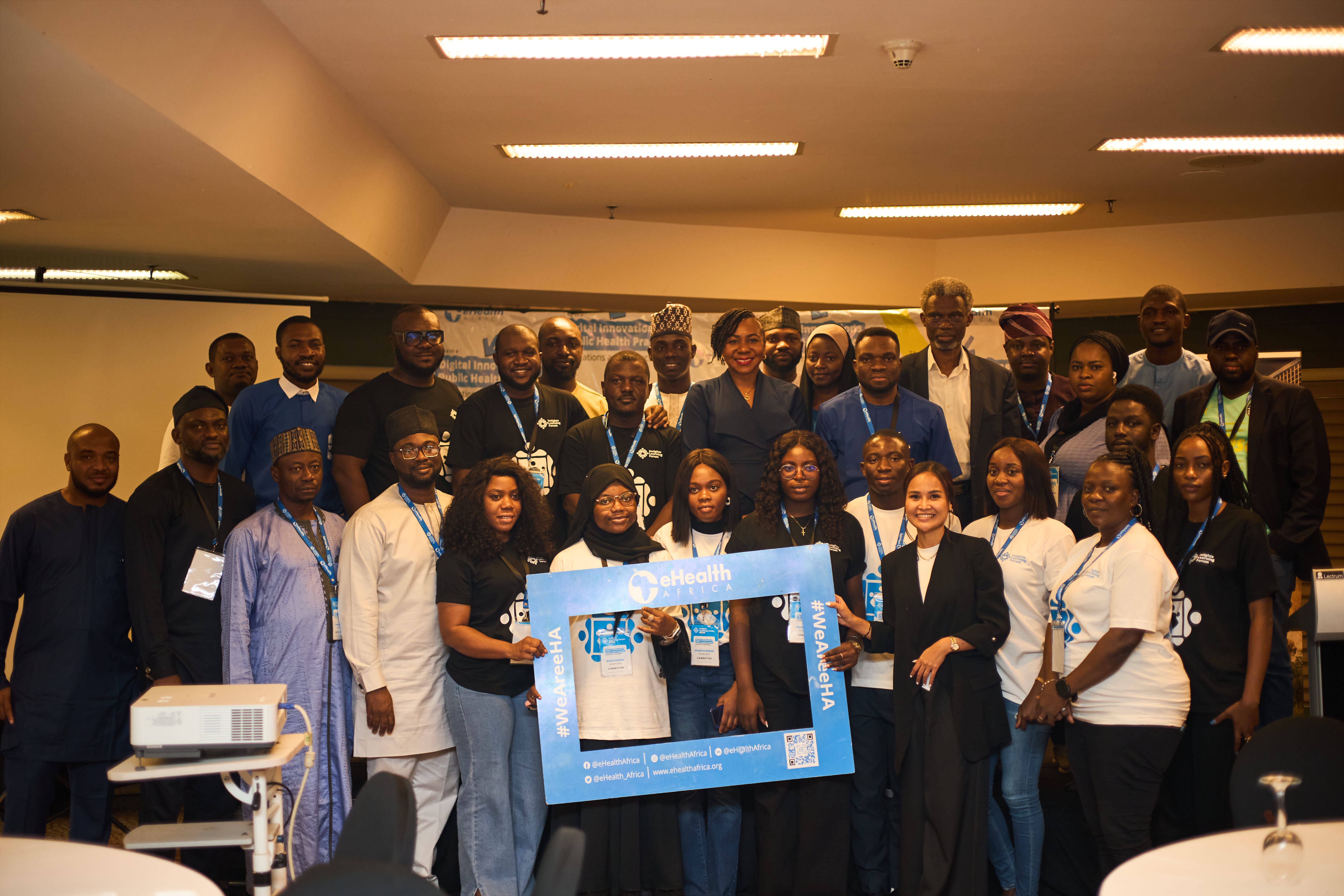
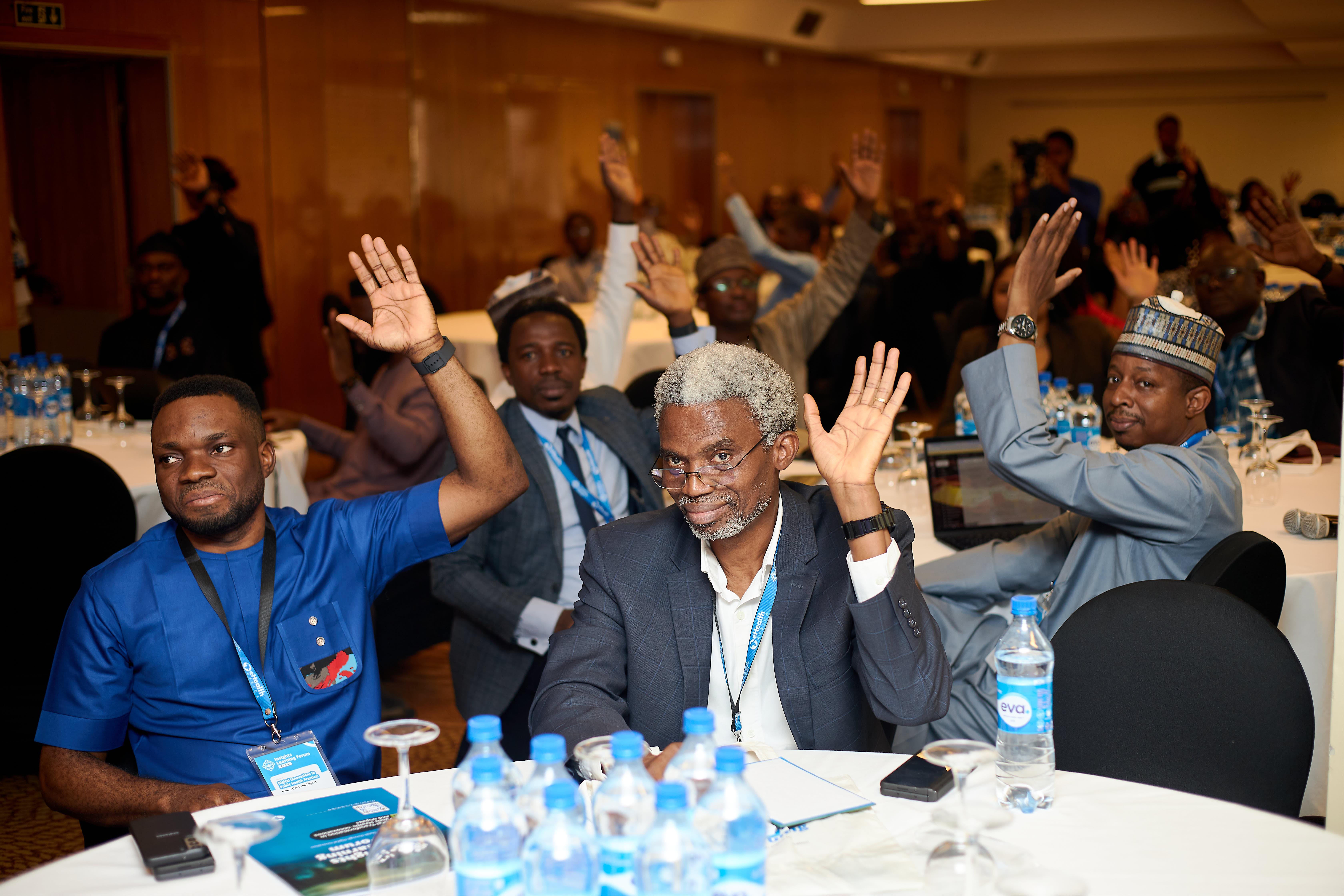
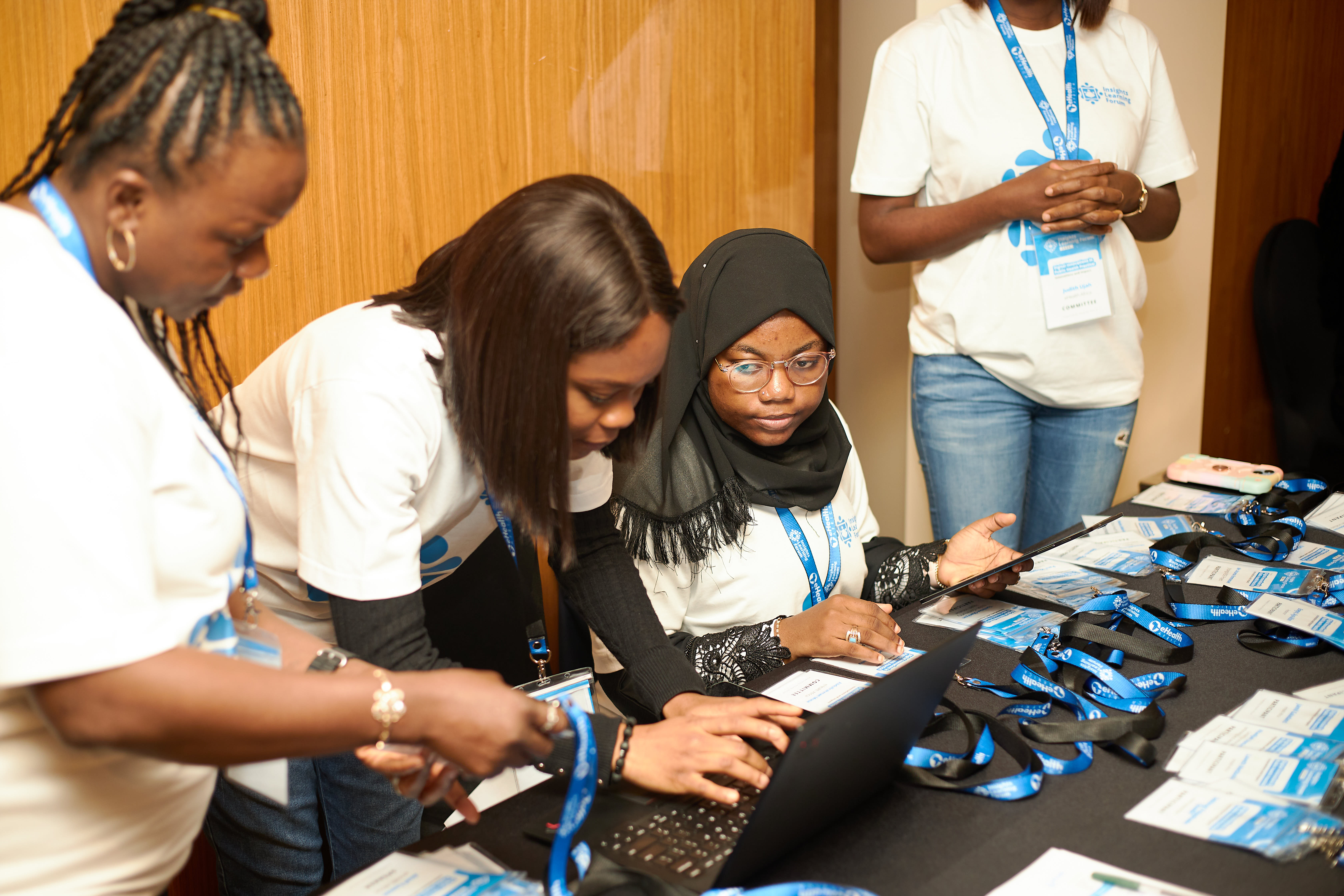
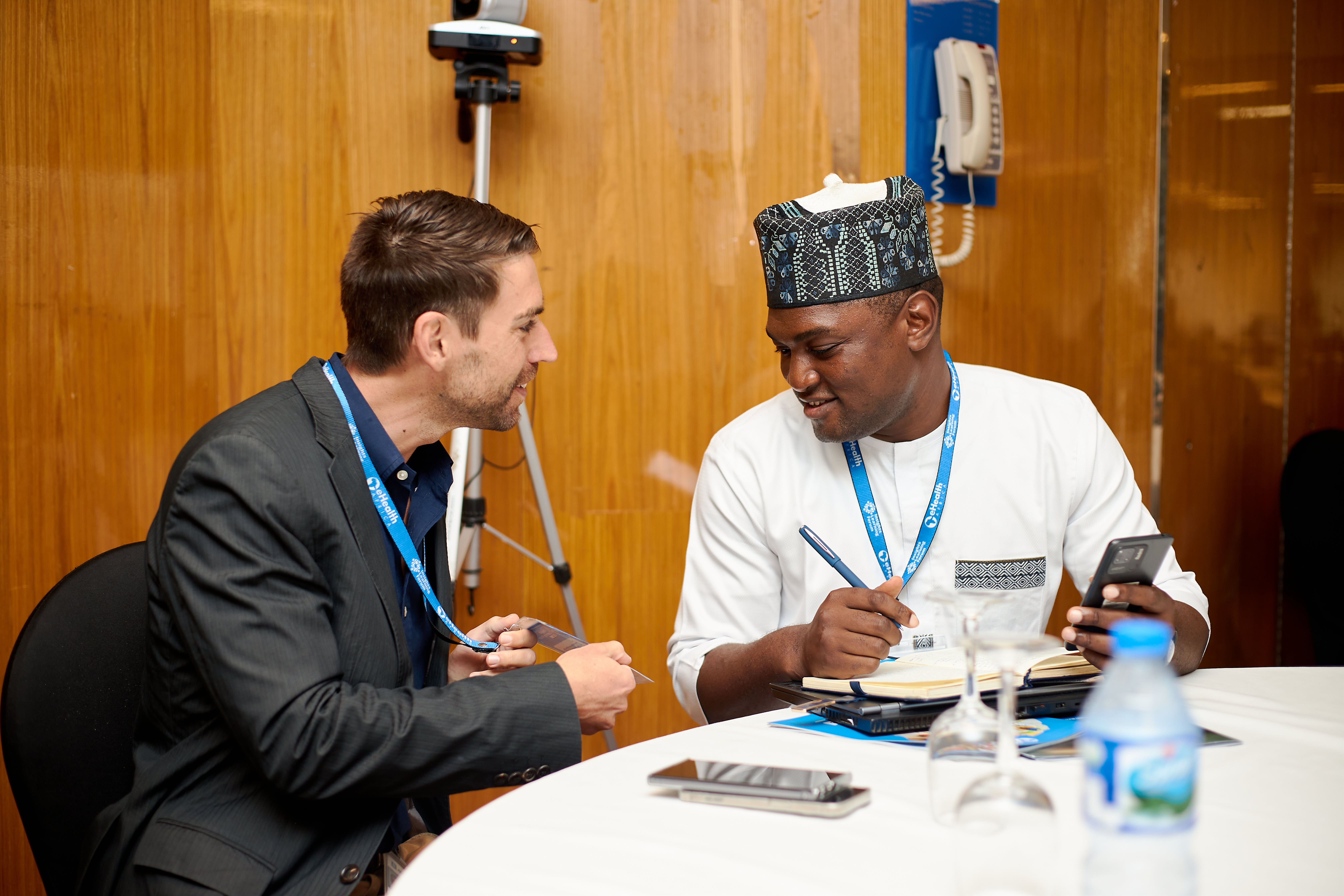
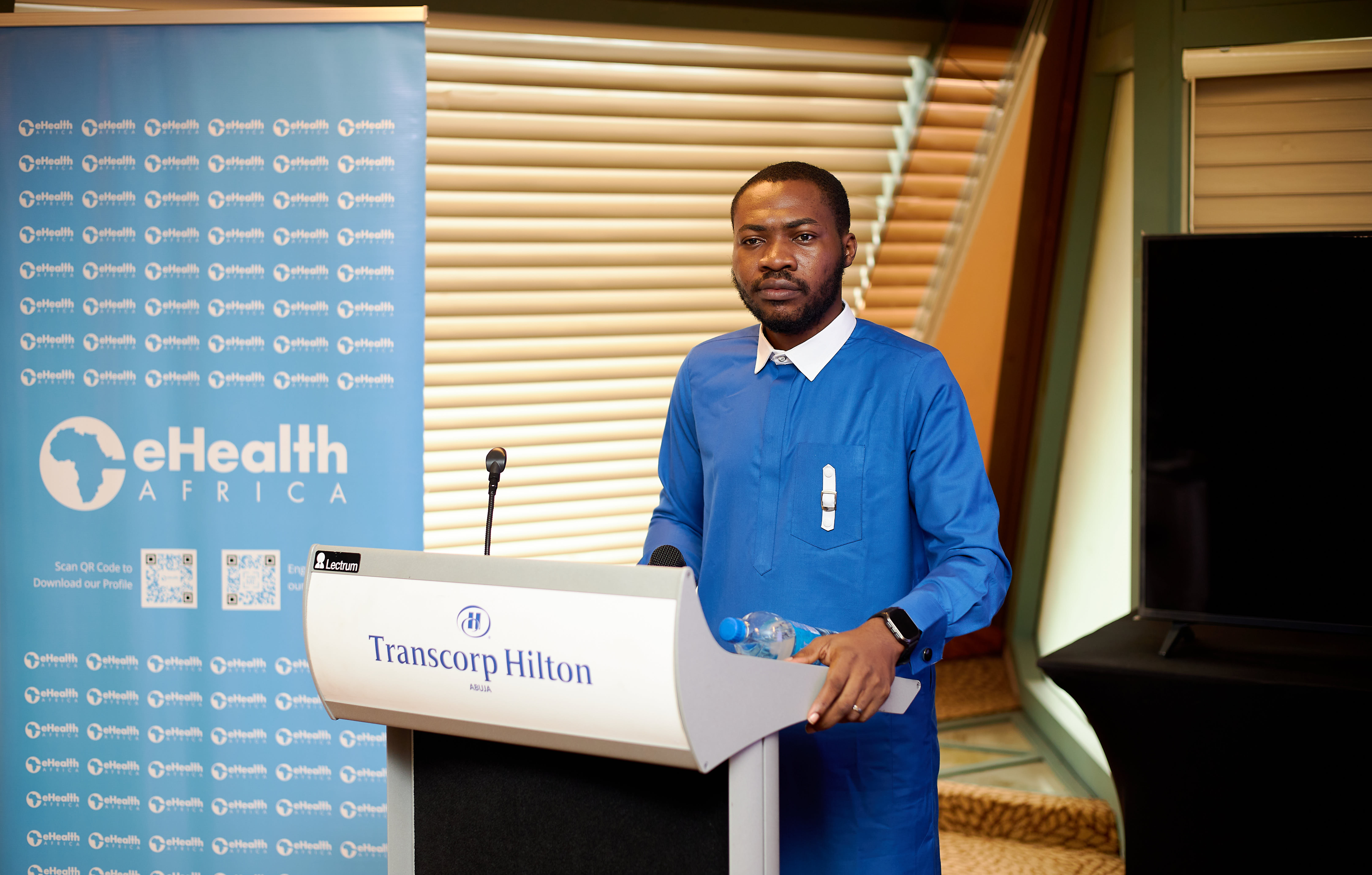
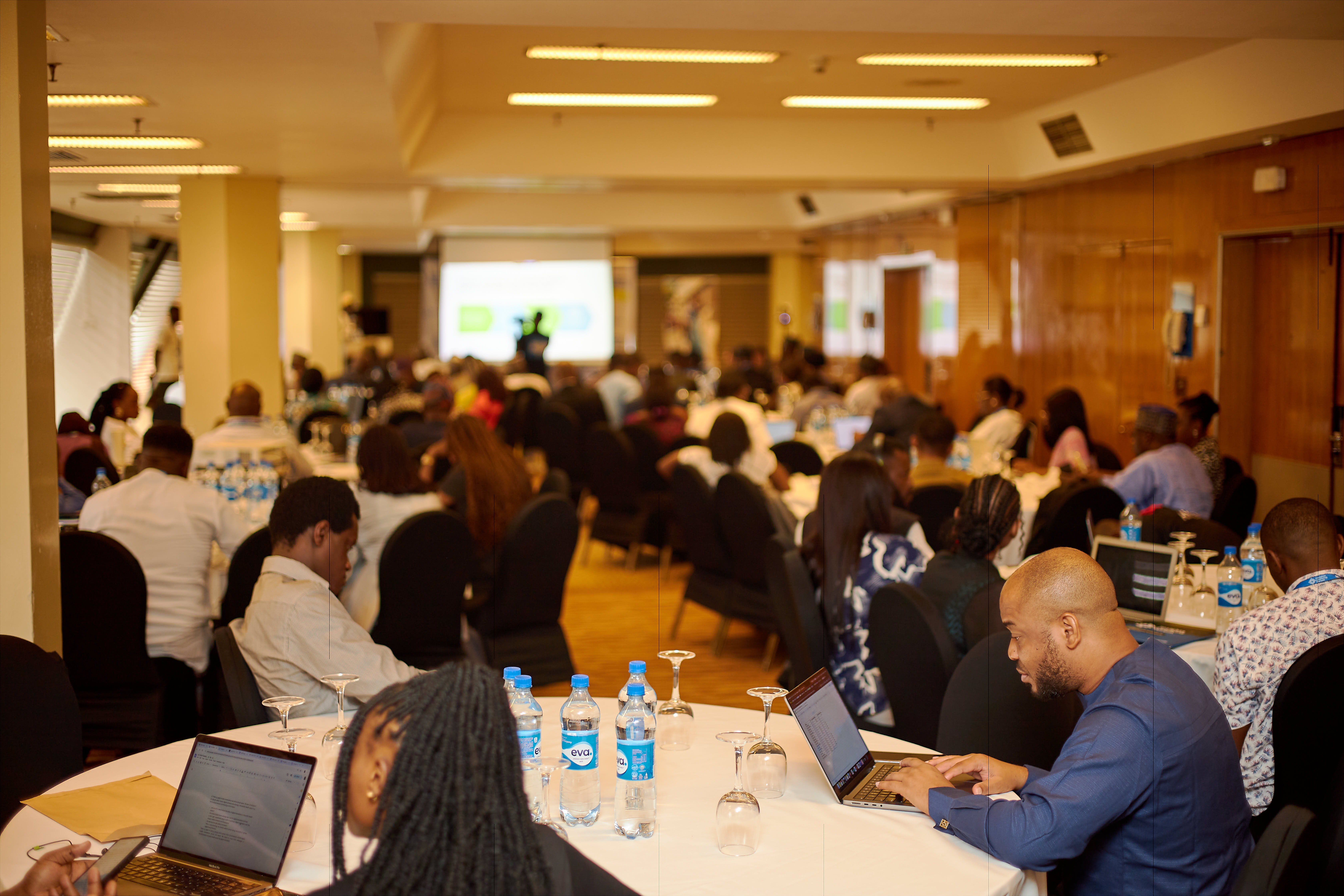
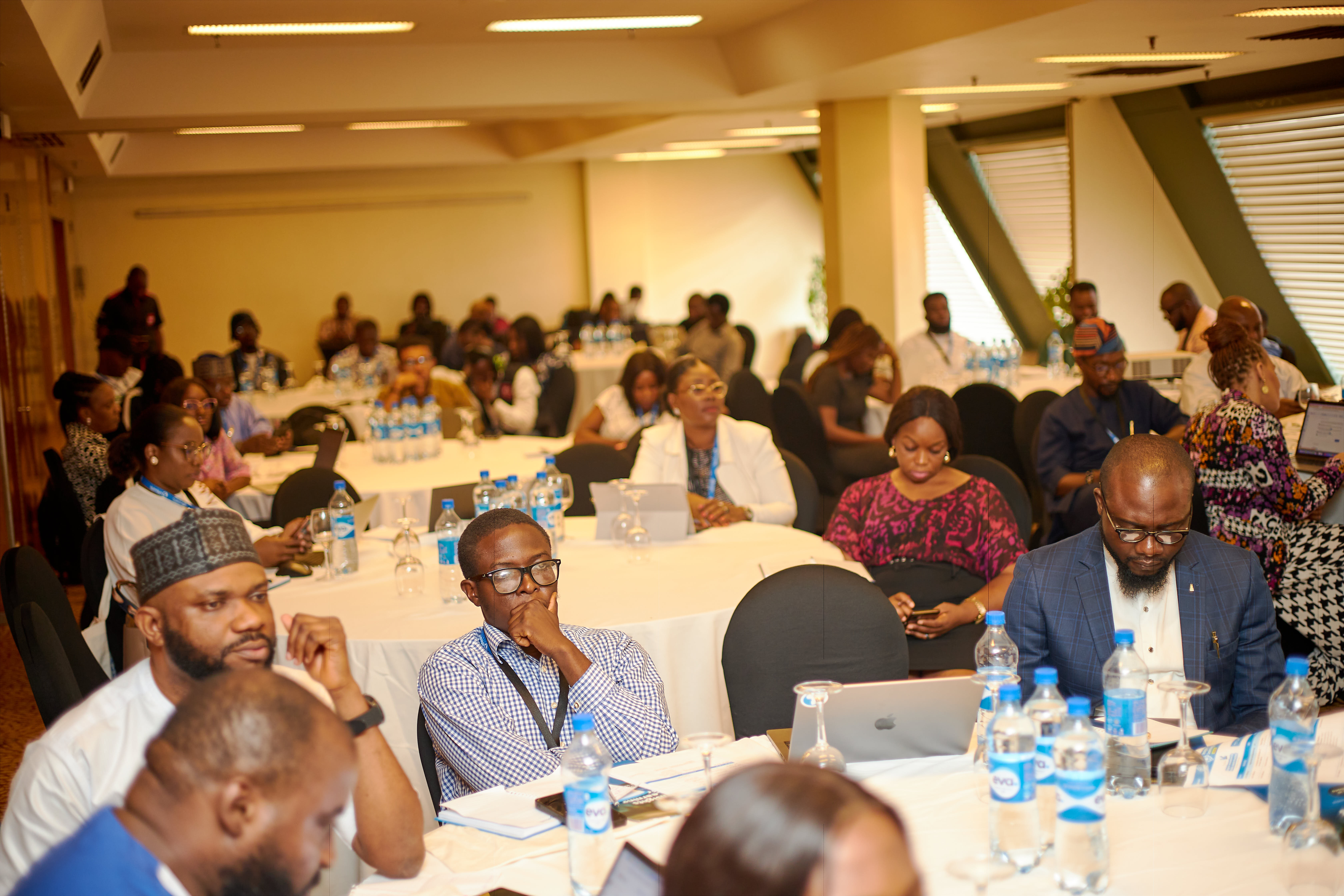
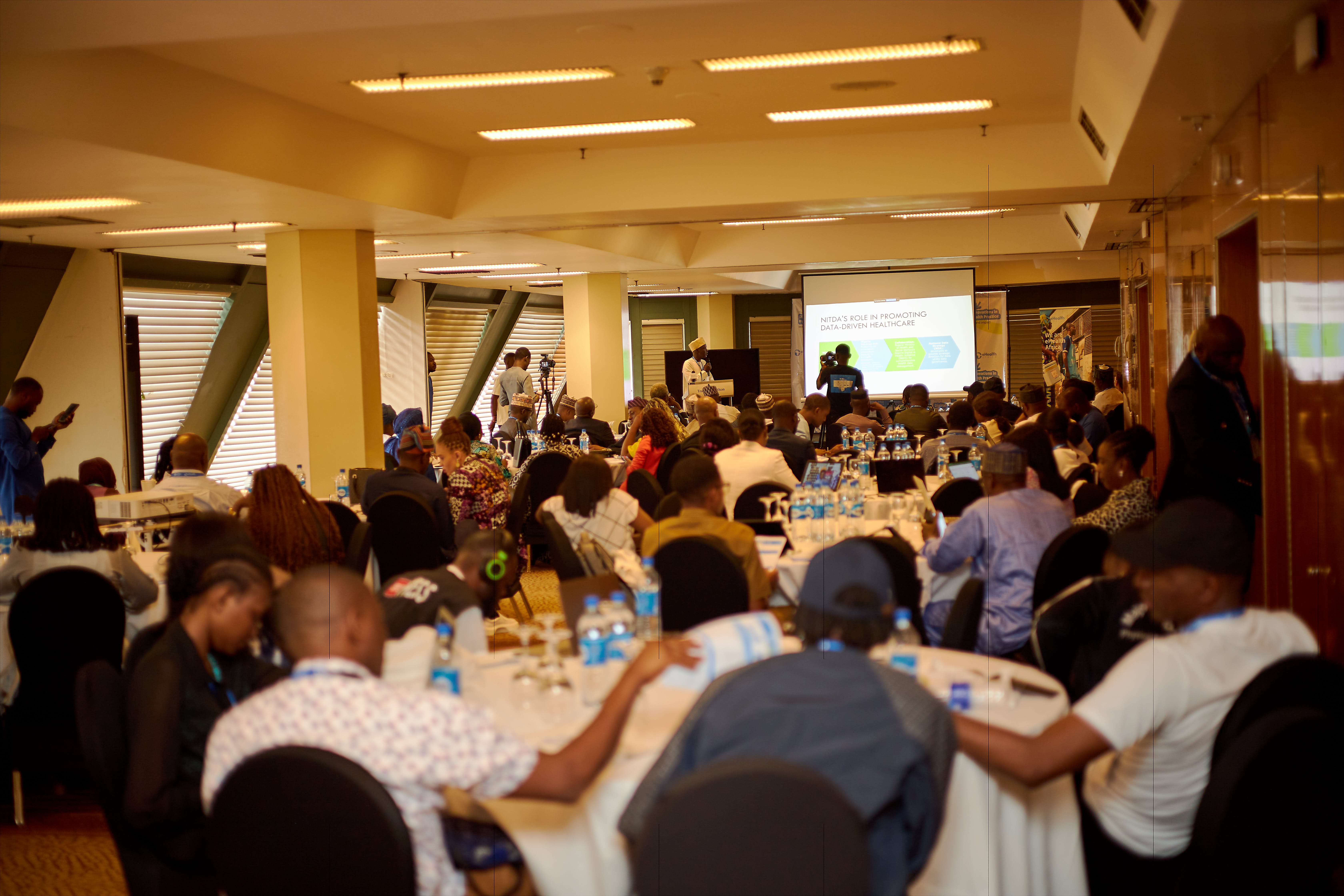
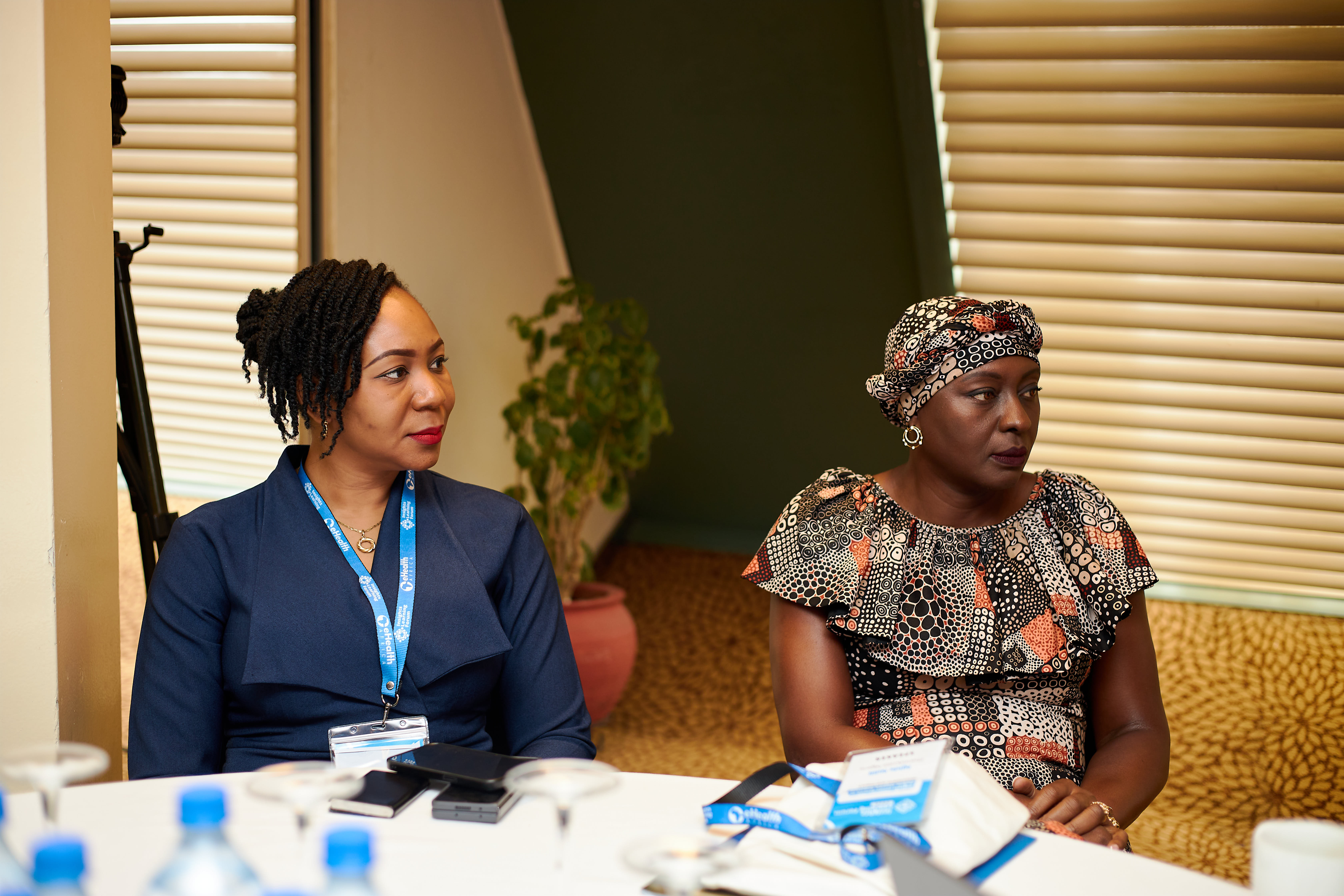
The atmosphere at the Transcorp Hilton Abuja was electric on July 31st, as public health professionals, digital innovators, policymakers, and enthusiastic participants gathered for the Insights Learning Forum (ILF) 2024. With the theme “Digital Transformation in Public Health Practice: Innovations and Impact,” the forum became a pivotal event focused on the future of public health in Africa. It was more than just a gathering of professionals—it was a call to action for those committed to reshaping healthcare through technology.

The day began with a heartfelt welcome from Atef Fawaz, Executive Director of eHealth Africa, whose words set the collaborative tone for the day. “Let’s make this an avenue for exchanging information, ideas, and learning from each other,” he said. “We can only improve the system, outcomes, and impact by collaborating and sharing our knowledge.” His sentiment echoed through the room, creating an atmosphere of unity and shared purpose as participants prepared to engage in deep discussions and innovative thinking.

Ota Akhigbe, Director of Partnerships and Programs at eHealth Africa, followed with opening remarks that emphasized the importance of the event. “This is more than just a conference; it’s a convergence of strategic minds focused on reshaping the public health landscape in Nigeria,” she stated. Her words ignited excitement as participants anticipated the wealth of insights that awaited them.

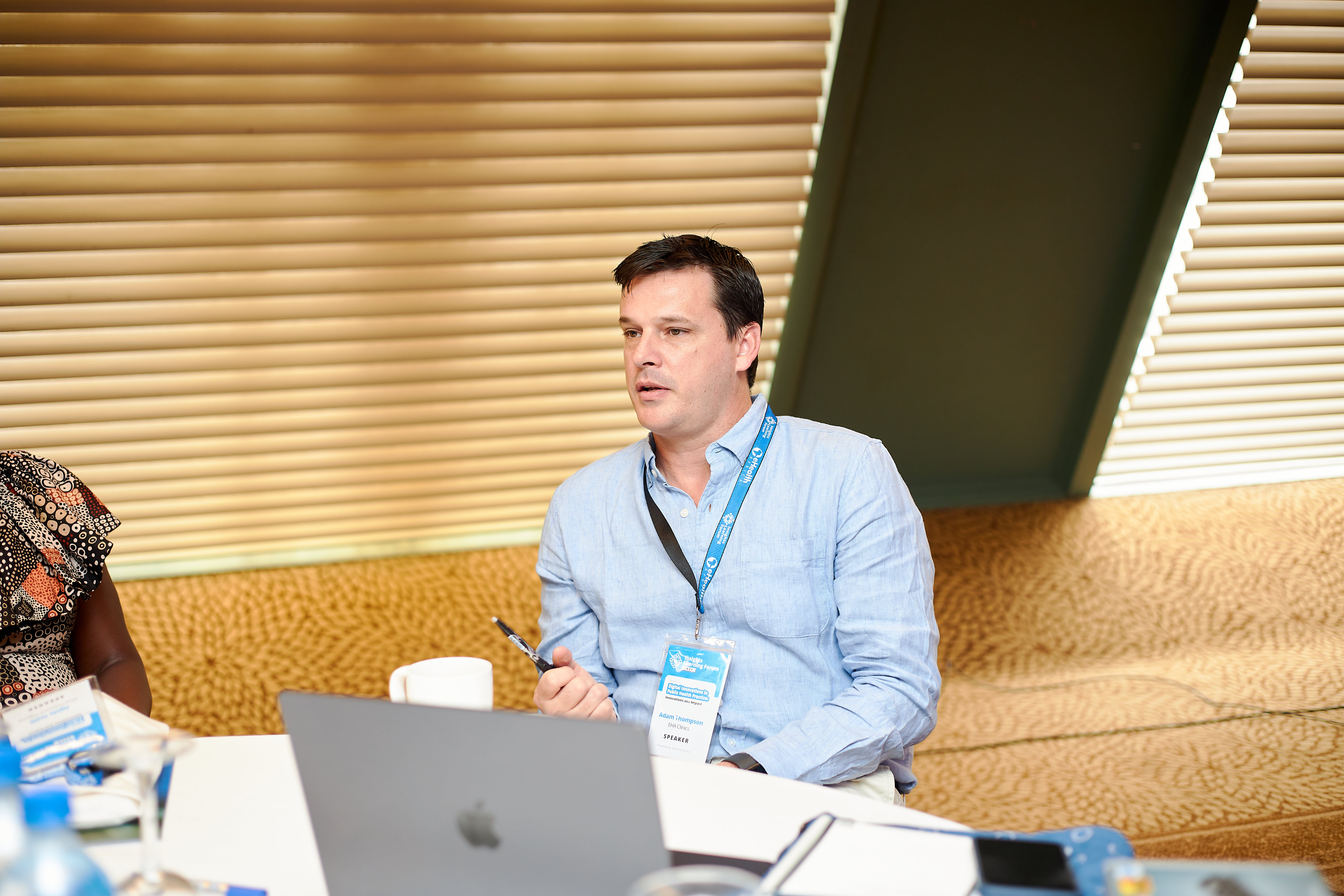
The keynote address, delivered by Adam Thompson, Co-founder of eHealth Africa and CEO of EHA Clinics, painted a vivid picture of how far digital health innovation has come over the last 15 years. Reflecting on the journey, he remarked, “We recognized the massive issue of quality, not just access, in healthcare. Our goal was to deliver exceptional, patient-centered primary care.” Thompson highlighted the role of digital tools like GetCare, which have enhanced team-based care and improved communication between healthcare providers, underscoring the need for quality-driven approaches in public health.

Dr. David Akpan, Deputy Director of Partnerships and Programs at eHealth Africa, expanded on the event’s theme, stressing the urgency of embracing digital innovations in public health. “Digital innovation is crucial to enhancing public health care, and this is something we are committed to advancing,” he affirmed. His insights laid the groundwork for the technical sessions that would delve into the complexities and possibilities of digital health.

The technical sessions were a cornerstone of ILF 2024, featuring presentations that sparked thought and conversation. Emeka Chukwu from the Digital Health Interoperability Network (DHIN) underscored the importance of data accessibility in healthcare. “Interoperability is key. When data is accessible across various points of care, patients can be more informed about their health,” he remarked, highlighting the need for integrated digital systems.

Another powerful moment came when Engr. Kaka Sanusi, representing Dr. Kashifu Inuwa of the National Information Technology Development Agency (NITDA), spoke about the challenges Nigeria faces in healthcare and the role of accurate data in overcoming them. “Digital collaboration is crucial. Joining resources can accelerate digital innovation in Nigeria’s public health space,” he emphasized, shedding light on the potential of technology to solve systemic issues.

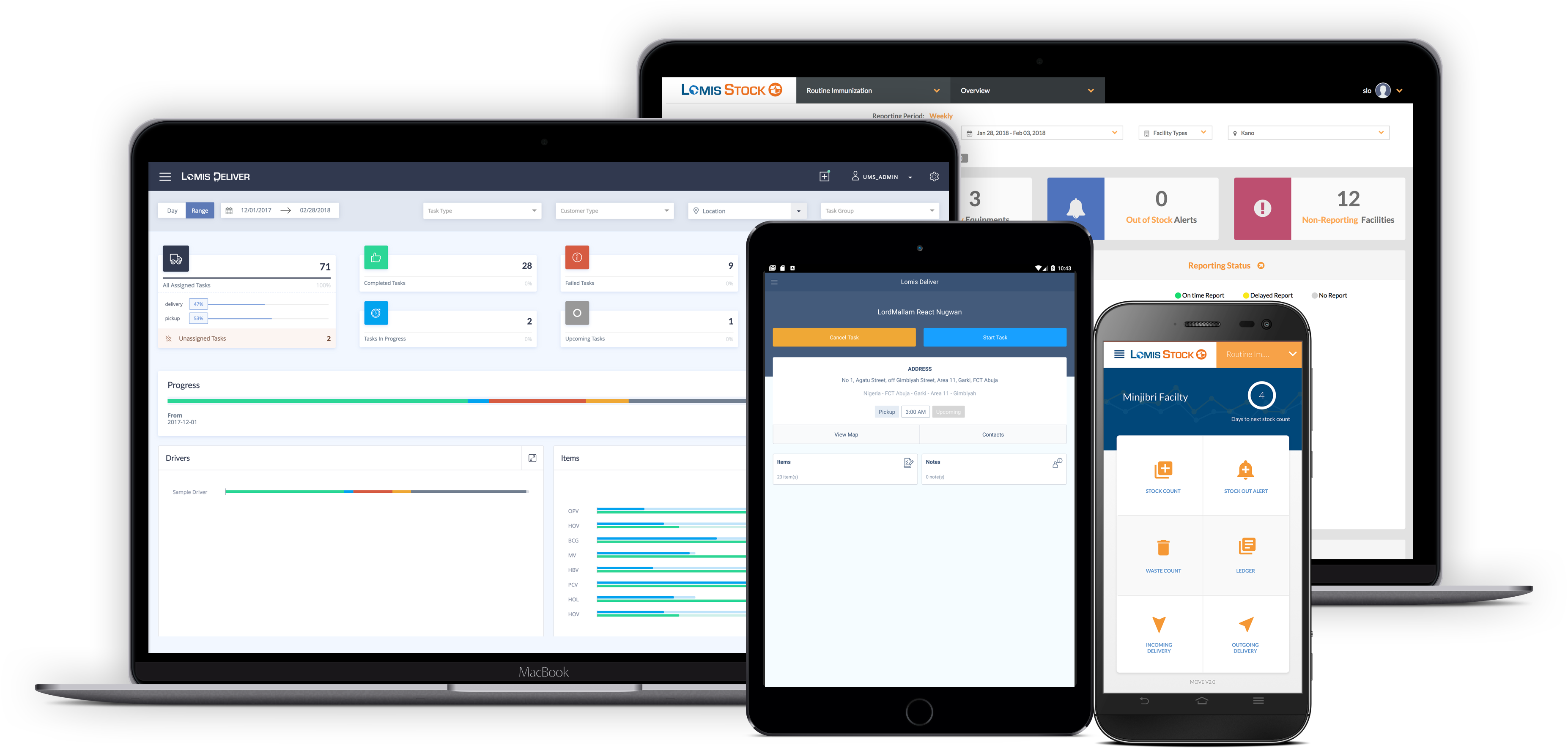
Dayo Akinleye from eHealth Africa introduced the Logistic Management Information System (LoMIS), a game-changing tool that has improved vaccine distribution across Nigeria. “LoMIS has facilitated the delivery of 17 million vaccines, ensuring continuous accountability in vaccine distribution,” he shared, illustrating how digital tools are making a tangible impact in critical healthcare areas.

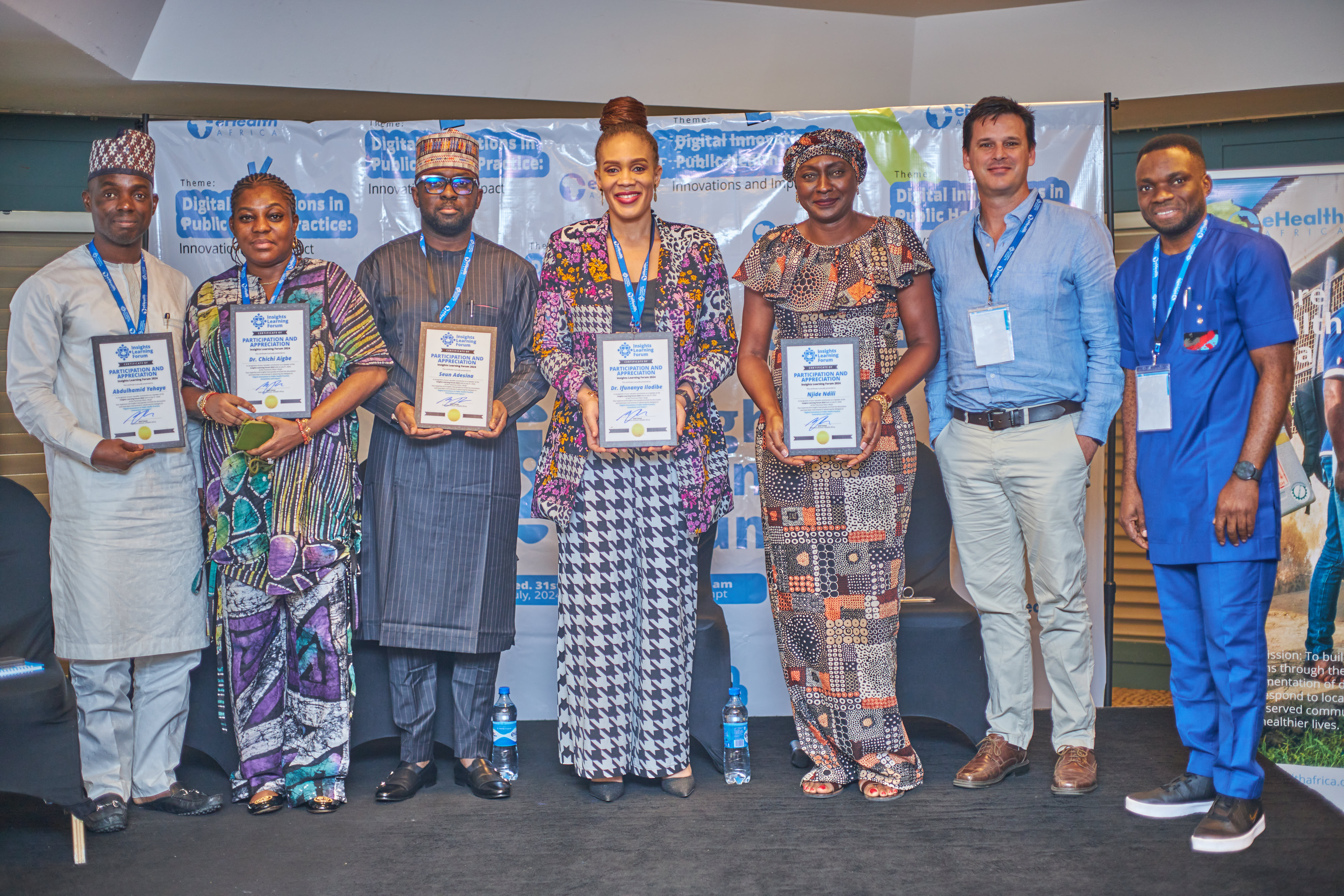
The panel discussion titled “Scaling Up Digital Health Innovations – Overcoming Implementation Challenges and Achieving Sustainability” was equally engaging. Moderated by Abdulhamid Yahaya, Deputy Director, Global Health Informatics (GHI) & IT at eHealth Africa, the session brought diverse perspectives to the forefront. Njide Ndili, Country Director of PharmAccess Nigeria, pointed out the need for healthcare access in underserved communities. “Proper interoperability and government involvement are essential for the sustainability of digital health solutions,” she noted, reinforcing the importance of systemic support.

Dr. Ifunanya Ilodibe, VP of EHA Clinics, spoke about the necessity of user-friendly tools in healthcare. “Tools for improvement should be simple to use to ensure continuous adoption in healthcare,” she said, emphasizing the role of accessibility in successful innovation.

The excitement for the future was palpable as the forum drew to a close. Dr. David Akpan’s closing remarks were filled with gratitude and hope. “Thank you once again for your support and for being a part of ILF 2024. We look forward to staying connected and continuing our collective journey towards digital innovation and transformation in public health,” he concluded, leaving participants with a sense of accomplishment and a shared commitment to driving change.

The Insights Learning Forum 2024 was not just an event; it was a movement, a catalyst for transformation in public health. The discussions and ideas exchanged have set the stage for future innovations that will tackle urgent challenges and create lasting impact across Africa. As we move forward, the commitment to leveraging digital technologies for public health remains unwavering, and the connections forged at ILF 2024 will continue to inspire collaboration, innovation, and meaningful change.

eHealth Africa Merges LoMIS Solutions for a More Efficient Healthcare System

By Favour Oriaku

In a major advancement for digital health, eHealth Africa (eHA) combines its LoMIS Stock and LoMIS Deliver solutions into a unified platform called LoMIS Suite. This effort is backed by the Digital Health Innovation Accelerator Program (DHIAP), launched in 2021 by the WFP Innovation Accelerator and BMZ digilab, an initiative of the German government’s development agency (BMZ) in collaboration with GIZ, KfW (the German development bank), and the Bill and Melinda Gates Foundation.

In 2023, eHA’s project was chosen as one of five finalists for the WFP Sprint Programme, granting them financial aid, mentorship, and access to a network of experts and stakeholders for knowledge sharing.

These initiatives empower eHA to go beyond just technology. We envision a future where healthcare is reliable and accessible for everyone. This future empowers mothers to protect their children from preventable diseases, equips healthcare workers with dependable data and supply chains, and grants communities the healthcare they deserve.

Successful User Acceptance Testing of LoMIS Suite

To further this initiative, eHealth Africa conducted User Acceptance Testing (UAT) of the LoMIS Suite in Abuja, Nigeria’s capital. The UAT included training on new features, a live application demonstration, test scenarios, user feedback sessions, and final approvals.

Participants included prominent figures like Dr. Larai Aliyu Tambuwal (Executive Secretary, Sokoto State Primary Healthcare Development Agency), Dr. Bilyaminu Balarabe Sifawa (Director of Disease Control and Immunization, Sokoto), and Abdullahi Abubakar Danzabuwa (Director of Pharmaceutical Services, Kano State), among others.

According to Dayo Akinleye, the technical project lead, “The new LoMIS Suite offers a single administrative interface, stock validation, notification alerts, and equipment maintenance features to enhance user experience and boost last-mile efficiency.” The session was highly interactive, with participants sharing their expectations and expressing satisfaction with the LoMIS Suite.

“The application will simplify our work and improve overall efficiency,” said Dr. Larai Aliyu Tambuwal. “It also fosters accountability and transparency in our operations.”

Collaboration Drives Innovation

Following the training, Fatima Howeidy, the WFP LoMIS Accelerator Project manager, led a tour of the eHealth Africa office in Abuja. The delegation was welcomed by top executives, including board member Andrew Karlyn, Executive Director Atef Fawaz, and directors from various departments.

Board member Andrew Karlyn expressed his appreciation to the stakeholders for their participation. He emphasized eHealth Africa’s commitment to developing digital solutions for public health, driven by user feedback and success stories. Ota Akhigbe, Director of Partnerships and Programs, stressed the importance of ongoing collaboration in advancing these solutions. She reiterated eHealth Africa’s openness to partnerships for the benefit of communities in Nigeria and Africa.

Dr. Larai Aliyu Tambuwal, representing the delegates, commended eHealth Africa’s management for their dedication to supporting healthcare advancements in Sokoto and Kano states, where LoMIS was previously piloted. She highlighted eHealth Africa’s unwavering support for primary healthcare in Sokoto, even when other organizations have withdrawn.

Transforming Healthcare with Digital Solutions

By merging LoMIS Stock and LoMIS Deliver, eHealth Africa isn’t just innovating, we are transforming healthcare across Nigeria and beyond. With continued support from initiatives like DHIAP and the WFP Sprint Programme, eHA strives to ensure every child thrives in good health, every healthcare worker has the best tools, and every community receives the healthcare they deserve. eHealth Africa’s journey exemplifies the power of digital solutions in achieving health equity and improving lives.

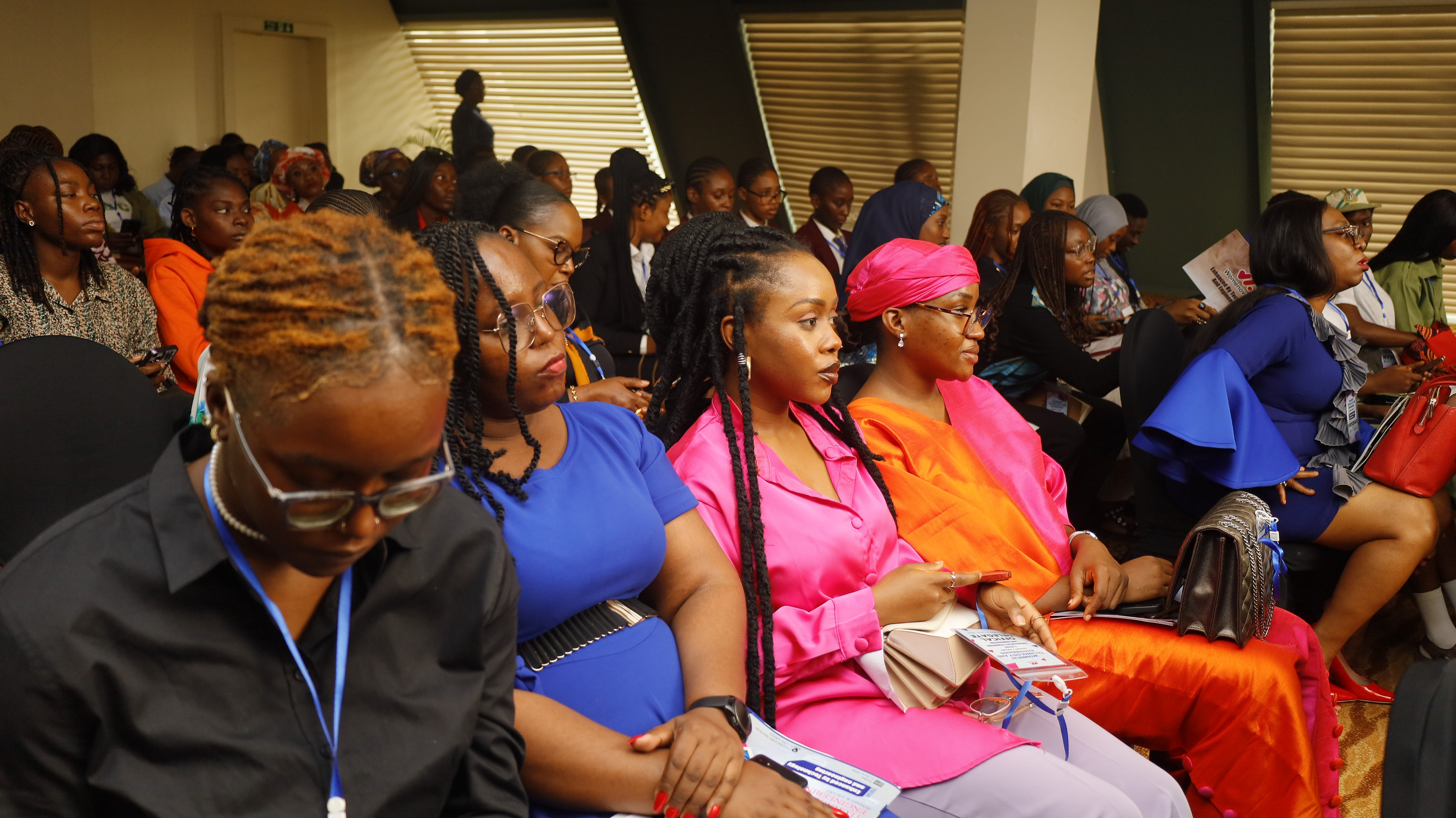
Trailblazing Excellence: Celebrating Trailblazers of the 2024 Womenovate Award

By Uforo Umoh

According to the National Girls Collaborative Project (NGCP), women represent only 34% of the workforce in science, technology, engineering, and math (STEM), and in most STEM fields at the college level, men significantly outnumber women. The gender gap is particularly high in some of the fastest-growing and highest-paid jobs, like computer science and engineering. In recent times, in the ever-evolving world of technology, women are not just participating—they are leading, innovating, and reshaping the industry. To explore the dynamic contributions of women in Technology and Engineering, we spoke with a few trailblazers who are breaking barriers and paving the way for future generations. Their stories are as diverse as their roles, but they share a common thread of resilience, passion, and pioneering spirit.


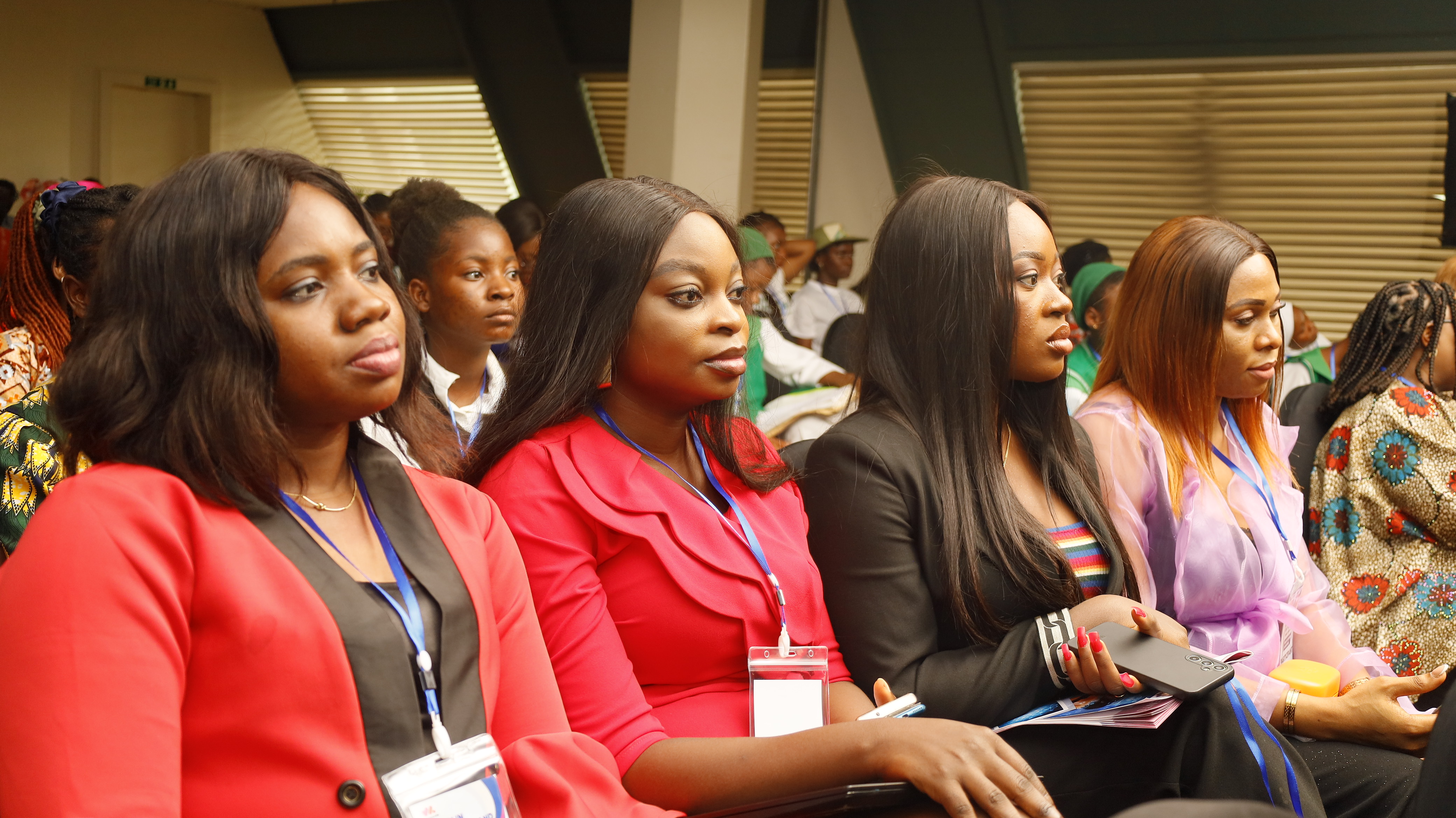
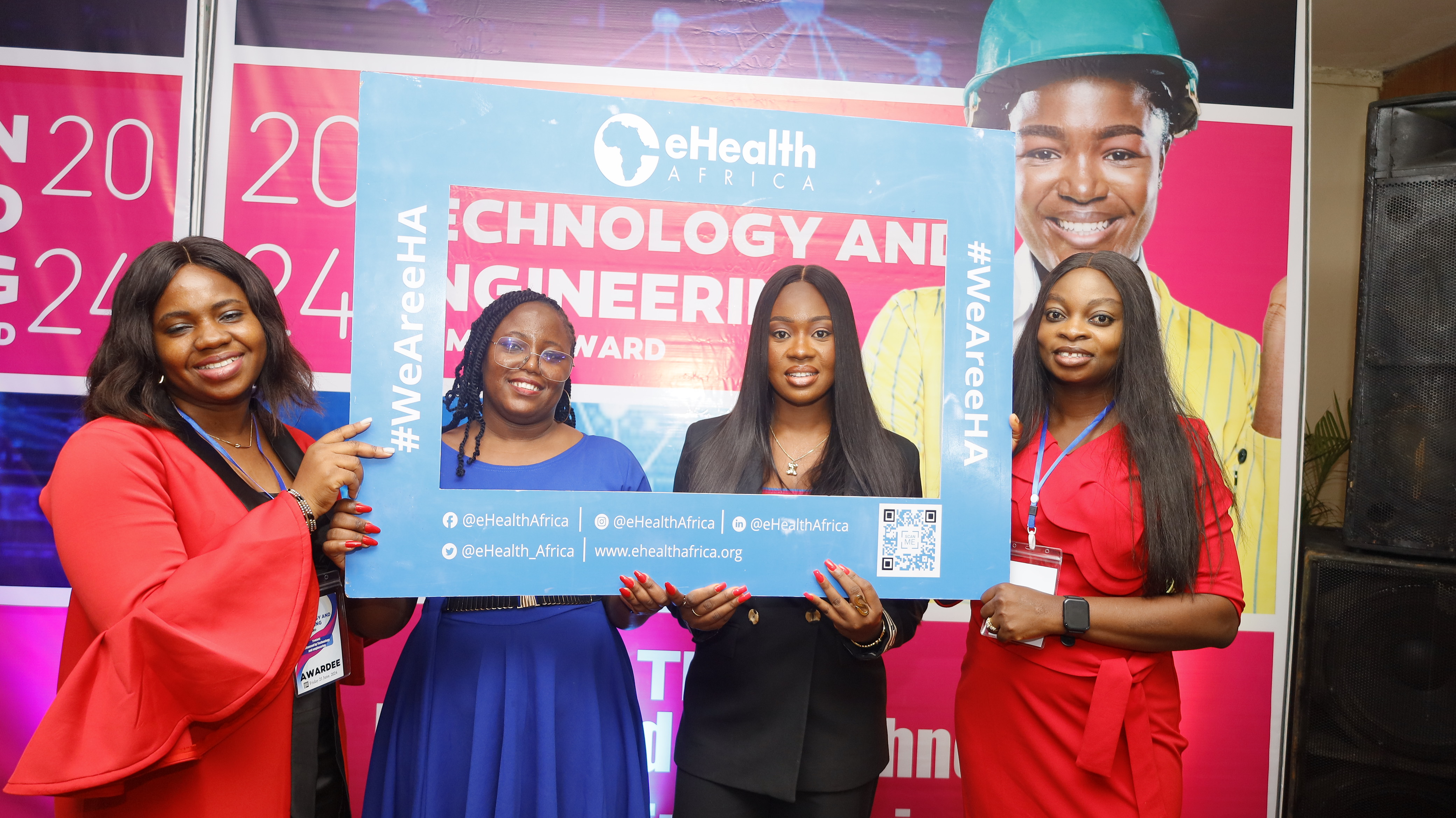
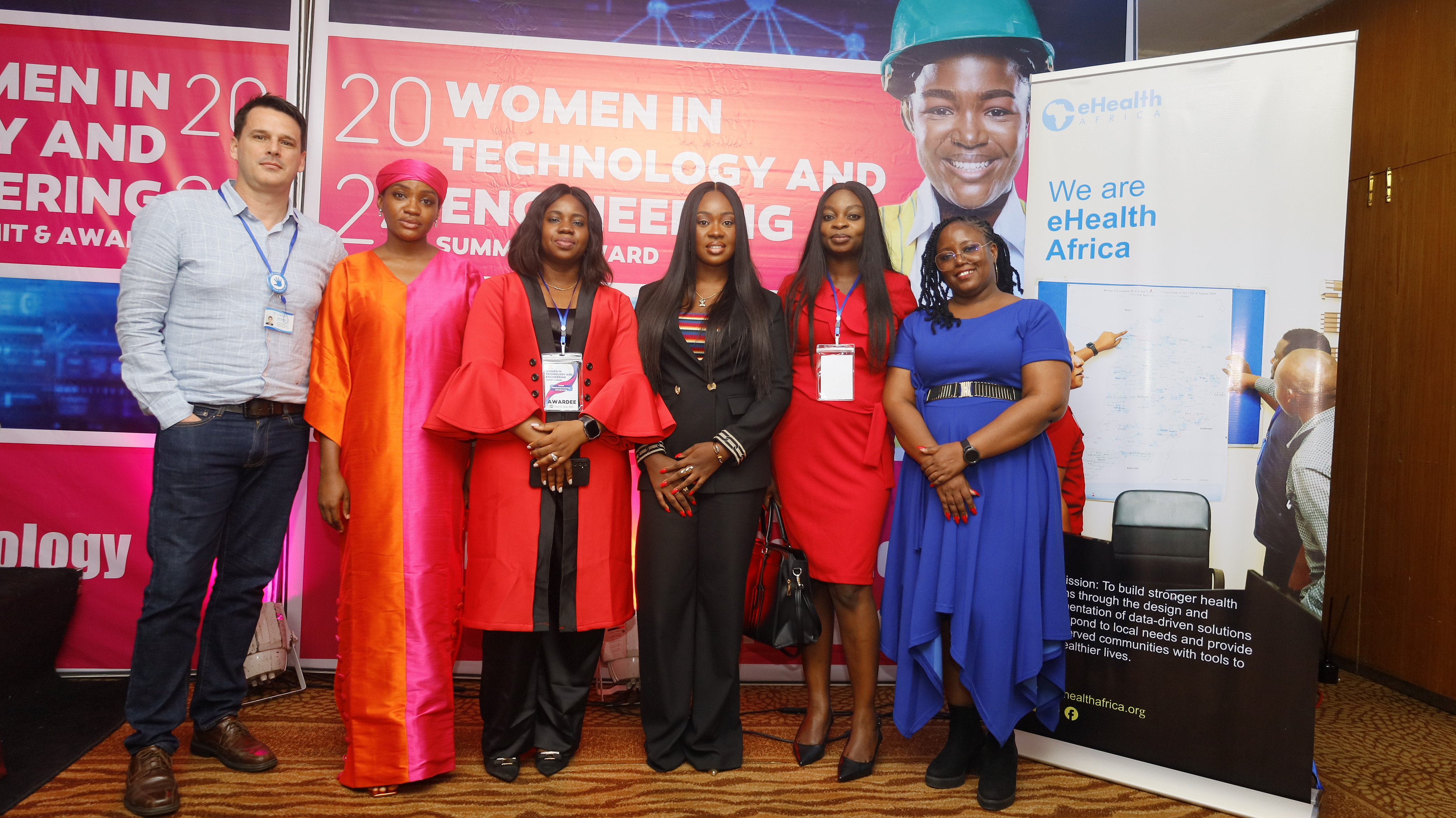
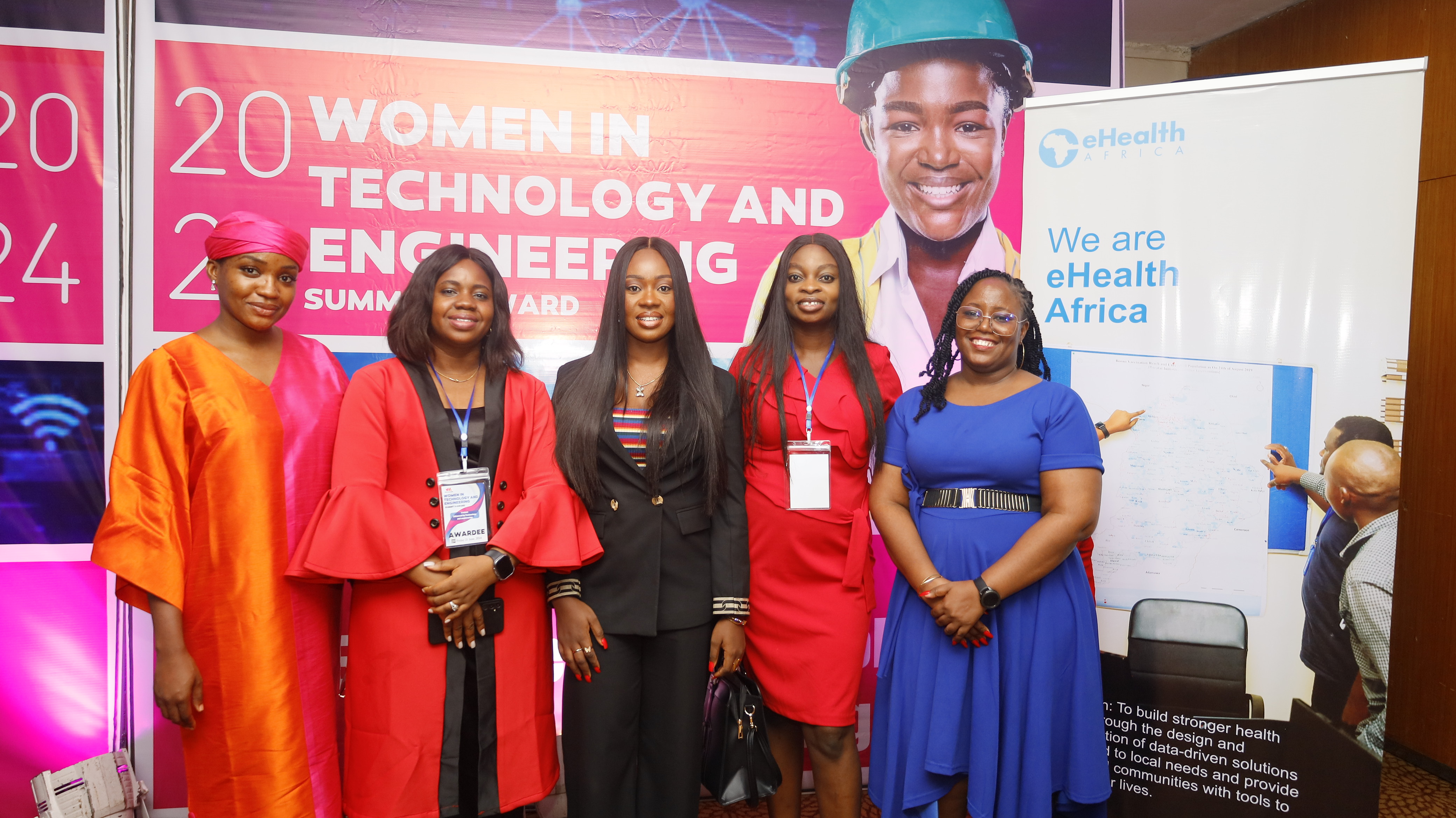
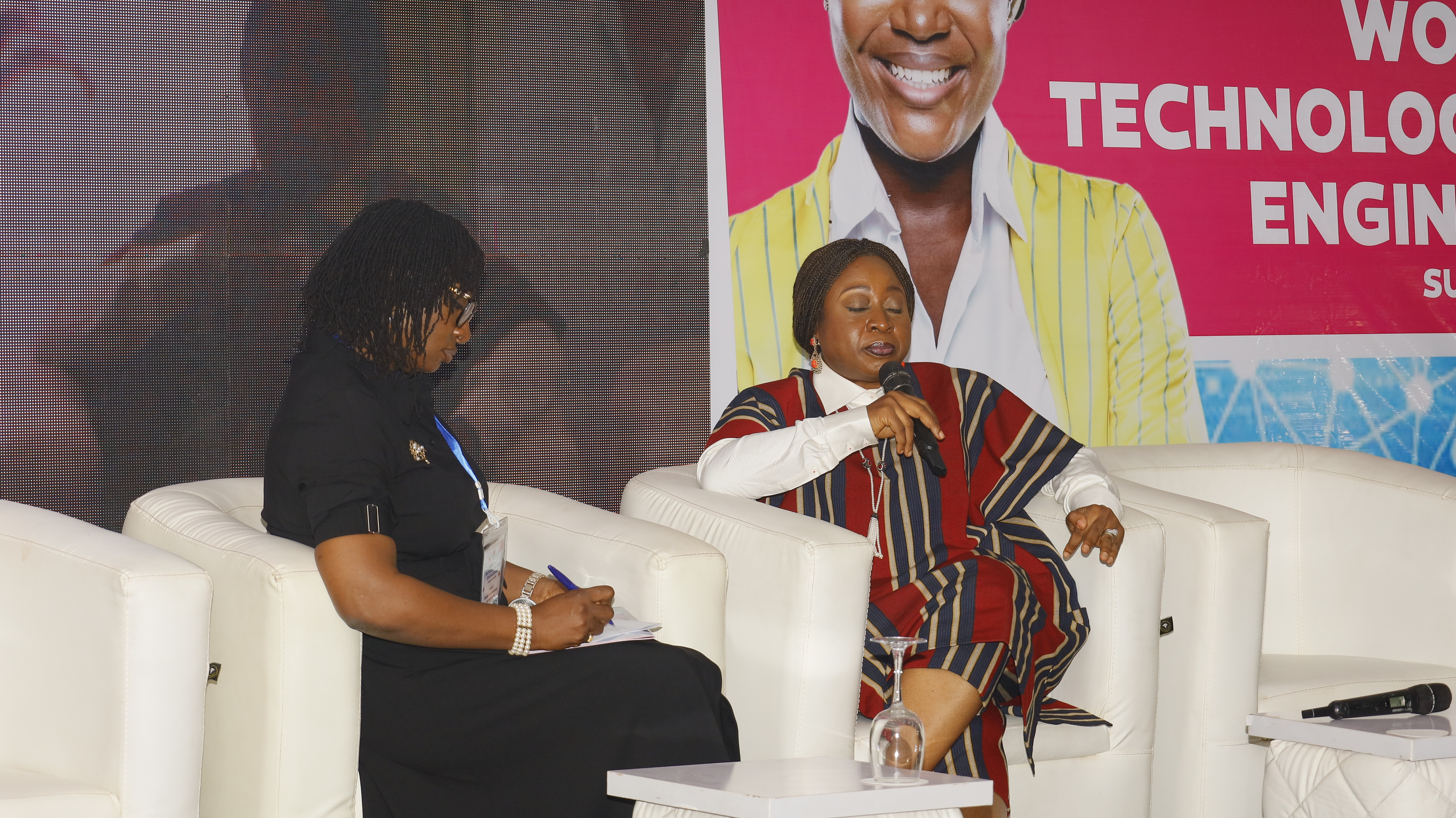
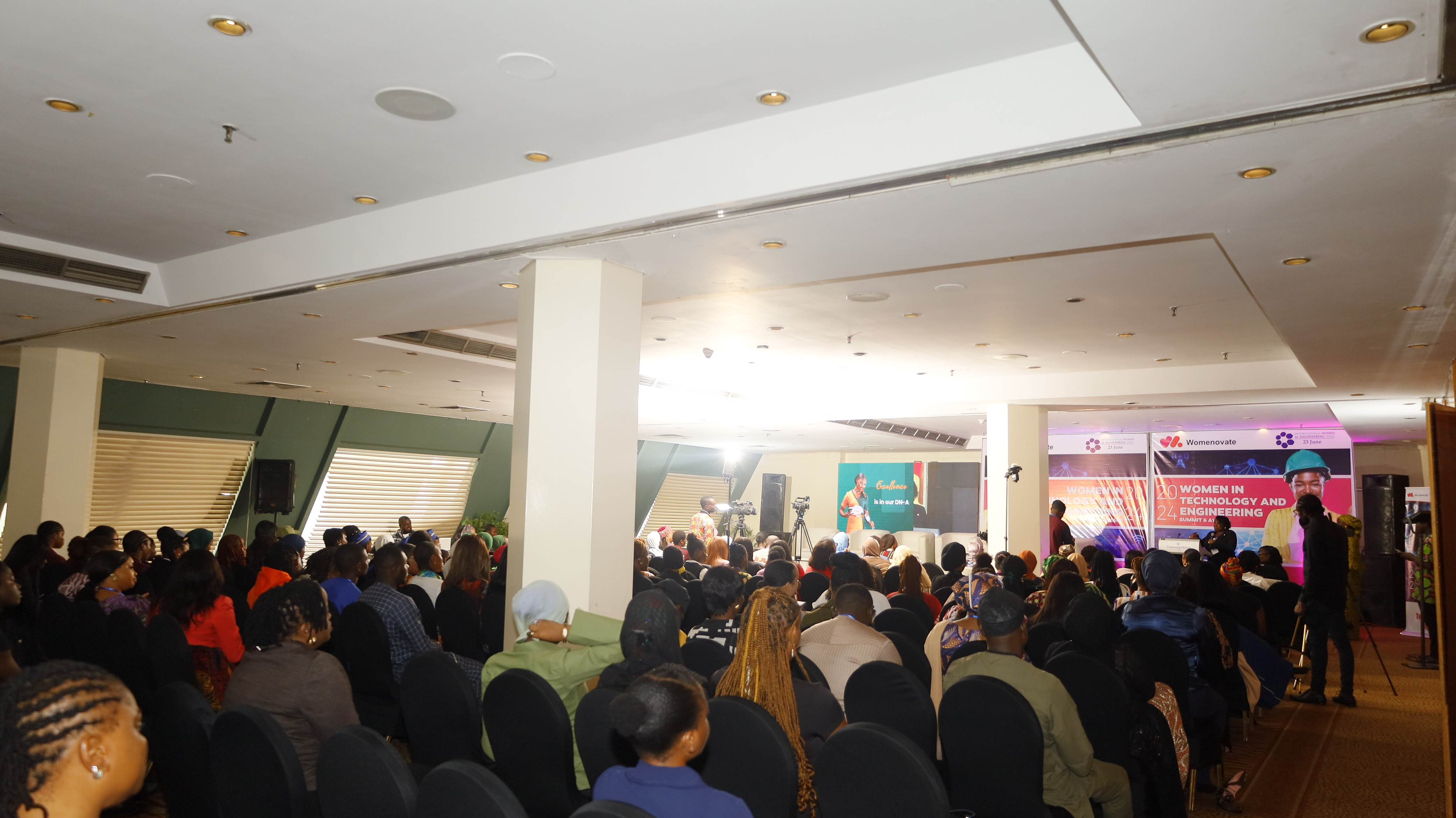
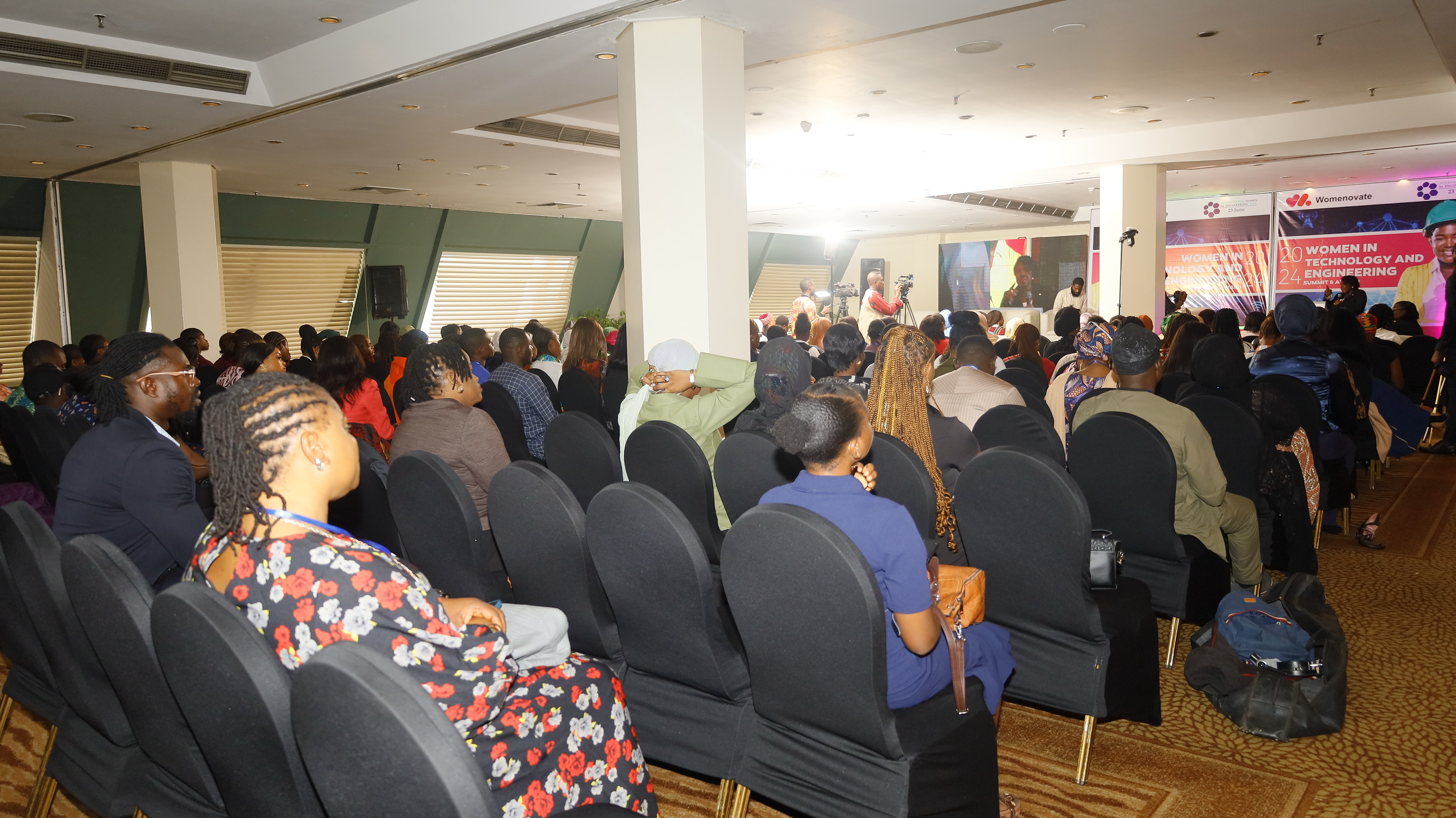
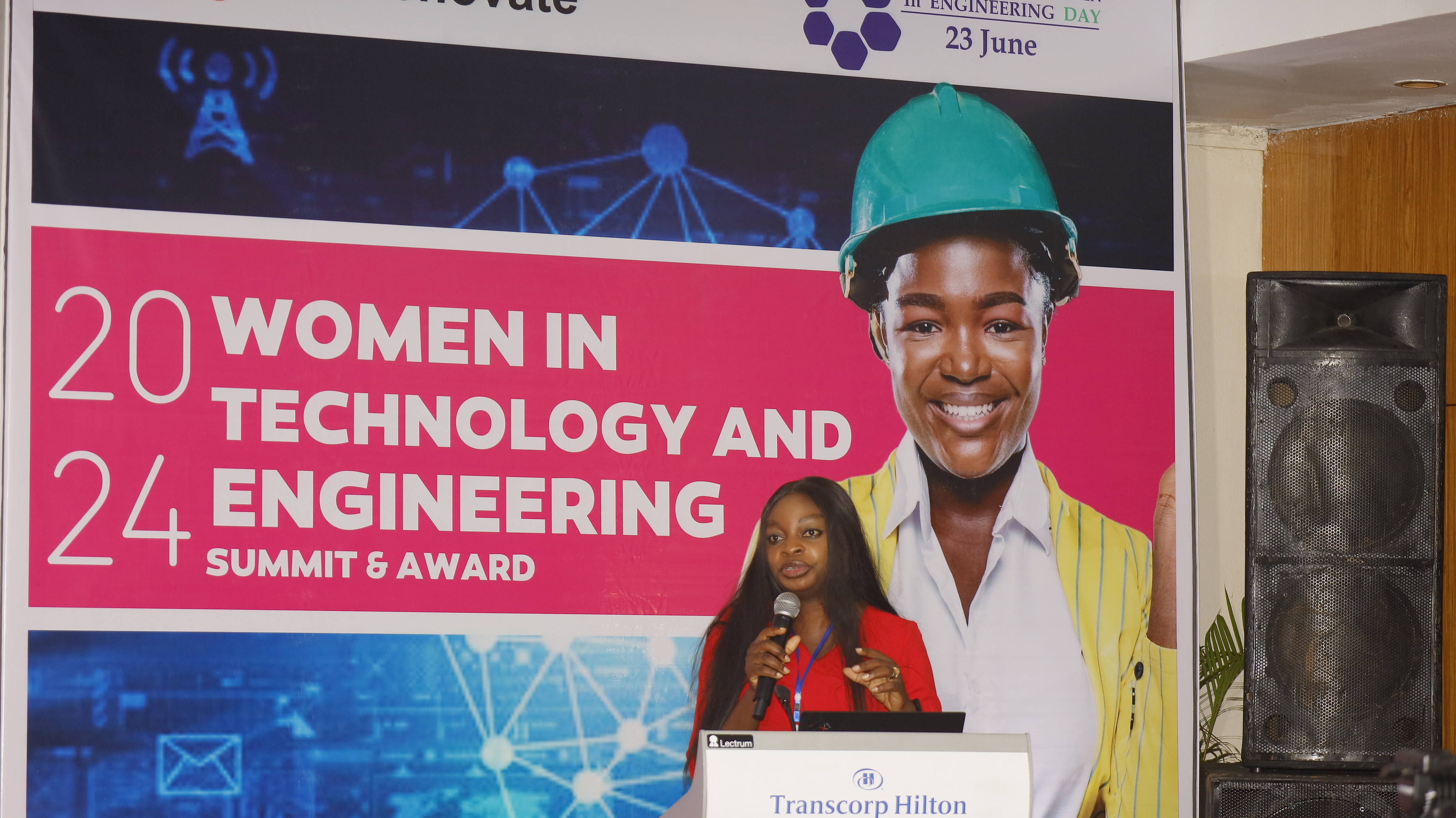
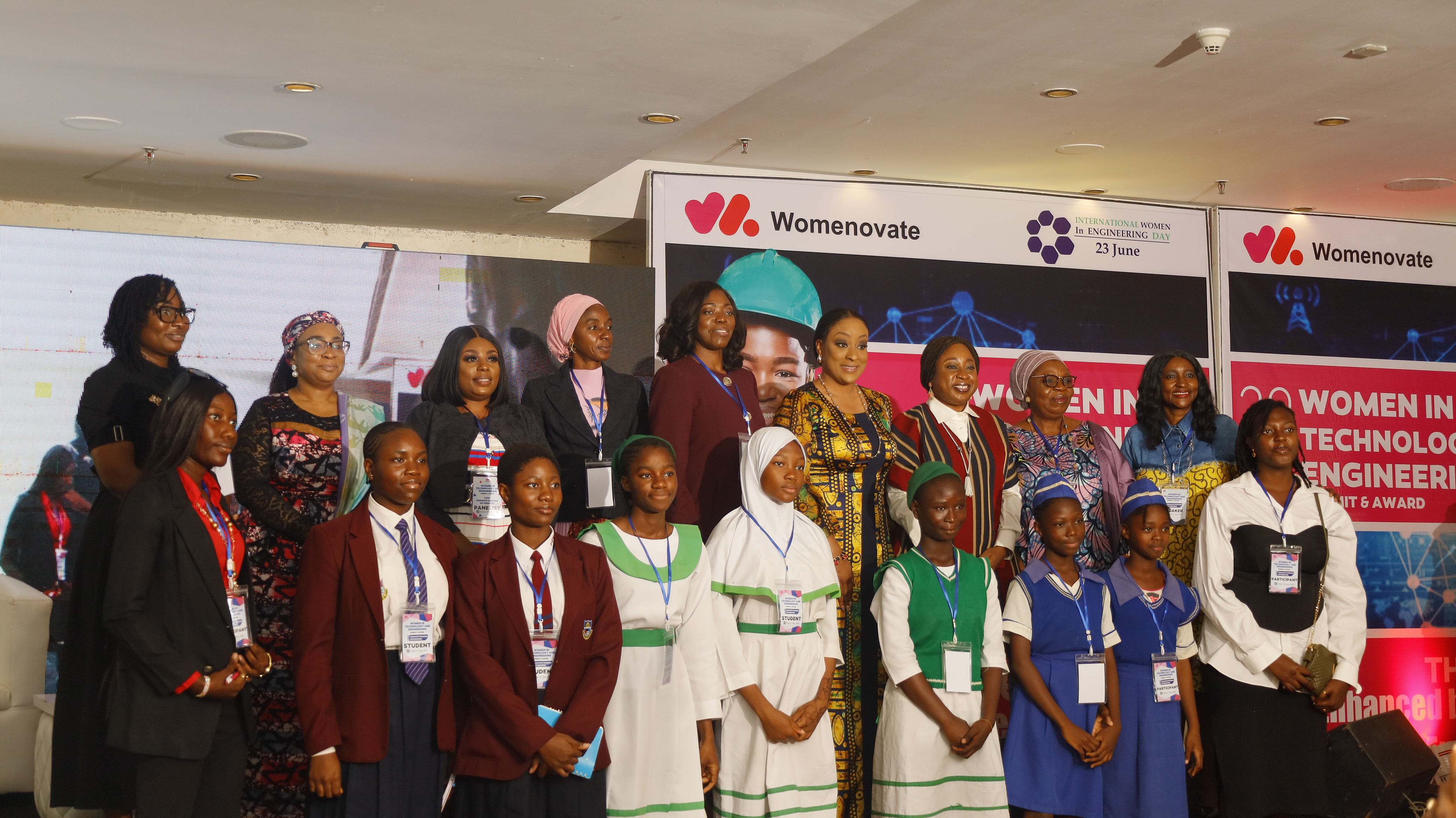
This year, the Womenovate 2024 Women in Technology and Engineering Award spotlighted some remarkable women who exemplify excellence in their fields. Some of the distinguished recipients include; Blessing Emmanuel, Diligence Saviour, and Maduabum Ogochukwu Ifeatu, all from eHealth Africa. The Women in Technology and Engineering Summit and Awards, a prestigious event put together by Womenovate, celebrates the groundbreaking contributions of women who are revolutionizing the fields of Engineering and Technology. Womenovate is a platform that provides Nigerian women the resources to build amazing careers and businesses in science, technology, engineering, agriculture, and mathematics (STEAM) industries.

Working in tech, a field traditionally dominated by men can present unique challenges for women. However, the experiences of these women highlight resilience and determination. For Blessing Emmanuel, an IT Support, her tech journey was inspired by the joy she finds in helping others resolve technical issues. “The satisfaction that comes from helping others is immensely rewarding,” she remarked.  According to Blessing, she has not faced any significant gender-based challenges in her career, crediting eHealth Africa’s inclusive culture. “I haven’t experienced any form of gender discrimination because I am a woman,” she said.

Diligence, on the other hand, shared an unsettling experience during the early days of her career when she had to climb a ladder to fix a surveillance camera. A passerby expressed outrage at seeing a woman performing such a task. “That situation unsettled me”, she shared. She used this experience as motivation to keep pushing forward in her career. She also recounted an incident where she was told after a job interview that the role was intended for a man. “I would have preferred a rejection email rather than telling me the reason why they didn’t want to hire me was because of my gender,” she reflected.

Diligence Saviour, a Business Application Coordinator, originally aspired to become a medical doctor due to her father’s influence, Diligence discovered her passion for computer science during her university years. “After my first year, I developed a passion for computer science and decided to continue in that field,” she explained. Diligence’s role at eHealth Africa involves managing critical software applications like Sage X3, which is used across all of eHA’s offices globally. Ogochukwu Ifeatu, who serves as a Technical Project Manager (Product Owner) at eHealth Africa, was drawn to her role by her love for managing new projects. “What attracted me to this role was the love of managing a new project from start to finish,” she shared. Ogochukwu’s career began during her IT days in school, where she worked with a small tech startup. The challenges she faced, particularly in debugging codes, were both daunting and exciting, sparking her passion for tech.


eHealth Africa implements policies and practices that address gender diversity. These include promoting gender equity in hiring, pay, and advancement, as well as actively working to dismantle racial and ethnic biases that affect gender inclusivity by prioritizing gender inclusion. These stories are a testament to the impact that dedicated and talented individuals can make in the world of technology and global health.

OutREACH: eHealth Africa, Clinic Collaborate to Tackle Non-Communicable Diseases

by Moshood Isah

Hypertension is a major public health problem in Nigeria, with prevalence of 37.5%. This means that nearly 4 out of 10 Nigerian adults have hypertension. Similarly the prevalence of diabetes is increasing worldwide, and Nigeria is no exception; an estimated 7% of adults in Nigeria have diabetes, making it among the most common cardiovascular diseases in the country.

Unfortunately,  lack of access to quality and affordable hypertension and diabetes services in rural communities and primary health care is a major concern. This is largely due to  disparity in access to quality healthcare, especially between rural and urban areas in Nigeria as a result of  economic, social, geographic, and health workforce factors. For instance, the secondary health facilities where the few drugs are, with the facility for testing and the medical professionals are far from the rural communities, making access difficult. This is exacerbated by the high cost of medications, making it difficult for some clients to afford the treatment they need, resulting in low treatment outcomes.

Thus, adapting and digitizing  the World Health Organisation Package of Essential Noncommunicable (PEN) disease interventions for primary health care, eHealth Africa is collaborating with the EHA Clinic Reaching Everyone with Accessible Community Healthcare (REACH) program to reach out to marginalized communities with healthcare interventions. This, according to the Project Manager Lucy Okoye, is aimed at improving access to quality care and affordable services for persons with hypertension and diabetes and others at risk. 

She said, “Social mobilization activities will increase rural communities’ knowledge of hypertension and diabetes”, saying  the identification of risk factors and the signs of hypertension and diabetes will likely result in the adoption of a preventive healthy lifestyle and prompt seeking of treatment. Another potential impact of the intervention according to her is to reduce the prevalence of hypertension and diabetes and improve the health and well-being of the target communities, helping people to live longer and lead healthier lives. 

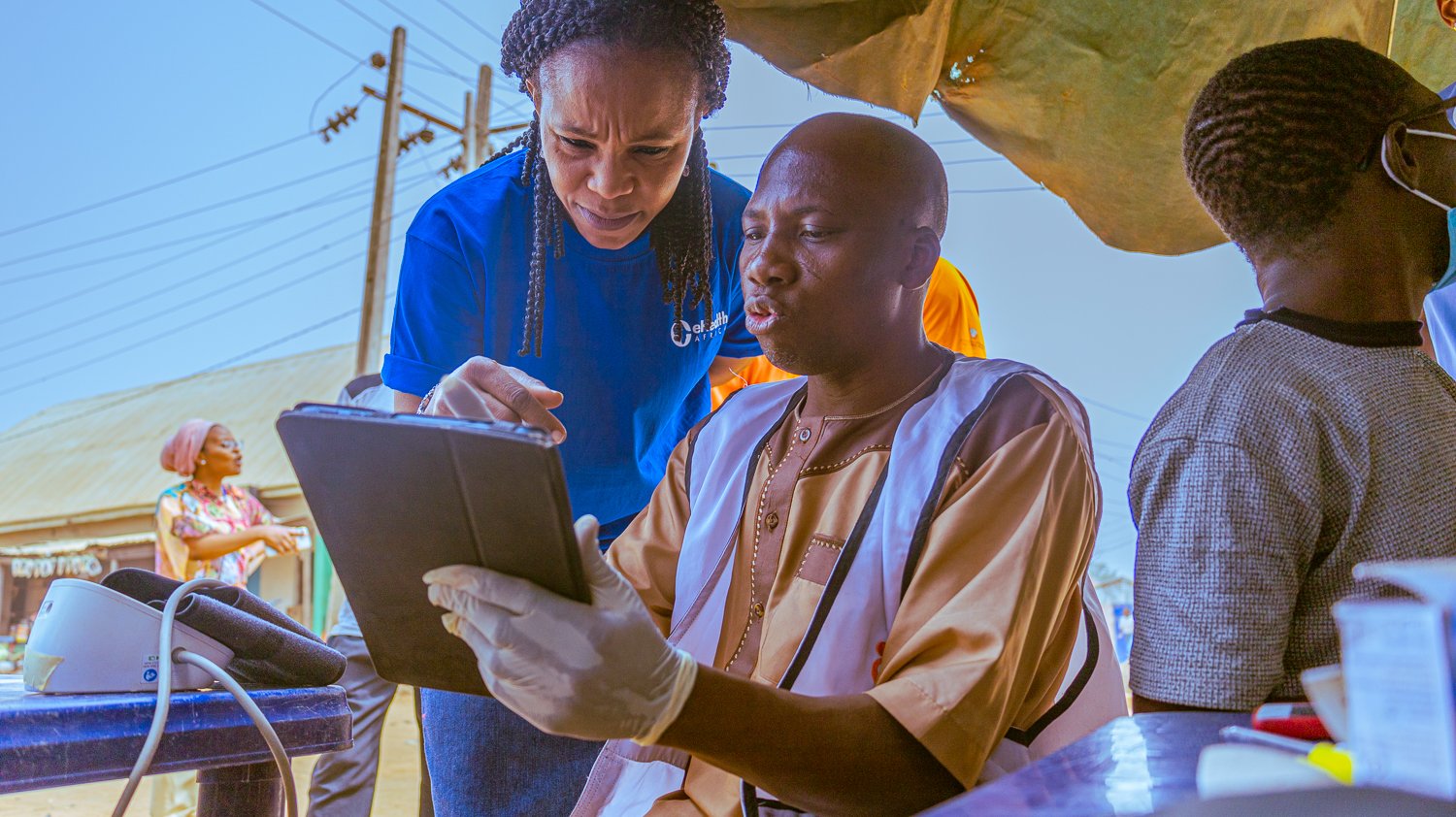
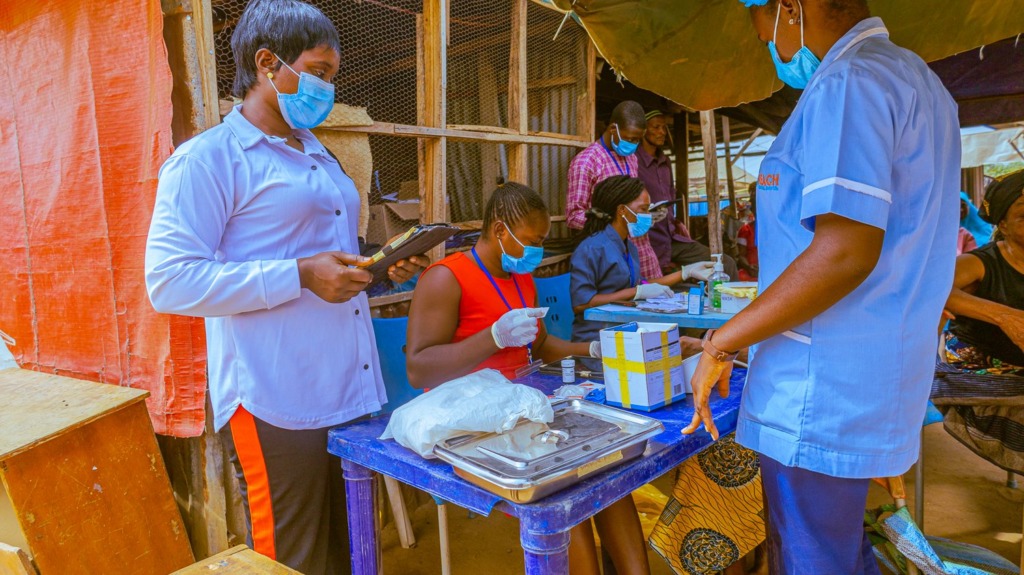
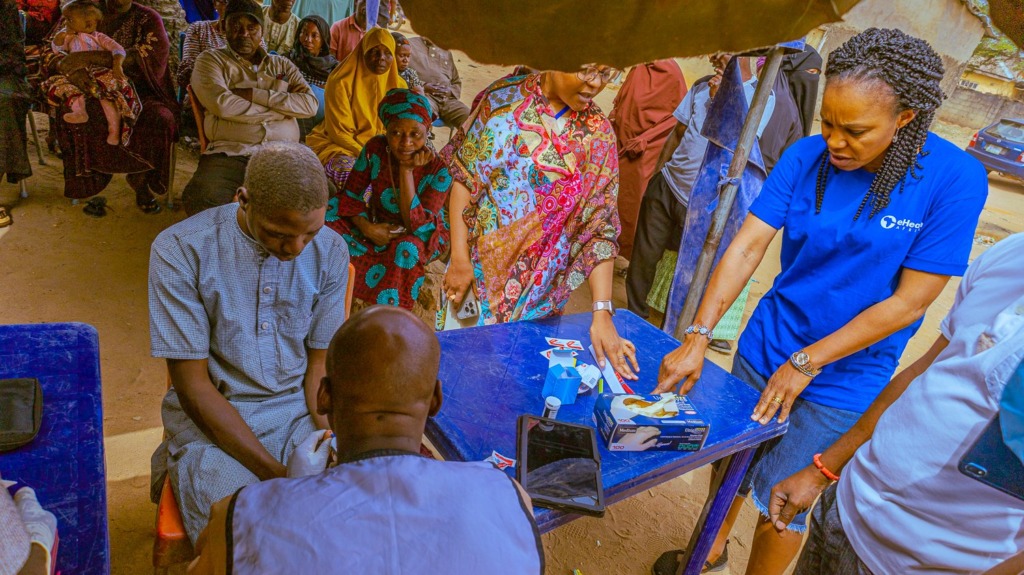
In February, eHealth Africa supported the free medical outreach conducted in the Kuje community of the Federal Capital Territory and Gyadi-Gyadi community of Kano state. According to Adawiya, Mahmud Ila, Product and Quality Assurance Coordinator at the EHA REACH clinic said the outreach is an opportunity to reach the people accessible and  to provide free healthcare within the community. 

“We are having an outreach where we see hypertension and diabetic patients,we measure the blood pressure and fasten blood sugar.”  If there is a need for us to give hypertensive and glycine medication we give them which is going to be free for 6 months”, she said.

She said, the economic realities in developing countries like Nigeria limits citizens especially the older generation from accessing good medical care.  She said, “You know how the economy is in Nigeria; economically it’s hard for them to go to the hospital so we are just trying to make an impact in the community”.

Speaking on community acceptance and mobilization strategy for the outreach, Adawiya said, the partners leveraged on its Community Health Extension Workers (CHEW) to discuss the impact of the intervention  with traditional leaders and community influencers. 

Community Feedback

Zainab Abdullahi is  a resident of Kasuwan Dare area of Gyadi-Gyadi community of Kano state. She heard of the REACH Clinic Outreach through community influencers. “Now they checked our BP,Blood sugar level and from here we will proceed to see the doctor”, she said. 

Zainab lauded the outreach initiative saying the community is receptive to ideas like this. “the hospital environment is clean and welcoming and this is why you can see close to 100 people coming for this outreach”.  “If they can spread their tentacles and establish  this kind of hospital in all areas, we will be happy so that everyone will visit the nearest hospital rather than going far from home to access healthcare”, she said.  There is also a need to have additional doctors to attend to a growing number of patients in a bid to reduce waiting time, she said.

Ahmed Salisu Musa has spent 45 years in the community.  He expressed his excitement saying the outreach has brought good healthcare delivery to his doorstep. “They took my blood samples, gave me some medications and I was told, I am not diabetic”, he said

He said, “as a community leader myself, I am glad to  have witnessed what is happening and will pull  in more people to come and get checked.” Musa called for increased mobilization of citizens and more importantly expansion of the intervention to reach other communities.

How eHealth Africa Champions Holistic Well-being through Sporting Activities

By Favour Oriaku

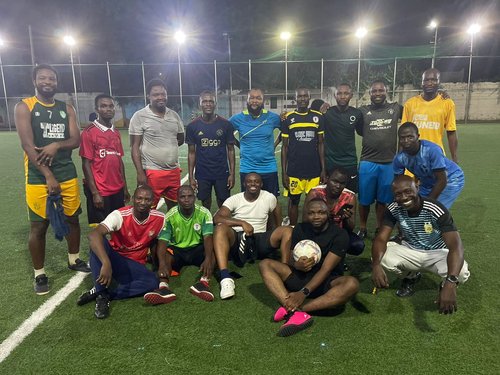
At eHealth Africa, we recognize that our greatest asset is our people. Their hard work, dedication, and passion are the driving force behind our mission to build stronger health systems across Africa. Understanding the importance of mental and physical well-being in sustaining high levels of performance and engagement, we have instituted a series of work-life balance activities across our office locations. Central to this initiative is our commitment to fostering a culture of health, unity, and mutual support through our sporting events every Tuesday and Thursday.

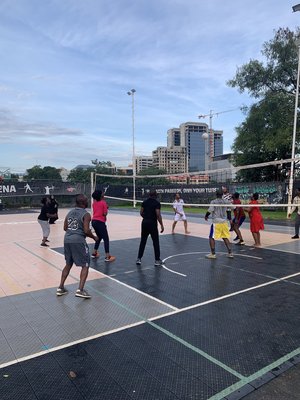
These are not just games; they are a fundamental part of our organizational fabric. We have tailored these sessions to involve everyone comfortably, with football attracting many of our male colleagues and volleyball popular among our female staff. This thoughtful categorization ensures widespread participation and is in line with our core values of inclusivity and respect for individual preferences.

The benefits we’re seeing go far beyond physical fitness. Regular exercise is scientifically proven to reduce severe health risks, but we’re witnessing firsthand the positive energy, reduced stress levels, and the bonding that’s building a more resilient eHealth Africa family. The effects spill over from the football field and volleyball court into daily office interactions, enhancing teamwork and easing communication.

But perhaps it’s best expressed directly by our team members, who have embraced this initiative wholeheartedly:

In Abuja, Solomon Eteng, one of our dedicated senior network administration associates, observes, “These sessions are about more than just exercise. They’re an avenue for bonding with colleagues, sharing a laugh, and easing the day’s stress. It’s amazing to see the impact on our work environment – there’s a boost in morale and productivity.”

Also in Abuja, Aisha Yakubu, a key member of our operations  team, adds, “Initially, I wasn’t sure sports was for me, but I gave volleyball a try and I’m glad I did! It’s refreshing and, beyond the health benefits, it shows the organization values our overall well-being. That really matters.”

In our Kano office, the enthusiasm is just as infectious. Mohammed Bello, a project manager who also doubles as the Culture Club lead says, “The football sessions are something I look forward to. It’s not just the physical health benefits; it’s the improved sleep, the relaxed mind, and the strengthened bonds with colleagues. You can see that team spirit reflected in our work collaborations.”

Likewise, Tosin Williams, a coordinator with the GIS department at our Kano office reflects, “Our sporting activities have been a revelation for me. It’s not just about keeping fit; it’s about the relationships we’re building. This has made a huge difference in making our work interactions even more effective and enjoyable.”

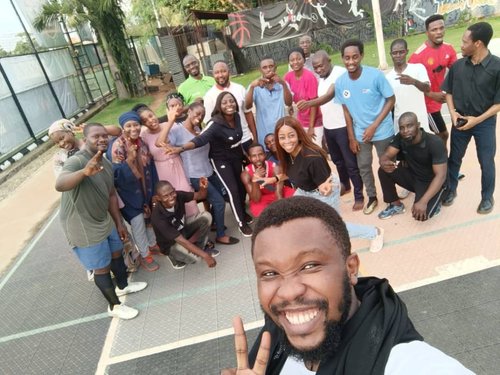
Our sports initiative is not just another organizational initiative; it’s a strategic approach to holistic well-being, reflecting our belief that when we take care of our staff, they can perform at their best, both professionally and personally. By investing in these activities, eHealth Africa is not only promoting healthier lifestyles but also fostering a culture of unity, mutual respect, and emotional support. So, as our teams in Abuja and Kano take to the field each week, we’re not just scoring goals in football or volleyball; we’re championing the well-being of our staff, and by extension, the communities we serve.

Inside eHealth Africa’s Vibrant ‘TGIF’ Tradition

By Favour Oriaku

Finding the harmony between professional obligations and personal well-being is not just a perk—it’s a necessity. Our commitment to fostering a nurturing work environment has birthed our beloved tradition: the “Thank God It’s Friday” (TGIF) activity. This vibrant, monthly gathering is not only a testament to our organizational culture but also a celebration of the diversity, unity, and spiritedness that define us.

Held on the last Friday of each month, our TGIF is a variety of activities designed to ignite joy, foster connections, and refresh our team. The event is a lively mix of indoor games—including chess, card games, ludo, and Wood Block Game—as well as outdoor activities with volleyball and table tennis. But the festivities don’t stop there; they sometimes reach a climax with karaoke sessions, where our staff showcase their vocal talents, followed by a feast of food and drinks, making it an absolute delight.

Why do we do this? At eHealth Africa, we believe that work-life balance is crucial for the mental health and overall productivity of our team. These activities provide an informal setting for staff to unwind, connect with each other outside of work protocols, and build a sense of family and togetherness. It’s a reminder that we’re not just colleagues—we’re a family.

Our staff’s reflections beautifully articulate the impact of these gatherings:

Deborah Solomon, a Senior Project Support Coordinator  from our Kano office, shares, “TGIF is the highlight of my month! The games, the singing, the laughter—it’s the perfect way to unwind. I feel deeply connected to my colleagues, and it’s wonderful to see everyone let their guard down and just have fun!”

Ibrahim Adepoju, who is part of our network administration team, adds, “The last Friday of the month is something I eagerly await. The activities help me de-stress, and I’ve discovered so many hidden talents among my colleagues! It’s a fantastic way to wrap up the month.”

From Abuja, Diligence Saviour Albert, a member of our business application team, remarks, “I’ve always believed in work-life balance, and the TGIF initiative reinforces that. From board games to karaoke, there’s something for everyone. It’s not just about relaxation; these moments enhance our teamwork and make us look forward to the challenges ahead.”

Similarly, Onyeka Onwuama, an associate project manager in our Borno office, reflects, “These gatherings are not just for fun; they’re essential to our well-being. Connecting with colleagues over a game of chess or a song builds a support system that transcends professional relationships. It’s refreshing and, honestly, a major morale booster.”

Our TGIF tradition is embedded in our core belief at eHealth Africa: we are as dedicated to our staff’s well-being as we are to the communities we serve. Creating spaces for our team to relax, connect, and recharge is not just about building a positive work culture; it’s a fundamental part of our success story. As we continue to strive for excellence in building a stronger health system in Africa, we remain equally committed to nurturing a work environment where staff are appreciated, celebrated, and cared for—ensuring that at eHealth Africa, every last Friday isn’t just the end of a month, but a celebration of the people who make our mission possible.

ehealth Africa Commits to promoting early detection of Circulating Variant Poliovirus through Lab Support

by Moshood Isah

Nigeria may have been declared a polio free nation but the Circulating variant Poliovirus Type 2 strain transmission still lingers. Nigeria reported 168 cases in 2022. This  has made further interventions crucial particularly  around early detection. The growing cases in a  number of African countries require a focused effort to strengthen polio laboratories that can effectively help the affected countries to quickly confirm cVDPV2 cases and launch outbreak responses, including the introduction of novel OPV2.  

In 2018, the World Health Organisation (WHO) introduced a Global Polio Surveillance Action Plan (GPSAP 2018-2020) to support endemic, outbreak, and high-risk countries in evaluating and increasing the sensitivity of their surveillance systems against Polio. The plan also initiated supplemental strategies that may help in closing gaps in detecting polioviruses, including strategies for immunodeficiency-associated vaccine-derived polioviruses (iVDPVs) while also strengthening coordination across surveillance field teams to foster a more effective programme and document zero cases worldwide. 

The new Global Polio Surveillance Action Plan (GPSAP) for 2022-2024. also focuses on increasing the speed of poliovirus detection, improving surveillance quality at the subnational level, fostering the integration of polio surveillance with surveillance for other epidemic-prone vaccine preventable diseases (VPDs), and mainstreaming gender equality in surveillance activities and programming as a key enabling factor.

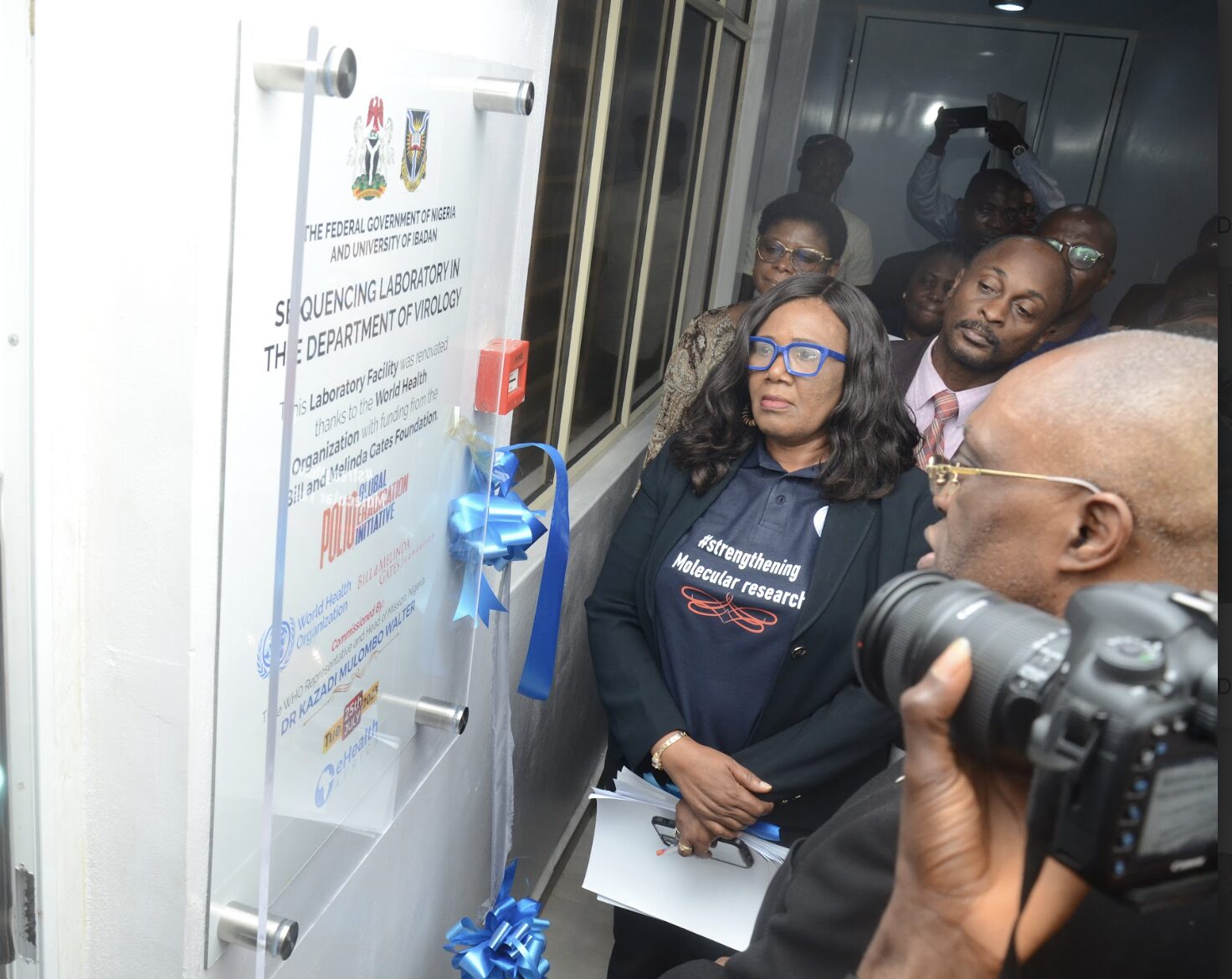
To achieve parts of the Global Polio Surveillance Action Plan (GPSAP) 2022-2024, ehealth Africa worked with World Health Organisation (WHO)  supported by the Bill and Melinda Gates Foundation (BMGF) to  renovate and upgrade the   Sequencing Laboratory in the Virology department, University College Hospital (UCH) Ibadan, Oyo State. The laboratory was commissioned by Kazadi Walter, Country Representative and Head of Mission; World Health Organisation to Nigeria. This is part of the effort to improve surveillance, rapid detection and response against the spread of Vaccine Derived Polio Virus and other vaccine preventable diseases.  

Speaking during the official commissioning of the Laboratory, Dr. Kazadi Walter reiterated the commitment of WHO towards eradicating polio virus through the provision of facilities and rendering of technical support to Nigeria’s health care. He stated that WHO in collaboration with the government established the Global Polio Laboratory Network of which 16 are currently in Africa, with two located in Nigeria; Ibadan and Maiduguri. According to Walter, the primary objective is to work with WHO in the African Region (AFRO) to equip the global polio laboratory network labs for robust and rapid sample analysis for polio and to provide support in equipping these labs with sequencing capabilities.

Prof. Kayode Adebowale, the university vice chancellor, commended the initiative saying “this laboratory will not only provide vital information for the eradication of polio but also contribute to our university infrastructure, helping us to fulfill our vision and mission in addressing social needs.” The VC said: “The department has played a crucial role in Nigeria’s polio eradication programmes by contributing significantly to the country’s achievements of being declared wild polio-free in 2021.

Speaking on the role of eHealth Africa in the support for Laboratory Supplies across selected countries in Africa, the Project Manager, Tolulope Oginni said, to ensure optimum utility of the laboratory supplies, eHealth Africa leverages previous and current experience in setting up and managing Emergency Operation Centers to strengthen the staff capacity at the Laboratories in operating the installed equipment.

“These interventions  for  the support for laboratory supply and installation with consumables currently ongoing in at least 12 African countries are expected to improve the labs functionality for faster outbreak detection”, he said. With the support of other stakeholders in the region, this intervention will support labs in the African region that are targeted for expansion of sequencing capacity, support to improve existing sequencing capacity, or labs that require support for virus isolation and identification. This intervention has a huge opportunity to explore collaboration with WHO and other global stakeholders to transform the laboratory infrastructure in Africa into world class facilities which in turn will significantly strengthen their capacity and preparedness for disease outbreaks.

Nurturing Work-Life Synergy: eHealth Africa’s ‘Bring Your Kids to Work’ Program

By Favour Oriaku

The aspiration to prevent work from consuming all our time is a shared one. The idea of a clear boundary between work and personal life can be somewhat blurry as modern life has intertwined the two, demanding a new approach to create a fine synergy between them. Achieving this synergy would enrich personal lives and also foster a sense of equilibrium that can elevate work performance and overall well-being.

In an era where juggling professional commitments and family life has become increasingly complex, its significance cannot be overstated. The absence of work-life harmony negatively impacts employee performance, leading to reduced productivity and engagement. An example of an organization actively promoting work-life harmony was seen when eHealth Africa opened its doors for a unique event. “Bring Your Kids to Work Day”  showed eHealth Africa’s commitment to being one of the best workplaces in Nigeria, prioritizing work-life harmony for its employees.

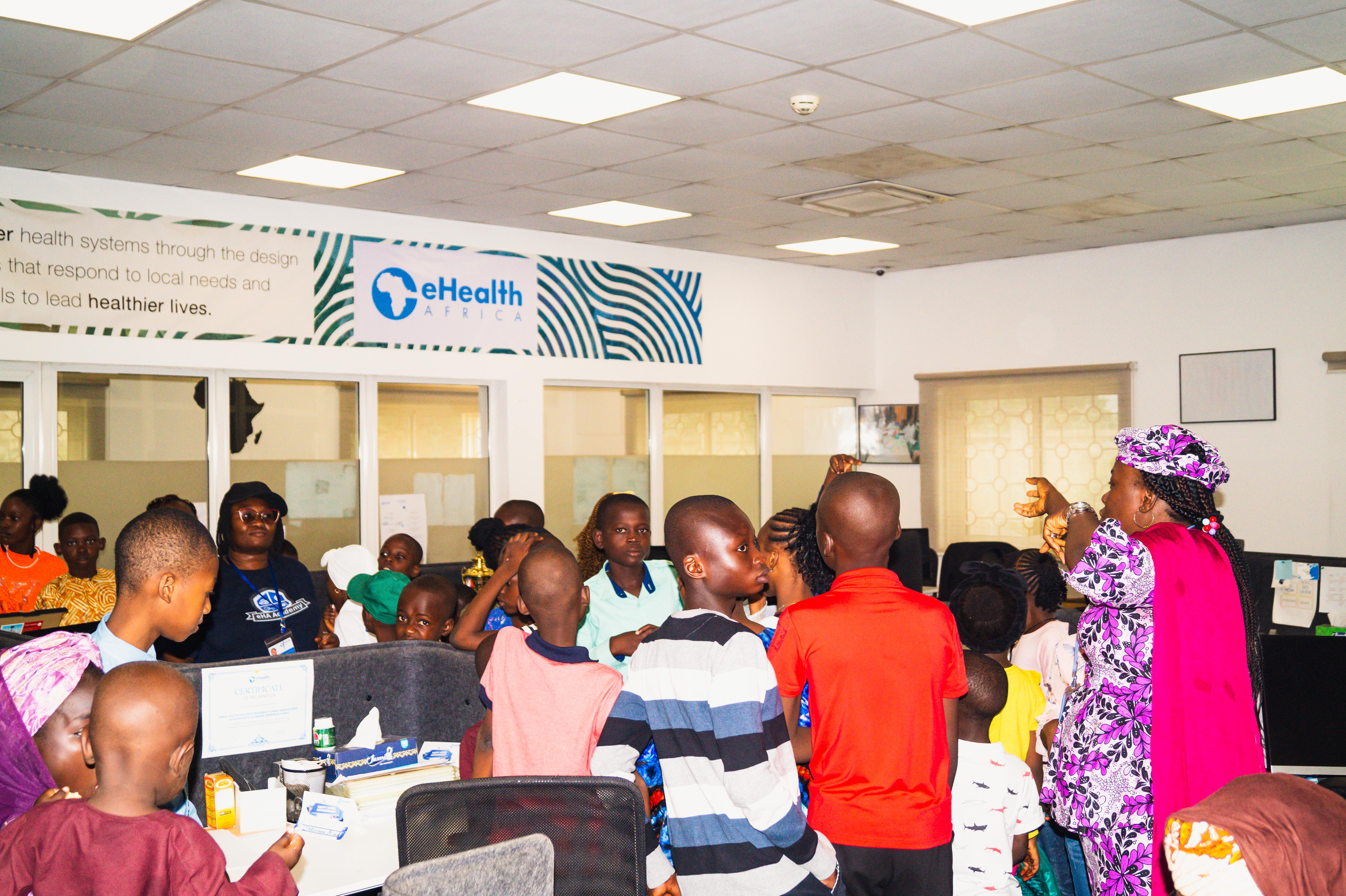
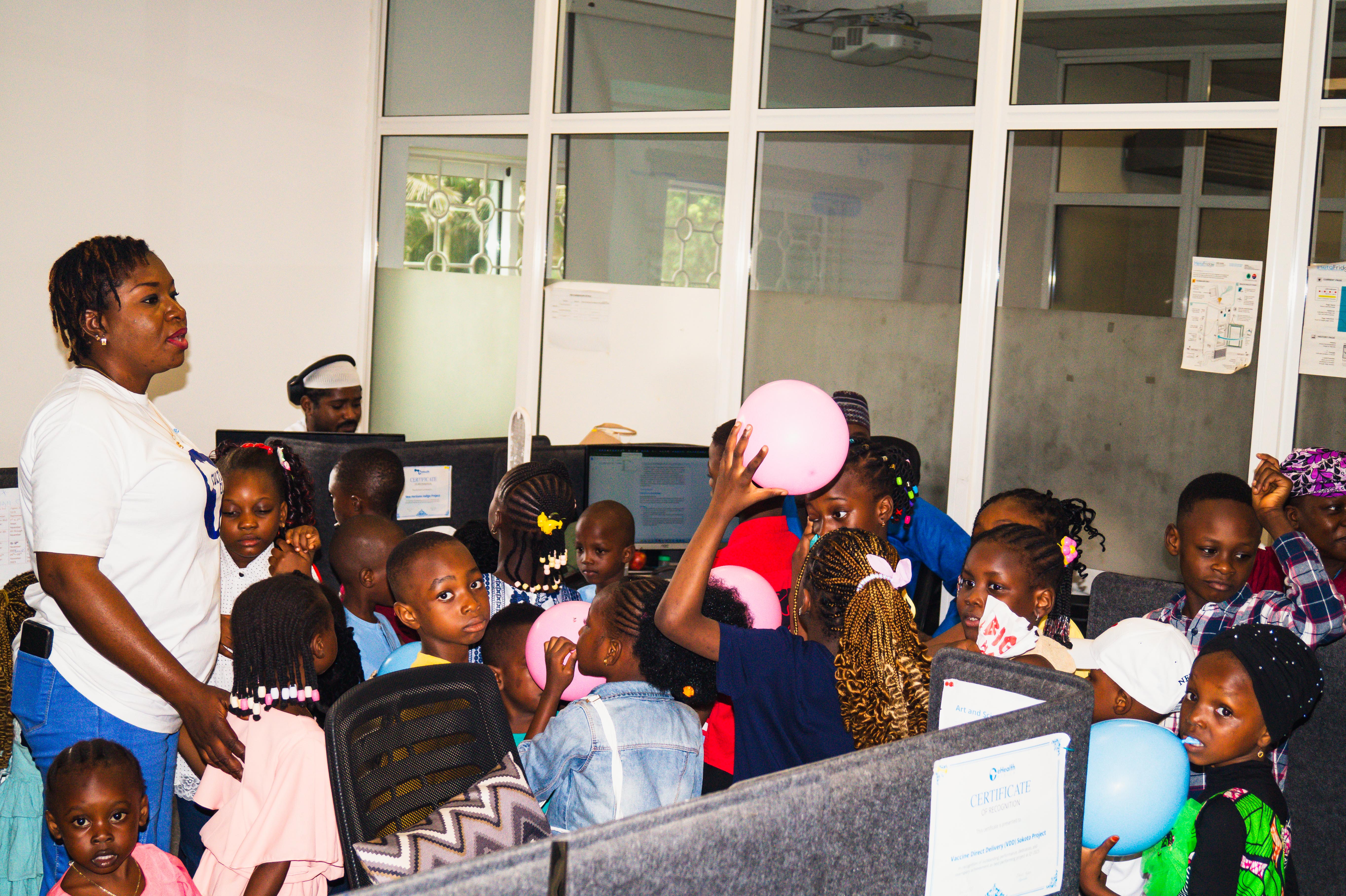
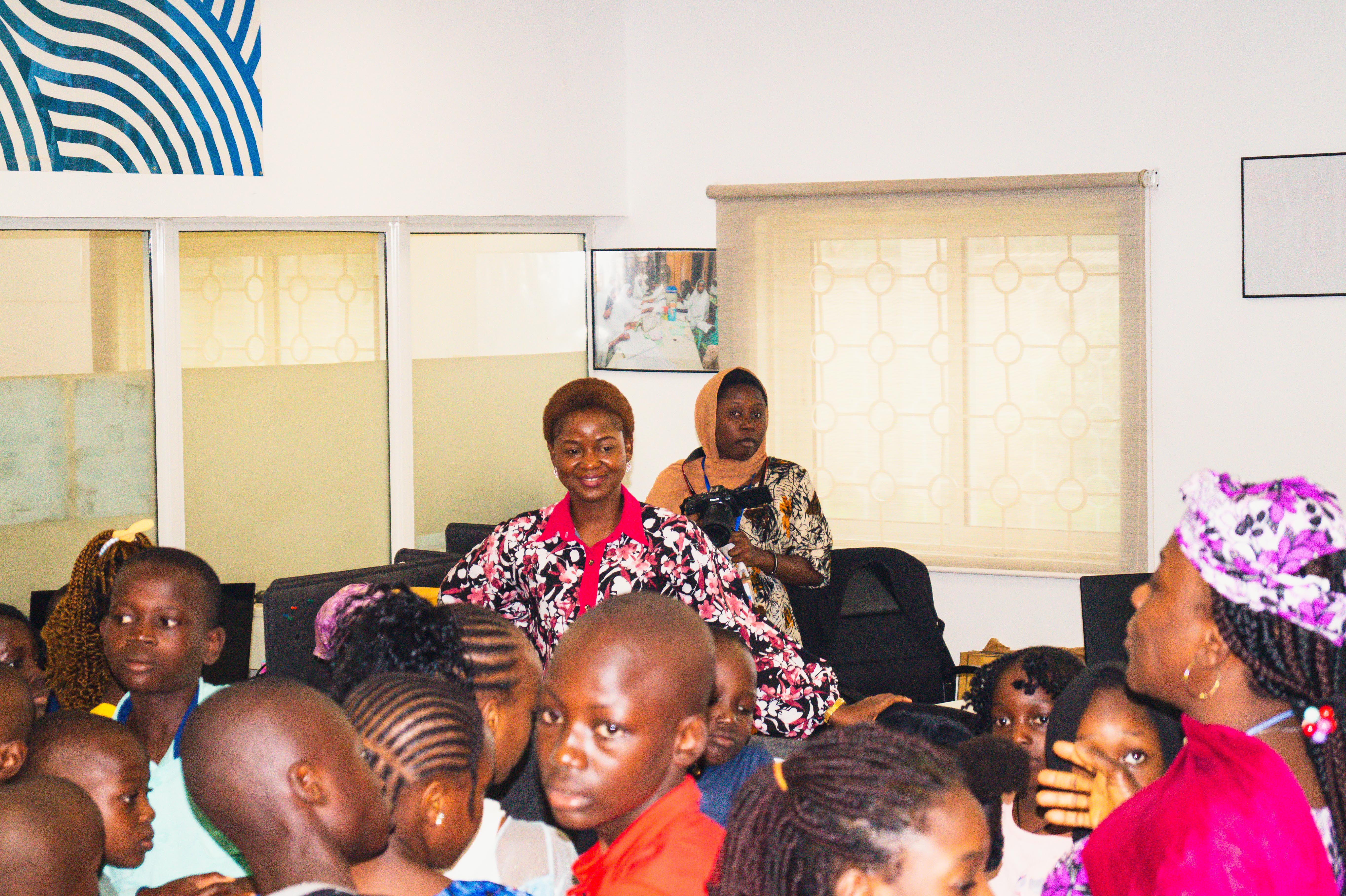
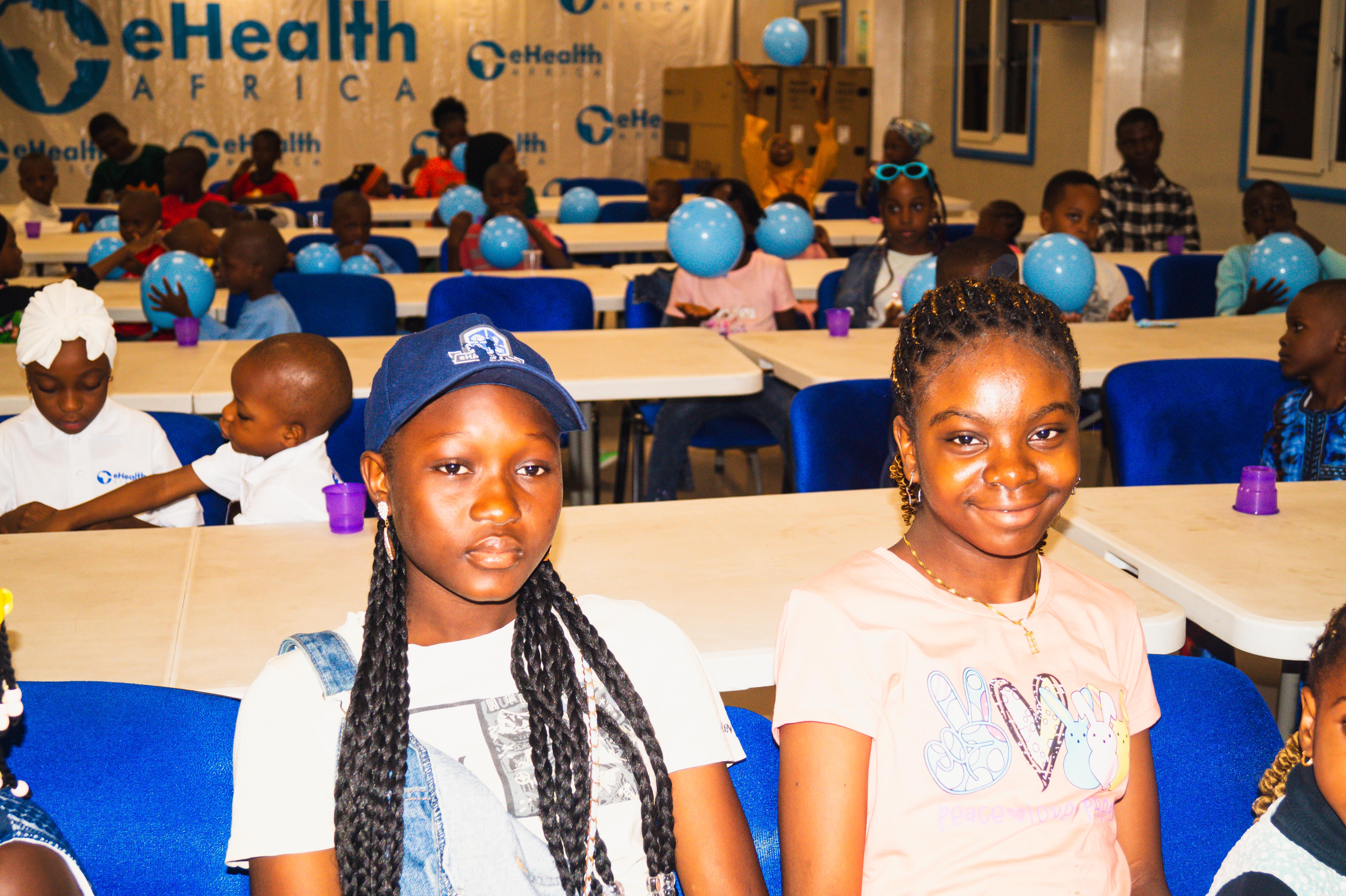
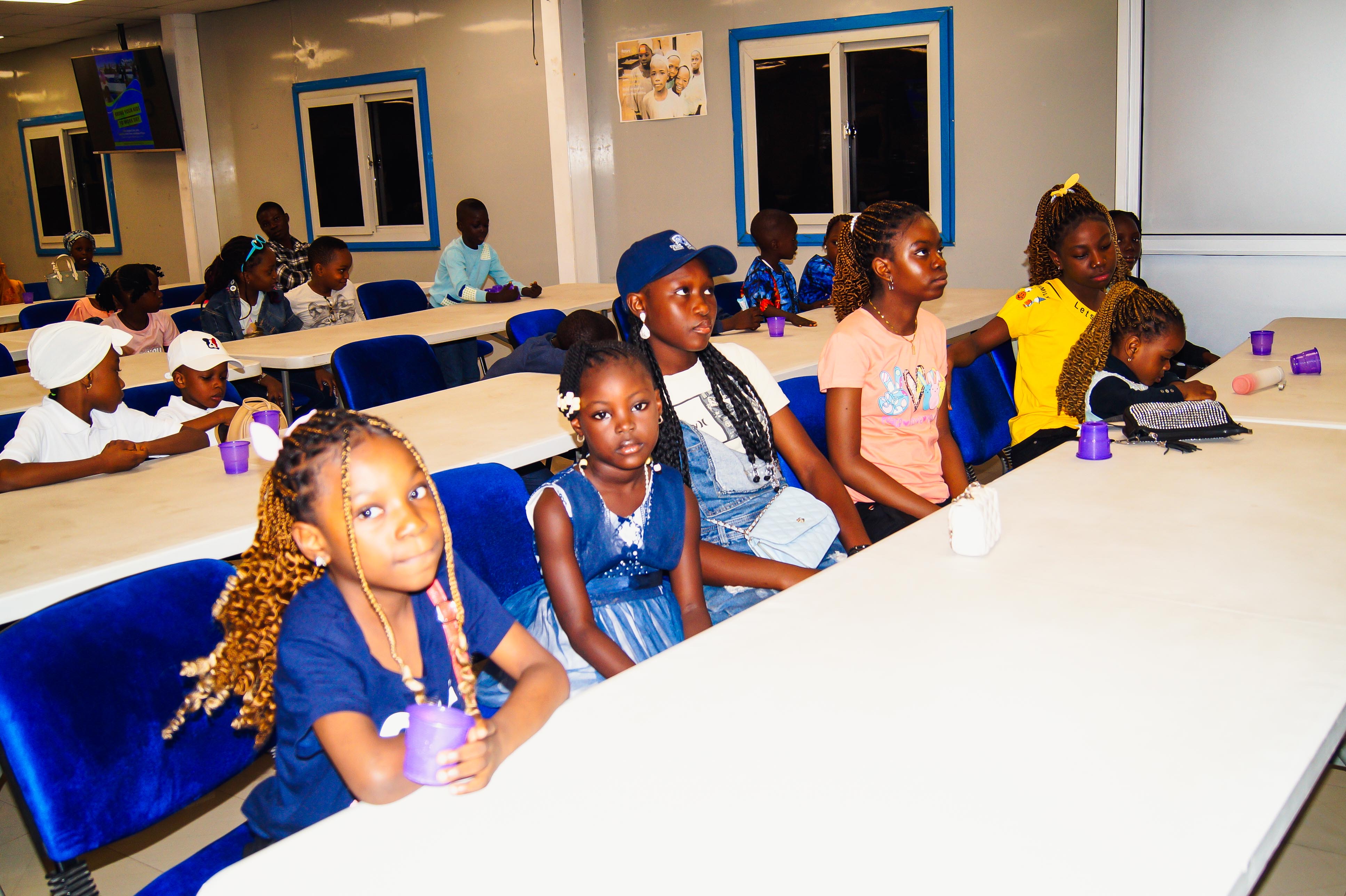
On the 4th of August, the eHealth Africa office came alive with excitement as little feet brought laughter and energy into the workspace. Parents and children embarked on a memorable journey together, participating in a meticulously planned day of activities. This initiative is a manifestation of eHealth Africa’s belief that a happy workforce translates into a more productive one. Adesina Matti, the HR manager, expressed, “We want to create an experience that not only brings joy to the kids but also strengthens the bond between employees and their families. ‘Bring Your Kids to Work Day’ perfectly aligns with our commitment to a healthy work-life harmony and building stronger family connections within our workplace.”
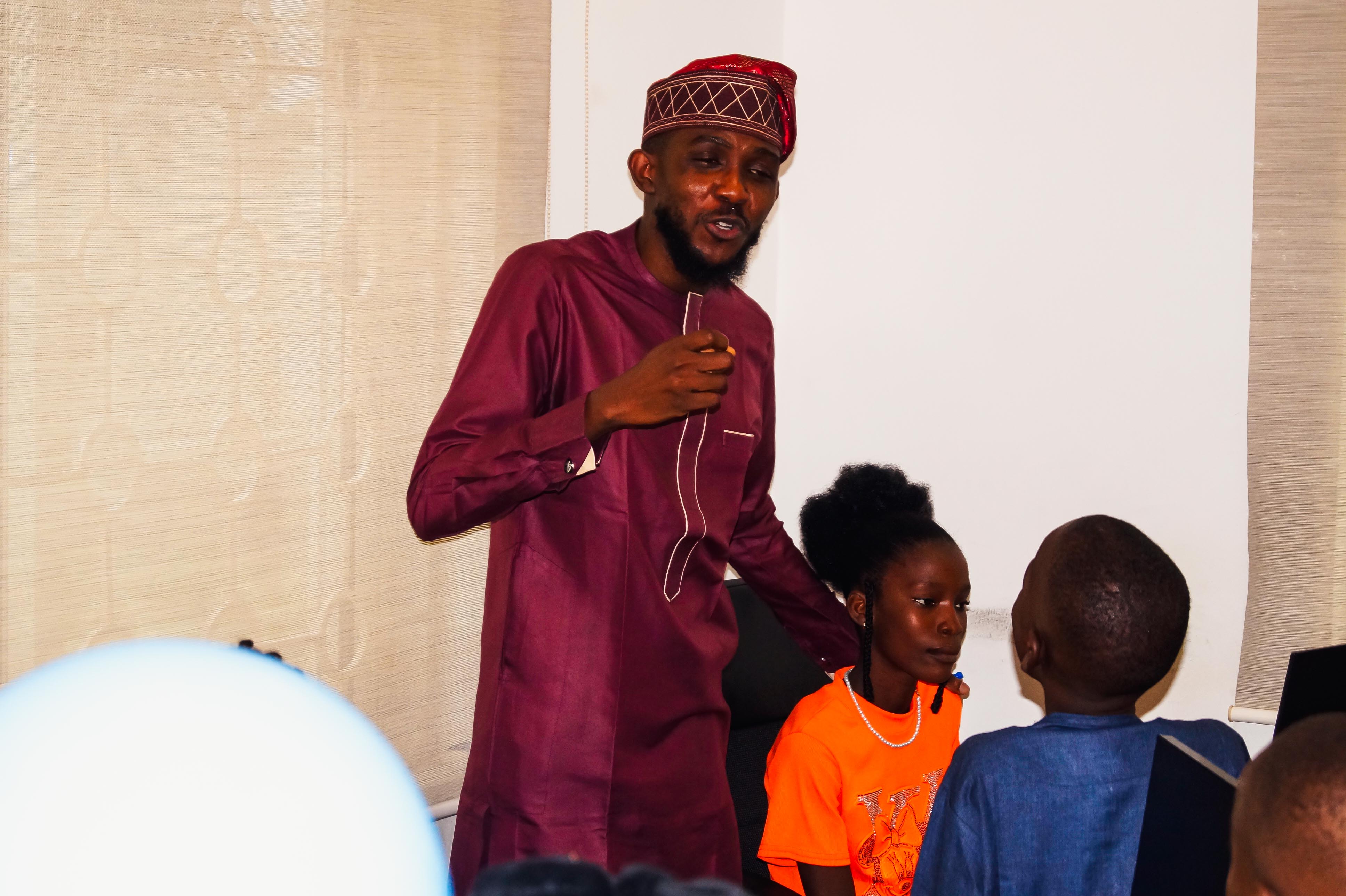
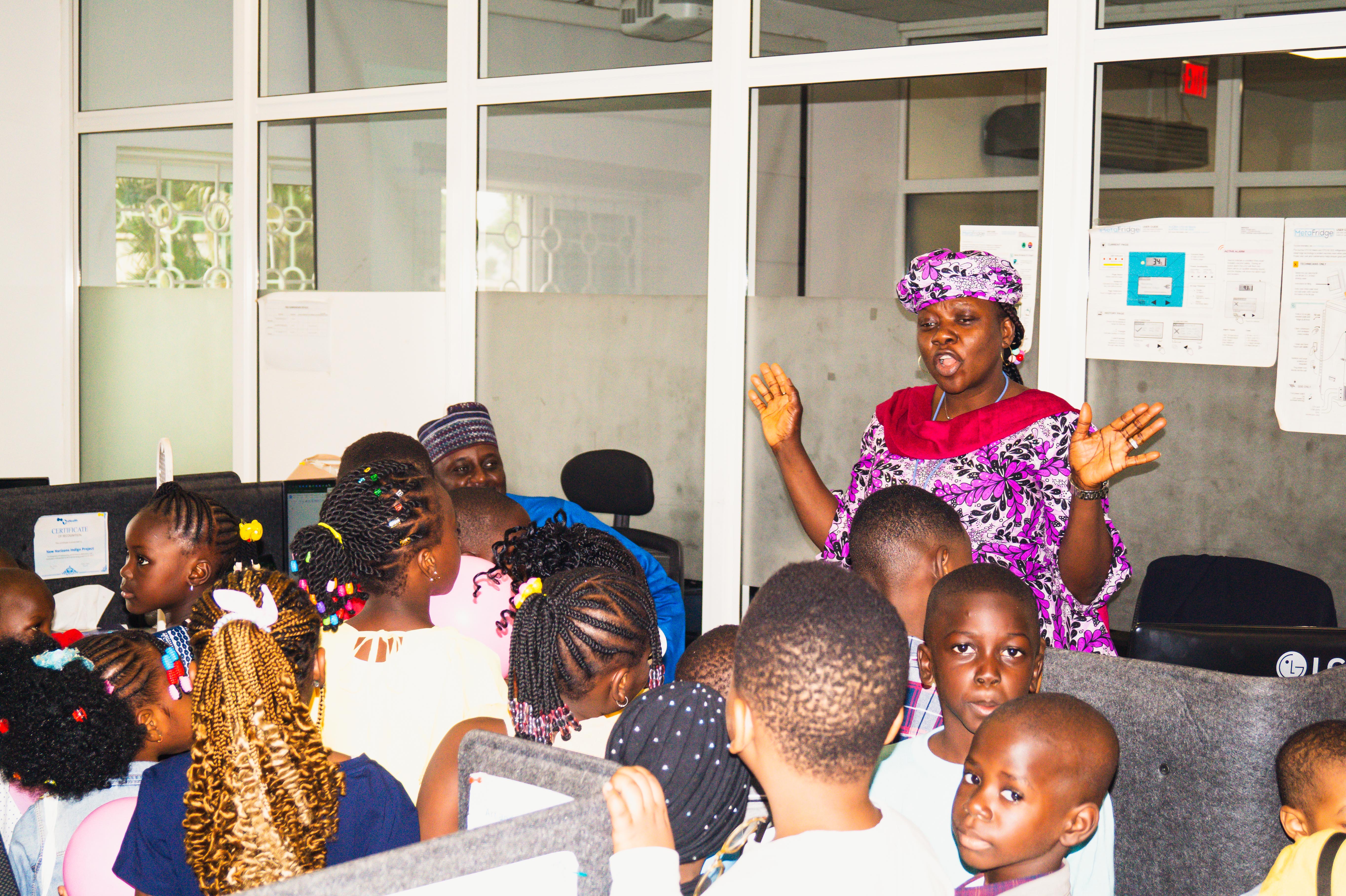
The event commenced with Fozia Malik, a member of the senior management team, warmly welcoming the children. She shared insights from her own life and career journey. Her motivational talk encouraged the kids to pursue their dreams with determination. The HR manager also addressed the young audience, introducing them to the organization’s mission, vision, and work strategy.

The day was filled with activities designed to engage and inspire the young participants. Indoor games like ‘concentration’ and dancing chairs filled the air with excitement before transitioning to outdoor games, including a bouncing castle and a creative canvas painting competition. Face painting added an extra layer of fun, and the kids even had the opportunity to observe their parents at work, gaining insight into their daily routines and responsibilities.

The senior HR coordinator Regina Suowari, also stated: “Beyond providing children with a glimpse into their parents’ work lives, today’s event aimed to instill the value of education and empower them to envision and pursue their futures. The event also served as a bonding opportunity, allowing employees to connect on a more personal level as colleagues’ children interacted and shared their aspirations.”

The “Bring Your Kids to Work Day” initiative offered a unique opportunity for children to glimpse into the adult world of work. It demystified what their parents do during the day and provided a formative experience that could shape their own future career aspirations. The event served as an educational platform, teaching children the value of hard work, and teamwork, and perhaps sparked an early interest in fields they might not have been exposed to otherwise. It also allowed for a deeper emotional connection to be formed between parent and child, as they shared a special day together in a setting that is typically separate from family life.

In conclusion, eHealth Africa’s “Bring Your Kids to Work Day” initiative achieved its vision of creating a remarkable experience for both employees and their families. The event re-echoes the possibility of harmonizing work and family life, cultivating a workplace culture that prioritizes employee well-being and engagement. As organizations worldwide seek ways to promote work-life harmony, eHealth Africa’s example stands as an inspiring testament to the potential of such initiatives in nurturing a more harmonious and fulfilling work environment.
Watch the event highlight HERE