The aspiration to prevent work from consuming all our time is a shared one. The idea of a clear boundary between work and personal life can be somewhat blurry as modern life has intertwined the two, demanding a new approach to create a fine synergy between them. Achieving this synergy would enrich personal lives and also foster a sense of equilibrium that can elevate work performance and overall well-being.
In an era where juggling professional commitments and family life has become increasingly complex, its significance cannot be overstated. The absence of work-life harmony negatively impacts employee performance, leading to reduced productivity and engagement. An example of an organization actively promoting work-life harmony was seen when eHealth Africa opened its doors for a unique event. “Bring Your Kids to Work Day” showed eHealth Africa’s commitment to being one of the best workplaces in Nigeria, prioritizing work-life harmony for its employees.
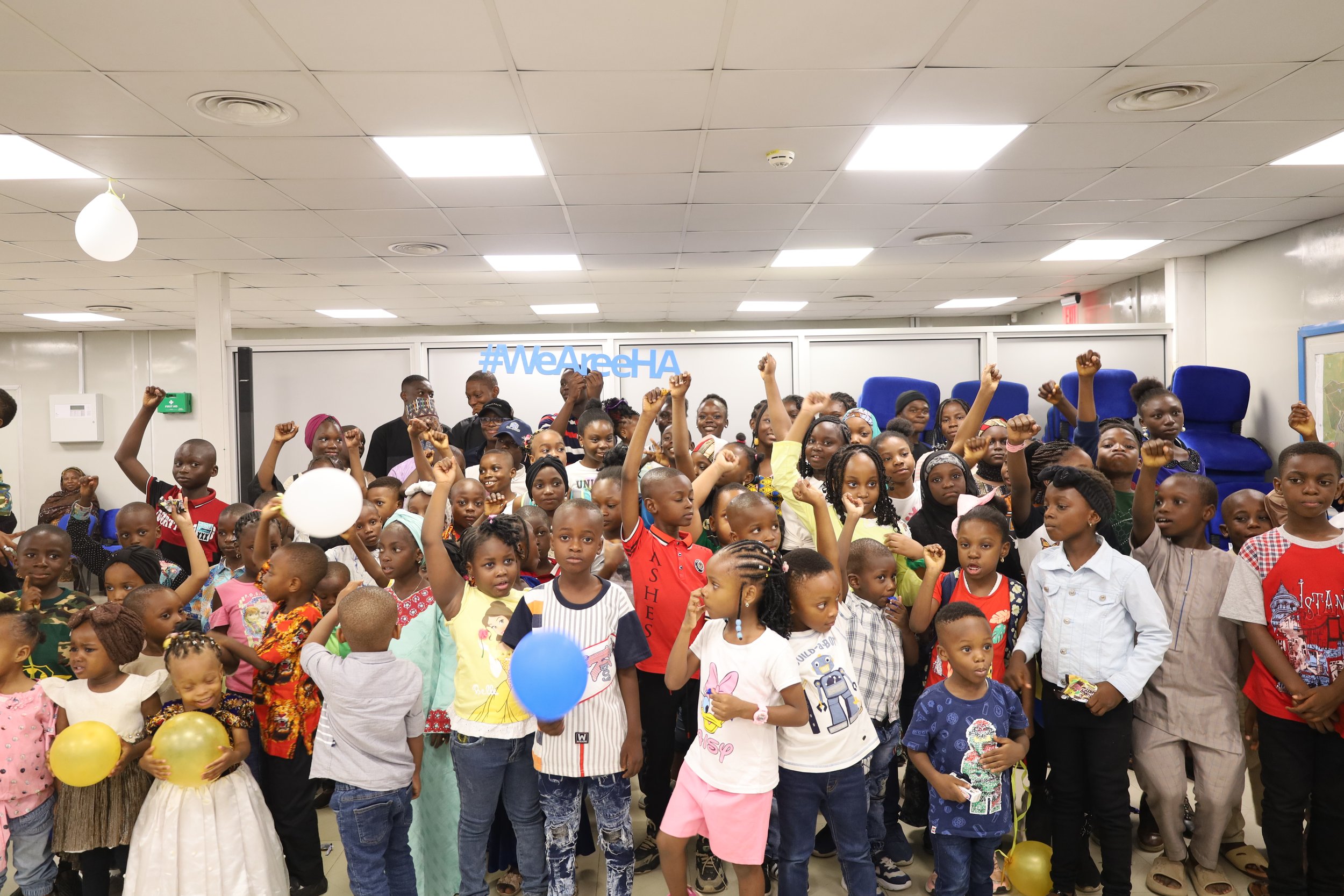
On the 4th of August, the eHealth Africa office came alive with excitement as little feet brought laughter and energy into the workspace. Parents and children embarked on a memorable journey together, participating in a meticulously planned day of activities. This initiative is a manifestation of eHealth Africa’s belief that a happy workforce translates into a more productive one. Adesina Matti, the HR manager, expressed, “We want to create an experience that not only brings joy to the kids but also strengthens the bond between employees and their families. ‘Bring Your Kids to Work Day’ perfectly aligns with our commitment to a healthy work-life harmony and building stronger family connections within our workplace.”
The event commenced with Fozia Malik, a member of the senior management team, warmly welcoming the children. She shared insights from her own life and career journey. Her motivational talk encouraged the kids to pursue their dreams with determination. The HR manager also addressed the young audience, introducing them to the organization’s mission, vision, and work strategy.
The day was filled with activities designed to engage and inspire the young participants. Indoor games like ‘concentration’ and dancing chairs filled the air with excitement before transitioning to outdoor games, including a bouncing castle and a creative canvas painting competition. Face painting added an extra layer of fun, and the kids even had the opportunity to observe their parents at work, gaining insight into their daily routines and responsibilities.
The senior HR coordinator Regina Suowari, also stated: “Beyond providing children with a glimpse into their parents’ work lives, today’s event aimed to instill the value of education and empower them to envision and pursue their futures. The event also served as a bonding opportunity, allowing employees to connect on a more personal level as colleagues’ children interacted and shared their aspirations.”
The “Bring Your Kids to Work Day” initiative offered a unique opportunity for children to glimpse into the adult world of work. It demystified what their parents do during the day and provided a formative experience that could shape their own future career aspirations. The event served as an educational platform, teaching children the value of hard work, and teamwork, and perhaps sparked an early interest in fields they might not have been exposed to otherwise. It also allowed for a deeper emotional connection to be formed between parent and child, as they shared a special day together in a setting that is typically separate from family life.
In conclusion, eHealth Africa’s “Bring Your Kids to Work Day” initiative achieved its vision of creating a remarkable experience for both employees and their families. The event re-echoes the possibility of harmonizing work and family life, cultivating a workplace culture that prioritizes employee well-being and engagement. As organizations worldwide seek ways to promote work-life harmony, eHealth Africa’s example stands as an inspiring testament to the potential of such initiatives in nurturing a more harmonious and fulfilling work environment.