Media Sweep October 23, 2025

MEDIA SWEEP

Public Health Emergency Management Systems:

Strengthening mental health services in emergencies across Africa – WHO | Regional Office for Africa – World Health Organization (WHO)

How can Nigeria enforce the right to emergency care? – Prime Progress

WHO urges action to integrate mental health in crisis response – Punch Newspapers

KEMRI Announces Ksh516 million Gates Foundation-Funded Women’s Health Research … – Kenyans

Flood Crisis: Group Calls For Stronger Community Engagement – News Agency of Nigeria

Experts decry worsening mental health crisis due to frequent disasters – The Guardian Nigeria News

Medical Bodies Renew Call for Immediate Treatment of Gunshot Victims – Voice of Nigeria

UBTH advocates improved access to mental health services – The Guardian Nigeria News

Customer service week: NEMA reassures Nigerians of efficient emergency response – Blueprint Newspapers Limited

Yaba Psychiatric Hospital MD seeks mental health support for disaster victims – Punch Healthwise

Nigeria Moves To Mainstream Disaster Risk Reduction – Voice of Nigeria

Nigeria Innovation Summit charts bold course for Africa’s innovation future – Vanguard News

FG, Partners Urge Handwashing For Public Health – News Agency of Nigeria

WHO Nigeria gets new country representative – Punch Healthwise

NACA, NEMA pledge to integrate HIV services in emergency response – Punch Newspapers

Frontlines Of Fear: Nigeria’s Health Champions Who Risk It All – Science Nigeria

Africa after USAID: who will pay the health bill? – Chatham House

Nigeria Innovation Summit charts path for Africa’s sustainable future – The Guardian Nigeria News

ICPHC 2025: eHealth Africa Calls for Sustainability of Emergency Operation Centers … – Prompt News

Disease Prevention and Monitoring:

West Africa’s trade monitoring system has collapsed – why this is dangerous for food security – The Conversation

Africa CDC welcomes Germany’s €1bn pledge to Global Fund Africa – Premium Times Nigeria

CABI facilitates review of banana bunchy top disease prevention, emergency preparedness … – Ghana News Agency

West Africa’s trade monitoring system has collapsed — why this is dangerous for food security – Down To Earth

Institute tasks HIV patients on adherence to prescribed – The Guardian Nigeria News

Africa CDC Strengthens Health Financing, Vaccination, Workforce To Prevent Outbreaks – Science Nigeria

Building resilience against the growing threat of arboviruses: a scoping review of Aedes … – BioMed Central

Africa CDC Pushes Preventive Ebola Vaccination, Integrates Mpox Response Into Routine … – Science Nigeria

Laboratory Systems, Health Diagnostic, Nigeria, Africa: 

7 African startups transforming health records, human resource, and home care – TechCabal

Climate Adaptation in Health, Food Security & Nutrition, Nigeria, Africa:

INTERVIEW: Africa’s future lies in digital sovereignty, environmental protection, says Wole Abu – TheCable

FG launches soil health scheme to boost crop yields, strengthen food security – BusinessDay

Soil Health Scheme game changer for Nigeria’s food production – Vanguard News

Gender Gap Fuels Banana Disease Crisis in Nigeria, Women Farmers Hit Hardest – CGIAR

Stronger, Culturally Relevant African Dietary Guidelines : Study – Farmers Review Africa

FG launches Soil Health Scheme to tackle low food production – The Guardian Nigeria News

World Food Day: Govt to empower smallholder farmers, Lagos reaffirms commitment to food security – EnviroNews Nigeria

Stakeholders urge action against food waste, hunger – EnviroNews Nigeria

World Food Day: Spectra tasks FG on support for local farmers, equitable food distribution – The Guardian Nigeria News

Polio, Nigeria, Africa:

Five African countries unveil joint polio vaccination for 83 million children – MSN

21 Years a Polio Warrior – Unicef

Remi Tinubu pledges to protect Nigerians from preventable diseases – The Guardian Nigeria News

Nigeria intensifies fight against vaccine-preventable diseases with nationwide measles … – WHO | Regional Office for Africa – World Health Organization (WHO)

Nigeria intensifies fight against vaccine-preventable diseases with nationwide measles … – ZAWYARotary Club unveils new project, reaffirms polio fight – FRCN HQ

Weekly Digest October 27th 2025

Fresh Look, Bigger Stories, and Exciting New Additions!

From our impactful participation at AidEx and Development2030 Geneva, where eHealth Africa showcased digital innovations transforming health systems across Africa, to high-level advocacy with the Sultan of Sokoto, strategic partnerships with Schneider Electric, and evidence-driven nutrition policy development, this week’s edition is filled with stories of collaboration, innovation, and progress.

You’ll also find short updates from our ongoing projects, reflections on how we’re building sustainable, people-centered health systems, and exciting news about what’s ahead for our teams. Plus, we’re introducing fun quizzes and puzzles with PRIZES TO BE WON by the first 3 CORRECT ANSWERS, and other interactive features to make your reading experience even more engaging.

Keep reading to explore the NEW FACE OF THE EHA WEEKLY DIGEST,  where every story connects you to the impact we’re creating across Africa, one innovation at a time.

Essential Information

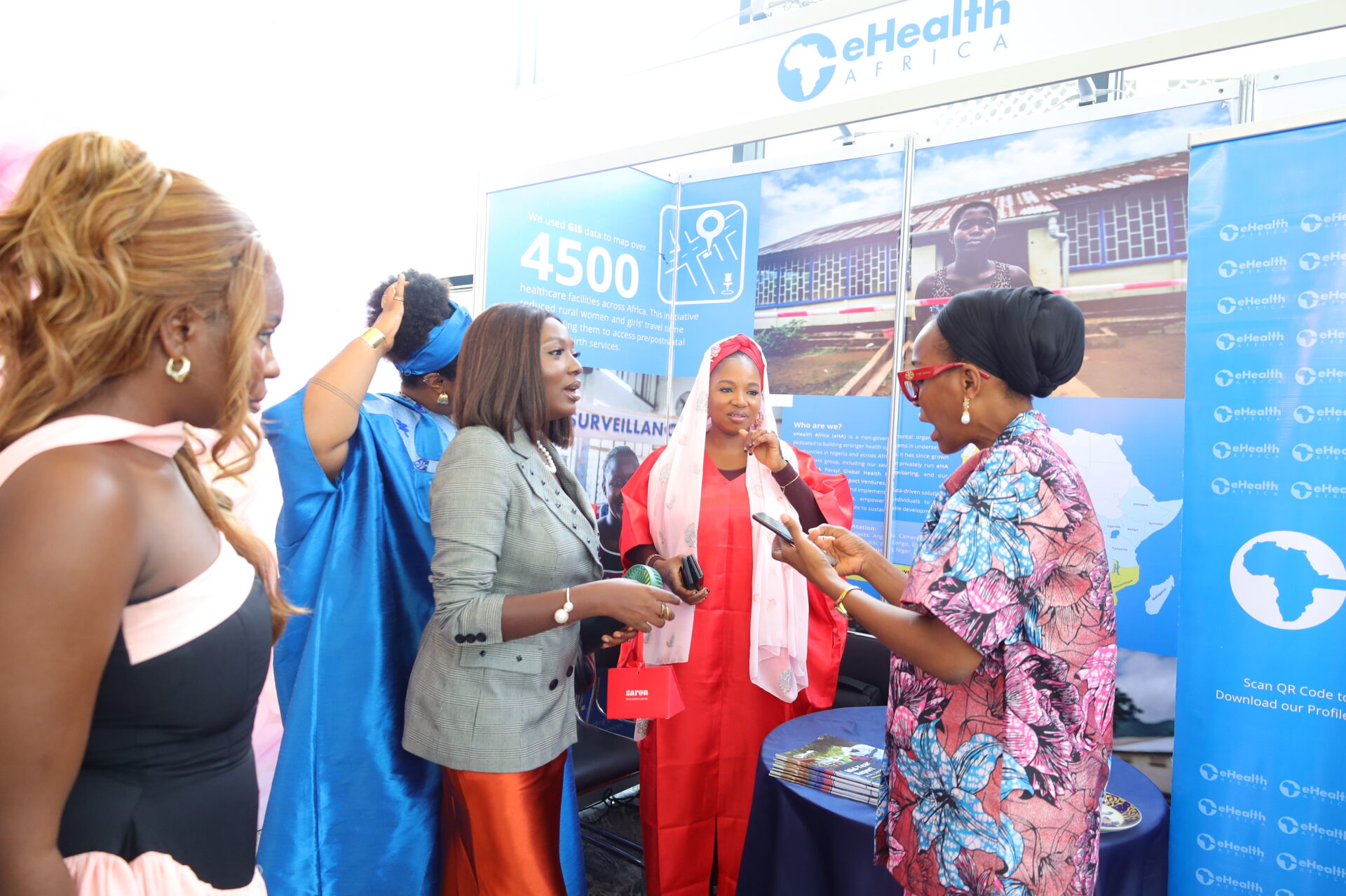
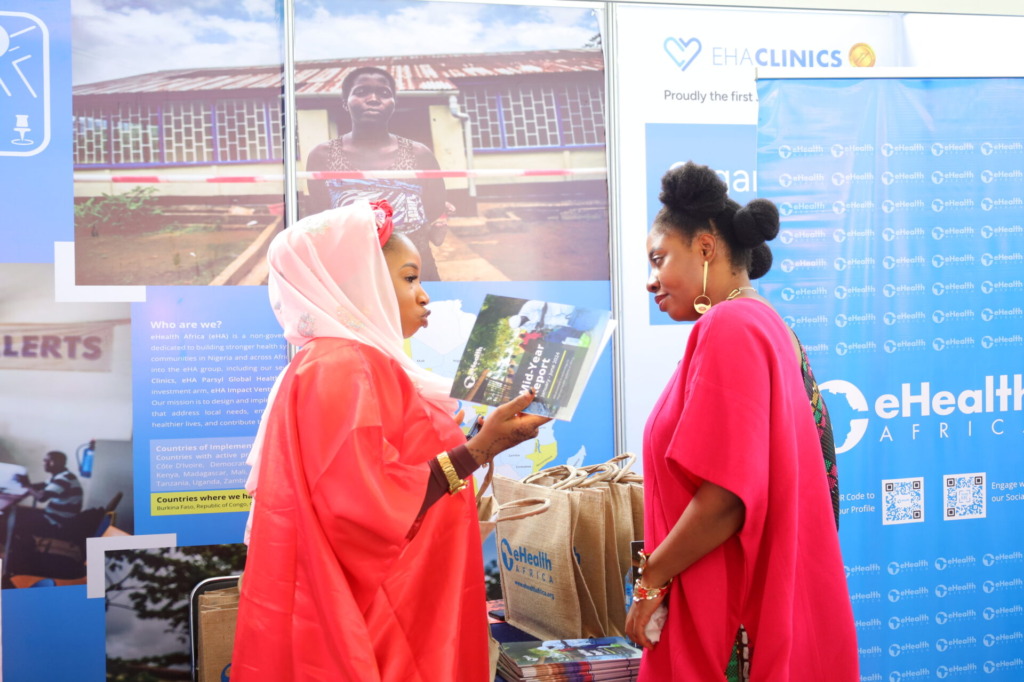
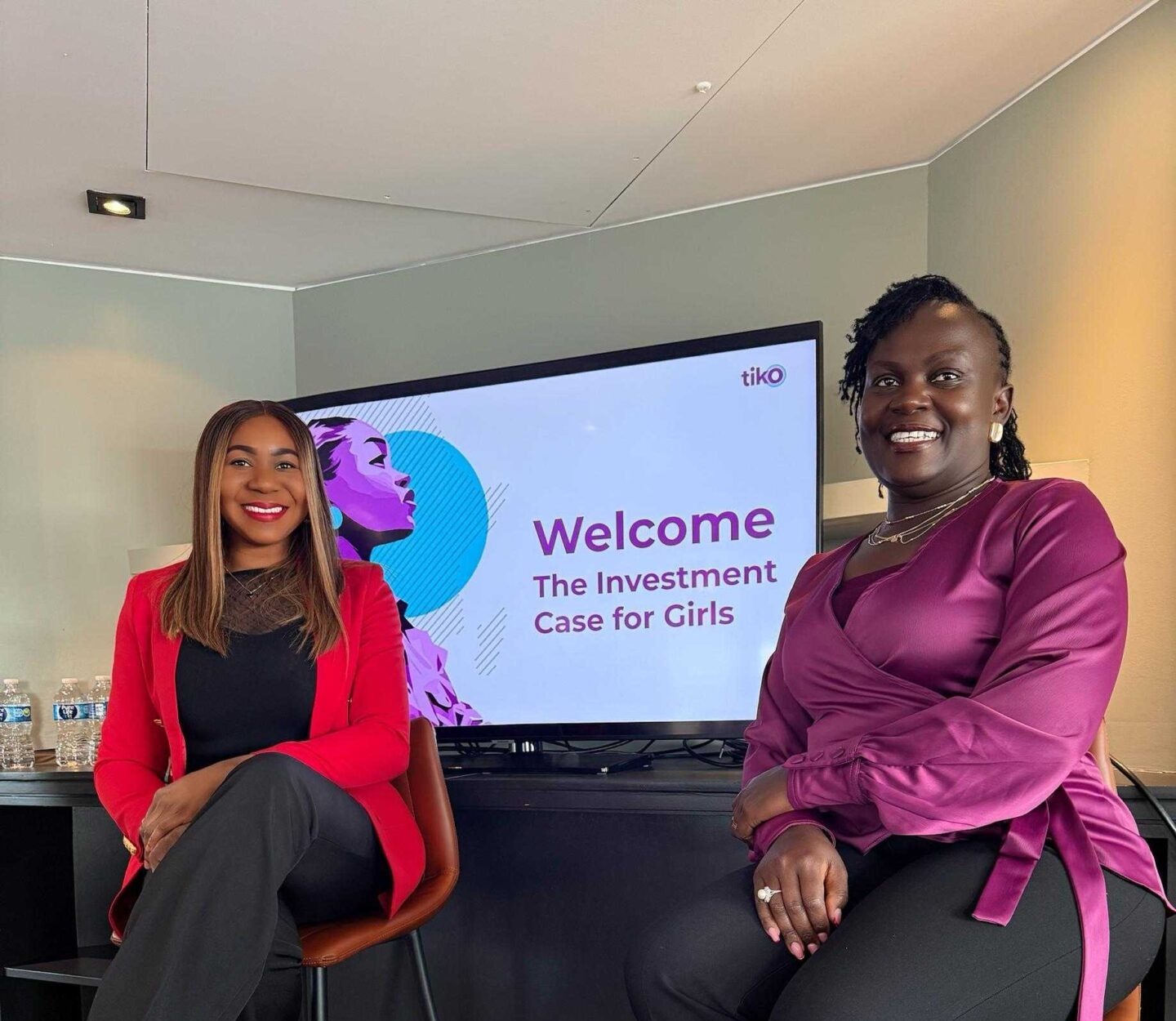
Building Partnerships for a Healthier Africa at AidEx 2025

At AidEx 2025 in Geneva, eHealth Africa’s participation spotlighted the power of innovation and partnership in strengthening public health systems across Africa. Our booth served as a hub for collaboration as representatives from INGOs, local NGOs, donors, private sector organizations, and government agencies explored how our digital health solutions are transforming care delivery. Demonstrations of our Emergency Operations Centers (EOCs), now operational in over 40 locations across the continent, alongside other data-driven tools, showcased our commitment to building resilient, technology-enabled health systems.

Engagements with organizations such as the Office of Development Affairs, Beekee, i+solutions, Terre Innovative Healthcare, and many others reaffirmed a shared vision for sustainable health transformation. For eHealth Africa, each interaction strengthened our collective mission to improve health outcomes, empower communities, and drive lasting impact across Africa.

Strengthening Efficiency by Reviewing Business Development Processes

As part of eHealth Africa’s continuous improvement drive, key department heads recently convened to review and refine the organization’s Business Development processes. The session focused on identifying opportunities to streamline workflows, reduce turnaround time, and ensure that every effort directly contributes to impact in the communities we serve.

The review aligns with eHA’s commitment to maintaining a lean culture, one that values efficiency, collaboration, and meaningful outcomes. By examining how proposals are developed, partnerships are managed, and internal processes are coordinated, the team aims to strengthen alignment across departments and reinforce eHA’s mission of building healthier, more prosperous communities through data-driven and people-centered solutions.

Strengthening Geospatial Skills for a Data-Driven Health Workforce

eHealth Africa joined key stakeholders at the National Geospatial Curriculum Review and Validation Workshop in Abuja to advance the development of a standardized curriculum for health professionals. The session, convened to align the draft curriculum with national and subnational realities, featured inputs from government agencies, academia, and development partners. Findings from recent geospatial needs assessments revealed growing use of digital mapping tools across health systems and underscored the need for operational, context-driven training.

Representing the technical lead on curriculum enhancement, eHealth Africa contributed practical recommendations that were fully adopted. These included the integration of mobile-first workflows, offline navigation tools, narrative case studies from Nigeria’s immunization and disease surveillance programs, and bilingual training materials. The collaborative process set the stage for pilot implementation at Bayero University Kano and affirmed eHA’s commitment to strengthening geospatial capacity within Nigeria’s health workforce.
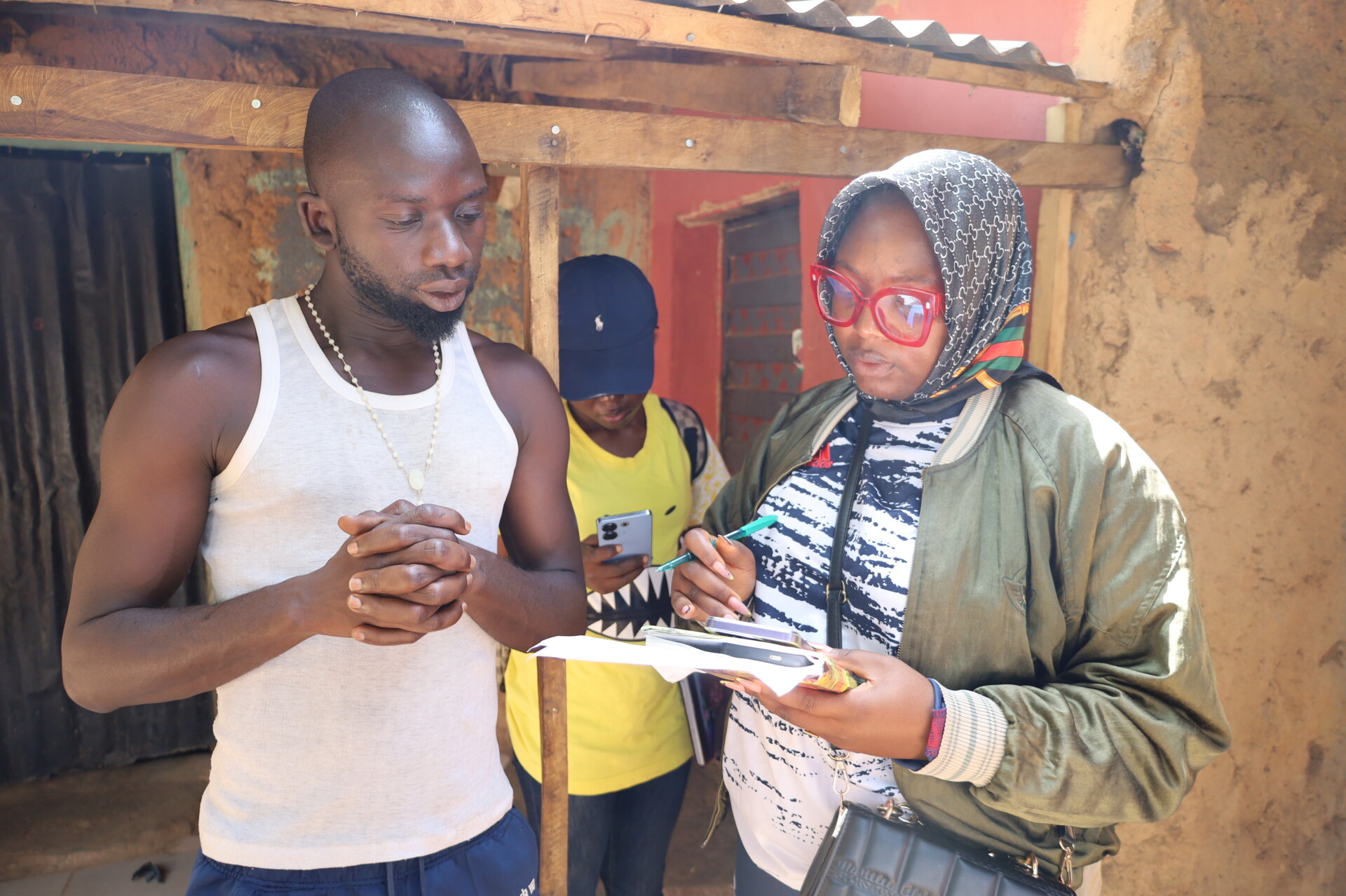
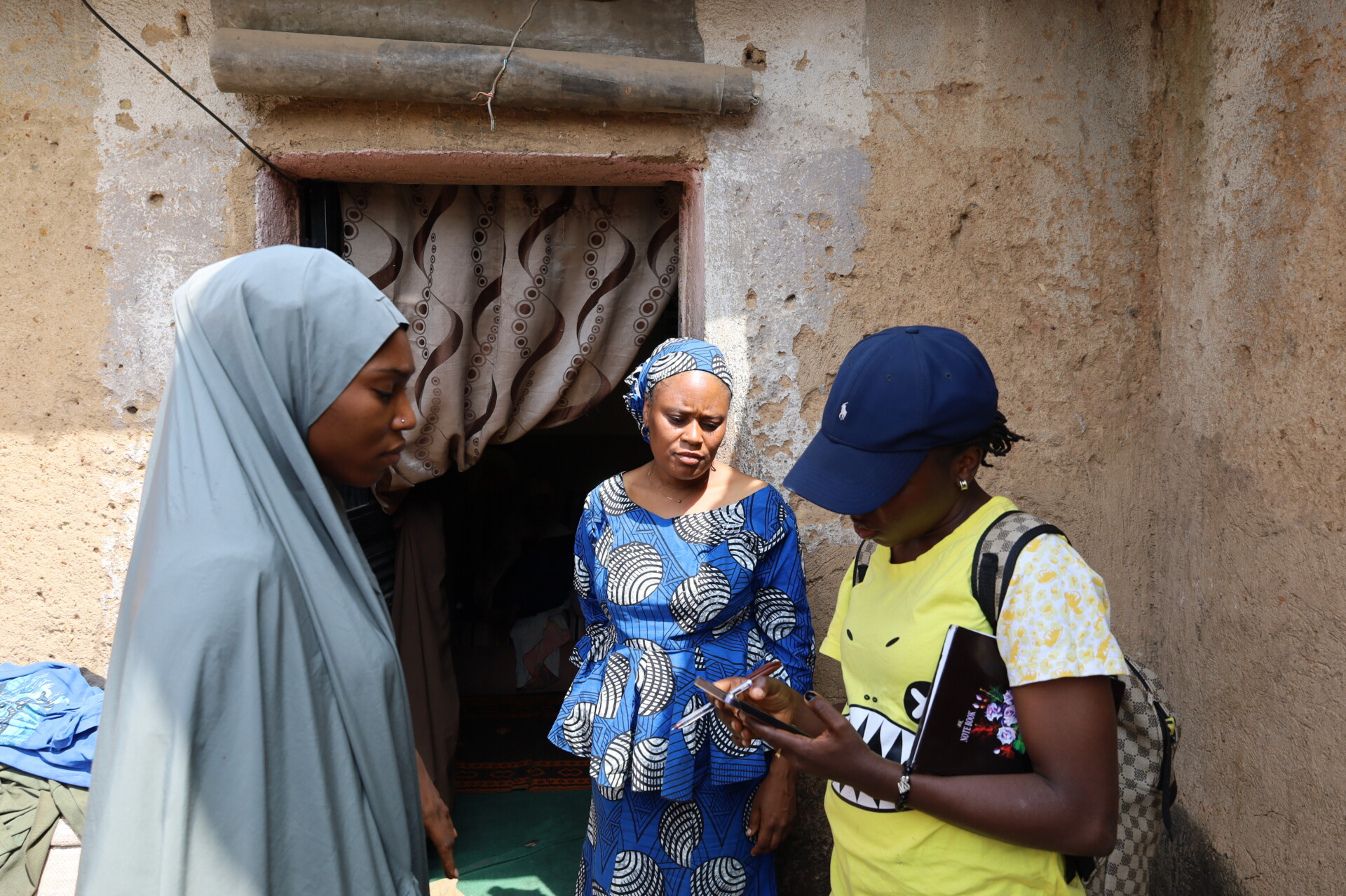
Building Stronger Community Engagement Tools: eHA at the ETI COMM-R Toolkit Workshop
eHealth Africa participated in the ETI COMM-R Toolkit Micro User Pre-test Workshop held in Abuja, which brought together partners, community-based organizations, and program managers to co-create a standardized toolkit for community mobilisation, monitoring, and reporting. The sessions focused on developing adaptable, user-friendly tools that simplify documentation, strengthen accountability, and improve collaboration between stakeholders working at the grassroots level.

Through technical sessions, group work, and peer feedback, participants contributed to shaping a toolkit that reflects real-world challenges and best practices from the field. The next phase will involve pre-testing and refining the tools to ensure usability and relevance before full rollout. The COMM-R Toolkit is a key step toward improving community engagement systems and promoting data-driven, sustainable interventions across Nigeria’s health programs.
Exploring Sustainable Energy Partnerships with Schneider Electric

eHealth Africa engaged Schneider Electric (SE) in an exploratory meeting to identify collaboration opportunities that strengthen climate adaptation within health systems. Discussions centered on leveraging SE’s global expertise in solarizing health facilities and advancing sustainable energy solutions, aligning with eHA’s focus on Climate Adaptation in Health, Food Security, and Nutrition (CAHFSN). The meeting also explored flexible partnership models, product warranties, importation timelines, and SE’s willingness to co-design proposals and operate in security-challenged regions.

Both organizations expressed strong interest in joint initiatives that promote renewable energy access and resilience in health infrastructure. Schneider Electric’s experience powering thousands of health facilities globally complements eHealth Africa’s commitment to driving sustainable, people-centered innovations across Africa. As a next step, SE will be invited to participate in eHA’s upcoming stakeholder roundtable on climate resilience in health under the CAHFSN program area.

Driving Evidence for Change: TPAC Conducts Endline Assessment on Fortified Edible Oil Awareness and Compliance in Abia and Lagos States

Building on the baseline findings, the TPAC project commenced the Endline Knowledge, Attitudes, and Practices (KAP) Assessment across Abia and Lagos States last week to evaluate the outcomes of advocacy efforts promoting large-scale food fortification and the phase-out of unbranded bulk edible oils. The assessment engaged key stakeholder groups, including the private sector (oil producers and distributors), media professionals, civil society organizations, traditional and religious leaders.

These engagements not only provided critical insights into shifts in stakeholder awareness and commitment since the baseline assessment but also reinforced the collaborative spirit driving the LSFF movement in Nigeria. The strong participation and feedback from both state engagements demonstrate sustained momentum toward improving food fortification compliance and public awareness. The findings from this endline will support evidence-based learning for GAIN and implementing partners

Strengthening Immunization Advocacy with the Sultan of Sokoto

As part of our ongoing commitment to strengthening Nigeria’s immunization ecosystem, we had the distinct honour of visiting His Eminence Alhaji Muhammadu Sa’ad Abubakar III, the Sultan of Sokoto, CFR, mni. During the visit, we underscored the vital role of traditional leaders in driving community trust and championing vaccination efforts across the country.

We also shared updates on our ongoing initiative to strengthen the traditional leaders’ database and enhance community mobilization, monitoring, and response in support of immunization campaigns. With His Eminence’s steadfast support and influence, we believe traditional institutions can play an even greater role in protecting children and improving vaccine uptake nationwide.

Strengthening Nutrition Policy: eHA Contributes to National Strategy on Micronutrient Deficiency

eHealth Africa (eHA), represented by Dominic Gulak, Associate Manager, Food Security & Nutrition, participated in a three-day national stakeholders’ meeting organised by the Federal Ministry of Health and Social Welfare (FMOHSW) and partner (CS-SUNN) from 6th–8th October 2025, to commence the development of a National Strategy and revision of the 2021 National Guideline for the Prevention and Control of Micronutrient Deficiency (MNDC) in Nigeria. The meeting convened key actors from government, development partners, academia, and civil society to review the current micronutrient situation and address gaps in coordination, monitoring, and policy implementation. Discussions centred on challenges such as vitamin and mineral deficiencies (Vitamin A, Zinc, Iron, Folic Acid, and Iodine), weak enforcement mechanisms, and fragmented programming, with a focus on strengthening national systems and data-driven interventions.

Participants reviewed the 2021 MNDC guideline and the Terms of Reference (ToR) for the MNDC Advisory Committee and agreed on timelines for the presentation of a zero draft of the guideline by 29th October 2025 and a follow-up review meeting by 9th November 2025 (tentatively). eHealth Africa’s participation reinforces our commitment and collective action toward improved nutrition and public health outcomes across Nigeria.

Have you registered for the 36th Edition of the eHealth Africa Insights Webinar?

When outbreaks strike, speed and coordination save lives. Across Africa, Public Health Emergency Operation Centers (PHEOCs) are transforming emergency response by turning data into action. This month’s Insights Webinar will explore how these hubs are helping countries move from reactive outbreak management to sustained health system resilience.

📅 Date: Wednesday, October 29th, 2025
🕒 Time: 3:00 – 4:00 PM WAT
Join the conversation shaping Africa’s health security future, Register here.

World Polio Day: Uniting for the Final Push to End Polio

Engagement with Traditional Institution in Sokoto to lead fight against polio

Moshood Isah


October 24th each year commemorates World Polio Day. This commemoration isn’t just an opportunity to reflect on the journey towards the eradication of the disease but also to remind all stakeholders of the seemingly unending battle to eliminate what has been described as a crippling and life-threatening illness.

The European Region was declared polio-free in 2002 and has maintained this status every year since. While the African region was declared polio-free in 2020, the emergence of circulating Variant Poliovirus type 2 (cVPV2) continues to be an important area of focus. This means other low- and medium-income countries, including Nigeria, continue to play catch-up.

With over 70 cases reported across 46 local government areas (LGAs) in 14 states, Nigeria is currently witnessing intense transmission of cVPV2. This is largely due to issues surrounding vaccine hesitancy, which has led to low vaccination coverage. Similarly, misinformation and distrust about the potency and intentions of vaccination have significantly contributed to the low rate of herd immunity against the disease.

Another major barrier that developing and underdeveloped nations face is political instability and ongoing conflicts. This severely restricts access to vaccination campaigns, making it difficult to reach underserved communities and leaving them vulnerable. The challenges posed by health supply chains, sometimes exacerbated by insecurity and logistics gaps, have also consistently impacted the availability of polio vaccines for effective distribution, especially in hard-to-reach areas.

Given the potential devastating effects of polio—such as paralysis and psychosocial impact—along with the speed at which this disease can spread, the urgency needed to end this scourge remains critical. While the progress made is impressive, nearly eradicating polio is not good enough. Locations with incomplete vaccination coverage may experience outbreaks that can rapidly escalate into fresh public health emergencies.

Funke Ibikunke, the EHA Project field Officer Sokoto State updating the data derived by the House to house mobilizers on the tracking devices December 11, 2023.
The Sokoto North LGA review meeting Sokoto North LGA Secretariat December 11, 2023.
Focus Group discussion LGA Cold Chain officers on effective Vaccine delivery
Vaccine Direct Delivery (VDD) in Sokoto captures the essence of efficient vaccine distribution. VDD ensures the seamless transfer of vaccines and dry commodities from the state cold store to ward-level health facilities. This image highlights the precision and dedication of VDD’s logistics, emphasizing its critical role in enhancing healthcare delivery.
A Ward focal person ties a box containing the vaccines he has received for the day as he get ready to begin his day’s work Bodinga LGA, Sokoto 13 December, 2023
A Ward focal person picking up tracking devices from the project field officer as they begin their day’s work Bodinga LGA, Sokoto 13 December, 2023

The coordination of efforts by the Global Polio Eradication Initiative (GPEI) over the years has been critical to the global effort to eradicate polio, involving significant investments of financial and human resources. This further underscores the importance of strengthening existing collaborations at all levels to accelerate the end of polio in the African region.

For instance, eHealth Africa is  working with key partners, such as the Sultan Foundation for Peace and Development, to engage traditional and religious institutions in leading the polio vaccination drive. The intervention led by the Sultan of Sokoto himself, His Eminence Dr. Muhammad Sa’ad Abubakar III, has  built trust within communities across northern Nigeria to increase vaccine uptake. To a significant extent, religious leaders, traditional leaders, and village heads have been flagging off vaccination campaigns from their palaces and chambers, which has undoubtedly improved acceptance of vaccines, especially in rural communities.

The urgency of reaching rural communities has also prompted the deployment of digital innovations like Geospatial Tracking Systems (GTS) to track and identify missed settlements. These systems have helped increase vaccination coverage while providing data-driven insights for decision-making. This has improved the quality and accountability of campaign implementation by validating the reports generated by vaccination teams.

Similarly, digital innovations like Planfeld, recently piloted by eHealth Africa, have been instrumental in enhancing the accuracy of planning vaccination campaigns and reaching every settlement. The application provides information on the exact number of settlements being targeted, the number of children in those areas, and the amount of vaccine required for the activity.

Aside from the deployment of technology, social behavioral change interventions at all levels have been  another key approach in the journey to end polio. Irrespective of their roles, every step taken toward alleviating this disease is crucial. From international public health leaders to caregivers in the most remote locations, the influence of every stakeholder remains vital to the final push to end polio in Nigeria and the African continent.

Importantly, the emergence of other potential public health crises—such as cholera, monkeypox, hypertension, and diabetes—increases the urgency of ending the long-standing battle against polio. This will ensure that more global health funding is directed toward addressing other health issues, averting potential public health emergencies.

As we unite to push for a future without polio, this will be a testament to our collective resolve and humanity’s ability to unite for a common cause. We are indeed on the brink of history as we deliver the final blow to this disease once and for all.

Moshood Isah is a Communications Coordinator at eHealth Africa.

5 Reasons Digital Innovations are Crucial for the Final Push to end Polio in Nigeria

Judith Owoicho

It is August 2023, in a remote Nigerian village in Northern Nigeria. Children 5 years and below are on a queue waiting to be vaccinated against polio. At Least, 2,509,687 children have already benefited from the 18-day mass vaccination campaign to boost their immunity against Circulating Variant Poliovirus (cVPV2). (World Health Organization [WHO], 2023).

This raises an important question. If Nigeria was declared polio free in 2020, why do we still require polio vaccinations campaigns today? After years of collaborative efforts, significant progress was made in eliminating polio. However, the threat of circulating variant poliovirus (cVPV2) lingers, particularly in remote areas of Northern Nigeria. Efforts are being made to ensure that we see the end of this disease.

As Nigeria continues the journey towards finally eradicating polio, digital innovation has become a vital tool in ensuring the success of the country’s vaccination efforts. One of such innovative solutions is the integration of GIS tracking systems on eHealth Africa’s polio interventions. This revolutionary innovation has transformed how vaccination campaigns are planned, tracked, and executed. 

A Ward focal person ties a box containing the vaccines he has received for the day as he get ready to begin his day’s work Bodinga LGA, Sokoto 13 December, 2023
A Ward focal person picking up tracking devices from the project field officer as they begin their day’s work Bodinga LGA, Sokoto 13 December, 2023
A child receives a FIPV vaccine in Kofan Kade, Mallam Dani’ma Quranic school, Sokoto north LGA Sokoto State. December 10, 2023

Here are five key reasons why digital innovation is the game-changer in Nigeria’s final push to end polio.

1. Every community is reached with accuracy

The foremost challenge in eradicating polio in Nigeria has been reaching remote and conflict-ridden areas where vaccination coverage is inconsistent. With difficult terrains, and insecurity, It is often nearly impossible to ensure that no child is left behind. With eHealth Africa’s GIS technology, teams are able to track and locate settlements in hard-to-reach areas with geo-coordinates of over 70% of settlements that were previously unmapped. This level of precision has allowed vaccination teams to better plan and ensure that no community is overlooked, increasing vaccination coverage rates. In 2023, the geo-coverage rate of vaccination activities tracked rose to 89%, representing a 6% increase over the previous quarter. This data-driven approach has been instrumental in reaching more than 1.4 million children in tracked settlements across the country.

2. Vaccination Campaigns are Monitored Real-time

One useful aspect of digital technology is its ability to provide real-time data and feedback. Vaccination campaigns can now be tracked in real time, allowing for immediate course corrections if any gaps are identified. The GIS technology has made it possible to track vaccination teams as they move from one settlement to another, providing health authorities with the data they need to ensure that every planned area is covered. With this technology during the vaccination campaign in April 2023  12,791 settlements across 56 LGAs in Katsina, Niger, Sokoto, and Zamfara, were reached, achieving an impressive 81% of the planned coverage. This real-time accountability has ensured that vaccine wastage is minimized, resources are optimally allocated, and the campaign’s impact is maximized.

3. Tailored Trainings for Vaccination Teams

Digital innovation not only improves logistical planning and monitoring but also equips health workers with the necessary tools and knowledge to enhance their effectiveness. With the GIS Intervention, eHealth Africa trained 107 individuals across five states—Katsina, Zamfara, Kebbi, Niger, and Sokoto—to effectively use digital tools and geospatial data to improve their vaccination outreach. These training efforts have empowered local teams and equipped health workers with the knowledge needed to adjust strategies on the go, to achieve more successful campaign outcomes.

4. Enhanced Micro Planning for Campaigns

Polio eradication requires meticulous planning, especially in regions where settlements are small, scattered, and often unmapped. Digital health tools have drastically improved micro planning by providing vaccination teams with up-to-date settlement data and templates to develop detailed vaccination plans. The Master List of Settlements (MLoS), regularly updated through digital tracking, serves as a comprehensive guide for teams in the field. This detailed approach has proven instrumental in increasing vaccination coverage in previously underserved areas, as seen in the 89% overall coverage rate achieved during the 2023 campaign, which targeted 4,861 settlements.

5. An Expandable Model for other Public Health Campaigns

The success of eHealth Africa’s GIS technology in Nigeria is proof that digital innovations  can effectively address a wide range of other public health challenges. The systems, data infrastructure, and training models developed for polio eradication are not only efficient but also highly adaptable and can be applied to combat other diseases and public health emergencies.

The successful deployment of GIS technology by eHealth Africa in Nigeria is evidence that digital innovations can help in the solution of many other public health problems. The systems, data infrastructure, and training models developed for the polio eradication program are not only effective but also flexible enough to be used for other diseases and public health threats.

Through continued investment in these technologies, Nigeria is not only positioned to become polio-free but also to build a more robust and resilient healthcare system that will benefit generations to come.

How Planfeld Can Eradicate Perennial Vaccination Campaign Challenges – Primary Healthcare Workers

By Moshood Isah

Primary Healthcare workers during Planfeld workshop in Zamfara

Vaccination campaigns, especially in Nigeria, are a Herculean task, particularly when navigating complex and hard-to-reach terrains. From the planning stage, where primary healthcare workers identify households and calculate target populations for vaccination, the challenges are immense.

Khadija Ibrahim, a Ward Focal Person from Bagama A in Suleja Local Government Area (LGA), often braves rain and harsh weather conditions while moving from one community to another to identify households and target populations for vaccination. According to Khadija, although community leaders play crucial roles in identifying target populations, some gatekeepers can be reluctant due to a lack of incentives.

While community leaders need to support public health campaigns, Khadija lamented that “sometimes, your community leader does not want to accompany you, and you cannot enter without them.” This sometimes leads to inaccurate information and, in many cases, missed settlements during the vaccination campaign, which affects the spread of the Circulating Variant of Poliovirus and other vaccine-preventable diseases.

Due to the challenging terrain in rural areas, Ward Focal Persons often rely on motorcycles for transportation. “There was a year when I had an accident and dislocated my left wrist while distributing vaccines as early as 6 a.m.,” Khadija recalled. Given that all documentation for planning and implementing public health campaigns is done manually on paper, these documents are vulnerable to destruction by rain, accidents, or human errors.

“This manual method is difficult because sometimes you may go to a community and find that the number of children is not as high as the numbers given to us,” Abdullahi Muhammad, another Ward Focal Person, said. This affects reporting and vaccine management.

Muhammad supervises 14 vaccination teams, each visiting over 100 households for daily immunization rounds. He noted that “because the profiles of the settlements are captured manually, it’s difficult to understand the accessibility of these settlements, whether they are rural, urban, nomadic, or scattered.” These complications also impact the identification of starting points, midpoints, and endpoints during implementation.

The challenges in developing an effective microplan sometimes lead to the postponement of vaccination campaigns. Thus, the introduction of Planfeld—designed to enhance the planning of vaccination campaigns and ensure every child has access to the polio vaccine and other routine immunization services—comes at an opportune time.

Muhammad is among the first healthcare workers to express excitement about the Planfeld pilot. “Planfeld saves time; rather than spending four to five days developing a microplan, we can achieve it in just a few minutes,” he said.

Echoing this sentiment, Usman Abubakar, the Niger State Immunization Officer (SIO), remarked that the Planfeld pilot workshop is timely. He noted that digitizing micro plans will significantly address the issue of resource allocation, which he considers one of the most challenging tasks in his 20 years in the health sector.

Having spent nearly two decades leading and supporting vaccination campaigns across the state, Khadija, Umar, Usman, and other unsung heroes of public health interventions share one common aspiration.

eHealth Africa is dedicated to advancing digital health innovations through a user-centered approach, aiming to meet the needs and aspirations of underserved communities.

5 Lessons from the Planfeld Pilot Workshop Across Six States in Nigeria

By Moshood Isah

eHealth Africa team, partners and Stakeholders from the Kaduna State Primary Healthcare

Between August and September 2024, eHealth Africa’s Disease Prevention and Monitoring team conducted a comprehensive pilot workshop for its innovative digital solution, Planfeld. The tool is designed to enhance the planning of vaccination campaigns and ensure that every child has access to the polio vaccine and other routine immunization services. During the workshop, held in Kaduna, Niger, Katsina, Zamfara, Sokoto, and Kebbi States, eHealth Africa exposed over 350 primary healthcare workers, partners, and stakeholders to the efficacy of Planfeld in planning vaccination campaigns with greater speed and accuracy.

The impactful workshop, funded by the Gates Foundation, provided stakeholders with the opportunity to give insightful feedback during the tool’s demonstration. Here are some key lessons learned:

1. Time Management: Reducing Vaccination Plan Development from 5 Days to 10 Minutes

In all six states where Planfeld was piloted, Ward Focal Persons managing vaccination campaigns reported that developing a micro plan typically took between three to five days. This process involved manually collecting data from communities and engaging with local gatekeepers to identify target households and populations (children aged 0-59 months). However, with Planfeld, an updated Master List of Settlements, and input from primary healthcare providers, a near-accurate micro plan could be generated in just five minutes. Umar Muhammed, a Ward Focal Person in Niger State, noted, “If Planfeld works perfectly, it will solve all our challenges, as it can generate micro plans within a few minutes.”

Similarly, Victor Obagunlu from Solina, who attended the workshop in Kaduna State, said, “Planfeld is beneficial because it significantly reduces the time and energy spent on developing micro plans.”

2. Effective Resource Management and Allocation for Vaccination Campaigns

The workshop highlighted that with an accurate Master List of Settlements (MLoS) uploaded into Planfeld, the right number of vaccination teams can be effectively assigned to households. According to Friday Daniel, eHealth Africa’s Associate Manager supporting this intervention, “Accurately assigning vaccination teams to the right number of settlements will reduce undue burden and ensure every household is reached within the vaccination period.” Like many digital innovations, Planfeld relies on data for better decision-making, ensuring both financial and human resources are effectively utilized.

3. State Primary Healthcare Leaders Are Open to New Innovations

Dr. Larai Aliyu Tambuwal, Executive Secretary of the Sokoto State Primary Healthcare Development Agency (NPHCDA), summarized the views of other agency leaders by stating, “The integration of digital innovation in primary healthcare services will significantly improve precision in delivering vaccines to every settlement, ensuring comprehensive coverage.”

Key stakeholders at the state level were generally receptive to digitizing the microplanning process to enhance its quality. Mustapha Aliyu Alinkilo, Director of Disease Prevention and Control in Zamfara State, commented, “Technology will enhance the quality of microplanning in the state, and deploying the monitoring aspect of Planfeld will ensure a near-perfect vaccination campaign.”

4. User-Centric Approach Is Key to Success of Digital Innovations

To ensure an effective transition from manual to digital microplanning, eHealth Africa’s Program Manager Abubakar Shehu emphasized the importance of involving all relevant parties during the planning phase. “We brought in key players in the generation of micro plans at the state level, led by the Incident Manager and the State Immunization Officer for both Polio and routine immunization,” Abubakar said. Key partners, including the World Health Organization (WHO), United Nations International Children’s Emergency Fund (UNICEF), African Field Epidemiology Network (AFENET), and SOLINA, participated in the pilot workshop.

A crucial lesson learned from the Planfeld demonstrations is that understanding and prioritizing the needs, preferences, and behaviors of users is essential when developing digital innovations. Feedback from over 350 prospective end-users has highlighted areas for optimization to ensure that the Planfeld application resonates with its target audience.

5. Opportunity for Optimization of Planfeld

As with any digital solution, Planfeld has room for optimization. After the workshop in Niger State, the State Immunization Officer (SIO) Usman Abubakar Kpantu suggested that Planfeld be optimized to include the allocation of accurate resources and commodities, especially vaccines, to various settlements. Abubakar recommended, “Micro plan structures should accommodate advocacy, communication, and social mobilization tools to promote ownership of vaccination campaigns across communities.”

Other stakeholders advised that Planfeld should identify the exact number of households and children a vaccination team should expect to cover during daily activities. This, they believe, will further enhance planning accuracy and ensure that no child is left unvaccinated.

Overall, as agreed by all stakeholders during the Planfeld pilot workshop across the six states, an accurate Master List of Settlements is crucial for developing effective micro plans. An accurate micro plan remains vital for reaching every household and target population with the appropriate vaccines. Therefore, primary healthcare providers and community gatekeepers play essential roles in collecting and disseminating accurate information. This will help ensure that technical partners like eHealth Africa use the right information to support vaccination campaigns, as efforts continue to eliminate the Circulating Variant Poliovirus and other vaccine-preventable diseases.

eHealth Africa Pilots Digital Innovation to Boost Planning of Public Health Campaigns

By Moshood Isah

One of the key lessons from the COVID-19 vaccine rollout, according to the World Health Organization, is that countries with effective plans fared better than those without. This principle applies broadly to every vaccination campaign and public healthcare intervention. Thus, the consistent effort to reach every settlement across Nigeria with vaccination and general public health services seems to be an unending journey. While the conventional challenges, especially in Northern Nigeria, revolve around vaccine hesitancy and insecurity, experience also reveals that a lack of accurate data for planning and resource allocation may be impacting on vaccination and public health campaigns.

A recent conversation with primary healthcare workers in Northern Nigeria revealed that a lack of accurate data remains a major reason why it is increasingly difficult to reach every settlement with vaccination activities. Additionally, the complex nature of micro-planning contributes significantly to this challenge. These healthcare workers, consisting of Local Government Area (LGA) and Ward Focal Persons responsible for planning vaccinations, revealed that it takes up to six days to manually develop a micro plan for health campaigns. Despite these efforts, the plans remain vulnerable to human errors, resulting in varying degrees of inaccuracy.

Primary healthcare workers and partners reviewing master list of settlement

According to the World Health Organization, good data is crucial for mass-vaccination campaigns. Keeping it real-time and relevant requires the right software and systems. Recognizing that digitized data helps in planning and monitoring vaccination campaigns, eHealth Africa designed the Planfeld solution to enhance the planning of vaccination campaigns and ensure every child has access to the polio vaccine and other routine immunization services. 

Kicking off the Planfeld pilot workshop in Kaduna State, eHealth Africa’s Program Manager, Abubakar Shehu, and his team introduced the innovative application to primary healthcare workers and stakeholders. The demonstration showcased how Planfeld can streamline the creation of accurate micro plans and monitor vaccination activities more efficiently.

During the workshop, Abubakar explained, “The Planfeld application will allow us to know the exact number of settlements we are targeting, the number of children in those areas, and the amount of vaccine required for the activity. Previously, developing a micro plan manually, especially for polio vaccination, took at least four days. Now, with this digital tool, it takes less than 30 minutes.” 

Primary healthcare workers and partners reviewing master list of settlement

He further emphasized that digitizing micro-planning will ensure that more settlements are reached with essential public health interventions. The pilot workshop, according to him, is being conducted in Kaduna, Niger, Katsina, Kebbi, Sokoto, and Zamfara states. While appreciating the National and State Primary Healthcare Development Agency (N/SPHCDA), he said the organization looks forward to comments and feedback on how to further optimize the Planfeld solution to revolutionize the planning and execution of vaccination efforts.

Dr. Abdullahi Musa Garba, the Incident Manager of the Polio Emergency Operations Center (EOC) at the Kaduna State Primary Healthcare Development Agency (SPHCDA), expressed optimism about the successful deployment of the Planfeld application in the state. He highlighted that the digitization process would significantly improve accuracy in immunization efforts for polio and other diseases, minimizing errors that were common with manual micro-planning.

“Manual micro-planning is a difficult and error-prone process,” Dr. Garba explained. “With the deployment of the digitized micro plan, the work will become much easier for the teams managing immunization.”

Mr. Victor Obagunlu Adeleke, the Kaduna State team lead for polio outbreak intervention with the SOLINA Center for International Development and Research, emphasized the time-saving benefits and improved resource allocation that come with micro-plan digitization. “The significant reduction in time and energy spent on developing the micro-plan, coupled with the fact that it’s not a capital-intensive project, makes it a much easier process,” he explained.

Primary Healthcare workers reviewing master list of settlement

He further highlighted that the traditional micro-plan development process—from the settlement to the ward, then to the Local Government Areas , and finally the state—requires considerable time to aggregate data across these levels. “With digitization, however, real-time analysis becomes possible,” Mr. Adeleke noted. “You can monitor data entry from the settlement or ward level and receive immediate feedback even at the state level.”

Microplanning is critically essential in the health sector. Thus, digitization of micro plans will enhance the capacity of the State and LGA team, facilitate a sustainable geodataba

Advancing Public Healthcare with Digital Innovations: Lessons from Insights Learning Forum 2024

By Moshood Isah

In recent times, the focus of conversations in digital health forums has increasingly centered around optimizing and integrating existing solutions to enhance surveillance, preparedness, and impact. This is not unconnected to the fact that the world and especially the African region has endured a series of public health emergencies and disease outbreaks which required urgent responses.

The World Health Organization also echoed that the 21st century health challenges like the pandemic have further accelerated the use of digital health interventions, including hotlines, online assistance, mobile phone applications and many more. These innovations have shown potential in reducing the interruption of Non Communicable Diseases (NCDs) and mental health services, making it necessary to continue scaling up digital health technology.

    Panelists at the Insights Learning Forum 2024

Health stakeholders have consistently taken intentional steps to stimulate ideas and expand advocacy to improve the impact of these solutions, especially when it comes to disease surveillance. One such conversation is the Insights Learning Forum (ILF 2024) hosted by eHealth Africa with the theme; “Digital Transformation in public Health practice: Innovations and Impact”.

Reflecting on the theme of this event, the Deputy Director of Partnerships and Programs Dr. David Akpan raised critical questions on the perceived values and the role of stakeholders in ensuring digital innovation to thrive in public health. He also raised concerns around the investment being made to promote digital innovation and the impact criteria investors are focusing on. He emphasized, “we want to do this  because we want to make that grandmother and other persons in the rural community have access to quality healthcare. It’s what they call equitable access that removes all barriers”. To achieve this, “you need to do the human-centered design approach, which takes the people into consideration when you’re developing any form of innovation”, he stated. Thus he called for the need to document diverse salients points and outcomes from  various digital health forums for the purpose of effective advocacy.

Speaking during the event, eHealth Africa’s Director of Partnerships and Programs  Ota Akhigbe said, the event is beyond a conversation on digital innovations but  a platform to advocate for a unified approach to digital transformation, emphasizing the importance of integrity in data usage.  She revealed that,  “The ILF serves as an advocacy tool to raise awareness and engage government agencies, ensuring that these innovations receive the necessary support and funding”. According to Ota, this collaborative approach between the private sector and government agencies is vital for the successful implementation of digital health solutions.

Panelists at the Insights Learning Forum 2024

She lauded the positive body language of Government at all levels to support and advance digital innovation in primary healthcare. This, according to her, is why the Insights Learning Forum is an opportunity for the stakeholders to communicate their needs and expectations to government representatives, ensuring that policies are aligned with the sector’s evolving needs.

Speaking on why it’s vital for the government to continuously support digital innovations in health sector, Incident Manager, Polio Emergency Operation Center in Katsina state Dr Kabir Sulaiman said,  It is very important for us to know that, we need to embrace this era of digital technology that is currently transforming the paper based routine to electronic database. According to the Incident Manager, “Digital innovations will support the strengthening of health systems because some of these digital tools are currently being used in Nigeria.” For instance, “the Surveillance Outbreak Response and Analysis System (SORMAS), which was deployed to the state for reporting priority diseases, has brought about transformation in terms of real-time data and decision-making. So, when you look at the importance, you know there is a lot that we are going to benefit from this technology,” he reiterated.

Through a diverse array of plenary sessions, panel discussions, and track sessions, the Insights Learning  Forum 2024, empowered individuals, groups, and organizations to harness digital technologies to address emerging challenges and drive positive change in public health systems in Africa.

Uniting Against Circulating Variant Poliovirus: Traditional Leaders Lead the Way

by Moshood Isah

A visit to Sokoto State, Nigeria’s historical Caliphate, is always an intriguing experience, despite the often challenging weather. The city’s rich history complements the profound respect held for its traditional and religious institutions, which are similarly revered across Northern Nigeria. These esteemed leaders have consistently played pivotal roles in public health initiatives.

According to the World Health Organisation, the strategic partnership with traditional leaders in Northern Nigeria since 2009 has been instrumental in eradicating the wild poliovirus in the country. Professor Oyewale Tomori, Chairman of the Expert Review Committee on Polio Eradication, emphasized that overlooking these influential community figures would have been a colossal error.

eHealth Africa supporting engagement of Traditional leaders in the fight against Polio

While these institutions were crucial in eliminating wild poliovirus in 2020, the emergence of the Circulating Variant Poliovirus demands a redoubled effort. To combat this new threat, traditional institutions across Northern Nigeria are being strategically deployed. Supported by the Bill and Melinda Gates Foundation (BMGF), eHealth Africa is collaborating with the Sultan Foundation for Peace and Development and other partners to engage these leaders in polio campaign activities.

Haruna Yusuf Aliyu, Senior Program Officer at the Sultan Foundation for Peace and Development, highlighted the significant role of traditional leaders in a sensitization workshop held in Wammako Local Government Area. He revealed that many are spearheading vaccination campaigns directly from their palaces, which has significantly reduced vaccine hesitancy and boosted uptake.

“You can see traditional leaders going house to house, supervising vaccination teams and resolving cases of non-compliance while providing guidance to the teams to make sure that all households are actually identified, enumerated,  then eligible children in those houses are vaccinated”, he said.

Through ongoing sensitization workshops, traditional leaders are equipped with the knowledge and tools to effectively communicate the importance of vaccination to their communities. Despite security challenges in some areas, Yusuf emphasized the organization’s commitment to working closely with community groups and traditional leaders to reach all children with essential vaccines.

eHealth Africa team after a meeting with Sultan Foundation for Peace and Development in Sokoto

Fatimah Howeidy, eHealth Africa’s Project Manager, expressed pride in supporting the Sultan Foundation and other partners to reduce vaccine hesitancy through the involvement of traditional leaders. The initiative has successfully bridged knowledge gaps and dispelled myths surrounding polio vaccination, particularly in underserved communities.

“It’s so inspiring seeing traditional leaders in Sokoto state turn out in their numbers to participate in the polio campaign activities” she said.  We are indeed excited that this intervention remains a  platform to remind traditional leaders of the need to intensify the campaign to eradicate the Circulating Variant Poliovirus (cVPV2)”, she said.  

The Engagement of Traditional Institutions (ETI) project aims to strengthen advocacy by traditional leaders, increase community ownership of polio eradication efforts, and reduce vaccine hesitancy in high-risk Northern states. There are plans to expand the initiative to Southern Nigeria.

Connect, Learn, Innovate: Why You Should Attend the Insights Learning Forum (ILF) 2024

By Favour Oriaku

Connect, Learn, Innovate: Why You Should Attend ILF 2024

Africa is on the brink of a healthcare transformation, one driven by the power of digital innovation. The Insights Learning Forum (ILF) is at the forefront of this movement, catalyzing collaboration, knowledge sharing, and the development of groundbreaking solutions.

Born from the success of the Insights by eHA webinar series, ILF has rapidly evolved into an indispensable platform for digital and public health professionals. As Dr. David Akpan, Deputy Director of Programs and Partnerships at eHA, aptly stated, “We are building a national collaboration with this forum to advance knowledge and give people the opportunity to learn what other ideas can be incorporated into their digital innovations. This whole essence is to ensure that we are all building people-centered digital solutions that are scalable and interoperable.”

At its core, ILF is a community of passionate individuals united by a shared vision of a healthier Africa. It’s a space where ideas are exchanged, partnerships are forged, and challenges are transformed into opportunities. By bringing together experts from diverse backgrounds, ILF fosters a rich environment for learning and growth.

The 2024 edition of ILF promises to be even more impactful, with a focus on “Digital Transformaton in Public Health Practice: Innovations and Impact.” As Atef Fawaz, eHealth Africa’s executive director, emphasized, “This high-level forum will bring together digital and public health experts from across the world to harness the power of technology and collaboration in pioneering groundbreaking solutions to address the evolving health challenges facing Africa.”

One of the key areas of focus at ILF 2024 is the optimization of geospatial data for disaster response and public health preparedness. By leveraging location-based information, healthcare providers and policymakers can better anticipate and respond to emergencies, saving lives and minimizing the impact of crises.

Another critical theme is mastering public health emergency management. The COVID-19 pandemic highlighted the importance of robust emergency response plans. ILF 2024 will delve into best practices and strategies for effectively managing public health crises, ensuring that Africa is better prepared for future challenges.

Digital campaigns play a vital role in promoting health and preventing diseases. ILF will explore innovative approaches to digital campaign planning and monitoring, empowering organizations to reach and engage communities effectively. Additionally, the forum will address the challenges and opportunities of disease prevention and surveillance, with a focus on early detection and response.

Food security is a pressing issue in many parts of Africa. ILF 2024 will showcase how digital solutions can be harnessed to improve food production, distribution, and access. Technology indeed can play a crucial role in ensuring that everyone has access to nutritious food.

ILF offers a unique opportunity to connect with like-minded individuals, learn from experts, and contribute to building a healthier Africa. Whether you’re a seasoned digital health professional or just starting your journey, there’s something valuable for everyone at this event.

By attending ILF 2024, you’ll gain insights into the latest trends and innovations, network with influential leaders, and leave inspired to make a difference. Join us in shaping the future of healthcare in Africa.

  • Date: July 31, 2024
  • Time: 9 AM to 5 PM
  • Location: Transcorp Hilton Abuja, Nigeria
  • Register now to attend virtually: https://bit.ly/ILF24-Online

Let’s work together to create a future where technology empowers communities and improves lives.