eHealth Africa Chats Pathway to Resilient Health Systems at GDHF 2025

Azeez- Ayodele Fatimah Ayotemitide

Across many low- and middle-income countries (LMICs), health systems face a confluence of systemic challenges. They are constantly shifting under the weight of policy instability, significant financing gaps, pervasive infrastructural deficits, and complex social pressures. In these contexts, resilience is not a luxury. It is the only way a system survives.

Resilience means designing systems built rooted in local ownership – not just to function today – but to endure and thrive amid uncertainty. These are systems that remain operational despite shrinking budgets, shifting priorities, or leadership transitions; that welcome innovation as fuel rather than falter under its weight; and that become more robust, adaptive, and impactful the more they are used.

The realities facing health systems in LMICs are not theoretical. They show up in efficient ways: Health facilities without stable power, critical services dependent on paper-based systems, data scattered across siloed platforms, staff turnover that erases institutional memory, digital tools that falter the moment donor funding ends, solutions designed for reporting – not for people, and infrastructure that cannot withstand policy changes or economic pressures.

When these weak points collide, the result is predictable: progress stalls, innovation slows, and entire communities feel the impact. This is why resilience matters. A resilient system can survive these pressures and continue delivering care consistently, reliably, and equitably.

Why the GDHF 2025 Theme Matters

As the global digital health community prepares for the 2025 Global Digital Health Forum (GDHF), the theme, “Advancing Digital Health Solutions in Low- and Middle-Income Countries”,  places resilience where it belongs: at the center of the conversation.

Digital health has enormous potential across LMICs, but only when the systems beneath it are strong. For instance, without stable power, reliable data, or community-level visibility, even the most advanced tools struggle to take root.

The GDHF is one of the few spaces where these realities are openly acknowledged, and LMIC voices shape the global conversation. The 2025 theme pushes us to think beyond innovation as a standalone objective and instead, focus on the environments where innovation must live.

As the executive director, Atef Fawaaz puts it, “Digital health only succeeds when the foundations beneath it are strong. GDHF gives us a space to show that resilience isn’t an abstract idea. It’s the power, data, and community structures we build every day to keep health systems moving.”

eHealth Africa’s work spans the interconnected layers of digital health. It goes beyond applications and dashboards to the foundations that make them viable: integrated data platforms, reliable operational systems, sustainable power for clinics, tools that empower health workers, and community-centered support structures. 

Together, they form the backbone of self-reliant health systems that don’t wait for permission, funding cycles, or external validation to deliver.  At GDHF 2025, eHealth Africa joins national ministries, African innovators, and committed global partners to contribute to this vision and help shape the future of digital health – led from within and built to last.

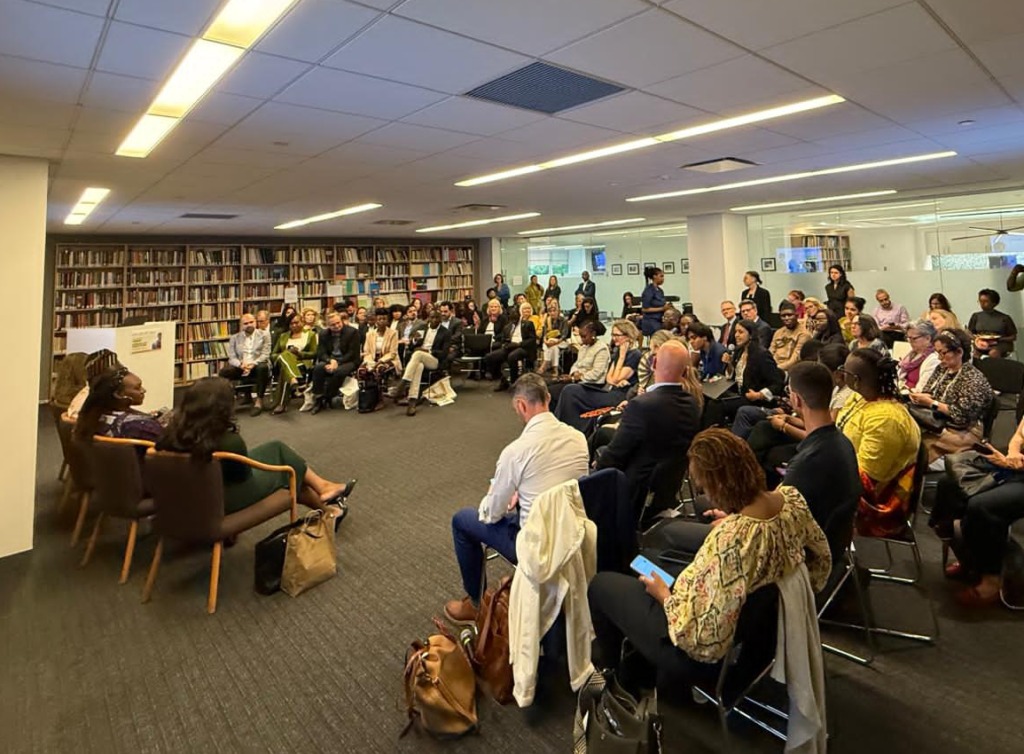
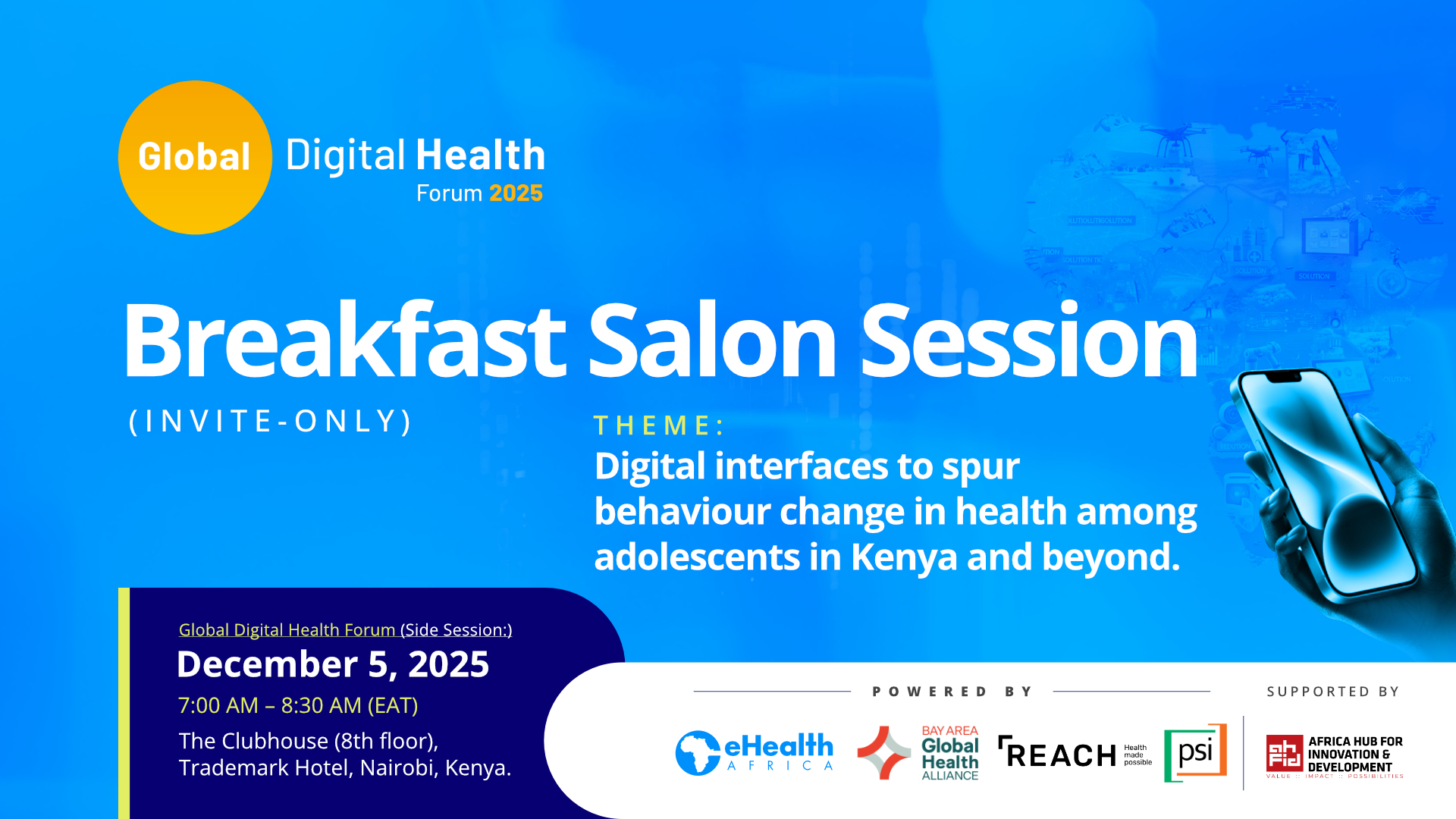
This year, eHealth Africa will co-host a private side session with Bay Area Global Health Alliance, REACH, and the Africa Hub for Innovation & Development, focusing on “Digital interfaces that influence health behaviour among adolescents in Kenya and beyond”.

The session will explore how youth-centered tools, including AI-powered avatars and digital personas, can strengthen engagement and improve health outcomes. It reflects the kind of collaboration required to build systems that evolve, respond, and improve over time.

Similarly, eHA will be spotlighting three impactful interventions/ solutions while exploring opportunities to build collaborations and strengthen partnerships to scale the impact of these interventions.

Solarization: Powering Reliability

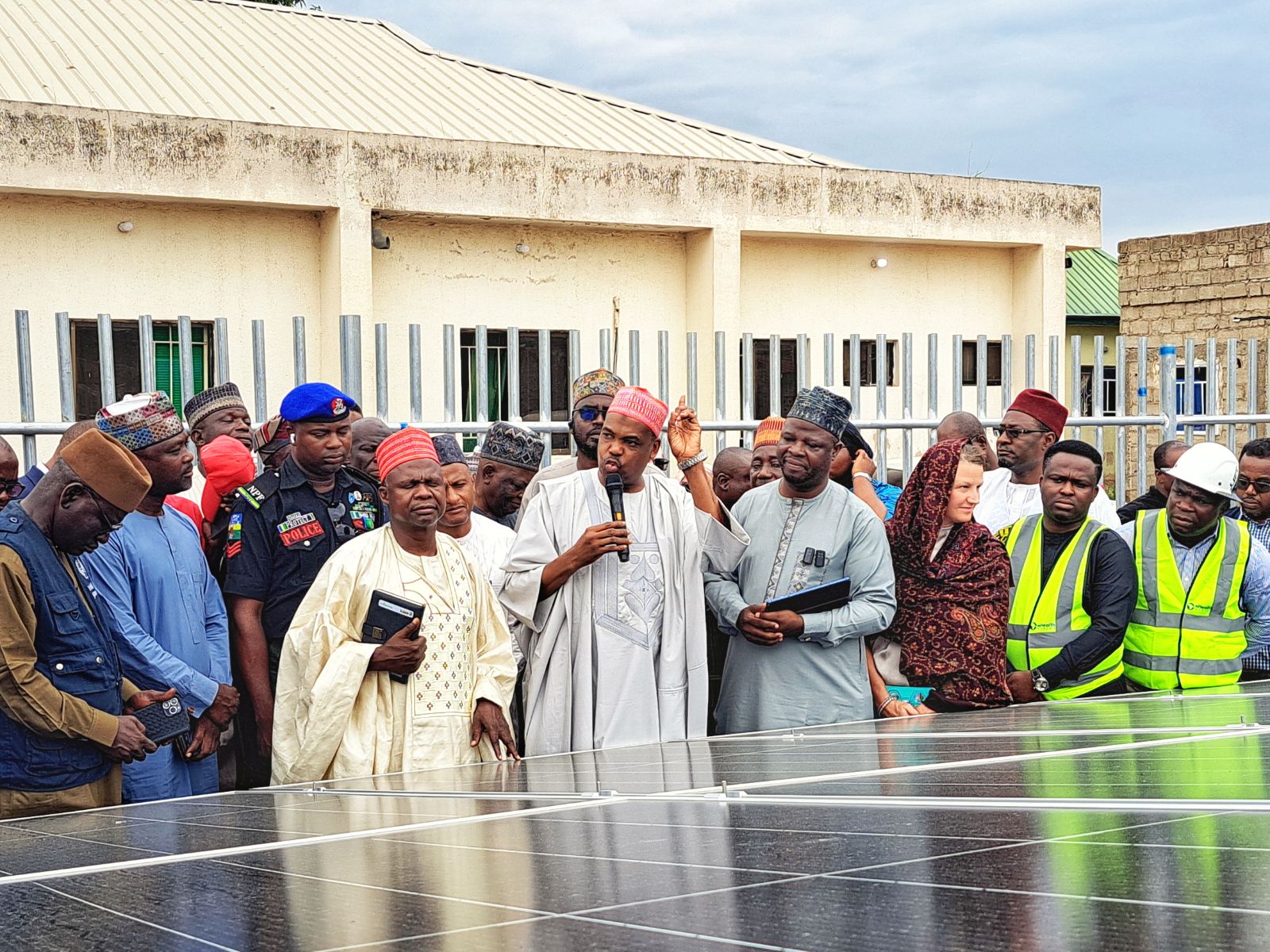
Stable power is the backbone of digital health. Without it, cold-chain equipment fails, data cannot be entered or accessed, and facilities cannot deliver consistent service. eHealth Africa’s Solarization intervention provides sustainable energy to primary health centers, ensuring digital tools remain functional and essential services continue uninterrupted. 

This intervention is a practical demonstration of resilience in action. So far, we have achieved 50+ self-powered PHCs toward a target of 238, simultaneously saving facilities over 2.5 million naira in fuel and maintenance costs. Scaling this impact is critical, as every self-powered facility represents a secure anchor for digital health, bringing consistent, life-saving care to underserved communities and reinforcing a scalable, transformative model of system durability.

PlanFeld: Turning Data Into Action

Resilient health systems require real-time visibility. Planfeld enables operational teams to track field activities, manage logistics, coordinate emergency response, and make informed decisions using live data. 

A key highlight of its impact was in Kebbi State, where the tool was instrumental in developing 225 Ward-level Digitized Micro Plans for 21 Local Government Areas (LGAs), equipping over 2,950 teams with precise implementation schedules. Due to this success in strengthening planning and data utilization, the state government of Lagos subsequently invited eHealth Africa to deploy PlanFeld for microplanning across their system as well. It strengthens a system’s ability to adapt – one of the core functions of resilience.

CHAT: Community-Level Strength

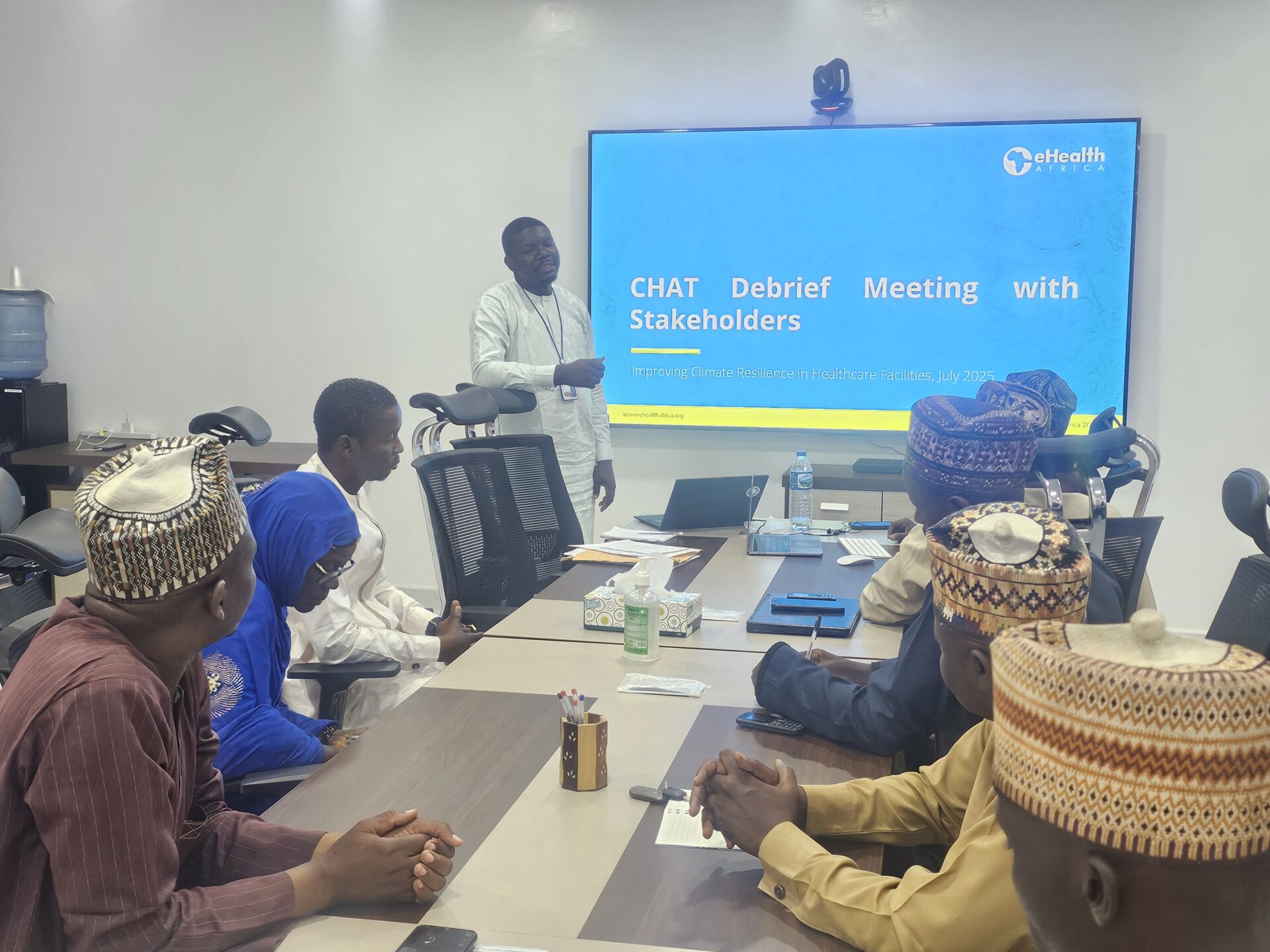
This tool is integral to our work in climate adaptation. It was successfully piloted across 3 states and 30 Primary Health Centers (PHCs) in Nigeria. Building on this success, the next phase involves direct integration with DHIS2 and the addition of critical hazard areas, such as Heatwaves and Drought, into the assessment framework. By embedding comprehensive, data-driven routines and critical climate intelligence at the community level, CHAT ensures that system resilience is not merely confined to central planning or infrastructure, but is robustly supported by last-mile visibility and human capacity.

Collaboration in Focus: eHealth Africa at GDHF 2025

As eHealth Africa heads to GDHF 2025, the focus is not merely on presenting tools, but on advancing a conversation that matters.  Importantly, we are out to take on bold conversations on how to build health systems that continue functioning and continue improving, no matter what challenges arise.

Resilience is not built in a day. It is built through intentional design, strong infrastructure, meaningful partnerships, and solutions that communities can trust and sustain. At GDHF 2025, eHealth Africa joins national ministries, African innovators, and committed global partners to contribute to this vision and help shape the future of digital health – led from within and built to last.
Evidence for the Future: SARMAAN II and the Pursuit of Safer Child Health Interventions

By Joyce Shinyi

Progress in public health rarely arrives as a single headline. It often builds through design, proper execution, and a commitment to evidence. SARMAAN II represents that kind of progress. The study, formally known as Safety and Antimicrobial Resistance of Mass Administration of Azithromycin in Children 1–59 months in Nigeria, advances the work initiated under SARMAAN I, which focused on children 1–11 months. While Phase I demonstrated large-scale delivery across some states, Phase II is designed to understand what that intervention means in terms of safety, antimicrobial resistance, and long-term use of azithromycin for young children.

This evolution is important as global discourse continues around the role of antibiotics in child survival. Questions persist around benefit, risk, feasibility, and equity. SARMAAN II positions Nigeria to contribute clarity using data generated within Nigerian communities. SARMAAN II is being implemented across eleven northern Nigerian states: Sokoto, Kano, Katsina, Kebbi, Kaduna, Jigawa, Bauchi, Adamawa, Gombe, Yobe, and Zamfara. The geographic spread strengthens the ability to produce evidence across varied population and health system contexts. 

The programme is led by the Nigerian Institute of Medical Research (NIMR), supported by a broad group of implementing and technical partners including the Federal and State Ministries of Health, the Nigeria Centre for Disease Control, the National Primary Health Care Development Agency, the World Health Organization, UNICEF, Sightsavers, Malaria Consortium, and eHealth Africa. Funding support is provided through consortium partners by the Gates Foundation. Each institution plays a defined role grounded in expertise, operational capacity, or scientific leadership.

eHealth Africa’s role

At eHealth Africa, our responsibility in SARMAAN II is straightforward: to build and maintain the digital and data systems that support accurate, timely, and trustworthy evidence. This includes digitised reporting tools, secure data infrastructure, structured training, and continuous field support to uphold data quality at every stage. Our work sits at the intersection of research and communities. Digital systems only work when the people behind them are trained, supported, and equipped to use them confidently. That combination of technology, supervision, and practical field discipline is what sustains data integrity throughout the study process.

As Darlington Okoye, SARMAAN Project Manager at eHealth Africa, explains; “With eHealth Africa involved, we digitised most of the case-report forms and built systems that ensure data remains clean at the point of collection. Digitisation has reduced lag time and strengthened real-time verification. Over time, we have also seen a clear improvement in the capacity of our research assistants as they continue to work with digital tools in the field.” These adjustments reinforce the precision required for credible scientific outputs.

Why SARMAAN II matters

Many programmes measure success in scale. SARMAAN II prioritises certainty. Certainty that interventions administered at population level are safe. Certainty that antimicrobial resistance risks are measured, not assumed. Certainty that policy decisions reflect Nigerian data and Nigerian experience. The significance of this work will be reflected not in speed, but in the quality of conclusions that can inform long-term child health policy.

The programme will continue strengthening digital processes, building field capacity, and multi-stakeholder coordination as implementation continues across  states. The objective extends beyond data capture to building durable systems, capability, and evidence that support informed decision-making in Nigeria’s health sector.

How eHealth Africa’s Lean Transformation Is Strengthening Collaboration and Impact

Moshood Isah 

Low- and middle-income countries (LMICs) are already bracing for a steady decline in donor contributions from across the world. At the same time, as health systems grow increasingly vulnerable to the impacts of climate change and other public health challenges, expectations remain high, making a culture of efficiency more essential than ever.

Beyond the external challenge of shrinking donor funds, organizations , particularly community-based ones, continue to battle bureaucratic inefficiencies and duplication of interventions. Duplication of efforts across development projects often results from poor donor coordination in LMICs that receive development assistance. This leads to a loss of agility and responsiveness, with potential delays in overall deliverables.

In an era that calls for the acceleration of local innovation, especially in digital health and public health interventions, every resource must be used judiciously to achieve optimal impact. In response, organizations are taking intentional steps to implement Lean Management and human-centered approaches in their work. Lean Management is a continuous improvement philosophy that focuses on maximizing value, minimizing waste, and empowering teams to work more efficiently and effectively.

One of the organizations leading this charge is eHealth Africa (eHA). A few months ago, the Executive Director, Atef Fawaz, initiated an internal drive to promote a culture of Lean Management across the organization  and by extension, in its engagements with key partners.  This was preceded by comprehensive strategic training of managers and senior managers on the critical tenets of Lean management approach to Non-Profits. 

According to Atef, adopting a lean mindset is not only about maximizing output by eliminating waste of time and resources but also about ensuring that communities remain at the center of decision-making. He said, “Lean helps us stay grounded in what communities are telling us, not what we think we know.” Considering all eHealth Africa’s digital health solutions are human-centered, Atef reiterated that,  “feedback from communities remains key,  even as Lean supports consistent knowledge sharing and capacity building.” This, according to him, helps build the sustainability our work thrives on.

With clear results to show for it, this cultural shift at eHealth Africa has continued to strengthen trust and credibility among donors and partners. “We have always prided ourselves on transparency and accountability,” Atef adds. “This has endeared us to more donors globally, and integrating Lean principles further into our work can only make it stronger.”

To sustain this shift, eHealth Africa has deployed a series of internal communications and engagement strategies to enlighten its teams on the principles of Lean Management, from identifying waste and reducing duplication to ensuring that public health interventions are delivered efficiently, with communities in mind.

Equally important, top managers and directors are embracing the Gemba Walk;  a Lean practice where leaders step out of their offices and go to “the real place” where value is created. This includes project sites, data centers, or field locations. These visits give team members the opportunity to share experiences openly, helping leaders understand challenges and areas for improvement.

In addition, eHealth Africa has integrated smart working tools like Asana to enhance efficiency and transparency. The use of Asana has made project delivery more measurable, collaborative, and accountable.

According to Dena Lu, Chief of Staff to the Executive Director and eHA’s Asana Champion, Asana helps embody the Lean mindset of continuous improvement by keeping every task visible, organized, and aligned with our strategic goals. “It eliminates confusion, reduces time spent chasing updates, and allows me to quickly identify what can be improved in our workflows.”, She said.  With Asana, Dena is able to track progress in real time, streamline communication across teams, and ensure that every action contributes to greater impact.

Corroborating this, Solomon Emmanuel from the Information Communications and Technology (ICT) Help Desk notes that the user-friendly platform has become the backbone of transparency and accountability within the ICT team, bringing all our operational, technical, and administrative activities into one unified platform.  “It gives me clear visibility into what needs to be done, who is responsible, and the current stage of each task; effectively breaking down silos and improving coordination across the team.”, he said 

For Tope Ogunseye-Falodun, who leads the Project Support Unit, Asana has brought new order to teamwork. “Automated reminders prevent missed tasks, shared project spaces reduce duplication, and clearer timelines keep everyone aligned.”, she added 

Overall, tools like Asana, alongside other Lean-inspired strategies like the  launch of the Meeting Optimization to minimize unproductive meetings and protect deep work, have helped translate eHealth Africa’s strategic objectives into structured, visual workflows where accountability and improvement happen naturally. As Fozia Malik, Deputy Director, People & Organizational Strategy, explains; “It’s easier to spot what can be refined before it slows us down, a true reflection of Lean’s focus on flow.”

The results are visible and tangle with project alignment to strategic goals increasing to 86% from 81% in September and continued success in reducing No-Cost Extensions (NCEs) across all quarters of 2025 compared to 2024, maintaining the  25% overall reduction rate. Also, eHealth Africa’s latest innovations like  Climate Health Vulnerability Assessment Tool (CHAT) and other upcoming innovations were consistently reviewed and refined based on feedback from users in the communities we serve.

As eHealth Africa continues to strengthen its operational culture through Lean Management and human-centered design, the organization is setting a new standard for efficiency, accountability, and community-driven impact in global health. By embedding continuous improvement into everyday workflows, empowering teams with the right tools, and listening closely to the voices of the communities it serves, eHealth Africa is not only optimizing how it works but also reshaping how impact is sustained. 

Why Climate-Smart Healthcare Should Be Nigeria’s Next Big Investment

ByJoyce Shinyi 

Climate change is no longer just a future threat, It is already disrupting health service delivery in Nigeria. Recent reports show that flooding has destroyed health centres, disrupted power, and destroyed medical supplies, creating barriers to care. This is even as  Nigeria’s rising heatwaves have led to increased heat-related illness, strained cold chains, and impaired medicine efficacy. As these  events become more frequent, the urgency to build resilient, climate-smart healthcare systems becomes impossible to ignore.

This informed eHealth Africa’s  June edition of Insights Webinar where it  convened public health and climate experts to explore the role of environmental sustainability in strengthening health systems. The conversation brought clarity to what climate-smart healthcare means in practice, and why it matters now more than ever.

Understanding Climate-Smart Healthcare

A climate-smart healthcare system is one that can deliver care despite environmental disruptions, and do so without worsening the climate crisis. During the webinar, Climate Change Lead at Pathfinder International, Praise Agbe,   emphasized the need for primary healthcare facilities to be powered by clean energy, equipped with sustainable water and sanitation systems, and built to remain functional during floods or droughts. This concept aligns with the World Health Organization’s guidance on climate-resilient and environmentally sustainable health care facilities.

Other key strategies to creating climate-resilient health systems  include proper medical waste disposal and training for healthcare workers to manage diseases linked to climate change. These are not optional features, they are essential for health systems that aim to serve communities in the years ahead. As highlighted by the World Bank’s Climate‑Smart Healthcare: Low‑Carbon and Resilience Strategies for the Health Sector report (2017), investments in low‑carbon, climate‑resilient systems can improve long‑term efficiency and reduce vulnerability.

The Challenge of Readiness

Despite this advocacy for eco-friendly health systems, many primary healthcare centres in Nigeria are vulnerable to climate-related shocks. Another panelist at the webinar, Temitayo Tella-Lah, Program Manager, Climate Resilience, Food Security & Nutrition, eHealth Africa, noted that most facilities lack the tools and data needed to assess their climate risks. She emphasized the importance of deploying digital tools to bridge this gap. 

A typical example of this digital tool according to her is the Climate Health Vulnerability Assessment Tool  (CHAT) developed by eHealth Africa to fill this gap. CHAT is a digital platform that helps health managers identify specific vulnerabilities across water, energy, workforce, and infrastructure. According to Temitayo, “CHAT turns complex data into actionable intelligence, allowing decision-makers to plan ahead rather than react after damage has been done.

Tools like this are increasingly becoming more relevant if not inevitable. As a matter of fact, this is in line with the Global Road Map for Health Care Decarbonization calls for the integration of climate resilience into health systems, especially in low- and middle-income countries, through planning, infrastructure adaptation, and risk preparedness. CHAT  has already been deployed in four states and is helping highlight urgent gaps in climate preparedness with opportunity for scaling

The Barrier of Implementation

While innovations like CHAT are promising, the challenge lies in scaling them. Bankole Oloruntoba from the Nigerian Climate Innovation Center emphasized the importance of leadership and prioritization. As he put it, “If we, who play within this space, don’t make climate-health a priority, we won’t unlock its potential.” Financial constraints also remain a barrier, particularly for private health facilities. However, models exist for public-private partnerships and access to green financing. For example, the UN Environment Programme Finance Initiative works with banks, insurers, and investors to align financial systems with sustainability goals.  What is needed is coordinated effort and political will.

The Way Forward

We cannot talk about strengthening Nigeria’s health system without addressing climate resilience. This means integrating climate-smart planning into health policies and this should come with building the technical capacity of healthcare workers while  engaging communities in sustainable practices that protect health and environment together. As the discussion during the webinar made clear, climate-smart healthcare is not a luxury. It is a necessity for any system that intends to serve its population effectively. eHealth Africa remains committed to driving this conversation forward through tools like CHAT, strategic partnerships, and knowledge-sharing platforms like the Insights Webinar Series and the Insights Learning Forum.

How eHealth Africa and Desert Sky Exploration Are Driving Local Innovation with NASA Space Apps Challenge

Moshood Isah

More than half of the world’s population growth between now and 2050 will take place in Africa, where 1.3-billion people are expected to be born by mid-century.  This potential growth unfortunately doesn’t seem to match digital technological skills needed to ensure this growing population fulfills its potential. 

The ‘Africa’s Tech Skills Scarcity Revealed‘ report found that a lack of skills is having a negative effect on the continent’s digital transformation efforts. Organizations from Africa in this vein have continued to make concerted effort to bridge these gaps. In northern Nigeria, eHealth Africa and Desert Sky Exploration  are taking bold steps to provide platforms for young people through the NASA apps challenge

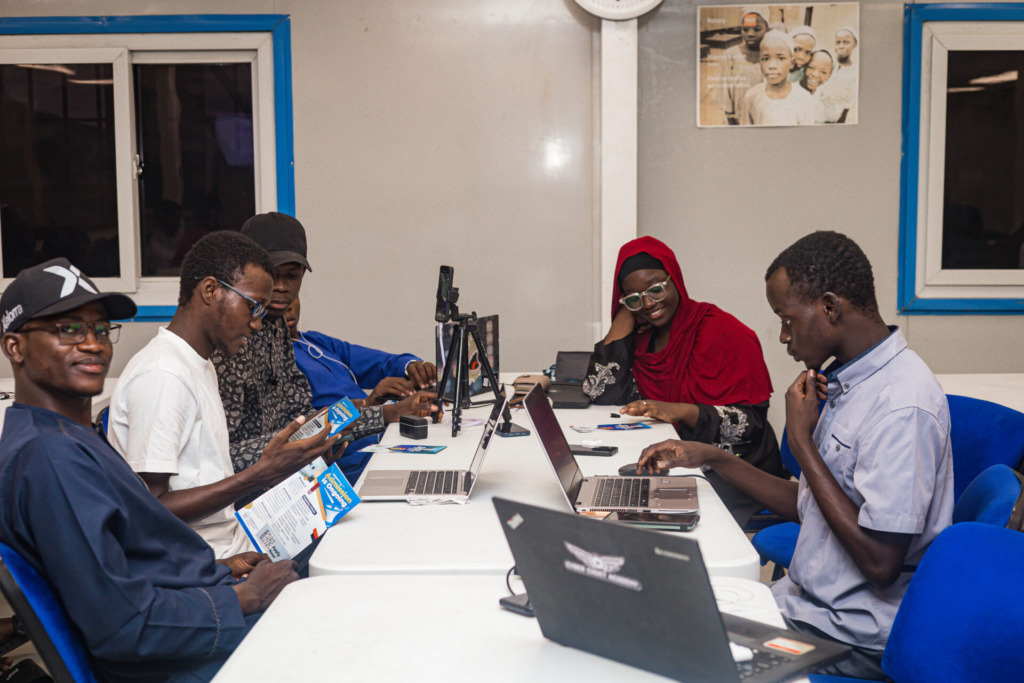
As part of its commitment to driving digital innovation across Africa, eHealth Africa (eHA) continues to champion this initiative as a strategic platform for empowering local talent and strengthening the innovation ecosystem in Kano State and across Nigeria. For the third consecutive year, eHA has proudly supported the NASA Space Apps Challenge; Kano State Chapter, not only by providing a digitally equipped facility but also by engaging digital experts to serve as chief judges for the challenge.

The global innovation event is regarded as the world’s largest annual hackathon, bringing together problem-solvers, developers, designers, and storytellers to create open-source solutions that address some of Earth’s most pressing challenges.

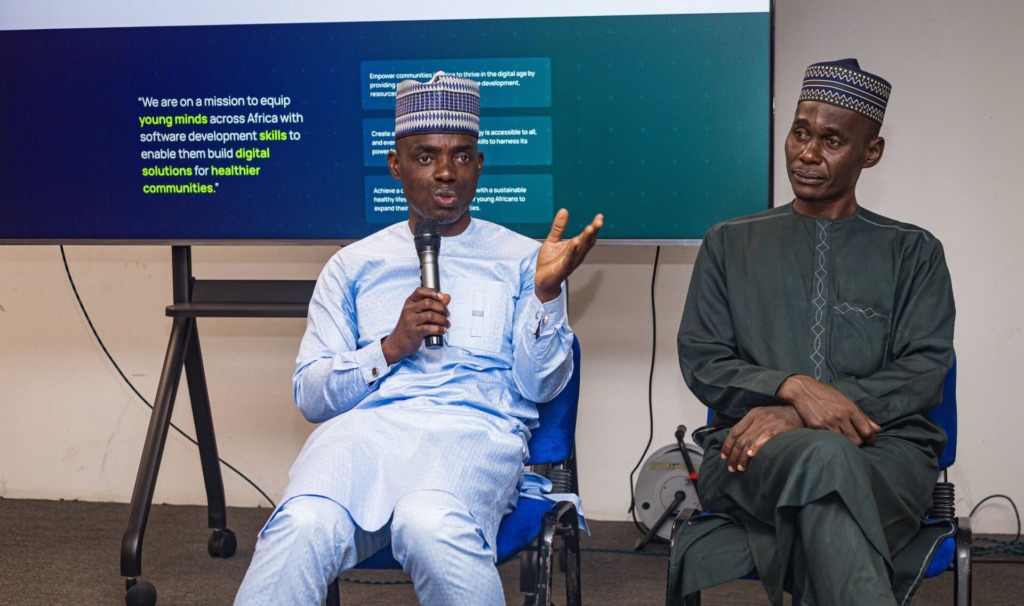
Speaking on the partnership between eHealth Africa and Desert Sky Exploration for the NASA Space Apps Challenge, the Deputy Director of Global Health Informatics, Abdulhamid Yahaya, said that supporting the challenge is a strategic investment in the future of local innovation. He noted that the event provides a global platform for young developers, data scientists, and creatives in Kano to work with real NASA data, apply digital tools, and co-create solutions with global relevance.

He explained, “By supporting this initiative, eHA helps to foster a culture of innovation that encourages data-driven thinking and collaborative problem-solving — building digital skills among youth and equipping them for future opportunities in technology, health, and development.”

According to him, “This intervention bridges global and local knowledge ecosystems, bringing world-class opportunities to communities that are often left out of global conversations.”

He added, “Similarly, by connecting participants with mentors, government stakeholders, academia, and the private sector, eHealth Africa helps create an ecosystem that sustains innovation beyond a single event.”

In a similar vein, the Local Lead for Kano State, Abdul Gumel, said the NASA Space Apps Challenge is “beyond just a competition; it is a catalyst that gives young people the opportunity to collaborate and develop innovative solutions that can be transformed into real-time, problem-solving products.”

According to him, “eHealth Africa’s partnership remains instrumental, especially in areas such as climate change, health, and other technologically driven sectors.”

Participants are mainly young, enthusiastic individuals, students and budding innovators who are ready to take bold steps toward change. One such participant is Aliyu Usman Bello, a Pharmacy student at Bayero University, Kano. Concerned about the devastation caused by floods in communities such as Mubi, Adamawa State, Aliyu and his team decided to work on a weather prediction system that could forecast conditions in advance.

He said, “We’re trying to build something that will last for five, ten, even twenty years — something that helps us understand how the climate and environmental landscape will evolve in the coming years and enables people to prepare for those changes in advance.”

Aliyu is excited about the networking opportunities and the chance to collaborate on innovative ideas with his team members and colleagues from other groups.

On her part, Odika Ayomide, a chemical engineer, expressed her excitement at being able to use NASA’s Space Apps open data to solve real-world problems.


She explained, “Our project focuses on identifying waste accumulation hotspots, improving coordination between communities and waste management agencies, and implementing efficient waste pickup systems.”

According to her, the goal is to make waste management smarter and more sustainable — helping cities stay cleaner while promoting community engagement and data-driven decision-making.

Looking ahead, Abdulhamid Yahaya noted that there will be post-event incubation and mentorship opportunities to support winning and promising teams through technical guidance, access to data, and coaching to refine and deploy their solutions. He added, “There is also the potential to connect innovators with funding opportunities and collaborators who can help scale their ideas into operational projects.”

The NASA Space Apps Challenge represents more than just an event — it is a movement of thinkers, builders, and changemakers united by curiosity and creativity. For eHealth Africa, being part of this journey reflects its broader commitment to empowering communities through data, innovation, and technology. As eHA continues to champion this initiative, the organization reaffirms its belief that when innovation is inclusive, local, and purpose-driven, the possibilities are limitless.

Beyond Polio: Sustaining the Impact of Emergency Operations Centers Across Africa

By Moshood Isah

This year, the world commemorates another World Polio Day;  a significant occasion first marked in 1988 when the World Health Assembly committed to eradicating the poliovirus. That commitment led to the launch of the Global Polio Eradication Initiative (GPEI), underscoring the critical role of every stakeholder in public health in ensuring the virus is completely eradicated. One of the major interventions that has contributed to this fight, particularly across Africa, is the establishment of Polio Emergency Operations Centers (EOCs) and Control Rooms.

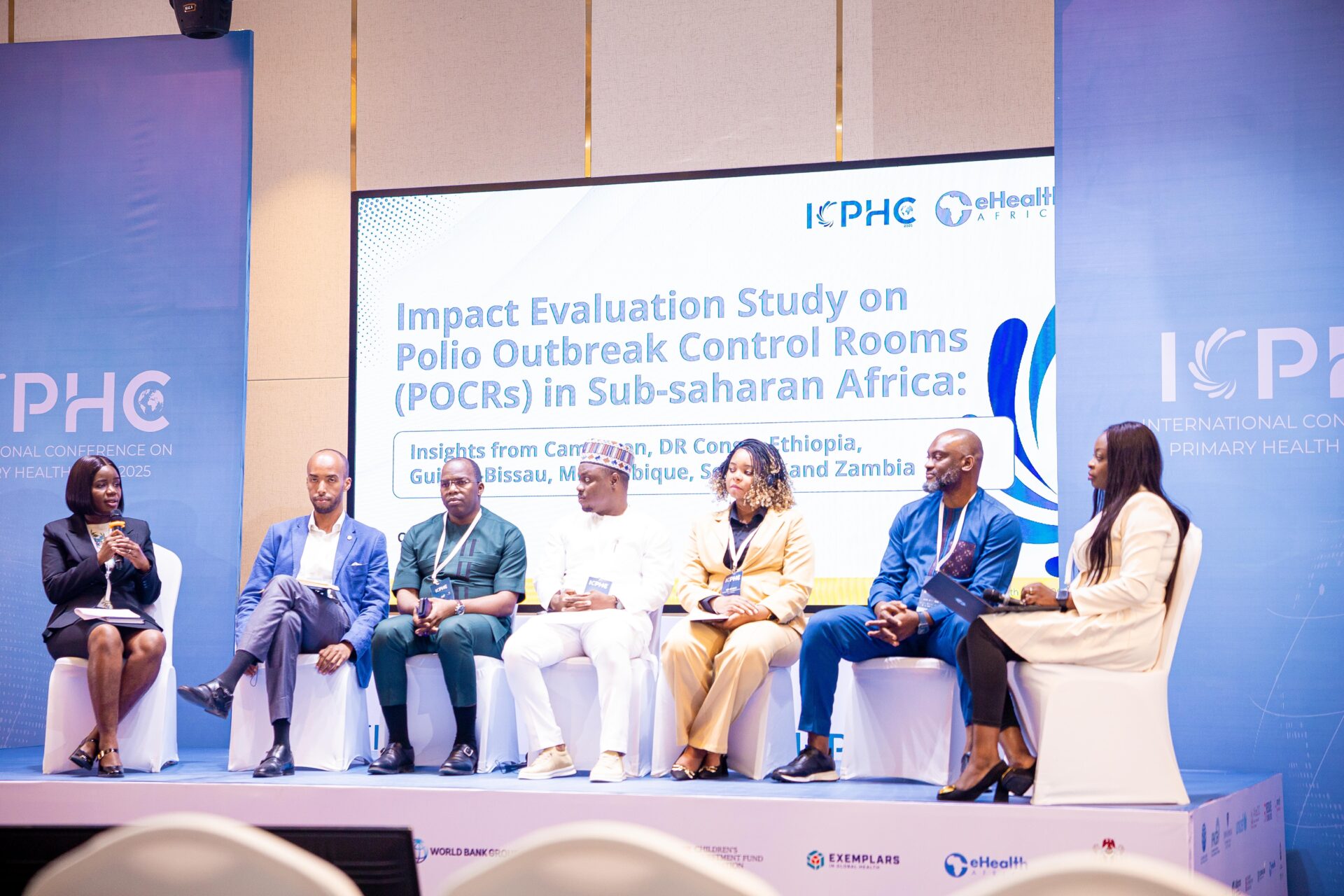
This bold step, led by eHealth Africa (eHA) with support from the Bill & Melinda Gates Foundation in 2020, sought to create centralized hubs that harness the strengths of multiple partners for coordinated responses; not only to polio but to wider public health emergencies. Over time, these hubs have expanded their mission, transforming how countries tackle broader vaccination challenges and strengthening ownership of routine immunization systems. The conversation on sustaining this impact came to the forefront at the recently concluded International Conference on Primary Health Care (ICPHC) held in Ethiopia.

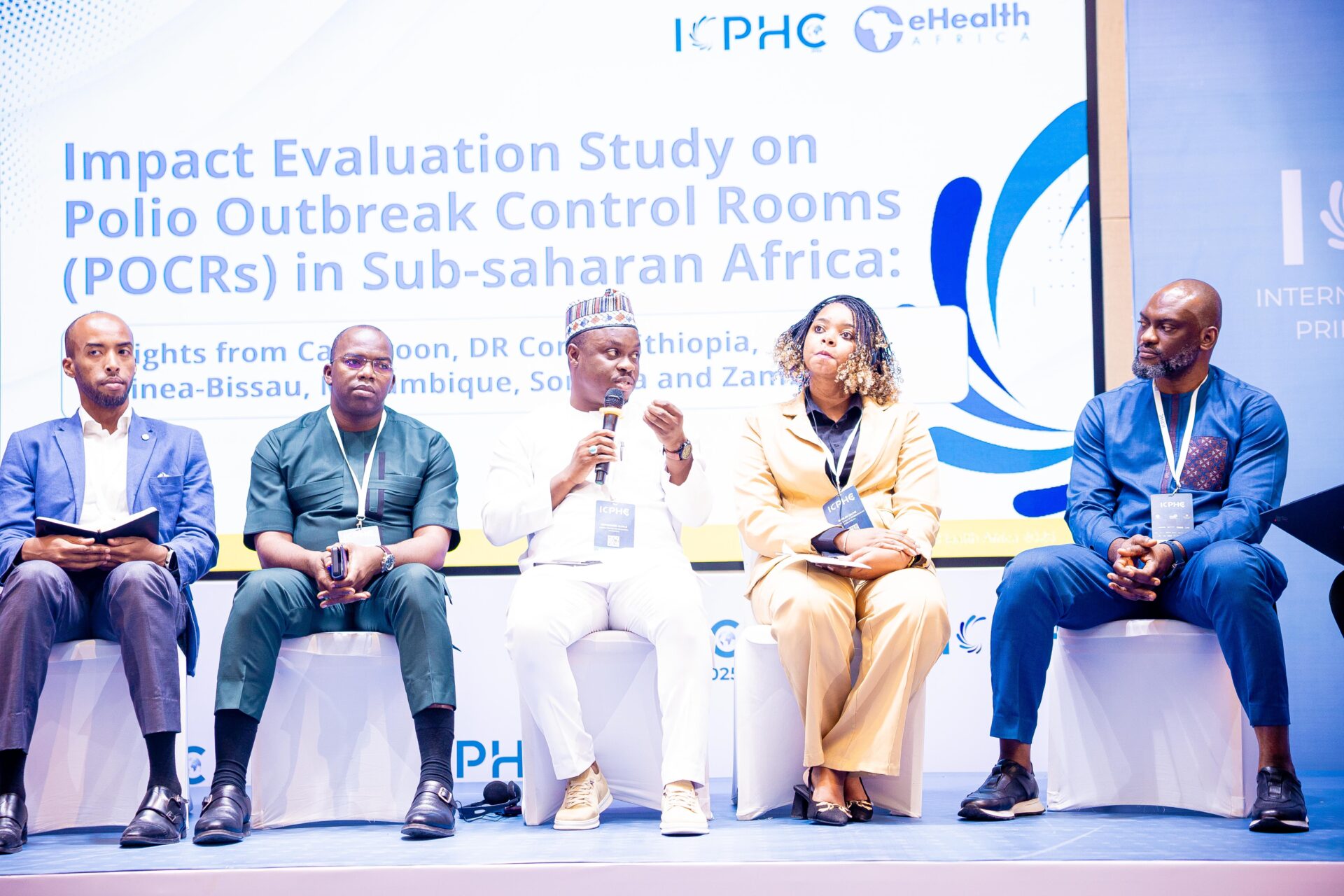
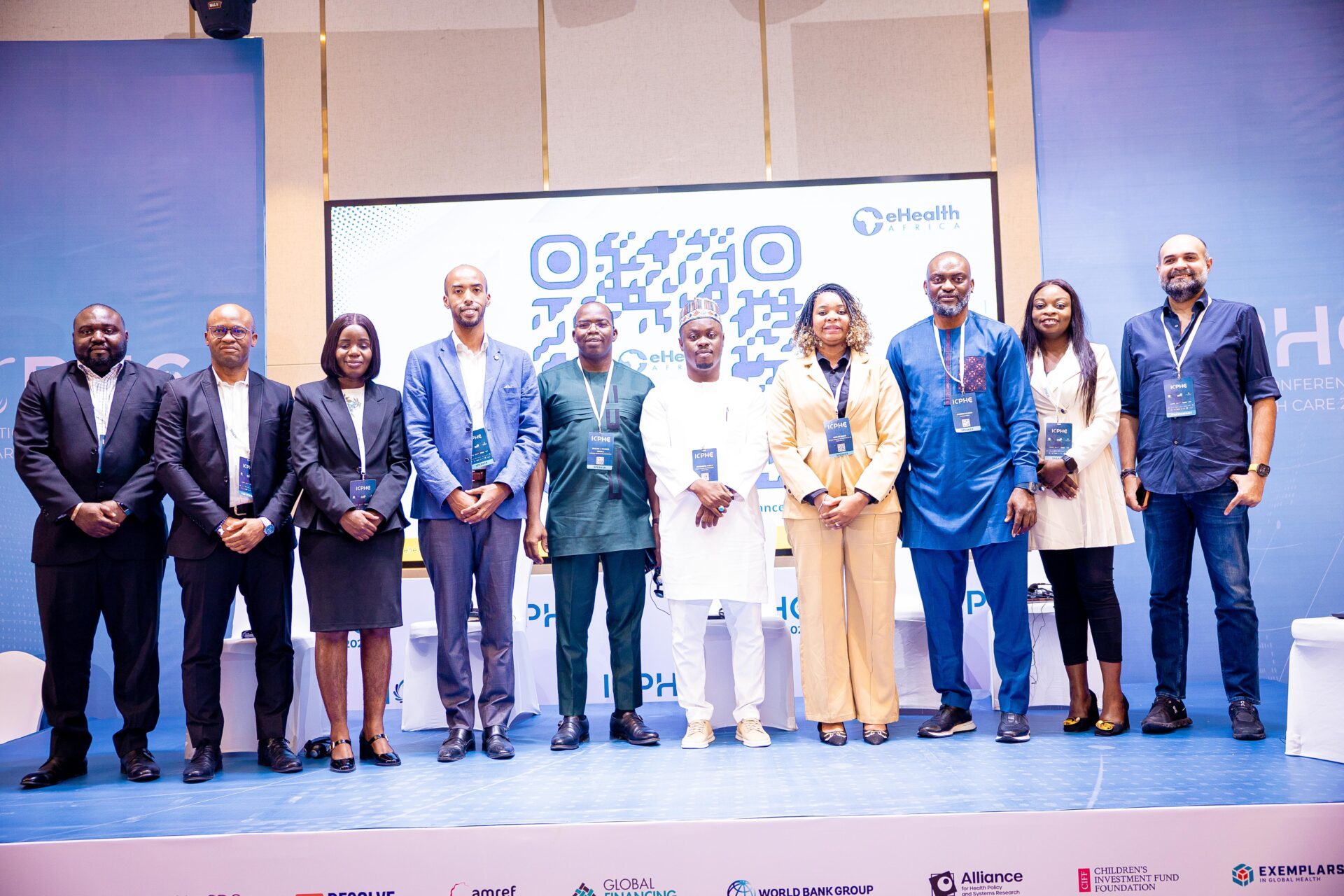
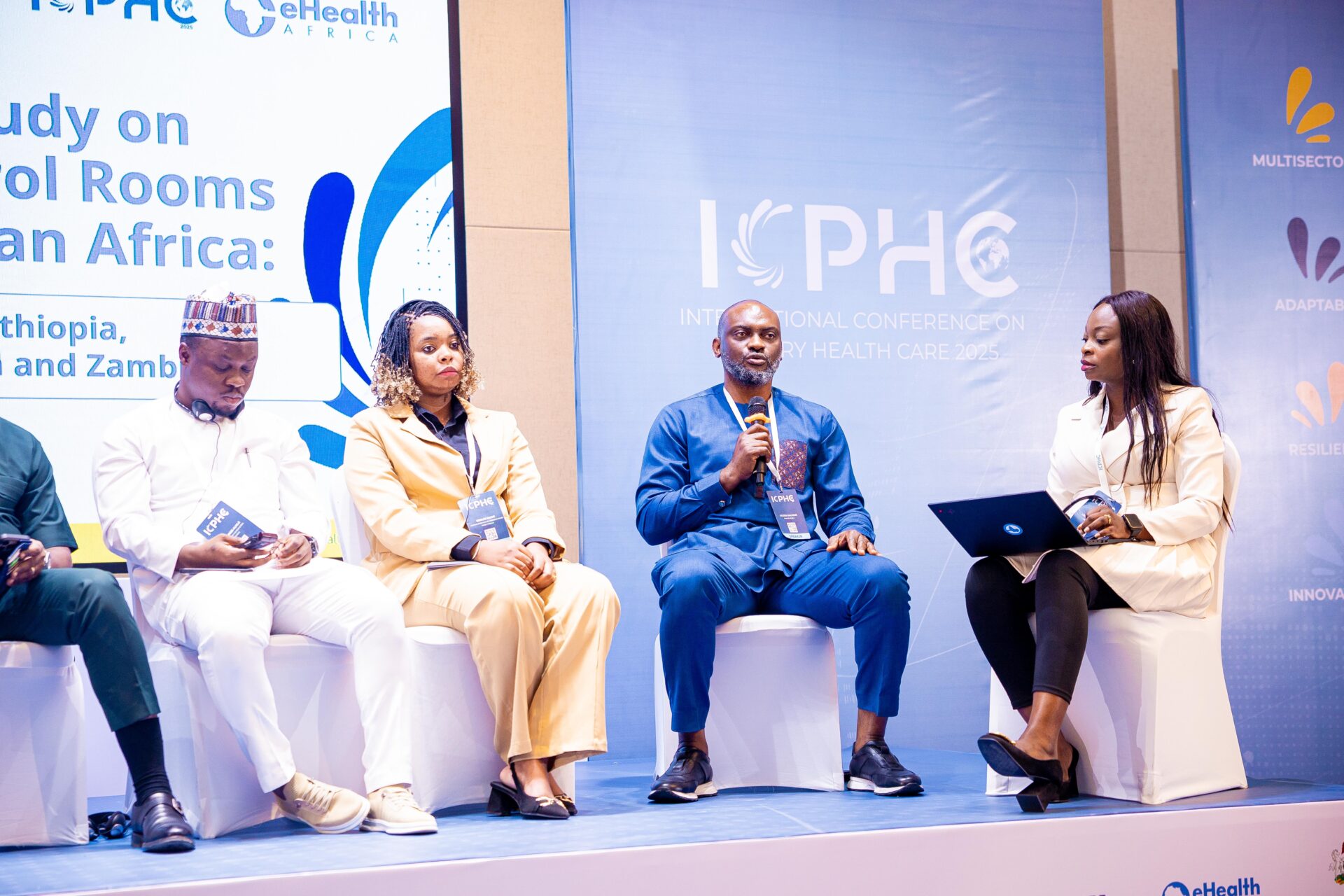
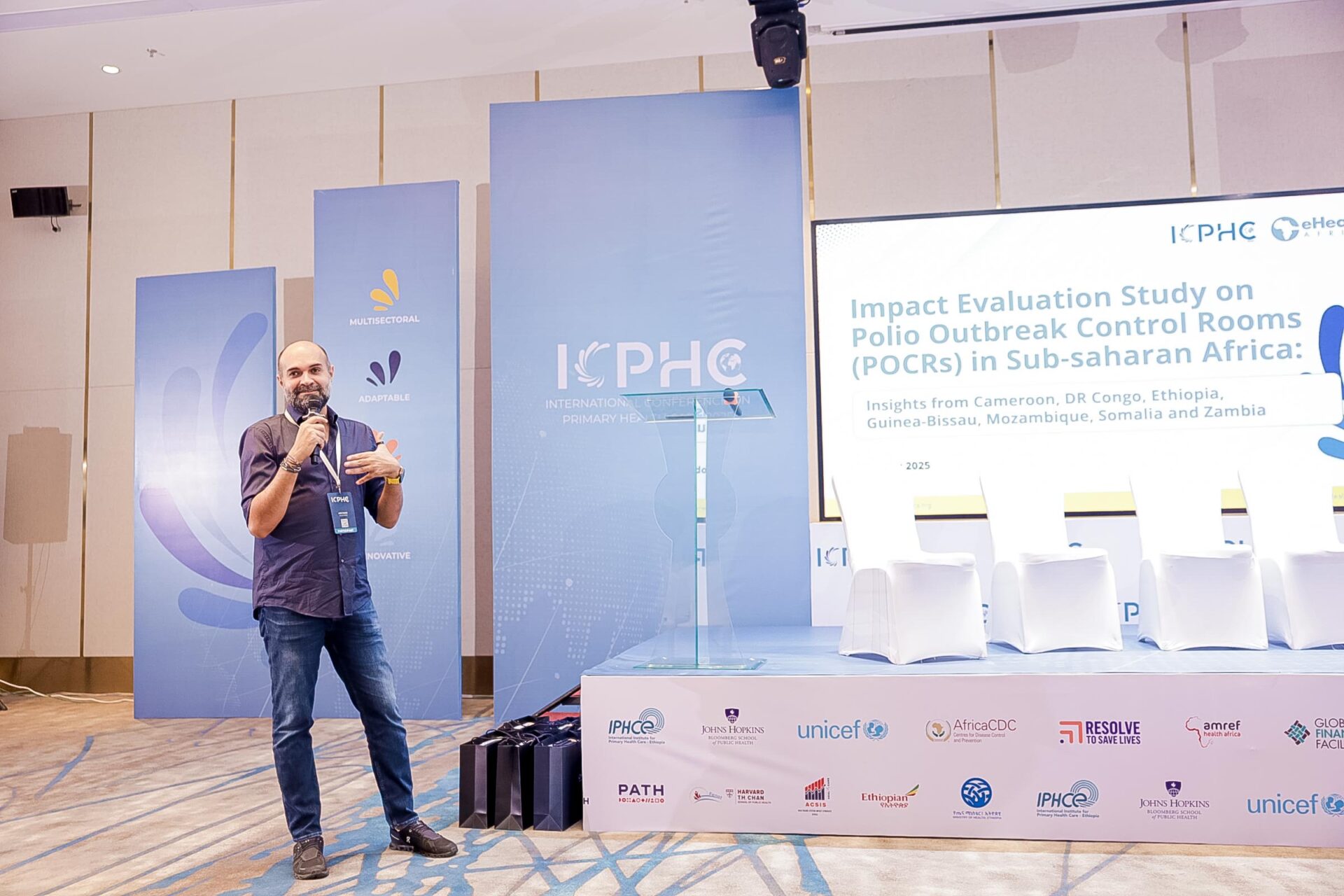
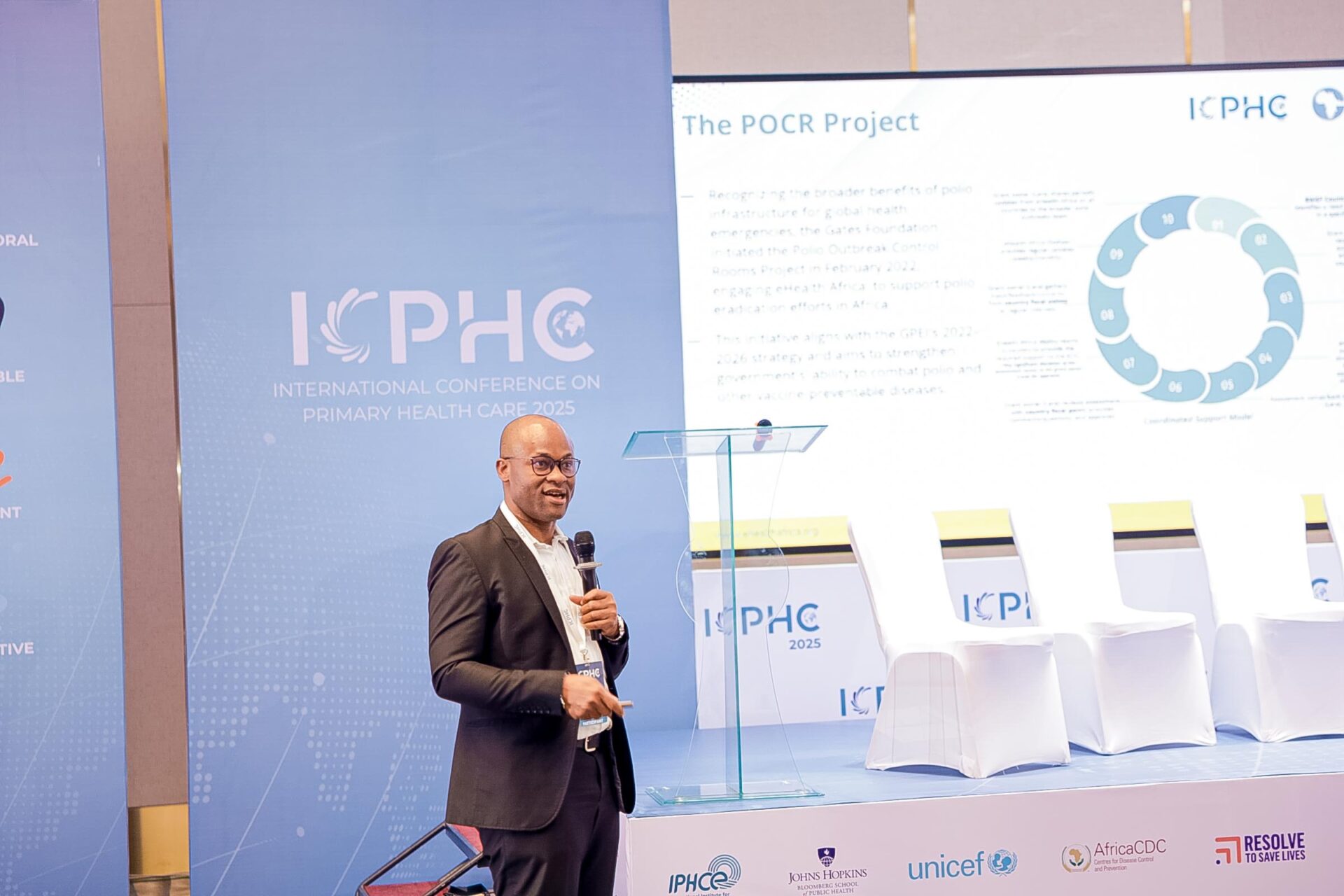
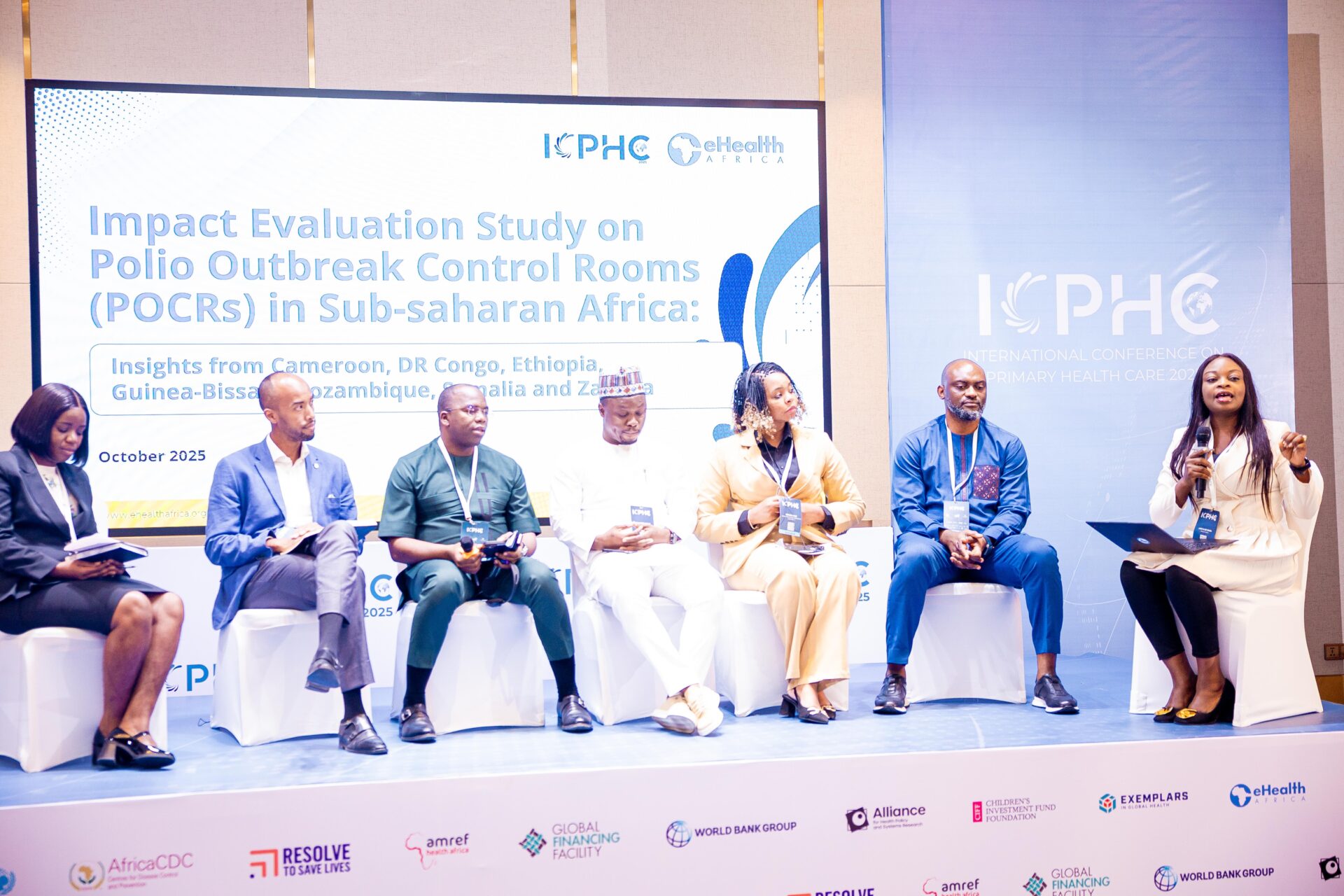
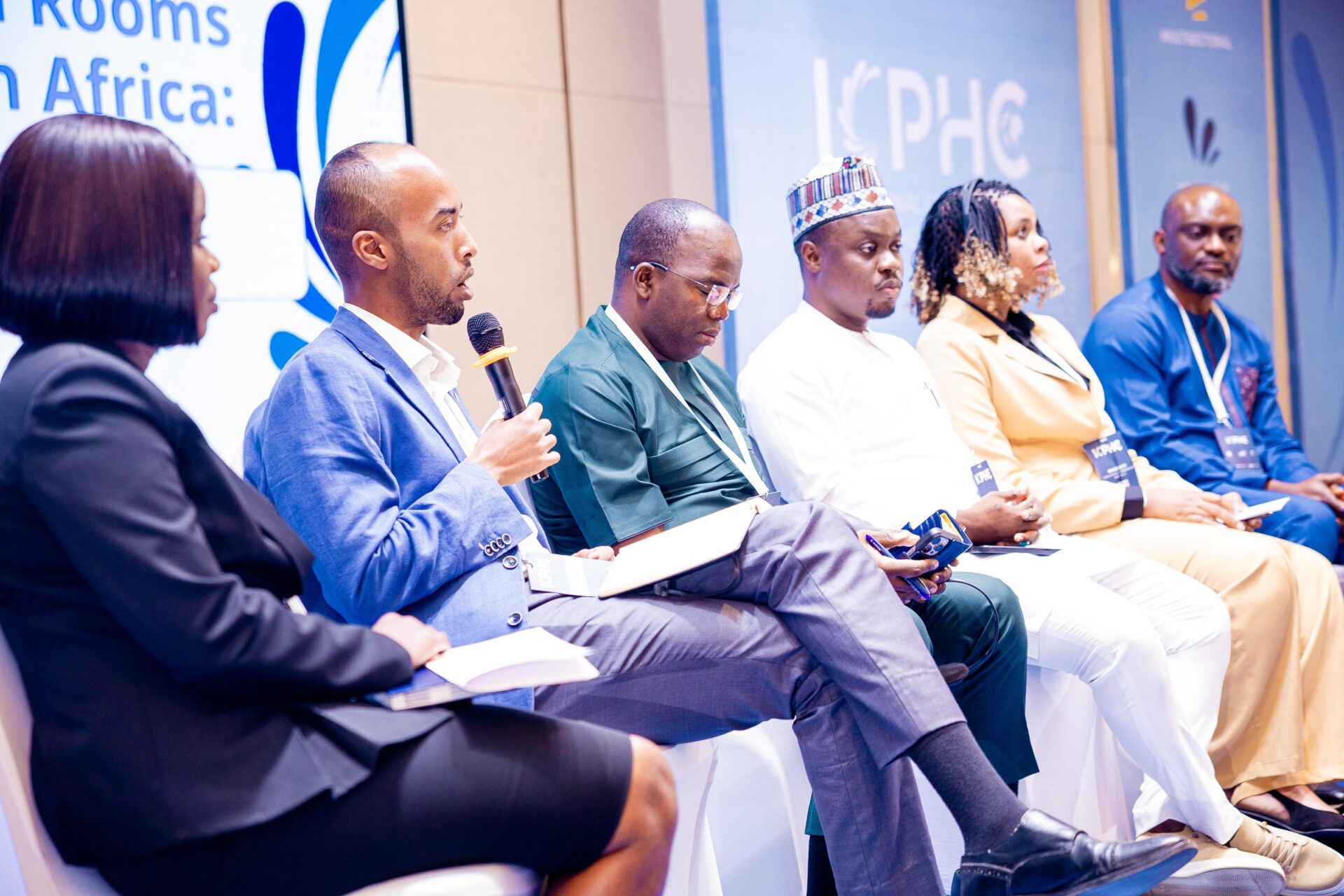
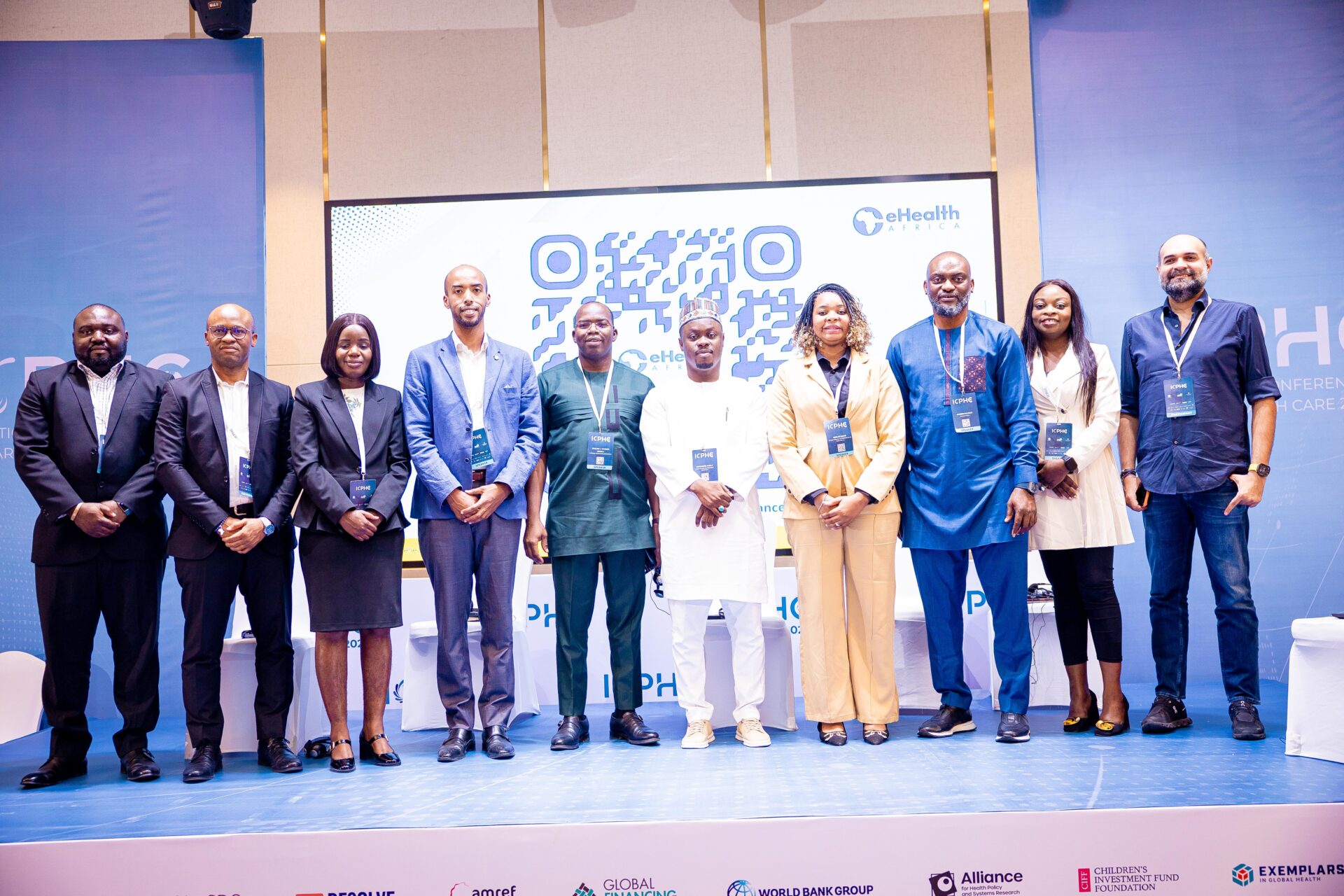
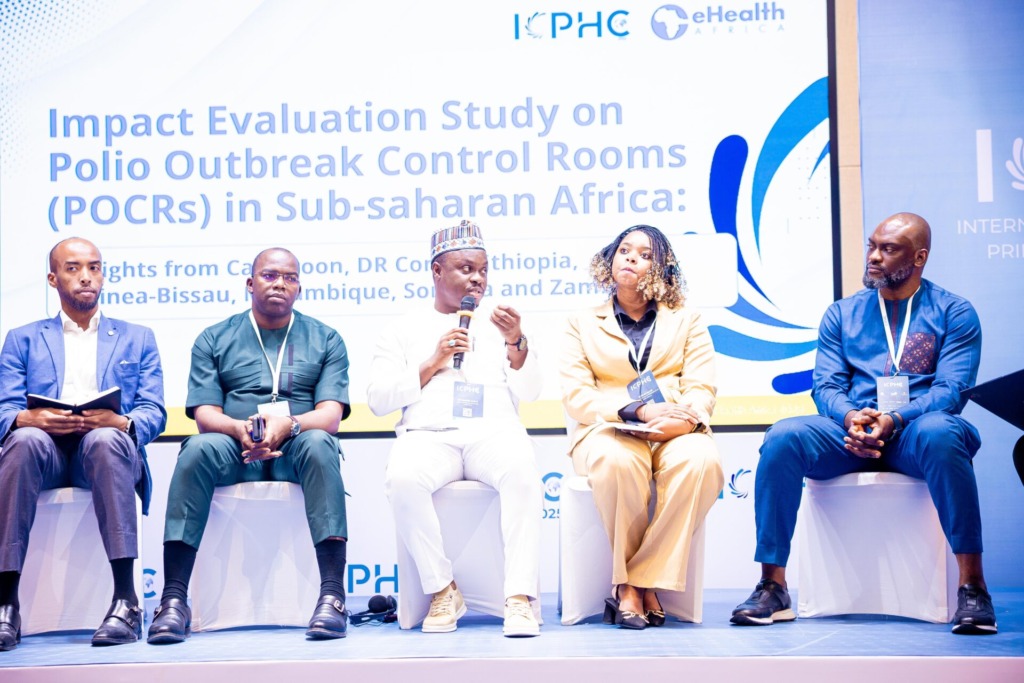
eHealth Africa seized the opportunity to convene a powerful panel session to present findings from its Cross-Country Impact Study of Polio Outbreak Control Rooms (POCRs) in Sub-Saharan Africa. Moderated by Loveth Metiboba, Senior Manager for Impact Measurement at eHealth Africa, the session provided empirical insights from key partners and users of the POCR model across Cameroon, DR Congo, Ethiopia, Guinea-Bissau, Mozambique, Somalia, and Zambia. The study, conducted by Clones House and the Busara Center for Behavioral Economics, revealed significant impacts and proposed critical steps for ensuring sustainability across Africa.

Opening the session, Atef Fawaz, Executive Director of eHealth Africa—and notably the project manager who initiated the establishment of EOCs in Nigeria and across Africa, reflected on the journey. “We’ve seen these EOCs grow over time, increasing their impact and expanding their purpose. They initially supported emergency response for polio but later played key roles during outbreaks of Ebola, measles, Lassa fever, COVID-19, and many others,” he said. He emphasized that the EOCs ensure collaboration over isolation: “Instead of everyone working in silos, the EOC brings people together to collaborate, innovate, and act toward one goal;solving problems.”

Presenting the study’s findings, Onochie Mokwunye, Research Consultant with Clones House, explained that the establishment of POCRs has revolutionized how countries detect, coordinate, and respond to outbreaks. “We found that POCRs didn’t just strengthen systems; they strengthened relationships, bridging the gap between data, decision-making, and real-world response,” he said.

His co-researcher, Dr. Mohammed M. Alhaji added that the success of POCRs stems from their ability to “build capability, create opportunity, and inspire motivation; the three essential ingredients for sustained behavior change.” He stressed that “infrastructure alone doesn’t drive change; it’s the people, their motivation, and shared sense of mission that make the difference.”

Reinforcing the need to look beyond polio, Kazeem Balogun, Deputy Director for Supply Chain Management at eHealth Africa, said, “EOCs must now evolve beyond polio; becoming engines of health security that strengthen primary health care and prepare nations for whatever comes next. The Polio Outbreak Control Rooms proved that when governments lead and partners align, every response becomes faster, smarter, and more accountable.”

From Cameroon, Dr. Shalom Ndoula, Permanent Secretary of the Expanded Program on Immunization, shared that the POCR model reduced the detection-to-response time from 75 days to just 30, thanks to structured coordination, real-time data use, and decentralized empowerment. A similar story came from Zambia, where Princess Lynettie Kayeye, a Coordinator at the Global Polio Eradication Initiative (GPEI) noted that “what started as a polio response tool has now strengthened our entire health system, introducing innovations like digital microplanning used across all ten provinces.”

In Mozambique, Benilde Conceição Salvador, Coordinator of the Public Health Emergency Operations Center in Tete, recalled how health coordination meetings once held in hotel rooms have been transformed. “Through the POCR, we’ve not only improved outbreak response but also used innovation to identify and vaccinate under-immunized children in our districts,” she said.

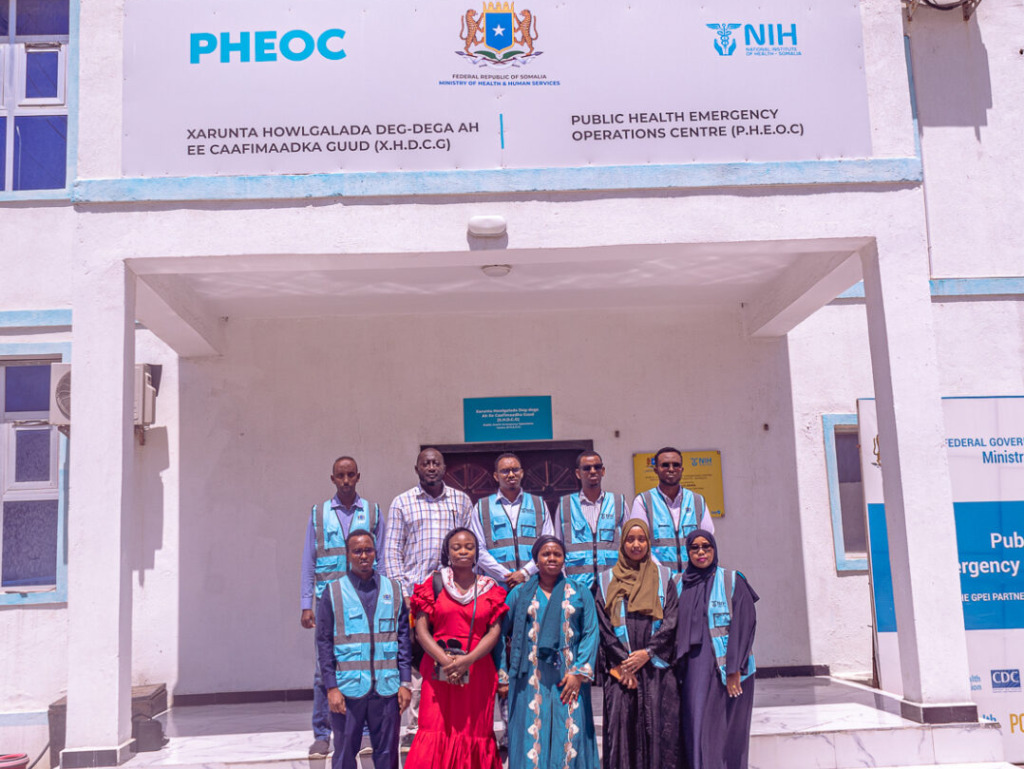
Somalia’s experience reflected resilience and renewal. Hassan Mohamed Ali, Director of Operations at the Somali National Health Professionals Council, explained, “Building seven EOCs across Somalia wasn’t just about infrastructure—it was about creating a foundation for resilience in one of the most fragile contexts in the world.”

Ultimately, beyond polio lies a broader story, one of collaboration, resilience, and shared systems that safeguard communities before crises strike. Preparedness, as this session highlighted, is not built in moments of crisis but in moments of coordination, learning, and trust. That is what truly makes health systems resilient.

5 Lessons UNGA80 Taught Us About African-Led Innovation

By Azeez-Ayodele Fatimah Ayotemitide

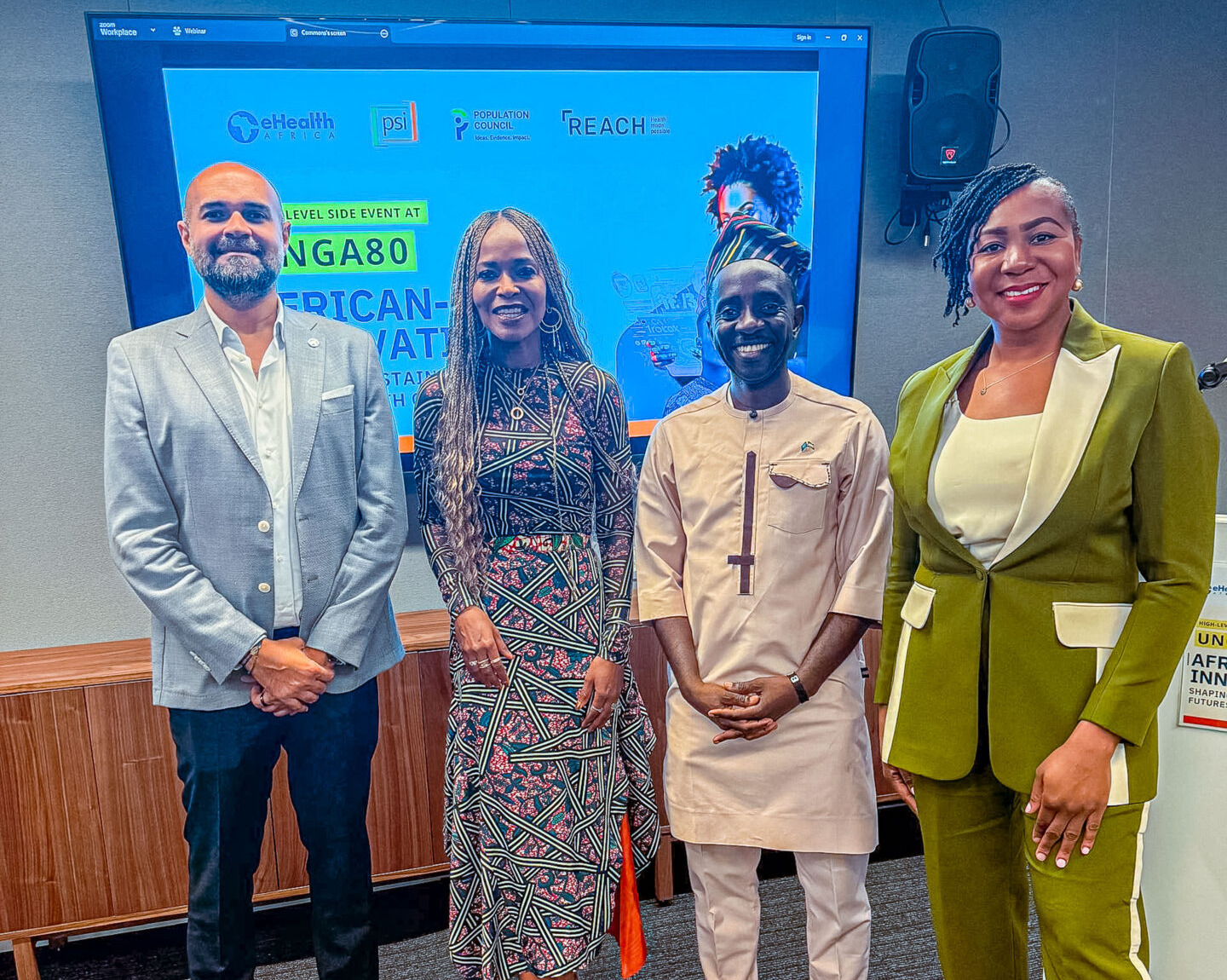
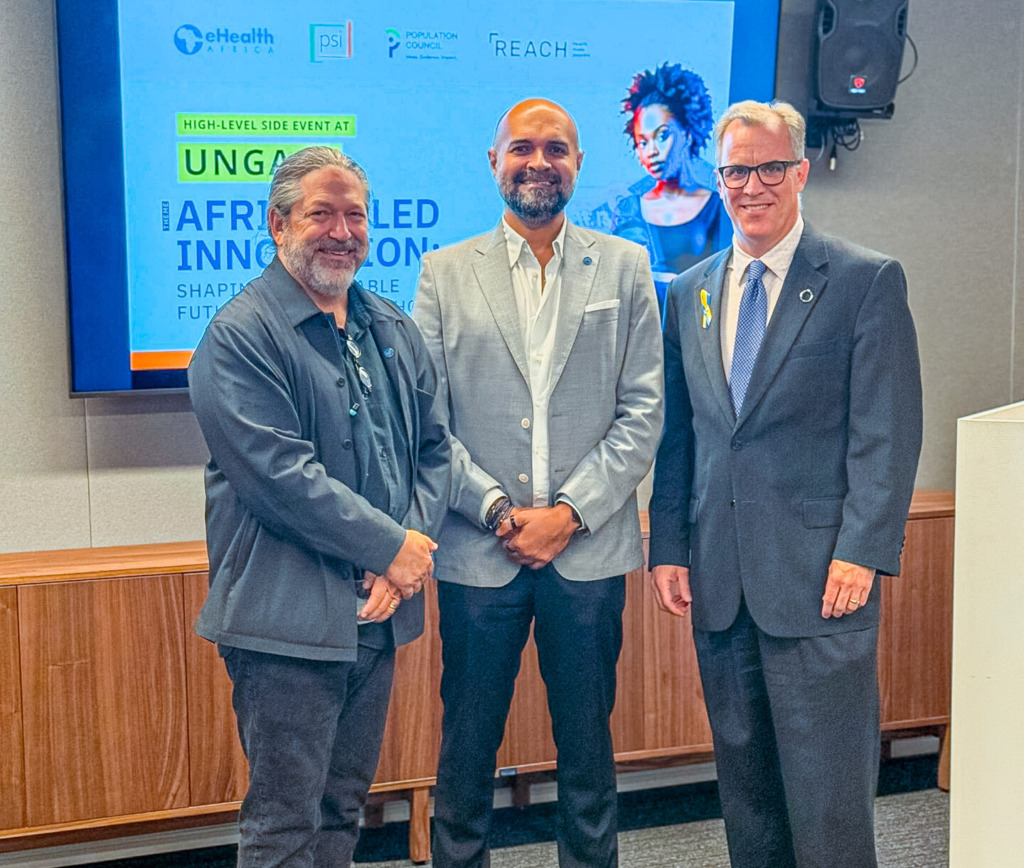
For decades, conversations about Africa’s development have centered on aid. At UNGA80, that narrative shifted. eHealth Africa, alongside Population Services International (PSI), the Population Council, and Reach Digital Health, came together to reframe how the world sees Africa — not as a beneficiary, but as a builder. Their shared conviction was clear: the time for Africa to lead, design, and define its own development trajectory is now.

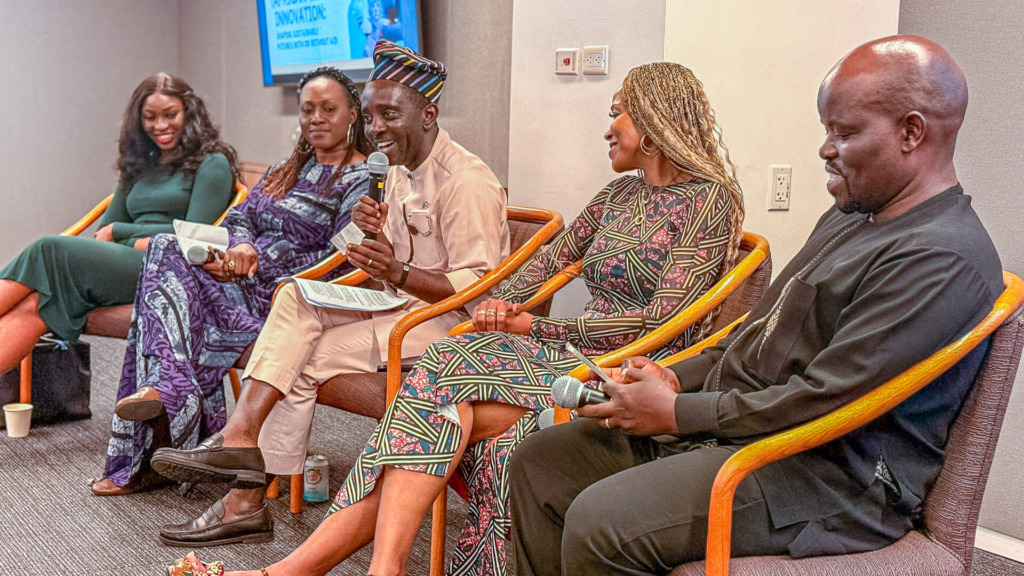
These organizations co-hosted the side event “African-led Innovation: Shaping Sustainable Futures With or Without Aid” at UNGA80 to turn that conviction into dialogue and action. The event brought together ministers, health leaders, researchers, and community innovators – both in New York, across Africa, and online – not to speculate about Africa’s potential, but to spotlight solutions already transforming lives. The call to action was clear: stop talking about Africa’s future. Start listening to how Africans are building it right now.

Some African governments are beginning to prioritize innovation, especially in health technology. We are seeing increased funding and commitment, which is both encouraging and proof that this works,” shared Atef Fawaz, Executive Director of eHealth Africa, setting a strong context for this bold conversation.

He added, “We believe that Africa will be among the top 10–20 emerging markets in the next two decades. This is the place to be. My message to the younger generation is: look into Africa, invest in Africa — whether in health projects or tech. There is so much potential and talent here, and that’s what we are pushing forward.”

Ota Akigbe, Director of Programs at eHealth Africa, grounded this vision in practice: “Sustainability means creating systems where aid is helpful but not essential, and where communities and governments have the right skills, the right structures, and the right ownership to carry on by themselves.” 

From these conversations, five clear lessons emerged:

1. “Africa does not wait.” Innovation is already here.

One of the most resonant moments came from Hon. Chernor Bah, Sierra Leone’s Minister of Information and Civic Education, who opened the session with a truth that set the tone: “Africa does not wait.” He wasn’t speaking metaphorically. Across the continent, communities are deploying solar-powered clinics, building local data platforms, and designing digital health tools that respond to real needs with or without external funding. This isn’t a plea for help. It’s proof that African innovation is operational, not aspirational.

2. Technology must solve real problems, not just look impressive.

Michael Holscher, President of PSI, cut through the tech hype with a grounded reminder: “Technology only works if it solves real problems for real people.”  An app, a drone delivery system, or a new financing model only matters if it fits into the daily lives of women, youth, and underserved communities. Otherwise, it’s just noise. As our partners at Reach Digital Health emphasized during UNGA, we must build services people love, not just systems they tolerate.

3. Scaling requires partnership and redefined financing

True scale doesn’t come from isolated pilots or donor-driven agendas. It emerges when governments, civil society, the private sector, and communities co-own solutions – and when funding flows in ways that respect African leadership, not dictate it.

Co-President of the Population Council, James Sailer, made a compelling case, saying, “No one is doing this alone. When financing, trust, and accountability align, ideas stop being ‘cool pilots’ and start becoming national systems.”  The collaboration between eHealth Africa and other key stakeholders is not a coincidence, nor is it  mere convenience, but an intentional alignment.

4. Data is Africa’s sovereign resource.

Ota Akigbe, Director of Programs at eHealth Africa, also highlighted the critical role of inclusion and local agency: “When community voices are included from the start, solutions take root –  and they last a lot longer.”  This begins with data. In practice, this means co-designing tools like geospatial maps or vaccine delivery systems with communities, not just for them, so the data reflects real needs, builds trust, and earns government buy-in. 

When African institutions generate, own, and act on their own data, they stop borrowing metrics from abroad and start writing their own progress reports. That’s how you shift from dependency to self-determination.

5. Sovereignty isn’t a buzzword. It’s the foundation of resilience.

Manasseh Gihana Wandera, Executive Director of Society for Family Health Rwanda, put it plainly: “Sovereignty is the backbone of resilient health systems.”  When African nations design, fund, and scale their own solutions, no external actor can pull the plug. Aid may come and go, but locally rooted systems endure.
These are not stories of charity. They are stories of resilience and ownership. That’s the real takeaway from UNGA80: Africa’s future isn’t being handed down from somewhere else. It’s being built – brick by brick, byte by byte – by Africans themselves. This is because the future isn’t waiting – and neither is Africa.

From Pears and Apples to Purpose: The Shared Journey of an Internship Cohort at eHealth Africa

Azeez-Ayodele Fatimah Ayotemitide

I have a confession: I came to eHealth Africa for the free pears and apples. It’s an honest truth I’ll carry with me. 

At my very first eHealth Africa program, I noticed the perks and thought, “Well,  that’s a nice little bonus.” But when the internship application opened a few months later, it presented itself as more than just a place with healthy snacks; it was a chance to practice my craft of visual storytelling, learn, and grow.

We are often taught that an internship is a brief foray into the professional world, a structured stepping stone where you mostly observe and assist. The reality of this internship, however, has been different. It has been a full-immersion experience that challenges the very notion of what building a career entails. Every project became a lesson in nuance, every challenge an opportunity to grow, and each of us has a story to tell. We came in as individuals, but we stand as a cohort, carrying forward the lessons that will define our professional journeys.

The Storytellers

My journey as a videographer quickly expanded as I was pushed to embody a communications professional. I learned that storytelling goes far beyond the lens, extending into the very essence of a project’s life and impact. With the Post Distribution Monitoring project (PDM), I wasn’t physically on the ground, but I lived the experience through my screen, watching the interviews and feeling the struggles of the enumerators. With SARMAAN (Safety and antimicrobial resistance of mass administration of azithromycin among children aged 1–11 months in Nigeria), I had the privilege of seeing the lives of the data collectors and partners unfold, both in the field and through the screen, learning to relay the impact in words and visuals that the world could see and understand. This is a story of living the mission firsthand, and I know it is a sentiment shared by my peers.

The Developers

For Abba Daniel, now an Associate, Software Developer with eHealth Africa, the program was a direct pipeline from learning to impact. He started out simply as  an attendee of the eHA Academy, but his passion and drive led him to this internship and onward into a full-fledged role. “The reality has been even better than I imagined,” he said, “I have actually been given the chance to work on meaningful tasks, collaborate with a supportive team, and contribute directly to real projects.” Abba’s journey does not end as a developer, he is also a mentor to the next cohort of the Academy, proving that the best way to learn is to teach.

The Detail-Oriented

For Abduljalal Usman, our Finance Intern, stepping into the Finance team came with surprises he hadn’t anticipated. The level of responsibility and trust placed in him went beyond his expectations. “I had the chance to work on meaningful tasks that contributed to ongoing projects rather than just observing from the sidelines.” He faced the challenge of handling complex and complicated financial documents, but with the support of his team, he learned to carefully review details and communicate for clarification, solidifying the crucial skill of attention to detail and accountability.

The Organizers

According to Hanifa Shuaib, our Program Delivery Intern, the program taught her that “meaningful impact often comes from teamwork and small, consistent contributions that add up to real change.” She actively participated in projects like SARMAAN II, supporting coordination and documentation. Hanifa credits her supervisors for helping her overcome the challenge of juggling multiple tasks by teaching her to prioritize and communicate her needs early.

A Shared Valuable Conclusion

This internship has been nothing short of transformative. We learned that public health and technology are not just concepts but living systems, rooted in people, stories, and innovation. 

For me, the greatest lesson was learning to listen to learn, not just to reply – value woven into the culture of eHealth Africa. Here, everyone matters, and standing still means falling behind. You must grow!

This is the true return on investment. Not just for us as interns, but for eHealth Africa and its partners. This journey turned us from learners into doers, ready to contribute to a healthier, more connected Africa. 

And to think, for me, it all started with free pears and apples.

Azeez-Ayodele Fatimah is a Communications Intern with eHealth Africa

Why African-led Innovation Matters Now More Than Ever

By Atef Fawaz 

The year 2025 has been a watershed year for global development. Aid is shrinking. United States assistance has all but disappeared. Public debt is choking governments’ ability to fund health, education, and basic services. The old model that was aid dependent, externally dictated, and reactive was never truly sustainable.

The truth is, Africa has been carrying itself for decades. Governments, innovators, and communities have turned scarcity into ingenuity and built solutions that work. Mobile banking transformed financial inclusion. Women led enterprises are reshaping access to clean energy and education. And in health, data driven systems have strengthened outbreak response and saved lives.

At eHealth Africa, we see this up close. Solarized primary health centers keep vaccines cold in places far beyond the grid. We are designing and scaling Digital solutions, Emergency Operation Centers and Laboratory Systems   hand in hand with African governments to catch outbreaks before they spread. And when Ebola and COVID-19 hit, it was African expertise, not external rescue, that made the difference. These are not stories of charity. They are stories of resilience and ownership.

This moment is not a crisis of aid. It is an inflection point for sovereignty. Africa’s future cannot be defined in Washington or Brussels. It is already being written in Lagos, Kigali, Dakar, Johannesburg, and Abuja.

That conviction drove us to convene the Insights Learning Forum 2025 in Abuja under the theme “Local Investments for Connected Communities: The Power of Digital Health Networks in Public Health Transformation.” Leaders across government, business, and civil society sent a clear message: transformation will only last if local investment fuels innovation and if communities shape the tools built for them.

At ILF 2025, we called for governments to budget for digital health, for innovators to design with their own communities, and for the private sector and donors to commit for the long haul. As my colleague Ota Akhigbe put it: “Transformation does not begin with flashy tools or external funding. Transformation begins with local commitment.”

Now, at the United Nations General Assembly (UNGA), we are carrying this message forward. Alongside Population Service International (PSI), Population Council, and Reach Digital Health, we are convening a dialogue on African-led Innovation: Shaping Sustainable Futures With or Without Aid. This is because the question is not whether Africa can innovate. It is whether global partners are ready to recognize, invest in, and scale what is already working.

That means:

  • Private sector: build technologies with African businesses and governments that solve real problems in health, education, and agriculture.
  • Philanthropy: move from fragmented short term grants to long term, flexible investments that back African leadership.
  • Governments: explore new financing models from dedicated health levies to social impact bonds that secure sovereignty and sustainability.
  • Civil society and NGOs: pool resources and adopt adaptive models to keep impact alive even as budgets shrink.

ILF 2025 showed us the urgency. UNGA is our chance to make sure the world not only listens, but acts,because the future will not be given to us. It will be built by us.

About Atef Fawaz:

Atef Fawaz is the Executive Director of eHealth Africa. He is a complex operations management and ICT expert with experience in humanitarian response and digital health.

Beyond the Panels: How Solarizing PHCs is Powering Health and Hope

Joyce shinyi

Reliable electricity is a critical determinant of quality care in Primary Health Care (PHC) facilities. Yet, according to the World Health Organisation, close to 1 billion people in Lower-and Middle-Income Countries (LMIC)  of which Nigeria is included, are estimated to be served by PHCs that operate with limited or no power, compromising vaccine storage, emergency care, and essential health services. Across rural and underserved areas, this gap has long affected patient outcomes and staff effectiveness.

The solarization of 238 PHCs across 12 Nigerian states is changing that reality. Funded by UNICEF and implemented by eHealth Africa (eHA), the initiative strengthens health systems, builds local capacity for solar maintenance, and ensures uninterrupted healthcare services. According to the Executive Director of eHealth Africa, Atef Fawaz, “This initiative is not just about installing solar panels. It’s about giving communities the power to access essential healthcare when they need it most.  Our resilience in supporting interventions like this ensures that, not just patients but also health workers in underserved communities have the resources they need to save lives”. 

By doing so, it contributes to reducing zero-dose children and improving routine immunization coverage. The solarization initiative also represents a sustainable renewable energy solution, reducing reliance on fossil fuels and supporting Nigeria’s climate change goals. By aligning with the Sustainable Development Goals (SDGs), particularly affordable and clean energy (SDG 7) and climate action (SDG 13), it demonstrates how health interventions can simultaneously advance environmental sustainability.

The intervention  is being implemented in two phases: Lot 1 covers 191 PHCs in Jigawa, Kaduna, Kano, Katsina, Kebbi, Sokoto, and Zamfara, while Lot 3 covers 47 PHCs in the Federal Capital Territory, Nasarawa, Niger, Ondo, and Plateau. Installation began in early 2025, with progress already visible: 28 facilities in Kano completed and handed over to the Kano State Government, 3 facilities in Abuja, and 33 out of 34 in Jigawa are now solarized and operational. These completions mark a significant milestone in ensuring reliable healthcare services across underserved regions. The Teams are currently working in Nasarawa, Kaduna, and Niger to install and commission systems.

More Than Light: Restoring Confidence in Care

For healthcare workers like Saliu Muhammad, the change is tangible every day; “Before the solar system, we sometimes told patients to come back the next day for lab results because we had no light. Now, we can run tests like genotype in 30 minutes. Patients have expressed satisfaction with the improved services.” Solar power has not only improved operational efficiency but also rebuilt community trust. Families that once traveled far for care now know their local PHCs can provide reliable services day or night, ensuring timely access to essential health interventions.

For patients like Aisha Suleiman Ibrahim, the difference is deeply personal. “Before, labour at night meant using torchlight or lanterns. Now, everywhere is bright, and they attend to us immediately. No more delays, no more unsafe conditions.” Night-time emergencies no longer depend on mobile phone batteries or kerosene lamps. Powered equipment has replaced uncertainty with reliable, safe care, enabling life-saving interventions round the clock.

Powering an Entire Supply Chain

In some facilities, the benefits extend beyond their walls. Seun Olusola explains; “Solar doesn’t just power our own facility. It keeps the AMAC vaccine store running. We now maintain vaccine potency not only for ourselves but for other centres that collect from us. It has strengthened the whole local supply chain.” This improvement ensures vaccine integrity, reduces wastage, and supports higher immunization coverage across multiple facilities, enhancing the efficiency of the wider health system.

The project also invests in people. PHC staff are trained to operate and maintain the solar systems, from cleaning panels to checking batteries and managing energy loads. “Even if key staff are away, others can operate the system. That knowledge makes us confident we can keep it running.” – Seun Olusola . This capacity building ensures that the benefits of solarization are sustainable and that health workers are empowered to deliver consistent, high-quality care.

Illuminating a Path to Stronger Health Systems

With more facilities coming onboard, the solarization intervention  is transforming healthcare delivery in underserved areas. It ensures vaccines maintain their potency, cutting patient waiting times, improving staff morale, and ensuring that essential services are available whenever they are needed. Independent assessments and ongoing monitoring confirm the effectiveness of the systems, helping guide future rollout phases and reinforcing accountability to partners and communities.

By going beyond simple infrastructure upgrades, the solarization solution  is illuminating a path to stronger, more resilient health systems, ensuring communities across Nigeria can access life-saving care at all times. It demonstrates that sometimes, the most powerful health intervention is not just a drug or equipment alone, but the combination of both, working together.