November 24, 2026
What Does It Really Take to Move from Fragmented Health Investments to Connected Care?
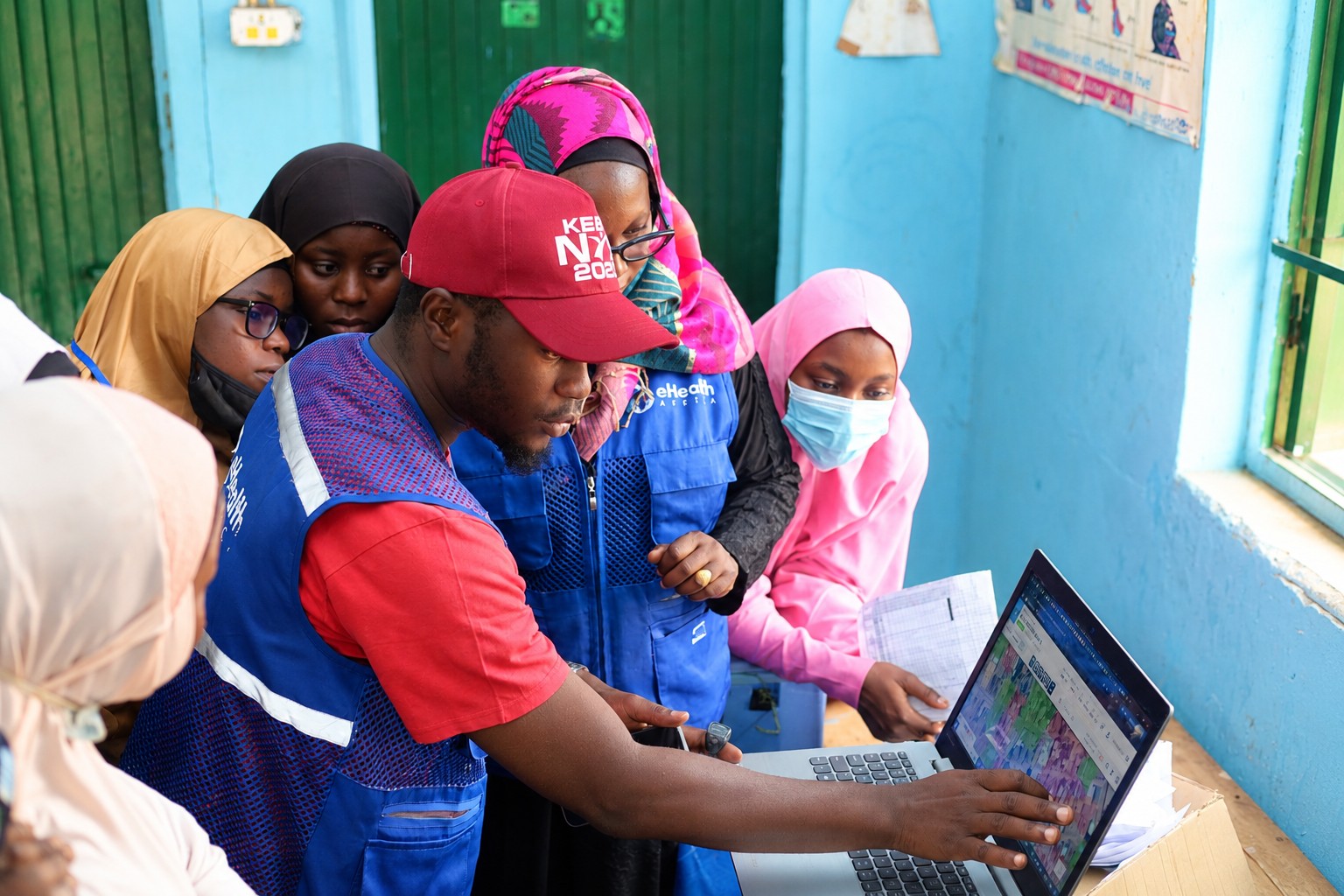
A patient can move through several parts of the health system in a single care journey: from a community health worker to a primary health center, a laboratory, a pharmacy, and sometimes a referral facility. Yet each step can still feel like starting over.
Information shared at one point may not follow the patient to the next. A test result may sit in a separate system. A referral may depend on a handwritten note or the patient remembering what was said before. For health workers, the same information may have to be entered more than once.
This is what fragmented care can look like, even when significant investments have already been made across primary health care, digital health, diagnostics, infrastructure, and workforce development. The problem is not always that the investments do not exist. It is that they do not always work together around the person receiving care.
Connected care aims to change that experience by linking the people, services, information, and decisions around a patient so that care can continue rather than restart at every point.
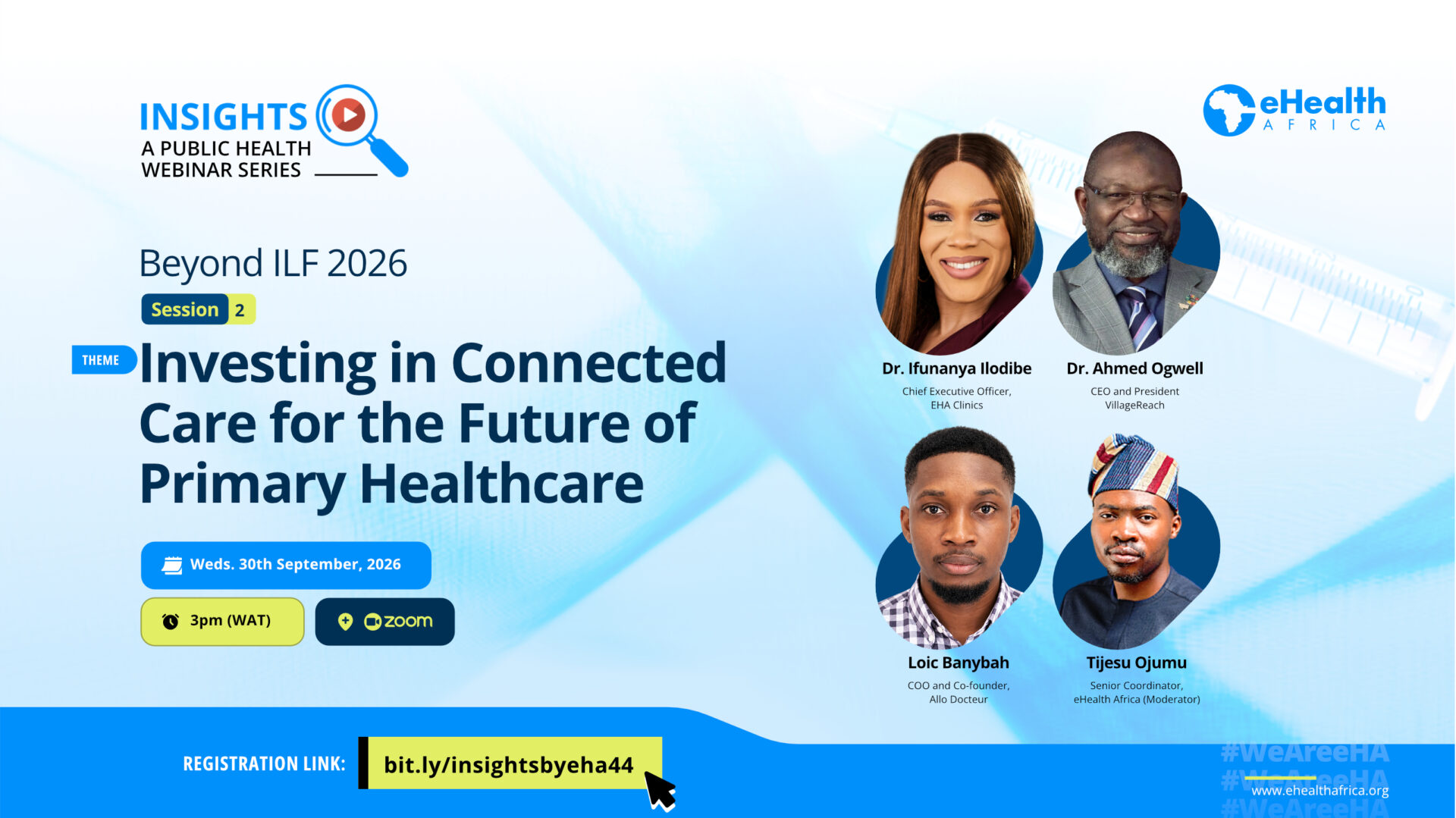
This idea was explored at the 2026 Insights Learning Forum (ILF) and revisited during the Beyond ILF webinar on Investing in Connected Care for the Future of Primary Health Care. The discussion returned to a central question: what does it really take to move from fragmented health investments to connected care?
For Dr. Ifunanya Ilodibe, CEO of EHA Clinics, part of the answer lies in changing what health investments are designed to achieve. “What we’ve done traditionally is that investments have followed outputs,” she said. “But what needs to change is that investments need to follow outcomes.” Clinics built, systems deployed, and activities completed may show that work has been done, but they do not necessarily show whether a patient’s experience of care has improved.
That difference becomes clearer when you follow the patient through the system. Connected care, she explained, should be designed around the patient journey rather than individual encounters. An interaction documented by a community health worker should be visible at the primary health center. Diagnostic results should follow the patient.
Prescriptions should be accessible within the care network, and when a referral is needed, the receiving facility should have enough information to continue care rather than begin again. That is a different experience from asking the patient to connect the pieces themselves.
Digital health can help create those connections, but its value depends on whether it makes care work better in practice. Loïc Banybah, Co-Founder & COO of AlloDocteur, emphasized the need to invest in connected systems of care rather than isolated solutions. As he put it, “The future of healthcare investment should not be defined by how much we spend, but by how many lives we improve.”
That standard applies to those delivering care too. If a nurse has to enter the same information into three different systems, digitization has not necessarily made care easier. Technology should reduce friction, improve coordination, and support better decisions, not add another layer of work.
Achieving connected care, however, requires more than introducing digital solutions. It demands investments that work together, systems that can securely exchange information, financing that supports long-term operations, and government leadership that ensures innovations align with national health priorities. Without these foundations, even promising solutions risk becoming isolated projects that add to existing fragmentation rather than resolve it.
However, the measure of connected care should remain human. Did the patient receive care faster? Was the referral completed? Did information follow them? Could the health worker act with better context? Did the investment make the journey through care easier, safer, and more continuous?
Perhaps that is the real shift: health investments become meaningful not simply when the pieces exist, but when the person moving through them can feel that they are connected.
Watch the full Beyond ILF webinar here to catch the full conversation and reflections from the panel.