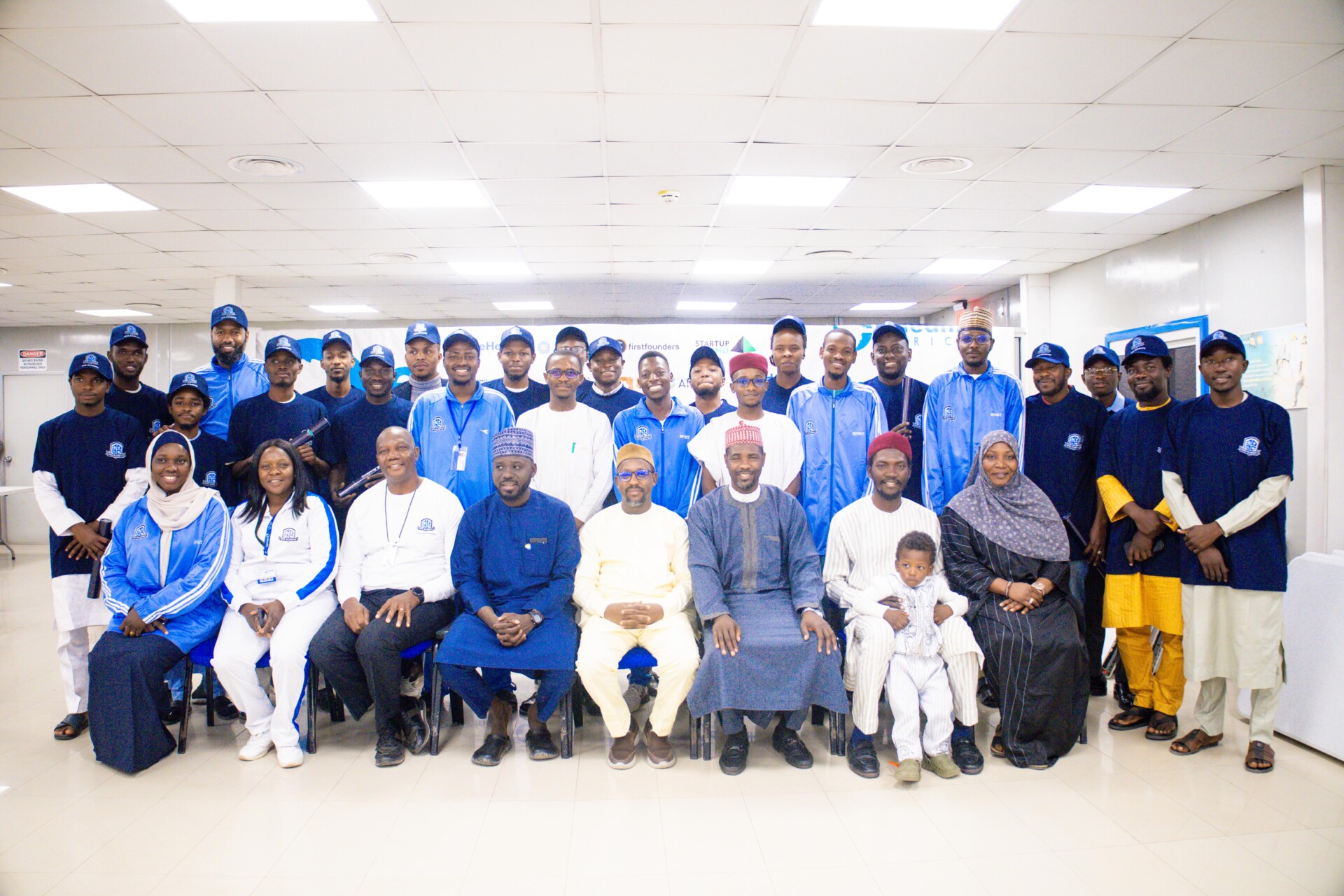
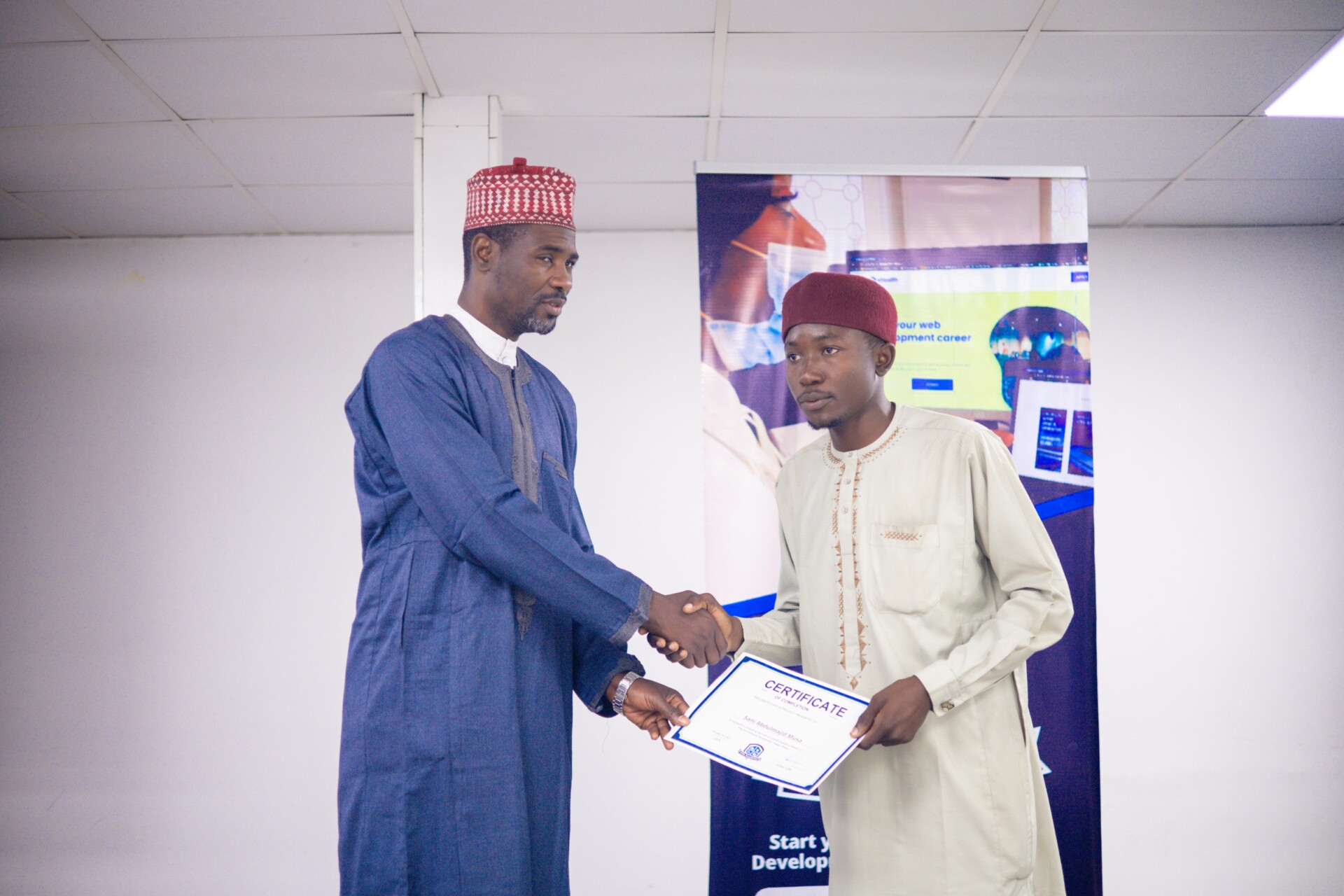
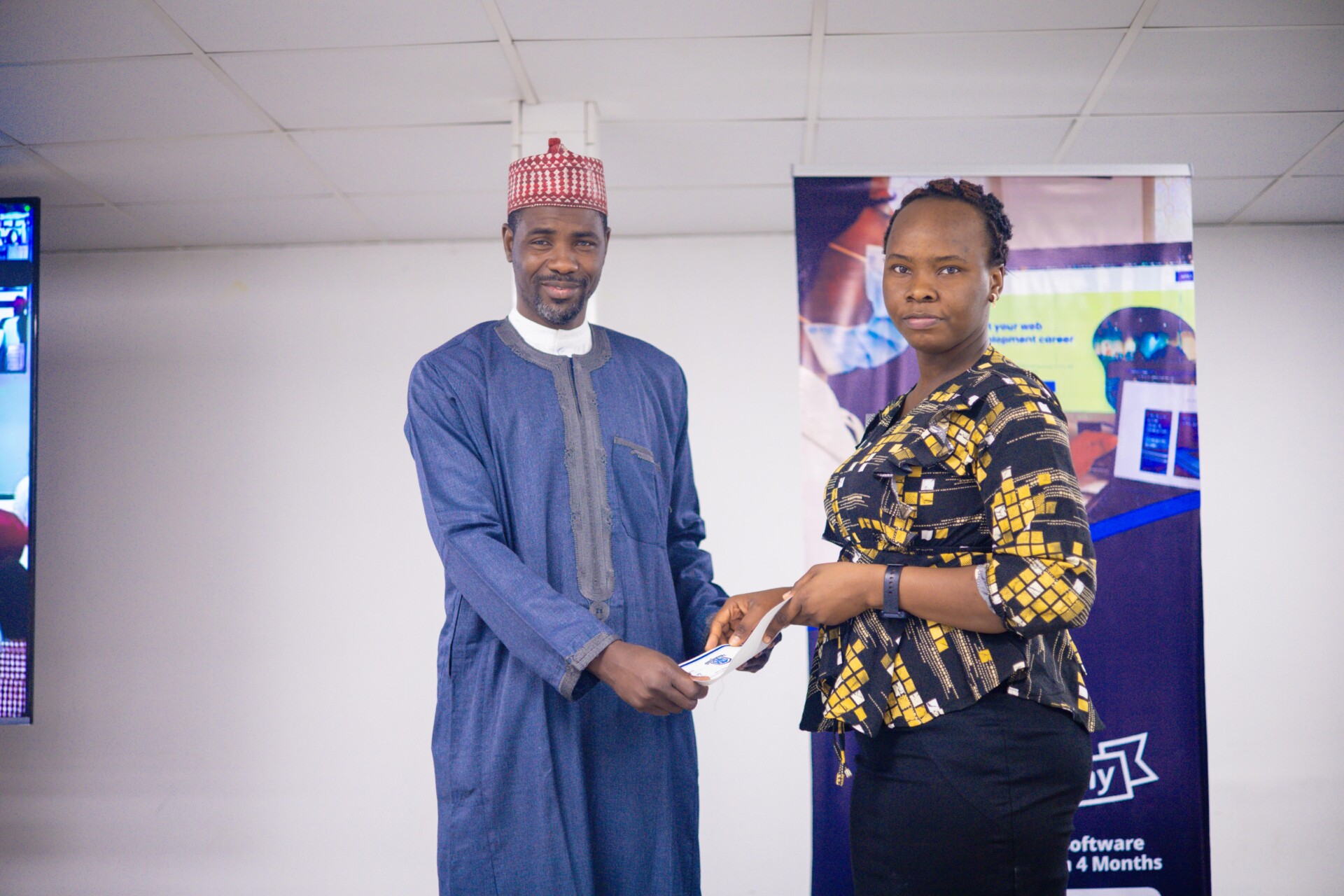
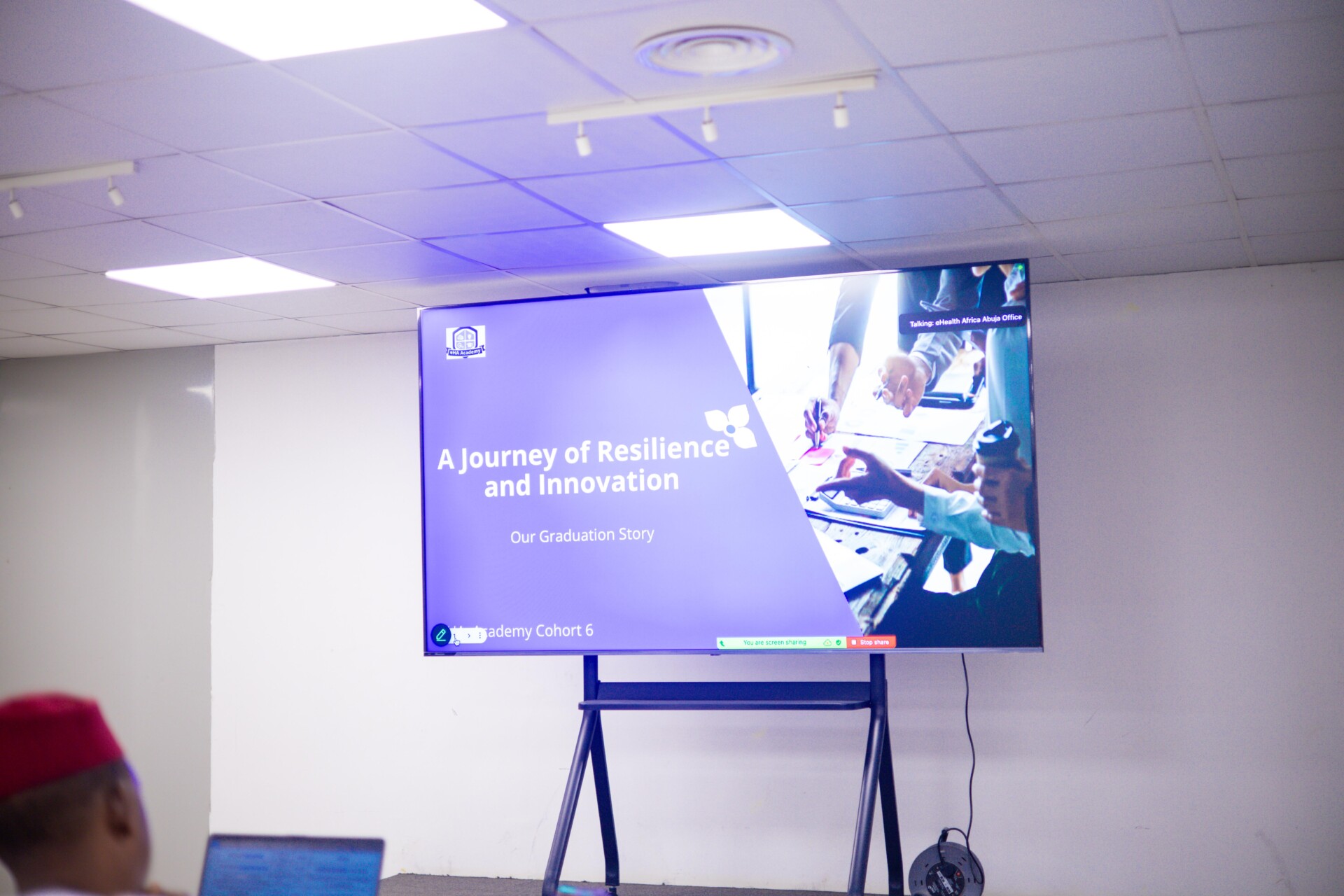
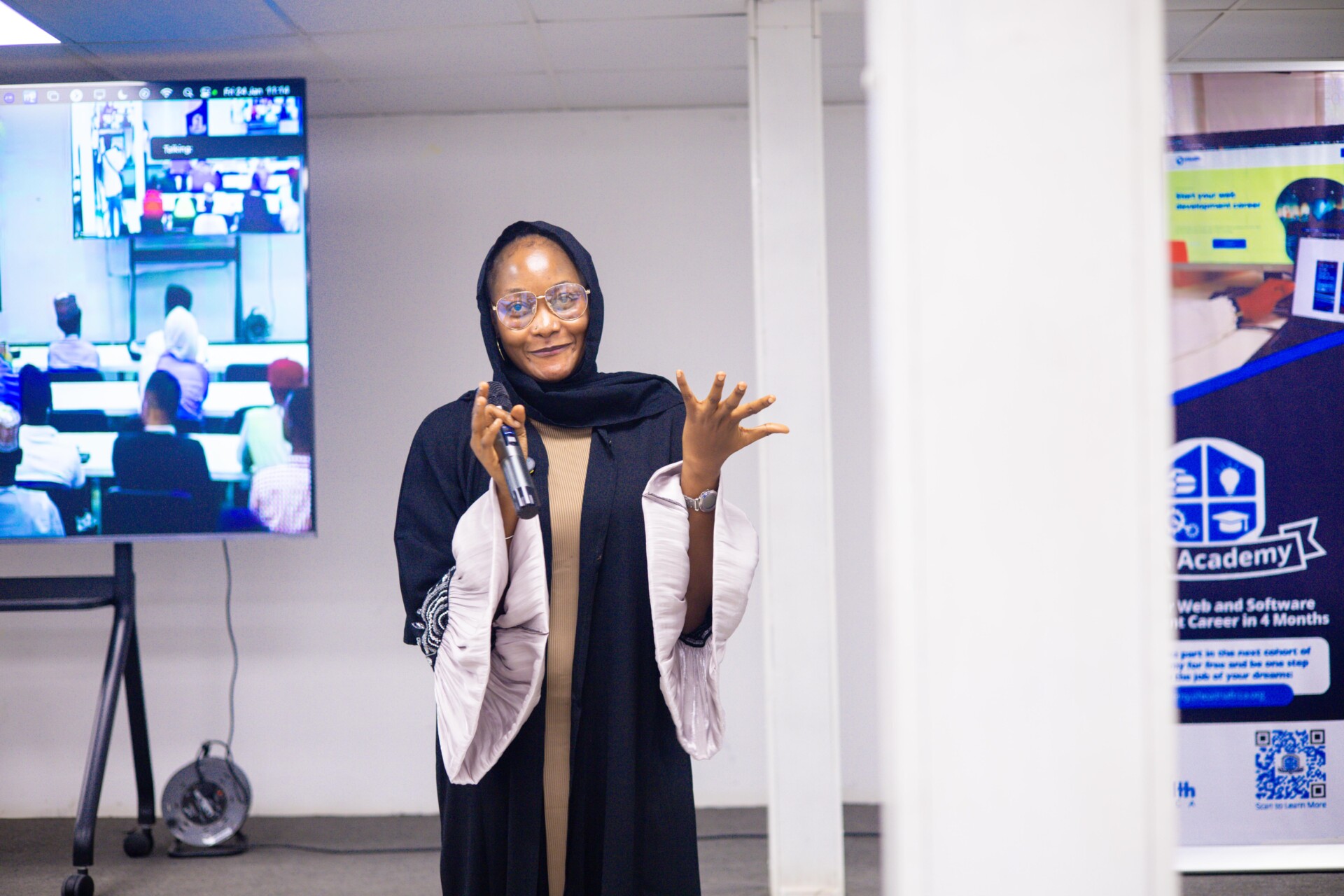
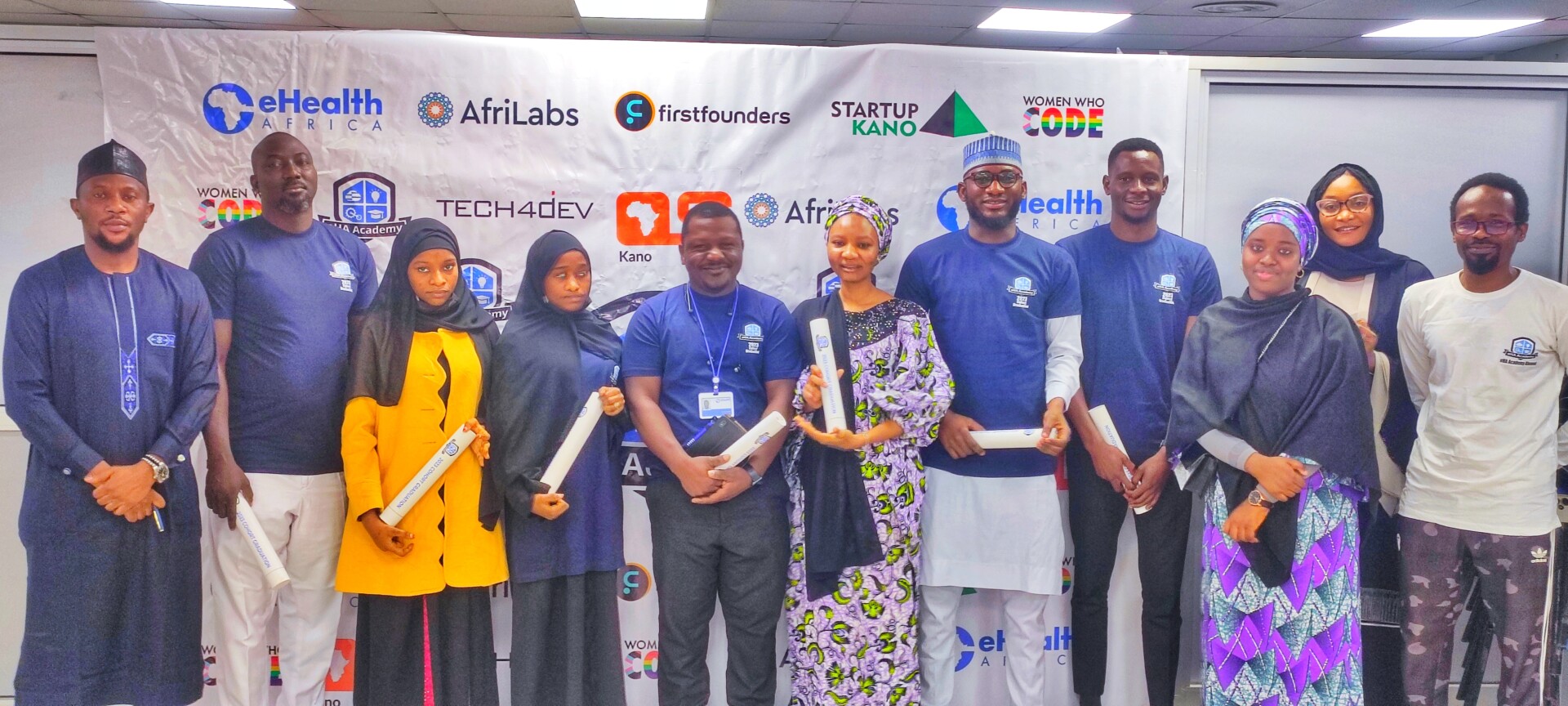
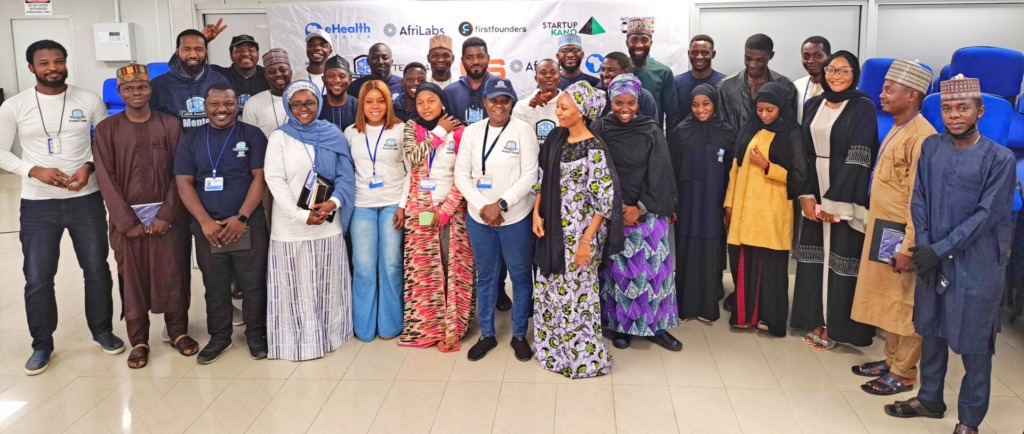
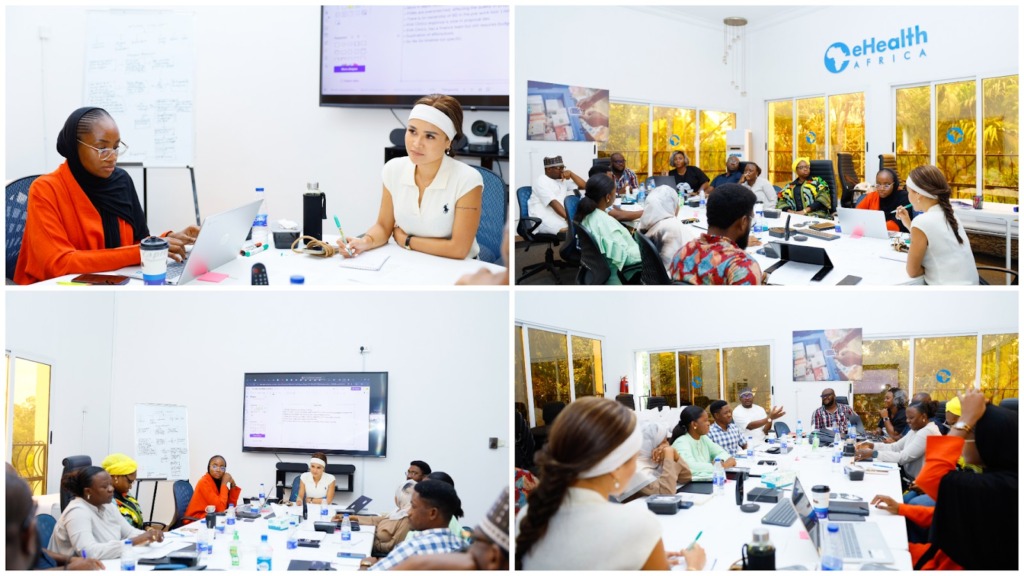
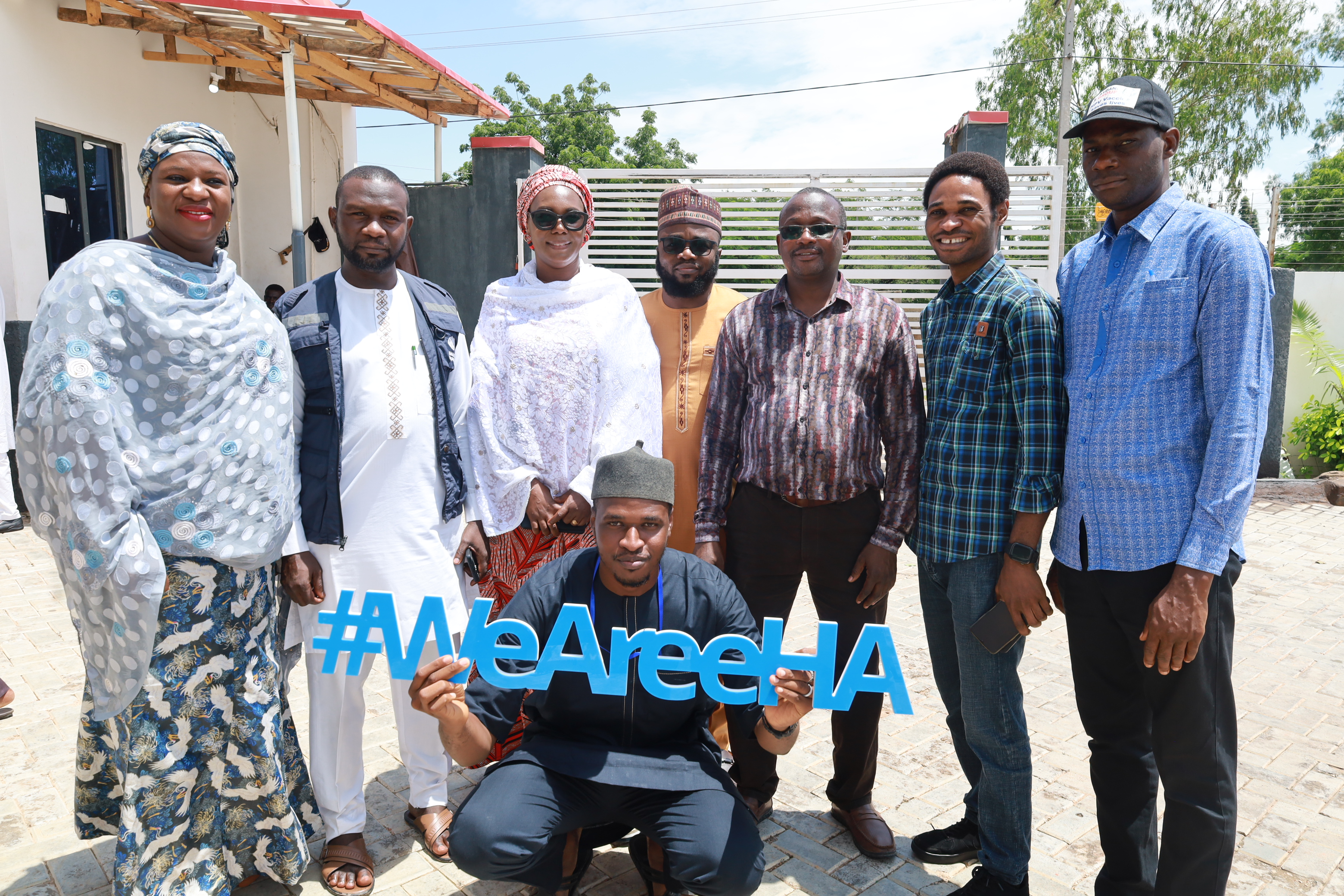
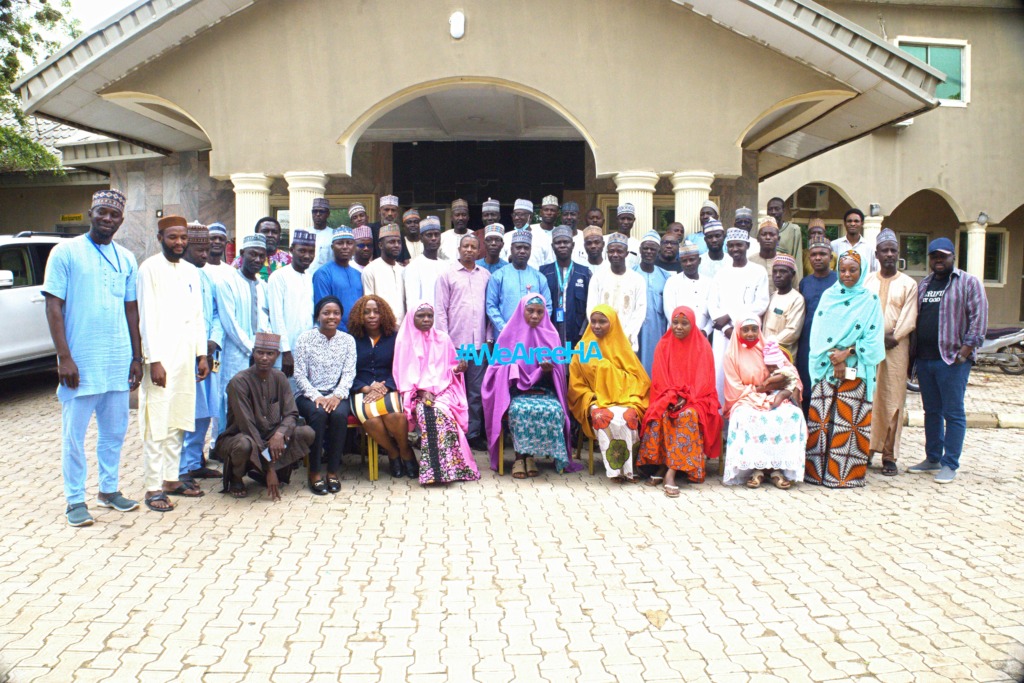
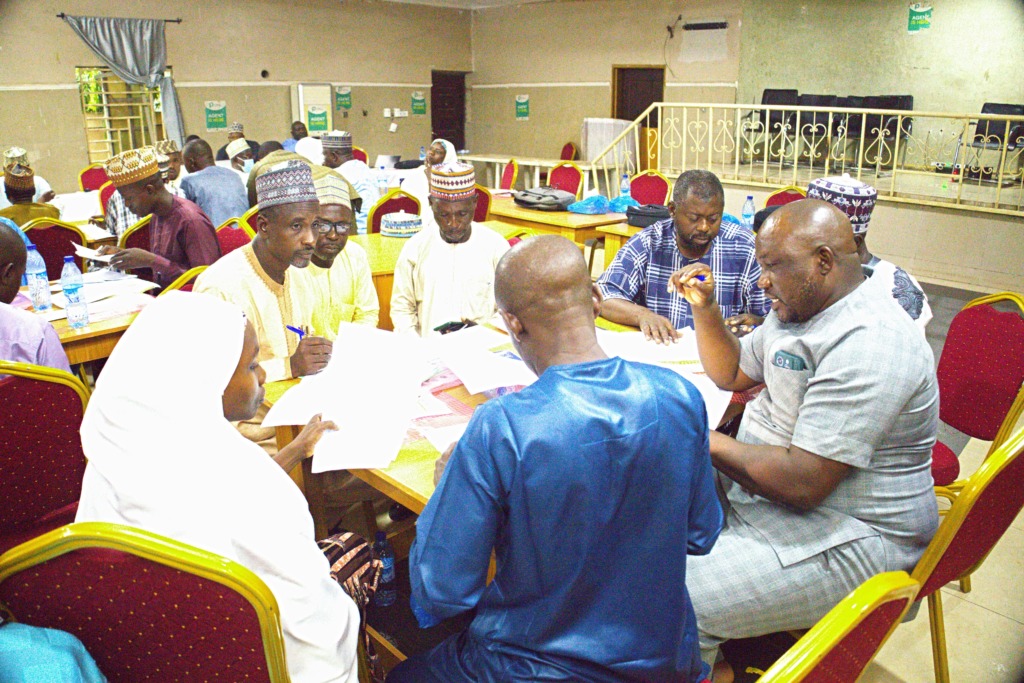
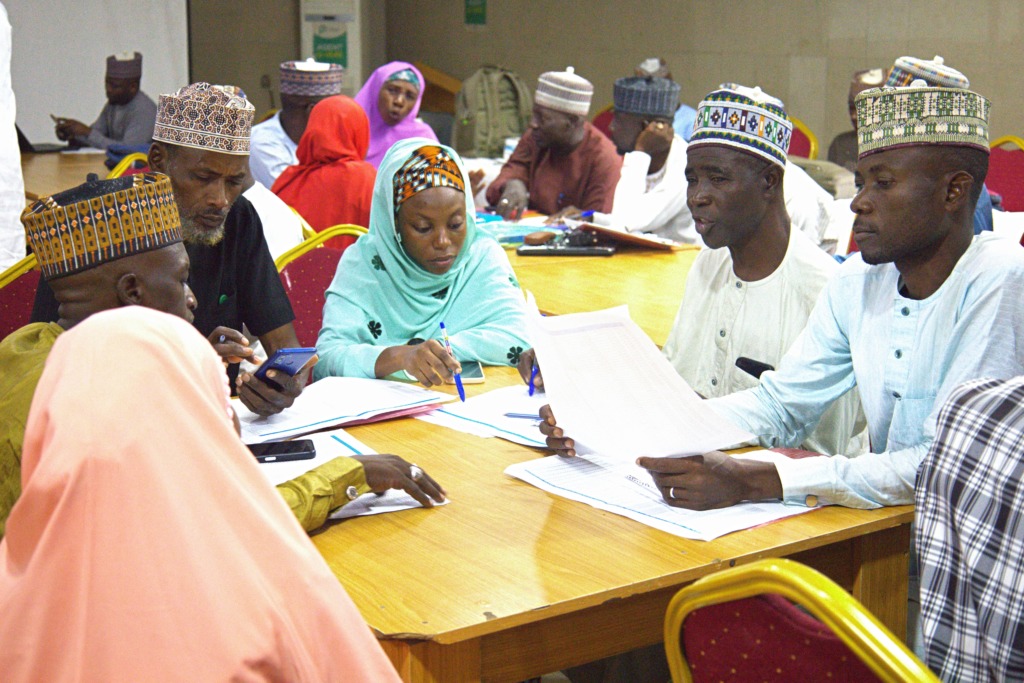
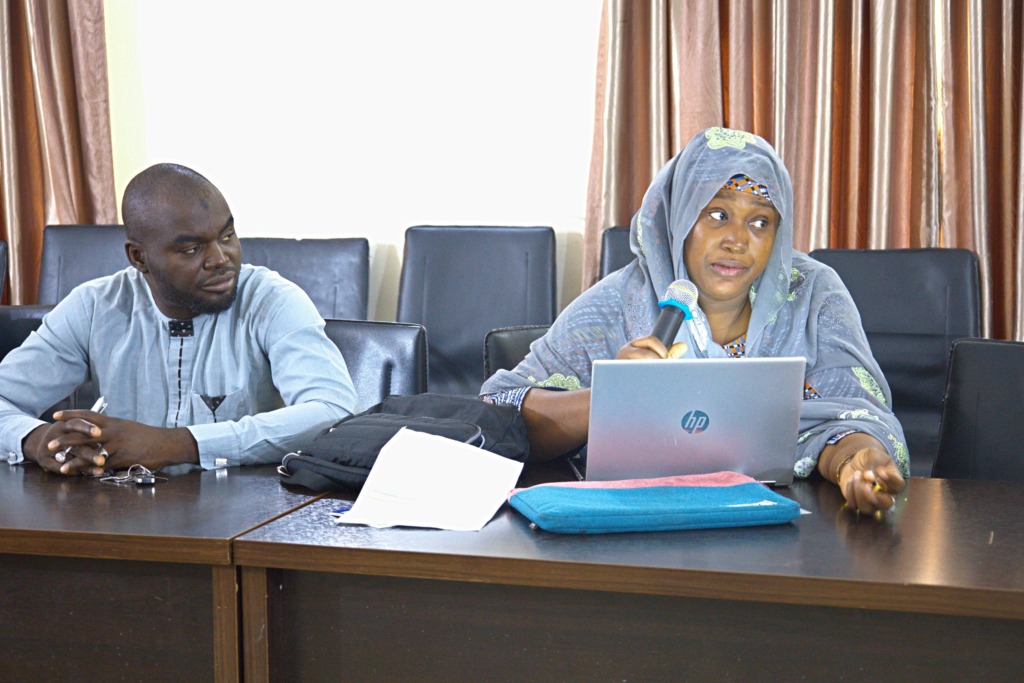
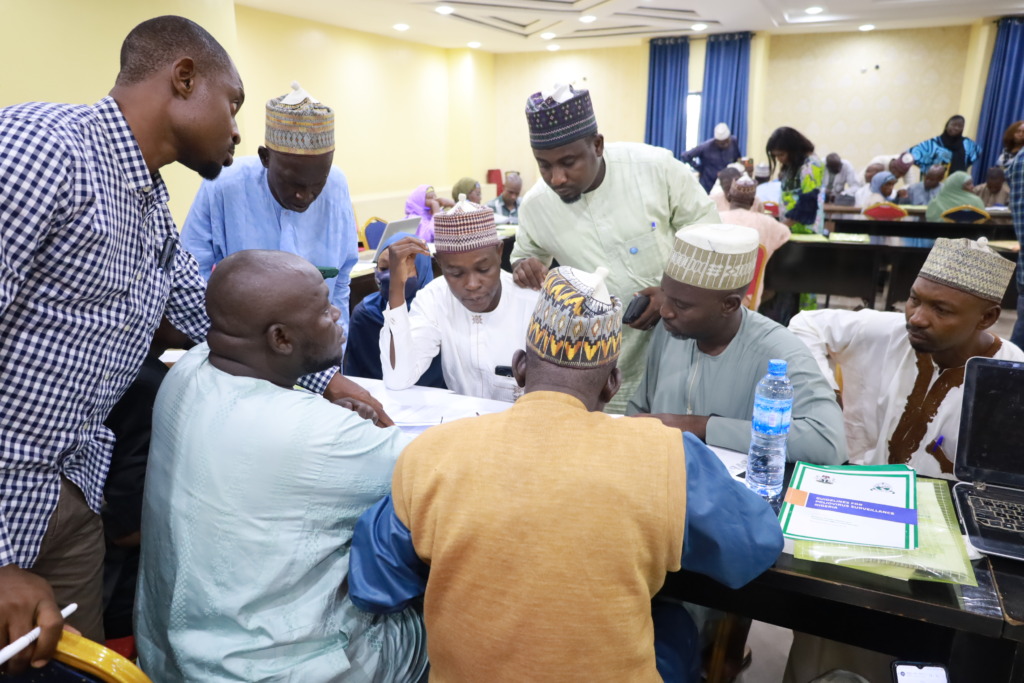
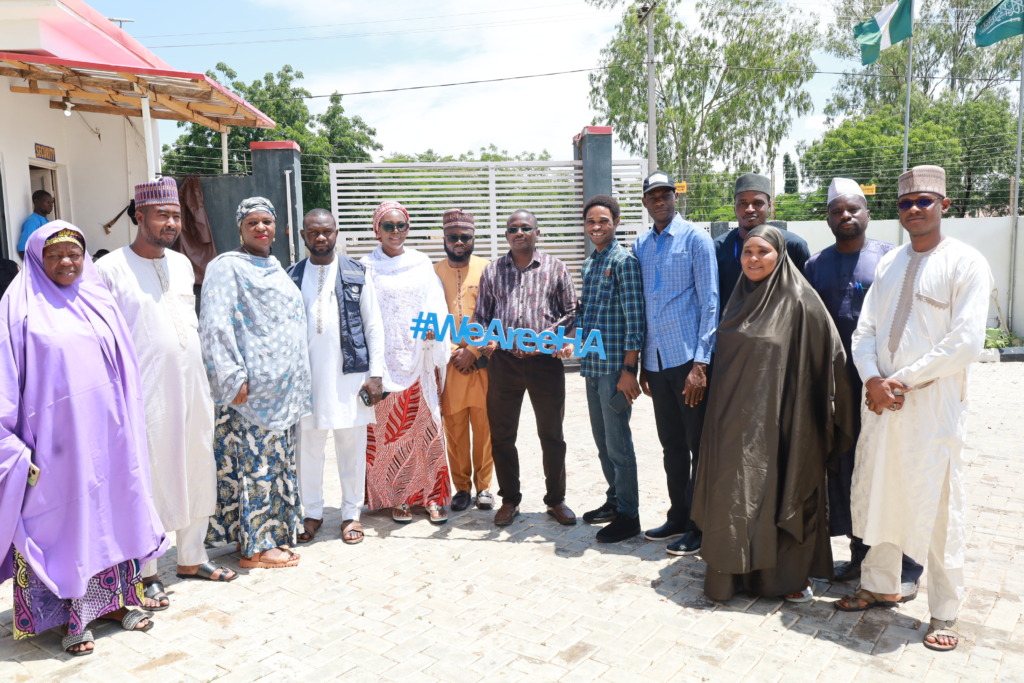
Abuja,Kano Nigeria – [27th January, 2025] – eHealth Africa, is pleased to celebrate the graduation of the 6th Cohort of the eHealth Africa Academy. This milestone event marks the successful completion of a rigorous 16-week training program, empowering young minds with cutting-edge skills in web design and software development.
Founded to bridge the technology skills gap among Africa’s youth, the eHealth Africa Academy continues to demonstrate its commitment to shaping the next generation of tech leaders. The program focuses on empowering participants with the expertise and tools required to excel in the ever-evolving digital world, particularly within the health-tech sector.
“This graduation represents more than just the completion of a program; it signifies a transformative journey for our graduates,” said Jamil Galadanci, a Senior Manager, Global Health Informatics at ehealth Africa. “We are incredibly proud of the dedication and hard work that each graduate has shown over the past 16 weeks. They have not only acquired valuable technical skills, but they are now equipped to contribute meaningfully to the digital and healthcare ecosystems, both locally and globally.”
Galadanci, a Senior Manager, Global Health Informatics at ehealth Africa
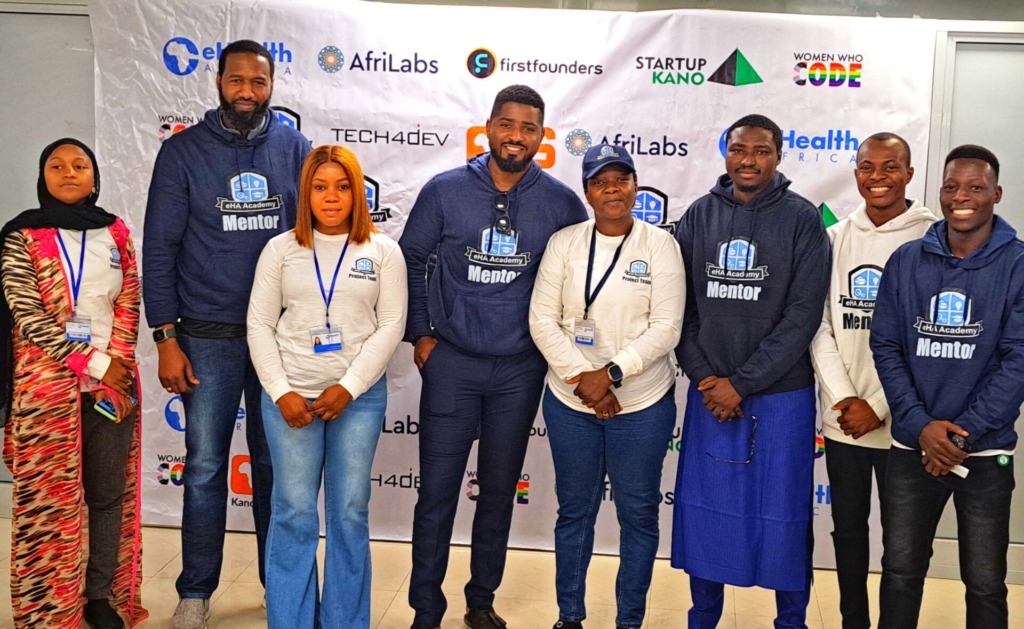
The 6th Cohort underwent an immersive and hands-on curriculum that included mentorship from industry professionals, practical training, and real-world project experience, having an increase of about 40% number of graduates for this cohort compared to the last in 2023.. Their success reflects eHealth Africa’s vision of fostering youth empowerment and creating pathways for growth in the rapidly expanding tech sector.
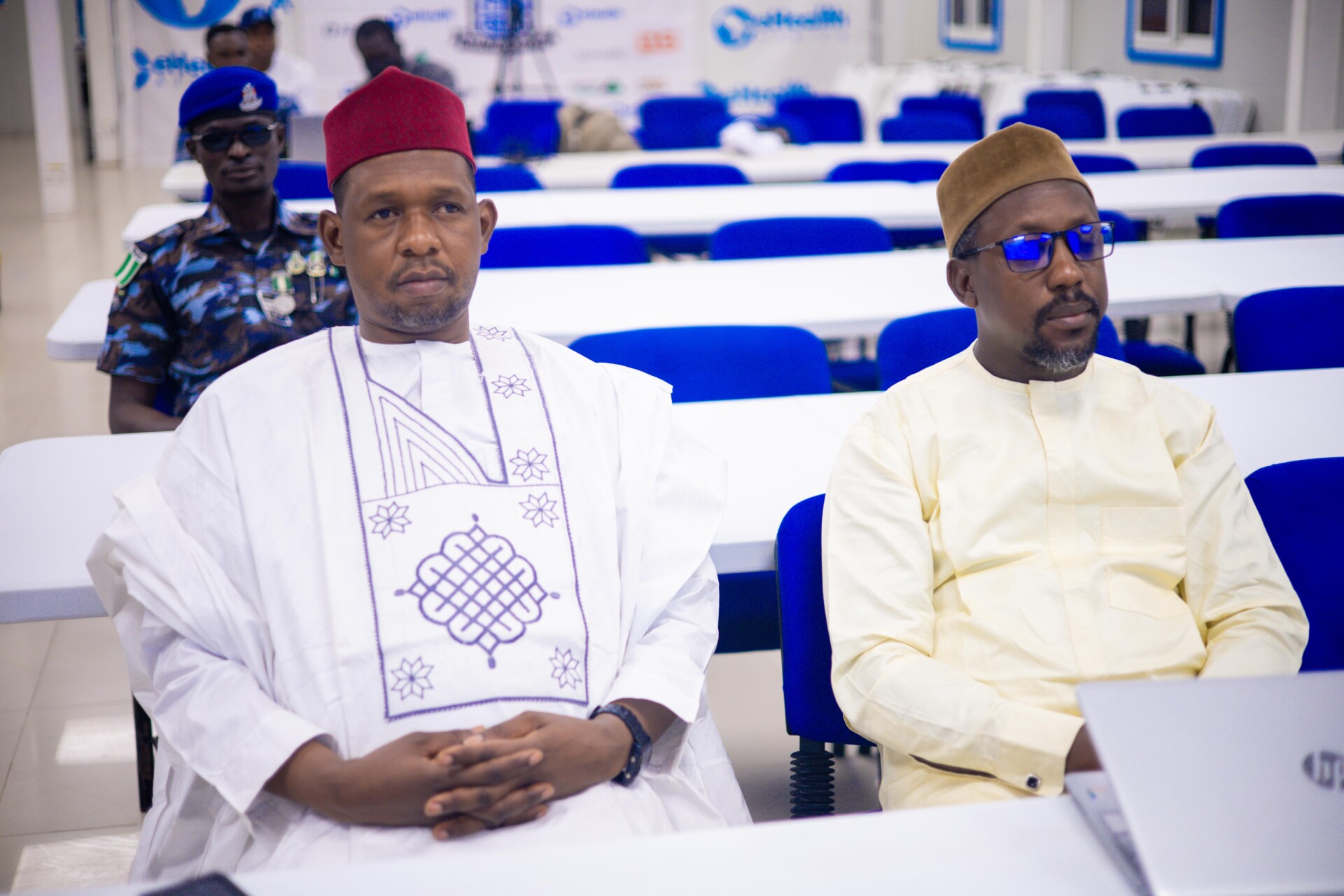
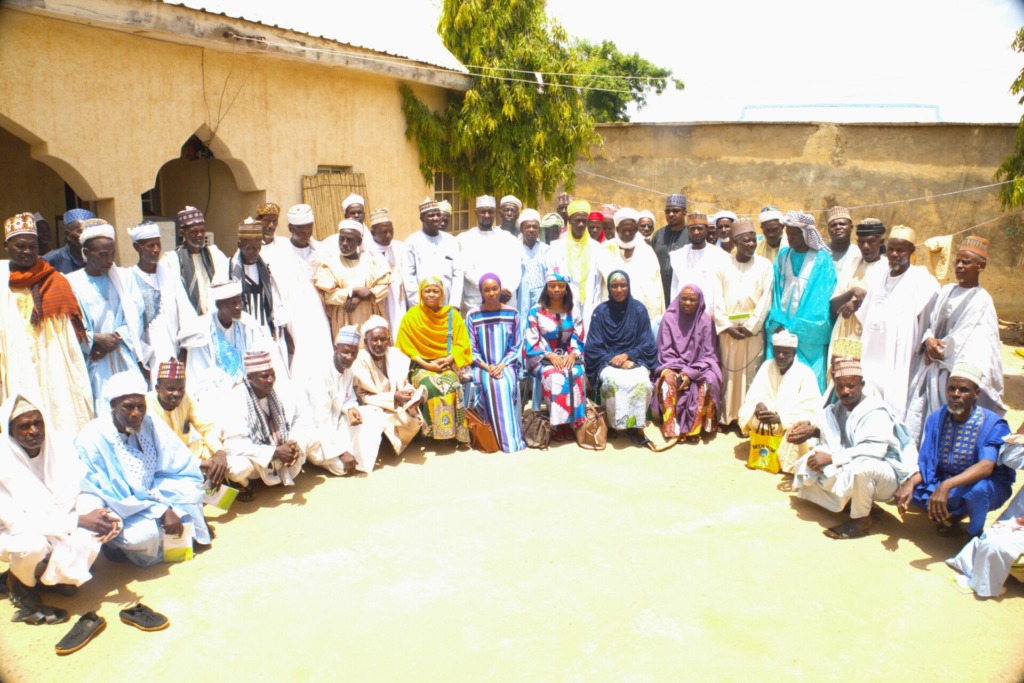
The graduation ceremony, held on 24th January 2025, brought together influential stakeholders from the health-tech industry, government, and the broader tech community to celebrate the achievements of these emerging innovators. Highlights of the event included inspiring speeches, certificate presentations, and a shared recognition of the hard work and determination of these talented graduates.
“We are excited to see the impact our graduates will have on the world. They are now equipped to address complex challenges in health-tech and contribute to shaping a future where technology and healthcare work hand-in-hand to improve lives across the continent,” said Jamil Galadanci.
To date, the eHealth Africa Academy has successfully graduated over 120 young professionals, providing them with valuable resources to thrive in the digital economy. With a focus on bridging the digital divide and creating a sustainable talent pipeline, the academy is helping drive the continent’s tech revolution.
About eHealth Africa eHealth Africa (eHA) is a non-profit organisation dedicated to strengthening health systems across Africa through the design and implementation of data-driven solutions. Responding to local health needs, over the past 15 years, eHealth Africa has built a robust tech and operational platform specifically designed to address health delivery challenges.
Collaboration lies at the heart of eHA’s approach. By sharing its operational, management, partnership, and technology platforms, eHealth Africa fosters innovation and accelerates the adoption of impactful solutions. Drawing from global successes, the organization ensures its initiatives are customized to the unique dynamics of each market, making it a strategic partner for social and economic development projects rooted in public health advancements.
With a presence in 24 African countries, including Chad, Liberia, Cameroon, Tanzania, Madagascar, and Zimbabwe, eHealth Africa continues to drive meaningful change across the continent. For more information, visit www.ehealthafrica.org.
Signed
Judith Owoicho Communications Manager, eHealth Africa
A recent engagement with communities in Kano and the Federal Capital Territory (FCT) revealed the heavy economic burden faced by individuals living with Non-Communicable Diseases (NCDs) such as hypertension and diabetes. Without proper management, these conditions can escalate into more severe health complications, including heart disease, stroke, and kidney failure. Despite their profound impact on public health and the growing prevalence of NCDs, one cannot help but question why these diseases receive far less attention and resources compared to others like HIV/AIDS. This stark disparity underscores the urgent need for a more focused and proactive approach to addressing the NCD crisis before it spirals further out of control.
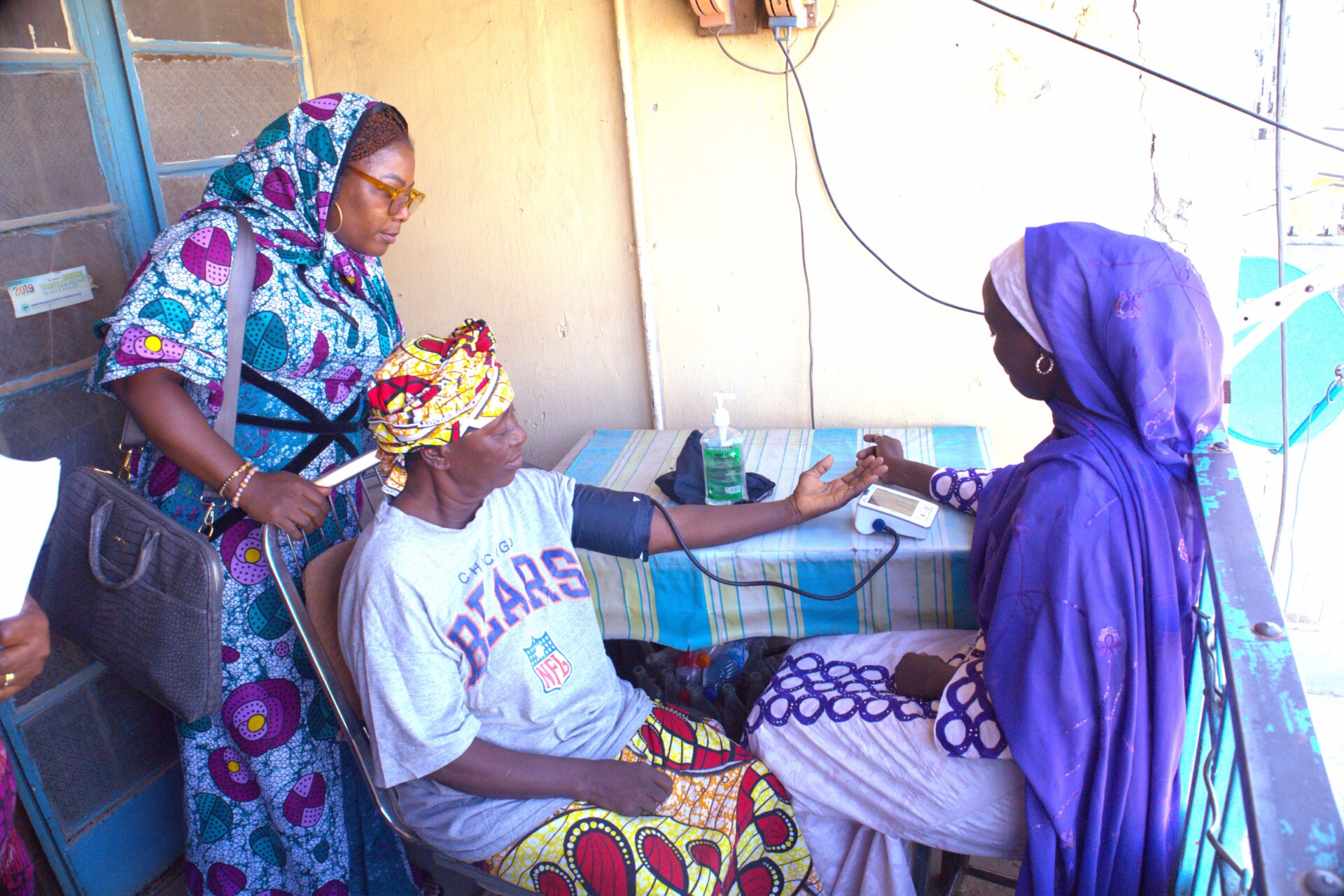
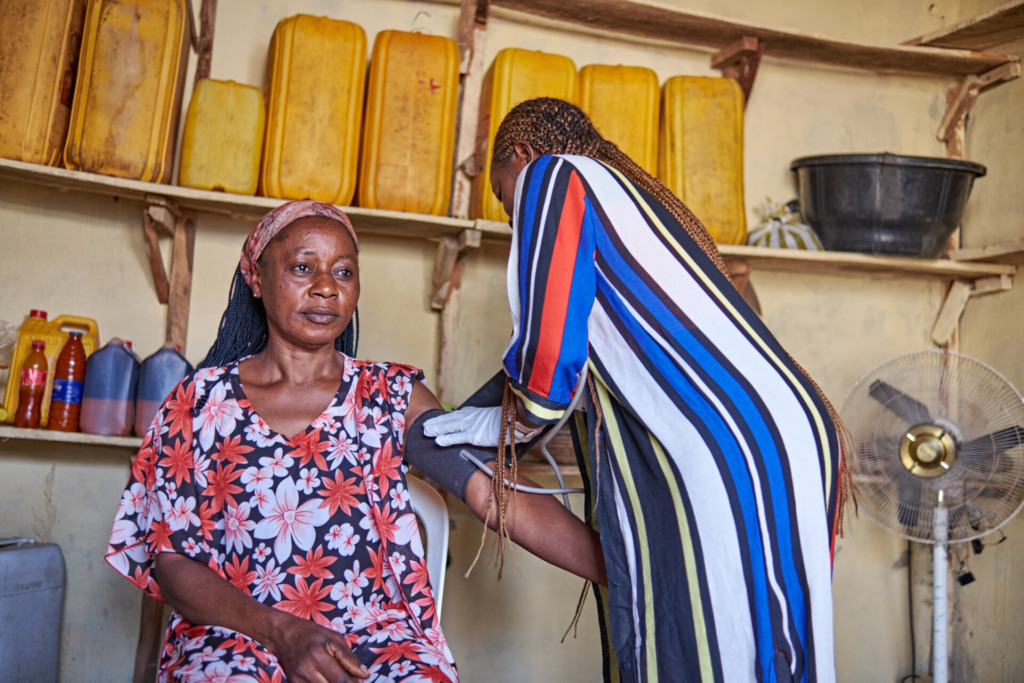
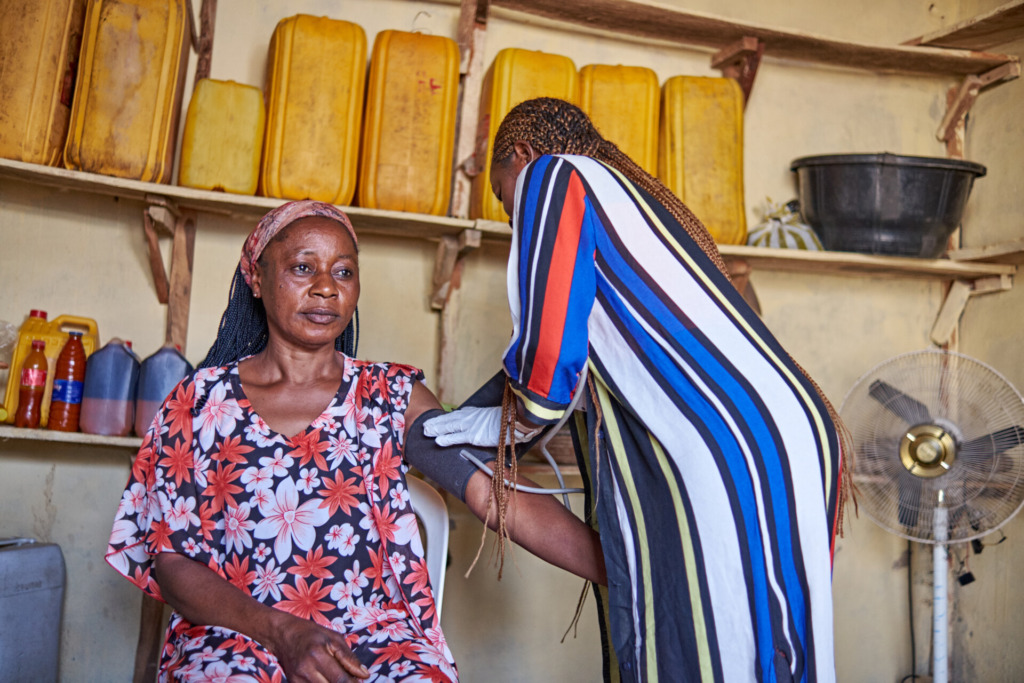
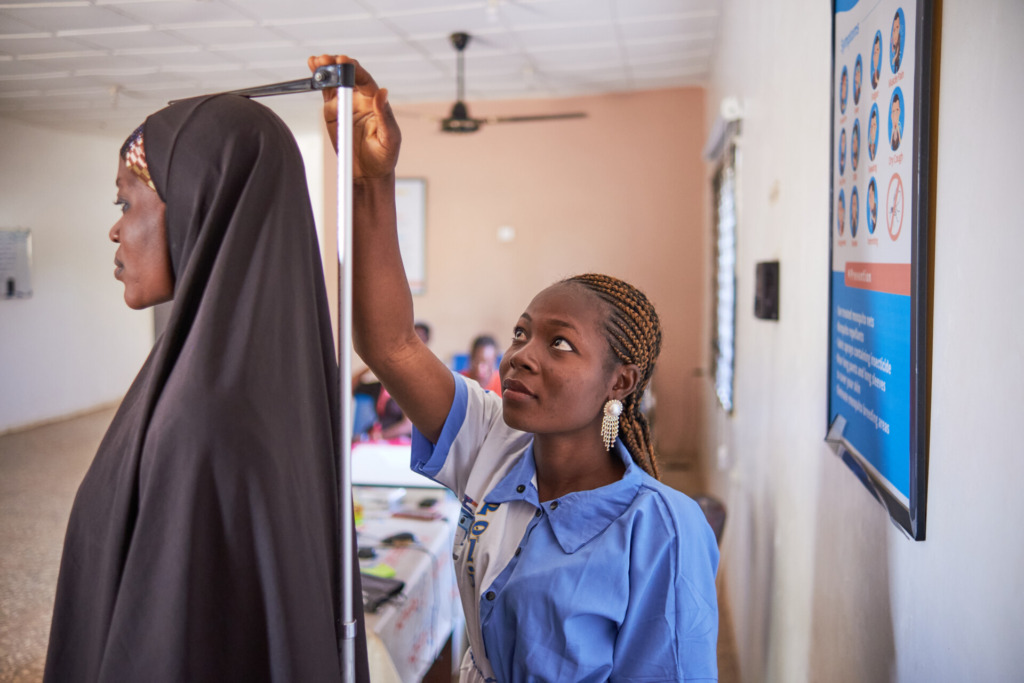
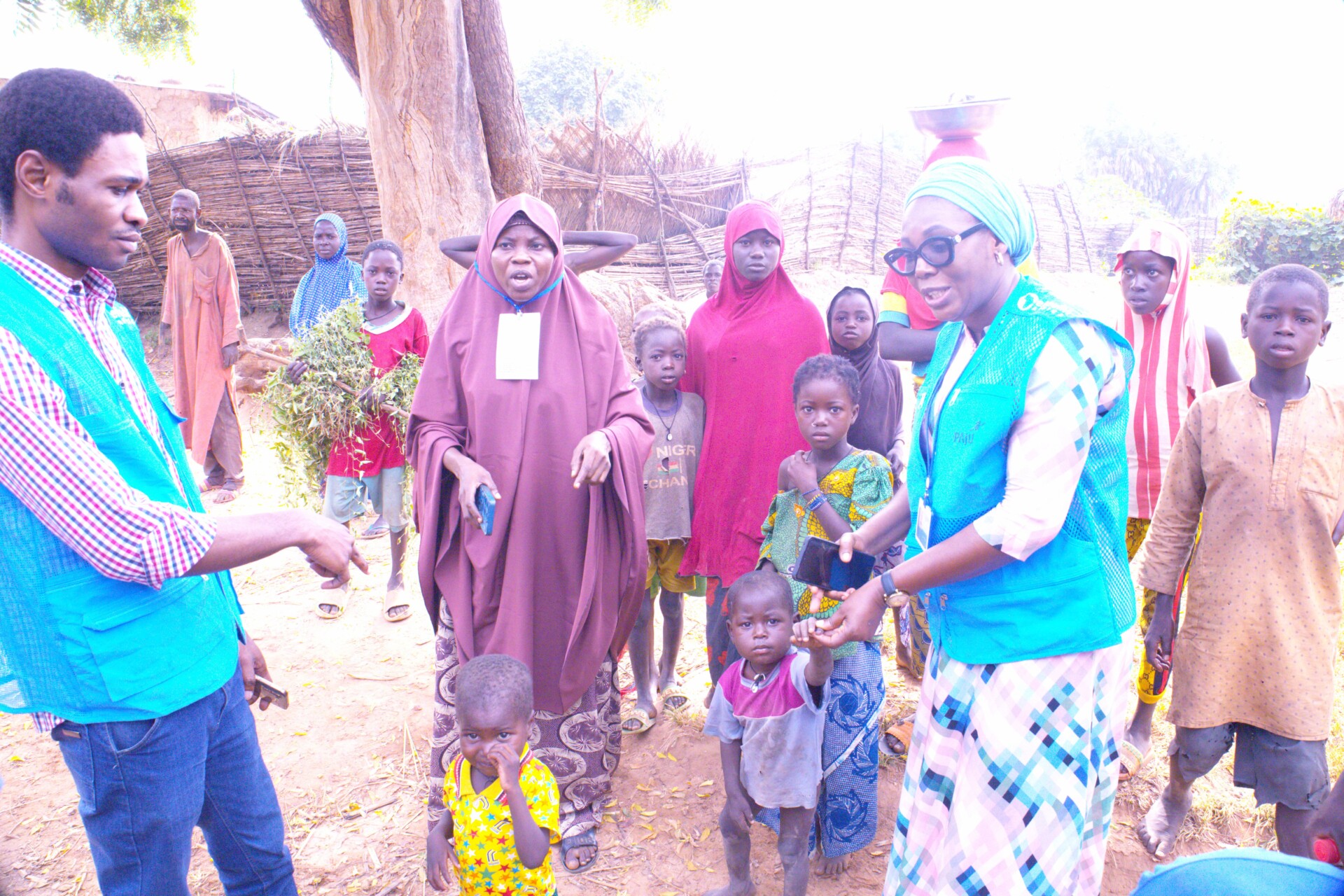
Free screening for NCD patients
While global efforts focus on high-profile public health emergencies, chronic non-communicable diseases (NCDs) continue to silently ravage rural communities in low- and middle-income countries (LMICs). It’s no surprise that NCDs now account for 71% of global deaths, with 29% of those occurring in Nigeria alone. A recent World Health Organization (WHO) report reveals that around 76 million deaths could be prevented with early detection and effective treatment. In Nigeria, approximately 30% of adults suffer from hypertension, and 7% live with diabetes, making these two conditions among the most prevalent NCDs in the country.
Beyond the statistics, this translates to lives lost, families torn apart, and communities becoming less productive and more vulnerable. Shockingly, the majority of people living with NCDs are unaware of their conditions, largely due to a lack of awareness about risk factors, leading to late diagnoses and inadequate treatment. This underscores the critical need for timely interventions in the detection and management of these diseases.
Unfortunately, access to quality, affordable care for NCDs remains a significant challenge, particularly in rural areas and primary healthcare settings. This is largely due to a combination of limited resources and socioeconomic factors, which have contributed to an environment where NCDs continue to thrive unchecked. Effective management of these diseases requires innovative and unconventional strategies, particularly in community engagement, education, and accessible healthcare.
Countries like Sri Lanka, Indonesia, Vietnam, and Bangladesh are taking intentional steps to integrate the WHO’s Package of Essential Non-Communicable Diseases (PEN) interventions into their primary health systems. This comprehensive, cost-effective approach aims to improve healthcare delivery, enhance health outcomes, and reduce the burden of NCDs, especially in underserved populations.
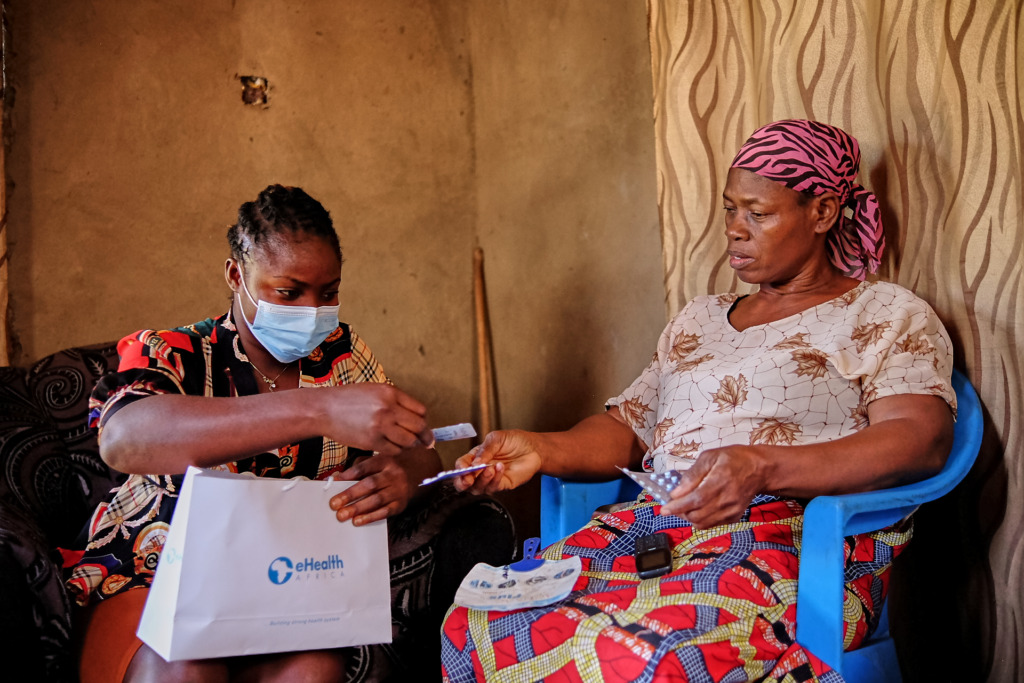
Free drugs for NCD patients in FCT
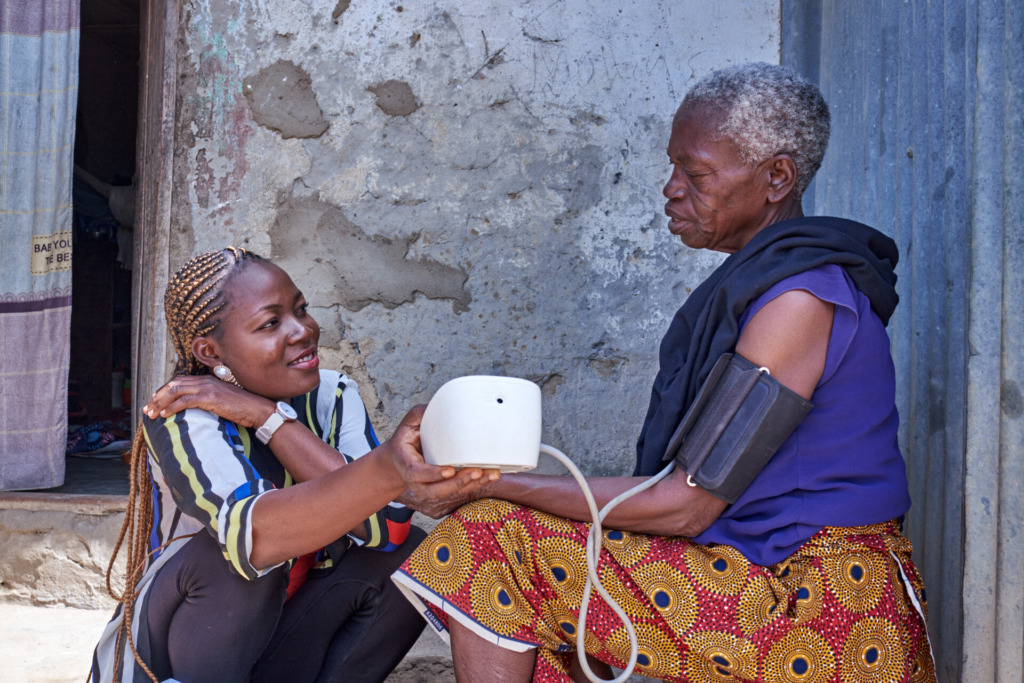
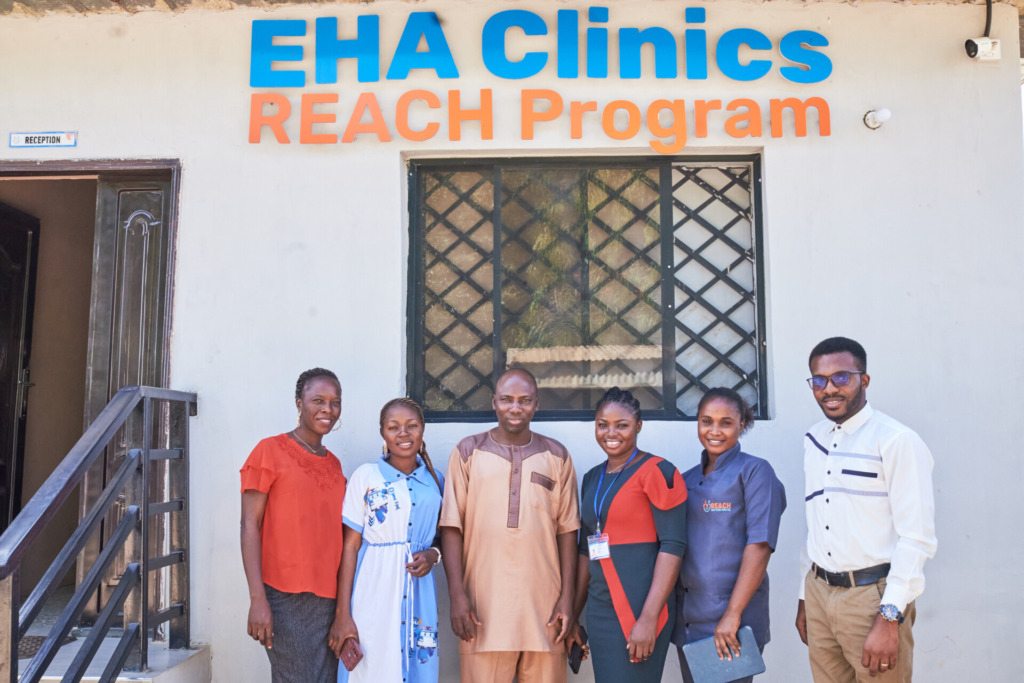
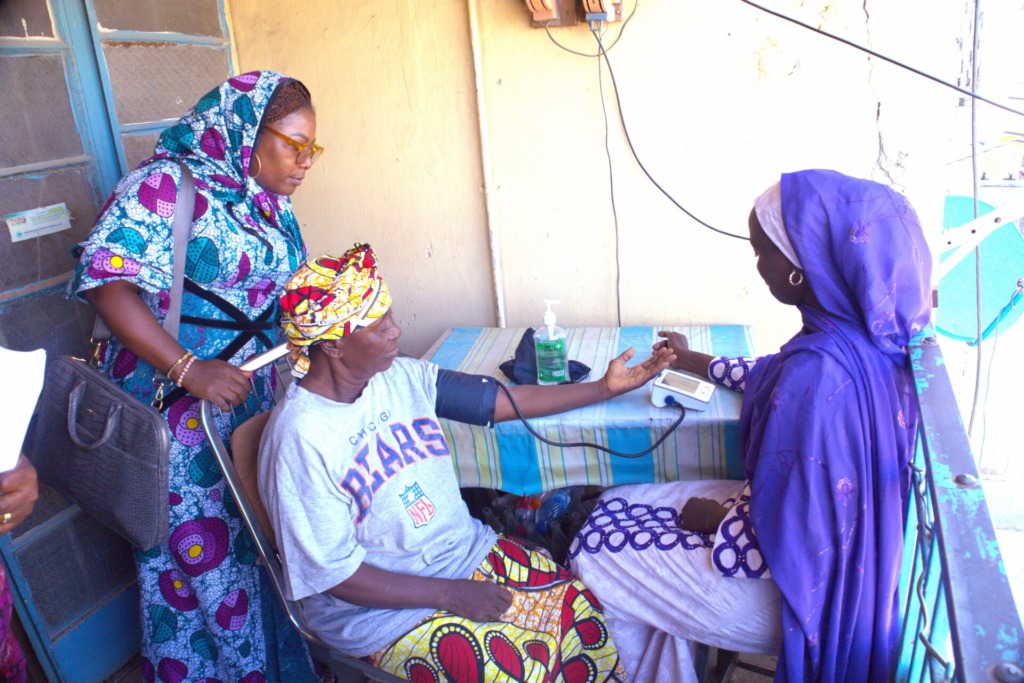
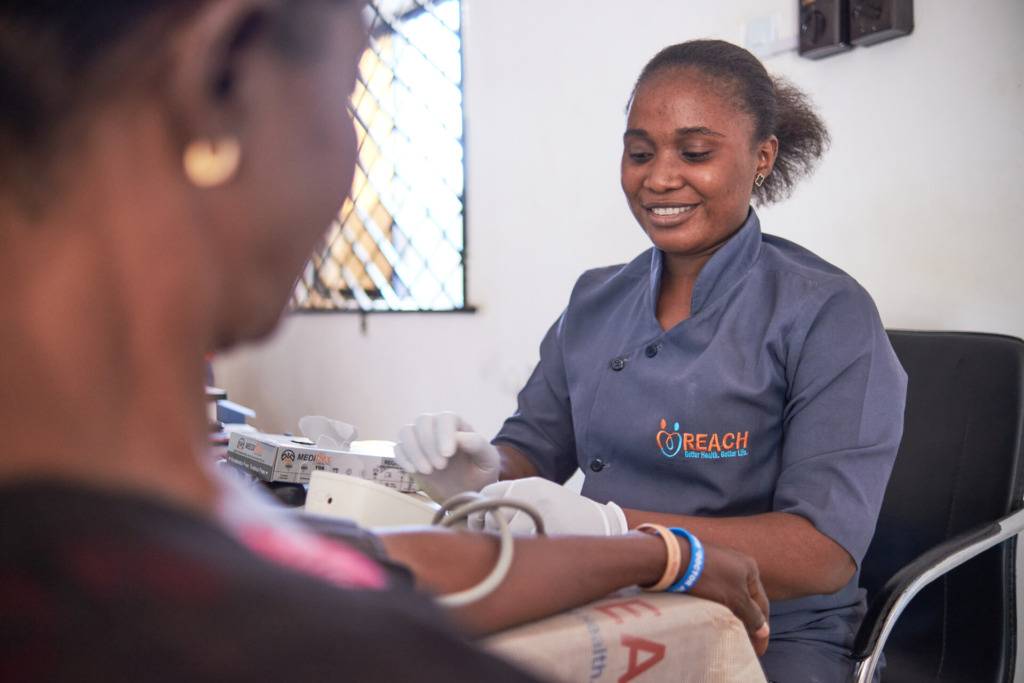
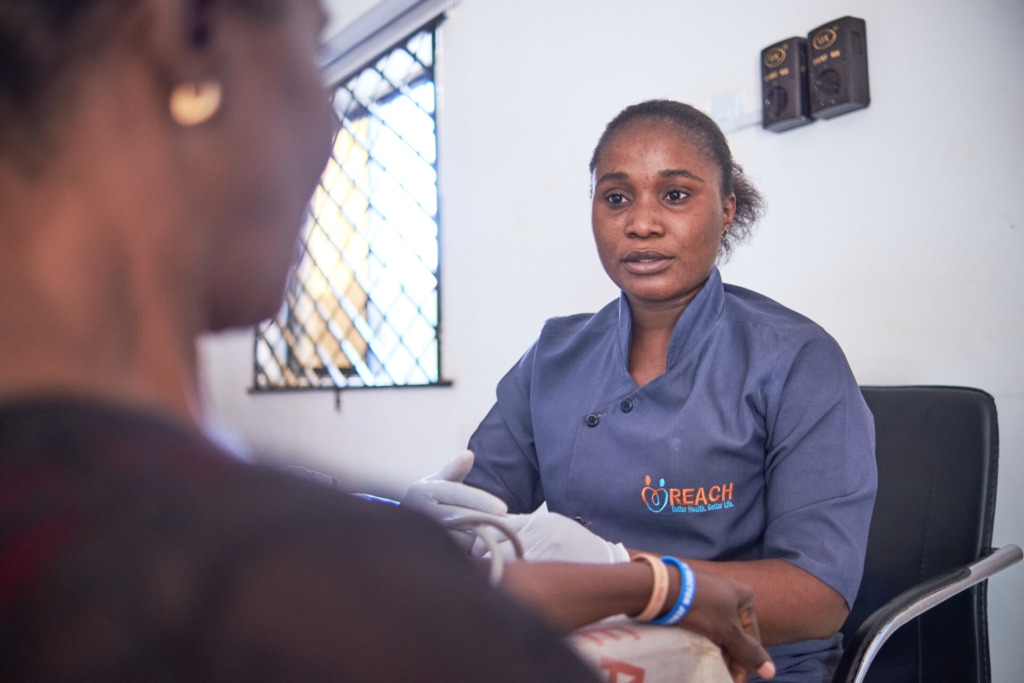
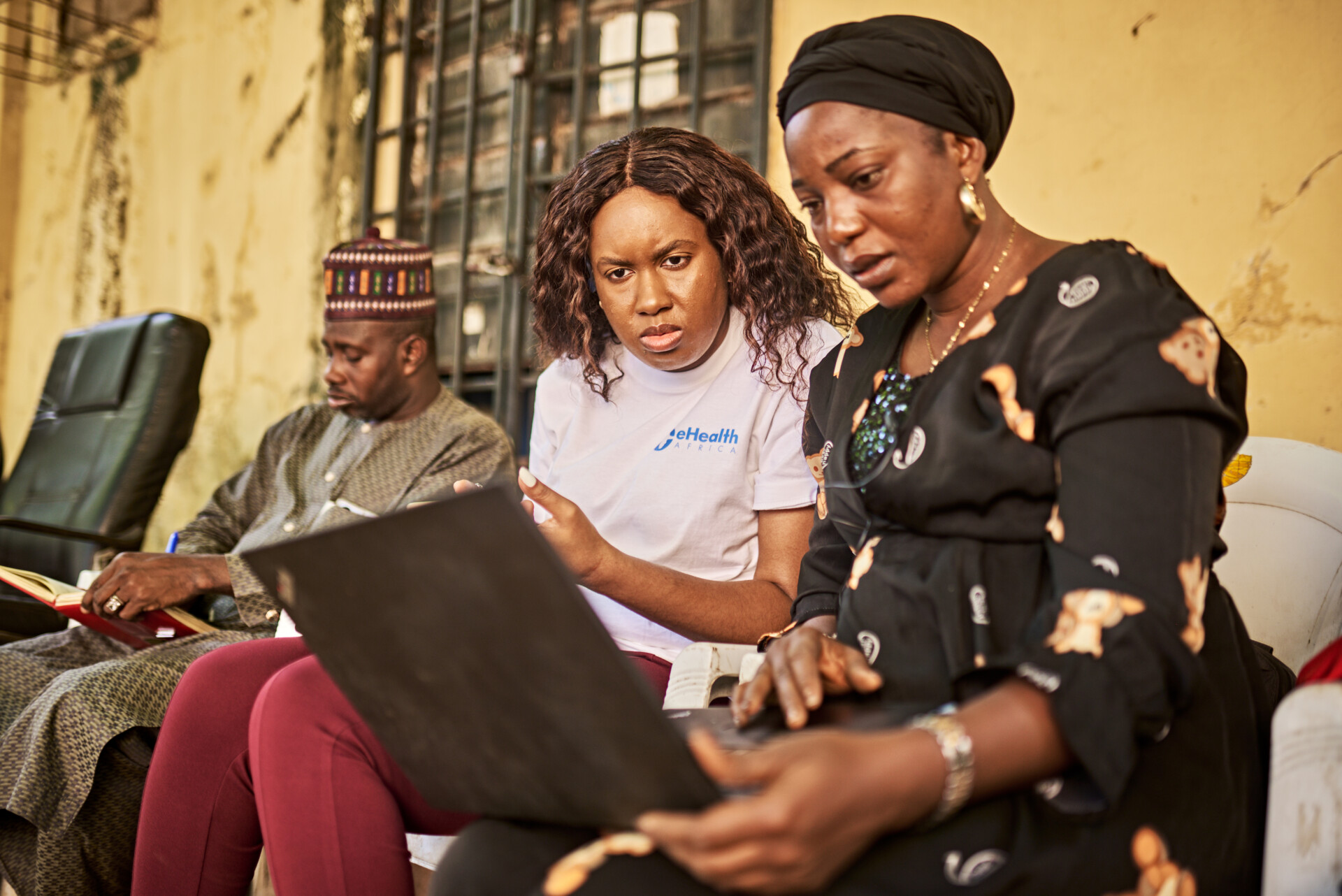
In Nigeria, eHealth Africa and the EHA REACH Clinic have also piloted the PEN intervention to improve rural access and address hypertension and diabetes in the Federal Capital Territory and Kano State. This approach emphasizes community engagement, cross-sector collaboration, data-driven decision-making, and access to essential medicines. With training on effective hypertension and diabetes management, Community Health Extension Workers (CHEWs) are now supporting over 200 patients in managing their conditions. This model has proven effective in improving health outcomes, especially in rural communities. In fact, CHEWs have become trusted figures who lead health education efforts on NCD prevention, conduct screenings, and help patients access healthcare services while educating them about lifestyle changes that reduce NCD risks.
While community engagement through CHEWs is essential, innovative digital health tools also play a critical role in improving NCD management. Mobile health tracking apps can motivate individuals to take control of their health and monitor their progress. These apps make educational content more engaging and accessible, helping to foster a more proactive approach to managing chronic diseases. As seen in eHealth Africa’s work, regular supervisory visits can create a supportive environment for discussing treatment progress. Telemedicine and chatbots are also helping to streamline consultations, saving time and resources while ensuring patient confidentiality. These innovations are especially valuable for conditions that require ongoing monitoring and care.
Prevention is key in addressing chronic conditions like hypertension and diabetes. Community-based fitness and nutrition programs can support healthier lifestyles. Advocating for policies that improve health infrastructure in rural communities will complement these efforts. This includes better funding for primary healthcare facilities, transportation services for medical visits, and initiatives that promote healthier environments.
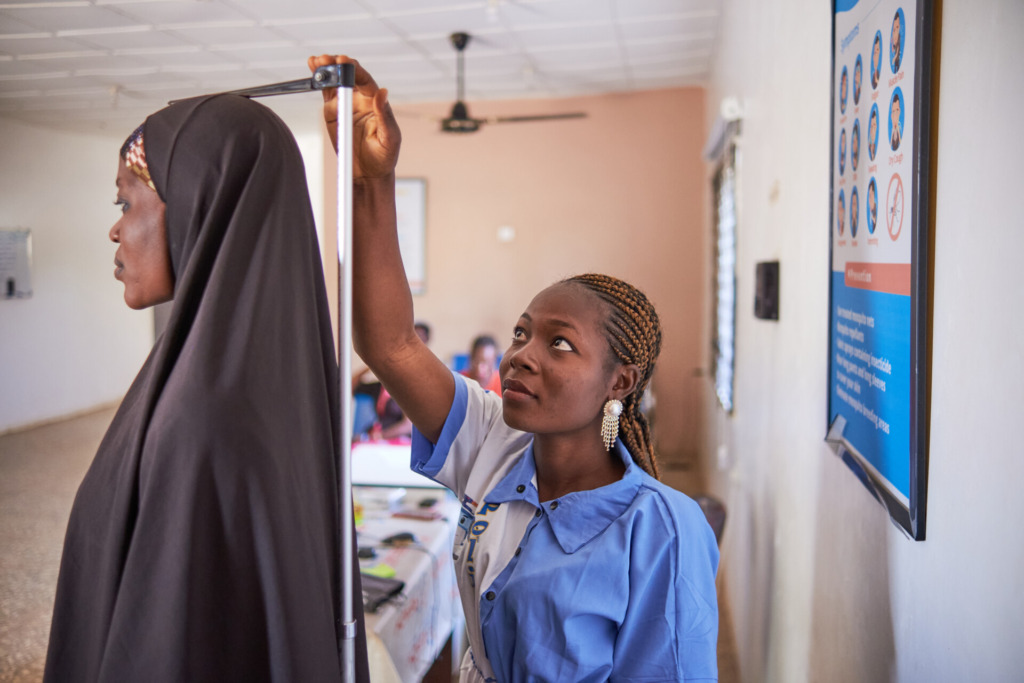
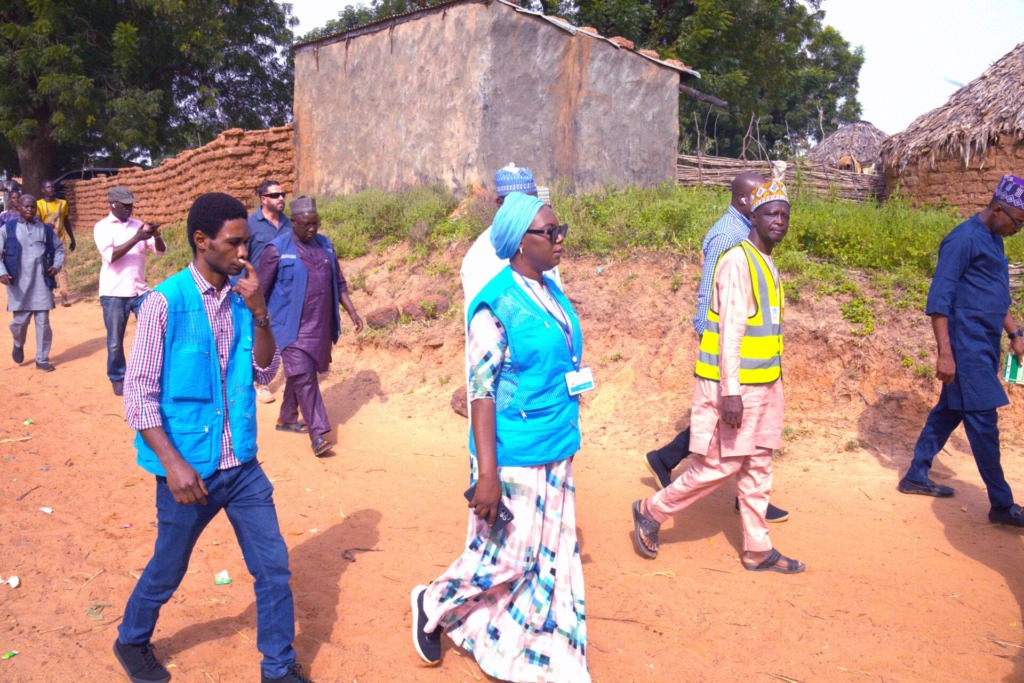
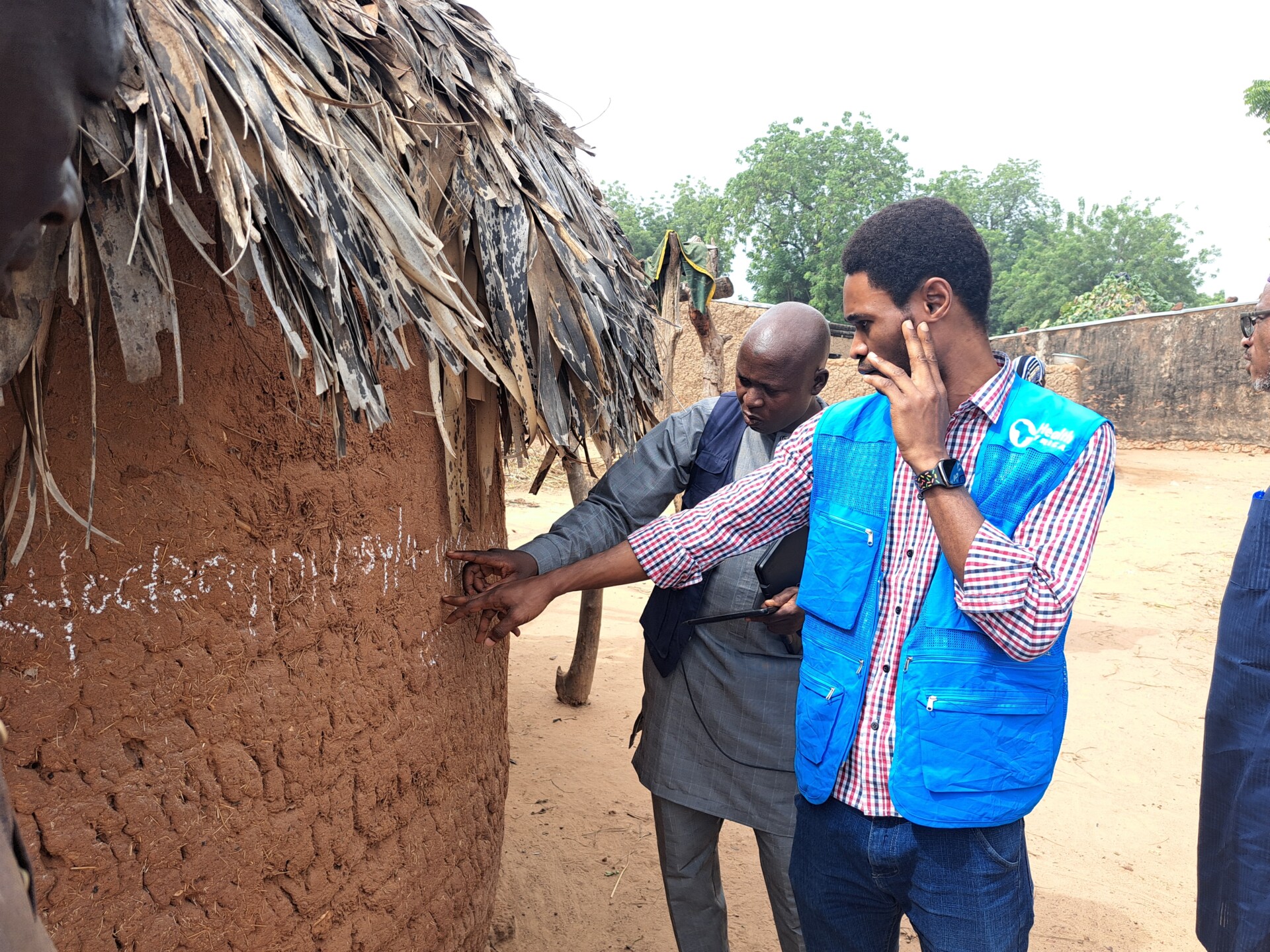
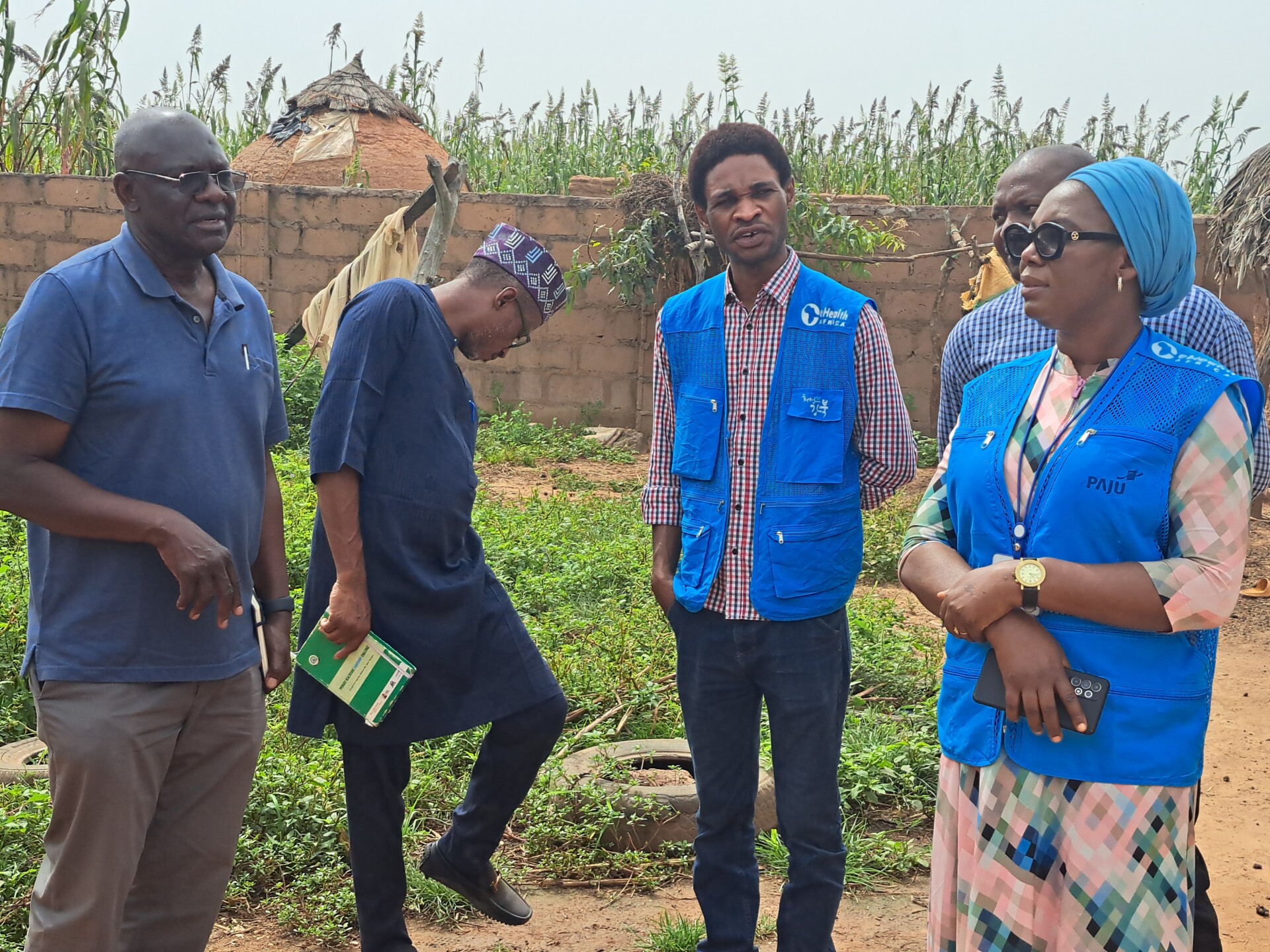
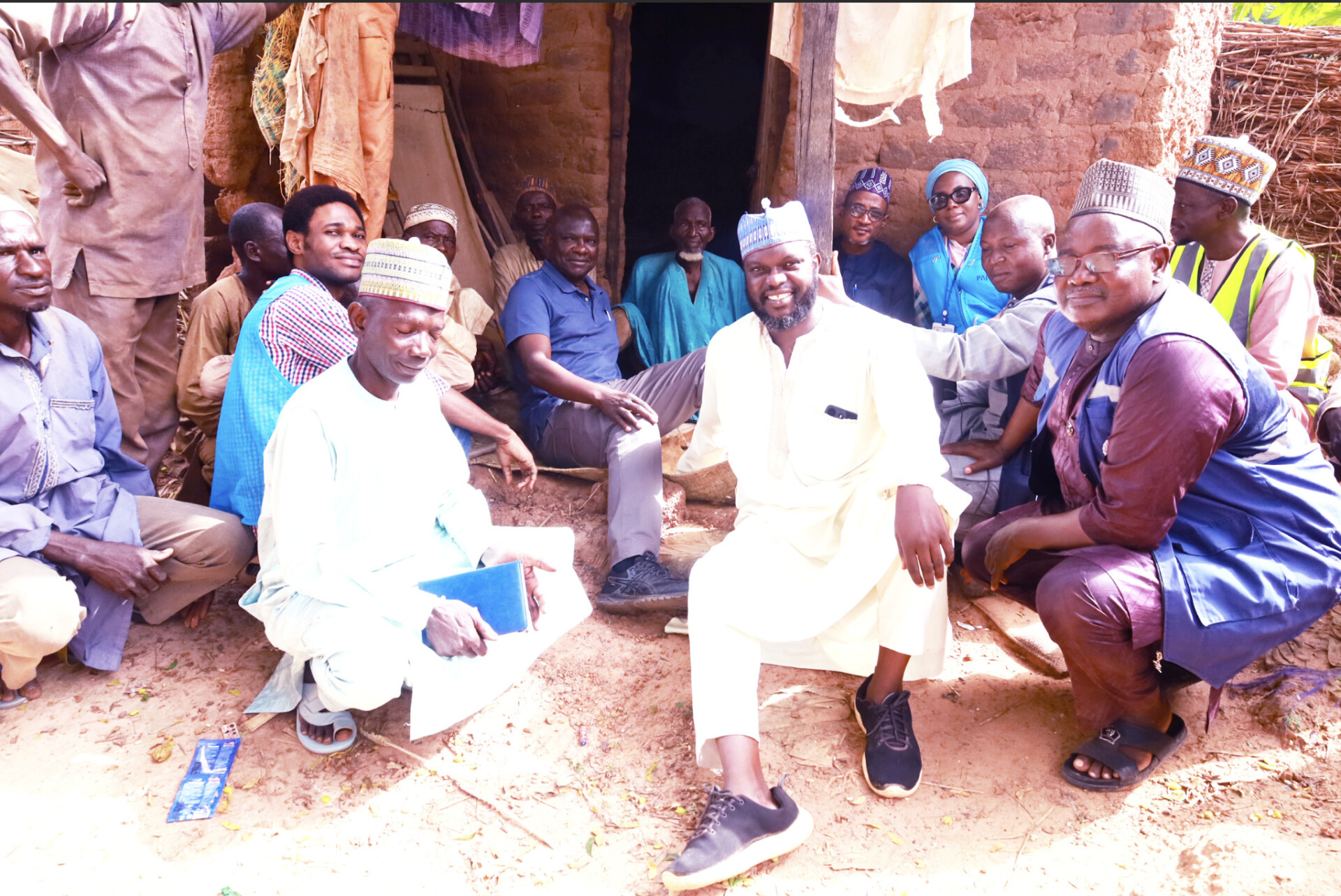
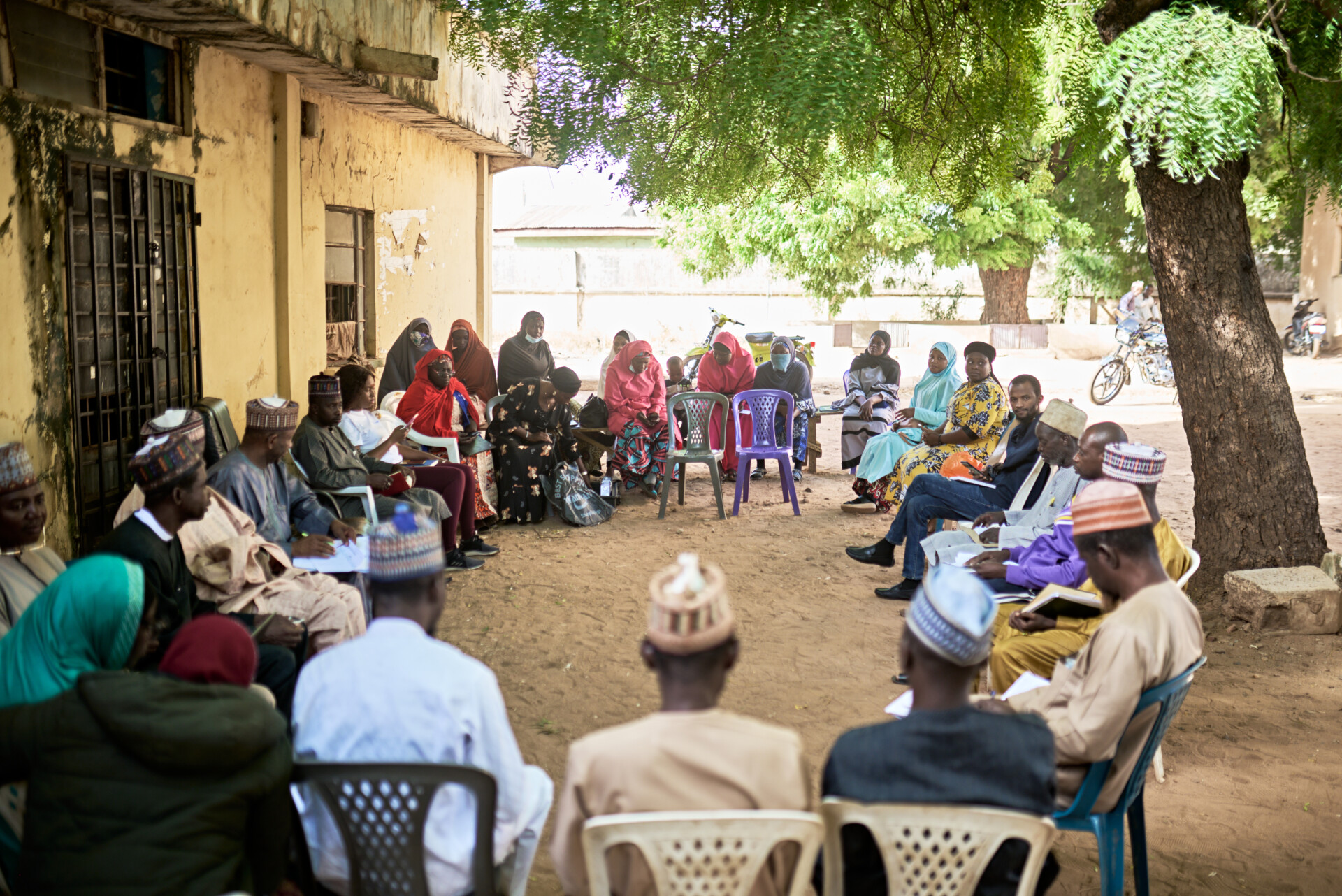
Joint supervisory visit to NCD patients in Kano
Most importantly, it is high time we prioritize NCDs and provide free medical support for conditions like hypertension and diabetes, just as we have for HIV/AIDS and other vaccine-preventable diseases. As HIV/AIDS has garnered global support for free treatment, we must now recognize the urgent need for equitable, accessible care for hypertension and diabetes. This will ensure that those affected are not left behind in the pursuit of better health outcomes. Given the long-term nature of these conditions, which often require ongoing medication, offering free treatment will significantly reduce the burden on individuals and healthcare systems alike.
In conclusion, prevention, early detection, and the integration of innovative approaches within primary healthcare systems are essential to tackling NCDs. These strategies will not only improve individual well-being but also strengthen the overall resilience of communities.
Highlighting the importance of cultural context and local leadership in the success of digital health solutions.
eHealth Africa’s innovative solutions have vaccinated over 5.8 million people, revolutionising immunisation programs in Nigeria.
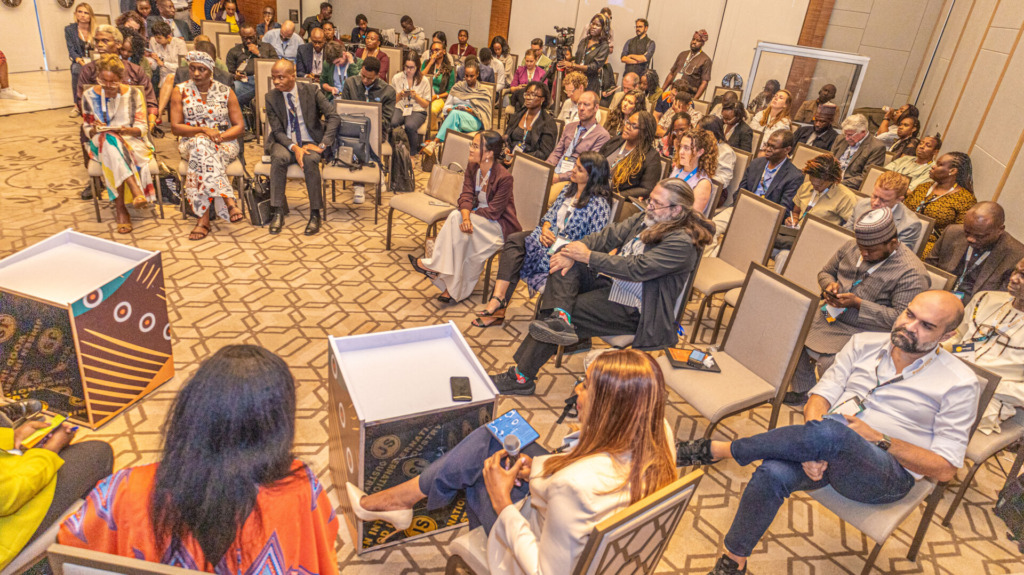
Participants follow proceedings keenly during a panel discussion at the Global Health Forum in Nairobi.
[NAIROBI, Kenya] December 8, 2024 – eHealth Africa (eHA) has today urged governments and stakeholders to explore the critical factors beyond technology that are essential for deployment of digital health solutions for long-term success of public health systems across Africa. Data-backed interventions will help streamline operations and enable formulation of interventions that appreciate the cultural norms when addressing the immediate needs of different communities within the region.
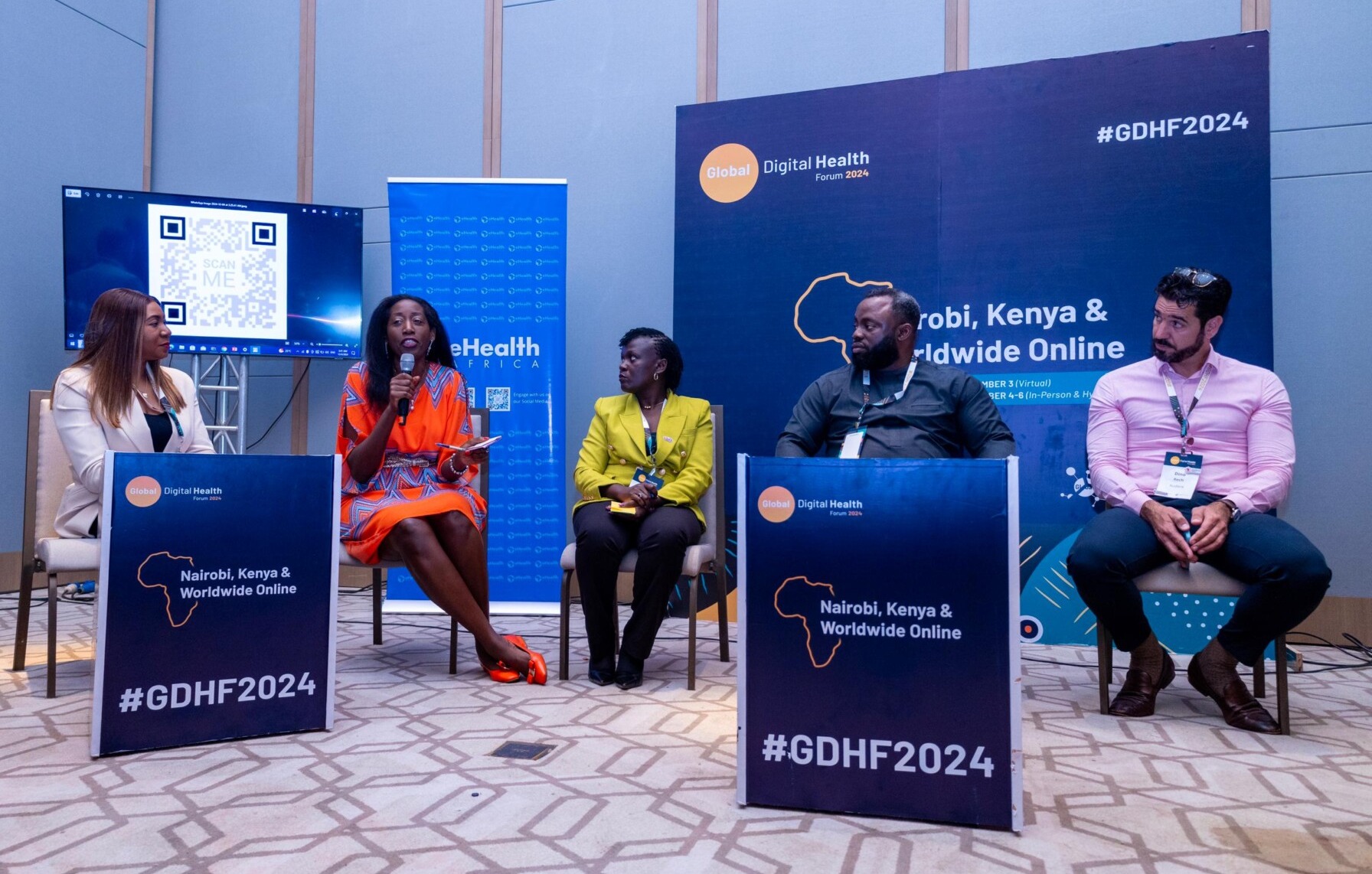
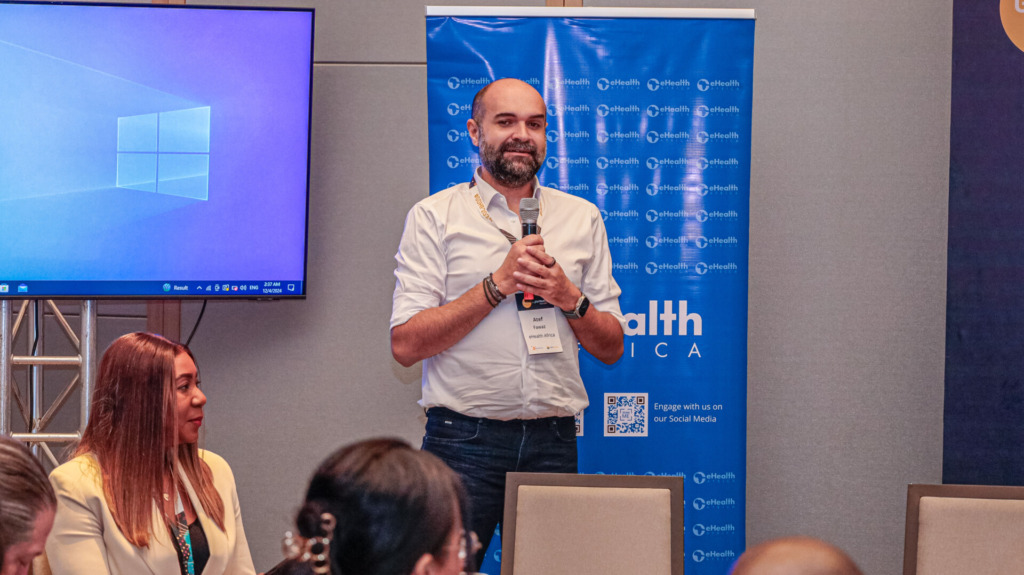
Speaking during a panel session at the Global Digital Health Forum 2024 in Nairobi, eHealth Africa’s Executive Director Atef Fawaz emphasised the importance of integrating technology with local cultures and addressing community-specific needs. “Understanding the unique healthcare challenges in each individual country allows us to deploy tech solutions that truly make an impact. ”For instance, eHealth Africa successfully delivered over 5.8 million vaccines (5,801,209) to 351 primary healthcare facilities across states in Nigeria that was made possible through the deployment of the innovative Logistics Management Information System (LoMIS) application.
Digitizing Healthcare With Local Realities in Mind: Shaping The Future of Healthcare in Africa
“The system significantly improved the availability of vaccines for Routine Immunisation (RI), ensuring timely and efficient distribution while eliminating stockouts at primary healthcare facilities. This intervention highlights our commitment to strengthening immunisation programs and enhancing healthcare delivery at the grassroots level,” he said.
In his contribution, Abdulhamid Yahaya, Deputy Director, Global Health Informatics highlighted the need to understand the local cultural, social, and regulatory landscape so as to build solutions that are designed with local realities in mind.
eHealth Africa Board Member Micheline Ntiru said using technology provided stakeholders among them global health leaders, tech innovators, and development experts as well as local communities a platform to create the right solutions that work within the constraints of each community, and with the support of local leadership.
For instance, local health workers have been using mobile-based reminder systems to improve compliance and overall health outcomes while some local immunisation centres have been sending SMS reminders to parents as well as to provide educational messages about the diseases they protect against. Mobile phones, now available in nearly 80 percent of African homes, can also be used during emergencies to dispatch mass announcements about satellite clinic locations and schedules.
According to the World Health Organisation, increased use of the Internet, email, social networking sites and availability of mobile phones facilitates deployment of eHealth solutions, applications and services towards improvement of national health systems. Use of technological eHealth solutions could also be used to encourage positive lifestyle changes to prevent and control common diseases.
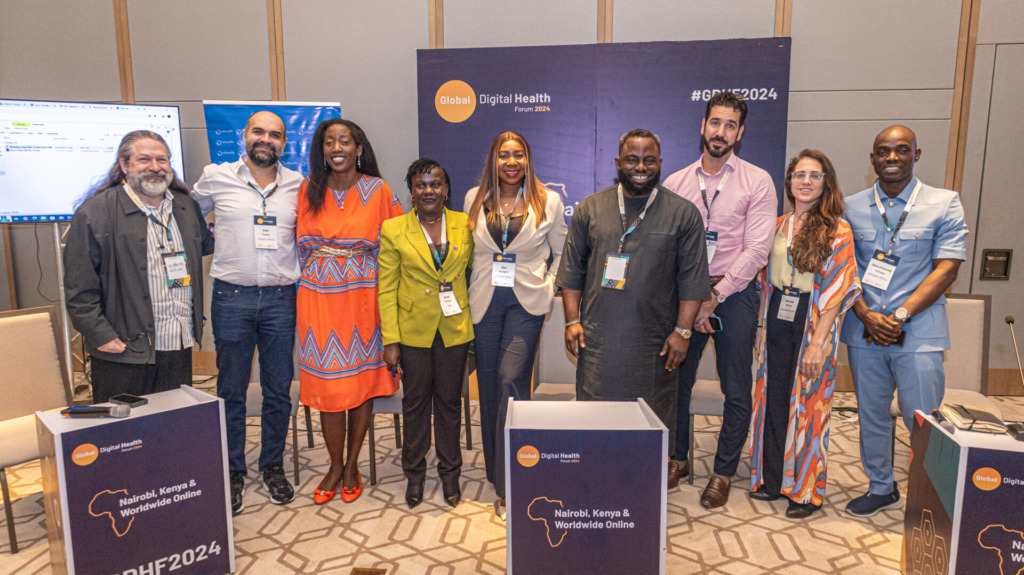
The panel moderated by Ota Akhigbe, Director of Partnerships and Programs comprised of Ms Ntiru (Delta40 ventures), Mr Yahaya (eHealth Africa), Chief Impact Officer at Tiko – Serah Malaba, Dr Olamide Okulaja (Maisha Meds), Audere Chief Executive Officer Dr Dino Rech, and Rachel Alladian from Jacaranda. They discussed how strategic partnerships, regulatory compliance, and a deep understanding of local contexts are crucial for driving digital health innovations that can succeed in diverse regions.
The GDHF forum was attended by health scholars, researchers, representatives from the Ministry of Health in Ethiopia, Tanzania, Kenya, Malaysia, Somalia and Sri Lanka as well as representatives from the World Bank, medicine manufacturers, technology vendors, UN agencies among others.
eHealth Africa’s Executive Director Atef Fawaz emphasises the importance of integrating technology with local cultures and addressing community-specific needs during a panel discussion at the Global Health Forum in Nairobi.
About eHealth Africa eHealth Africa (eHA) is a non-profit organisation dedicated to strengthening health systems across Africa through the design and implementation of data-driven solutions. Responding to local health needs, over the past 15 years, eHealth Africa has built a robust tech and operational platform specifically designed to address health delivery challenges. Recognizing the need for collaboration, we have opened up our operational, management, partnership, and technology platforms to others, accelerating the entry and adoption of innovations. By leveraging lessons learned from global successes, we aim to maximize impact and ensure that solutions are well-tailored to every market’s unique market dynamics, making it an ideal entry point for social and economic development initiatives that rely on public health innovations.
eHealth Africa’s work spans across 24 African Countries including, Chad, Liberia, Cameroon, Tanzania, Madagascar, Zimbabwe amongst others. For more information, visit www.ehealthafrica.org.
Contact: Judith Owoicho Communications Manager, eHealth Africa
In a world where technology is rapidly evolving, the need for skilled professionals to navigate the digital landscape has become increasingly apparent. Unfortunately, not all graduates of Information and Communications Technology (ICT) programs have the opportunity to gain practical experience alongside their theoretical knowledge.
As Jamil Galadanci, a Senior Manager in Global Health Informatics at eHealth Africa, noted, many graduates from higher education institutions are talented but lack hands-on skills because their education has been primarily theoretical, with little practical application. He expressed concern for young graduates, stating, “When some of these graduates conclude their studies, they are often not employable and end up wasting their skills and talents. We want to enable them to realize their full potential in ICT.”
Recognizing this gap, eHealth Africa (eHA) established its Academy in 2016 to help bridge the technical skills divide among young technology enthusiasts across Africa. Through a twelve-week curriculum focused on software development and network engineering, the Academy equips its graduates with the tools and knowledge needed to tackle healthcare challenges and thrive in the digital age. “With the skills the graduates gain from the Academy, they can provide digital and data-driven solutions in sectors like healthcare, agriculture, finance, and more,” Galadanci said.
The graduates from the 5th Cohort, who recently completed the program, shared their stories of resilience and sacrifice as they navigated the rigorous but impactful course. Each one offered unique insights into their expectations, challenges, and triumphs.
Fatima Mustapha: Embracing Challenges Necessary for Growth
For Fatima Mustapha, an MSc student in Information Technology, the challenge of competing priorities—balancing the demands of the Academy alongside her academic coursework—was significant. Having read and heard success stories from other graduates, Fatima entered the Academy with high expectations. Witnessing the achievements of previous cohorts fueled her determination to be part of this transformative experience.
While terms like Cascading Style Sheets (CSS), HTML, JavaScript, and Figma were familiar to her due to her academic background, gaining direct practical experience proved to be a valuable challenge. Despite the demanding schedule of balancing Academy courses and university exams, she persevered, honing her time management skills and emerging victorious. “eHA Academy is a dream come true for me because I can boldly write code now,” she said.
Elijah Ishaku: Transitioning from Passive Tech Consumer to Active Creator
For Elijah Ishaku, a full-time staff member in the help desk department at eHealth Africa, the Academy provided an opportunity to dive into the world of software engineering. His journey marked a profound shift in perspective, as he transitioned from a passive consumer of digital content to an active creator. Learning the nuances of CSS was a highlight, allowing Elijah to discover the art of transforming functional structures into visually captivating experiences. Through persistence and guidance, he overcame challenges and solidified his belief in becoming a Full Stack Developer. “It has been my dream to go into software engineering. This is the first step for me to venture into that dream,” he said.
Francis Ojapa Emmanuel: Determination and Resilience
As a budding software developer, Francis Ojapa Emmanuel entered the Academy with a clear goal: to acquire the knowledge needed for software development. Despite facing network glitches and data consumption challenges, his determination never wavered. Mastering HTML, CSS, and JavaScript within a few months was a testament to his unwavering dedication. Francis surprised himself by designing a personal website, showcasing the transformative power of determination and resilience.
Murja Amadi Kurfi: Mastering the Art of Web Development
Murja Amadi Kurfi’s journey through the Academy centered on mastering front-end development. Through engaging courses and hands-on projects, she honed her coding skills and created dynamic, visually appealing websites. Debugging complex JavaScript code posed challenges, but Murja’s persistence and collaborative spirit propelled her forward. The culmination of her efforts resulted in the development of sleek, functional websites, demonstrating her prowess in web development.
Empowering the Next Generation of Technological Innovators
The stories of Fatima, Elijah, Francis, Murja, and the approximately 20 other graduates from the 5th cohort offer a glimpse into the transformative power of eHealth Africa’s Academy. Beyond acquiring technical skills, the Academy fosters personal and professional growth, instilling resilience, determination, and a passion for innovation. As these graduates embark on their professional journeys, they stand as a testament to the Academy’s mission: to empower communities, inspire aspiring developers, and address healthcare challenges through cutting-edge solutions.
In a rapidly evolving digital landscape, the need for skilled professionals has never been greater. Through initiatives like eHA’s Academy, Africa’s next generation of technological innovators is equipped to navigate the challenges and opportunities ahead, transforming visions into reality and shaping a brighter future for all.
As technology continues to reshape our world, initiatives like the eHealth Africa Academy play a crucial role in nurturing the next generation of innovators and problem solvers. Through dedication and resilience, individuals like Fatima, Elijah, Francis, and Murja embody the spirit of progress and possibility, driving positive change in their communities and beyond. In the dynamic landscape of technology, the journey never truly ends. With each challenge overcome and each milestone achieved, the graduates of eHealth Africa Academy embark on new adventures, armed with the knowledge, skills, and determination to shape a brighter future for themselves and their communities.
The ongoing transmission of the poliovirus in the Lake Chad Basin, the Sahel, and throughout West Africa poses a significant obstacle to achieving global polio eradication targets. This challenge informed the development of a cross-border coordination plan by the Global Polio Eradication Initiative (GPEI).
Amid harsh climatic conditions and insecurity, at least 55 million people are facing or expected to face food and nutrition insecurity in 2024, according to the GPEI. With consistent displacement and migration across the region, the risk of importing and exporting poliovirus and other diseases increases. This situation underscores the need for effective collaboration among countries to eliminate the spread of the Circulating Variant Polio Virus 2 (cVPV2) in the subregion.
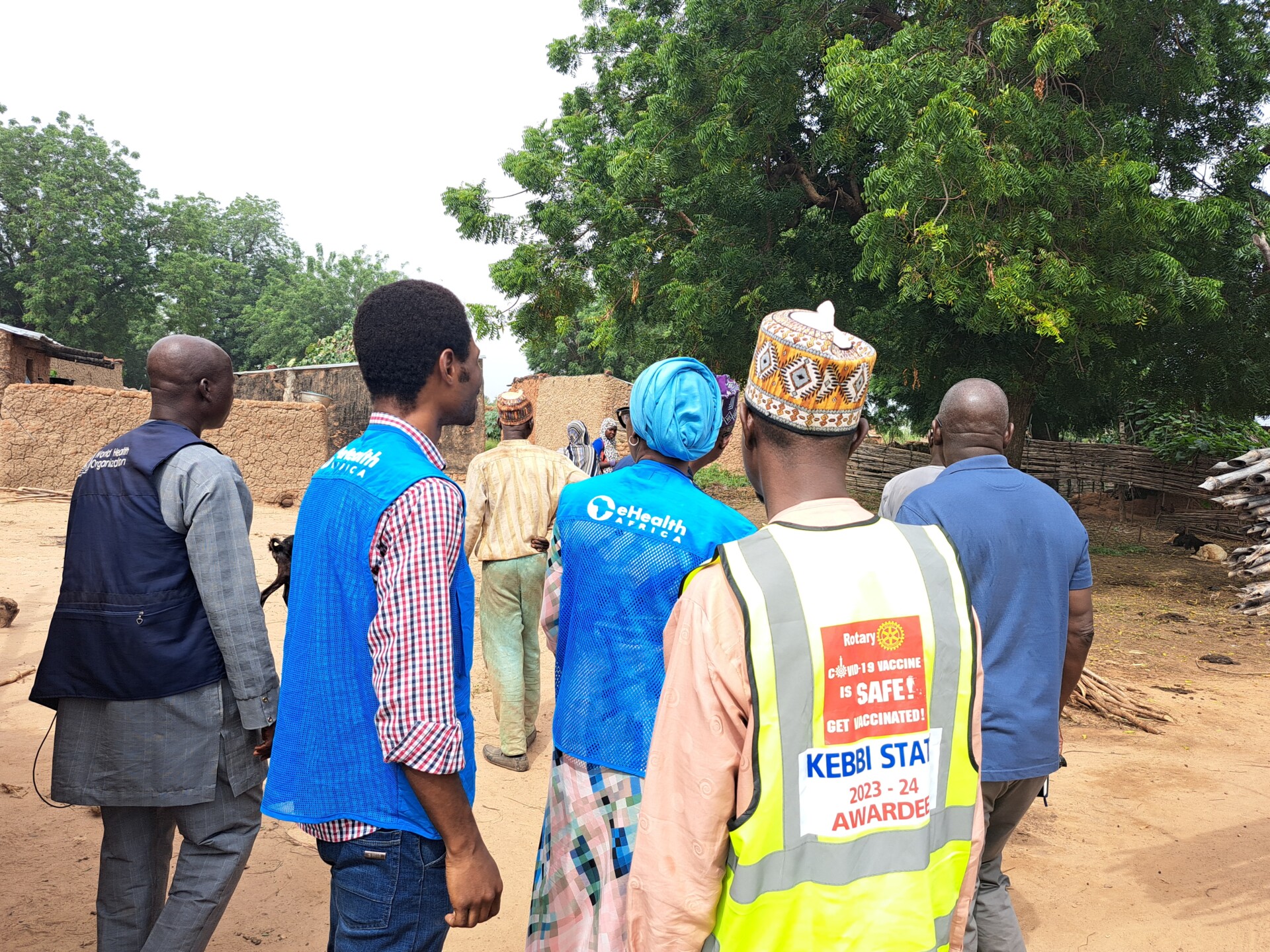
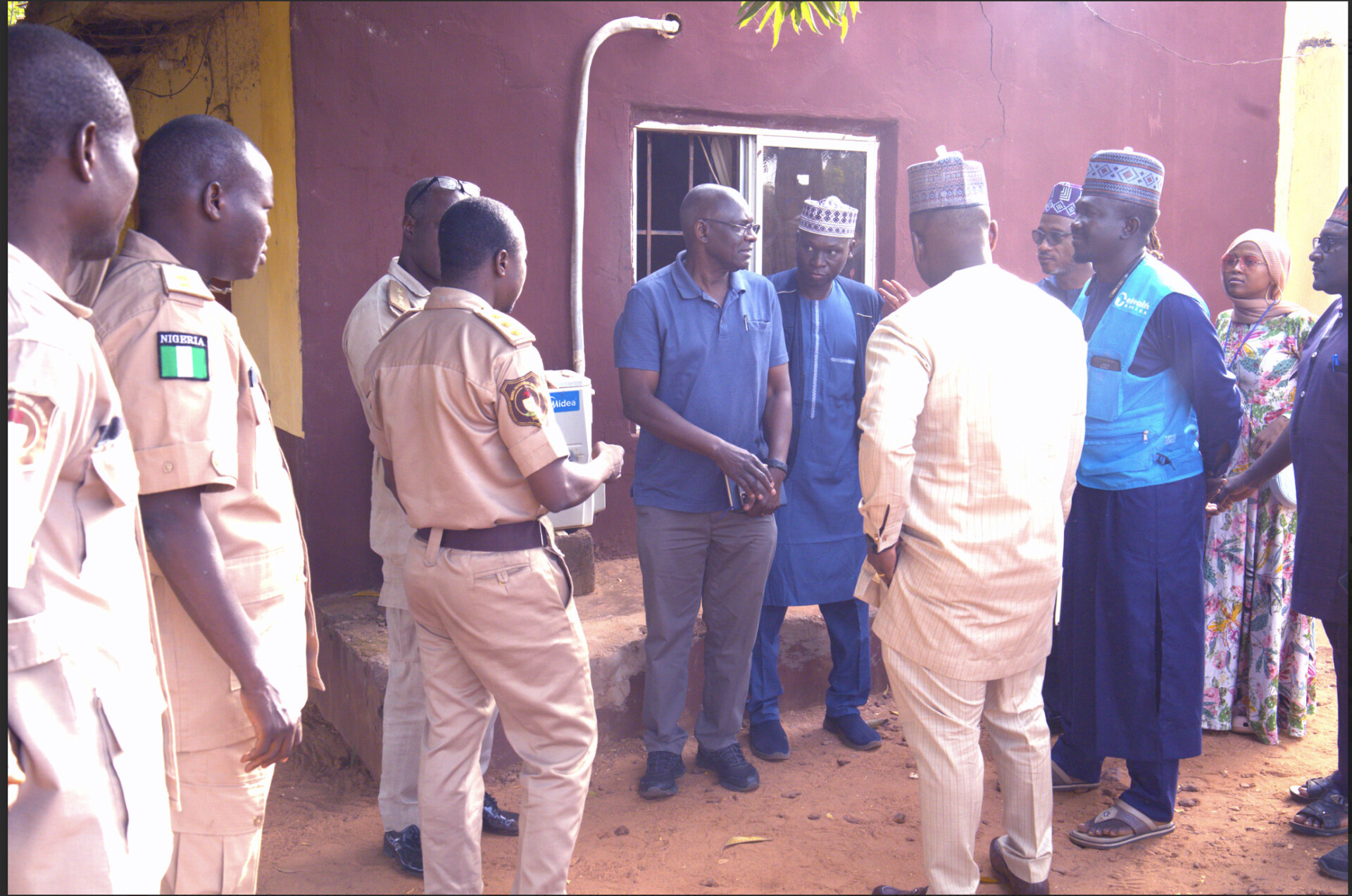
As part of the Polio Outbreak Response Campaign (OBR4) for October, eHealth Africa joined other stakeholders in an international cross-border synchronization initiative in communities along the Kebbi State-Niger Republic border. Led by the Kebbi State Primary Healthcare Development Agency, the Bill and Melinda Gates Foundation, eHealth Africa and other polio eradication partners, this initiative is vital for immunizing eligible populations in these critical areas.
During a cross-border supervisory visit to the Daitegi Kanta community in Kamba Kamba Ward, Dandi Local Government Area of Kebbi State, eHealth Africa’s project manager, Comfort Audu, stated that the coordinated campaign aims to ensure that children in border regions receive vaccinations simultaneously. This approach will minimize the risk of unvaccinated populations and help control the spread of cVPV2. Comfort emphasized, “eHealth Africa is happy to provide technical support, especially in deploying innovative technology to improve vaccination reach.”
Dr. Samuel Okiro, a Senior Program Officer at the Bill and Melinda Gates Foundation (BMGF), highlighted the importance of simultaneous vaccinations for children residing across borders. He noted that the poliovirus knows no borders and that constant migration means the virus can easily cross from one country to another. “While we cannot prevent people from traveling between border towns, the cross-border synchronization campaign provides an opportunity to immunize eligible children before they continue their journey,” he explained.
Praising the commitment of immigration officials to the polio eradication initiative, Dr. Samuel remarked, “The immigration officers clearly understand the importance of polio immunization. It is commendable that there is a fixed immunization post with various antigens at the border, ensuring that eligible children crossing either side are vaccinated.”
However, Dr. Samuel lamented the lack of sufficient cold chain equipment needed to freeze ice packs and maintain vaccines at the proper temperature. “One of the challenges I observed is that the cold chain system is inadequate, especially at the Local Government Area level, where they are unable to freeze enough ice packs for the following day.”
He also pointed out that the poor condition of roads leading to these communities may impact negatively on the cross-border vaccination campaign. “Some of the roads are in poor condition. When it rains, our teams struggle to reach the immunization sites,” he said.
Finally, he emphasized the importance of Western education in enhancing community knowledge about polio vaccination and other public health interventions. While commending the existence of functional public schools in the communities, he advised that local authorities should address the issue of poor road access to these schools.
With at least 83 cases of circulating variant poliovirus reported in Areas of Intractable Transmission (AIT), plus two states which include Kebbi, Katsina, Zamfara, Sokoto Kaduna, and Niger, States. Kebbi state government, through the Polio Task Force Committee, led by Deputy Governor Umar Abubakar Tafida, has consistently reiterated its commitment to supporting initiatives that will drive the final push to end polio in the state and beyond.
As a vital partner in polio eradication efforts throughout Nigeria and Africa, eHealth Africa has significantly contributed to establishing Emergency Operation Centers and integrating technologies such as Geographic Information System, and Planfeld. These advancements enhance the planning and execution of polio vaccination programs.
Fresh Look, Bigger Stories, and Exciting New Additions!
From our impactful participation at AidEx and Development2030 Geneva, where eHealth Africa showcased digital innovations transforming health systems across Africa, to high-level advocacy with the Sultan of Sokoto, strategic partnerships with Schneider Electric, and evidence-driven nutrition policy development, this week’s edition is filled with stories of collaboration, innovation, and progress.
You’ll also find short updates from our ongoing projects, reflections on how we’re building sustainable, people-centered health systems, and exciting news about what’s ahead for our teams. Plus, we’re introducing fun quizzes and puzzles with PRIZES TO BE WON by the first 3 CORRECT ANSWERS, and other interactive features to make your reading experience even more engaging.
Keep reading to explore the NEW FACE OF THE EHA WEEKLY DIGEST, where every story connects you to the impact we’re creating across Africa, one innovation at a time.
Essential Information
Building Partnerships for a Healthier Africa at AidEx 2025
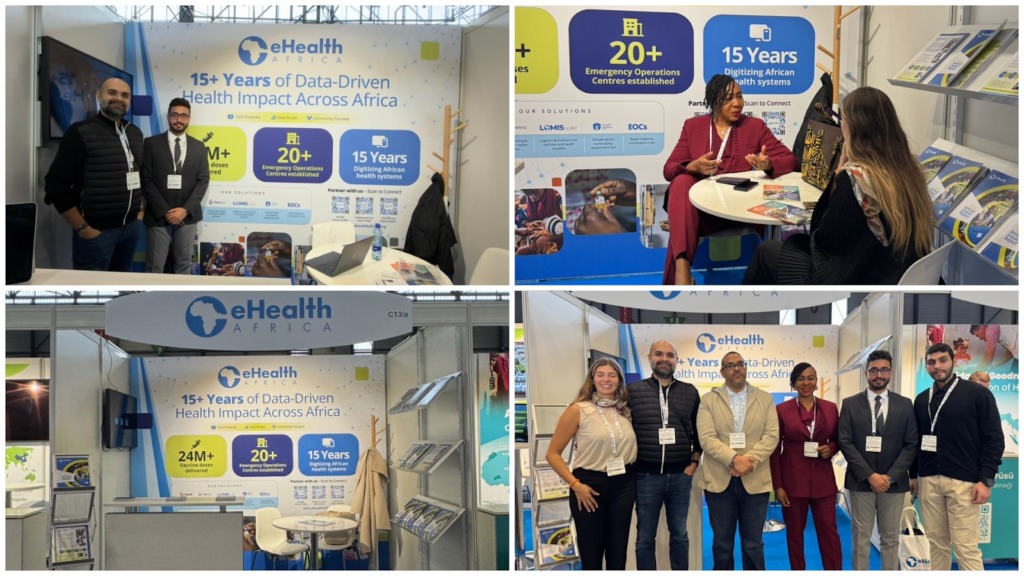
At AidEx 2025 in Geneva, eHealth Africa’s participation spotlighted the power of innovation and partnership in strengthening public health systems across Africa. Our booth served as a hub for collaboration as representatives from INGOs, local NGOs, donors, private sector organizations, and government agencies explored how our digital health solutions are transforming care delivery. Demonstrations of our Emergency Operations Centers (EOCs), now operational in over 40 locations across the continent, alongside other data-driven tools, showcased our commitment to building resilient, technology-enabled health systems.
Engagements with organizations such as the Office of Development Affairs, Beekee, i+solutions, Terre Innovative Healthcare, and many others reaffirmed a shared vision for sustainable health transformation. For eHealth Africa, each interaction strengthened our collective mission to improve health outcomes, empower communities, and drive lasting impact across Africa.
Strengthening Efficiency by Reviewing Business Development Processes
As part of eHealth Africa’s continuous improvement drive, key department heads recently convened to review and refine the organization’s Business Development processes. The session focused on identifying opportunities to streamline workflows, reduce turnaround time, and ensure that every effort directly contributes to impact in the communities we serve.
The review aligns with eHA’s commitment to maintaining a lean culture, one that values efficiency, collaboration, and meaningful outcomes. By examining how proposals are developed, partnerships are managed, and internal processes are coordinated, the team aims to strengthen alignment across departments and reinforce eHA’s mission of building healthier, more prosperous communities through data-driven and people-centered solutions.
Strengthening Geospatial Skills for a Data-Driven Health Workforce
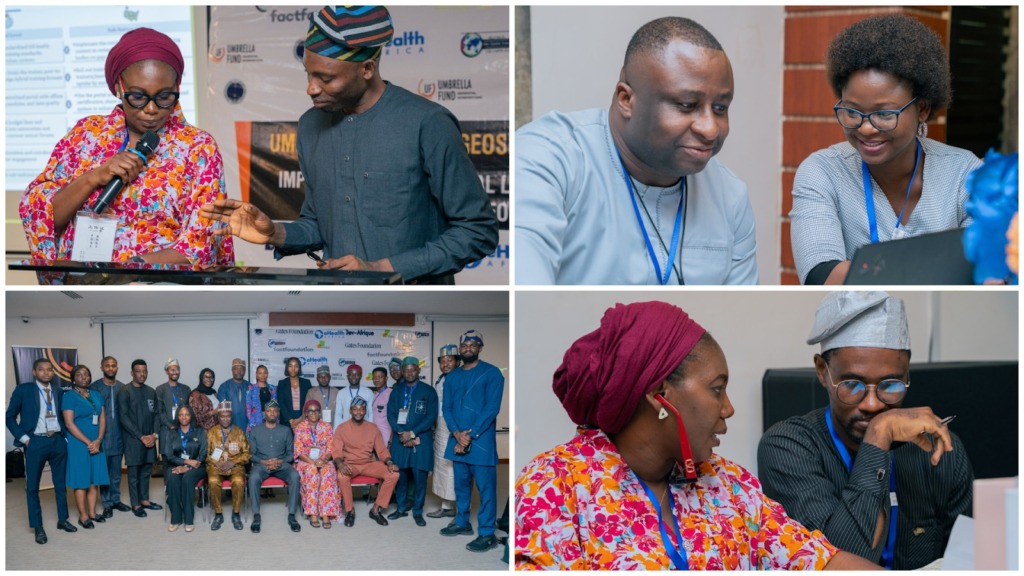
eHealth Africa joined key stakeholders at the National Geospatial Curriculum Review and Validation Workshop in Abuja to advance the development of a standardized curriculum for health professionals. The session, convened to align the draft curriculum with national and subnational realities, featured inputs from government agencies, academia, and development partners. Findings from recent geospatial needs assessments revealed growing use of digital mapping tools across health systems and underscored the need for operational, context-driven training.
Representing the technical lead on curriculum enhancement, eHealth Africa contributed practical recommendations that were fully adopted. These included the integration of mobile-first workflows, offline navigation tools, narrative case studies from Nigeria’s immunization and disease surveillance programs, and bilingual training materials. The collaborative process set the stage for pilot implementation at Bayero University Kano and affirmed eHA’s commitment to strengthening geospatial capacity within Nigeria’s health workforce.
Building Stronger Community Engagement Tools: eHA at the ETI COMM-R Toolkit Workshop eHealth Africa participated in the ETI COMM-R Toolkit Micro User Pre-test Workshop held in Abuja, which brought together partners, community-based organizations, and program managers to co-create a standardized toolkit for community mobilisation, monitoring, and reporting. The sessions focused on developing adaptable, user-friendly tools that simplify documentation, strengthen accountability, and improve collaboration between stakeholders working at the grassroots level.
Through technical sessions, group work, and peer feedback, participants contributed to shaping a toolkit that reflects real-world challenges and best practices from the field. The next phase will involve pre-testing and refining the tools to ensure usability and relevance before full rollout. The COMM-R Toolkit is a key step toward improving community engagement systems and promoting data-driven, sustainable interventions across Nigeria’s health programs.
Exploring Sustainable Energy Partnerships with Schneider Electric
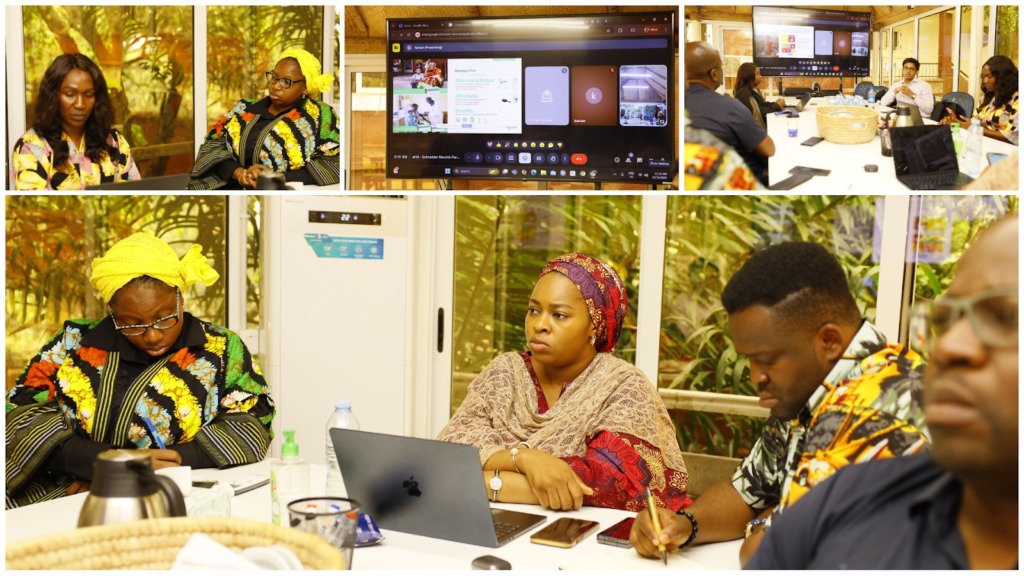
eHealth Africa engaged Schneider Electric (SE) in an exploratory meeting to identify collaboration opportunities that strengthen climate adaptation within health systems. Discussions centered on leveraging SE’s global expertise in solarizing health facilities and advancing sustainable energy solutions, aligning with eHA’s focus on Climate Adaptation in Health, Food Security, and Nutrition (CAHFSN). The meeting also explored flexible partnership models, product warranties, importation timelines, and SE’s willingness to co-design proposals and operate in security-challenged regions.
Both organizations expressed strong interest in joint initiatives that promote renewable energy access and resilience in health infrastructure. Schneider Electric’s experience powering thousands of health facilities globally complements eHealth Africa’s commitment to driving sustainable, people-centered innovations across Africa. As a next step, SE will be invited to participate in eHA’s upcoming stakeholder roundtable on climate resilience in health under the CAHFSN program area.
Driving Evidence for Change: TPAC Conducts Endline Assessment on Fortified Edible Oil Awareness and Compliance in Abia and Lagos States
Building on the baseline findings, the TPAC project commenced the Endline Knowledge, Attitudes, and Practices (KAP) Assessment across Abia and Lagos States last week to evaluate the outcomes of advocacy efforts promoting large-scale food fortification and the phase-out of unbranded bulk edible oils. The assessment engaged key stakeholder groups, including the private sector (oil producers and distributors), media professionals, civil society organizations, traditional and religious leaders.
These engagements not only provided critical insights into shifts in stakeholder awareness and commitment since the baseline assessment but also reinforced the collaborative spirit driving the LSFF movement in Nigeria. The strong participation and feedback from both state engagements demonstrate sustained momentum toward improving food fortification compliance and public awareness. The findings from this endline will support evidence-based learning for GAIN and implementing partners
Strengthening Immunization Advocacy with the Sultan of Sokoto
As part of our ongoing commitment to strengthening Nigeria’s immunization ecosystem, we had the distinct honour of visiting His Eminence Alhaji Muhammadu Sa’ad Abubakar III, the Sultan of Sokoto, CFR, mni. During the visit, we underscored the vital role of traditional leaders in driving community trust and championing vaccination efforts across the country.
We also shared updates on our ongoing initiative to strengthen the traditional leaders’ database and enhance community mobilization, monitoring, and response in support of immunization campaigns. With His Eminence’s steadfast support and influence, we believe traditional institutions can play an even greater role in protecting children and improving vaccine uptake nationwide.
Strengthening Nutrition Policy: eHA Contributes to National Strategy on Micronutrient Deficiency
eHealth Africa (eHA), represented by Dominic Gulak, Associate Manager, Food Security & Nutrition, participated in a three-day national stakeholders’ meeting organised by the Federal Ministry of Health and Social Welfare (FMOHSW) and partner (CS-SUNN) from 6th–8th October 2025, to commence the development of a National Strategy and revision of the 2021 National Guideline for the Prevention and Control of Micronutrient Deficiency (MNDC) in Nigeria. The meeting convened key actors from government, development partners, academia, and civil society to review the current micronutrient situation and address gaps in coordination, monitoring, and policy implementation. Discussions centred on challenges such as vitamin and mineral deficiencies (Vitamin A, Zinc, Iron, Folic Acid, and Iodine), weak enforcement mechanisms, and fragmented programming, with a focus on strengthening national systems and data-driven interventions.
Participants reviewed the 2021 MNDC guideline and the Terms of Reference (ToR) for the MNDC Advisory Committee and agreed on timelines for the presentation of a zero draft of the guideline by 29th October 2025 and a follow-up review meeting by 9th November 2025 (tentatively). eHealth Africa’s participation reinforces our commitment and collective action toward improved nutrition and public health outcomes across Nigeria.
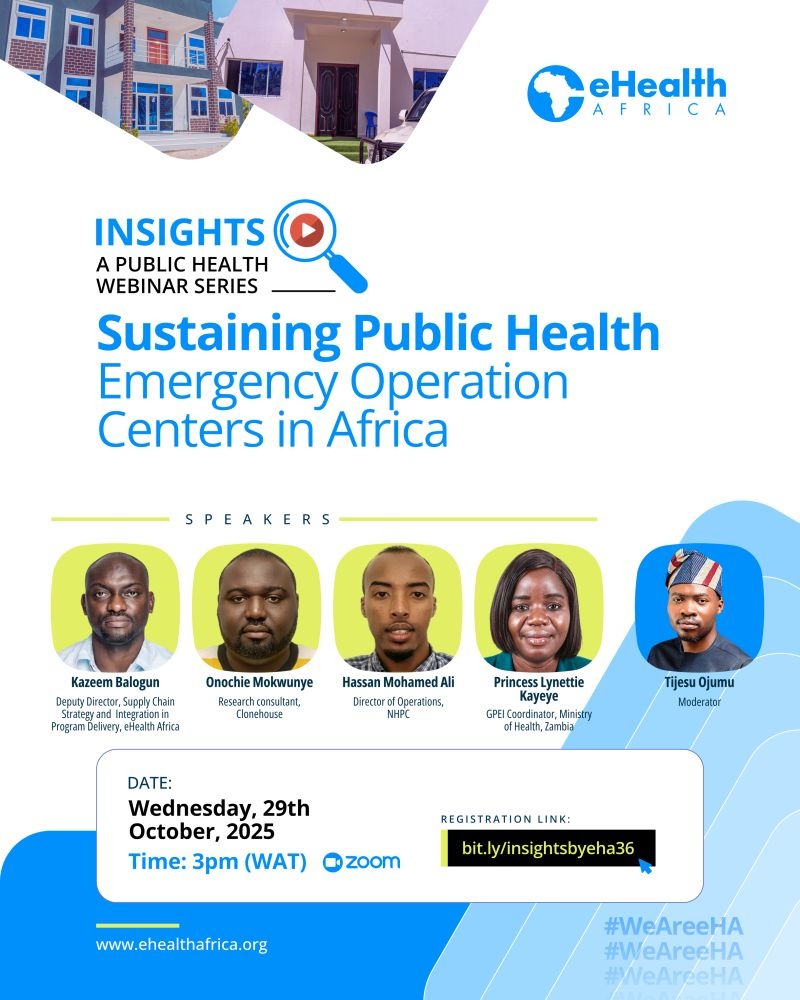
Have you registered for the 36th Edition of the eHealth Africa Insights Webinar?
When outbreaks strike, speed and coordination save lives. Across Africa, Public Health Emergency Operation Centers (PHEOCs) are transforming emergency response by turning data into action. This month’s Insights Webinar will explore how these hubs are helping countries move from reactive outbreak management to sustained health system resilience.
📅 Date: Wednesday, October 29th, 2025 🕒 Time: 3:00 – 4:00 PM WAT Join the conversation shaping Africa’s health security future, Register here.
October 24th each year commemorates World Polio Day. This commemoration isn’t just an opportunity to reflect on the journey towards the eradication of the disease but also to remind all stakeholders of the seemingly unending battle to eliminate what has been described as a crippling and life-threatening illness.
The European Region was declared polio-free in 2002 and has maintained this status every year since. While the African region was declared polio-free in 2020, the emergence of circulating Variant Poliovirus type 2 (cVPV2) continues to be an important area of focus. This means other low- and medium-income countries, including Nigeria, continue to play catch-up.
With over 70 cases reported across 46 local government areas (LGAs) in 14 states, Nigeria is currently witnessing intense transmission of cVPV2. This is largely due to issues surrounding vaccine hesitancy, which has led to low vaccination coverage. Similarly, misinformation and distrust about the potency and intentions of vaccination have significantly contributed to the low rate of herd immunity against the disease.
Another major barrier that developing and underdeveloped nations face is political instability and ongoing conflicts. This severely restricts access to vaccination campaigns, making it difficult to reach underserved communities and leaving them vulnerable. The challenges posed by health supply chains, sometimes exacerbated by insecurity and logistics gaps, have also consistently impacted the availability of polio vaccines for effective distribution, especially in hard-to-reach areas.
Given the potential devastating effects of polio—such as paralysis and psychosocial impact—along with the speed at which this disease can spread, the urgency needed to end this scourge remains critical. While the progress made is impressive, nearly eradicating polio is not good enough. Locations with incomplete vaccination coverage may experience outbreaks that can rapidly escalate into fresh public health emergencies.
Funke Ibikunke, the EHA Project field Officer Sokoto State updating the data derived by the House to house mobilizers on the tracking devices
December 11, 2023.
The Sokoto North LGA review meeting Sokoto North LGA Secretariat
December 11, 2023.
Focus Group discussion LGA Cold Chain officers on effective Vaccine delivery
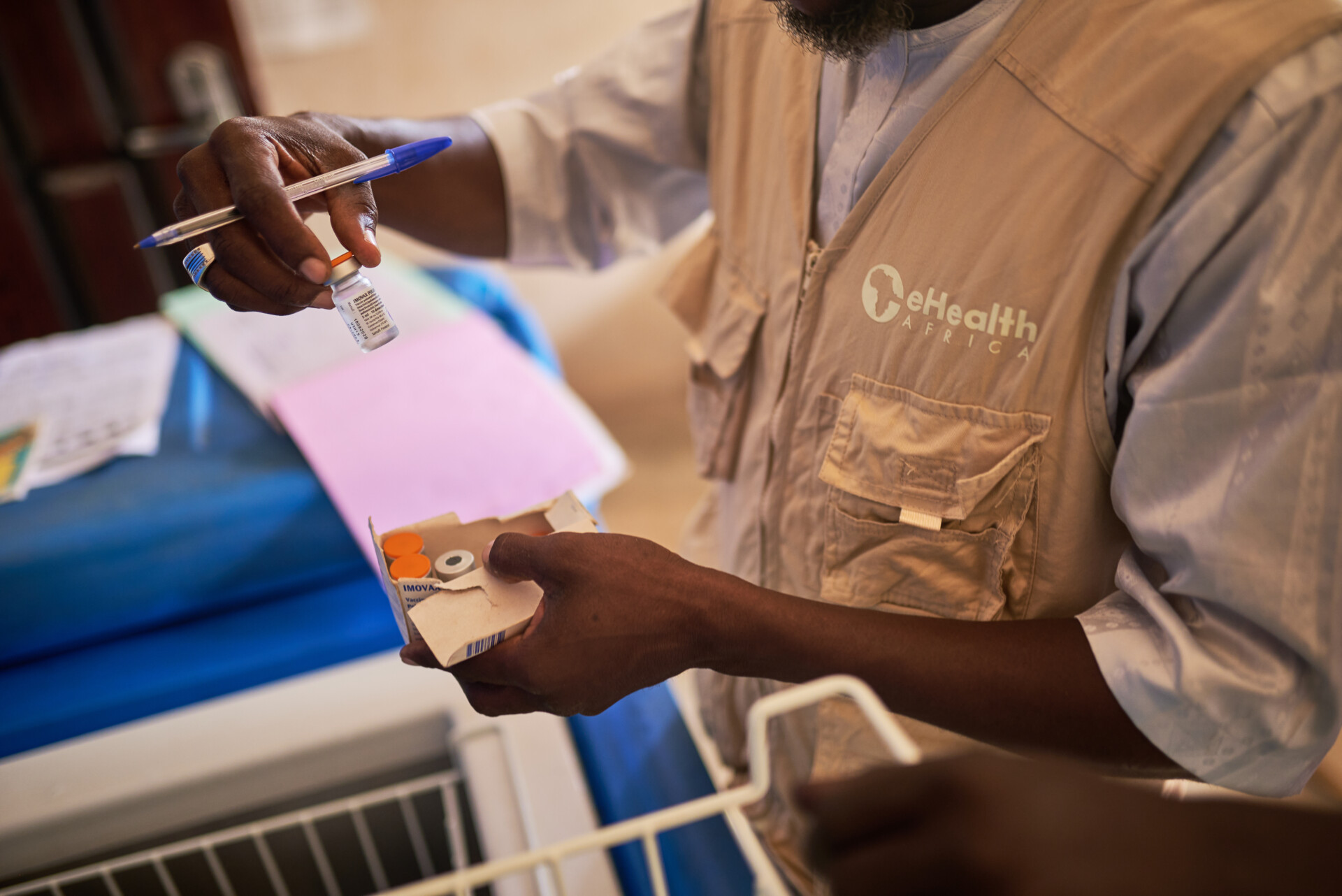
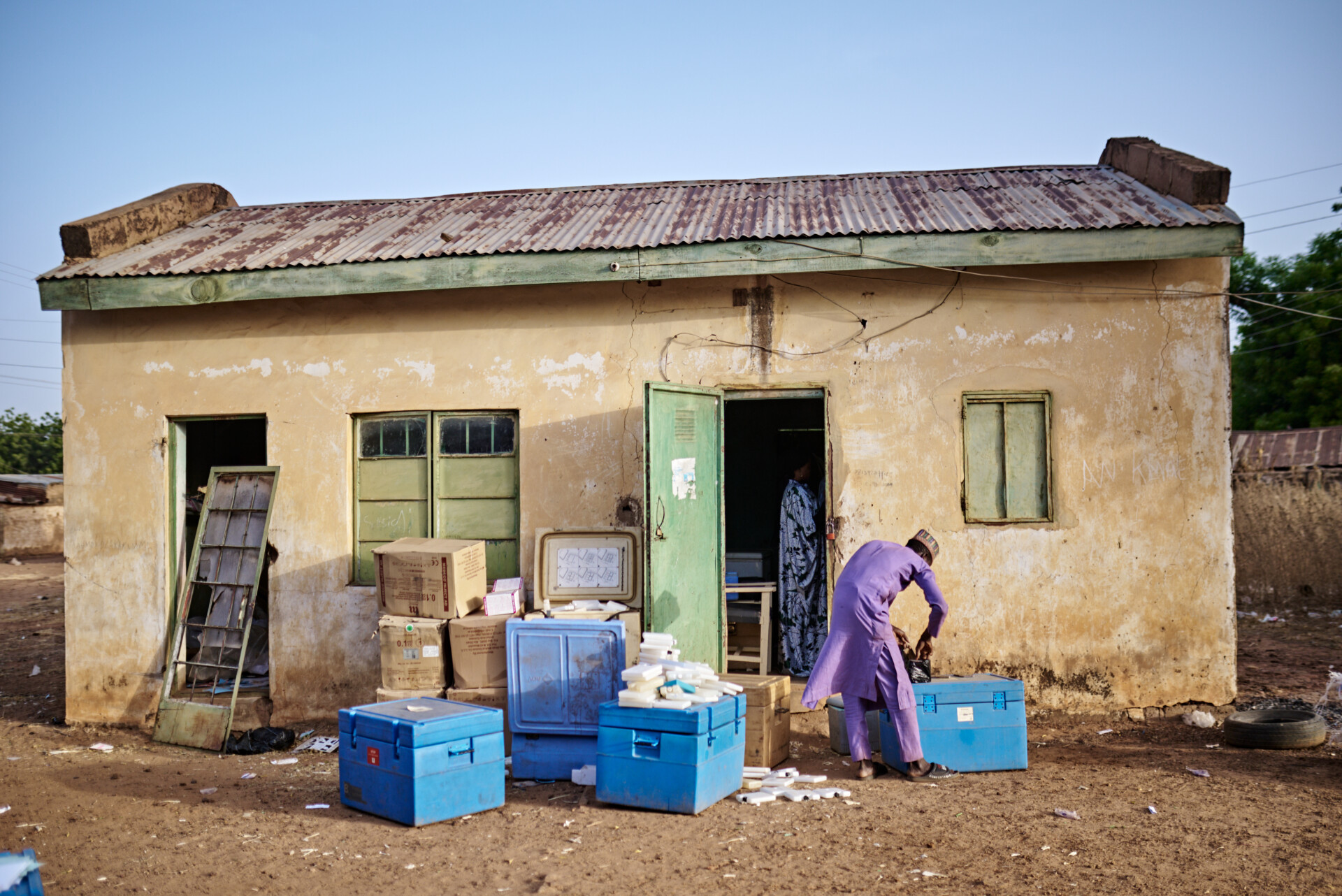
Vaccine Direct Delivery (VDD) in Sokoto captures the essence of efficient vaccine distribution. VDD ensures the seamless transfer of vaccines and dry commodities from the state cold store to ward-level health facilities. This image highlights the precision and dedication of VDD’s logistics, emphasizing its critical role in enhancing healthcare delivery.
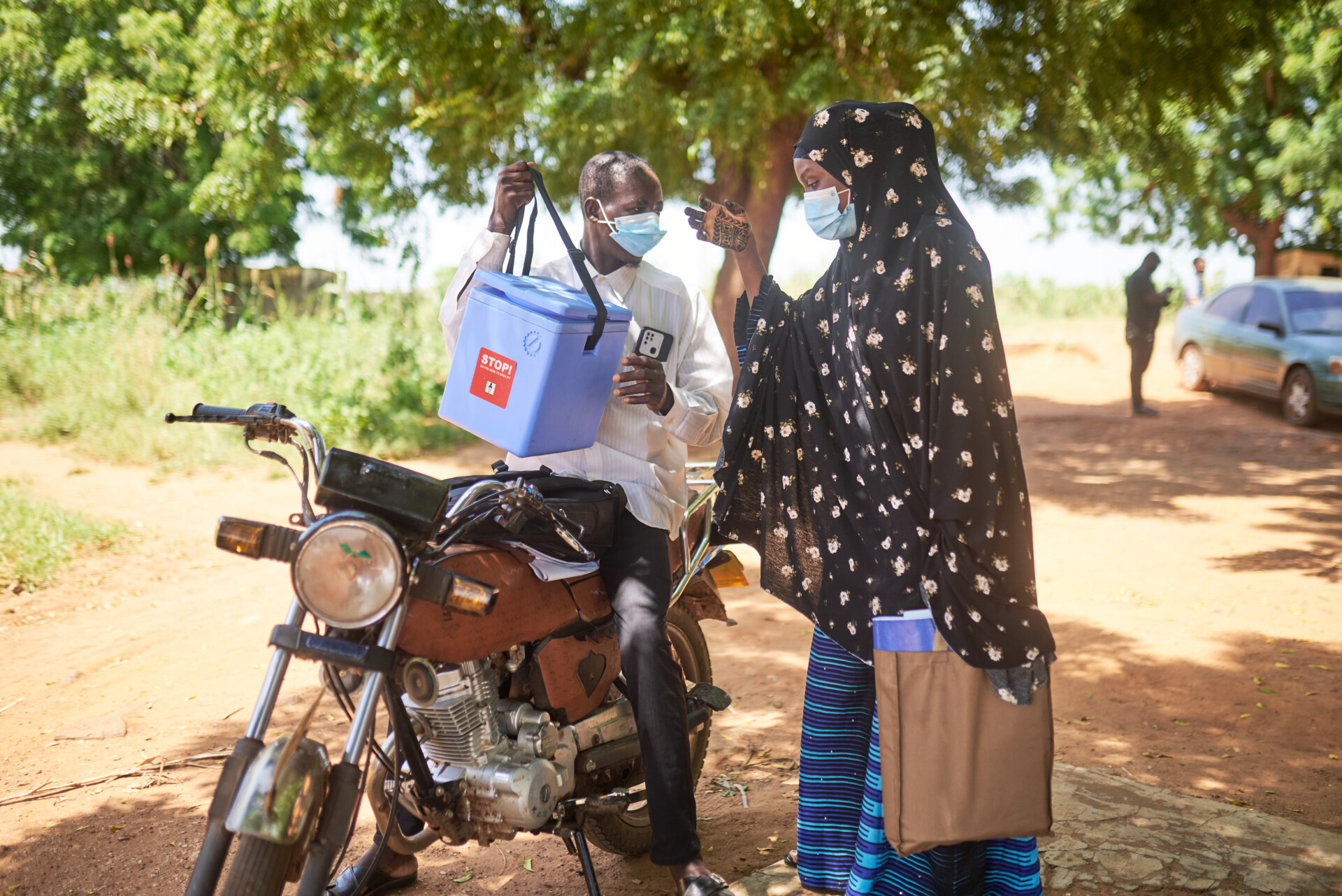
A Ward focal person ties a box containing the vaccines he has received for the day as he get ready to begin his day’s work
Bodinga LGA, Sokoto
13 December, 2023
A Ward focal person picking up tracking devices from the project field officer as they begin their day’s work
Bodinga LGA, Sokoto
13 December, 2023
The coordination of efforts by the Global Polio Eradication Initiative (GPEI) over the years has been critical to the global effort to eradicate polio, involving significant investments of financial and human resources. This further underscores the importance of strengthening existing collaborations at all levels to accelerate the end of polio in the African region.
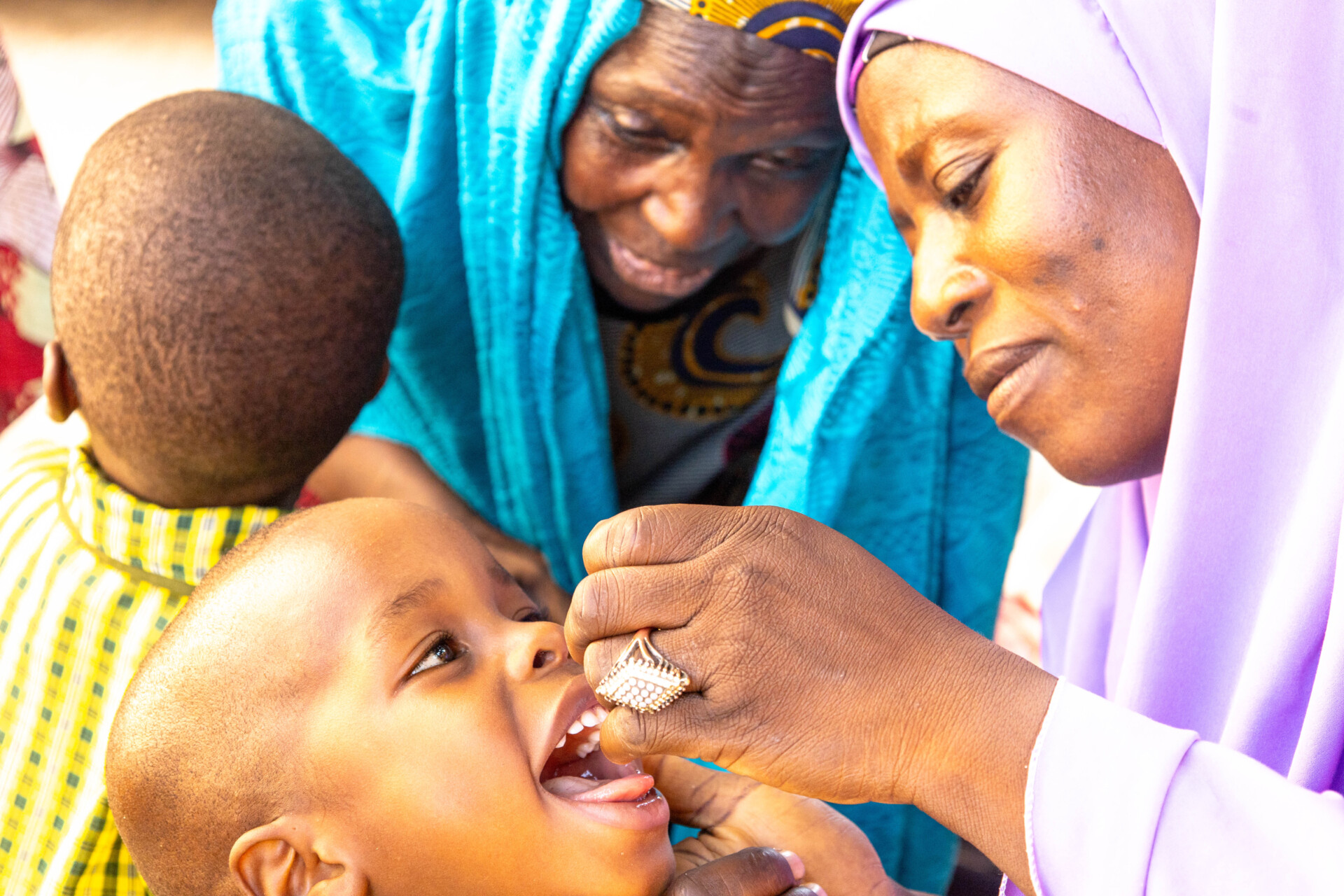
For instance, eHealth Africa is working with key partners, such as the Sultan Foundation for Peace and Development, to engage traditional and religious institutions in leading the polio vaccination drive. The intervention led by the Sultan of Sokoto himself, His Eminence Dr. Muhammad Sa’ad Abubakar III, has built trust within communities across northern Nigeria to increase vaccine uptake. To a significant extent, religious leaders, traditional leaders, and village heads have been flagging off vaccination campaigns from their palaces and chambers, which has undoubtedly improved acceptance of vaccines, especially in rural communities.
The urgency of reaching rural communities has also prompted the deployment of digital innovations like Geospatial Tracking Systems (GTS) to track and identify missed settlements. These systems have helped increase vaccination coverage while providing data-driven insights for decision-making. This has improved the quality and accountability of campaign implementation by validating the reports generated by vaccination teams.
Similarly, digital innovations like Planfeld, recently piloted by eHealth Africa, have been instrumental in enhancing the accuracy of planning vaccination campaigns and reaching every settlement. The application provides information on the exact number of settlements being targeted, the number of children in those areas, and the amount of vaccine required for the activity.
Aside from the deployment of technology, social behavioral change interventions at all levels have been another key approach in the journey to end polio. Irrespective of their roles, every step taken toward alleviating this disease is crucial. From international public health leaders to caregivers in the most remote locations, the influence of every stakeholder remains vital to the final push to end polio in Nigeria and the African continent.
Importantly, the emergence of other potential public health crises—such as cholera, monkeypox, hypertension, and diabetes—increases the urgency of ending the long-standing battle against polio. This will ensure that more global health funding is directed toward addressing other health issues, averting potential public health emergencies.
As we unite to push for a future without polio, this will be a testament to our collective resolve and humanity’s ability to unite for a common cause. We are indeed on the brink of history as we deliver the final blow to this disease once and for all.
Moshood Isah is a Communications Coordinator at eHealth Africa.
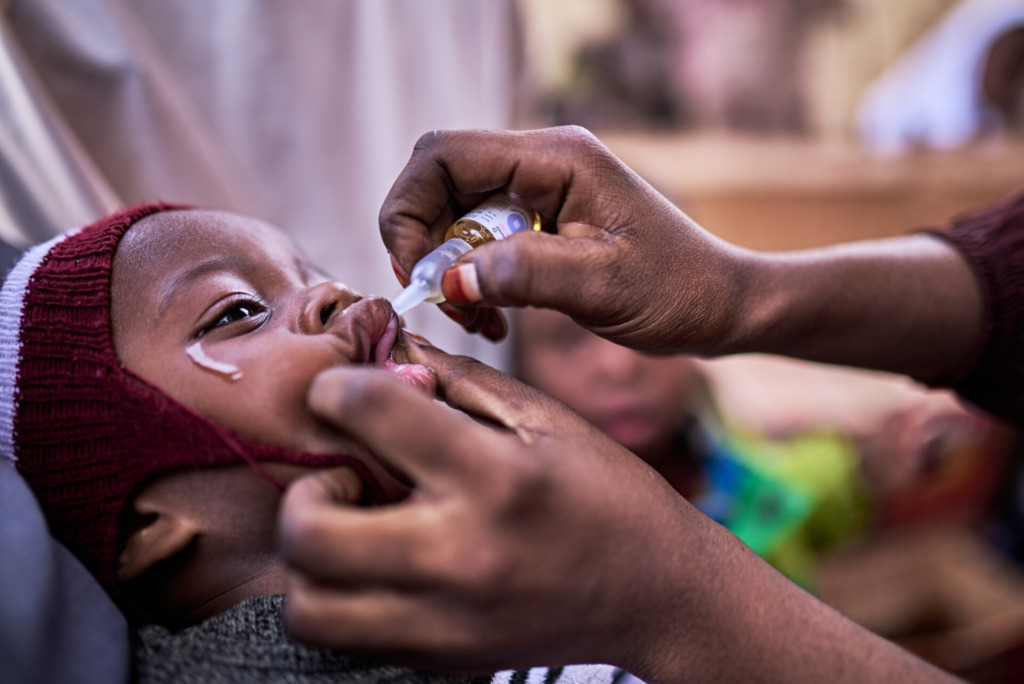
It is August 2023, in a remote Nigerian village in Northern Nigeria. Children 5 years and below are on a queue waiting to be vaccinated against polio. At Least, 2,509,687 children have already benefited from the 18-day mass vaccination campaign to boost their immunity against Circulating Variant Poliovirus (cVPV2). (World Health Organization [WHO], 2023).
This raises an important question. If Nigeria was declared polio free in 2020, why do we still require polio vaccinations campaigns today? After years of collaborative efforts, significant progress was made in eliminating polio. However, the threat of circulating variant poliovirus (cVPV2) lingers, particularly in remote areas of Northern Nigeria. Efforts are being made to ensure that we see the end of this disease.
As Nigeria continues the journey towards finally eradicating polio, digital innovation has become a vital tool in ensuring the success of the country’s vaccination efforts. One of such innovative solutions is the integration of GIS tracking systems on eHealth Africa’s polio interventions. This revolutionary innovation has transformed how vaccination campaigns are planned, tracked, and executed.
A Ward focal person ties a box containing the vaccines he has received for the day as he get ready to begin his day’s work
Bodinga LGA, Sokoto
13 December, 2023
A Ward focal person picking up tracking devices from the project field officer as they begin their day’s work
Bodinga LGA, Sokoto
13 December, 2023
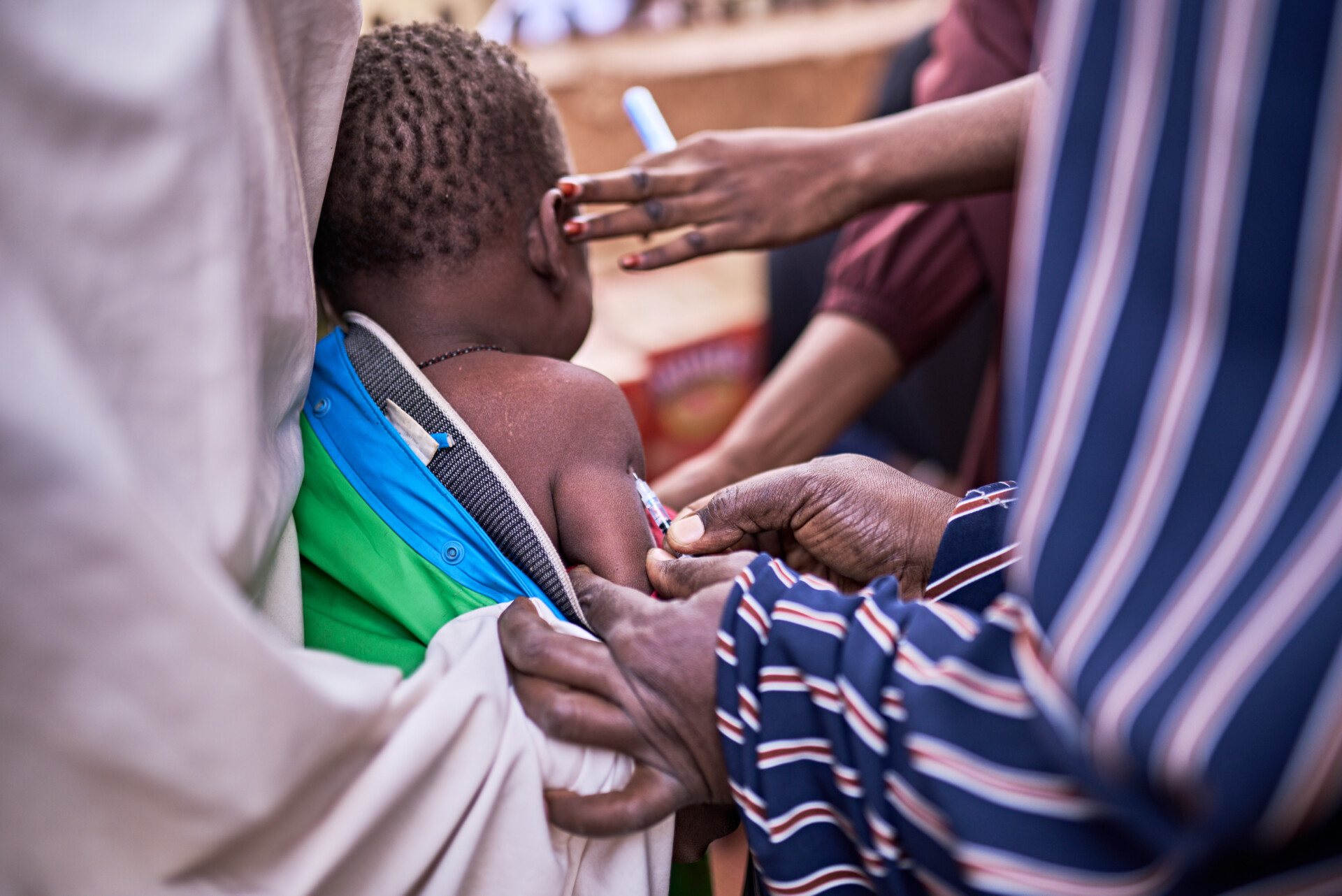
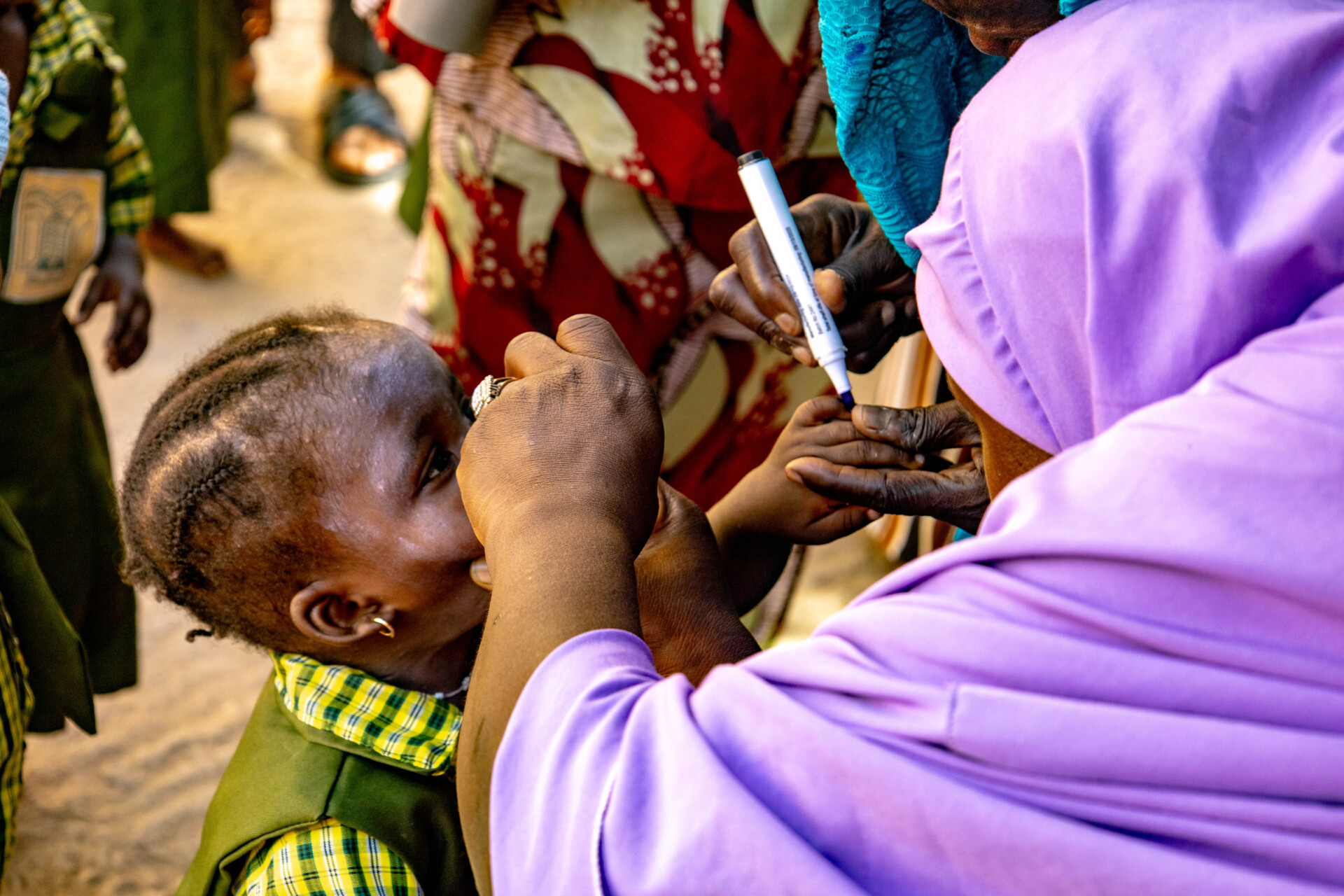
A child receives a FIPV vaccine in Kofan Kade, Mallam Dani’ma Quranic school, Sokoto north LGA Sokoto State.
December 10, 2023
Here are five key reasons why digital innovation is the game-changer in Nigeria’s final push to end polio.
1. Every community is reached with accuracy
The foremost challenge in eradicating polio in Nigeria has been reaching remote and conflict-ridden areas where vaccination coverage is inconsistent. With difficult terrains, and insecurity, It is often nearly impossible to ensure that no child is left behind. With eHealth Africa’s GIS technology, teams are able to track and locate settlements in hard-to-reach areas with geo-coordinates of over 70% of settlements that were previously unmapped. This level of precision has allowed vaccination teams to better plan and ensure that no community is overlooked, increasing vaccination coverage rates. In 2023, the geo-coverage rate of vaccination activities tracked rose to 89%, representing a 6% increase over the previous quarter. This data-driven approach has been instrumental in reaching more than 1.4 million children in tracked settlements across the country.
2. Vaccination Campaigns are Monitored Real-time
One useful aspect of digital technology is its ability to provide real-time data and feedback. Vaccination campaigns can now be tracked in real time, allowing for immediate course corrections if any gaps are identified. The GIS technology has made it possible to track vaccination teams as they move from one settlement to another, providing health authorities with the data they need to ensure that every planned area is covered. With this technology during the vaccination campaign in April 2023 12,791 settlements across 56 LGAs in Katsina, Niger, Sokoto, and Zamfara, were reached, achieving an impressive 81% of the planned coverage. This real-time accountability has ensured that vaccine wastage is minimized, resources are optimally allocated, and the campaign’s impact is maximized.
3. Tailored Trainings for Vaccination Teams
Digital innovation not only improves logistical planning and monitoring but also equips health workers with the necessary tools and knowledge to enhance their effectiveness. With the GIS Intervention, eHealth Africa trained 107 individuals across five states—Katsina, Zamfara, Kebbi, Niger, and Sokoto—to effectively use digital tools and geospatial data to improve their vaccination outreach. These training efforts have empowered local teams and equipped health workers with the knowledge needed to adjust strategies on the go, to achieve more successful campaign outcomes.
4. Enhanced Micro Planning for Campaigns
Polio eradication requires meticulous planning, especially in regions where settlements are small, scattered, and often unmapped. Digital health tools have drastically improved micro planning by providing vaccination teams with up-to-date settlement data and templates to develop detailed vaccination plans. The Master List of Settlements (MLoS), regularly updated through digital tracking, serves as a comprehensive guide for teams in the field. This detailed approach has proven instrumental in increasing vaccination coverage in previously underserved areas, as seen in the 89% overall coverage rate achieved during the 2023 campaign, which targeted 4,861 settlements.
5. An Expandable Model for other Public Health Campaigns
The success of eHealth Africa’s GIS technology in Nigeria is proof that digital innovations can effectively address a wide range of other public health challenges. The systems, data infrastructure, and training models developed for polio eradication are not only efficient but also highly adaptable and can be applied to combat other diseases and public health emergencies.
The successful deployment of GIS technology by eHealth Africa in Nigeria is evidence that digital innovations can help in the solution of many other public health problems. The systems, data infrastructure, and training models developed for the polio eradication program are not only effective but also flexible enough to be used for other diseases and public health threats.
Through continued investment in these technologies, Nigeria is not only positioned to become polio-free but also to build a more robust and resilient healthcare system that will benefit generations to come.
Primary Healthcare workers during Planfeld workshop in Zamfara
Vaccination campaigns, especially in Nigeria, are a Herculean task, particularly when navigating complex and hard-to-reach terrains. From the planning stage, where primary healthcare workers identify households and calculate target populations for vaccination, the challenges are immense.
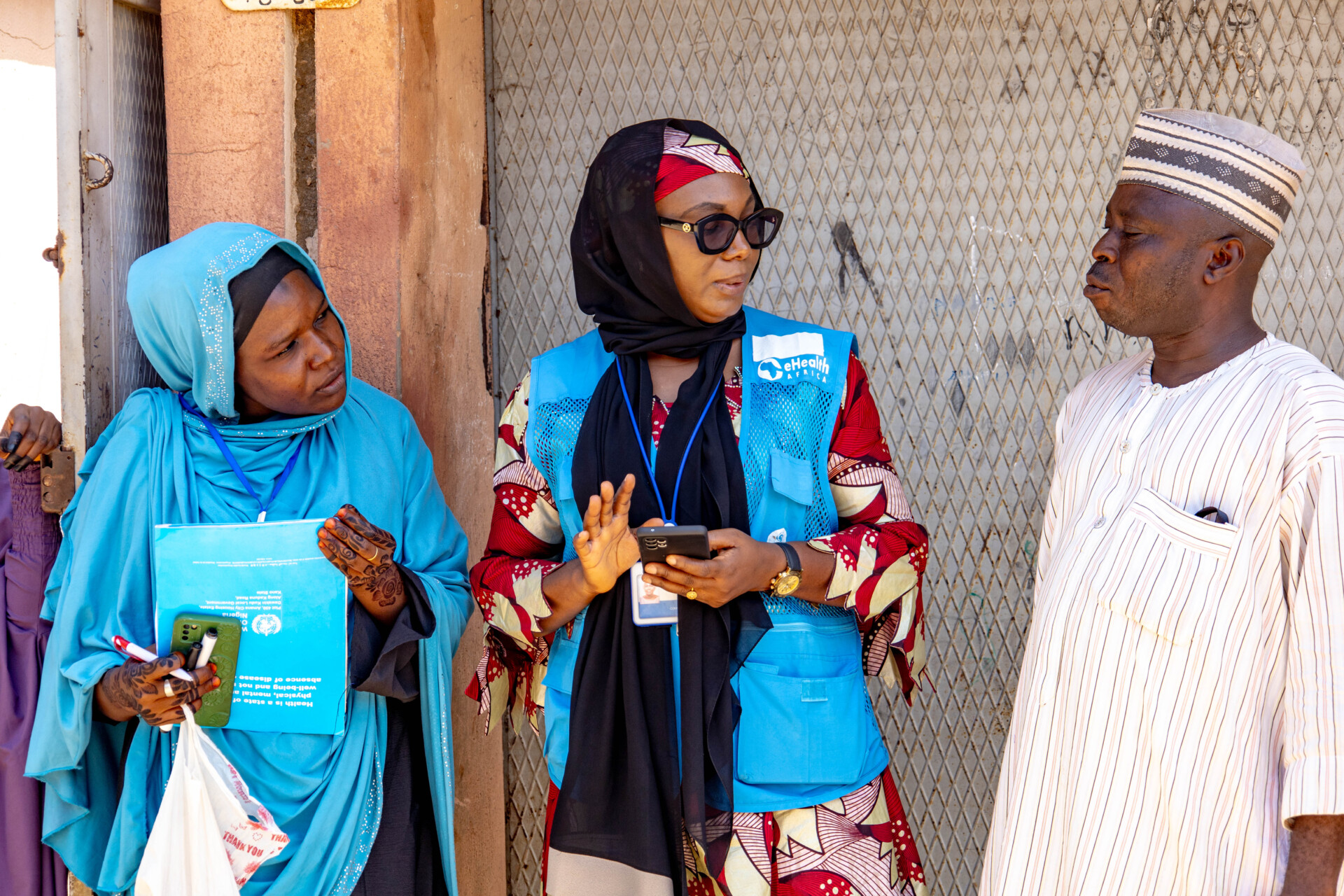
Khadija Ibrahim, a Ward Focal Person from Bagama A in Suleja Local Government Area (LGA), often braves rain and harsh weather conditions while moving from one community to another to identify households and target populations for vaccination. According to Khadija, although community leaders play crucial roles in identifying target populations, some gatekeepers can be reluctant due to a lack of incentives.
While community leaders need to support public health campaigns, Khadija lamented that “sometimes, your community leader does not want to accompany you, and you cannot enter without them.” This sometimes leads to inaccurate information and, in many cases, missed settlements during the vaccination campaign, which affects the spread of the Circulating Variant of Poliovirus and other vaccine-preventable diseases.
Due to the challenging terrain in rural areas, Ward Focal Persons often rely on motorcycles for transportation. “There was a year when I had an accident and dislocated my left wrist while distributing vaccines as early as 6 a.m.,” Khadija recalled. Given that all documentation for planning and implementing public health campaigns is done manually on paper, these documents are vulnerable to destruction by rain, accidents, or human errors.
“This manual method is difficult because sometimes you may go to a community and find that the number of children is not as high as the numbers given to us,” Abdullahi Muhammad, another Ward Focal Person, said. This affects reporting and vaccine management.
Muhammad supervises 14 vaccination teams, each visiting over 100 households for daily immunization rounds. He noted that “because the profiles of the settlements are captured manually, it’s difficult to understand the accessibility of these settlements, whether they are rural, urban, nomadic, or scattered.” These complications also impact the identification of starting points, midpoints, and endpoints during implementation.
The challenges in developing an effective microplan sometimes lead to the postponement of vaccination campaigns. Thus, the introduction of Planfeld—designed to enhance the planning of vaccination campaigns and ensure every child has access to the polio vaccine and other routine immunization services—comes at an opportune time.
Muhammad is among the first healthcare workers to express excitement about the Planfeld pilot. “Planfeld saves time; rather than spending four to five days developing a microplan, we can achieve it in just a few minutes,” he said.
Echoing this sentiment, Usman Abubakar, the Niger State Immunization Officer (SIO), remarked that the Planfeld pilot workshop is timely. He noted that digitizing micro plans will significantly address the issue of resource allocation, which he considers one of the most challenging tasks in his 20 years in the health sector.
Having spent nearly two decades leading and supporting vaccination campaigns across the state, Khadija, Umar, Usman, and other unsung heroes of public health interventions share one common aspiration.
eHealth Africa is dedicated to advancing digital health innovations through a user-centered approach, aiming to meet the needs and aspirations of underserved communities.
Online Donation
Your donation helps us to continue to use the power of technology to make an impact in health systems and provide underserved communities with the tools they need to lead healthier lives.