Events
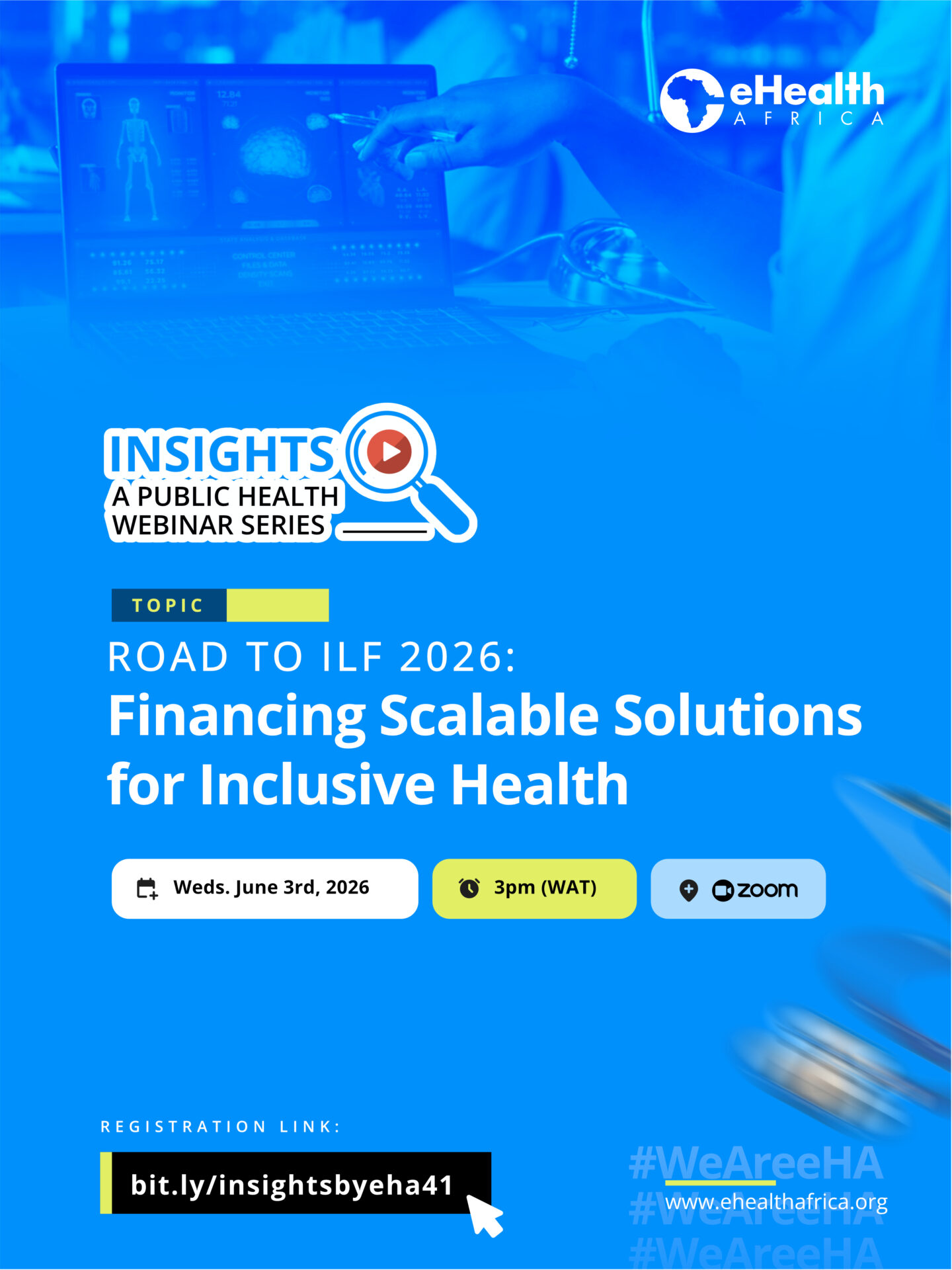
Road to ILF 2026 Session 2 : Beyond Access: Leveraging Digital Solutions to Advance the Health and Rights of Women and Girls

Moderator :
Fatima Howeidy – eHealth Africa
Panelists
Rhoda Robinson – Co-Founder, HACEY Health Initiative
Dr. Charles Usie – Country Director, Plan International Nigeria
Mary Edoro – Chief of Staff, BellaNaija
Closing Remarks
Ota Akhigbe – Director of Partnerships and Programs, eHealth Africa
Summary
The second session of the Road to ILF 2026 Insights Webinar Series, titled “Beyond Access: Leveraging Digital Solutions to Advance the Health and Rights of Women and Girls,” explored how digital innovation can move beyond expanding access to deliver meaningful improvements in the health, wellbeing, and rights of women and girls across Africa. Bringing together experts from international development, digital media, and social innovation, the discussion examined the human, technological, and systemic factors required to design digital solutions that are trusted, inclusive, and responsive to the realities of women and girls.
Speaking from an international development perspective, Dr. Charles Usie argued that trust, not technology is the greatest barrier to digital health adoption. He explained that many women remain reluctant to engage with digital platforms because of concerns around confidentiality, stigma, affordability, and the misuse of personal information. He emphasized that digital solutions must be designed around the lived experiences of women rather than assumptions about their needs. According to him, building trust requires stronger safeguards for privacy and data protection, affordable services, greater user choice, and collaborative ecosystems that bring together governments, civil society, private sector organizations, and development partners to create solutions that women can confidently use.
On her own part, Rhoda Robinson emphasized that successful digital innovation begins with understanding the people it is intended to serve. She stressed the importance of human-centred design, noting that technology must respond to local realities, infrastructure constraints, and varying levels of digital literacy. Drawing from practical implementation experiences, she highlighted the need to involve women and girls throughout the design process, leverage familiar communication channels such as WhatsApp and community networks, produce content in local languages, and ensure accessibility for underserved populations. She also called for stronger documentation and knowledge sharing to enable successful community-based innovations to be adapted and scaled across different contexts.
Speaking from the media and digital communications perspective, Mary Edoro challenged organizations to move beyond measuring awareness through reach and impressions alone. She argued that the true measure of success is behaviour change and meaningful action. Mary emphasized that media organizations should be engaged from the earliest stages of programme design to help shape narratives that resonate with target audiences rather than merely disseminating completed campaigns. She also highlighted the importance of collaborating with trusted content creators whose audiences already align with specific health issues while maintaining credibility, cultural relevance, and factual accuracy. According to her, sustained storytelling and trusted communication channels are essential for building public confidence in digital health interventions.
Throughout the discussion, recurring themes included trust, human-centred design, digital inclusion, behavioural change, affordability, privacy, and the importance of designing solutions that respond to the diverse realities of women and girls across urban, rural, and underserved communities. Panelists agreed that technology alone cannot transform health outcomes without deliberate investments in trust, collaboration, community engagement, and systems that support equitable access.
Delivering the closing remarks, Ota Akhigbe, Director of Partnerships and Programs at eHealth Africa, reflected on the day’s conversation by emphasizing that access alone is never enough. She noted that women may have access to technology yet still be excluded because of fear, stigma, lack of trust, affordability, or disconnected health systems. She reinforced the need for trusted, inclusive, and interoperable digital ecosystems built through stronger collaboration among governments, innovators, researchers, development partners, media organizations, and the private sector.
The session concluded with a call to action for stakeholders across the digital health ecosystem to move beyond building technologies and instead invest in trusted partnerships, collaborative ecosystems, and human-centred solutions that improve the health and rights of women and girls. Participants agreed that meaningful digital transformation depends not only on innovation, but also on trust, inclusion, coordinated action, and sustained collaboration capable of translating digital opportunities into lasting health impact across Africa.