October 23, 2025
Why Climate-Smart Healthcare Should Be Nigeria’s Next Big Investment
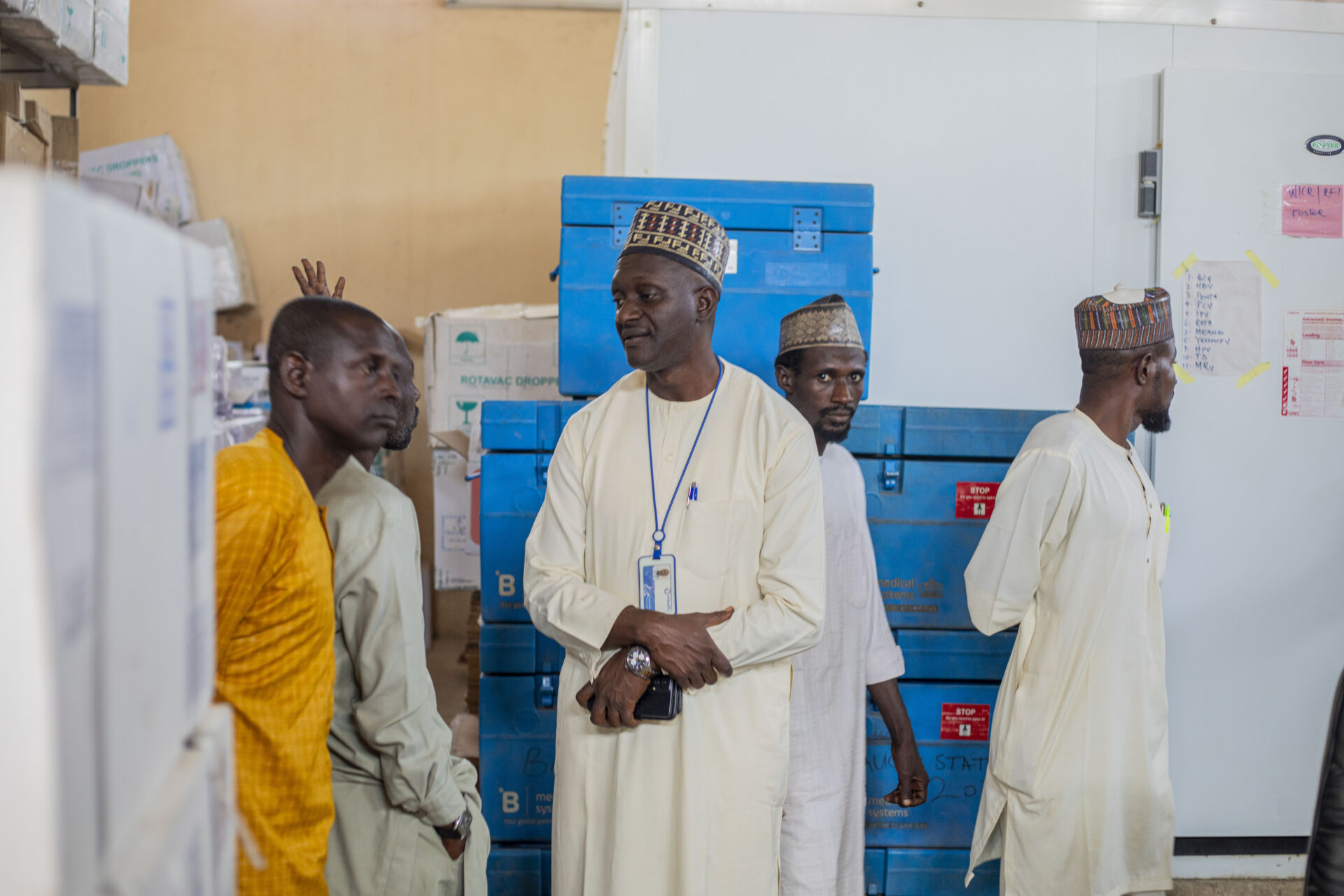
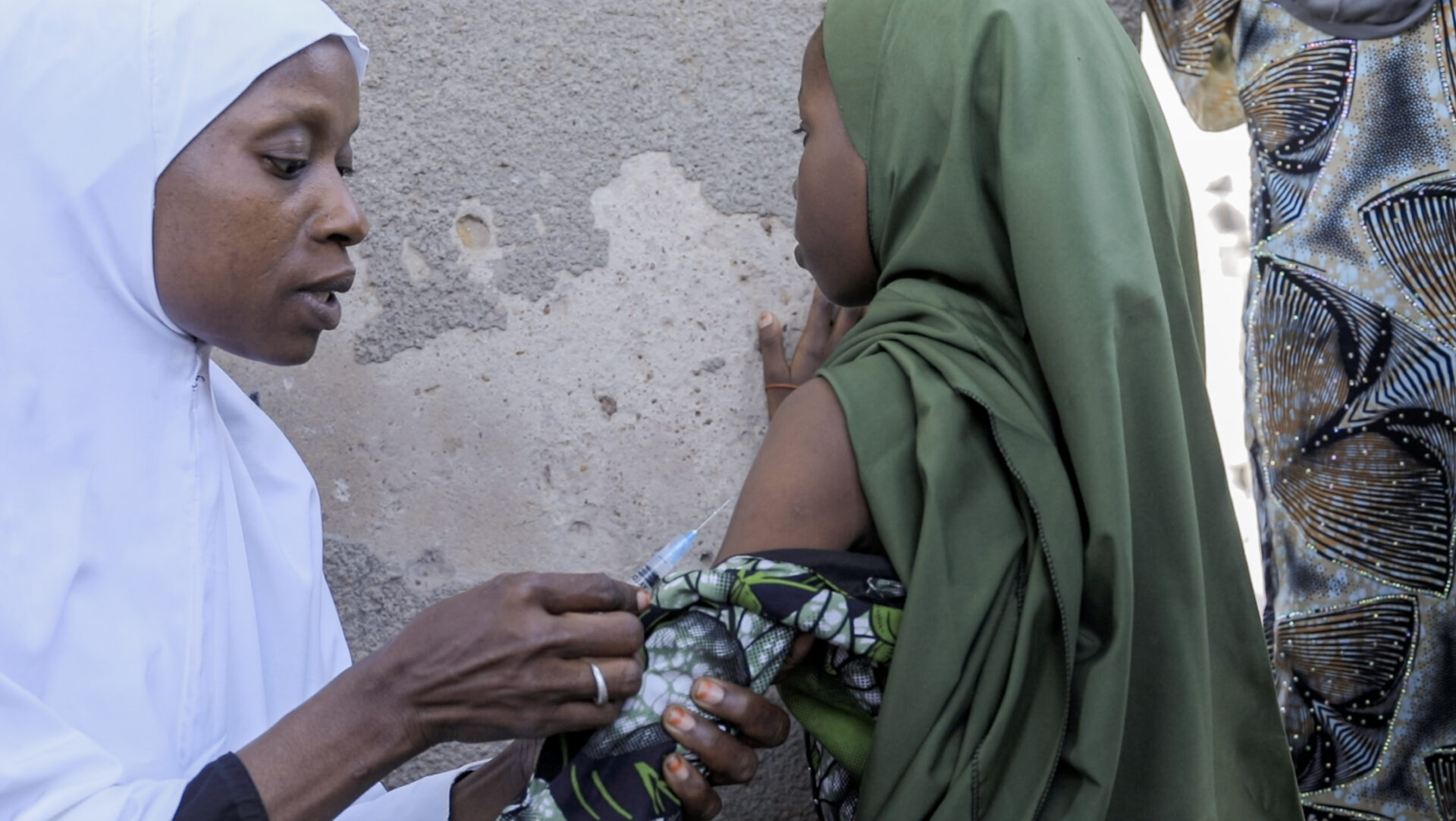
Climate change is no longer just a future threat, It is already disrupting health service delivery in Nigeria. Recent reports show that flooding has destroyed health centres, disrupted power, and destroyed medical supplies, creating barriers to care. This is even as Nigeria’s rising heatwaves have led to increased heat-related illness, strained cold chains, and impaired medicine efficacy. As these events become more frequent, the urgency to build resilient, climate-smart healthcare systems becomes impossible to ignore.
This informed eHealth Africa’s June edition of Insights Webinar where it convened public health and climate experts to explore the role of environmental sustainability in strengthening health systems. The conversation brought clarity to what climate-smart healthcare means in practice, and why it matters now more than ever.
Understanding Climate-Smart Healthcare
A climate-smart healthcare system is one that can deliver care despite environmental disruptions, and do so without worsening the climate crisis. During the webinar, Climate Change Lead at Pathfinder International, Praise Agbe, emphasized the need for primary healthcare facilities to be powered by clean energy, equipped with sustainable water and sanitation systems, and built to remain functional during floods or droughts. This concept aligns with the World Health Organization’s guidance on climate-resilient and environmentally sustainable health care facilities.
Other key strategies to creating climate-resilient health systems include proper medical waste disposal and training for healthcare workers to manage diseases linked to climate change. These are not optional features, they are essential for health systems that aim to serve communities in the years ahead. As highlighted by the World Bank’s Climate‑Smart Healthcare: Low‑Carbon and Resilience Strategies for the Health Sector report (2017), investments in low‑carbon, climate‑resilient systems can improve long‑term efficiency and reduce vulnerability.
The Challenge of Readiness
Despite this advocacy for eco-friendly health systems, many primary healthcare centres in Nigeria are vulnerable to climate-related shocks. Another panelist at the webinar, Temitayo Tella-Lah, Program Manager, Climate Resilience, Food Security & Nutrition, eHealth Africa, noted that most facilities lack the tools and data needed to assess their climate risks. She emphasized the importance of deploying digital tools to bridge this gap.
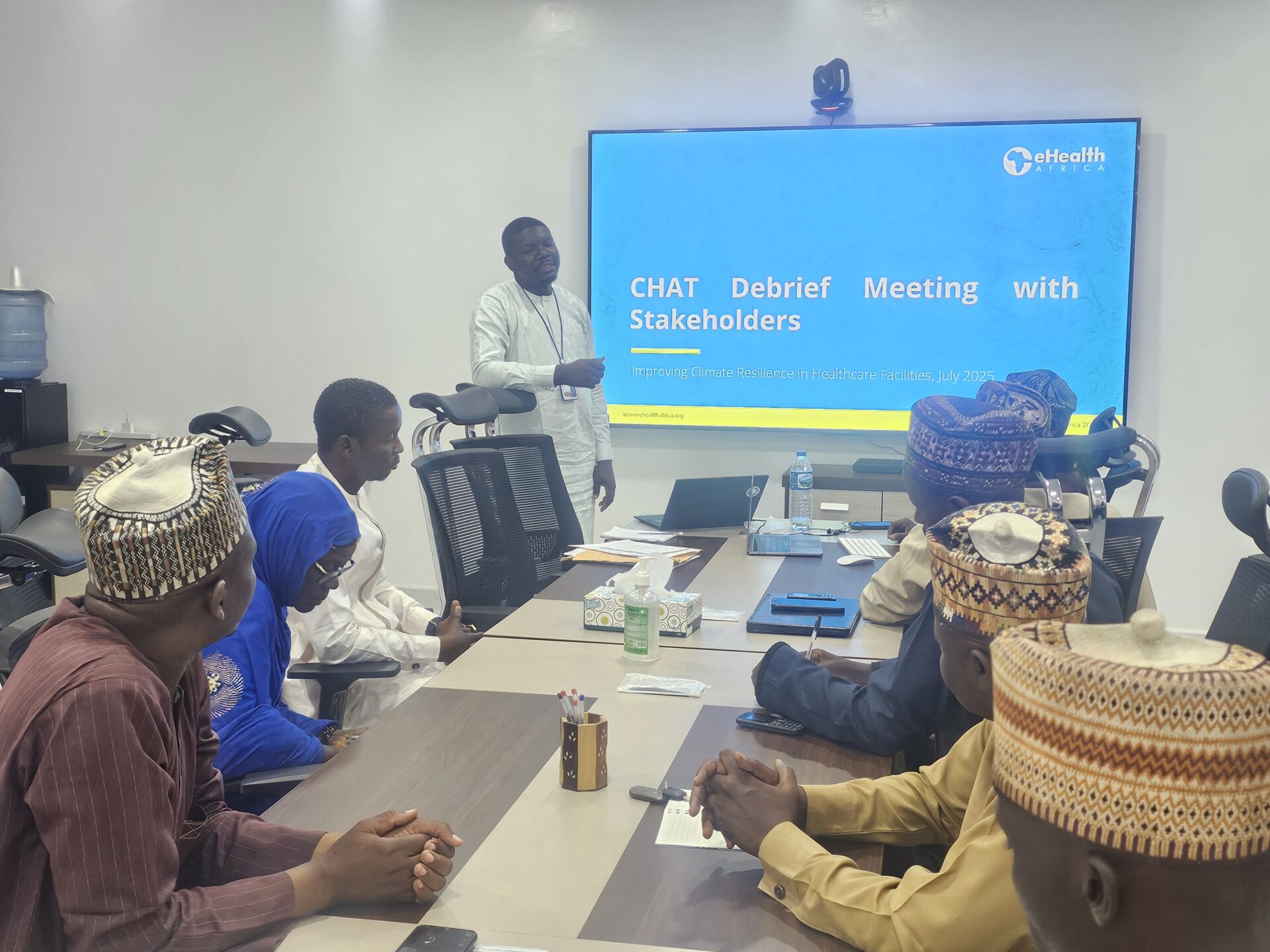
A typical example of this digital tool according to her is the Climate Health Vulnerability Assessment Tool (CHAT) developed by eHealth Africa to fill this gap. CHAT is a digital platform that helps health managers identify specific vulnerabilities across water, energy, workforce, and infrastructure. According to Temitayo, “CHAT turns complex data into actionable intelligence, allowing decision-makers to plan ahead rather than react after damage has been done.“
Tools like this are increasingly becoming more relevant if not inevitable. As a matter of fact, this is in line with the Global Road Map for Health Care Decarbonization calls for the integration of climate resilience into health systems, especially in low- and middle-income countries, through planning, infrastructure adaptation, and risk preparedness. CHAT has already been deployed in four states and is helping highlight urgent gaps in climate preparedness with opportunity for scaling
The Barrier of Implementation
While innovations like CHAT are promising, the challenge lies in scaling them. Bankole Oloruntoba from the Nigerian Climate Innovation Center emphasized the importance of leadership and prioritization. As he put it, “If we, who play within this space, don’t make climate-health a priority, we won’t unlock its potential.” Financial constraints also remain a barrier, particularly for private health facilities. However, models exist for public-private partnerships and access to green financing. For example, the UN Environment Programme Finance Initiative works with banks, insurers, and investors to align financial systems with sustainability goals. What is needed is coordinated effort and political will.
The Way Forward
We cannot talk about strengthening Nigeria’s health system without addressing climate resilience. This means integrating climate-smart planning into health policies and this should come with building the technical capacity of healthcare workers while engaging communities in sustainable practices that protect health and environment together. As the discussion during the webinar made clear, climate-smart healthcare is not a luxury. It is a necessity for any system that intends to serve its population effectively. eHealth Africa remains committed to driving this conversation forward through tools like CHAT, strategic partnerships, and knowledge-sharing platforms like the Insights Webinar Series and the Insights Learning Forum.