January 23, 2026
Village Head Extols Health Delivery Officers for Bringing Vaccines to the Last Mile
“This Is Not Just Work, It’s a Sacrifice
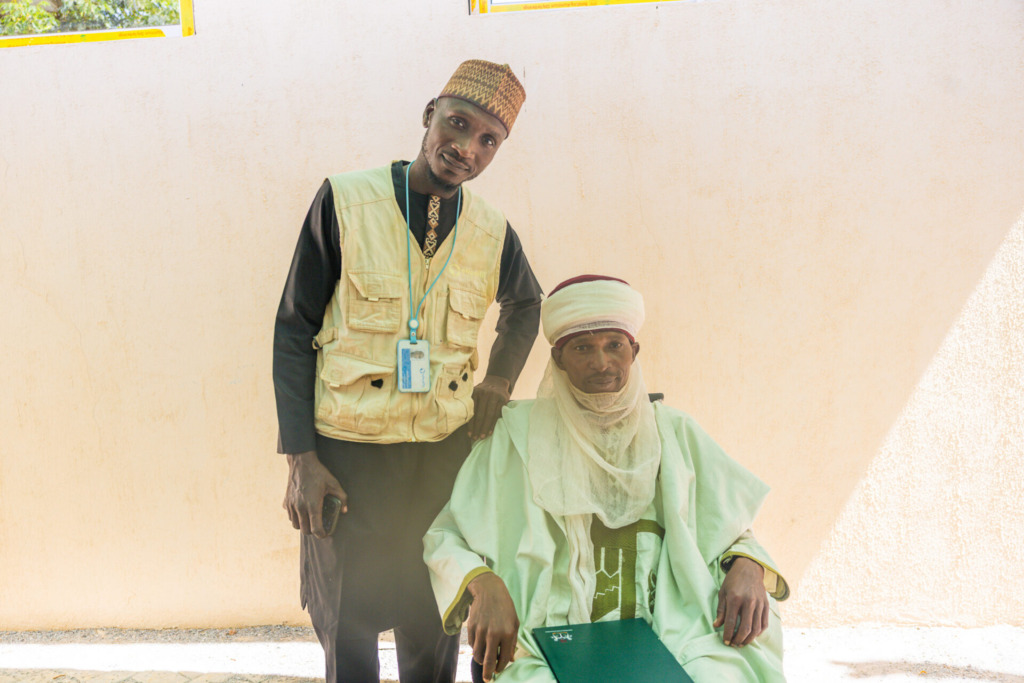
Although Magaji Bashir Sambo assumed the position of village head of Sarkin Zamfara in Sokoto South, Northern Nigeria, in 2022, his education in the health of his people began decades ago.
“When my father was alive, there were health issues that bedevilled us – sicknesses that caused diarrhea and vomiting, and diseases we didn’t even know the origin of,” Magaji recalls. He said, “We would see a child fall sick with something we had never seen, and we had no idea how to cure him.”
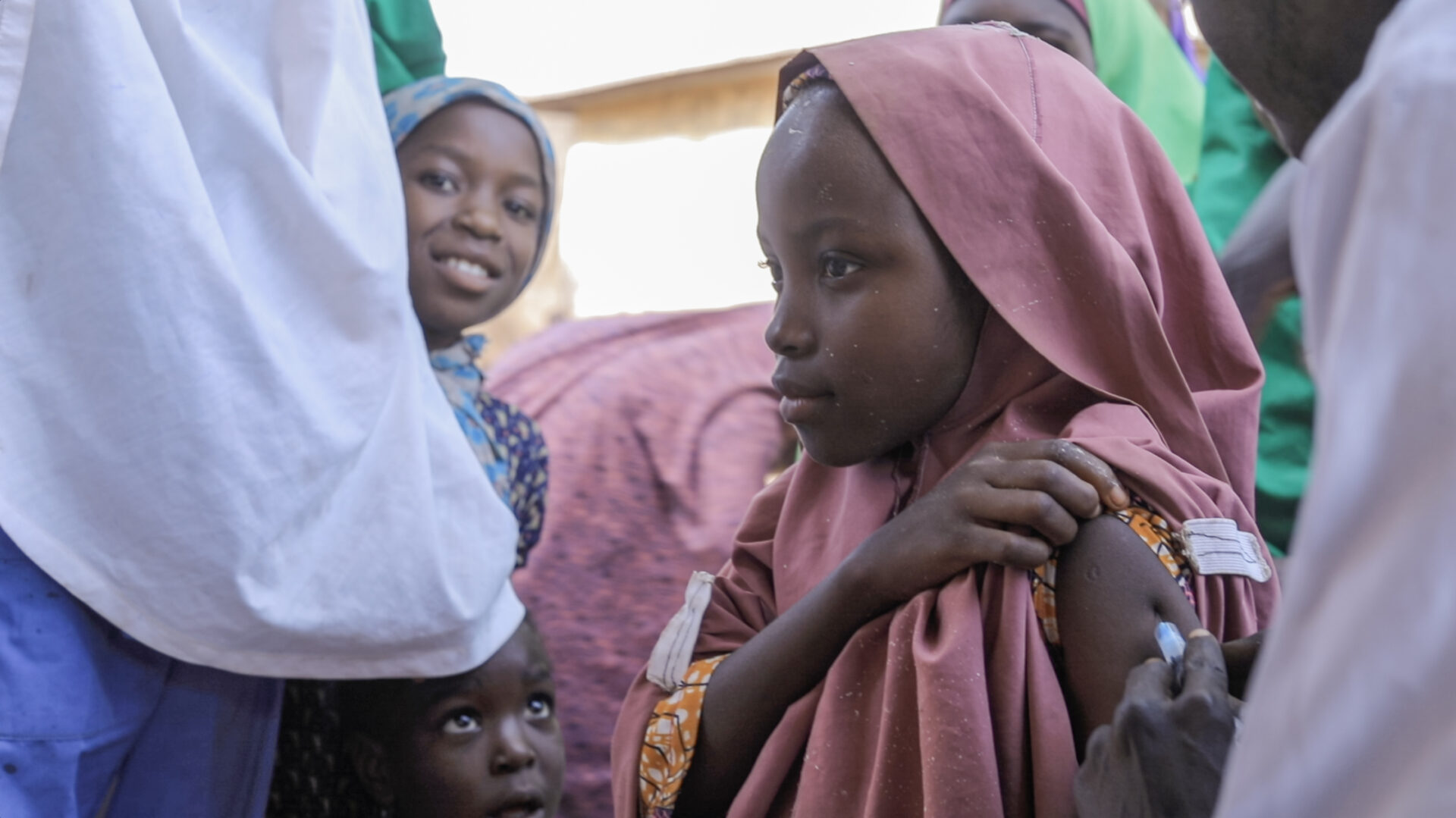
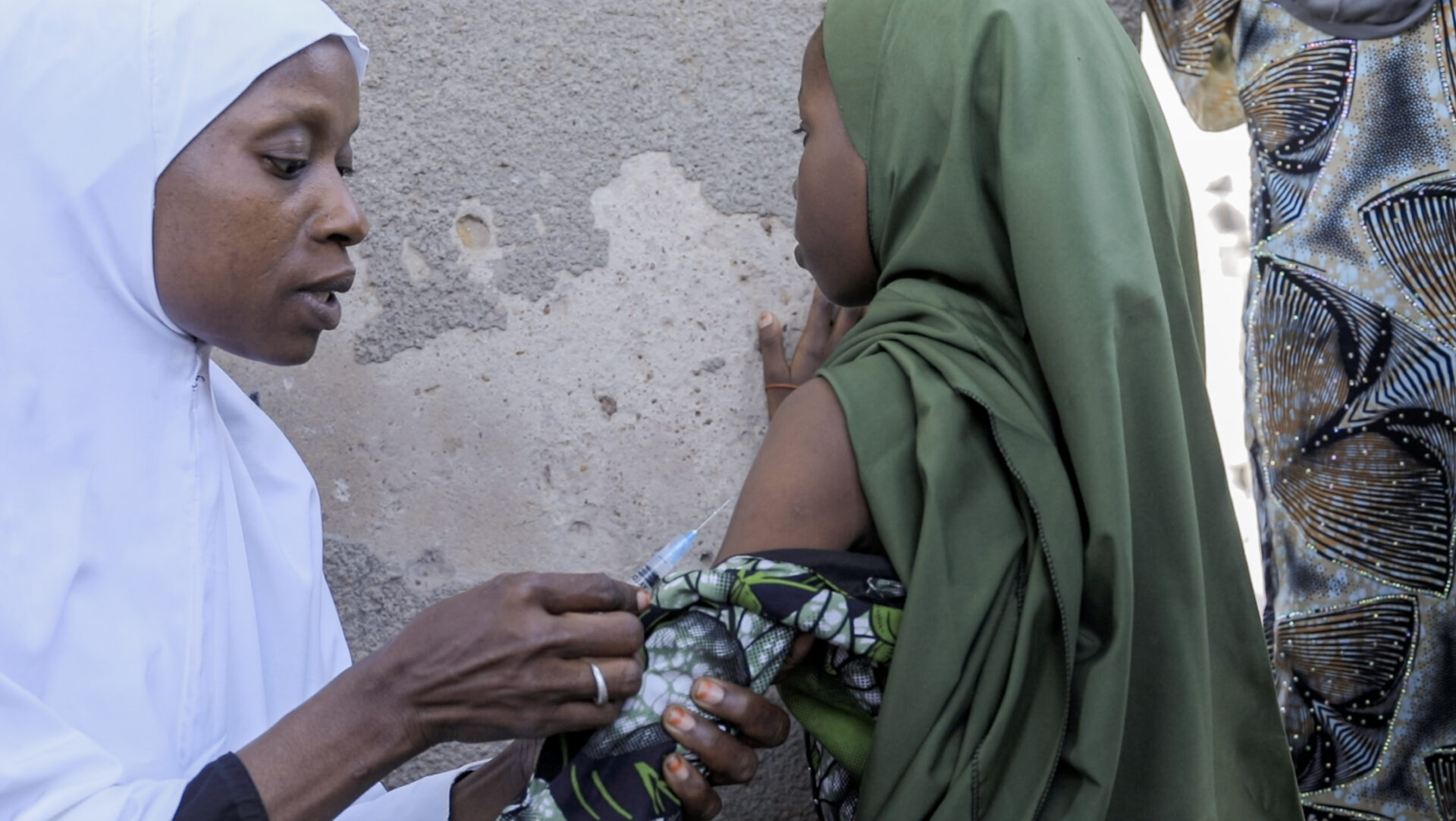
According to him, the skin of a sick child might look “burnt” from measles, or families would watch helplessly as neighbors were swept away by outbreaks of Yellow Fever or Whooping Cough. Today, Magaji Bashir describes those days as a fading memory, thanks to a hard-won bridge of trust between traditional leadership and modern medicine.
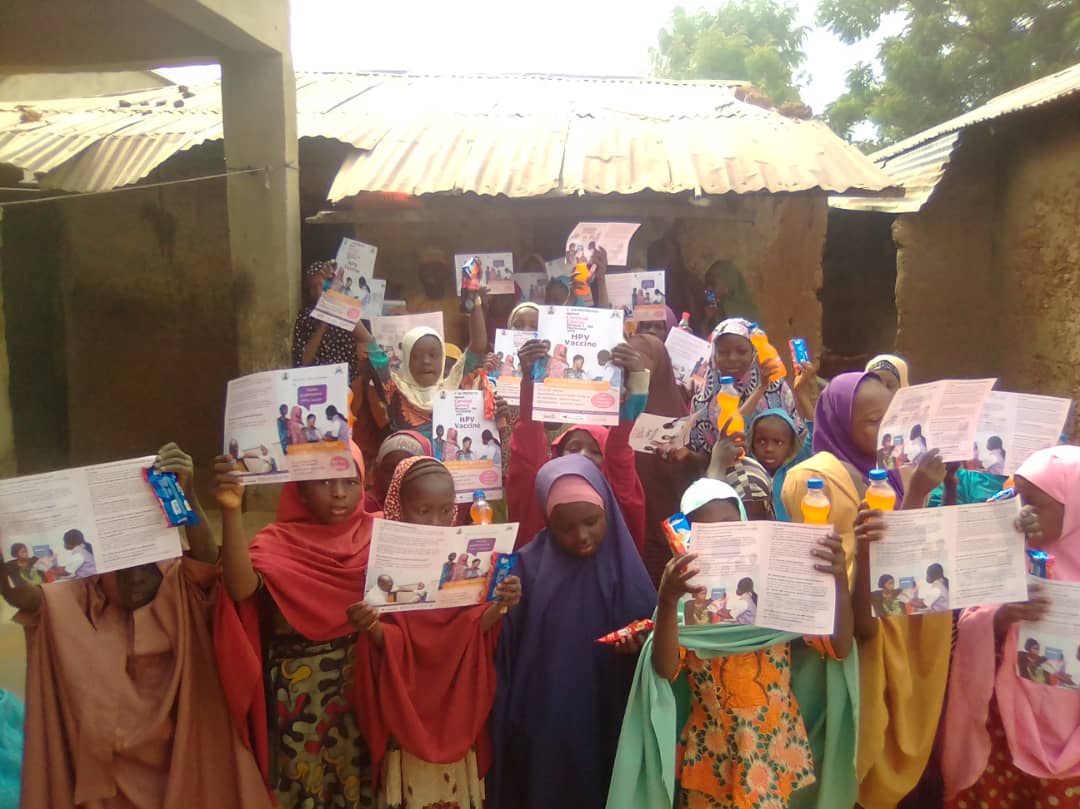
The path to a healthier life wasn’t always smooth. Magaji Bashir laughed as he remembered the early days of sensitization. “I remember situations where someone once chased us with a pestle,” he said. At the time, vaccines were a mystery, often viewed with suspicion as something “from abroad” designed to cause harm.
As a future leader, Magaji learned to listen rather than react. When a community member rejects vaccination, he wouldn’t argue in the street. Instead, he would invite them to his home. “There, we would have a one-on-one conversation, community member to community member. We asked what their fears were. We answered their questions.”
The Turning Point: 2016
The real shift in the community’s heart happened during the traumatizing Cerebrospinal Meningitis (CSM) outbreak of 2016/17. Magaji recalled how people died in a span of hours. It was during this crisis that organizations like the World Health Organization (WHO) and eHealth Africa (eHA) stepped in, not just with vaccines and a dedicated testing lab, but with humanity. “In the hospital camps, food was provided; breakfast, lunch, and dinner to patients and sometimes, their families,” Magaji explained. “All these efforts were witnessed firsthand. It helped allay the fears that ‘the West is trying to hurt us.'”
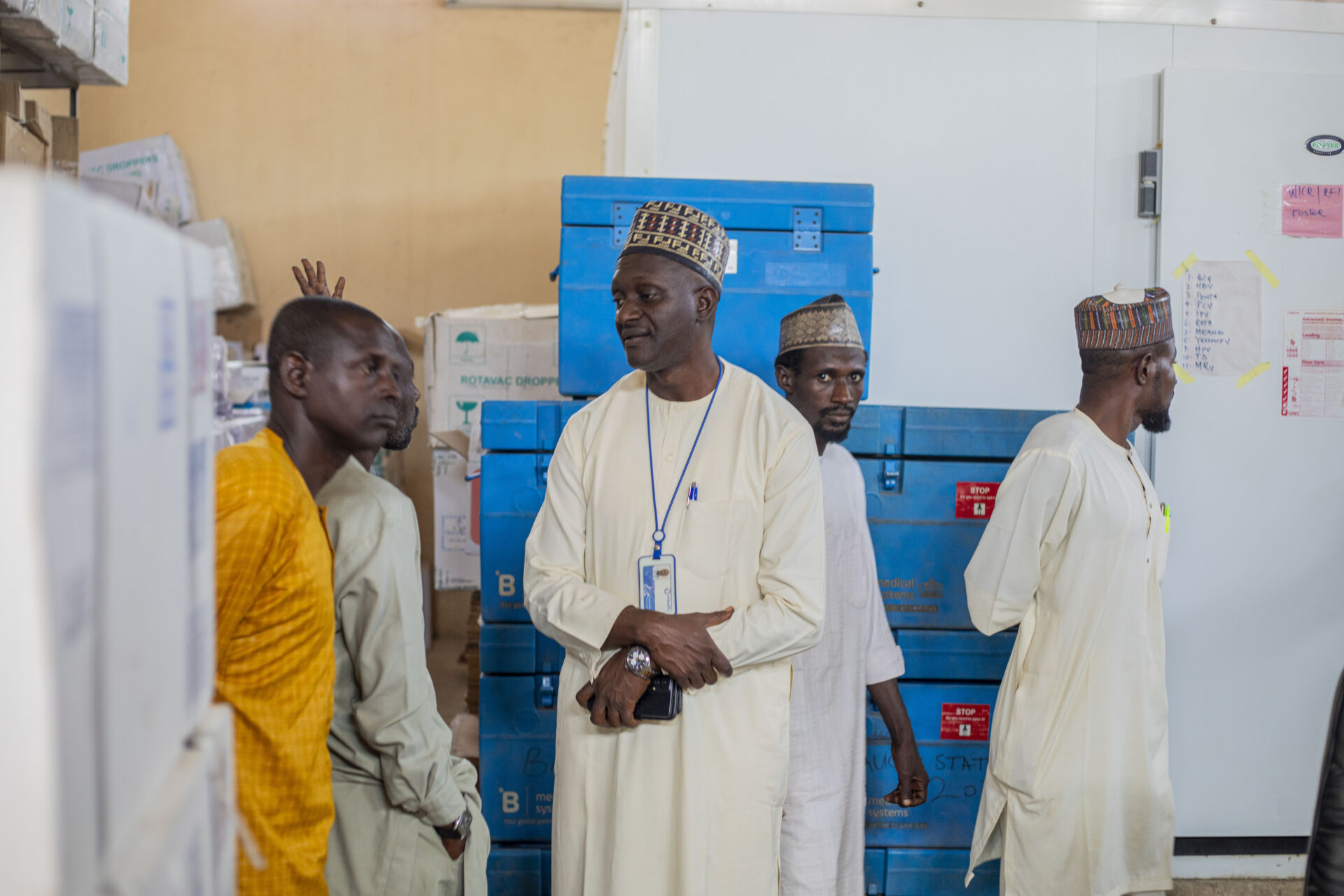
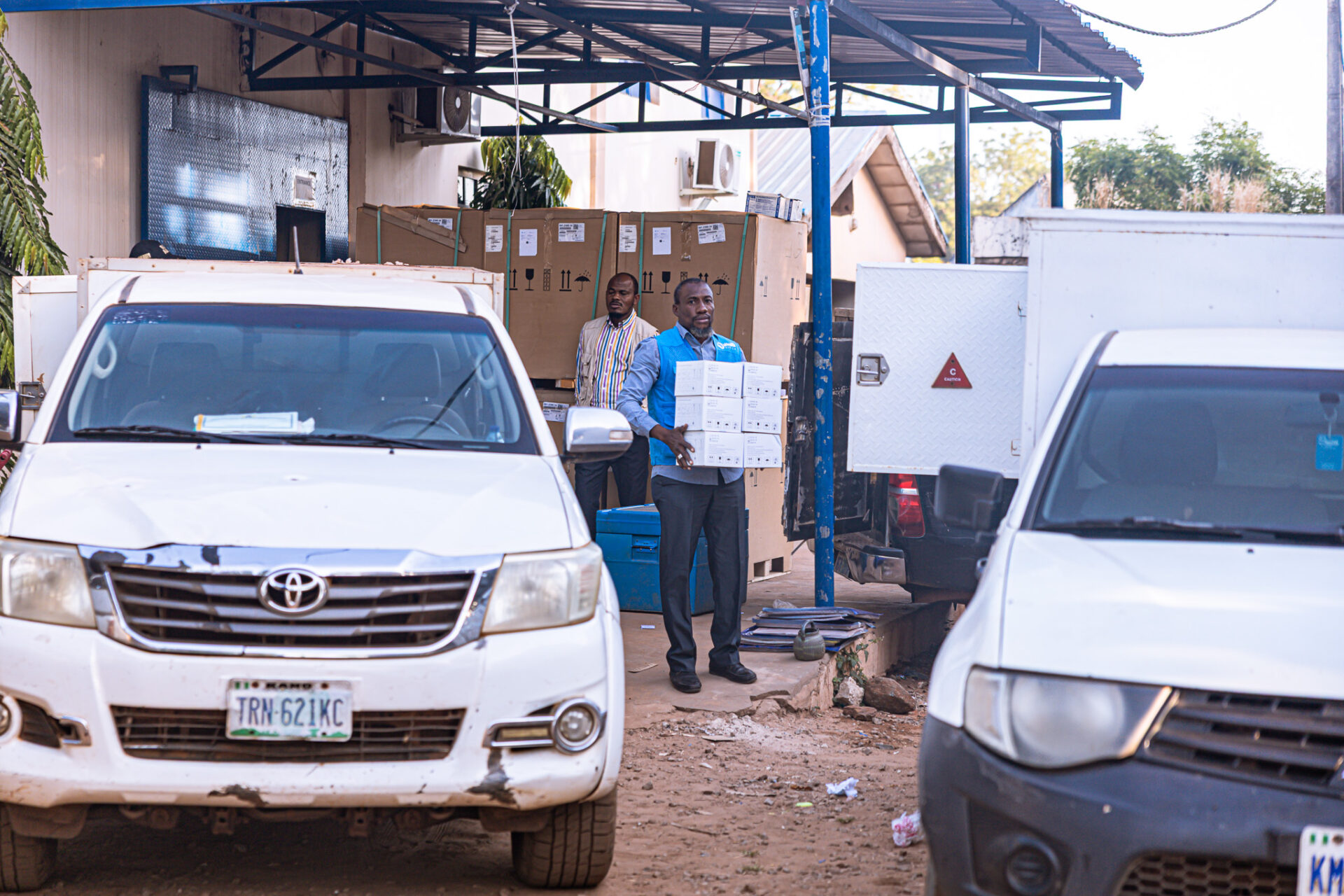
Today, the challenge isn’t just trust. It’s logistics. This is where eHealth Africa’s Vaccine Direct Delivery (VDD) program comes in. Magaji Bahsir always watched the VDD vehicles ply the difficult Sokoto terrain with a sense of wonder.”I always wondered if the car was a mobile refrigerator,” he says. “No matter how long or far they drove, the vaccines never spoiled.”
He noted that the VDD teams do more than just drop off boxes. They act as the “silent guardians“ of the local Primary Healthcare Centers (PHCs). According to him, they check the fridges, remove expired vials, manage medical waste, and ensure the stock is perfect. This allows local health workers to stop worrying about logistics and start focusing entirely on patients.
More Than Just “Work”
For Magaji Bashir Sambo, the presence of eHealth Africa in the villages of Sokoto is more than a program; it is a lifeline. “I call it a sacrifice,” he says, reflecting on the 144TH round of VDD. “No matter the financial benefit, taking the time to go the distance to communities that are not always safe… that’s not just ‘work.’ It’s a great service to humanity.”
As the VDD trucks roll out of Sarkin Zamfara to the next “last mile”village, they leave behind more than just vaccines. They leave behind a community that no longer fears the unknown, led by a man who knows exactly how to keep them safe.