March 23, 2026
Strengthening Cancer Prevention Through Community Trust : Lessons from 39th edition of Insights Webinar
By Azeez-Ayodele Fatimah Ayotemitide
Cancer prevention is not only a medical challenge; it is a trust challenge. Across the world, efforts continue to reduce the cancer burden through vaccination, early screening, and other proven public health strategies. Yet prevention remains a major struggle, especially in low- and middle-income countries. In 2022 alone, the world recorded nearly 20 million new cancer cases and 9.7 million deaths, with almost 70% of those deaths occurring in low- and middle-income countries. In Nigeria, cervical cancer remains one of the leading causes of cancer-related deaths among women aged 15 to 44, despite being largely preventable through HPV vaccination and early screening.
Science exists, and vaccines exist. Screening tools exist. So why does the burden persist?
That question sat at the heart of eHealth Africa’s 39th edition of Insights Webinar, Reducing Cancer Burden Through Community Engagement and Behavioural Change. What emerged was not just a conversation about healthcare access or infrastructure, but one about trust, perception, and lived experience. Prevention is rarely about access alone; it is also about belief.
When communities have limited confidence in the health system, preventive services such as vaccination or screening can feel distant, uncertain, or unnecessary. That hesitation can delay engagement, making early detection far more difficult. In many communities, the point where uncertainty meets information is also the point where trust either begins or breaks.
The webinar highlighted an important reality within Nigeria’s health system. In principle, primary healthcare centres should be the first point of contact for preventive services like vaccination and screening. But as Dr. Shalom Nanle Dam explained, “what often exists is ‘an inverted pyramid,’ where the fewest patients are seen at primary healthcare centres and the most at tertiary institutions.” It is a powerful reminder that infrastructure alone is not enough. Behaviour follows belief, and belief is shaped by community experience.
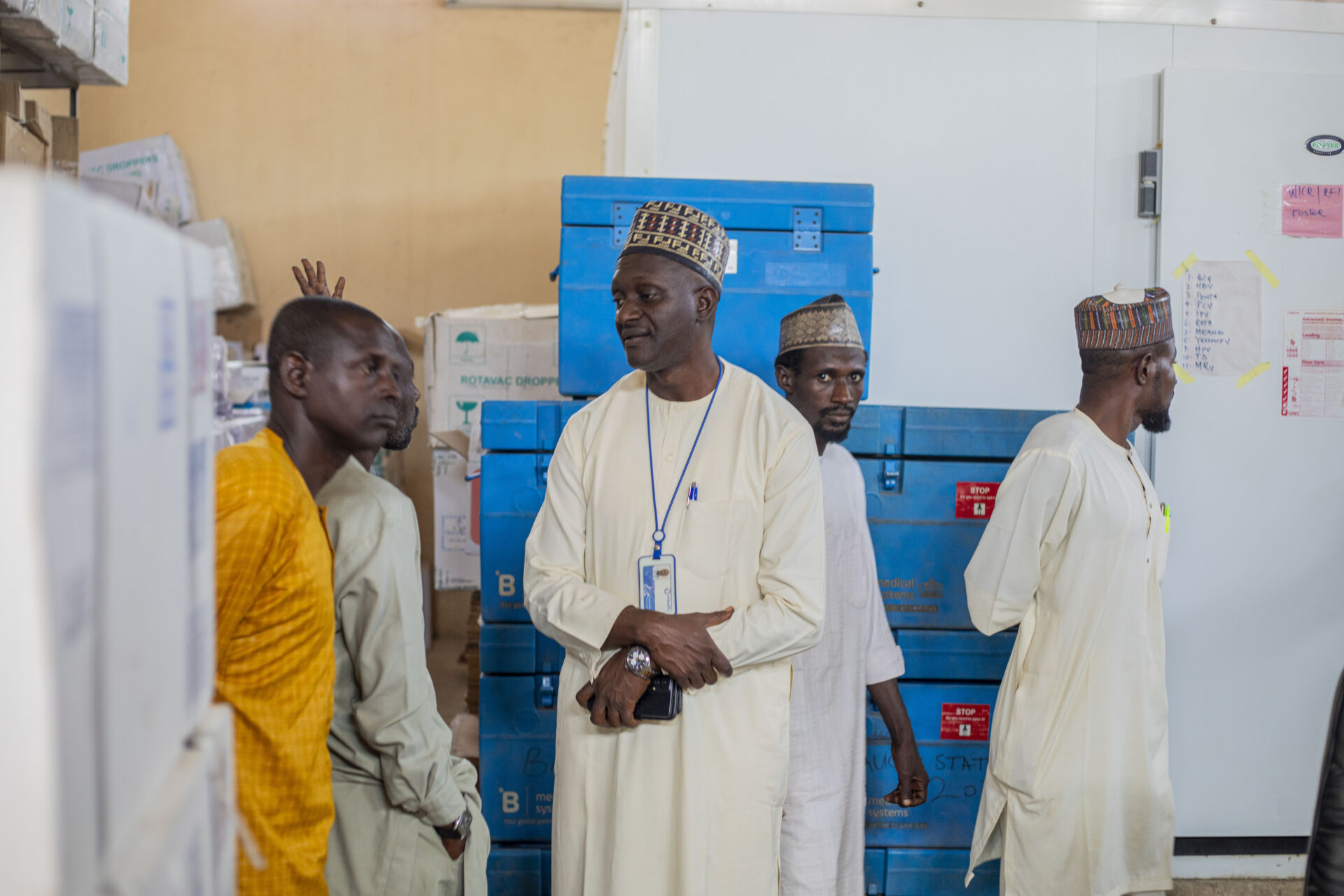
One of the clearest lessons from the webinar was that successful cancer prevention begins long before hospital visits. It begins in communities. Muhammad Ribadu Jibrin highlighted the importance of “community entry” as a deliberate strategy, engaging traditional leaders and local influencers before vaccination teams arrive. These trusted voices help shape acceptance long before formal health messaging begins.
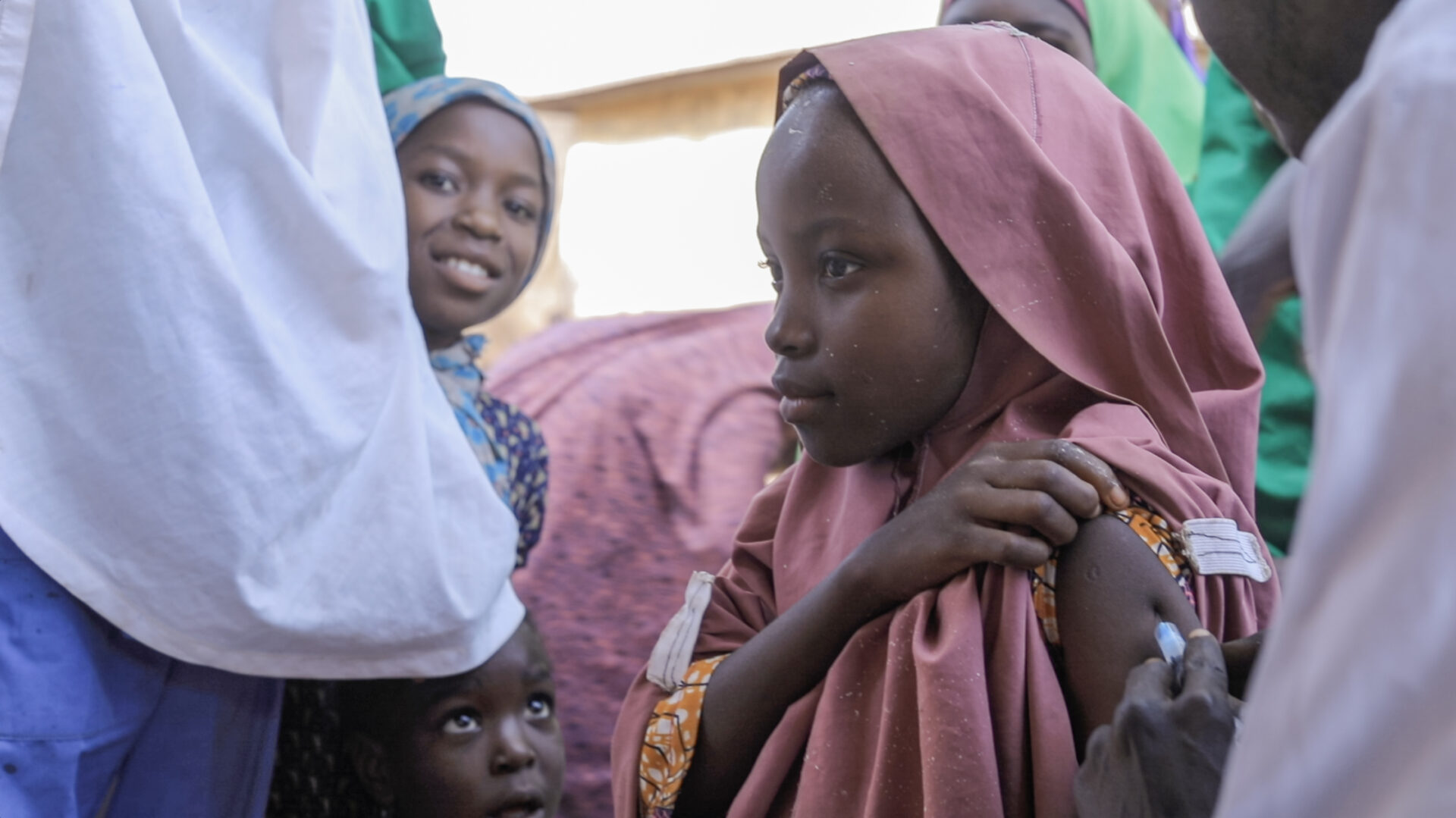
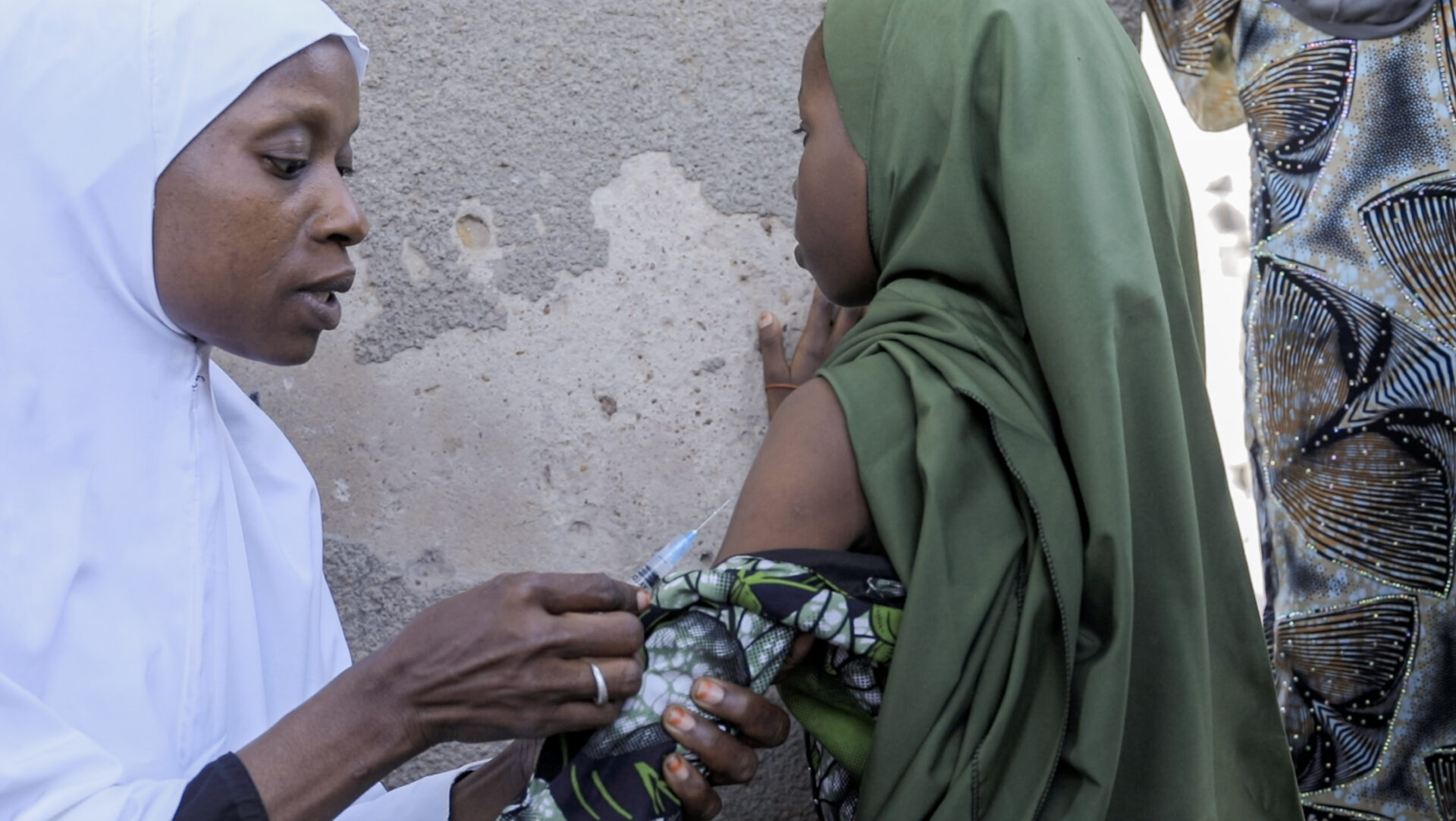
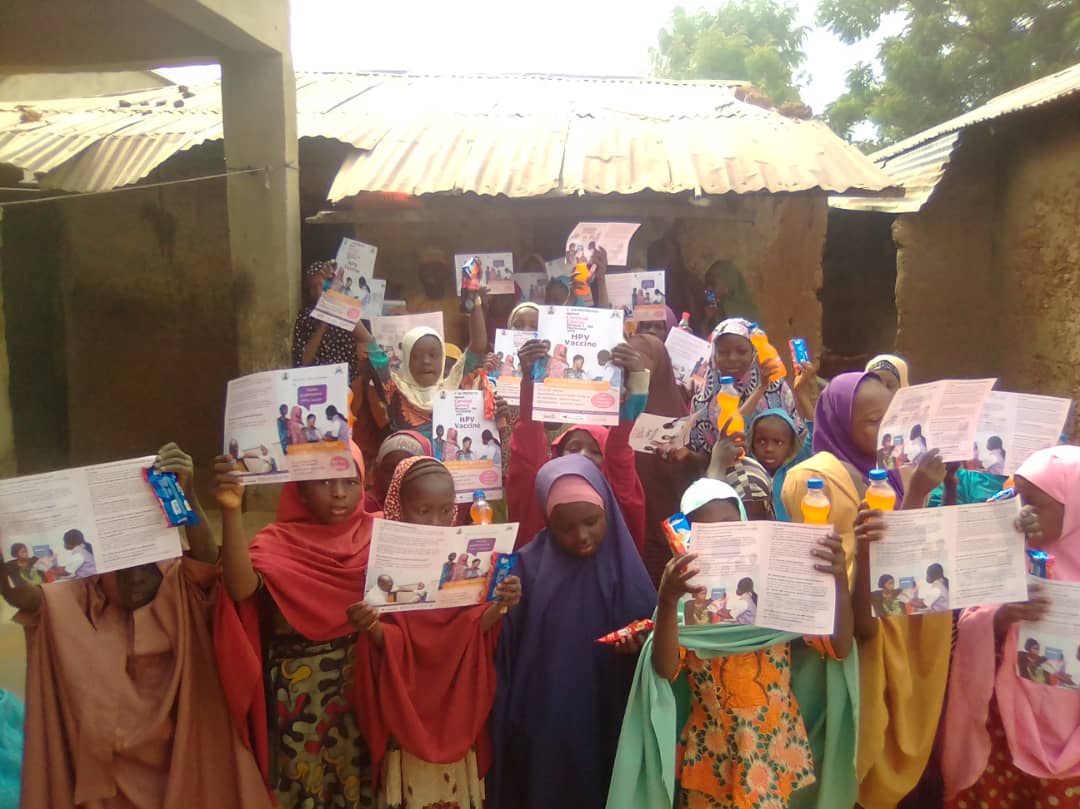
The message was clear: “Community engagement is not a communication add-on; it is the intervention itself.” That same principle was evident in eHealth Africa’s HPV intensification campaign in Kano and Bauchi. As Salahudeen Ado Sambo shared, the campaign used a co-creation approach that brought caregivers, parents, state partners, and adolescent girls into the design process early. Questions surfaced before rollout, messages were pre-tested, and myths were addressed before they could spread. This shifted vaccination from something done to communities into something built with them.
Technology also emerged as an important enabler. While trust is fundamentally human work, sustaining it at scale requires strong systems. Speakers highlighted how geospatial data and real-time dashboards can help identify underserved areas, strengthen follow-up, and improve responsiveness. As Salahudeen Ado Sambo put it, “data is the eye of the programme.”
Perhaps the most powerful line from the webinar came from Dr. Shalom Nanle Dam: “Information is medicine.” Cancer prevention does not fail because solutions are unavailable. It struggles because prevention requires alignment—between policies and people, and between health systems and community realities.
As eHealth Africa continues to convene these monthly Insights Webinars, each conversation builds toward a larger goal: the Insight Learning Forum (ILF). The webinar is more than a monthly dialogue; it is part of a growing pathway where insights can be deepened, challenged, and translated into collective action. Prevention begins long before diagnosis. It begins with trust.