January 13, 2026
Kano Communities Avert Painful Cancer Deaths Through Informed Vaccination
Alvina Anyawu, a Kano resident, is still struggling to come to terms with the painful experience her neighbor endured after being diagnosed with cancer. According to Alvina, her neighbor first noticed lumps in her breast a few years ago. Following a series of medical examinations, doctors confirmed the diagnosis and recommended immediate medical intervention.
Since then, her neighbor had been in and out of hospitals for treatment. The situation was believed to have worsened because the disease was not detected early enough, allowing it to escalate before proper intervention. “She kept going to the hospital and receiving treatment, but her condition continued to get worse as the days passed,” Alvina recalled.
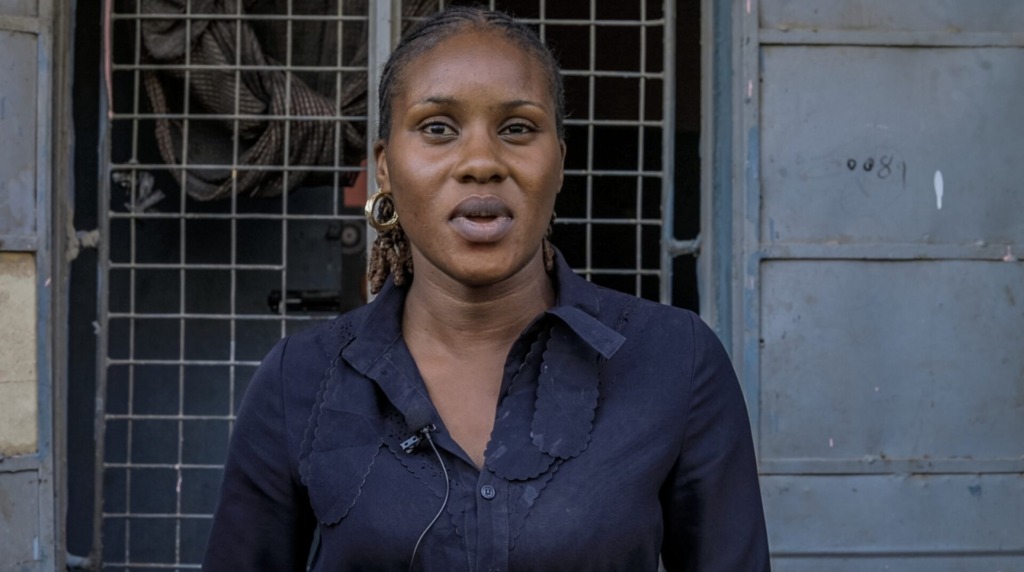
Almost helpless, Alvina watched her neighbor cry nearly every night due to excruciating pain. “Every night, she would wake up crying and screaming from pain, heat, and other discomforts,” she said. Despite undergoing a mastectomy and receiving follow-up treatments at multiple medical facilities, Alvina’s neighbor eventually succumbed to the illness a few months ago. “What happened to my neighbor was extremely painful, and I wouldn’t wish such an experience on anyone,” she added.
Speaking further, Alvina emphasized the reality and severity of cancer. “I want everyone to know that cervical cancer and indeed all forms of cancer, is real and very deadly,” she said.
In Nigeria, for instance, cervical cancer is the third most common cancer and the second leading cause of cancer-related deaths among women aged 15 to 44, according to the United Nations Children’s Fund (UNICEF). As of 2020, the country recorded approximately 12,000 new cases and up to 8,000 deaths from cervical cancer annually.
Recent research also shows that awareness of the Human Papillomavirus (HPV) vaccine remains relatively low, with only 13.7% of eligible women having received at least one dose. Barriers such as high cost, limited public health infrastructure, cultural beliefs, and lack of information continue to hinder vaccine uptake. In response, eHealth Africa and UNICEF are taking deliberate steps not only to make vaccines more accessible but also to educate caregivers, healthcare workers, and key stakeholders on the importance of preventive immunization.
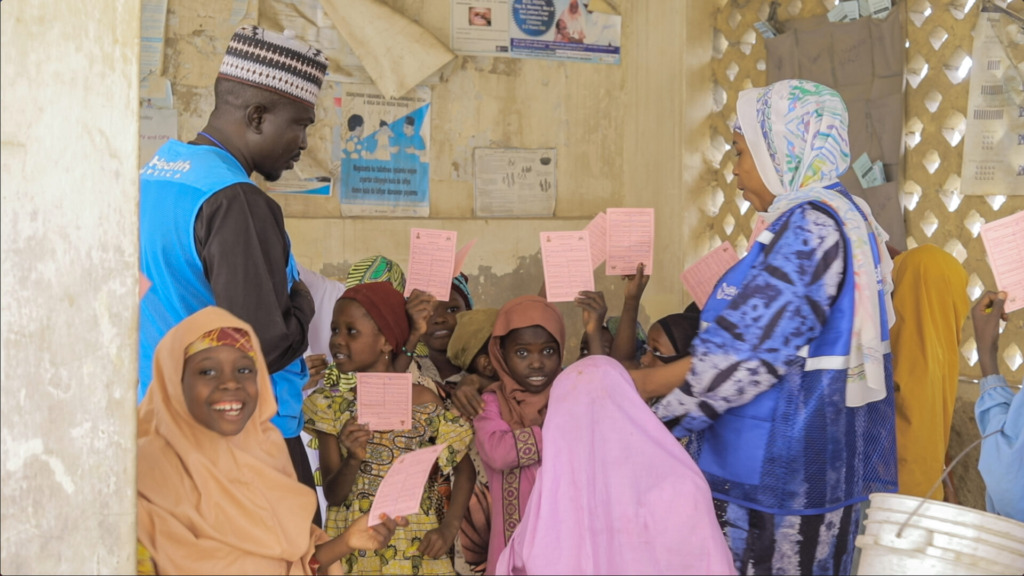
The HPV intensification campaign led by eHealth Africa in Kano State and surrounding areas began with a co-creation and awareness session involving caregivers, schoolteachers, community leaders, government officials, and public healthcare personnel. According to the Project Manager, Salahudeen Sambo, the session provided a rare platform for open dialogue on the dangers of HPV and the urgency of vaccination. “It also empowered caregivers to return to their communities and educate their neighbors on the importance of HPV vaccination,” he explained.
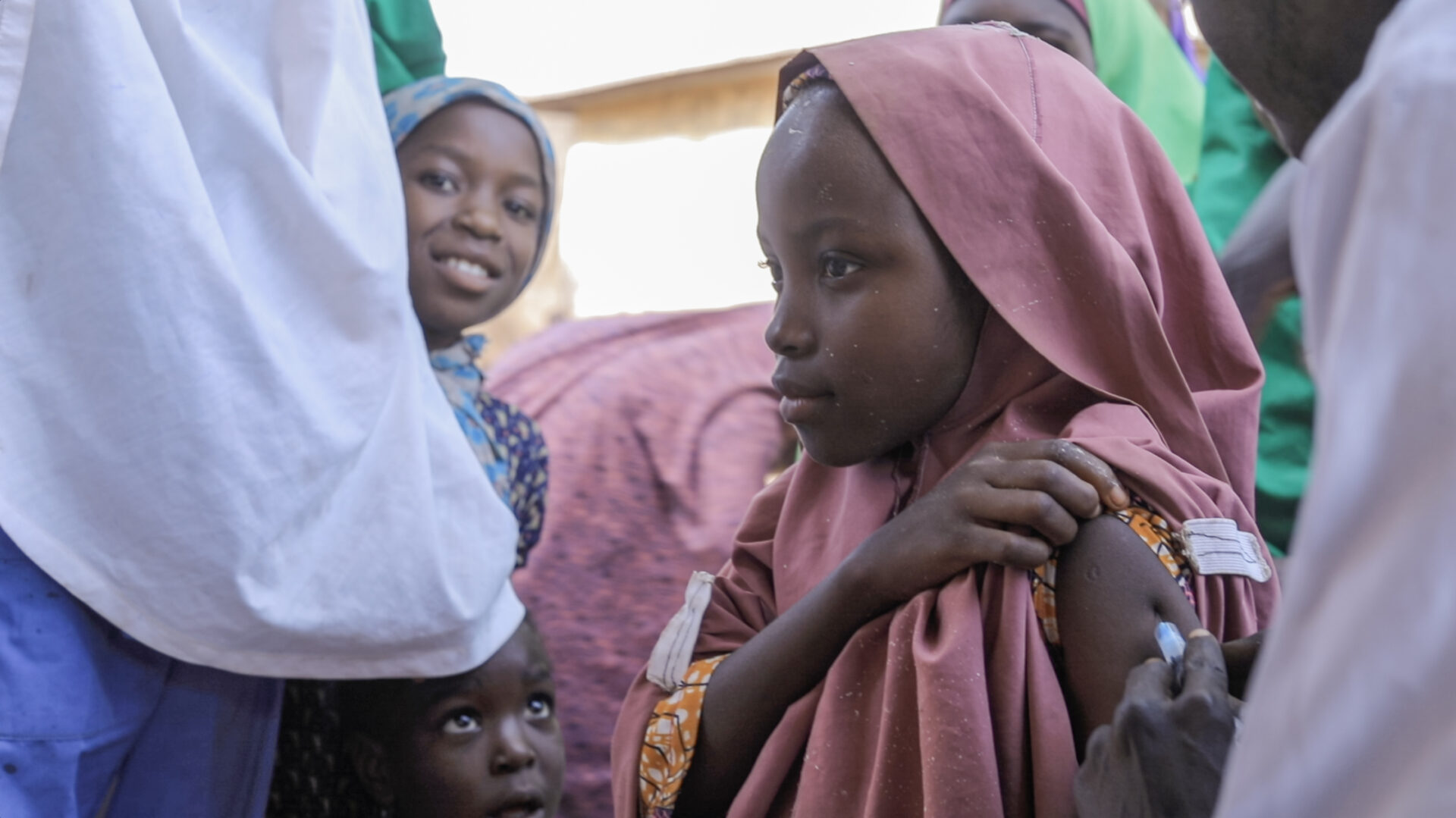
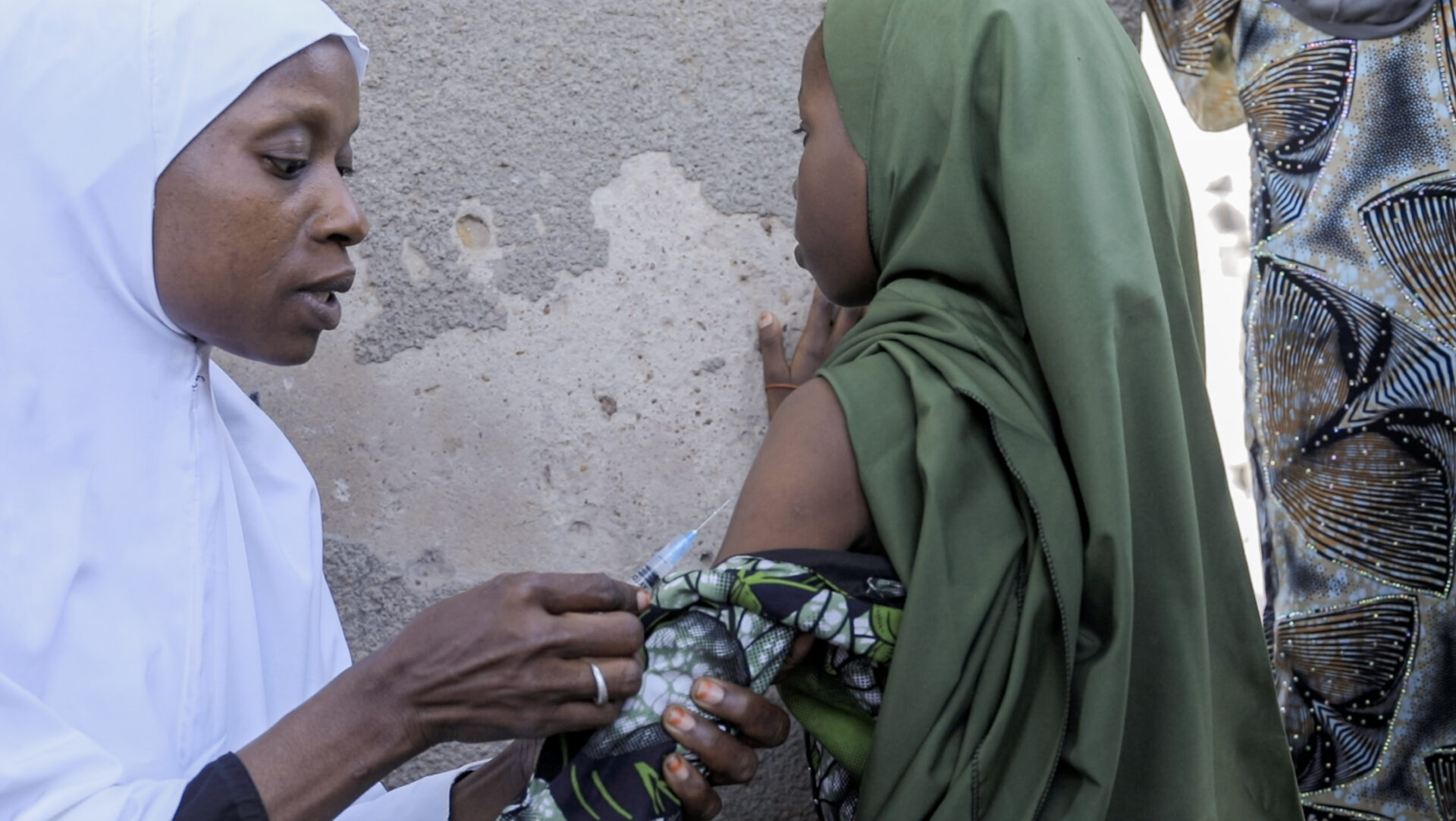
Engagement with multiple stakeholders and community gatekeepers significantly reduced vaccine non-compliance. Across communities and schools, teachers and community leaders championed advocacy efforts to promote HPV vaccination. “I had my fears and questions, like many parents do, but learning the facts helped me choose prevention,” said Chidinma Anyigbo, a school head teacher in Kano. “Protecting our children today means giving them a healthier and safer future.” As a result, when the eHealth Africa vaccination team visited her school, she ensured that girls aged nine and above were vaccinated.
Similarly, Nasiru Muhammed, a village head in Kano, reiterated the impact of the awareness campaign in improving vaccine acceptance within his community. “We were invited to an awareness seminar where we learned in detail about HPV and the importance of vaccination,” he said. He added that community leaders have since taken the message back to their people. “We have successfully educated our communities on the urgency of preventing HPV and its impact, especially on young girls and adolescents.”
Stakeholders have therefore called for further decentralization of awareness campaigns to Local Government and last-mile community levels, as poor awareness and persistent immunization myths continue to leave many communities unprotected. This lack of understanding has contributed to low vaccine uptake, leading to preventable suffering and deaths during outbreaks such as diphtheria, which claimed the lives of young children and adolescents. These tragic experiences have, in turn, driven increased acceptance of vaccination against other potentially deadly diseases.
As January marks Cervical Cancer Awareness Month, eHealth Africa’s HPV intensification efforts in Kano State highlight what is possible when prevention is prioritized through informed policy, sustained funding, and community trust. By combining grassroots engagement with school-based vaccination and strong partnerships with government and UNICEF, the initiative is closing critical awareness gaps and protecting girls aged nine and above before exposure to HPV.
The results underscore a clear imperative for policymakers and donors: investing in decentralized, last-mile vaccination and community education saves lives, reduces long-term healthcare costs, and prevents the avoidable suffering that continues to claim thousands of women each year in Nigeria.