February 27, 2026
HPV Vaccine Demand Surges in Communities as Stakeholder Trust Strengthens

Recent experience shows that misinformation, often coupled with mutual distrust among public health personnel and other stakeholders, is the bane of immunization campaigns, especially in remote communities in Africa. While it may sound weird that in 2026, vaccine hesitancy is still being experienced in some communities, it’s only valid that human beings only trust what they have ample information and education about.
There is no doubt that organizations have consistently conducted awareness programs to support various immunization campaigns. However, it remains essential to continuously evolve strategies that reach more communities with accurate and timely information.
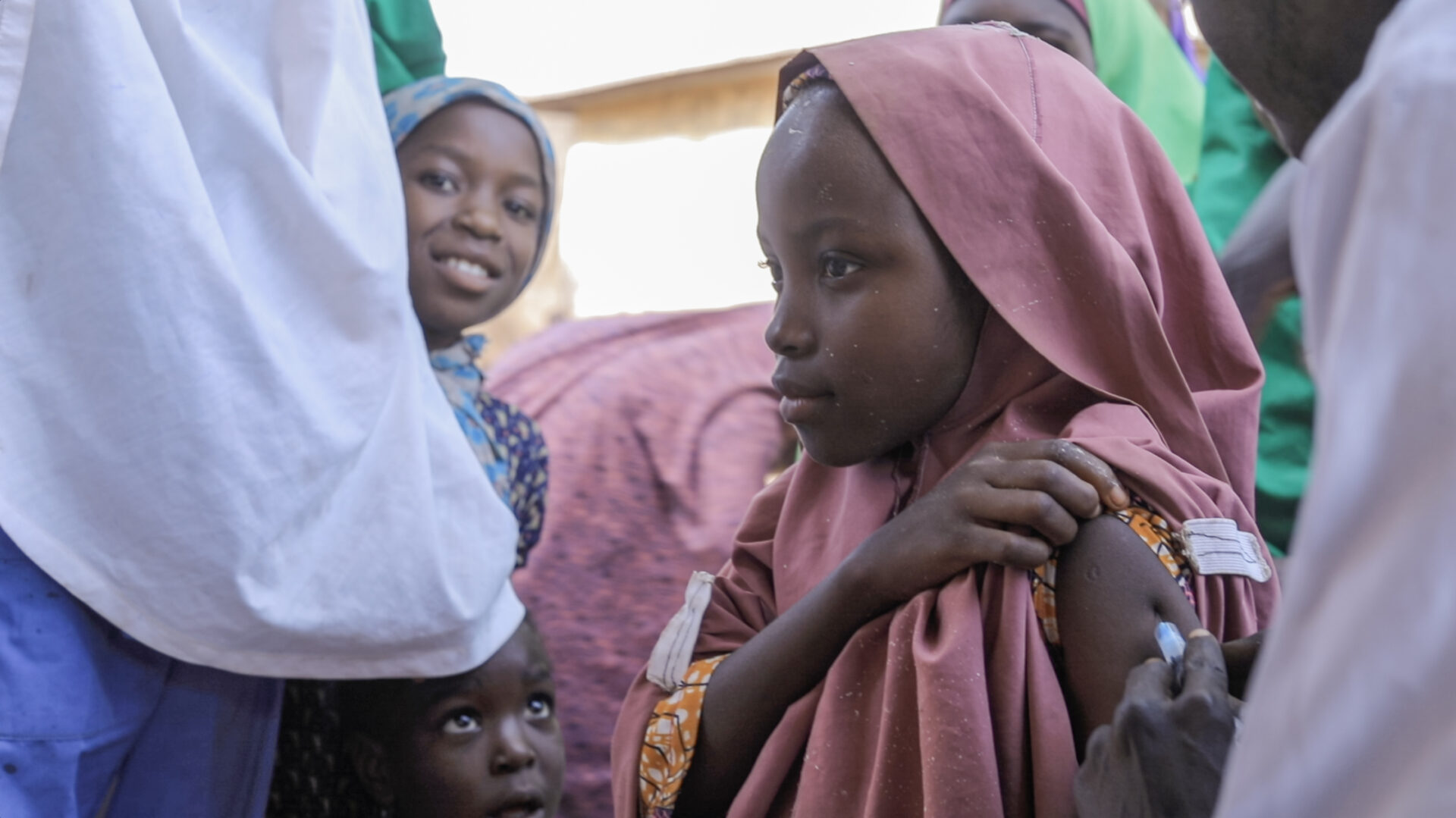
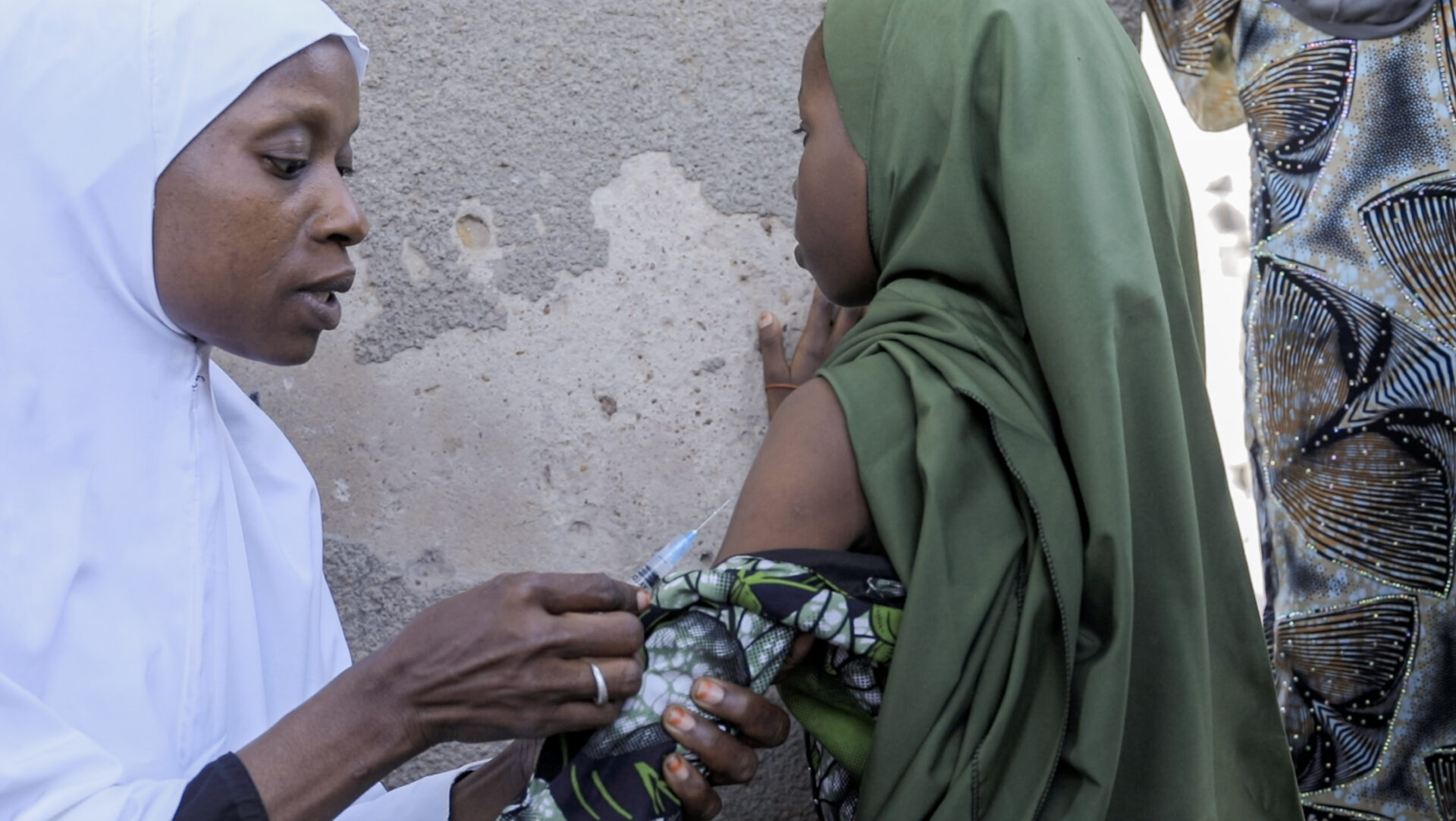
For instance, the head of social mobilization in Bauchi Local Government Education Authority (LEA ) of the state, Ahmed Rufai Mukaddas, noted that caregivers often remain suspicious about the rationale behind the Human Papillomavirus (HPV) vaccine, which targets young girls between 9 and 14 years.
“I recall a situation where a caregiver rushed into a school during an HPV vaccination exercise to withdraw her children to prevent them from receiving the vaccine.” He said. According to Rufai, all efforts to convince the caregiver at the time proved unsuccessful. The reasons for such reactions are not far-fetched. With the growing number of vaccines aimed at preventing various diseases, awareness remains inadequate in communities that lack consistent public health education. As a result, misconceptions and misinformation continue to fuel distrust.
Victoria Andrew, a caregiver and mother of three girls, shared a similar perspective: “Many people believe vaccination is a form of contraception or child spacing. Some mothers fear it will affect their children as they grow.”
She recounted the story of a neighbor with ten daughters who never allowed her girls to be vaccinated. Tragically, one of the daughters now struggles with mobility due to Acute Flaccid Paralysis (AFP), commonly associated with poliovirus infection. This outcome could have been prevented through proper awareness and the demystification of long-standing misconceptions.
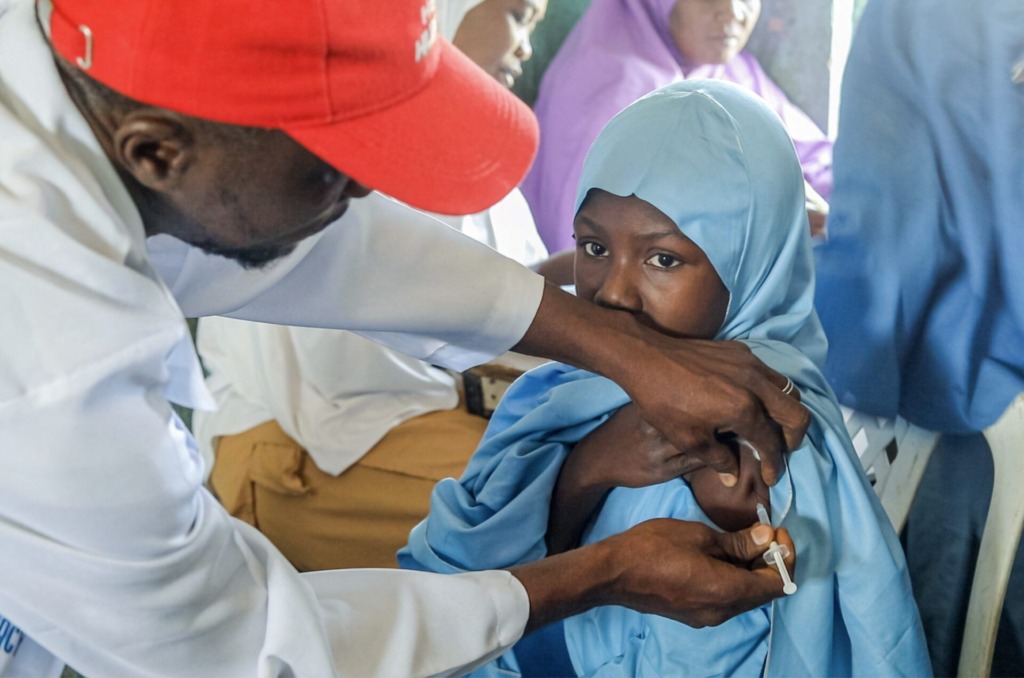
Recognizing these challenges, eHealth Africa and the United Nations Children’s Fund (UNICEF) strengthened collaboration between the health and education sectors, while deepening community engagement. These efforts proved vital to the successful intensification of the HPV vaccination campaign in Kano and Bauchi States, Nigeria.
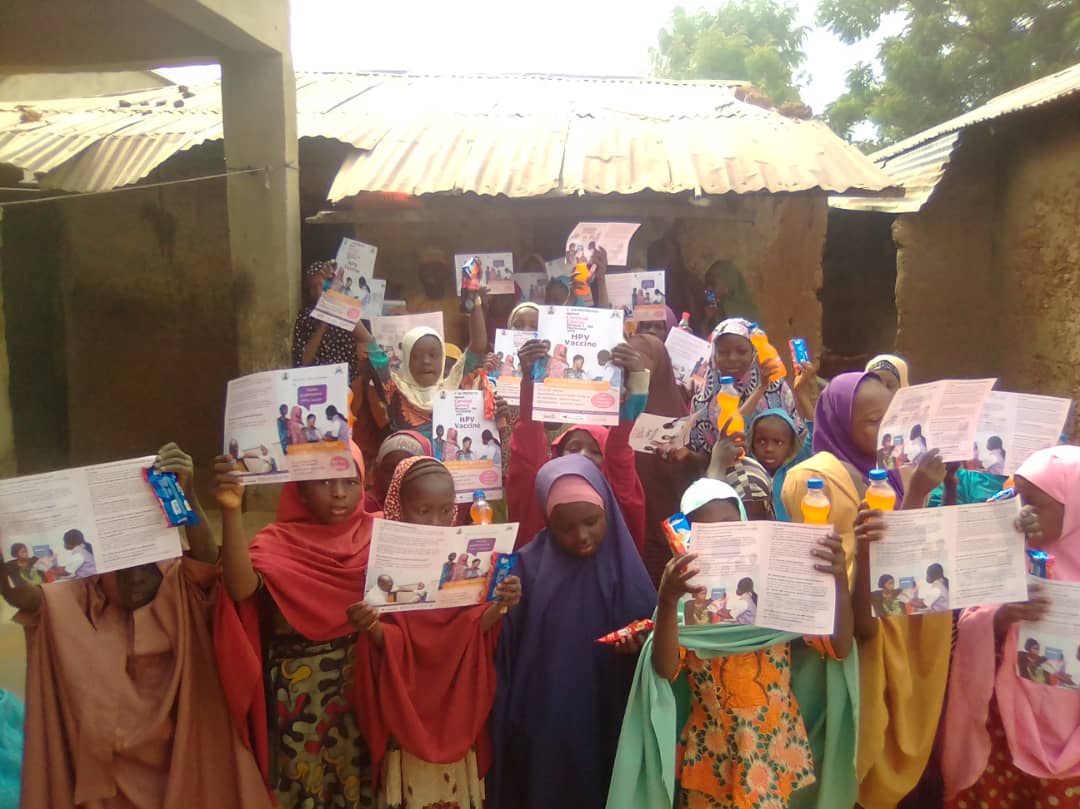
One strategic approach deployed by eHealth Africa is to precede the HPV intensification campaign with a strategic open co-creation and awareness session. The session provided an avenue for parents, caregivers, school teachers, community leaders, and healthcare providers to have frank conversations on the potential dangers of the HPV.
Speaking on this intervention, eHealth Africa’s project manager, Salahuddeen Sambo Ardo, said, “The session provided a unifying platform to emphasize the critical importance of vaccines in preventing diseases such as cervical cancer.”
He explained that, unlike traditional top-down sensitization approaches, the co-creation model intentionally brought together a diverse group of stakeholders including caregivers, parents, teachers, Parent-Teacher Association (PTA) representatives, community gatekeepers, state health educators, HPV focal persons, and girls aged nine years, the primary target group for the vaccine.
“This inclusive structure ensured that both decision-makers and community voices were represented, fostering shared ownership of the vaccination effort,” he added.
Other stakeholder awareness activities for community ward heads, Public Health personnel training, edutainment activities in schools, and Parent Teachers Association programs duly preceded community and school vaccination outreach.
This was a game-changer and a springboard for increased demand in HPV vaccines across the communities. For instance, Victoria’s perspective changed after attending the co-creation session on HPV vaccination. “I learned a lot, not just for myself, but for others too. As a mother, a Christian, and a Sunday school teacher, I realized that vaccines are safe and an essential first step in preventing disease.”
Hadiza Ahmed, who led these activities in Bauchi state, said the outcomes of the co-creation and edutainment activities were very encouraging. “Not only did the girls become advocates among their peers, but parents also began taking greater responsibility to ensure their daughters and other eligible girls in their communities were vaccinated”. Hadiza, who is also leading the activities of the Emergency Operation Center in the state, said that, during the community outreach efforts, demand significantly increased as school heads have since expressed strong interest in continuing these outreaches within their communities. “In fact, vaccine supply shortages limited our ability to meet the full demand generated”, she revealed.
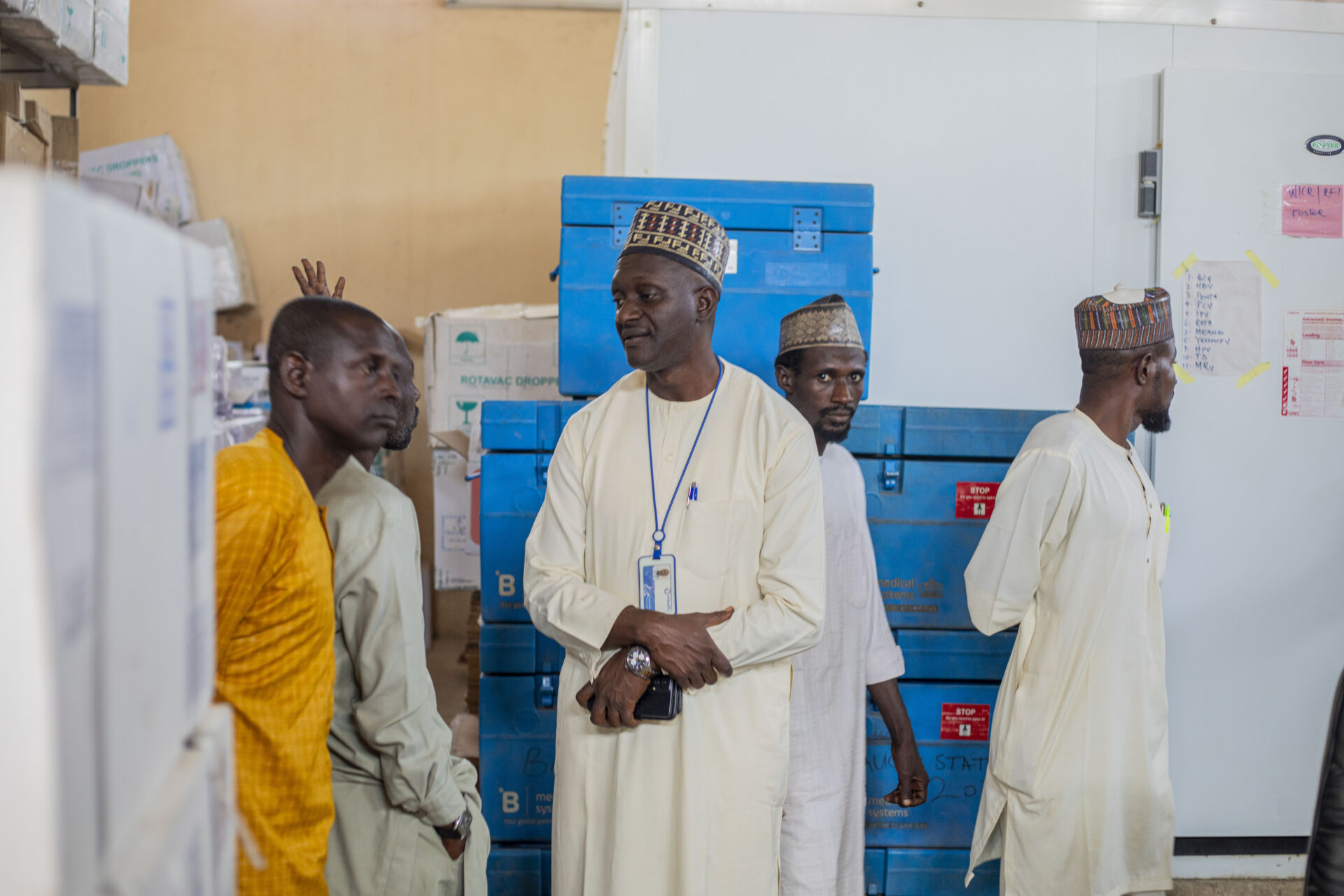
This was corroborated by Ahmed Rufai saying that one of the major delays experienced during the HPV intensification campaign was limited access to vaccines at some point. “For instance, in Rafin Makaranta, massive awareness and mobilization led to increased turnout for HPV vaccination; however, the available vaccine was not sufficient at the time, he said .”
The surge in HPV vaccine demand reflects growing trust, stronger partnerships, and communities taking ownership of their health. It is essential not only to sustain this momentum but to expand HPV intensification efforts to additional communities. More importantly, consistent vaccine availability must be ensured while community engagement continues. With sustained effort and strong partnerships, more girls can be protected early, and the long-term burden of cervical cancer can be significantly reduced.