September 17, 2025
Beyond the Panels: How Solarizing PHCs is Powering Health and Hope
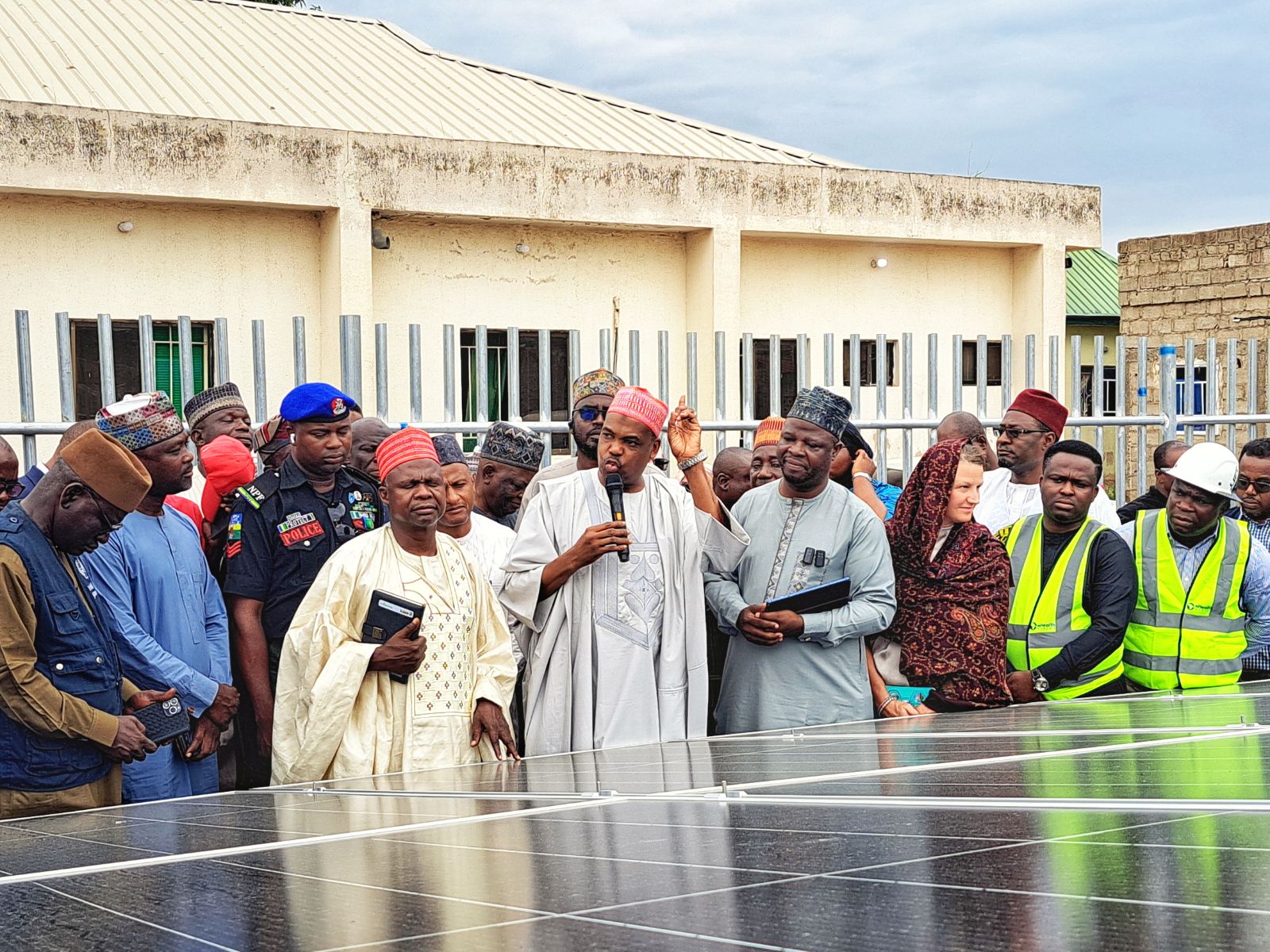
Reliable electricity is a critical determinant of quality care in Primary Health Care (PHC) facilities. Yet, according to the World Health Organisation, close to 1 billion people in Lower-and Middle-Income Countries (LMIC) of which Nigeria is included, are estimated to be served by PHCs that operate with limited or no power, compromising vaccine storage, emergency care, and essential health services. Across rural and underserved areas, this gap has long affected patient outcomes and staff effectiveness.
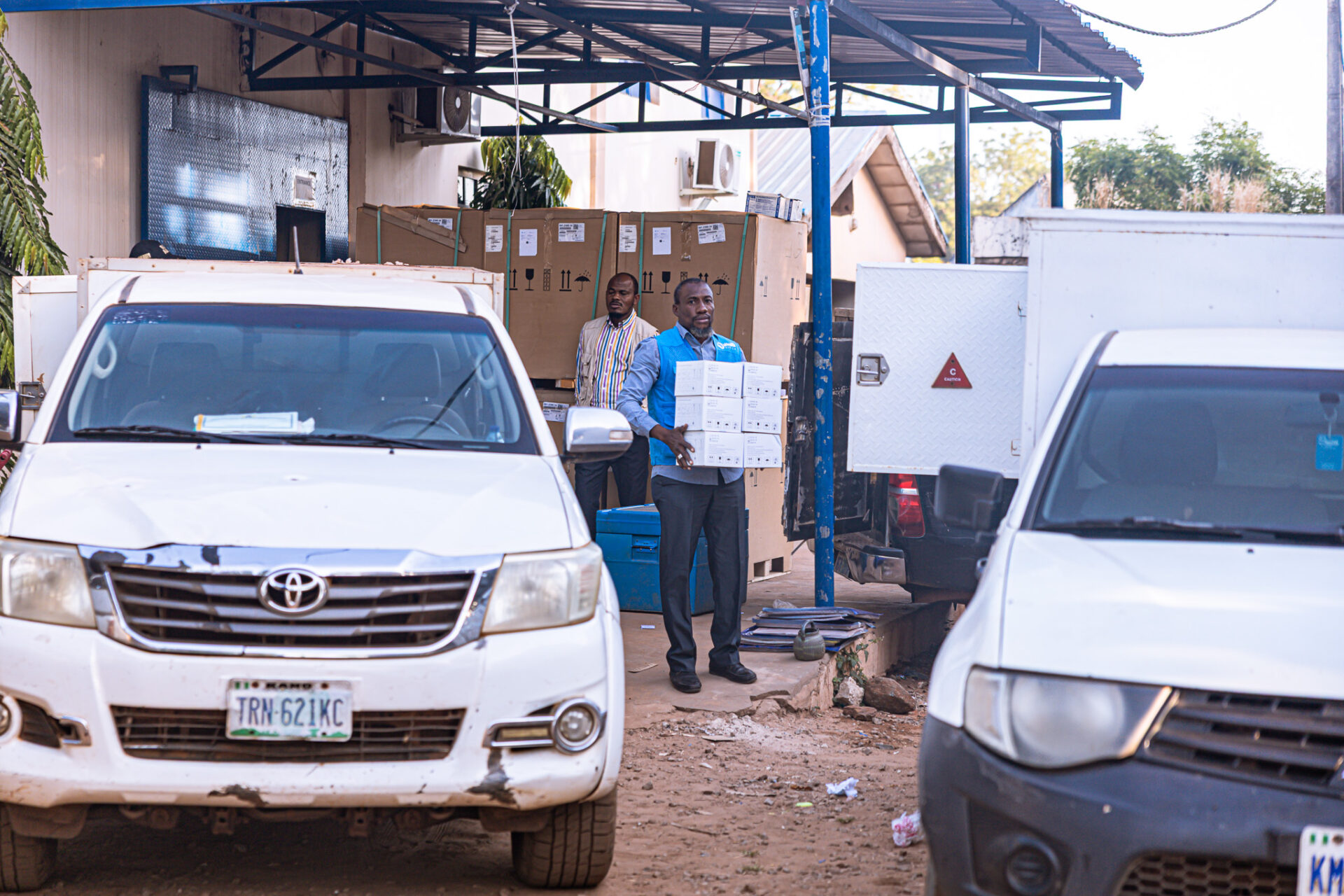
The solarization of 238 PHCs across 12 Nigerian states is changing that reality. Funded by UNICEF and implemented by eHealth Africa (eHA), the initiative strengthens health systems, builds local capacity for solar maintenance, and ensures uninterrupted healthcare services. According to the Executive Director of eHealth Africa, Atef Fawaz, “This initiative is not just about installing solar panels. It’s about giving communities the power to access essential healthcare when they need it most. Our resilience in supporting interventions like this ensures that, not just patients but also health workers in underserved communities have the resources they need to save lives”.
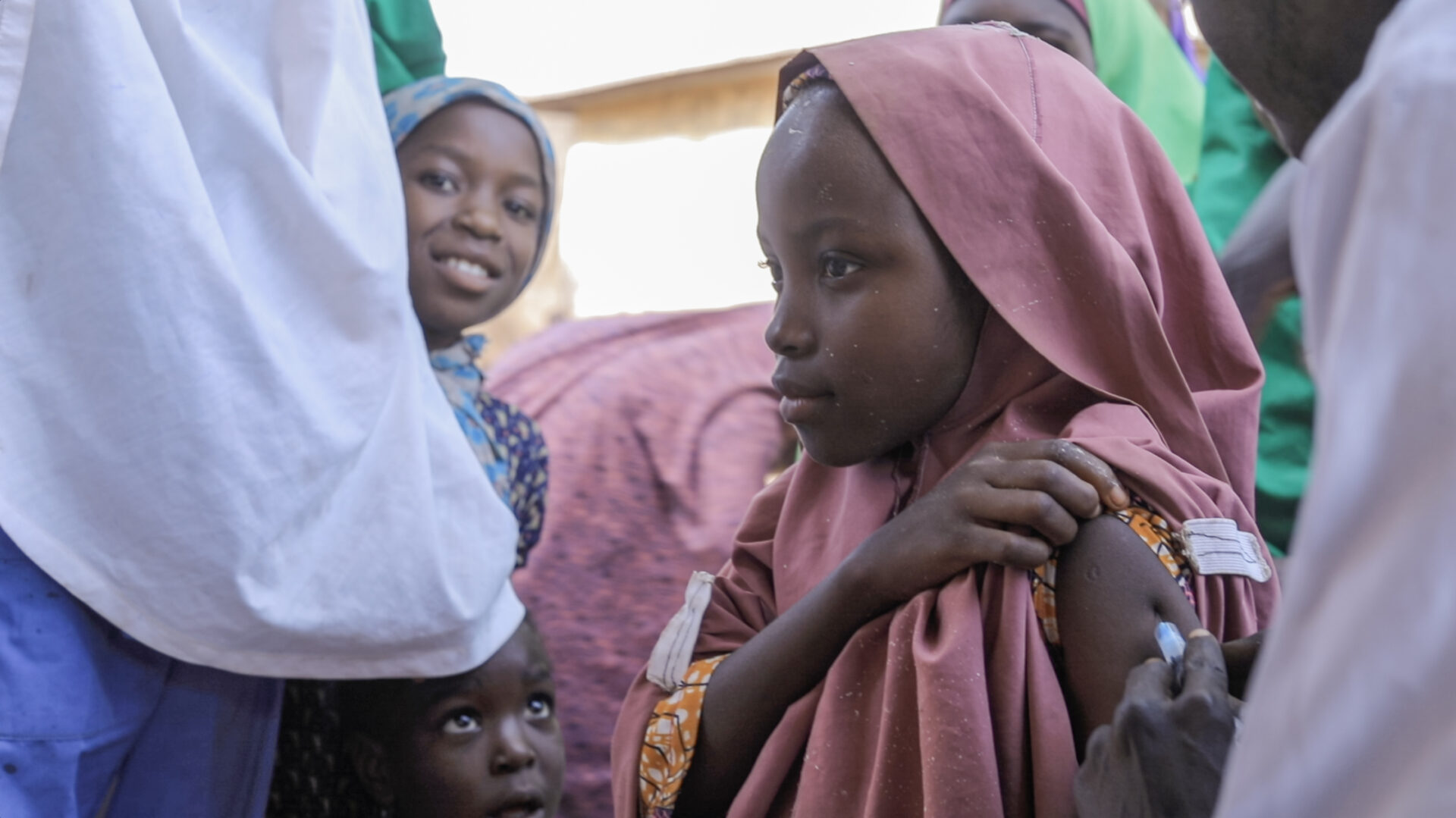
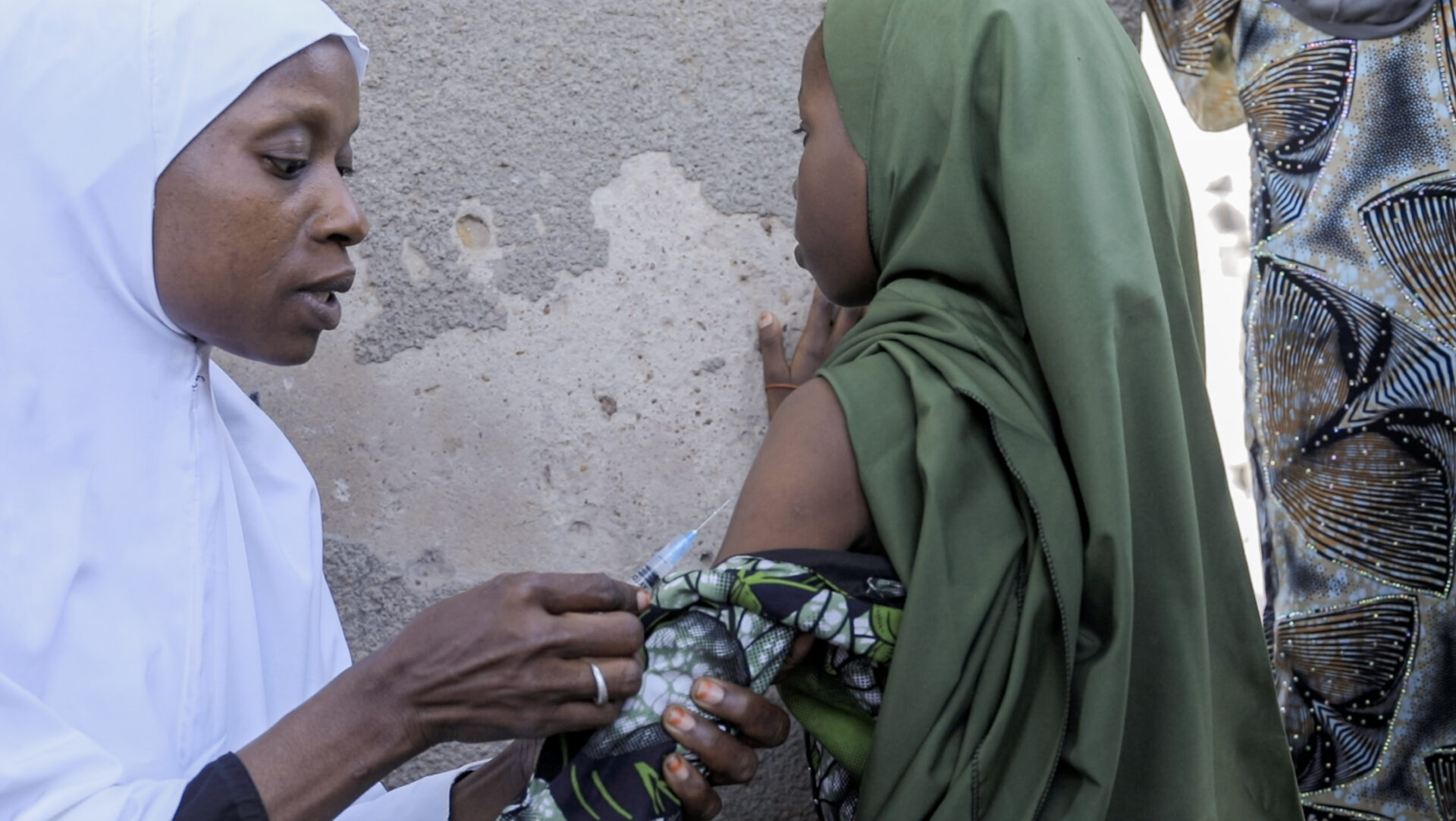
By doing so, it contributes to reducing zero-dose children and improving routine immunization coverage. The solarization initiative also represents a sustainable renewable energy solution, reducing reliance on fossil fuels and supporting Nigeria’s climate change goals. By aligning with the Sustainable Development Goals (SDGs), particularly affordable and clean energy (SDG 7) and climate action (SDG 13), it demonstrates how health interventions can simultaneously advance environmental sustainability.
The intervention is being implemented in two phases: Lot 1 covers 191 PHCs in Jigawa, Kaduna, Kano, Katsina, Kebbi, Sokoto, and Zamfara, while Lot 3 covers 47 PHCs in the Federal Capital Territory, Nasarawa, Niger, Ondo, and Plateau. Installation began in early 2025, with progress already visible: 28 facilities in Kano completed and handed over to the Kano State Government, 3 facilities in Abuja, and 33 out of 34 in Jigawa are now solarized and operational. These completions mark a significant milestone in ensuring reliable healthcare services across underserved regions. The Teams are currently working in Nasarawa, Kaduna, and Niger to install and commission systems.
More Than Light: Restoring Confidence in Care
For healthcare workers like Saliu Muhammad, the change is tangible every day; “Before the solar system, we sometimes told patients to come back the next day for lab results because we had no light. Now, we can run tests like genotype in 30 minutes. Patients have expressed satisfaction with the improved services.” Solar power has not only improved operational efficiency but also rebuilt community trust. Families that once traveled far for care now know their local PHCs can provide reliable services day or night, ensuring timely access to essential health interventions.
For patients like Aisha Suleiman Ibrahim, the difference is deeply personal. “Before, labour at night meant using torchlight or lanterns. Now, everywhere is bright, and they attend to us immediately. No more delays, no more unsafe conditions.” Night-time emergencies no longer depend on mobile phone batteries or kerosene lamps. Powered equipment has replaced uncertainty with reliable, safe care, enabling life-saving interventions round the clock.
Powering an Entire Supply Chain
In some facilities, the benefits extend beyond their walls. Seun Olusola explains; “Solar doesn’t just power our own facility. It keeps the AMAC vaccine store running. We now maintain vaccine potency not only for ourselves but for other centres that collect from us. It has strengthened the whole local supply chain.” This improvement ensures vaccine integrity, reduces wastage, and supports higher immunization coverage across multiple facilities, enhancing the efficiency of the wider health system.
The project also invests in people. PHC staff are trained to operate and maintain the solar systems, from cleaning panels to checking batteries and managing energy loads. “Even if key staff are away, others can operate the system. That knowledge makes us confident we can keep it running.” – Seun Olusola . This capacity building ensures that the benefits of solarization are sustainable and that health workers are empowered to deliver consistent, high-quality care.
Illuminating a Path to Stronger Health Systems
With more facilities coming onboard, the solarization intervention is transforming healthcare delivery in underserved areas. It ensures vaccines maintain their potency, cutting patient waiting times, improving staff morale, and ensuring that essential services are available whenever they are needed. Independent assessments and ongoing monitoring confirm the effectiveness of the systems, helping guide future rollout phases and reinforcing accountability to partners and communities.
By going beyond simple infrastructure upgrades, the solarization solution is illuminating a path to stronger, more resilient health systems, ensuring communities across Nigeria can access life-saving care at all times. It demonstrates that sometimes, the most powerful health intervention is not just a drug or equipment alone, but the combination of both, working together.